What are Thin-Film Solar Panels?
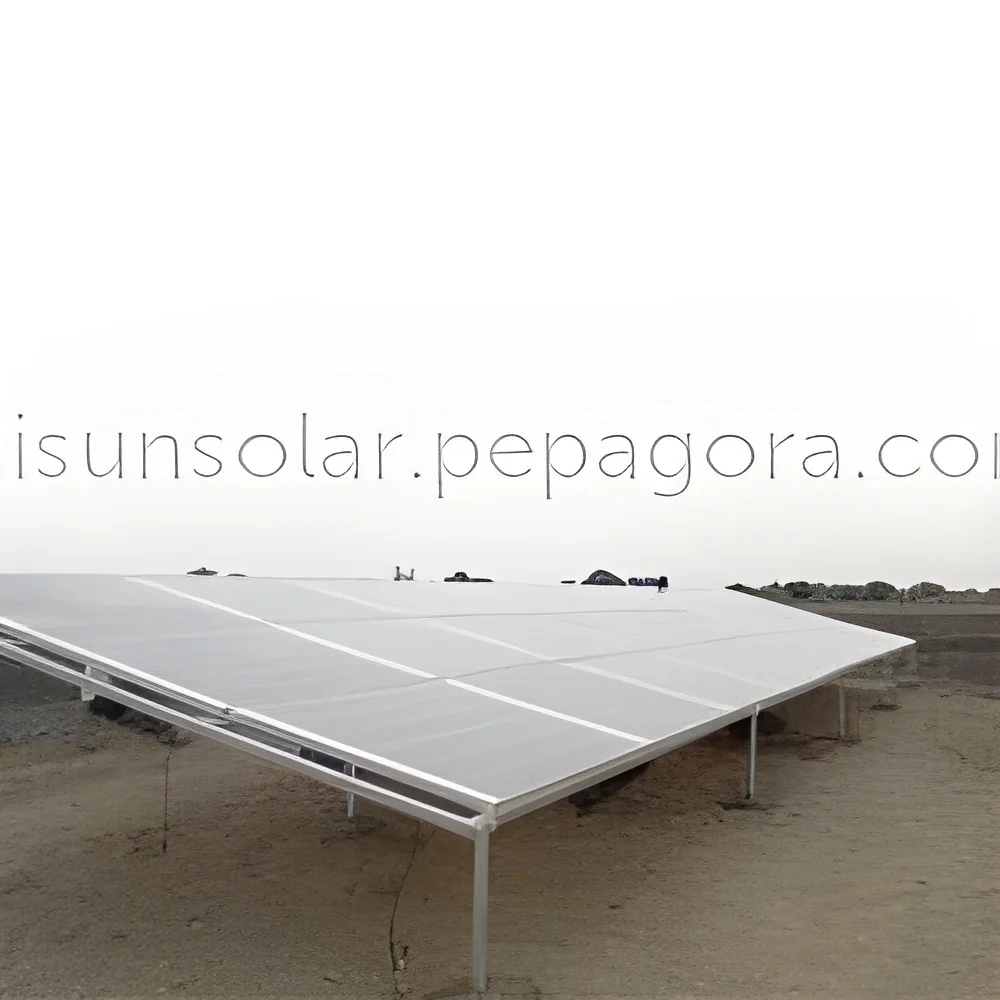
Thin-film solar panels are a type of photovoltaic technology that utilizes very thin layers of semiconductor materials to convert sunlight into electricity. Unlike traditional solar panels that are made from crystalline silicon, thin-film panels are constructed using materials such as cadmium telluride, amorphous silicon, or copper indium gallium selenide. This design allows for flexibility and lightweight applications, making them suitable for a variety of installations where space and weight are constraints.
These panels are primarily used in commercial and industrial settings, where large-scale energy generation is needed. Common applications include solar farms, building-integrated photovoltaics, and off-grid systems. As the demand for renewable energy solutions grows, thin-film solar panels have gained industry relevance due to their lower production costs and the potential for integrating into unconventional surfaces, such as roofs and facades. The global market for thin-film technology is expanding, driven by advances in manufacturing processes and an increased focus on sustainability.
Key Features and Specifications
Thin-film solar panels offer a range of features that make them an appealing choice for businesses looking to invest in renewable energy. Their lightweight and flexible nature allows for innovative installations, while their performance in low-light conditions is a significant advantage.
Key specifications include:
1. Efficiency Rate
- Typically ranges from 10% to 12%
- Lower than traditional panels, but improved with advances in technology
2. Temperature Coefficient
- Generally around -0.2% to -0.3% per degree Celsius
- Indicates performance drop in high temperatures
3. Thickness
- Usually less than 1 mm
- Contributes to their lightweight and flexible design
4. Warranty Period
- Standard warranty ranges from 10 to 25 years
- Indicates longevity and reliability of the panels
5. Power Output
- Available in various wattages, commonly from 100 W to 300 W
- Allows for customization based on energy needs
6. Installation Methods
- Can be mounted on various surfaces, including rooftops, walls, and even vehicles
- Versatile application across different environments
7. Environmental Impact
- Typically manufactured with fewer resources compared to crystalline panels
- Can be produced with less energy, reducing overall carbon footprint
8. Cost
- Generally lower upfront costs compared to traditional solar panels
- Long-term savings on energy bills can offset initial investment
In summary, thin-film solar panels provide a unique combination of flexibility, efficiency, and cost-effectiveness, making them a valuable option for businesses seeking sustainable energy solutions.
Common Applications and Use Cases
Thin-film solar panels serve various industries, making them a versatile choice for energy generation.
1. Agriculture: These panels can be installed on farm buildings or integrated into greenhouses, providing energy while maintaining agricultural productivity.
2. Commercial Buildings: Many businesses opt for thin-film panels for rooftops or parking lots, capitalizing on space that would otherwise go unused.
3. Transportation: Thin-film technology is used in solar-powered vehicles and charging stations, promoting sustainable transportation solutions.
4. Residential Installations: Homeowners looking for flexible energy solutions often choose thin-film panels due to their lightweight and adaptable nature.
5. Off-Grid Applications: Remote locations that lack access to traditional power sources benefit from thin-film solar panels for energy independence.
6. Urban Infrastructure: These panels can be integrated into building facades and other urban structures, contributing to energy efficiency in densely populated areas.
7. Emergency Backup Systems: Businesses and organizations use thin-film panels as part of backup power systems to ensure continuity during outages.
Product Variants and Subcategories
Thin-film solar panels exhibit diversity in their offerings, catering to specific needs and applications.
Cadmium Telluride (CdTe) Panels: Known for their cost-effectiveness, these panels are widely used in large-scale solar farms due to their efficient manufacturing processes and solid performance.
Amorphous Silicon Panels: These panels are highly flexible and lightweight, making them ideal for applications where traditional panels cannot be installed. They are commonly used in consumer electronics and small-scale energy solutions.
Copper Indium Gallium Selenide (CIGS) Panels: CIGS panels offer a good balance between efficiency and production costs. They are suitable for both residential and commercial applications, providing reliable energy generation.
Benefits and Advantages
Thin-film solar panels present numerous benefits for businesses looking to invest in renewable energy.
1. Lightweight Design: Their reduced weight makes installation easier and more versatile across different surfaces.
2. Flexibility: Thin-film panels can conform to various shapes and surfaces, allowing for innovative applications in design and architecture.
3. Performance in Low Light: These panels perform well in low-light conditions, making them effective for locations with less sunlight.
4. Cost-Effective: The production cost of thin-film panels is generally lower, providing a more affordable option for energy generation.
5. Reduced Material Usage: Thin-film technology typically requires less material to produce, leading to lower environmental impact during manufacturing.
6. Versatile Applications: Their adaptability makes thin-film panels suitable for a wide range of installations, from residential to industrial.
Buying Guide for B2B Buyers
When sourcing thin-film solar panels, it is crucial for businesses to consider several factors to ensure a successful investment.
1. Quality Assessment: Evaluate the quality of the panels by reviewing certifications and performance ratings. Look for manufacturers that adhere to recognized quality standards.
2. Supplier Verification: Vet potential suppliers through research and references. Ensure they have a solid reputation in the industry and provide reliable products.
3. Pricing and MOQ: Understand the pricing structures and minimum order quantities. This will help in budgeting and determining the scale of your investment.
4. Delivery and Lead Times: Clarify logistics and expected delivery times. Timely delivery is essential for project planning and execution.
5. Compliance Requirements: Ensure that the panels meet regional compliance and safety standards. This can include certifications like CE, which indicate adherence to European safety regulations.
Compliance and Certifications
Compliance and certification are vital for ensuring the quality and safety of thin-film solar panels. Relevant quality standards such as ISO 9001 ensure that manufacturing processes meet international quality benchmarks.
Industry certifications, including CE markings, indicate that the panels comply with European safety, health, and environmental protection legislation.
Safety and testing requirements are critical, as they ensure that the panels perform reliably over their lifespan. Regular testing for efficiency, durability, and environmental impact is necessary to maintain compliance.
Regional compliance considerations may vary, so it is essential for businesses to understand local regulations that govern solar panel installations and operations.
Why Source Thin-Film Solar Panels from Pepagora?
Pepagora provides a trusted platform for sourcing thin-film solar panels, offering several key advantages for B2B buyers.
Verified Supplier Network: Pepagora ensures that all suppliers are thoroughly vetted, providing buyers with confidence in the quality and reliability of the products they purchase. This network allows businesses to connect with reputable manufacturers and suppliers.
Streamlined RFQ Process: The platform features a user-friendly request for quotation (RFQ) system that simplifies the sourcing process. Buyers can easily submit their requirements and receive competitive quotes from multiple suppliers, facilitating informed decision-making.
Trade Assurance and Support: Pepagora offers trade assurance features that protect buyers throughout the purchasing process. This includes support for resolving disputes and ensuring that transactions are secure and reliable.
Regional Coverage: With a strong presence in regions like India, the GCC, and Southeast Asia, Pepagora connects buyers with suppliers who understand local market dynamics. This geographic reach enhances the sourcing experience and promotes collaboration across borders.

 IN
IN