What are Flexible Solar Panels?
Flexible solar panels are lightweight and versatile photovoltaic systems that can be adapted to various surfaces and applications. Unlike traditional rigid solar panels, these panels are made from flexible materials, allowing them to be installed on curved or irregular surfaces. This adaptability makes them an attractive option for a range of industries looking to harness solar energy without the limitations of conventional solar technology.
The primary uses of flexible solar panels include powering remote or off-grid locations, integrating into vehicles, and supporting energy needs in urban settings. Businesses utilize these panels in applications such as portable solar chargers, solar-powered equipment, and building-integrated photovoltaics. The increasing demand for renewable energy solutions has led to a rise in the adoption of flexible solar panels across diverse sectors, including transportation, construction, and outdoor recreation.
As global energy needs evolve, flexible solar panels are gaining industry relevance and market traction. Their lightweight design and ease of installation make them suitable for various applications, thus broadening their appeal to manufacturers and end-users alike. With advancements in technology, the efficiency and performance of flexible solar panels continue to improve, shaping the future of renewable energy solutions.
Key Features and Specifications
Flexible solar panels offer several key features that enhance their usability and effectiveness. Their lightweight design and flexibility allow for easy installation on a variety of surfaces, making them ideal for unconventional applications. Additionally, they can maintain performance in low-light conditions, providing a reliable energy source even with limited sunlight exposure.
Key specifications include:
1. Efficiency Rating
- Efficiency ratings typically range from 10% to 20%
- Reflects the panel's ability to convert sunlight into usable energy
2. Weight
- Weighs approximately 1 to 2 kg per square meter
- Lightweight nature facilitates easy handling and installation
3. Operating Temperature Range
- Can operate effectively within a temperature range of -20°C to 70°C
- Ensures performance in various environmental conditions
4. Flexibility
- Can bend up to a certain radius (not specified)
- Allows installation on curved surfaces without compromising performance
5. Durability
- Resistant to moisture and UV exposure
- Designed to withstand harsh weather conditions
6. Warranty Period
- Typically comes with a warranty ranging from 5 to 10 years
- Assurance of quality and performance over time
7. Voltage Output
- Commonly produces outputs between 12V to 24V
- Suitable for various applications and systems
8. Lifespan
- Expected lifespan of 20 to 25 years
- Ensures long-term energy generation and investment value
In summary, the features and specifications of flexible solar panels make them a versatile choice for numerous applications, providing reliable energy solutions for businesses.
Common Applications and Use Cases
Flexible solar panels are utilized across various industries, showcasing their adaptability and efficiency.
1. Automotive Industry: Flexible solar panels are integrated into vehicles, enhancing energy efficiency by powering onboard electronics or charging batteries while on the move.
2. Outdoor Recreation: They are commonly used in camping gear and portable solar chargers, providing a convenient energy source for outdoor enthusiasts in remote locations.
3. Building and Construction: Architects and builders incorporate flexible solar panels into roofing systems and facades, allowing for seamless integration of renewable energy solutions in new constructions.
4. Telecommunications: These panels are deployed in remote telecom sites to power equipment and reduce reliance on traditional energy sources.
5. Military Applications: Flexible solar panels are used in military operations to provide portable energy solutions, ensuring that troops have access to power in the field.
6. Marine Industry: They are installed on boats and yachts, allowing for energy generation while at sea, thus enhancing the sustainability of marine operations.
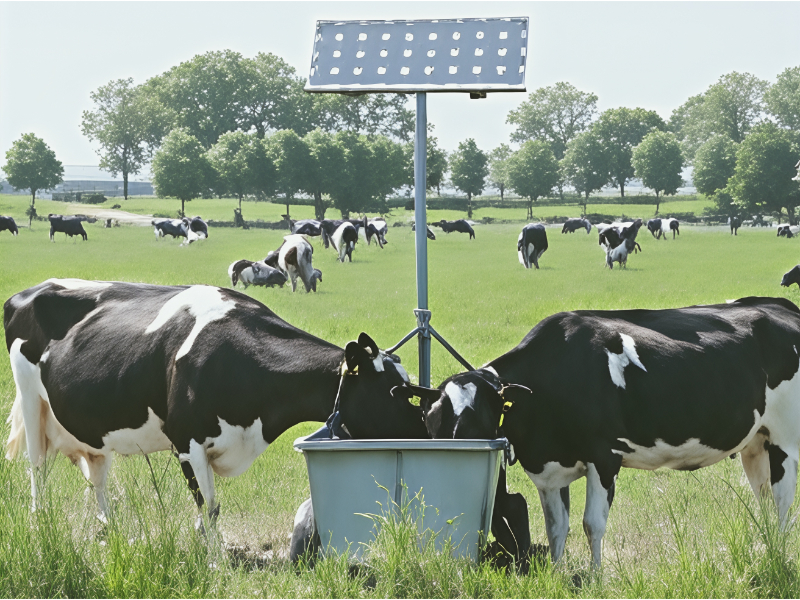
7. Agriculture: Farmers use flexible solar panels for powering irrigation systems and monitoring equipment, improving efficiency and reducing energy costs.
Product Variants and Subcategories
Flexible solar panels come in various configurations to meet specific energy needs. This diversity allows businesses to choose the most suitable option for their applications.
Variant 1: Lightweight Foldable Panels
These panels are designed for easy transport and storage. They can be folded for convenience and are often used in camping and outdoor activities.
Variant 2: Adhesive Backed Panels
These panels feature an adhesive backing for simple installation on various surfaces. They are commonly used in building-integrated applications or retrofitting existing structures.
Variant 3: High-Efficiency Panels
These panels utilize advanced technology to achieve higher efficiency ratings. They are ideal for applications where space is limited and maximum energy output is required.
Variant 4: All-Weather Panels
Designed to withstand extreme weather conditions, these panels offer durability and reliability in harsh environments. They are suitable for industrial applications and remote installations.
Benefits and Advantages
Flexible solar panels offer numerous benefits, making them a compelling choice for businesses seeking renewable energy solutions.
1. Versatility: Their ability to conform to different surfaces allows for a wide range of applications, from vehicles to buildings.
2. Lightweight and Portable: Their low weight makes them easy to transport and install, reducing labor costs and installation time.
3. Cost-Effectiveness: Flexible panels can often be installed in areas where traditional panels cannot, maximizing energy generation potential without significant investment.
4. Environmental Impact: By utilizing renewable energy, businesses can reduce their carbon footprint and contribute to sustainability efforts.
5. Low Maintenance: These panels require minimal maintenance, reducing operational costs and ensuring long-term performance.
6. Adaptable Technology: As technology advances, flexible solar panels continue to improve in efficiency and performance, keeping businesses at the forefront of renewable energy solutions.
Buying Guide for B2B Buyers
When sourcing flexible solar panels, it is essential to consider several factors to ensure a successful purchase.
1. Quality Assessment: Evaluate the quality of the panels by reviewing certifications and performance guarantees. Look for reliable brands with a proven track record in the industry.
2. Supplier Verification: Vet suppliers by checking their reputation, customer reviews, and experience in the market. Ensure they have a reliable supply chain and can meet your demands.
3. Pricing and MOQ: Analyze pricing structures and minimum order quantities. Compare options to find the best value while ensuring product quality.
4. Delivery and Lead Times: Understand the expected lead times for delivery. Ensure that the supplier can meet your project timelines without delays.
5. Compliance Requirements: Familiarize yourself with local regulations and compliance standards for solar panels. Ensure that the products meet necessary quality and safety criteria.
Compliance and Certifications
Flexible solar panels must adhere to relevant quality standards and certifications to ensure reliability and safety in various applications. Key standards include ISO 9001, which focuses on quality management systems, and CE marking, indicating compliance with European safety standards. Manufacturers often undergo rigorous testing to meet these criteria, ensuring that their products perform as expected.
Safety testing is also crucial, as it verifies the panels' ability to withstand environmental stressors and function safely in various conditions. Additionally, businesses must consider regional compliance requirements, which may vary depending on the location and intended use of the panels. Ensuring that products meet these standards is essential for maintaining quality and avoiding legal issues.
Why Source Flexible Solar Panels from Pepagora?
Pepagora provides a trusted platform for sourcing flexible solar panels, offering several key advantages for B2B buyers. The verified supplier network ensures that businesses can connect with reputable manufacturers and distributors, minimizing risks associated with sourcing.
The streamlined RFQ process simplifies obtaining quotations, allowing buyers to compare options efficiently and make informed decisions. This system enhances transparency and fosters competitive pricing, benefiting businesses seeking cost-effective solutions.
Trade assurance and support further enhance the sourcing experience. Buyers receive protection throughout the purchasing process, ensuring that they are satisfied with their investment. Additionally, Pepagora's regional coverage spans India, the GCC, and Southeast Asia, providing access to a wide market and diverse suppliers. This geographic reach allows businesses to find tailored solutions that meet their specific energy needs.

 IN
IN