What are Off-Grid Solar Systems?
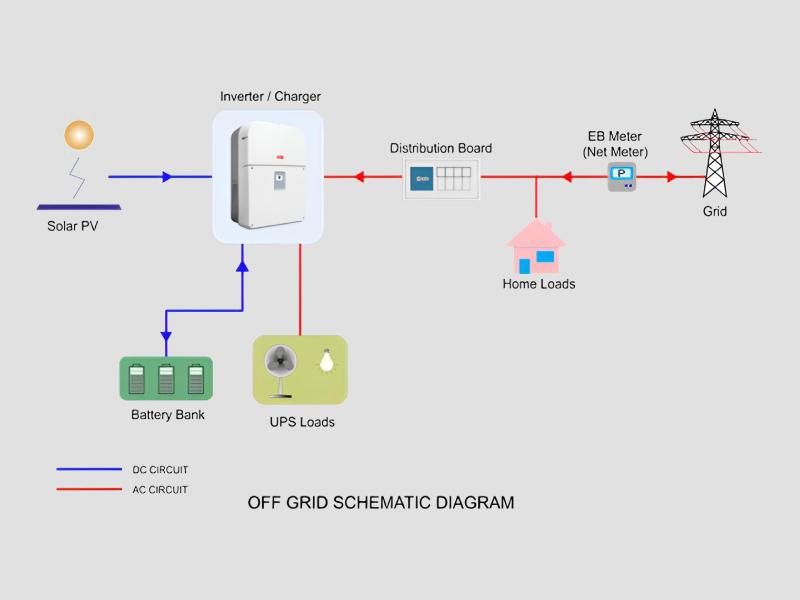
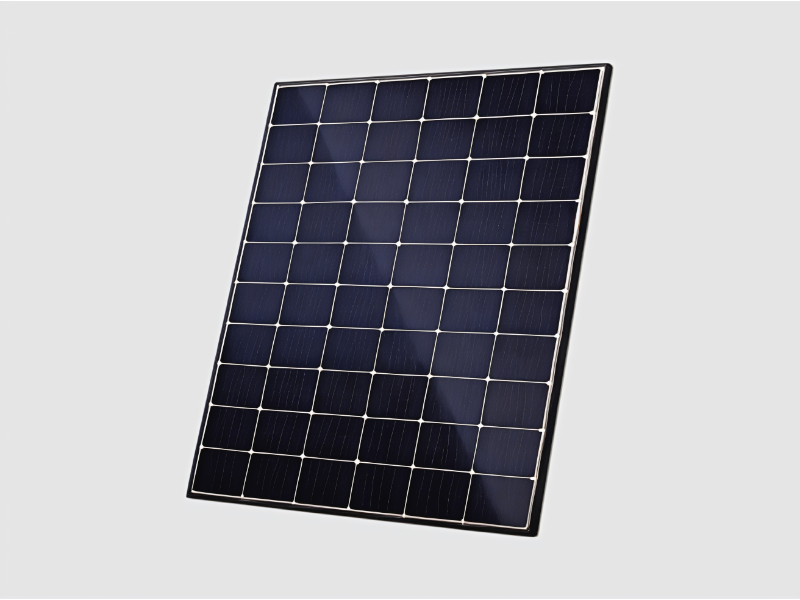
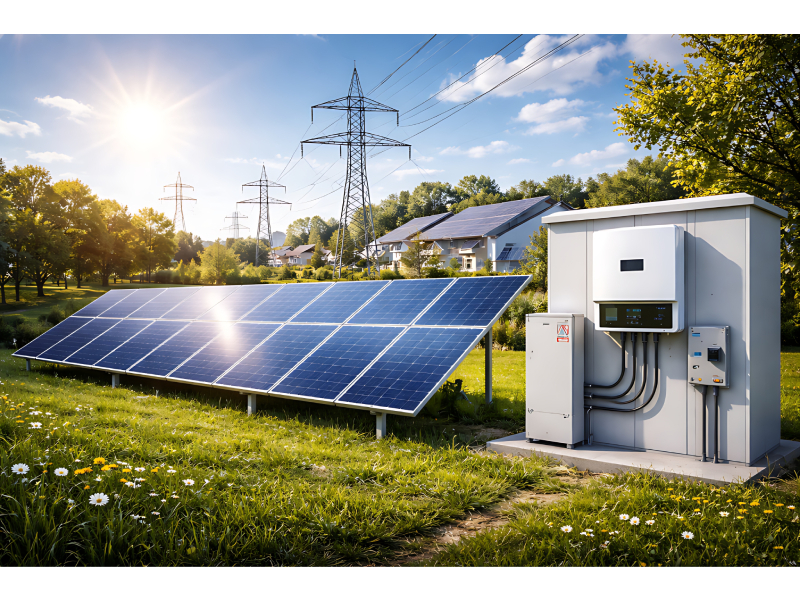
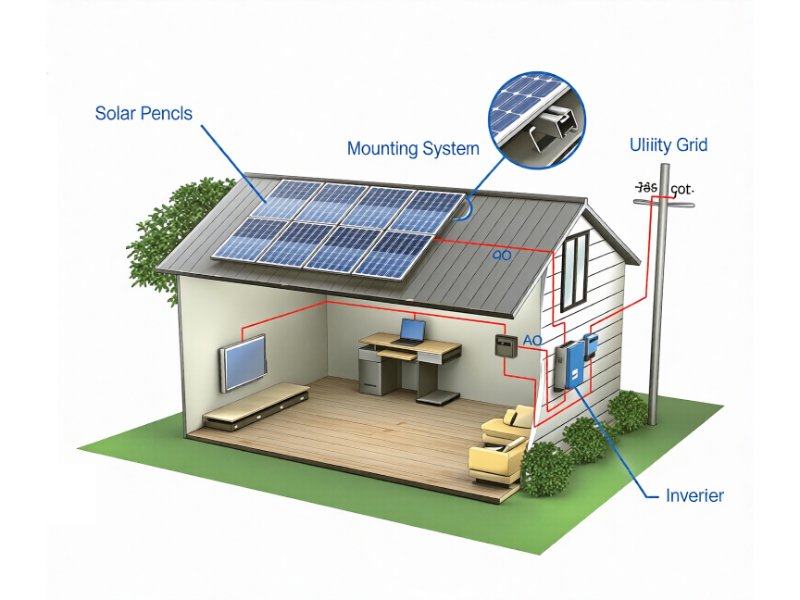
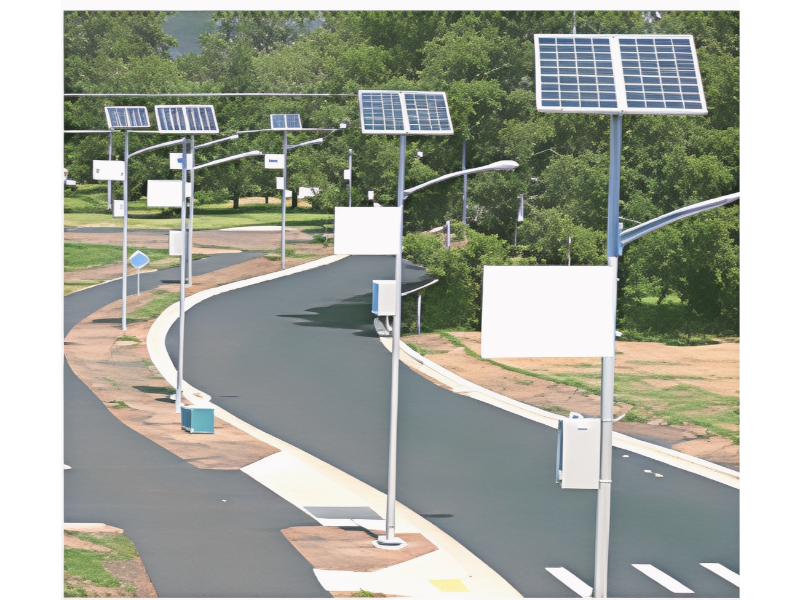
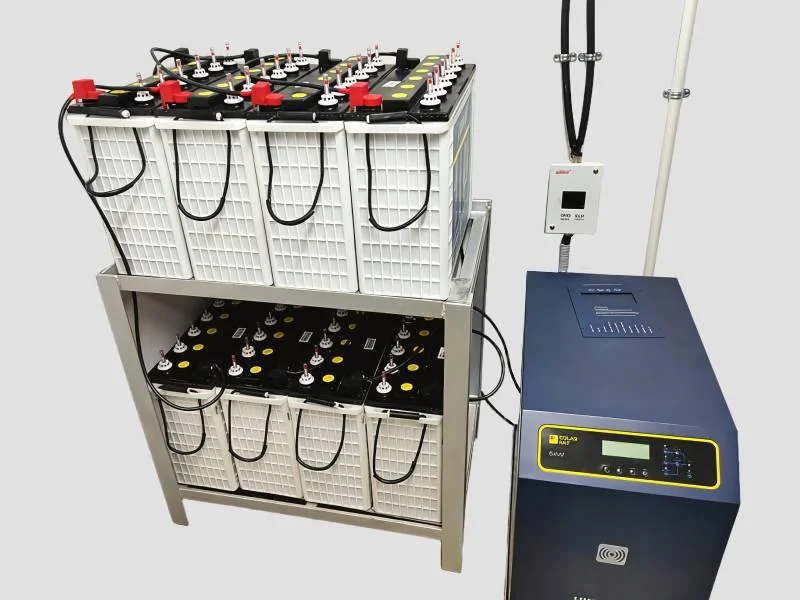
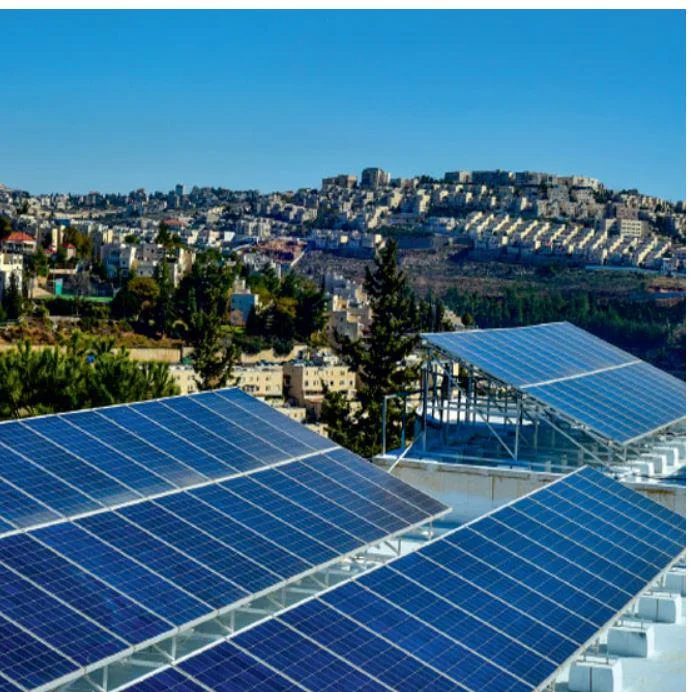
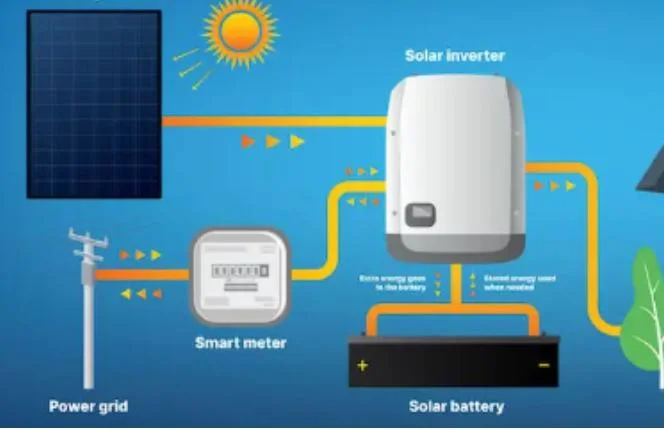
Off-grid solar systems are renewable energy solutions that operate independently from the traditional power grid. These systems harness solar energy through photovoltaic panels, converting sunlight into electricity. Off-grid systems typically include solar panels, batteries for energy storage, and an inverter to convert DC electricity into AC power, making it usable for various applications. They are designed to provide power in remote locations where grid access is unavailable or unreliable.
The primary uses of off-grid solar systems include powering homes, businesses, and facilities in rural or isolated areas. They are particularly beneficial for agricultural operations, telecommunications, and emergency services that require a consistent power supply. As businesses and industries seek sustainable energy sources, the demand for off-grid solar systems continues to rise, driven by advancements in solar technology and increasing energy costs.
The relevance of off-grid solar systems in today's market is significant, as they contribute to energy independence and sustainability. With growing concerns over climate change and the environmental impact of fossil fuels, many industries are turning to renewable energy sources. Off-grid solar systems not only reduce reliance on traditional energy sources but also offer long-term cost savings and environmental benefits.
Key Features and Specifications
Off-grid solar systems come with a variety of features designed to meet the needs of different users. Understanding these specifications is important for making informed purchasing decisions.
Key specifications include:
1. Solar Panel Efficiency
- Refers to the percentage of sunlight converted into usable electricity.
- Typical efficiency ranges from 15% to 22%.
2. Battery Capacity
- Indicates the amount of energy the battery can store for later use.
- Common capacities range from 100Ah to 400Ah.
3. Inverter Rating
- Represents the maximum output power the inverter can handle.
- Standard ratings typically vary from 1000W to 5000W.
4. Charge Controller Type
- Protects the battery from overcharging and regulates the energy flow.
- Options include PWM and MPPT types.
5. Installation Type
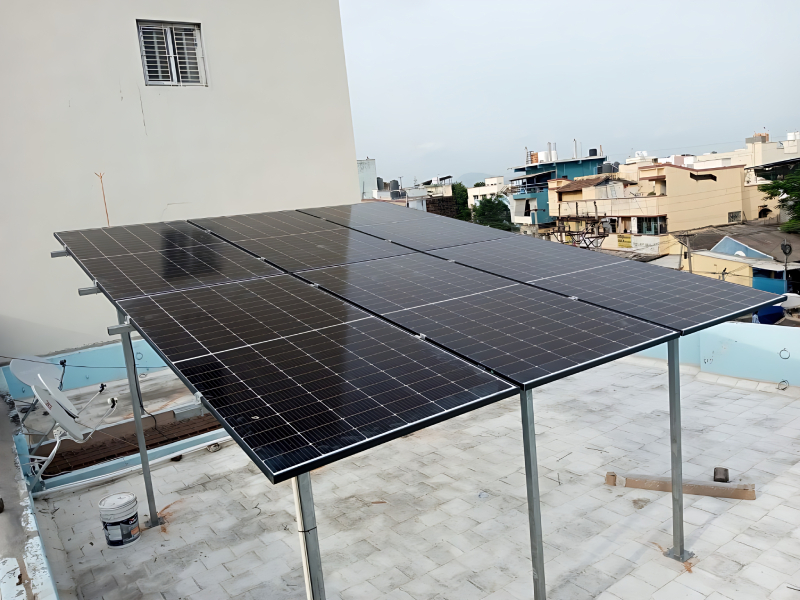
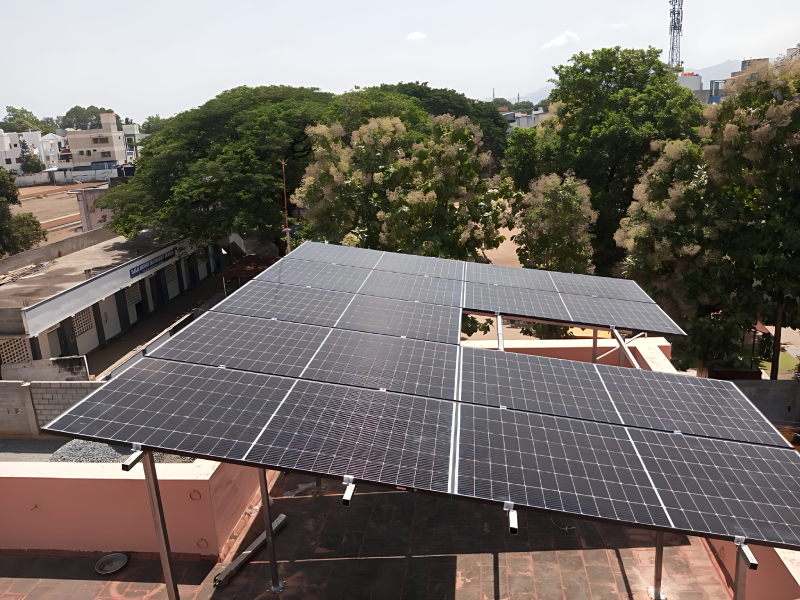
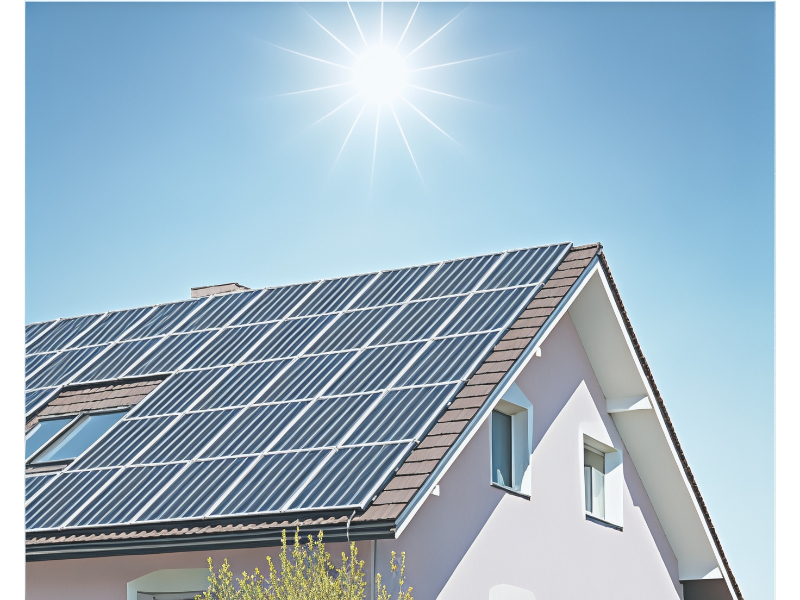
- Can be roof-mounted or ground-mounted, depending on site conditions.
6. Energy Storage Duration
- Indicates how long the system can supply power without sunlight.
- Ranges from 1 to 3 days on average.
7. System Voltage
- Determines the compatibility with various appliances.
- Common voltages are 12V and 24V.
8. Environmental Ratings
- Includes resistance to temperature extremes and humidity.
- Specific ratings not available.
In summary, knowing the key features and specifications of off-grid solar systems can help buyers select the right system that meets their energy needs and operational requirements.
Common Applications and Use Cases
Off-grid solar systems have diverse applications across various sectors, making them versatile solutions for energy needs.
1. Agriculture: Off-grid solar systems are used to power irrigation systems, greenhouses, and livestock operations, enabling farmers to operate in remote areas without grid access.
2. Telecommunications: Remote cell towers and communication equipment often rely on off-grid solar power to ensure continuous operation, especially in areas prone to power outages.
3. Disaster Relief: During emergencies, off-grid solar systems can provide essential power for medical facilities, shelters, and emergency response teams in areas affected by natural disasters.
4. Remote Homes: Many homeowners in rural locations utilize off-grid solar systems for reliable electricity, as connecting to the grid may be cost-prohibitive or impractical.
5. Outdoor Recreation: Off-grid solar setups are popular in RVs and camping sites, offering power for lighting, appliances, and devices without depending on traditional energy sources.
6. Fishing Industry: Aquaculture operations utilize off-grid solar systems to power pumps and aeration equipment in remote locations where grid access is minimal.
7. Mining Operations: Off-grid systems help power equipment and facilities in remote mining sites, reducing the reliance on diesel generators.
Product Variants and Subcategories
Off-grid solar systems offer a range of variants to cater to different energy needs and applications.
Portable Solar Systems
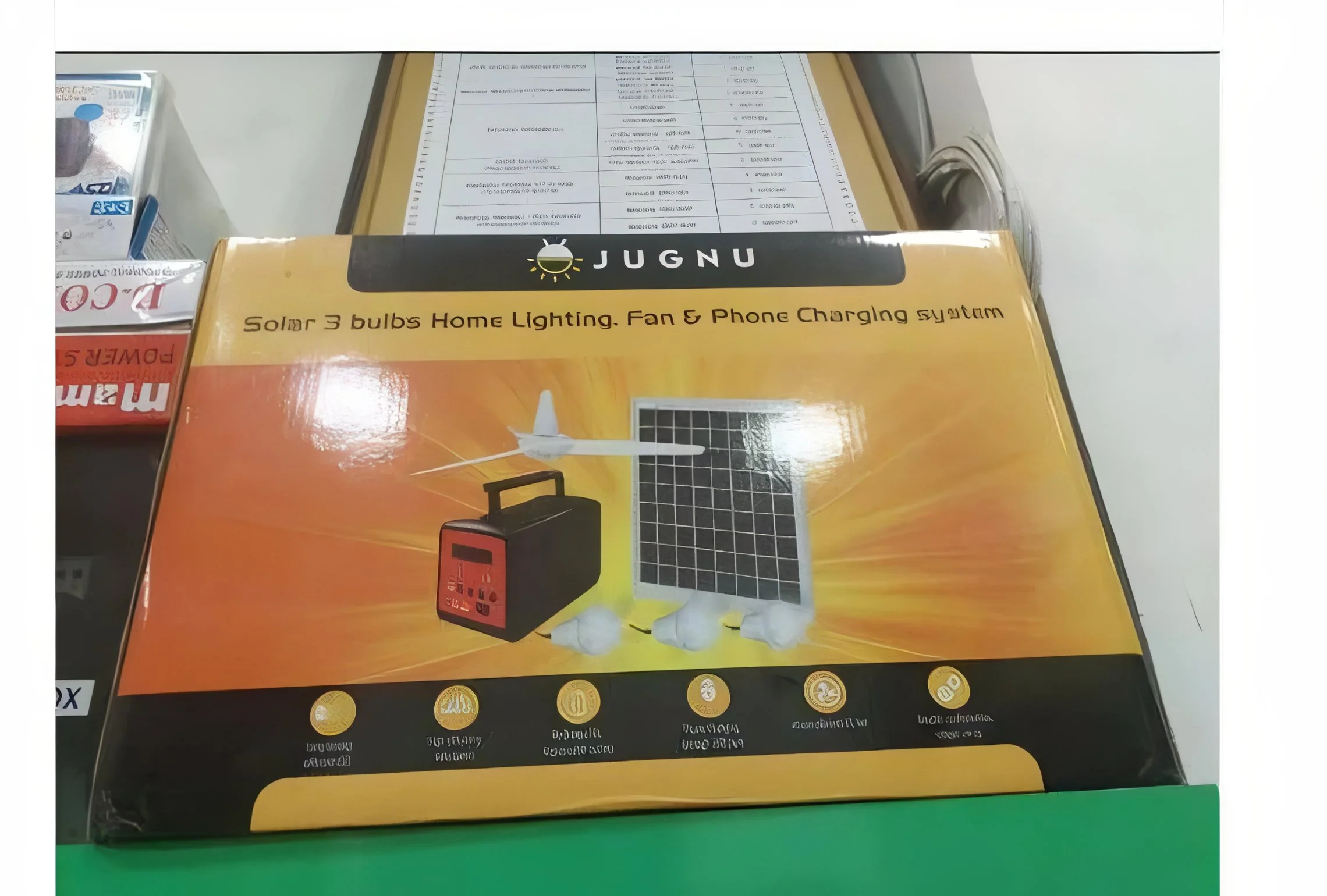
These compact systems are designed for easy transport and setup, making them ideal for camping, outdoor events, or emergency use. They typically include foldable solar panels and small batteries.
Residential Solar Kits
This variant is tailored for homeowners seeking an independent energy solution. Residential kits often come with larger solar panels and batteries, designed to meet the daily energy consumption of a household.
Commercial Off-Grid Systems
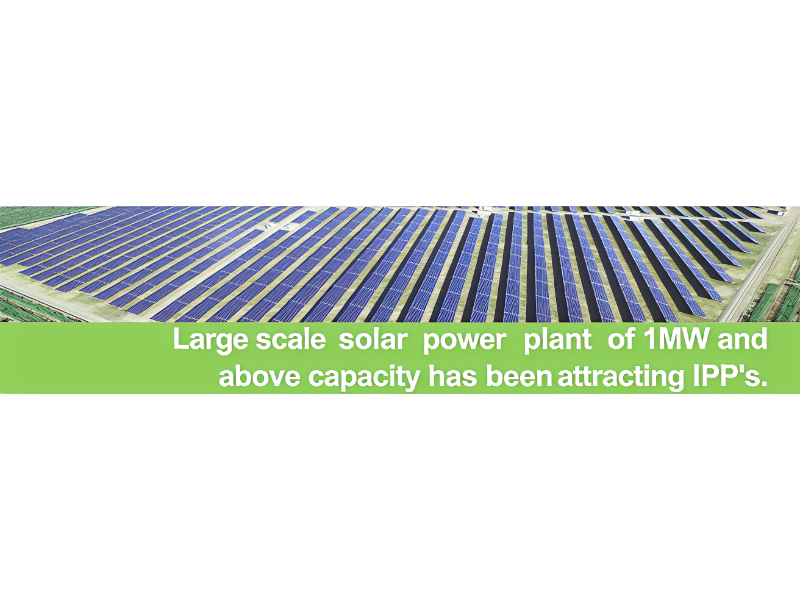
These systems are built to support larger energy demands, suitable for businesses and industrial applications. They include higher capacity solar panels and larger battery banks to ensure consistent energy supply.
Benefits and Advantages
Off-grid solar systems provide numerous advantages that make them appealing for various applications.
Key benefits include:
1. Energy Independence: Businesses can reduce reliance on the grid, ensuring a stable power supply regardless of local energy conditions.
2. Cost Savings: While the initial investment may be higher, off-grid systems can lead to significant long-term savings on utility bills.
3. Environmental Benefits: Utilizing solar energy reduces carbon emissions and promotes sustainable practices, aligning with corporate social responsibility goals.
4. Remote Accessibility: Off-grid systems can be installed in areas without grid access, providing essential power in remote locations.
5. Low Maintenance: These systems generally require minimal maintenance, making them a hassle-free energy solution.
6. Scalability: Off-grid solar systems can be easily expanded or modified to meet changing energy needs, providing flexibility for future growth.
Buying Guide for B2B Buyers
When sourcing off-grid solar systems, several critical factors should be considered to ensure a successful purchase.
1. Quality Assessment: Evaluate the quality of solar panels, batteries, and inverters. Look for products that meet industry standards and have a proven track record of performance.
2. Supplier Verification: Vet suppliers to ensure they are reputable and capable of delivering reliable products. Check customer reviews and seek recommendations from industry peers.
3. Pricing and MOQ: Understand the pricing structure and minimum order quantity (MOQ) requirements. Compare quotes from multiple suppliers to get the best deal.
4. Delivery and Lead Times: Inquire about logistics, delivery timelines, and any potential delays. Ensure the supplier can meet your project schedules.
5. Compliance Requirements: Verify that the off-grid solar systems meet relevant industry certifications and compliance standards, such as CE certification, to ensure safety and reliability.
Compliance and Certifications
Compliance and certifications are essential for ensuring the quality and safety of off-grid solar systems. These products often need to adhere to various quality standards like ISO 9001, which focuses on quality management systems. This certification ensures that manufacturers consistently meet customer and regulatory requirements.
Industry certifications, such as CE, indicate that the products comply with European safety standards, providing assurance regarding their safety and performance. Safety testing is crucial, as it evaluates the systems' performance under various conditions, ensuring they can withstand environmental factors.
Regional compliance considerations may vary, and understanding local regulations is vital for installation and operation. Buyers should ensure that off-grid solar systems meet any specific regional requirements to avoid legal and operational issues.
Why Source Off-Grid Solar Systems from Pepagora?
Pepagora offers a trusted platform for sourcing off-grid solar systems, providing several key advantages for B2B buyers.
Verified Supplier Network: Pepagora has established a comprehensive network of verified suppliers, ensuring that buyers have access to high-quality products from reputable manufacturers. This verification process helps reduce risks associated with sourcing.
Streamlined RFQ Process: The platform simplifies the request-for-quotation (RFQ) process, allowing buyers to easily compare offerings from multiple suppliers. This efficiency enables quick decision-making and procurement.
Trade Assurance and Support: Buyers can benefit from trade assurance programs that protect their investments. Pepagora provides support throughout the purchasing process, ensuring smooth transactions and addressing any concerns.
Regional Coverage: With a focus on India, the Gulf Cooperation Council (GCC), and Southeast Asia, Pepagora ensures that buyers can find local suppliers and solutions tailored to their specific regional needs. This geographic reach enhances accessibility and responsiveness for buyers seeking off-grid solar systems.

 IN
IN