
 IN
Solar Lanterns
1 products available
What are Solar Lanterns?
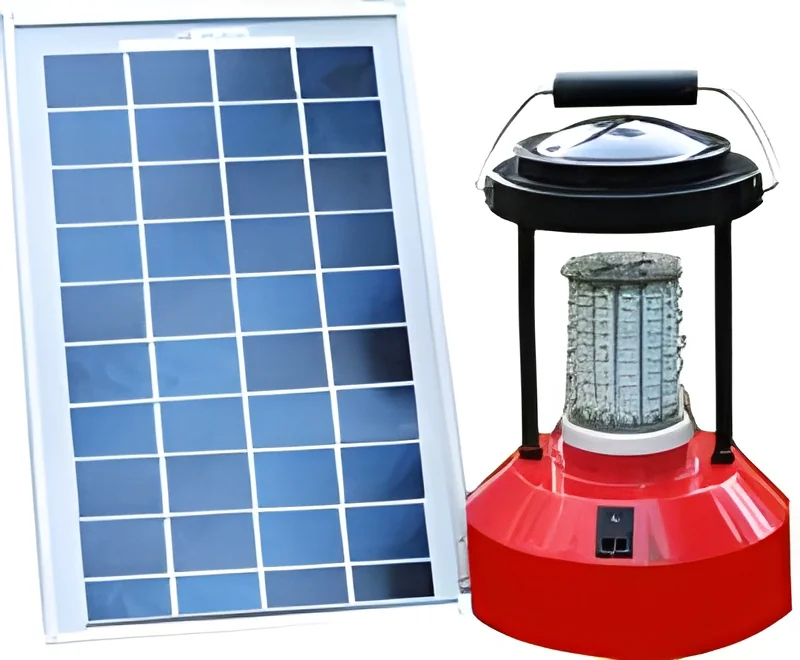
Solar lanterns are portable lighting devices that utilize solar energy for illumination. These lanterns typically feature solar panels that capture sunlight during the day, converting it into electrical energy stored in batteries. When the sun sets, the stored energy powers the LED lights, providing a sustainable and efficient lighting solution. Solar lanterns are favored for their eco-friendly nature and independence from the electrical grid.
These products are widely used in various commercial and residential applications. They are particularly beneficial in regions with limited access to electricity, making them ideal for outdoor events, camping, emergency situations, and rural electrification projects. Businesses in sectors such as hospitality, construction, and agriculture leverage solar lanterns for their versatility and cost-effectiveness. As the demand for sustainable energy solutions continues to grow, solar lanterns remain relevant in a rapidly evolving market.
Key Features and Specifications
Solar lanterns come equipped with several key features that enhance their performance and usability. These specifications are vital for businesses looking to procure reliable lighting solutions.
Key specifications include:
1. Battery Capacity
- Solar lanterns typically have battery capacities ranging from 2000mAh to 5000mAh.
- This capacity affects the duration of light emitted after a full charge.
2. Brightness Level
- Brightness is measured in lumens, with most solar lanterns providing between 100 to 500 lumens.
- A higher lumen rating indicates brighter light output suitable for various environments.
3. Charging Time
- Charging times vary, generally taking from 4 to 8 hours under direct sunlight.
- Fast charging options may be available for quicker use.
4. Light Modes
- Many solar lanterns come with multiple light settings, including high, medium, and low modes.
- Some models include a flashing or SOS mode for emergencies.
5. Durability Rating
- Solar lanterns are often rated for water and dust resistance, typically with an IP rating of IP65 or higher.
- This ensures functionality in various weather conditions.
6. Lifespan
- The LED bulbs in solar lanterns can last up to 25,000 hours, providing long-term illumination without the need for frequent replacements.
7. Solar Panel Efficiency
- Most solar panels are rated between 15% to 22% efficiency.
- Higher efficiency panels convert more sunlight into usable energy.
8. Weight and Portability
- Solar lanterns generally weigh between 0.5 kg to 2 kg.
- Lightweight designs enhance portability for outdoor use.
In summary, understanding these specifications helps buyers select solar lanterns that meet their specific operational needs.
Common Applications and Use Cases
Solar lanterns are employed across various industries, providing practical lighting solutions for diverse scenarios.
1. Outdoor Events: Solar lanterns are popular for festivals, camping, and outdoor parties, offering convenient and sustainable lighting without the need for electrical outlets.
2. Agriculture: Farmers use solar lanterns for nighttime activities such as livestock monitoring and crop management, reducing reliance on traditional energy sources.
3. Emergency Preparedness: In regions prone to power outages, solar lanterns serve as reliable backup lighting during emergencies, ensuring safety and visibility.
4. Hospitality: Hotels and resorts use solar lanterns to enhance outdoor ambiance, providing guests with a unique and eco-friendly experience.
5. Humanitarian Aid: NGOs deploy solar lanterns in remote areas, improving living conditions and safety for communities lacking electricity.
6. Construction Sites: Solar lanterns provide essential lighting for night work, enhancing visibility and safety while reducing fuel costs associated with generators.
7. Residential Use: Homeowners utilize solar lanterns for garden lighting, security, and as an alternative to traditional lighting solutions.
Product Variants and Subcategories
Solar lanterns are available in various designs and features to cater to different user needs.
Standard Solar Lanterns
These are the most common type, featuring a simple design with built-in solar panels and LED lights. They are versatile and suitable for general lighting purposes in homes and outdoor settings.
Rechargeable Solar Lanterns
These variants allow users to charge the lanterns via USB in addition to solar power. This feature is beneficial for locations with limited sunlight, ensuring reliable lighting at all times.
Multi-functional Solar Lanterns
These lanterns often come with additional features such as Bluetooth speakers or phone chargers, making them ideal for outdoor activities like camping or beach outings.
Benefits and Advantages
Solar lanterns offer numerous advantages that make them an attractive option for businesses and consumers alike.
1. Eco-Friendly: Solar lanterns harness renewable energy, reducing carbon footprints and promoting sustainable living.
2. Cost-Effective: Once installed, solar lanterns incur minimal operational costs, eliminating electricity bills associated with traditional lighting.
3. Portability: Their lightweight and compact design allows for easy transportation, making them ideal for various outdoor applications.
4. Low Maintenance: Solar lanterns require minimal maintenance compared to conventional lighting solutions, as they do not have fragile components like bulbs.
5. Safe to Use: With no wires or exposed electrical components, solar lanterns are safe for use in wet conditions and around children.
6. Versatile Applications: Their adaptability makes them suitable for multiple environments, from residential to commercial and industrial settings.
Buying Guide for B2B Buyers
When sourcing solar lanterns, businesses should consider several key factors to ensure they select the right products for their needs.
1. Quality Assessment: Evaluate the materials and build quality of the lanterns. Look for durable designs that can withstand various environmental conditions.
2. Supplier Verification: Vet potential suppliers thoroughly by checking their credentials, customer reviews, and product certifications to ensure reliability.
3. Pricing and MOQ: Understand the pricing structure and minimum order quantities. Bulk purchases may offer cost advantages, so inquire about discounts.
4. Delivery and Lead Times: Factor in logistics when planning your procurement. Discuss delivery timelines to align with your project schedules.
5. Compliance Requirements: Ensure that the solar lanterns meet relevant compliance standards and certifications, such as CE, to confirm safety and quality.
Compliance and Certifications
Solar lanterns must adhere to various quality and safety standards to ensure reliability and performance. Common certifications include ISO 9001, which outlines quality management systems, and CE marking, indicating compliance with European safety standards.
Additionally, manufacturers should conduct safety testing to verify that their products meet established guidelines for electrical safety and performance. Regional compliance considerations may vary, so it is crucial for suppliers to be aware of local regulations governing solar products.
Why Source Solar Lanterns from Pepagora?
Pepagora offers a trusted platform for sourcing solar lanterns, presenting several key advantages for B2B buyers.
Verified Supplier Network: Pepagora connects buyers with a network of verified suppliers, ensuring quality and reliability in the sourcing process. This reduces the risk of procurement issues and enhances buyer confidence.
Streamlined RFQ Process: The platform's user-friendly Request for Quotation system allows buyers to easily compare supplier offerings, facilitating informed purchasing decisions.
Trade Assurance and Support: Pepagora provides trade assurance, offering buyer protection and support throughout the transaction. This feature ensures that buyers receive what they expect and helps resolve any disputes.
Regional Coverage: With a strong presence in India, the GCC, and Southeast Asia, Pepagora can cater to a wide geographic range. This regional reach makes it easier for businesses to find suitable suppliers close to their operational areas.
In conclusion, Pepagora serves as an effective resource for businesses seeking high-quality solar lanterns, combining a trusted supplier network with support and assurance throughout the purchasing process.

Frequently Asked Questions
What are Solar Lanterns?
Solar lanterns are portable lighting devices that use solar panels to convert sunlight into electrical energy. They are designed to provide illumination in areas where traditional electrical power is unavailable, making them ideal for outdoor activities, camping, and emergency situations.
What are the different types of Solar Lanterns?
There are several types of solar lanterns, including LED solar lanterns, solar-powered camping lanterns, and multifunctional solar lanterns with additional features like USB charging ports. Each type varies in brightness, battery capacity, and additional functionalities to cater to different user needs.
How do I choose the right Solar Lanterns?
When selecting solar lanterns, consider factors such as brightness (measured in lumens), battery life, charging time, and durability. It is also important to evaluate the intended use, whether for personal camping or emergency backup, to ensure the lantern meets specific requirements.
What are the standard specifications for Solar Lanterns?
Standard specifications for solar lanterns typically include brightness (lumens), battery type and capacity (mAh), solar panel wattage, and charging time. Additionally, water resistance ratings (IP ratings) and weight may also be important considerations for portability.
What is the price range for Solar Lanterns?
The price range for solar lanterns can vary significantly based on features and brand, generally ranging from ₹500 to ₹3,000 in India. Basic models tend to be more affordable, while advanced models with enhanced features will be at the higher end of the spectrum.
What quality standards apply to Solar Lanterns?
Quality standards for solar lanterns often include compliance with international safety and performance certifications. Look for certifications such as CE, RoHS, and ISO to ensure that the products meet safety, efficiency, and environmental standards.
Where can I find Solar Lanterns suppliers in India?
You can find solar lantern suppliers in India through online B2B marketplaces like Pepagora.com. Additionally, attending trade shows and industry exhibitions can provide opportunities to connect with reliable manufacturers and suppliers.
Can Solar Lanterns be customized?
Yes, many manufacturers offer customization options for solar lanterns. Customizations may include branding, specific design features, or tailored functionalities to meet the unique needs of businesses or consumers.
What is the typical minimum order quantity for Solar Lanterns?
The typical minimum order quantity (MOQ) for solar lanterns can vary by supplier but often ranges from 50 to 100 units. It is advisable to check with specific manufacturers for their MOQ requirements.
What is the typical lead time for Solar Lanterns?
The typical lead time for solar lanterns can range from 2 to 6 weeks, depending on the supplier, order size, and customization requirements. It is best to confirm lead times directly with the supplier to ensure timely delivery.
Why Businesses Trust Pepagora
Thousands of companies trust Pepagora to source smarter and sell faster
Expand Your Sales Globally

Source Smarter,Grow Faster
