What are Solar Inverters?
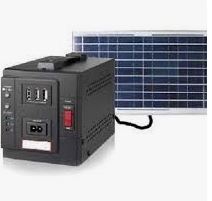
Solar inverters are critical components of solar energy systems. They convert direct current (DC) generated by solar panels into alternating current (AC), which is the form of electricity used by most appliances and the electrical grid. This conversion is essential for making solar energy usable, as most electrical devices and systems operate on AC. In addition to conversion, solar inverters also perform various functions such as monitoring energy production and ensuring the safety of the system.
In a business context, solar inverters are primarily used in residential, commercial, and industrial applications. They allow companies to harness solar energy, reducing electricity costs and promoting sustainable practices. The growing demand for renewable energy solutions has led to increased investment in solar technology, positioning solar inverters as a vital part of the energy transition. As industries seek to lower their carbon footprint, the relevance of solar inverters continues to rise, driving their adoption across various sectors.
Key Features and Specifications
Solar inverters come equipped with several advanced features designed to enhance performance and reliability. Understanding these specifications is crucial for businesses looking to invest in solar technology.
Key specifications include:
1. Inverter Type
- Options include string inverters, microinverters, and central inverters.
- Each type has unique advantages depending on system size and application.
2. Efficiency Rating
- Indicates how effectively an inverter converts DC to AC.
- Typical efficiency ratings range from 95% to 99%.
3. Power Output
- Refers to the maximum power the inverter can handle.
- Measured in kilowatts (kW) to accommodate various system sizes.
4. Grid Connection
- Determines compatibility with the electrical grid.
- Options include grid-tied and off-grid configurations.
5. Monitoring Capabilities
- Inverters may feature built-in monitoring systems.
- Allows users to track performance and energy production remotely.
6. Safety Features
- Includes protections such as anti-islanding and overvoltage protection.
- Ensures safe operation under various conditions.
7. Operating Temperature Range
- Specifies the temperature limits for optimal performance.
- Typical ranges might be from -20°C to 60°C.
8. Warranty Period
- Indicates the manufacturer’s guarantee on performance and reliability.
- Common warranties range from 5 to 10 years.
In summary, selecting the right solar inverter involves understanding these specifications to ensure compatibility with specific energy needs and operational conditions.
Common Applications and Use Cases
Solar inverters play a crucial role across various industries, enabling the effective use of solar energy.
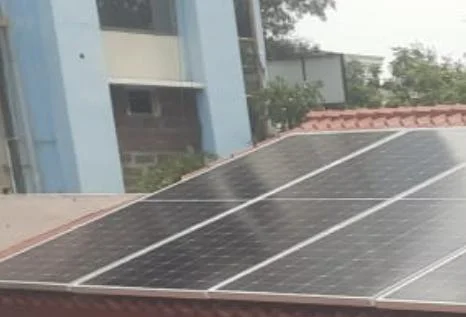
1. Residential: Homeowners utilize solar inverters to convert energy generated by rooftop solar panels, reducing dependence on the grid and lowering utility bills.
2. Commercial: Businesses install solar inverters as part of larger solar power systems to manage energy costs and enhance sustainability initiatives.
3. Agriculture: Farms use solar inverters to power equipment and irrigation systems, reducing energy costs while promoting environmentally friendly practices.
4. Industrial: Factories and manufacturing facilities implement solar inverters to reduce operational costs and meet increasing energy demands sustainably.
5. Telecommunications: Companies in this sector use solar inverters to power remote communication sites, ensuring reliable service without relying on conventional energy sources.
6. Hospitality: Hotels and resorts install solar inverters to minimize energy costs while enhancing their green credentials.
7. Education: Schools and universities leverage solar inverters to power facilities, providing an educational platform for sustainability initiatives.
Product Variants and Subcategories
Solar inverters come in various forms to meet diverse energy needs, allowing for tailored solutions.
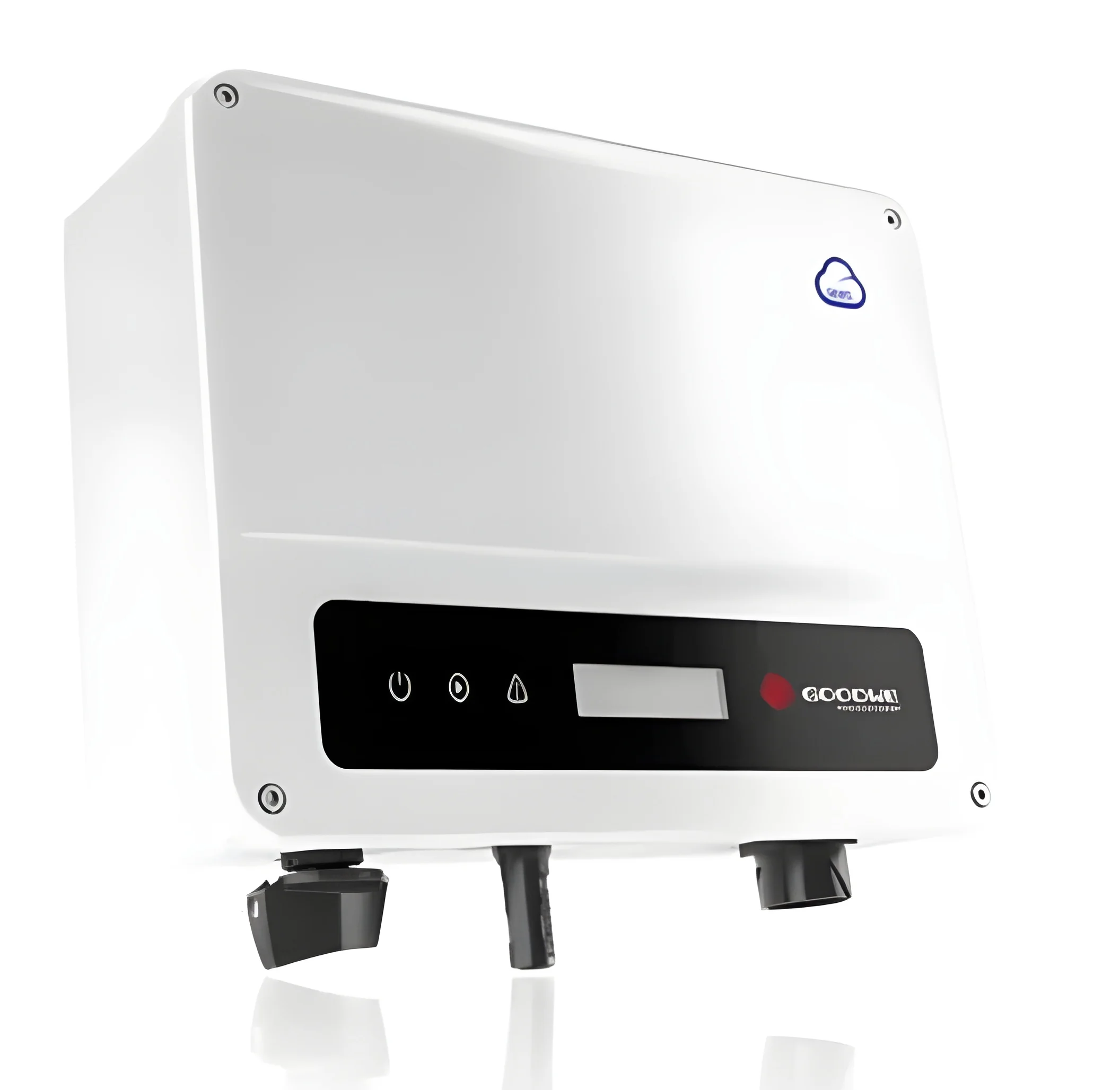
String Inverters: These are the most common type of inverter used in residential and commercial installations. They connect multiple solar panels in a series, making them cost-effective and efficient for medium to large systems.
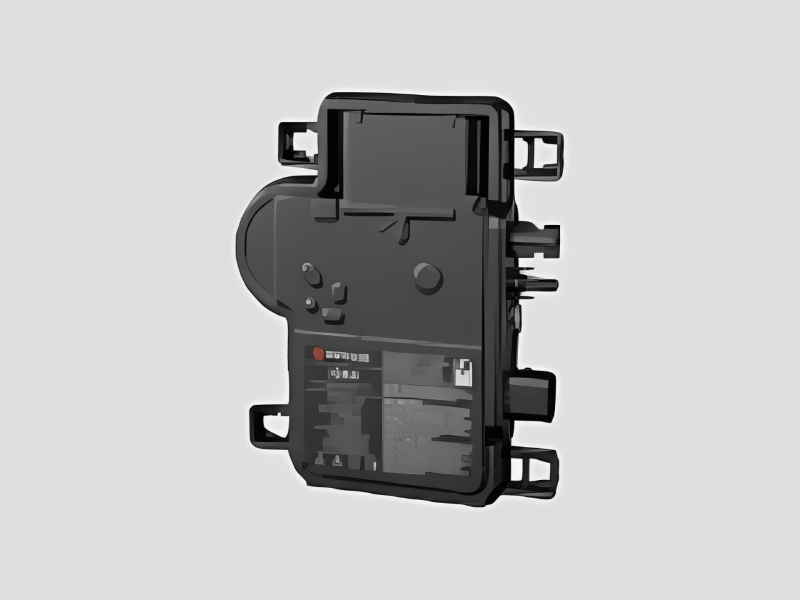
Microinverters: These small devices are installed on each solar panel, allowing for independent operation. They maximize energy production by optimizing the output of each panel, making them ideal for installations with shading issues.
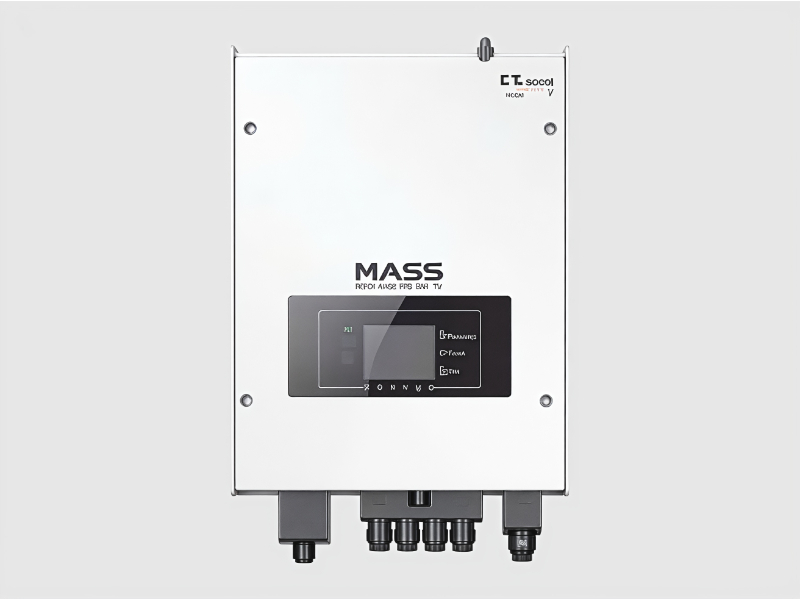
Central Inverters: Used for large-scale solar farms, central inverters handle high power outputs and are designed for efficient management of extensive solar systems.
Benefits and Advantages
Investing in solar inverters offers numerous advantages for businesses and organizations.
1. Cost Savings: Solar inverters help reduce energy bills by enabling the use of solar energy, leading to significant long-term savings.
2. Environmental Impact: By utilizing renewable energy, companies can decrease their carbon footprint and contribute to sustainability efforts.
3. Energy Independence: Businesses can reduce reliance on traditional energy sources, enhancing energy security and stability.
4. Scalability: Solar inverter systems can be easily scaled to meet increased energy demands as businesses grow.
5. Enhanced Monitoring: Many solar inverters come equipped with monitoring capabilities, enabling users to track performance and optimize energy use.
6. Reliability: Modern solar inverters are designed for longevity and performance, often backed by warranties that assure quality.
Buying Guide for B2B Buyers
When sourcing solar inverters, businesses should consider several crucial factors to ensure they make informed purchasing decisions.
1. Quality Assessment: Evaluate inverters based on efficiency ratings, reliability, and warranty terms. Research manufacturer credentials and customer reviews to gauge product quality.
2. Supplier Verification: Vet potential suppliers to confirm their reputation and reliability. Look for certifications, industry experience, and customer references.
3. Pricing and MOQ: Understand pricing structures and minimum order quantities. Compare quotes from multiple suppliers to find the best value for your investment.
4. Delivery and Lead Times: Consider logistics and delivery timelines. Ensure the supplier can meet your project deadlines without compromising quality.
5. Compliance Requirements: Familiarize yourself with local regulations and certifications needed for solar systems. Ensure the chosen inverter meets all compliance standards.
Compliance and Certifications
Solar inverters must adhere to various industry standards and certifications to ensure safety and performance. Key quality standards include ISO 9001, which ensures a quality management system is in place. Compliance with CE certification indicates that the product meets EU safety, health, and environmental requirements.
Safety and testing requirements are crucial in ensuring that solar inverters operate reliably and safely under different conditions. Various regions may have specific compliance considerations that businesses should be aware of, including local regulations and safety standards applicable to solar energy systems.
Why Source Solar Inverters from Pepagora?
Pepagora provides a trusted platform for sourcing solar inverters, offering several key advantages for businesses.
Verified Supplier Network: Pepagora connects buyers with a network of verified suppliers, ensuring that all offerings meet high-quality standards and industry best practices.
Streamlined RFQ Process: The platform simplifies the request for quotation process, allowing businesses to easily compare offers and select the best options for their needs.
Trade Assurance and Support: Pepagora offers buyer protection through trade assurance measures, ensuring transactions are secure and reliable.
Regional Coverage: With a strong presence in India, the GCC, and Southeast Asia, Pepagora provides extensive geographical reach, making it easier for businesses to source solar inverters tailored to their regional requirements.

 IN
IN