
 IN
Solar Power Packs & Kits
10 products available
What are Solar Power Packs & Kits?
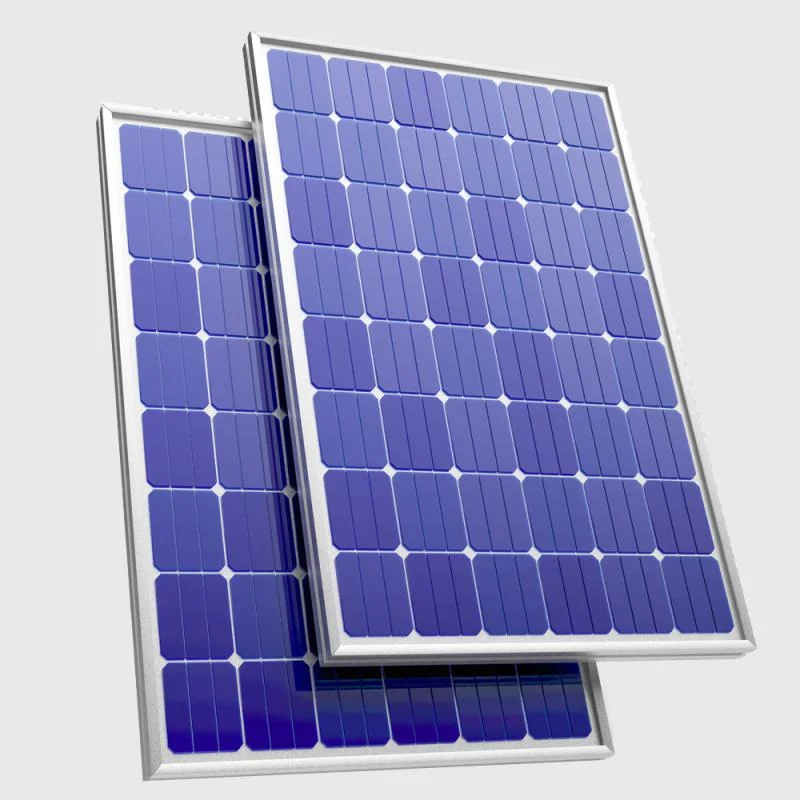
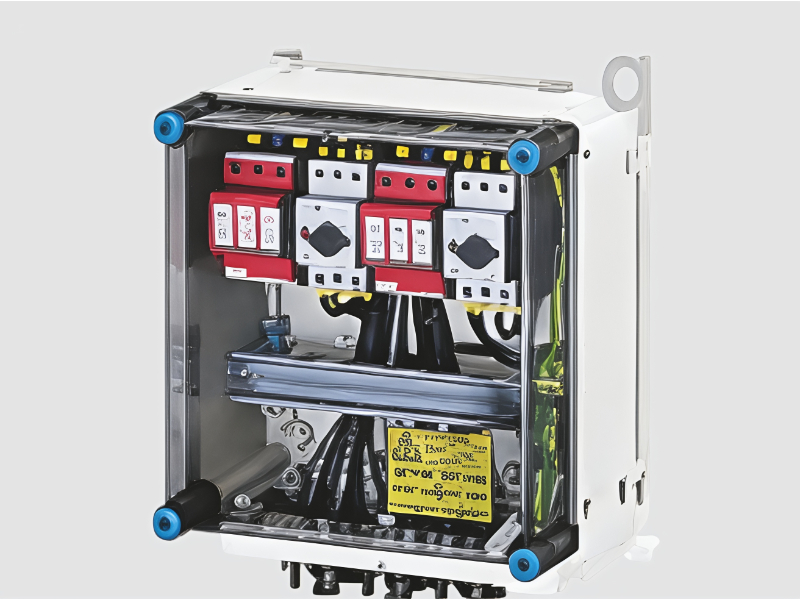
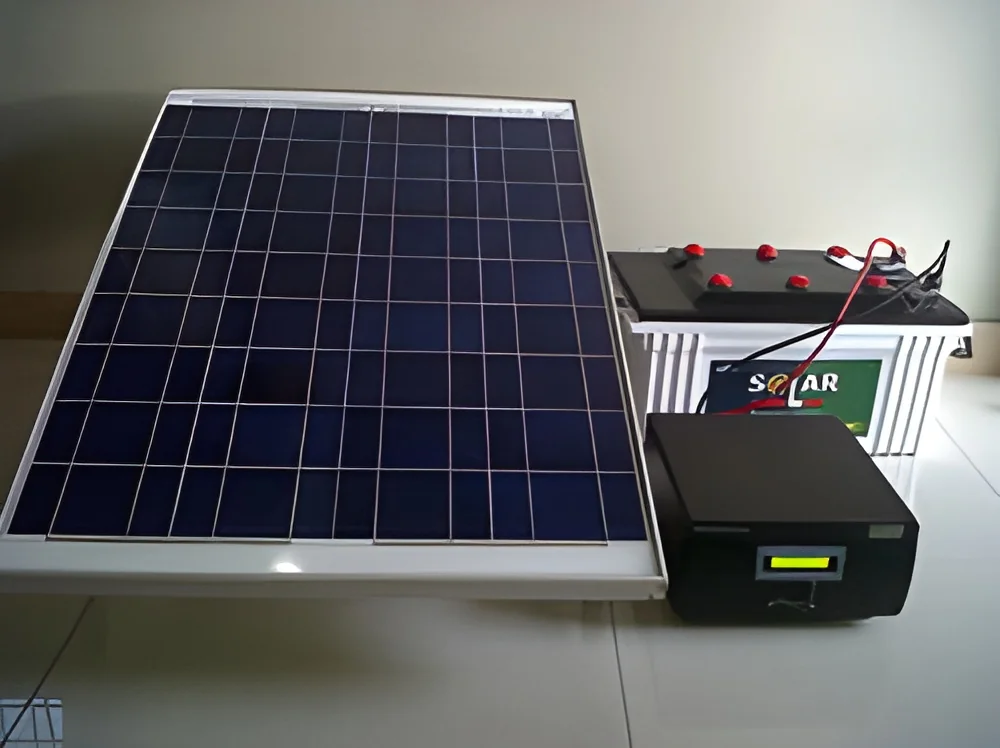
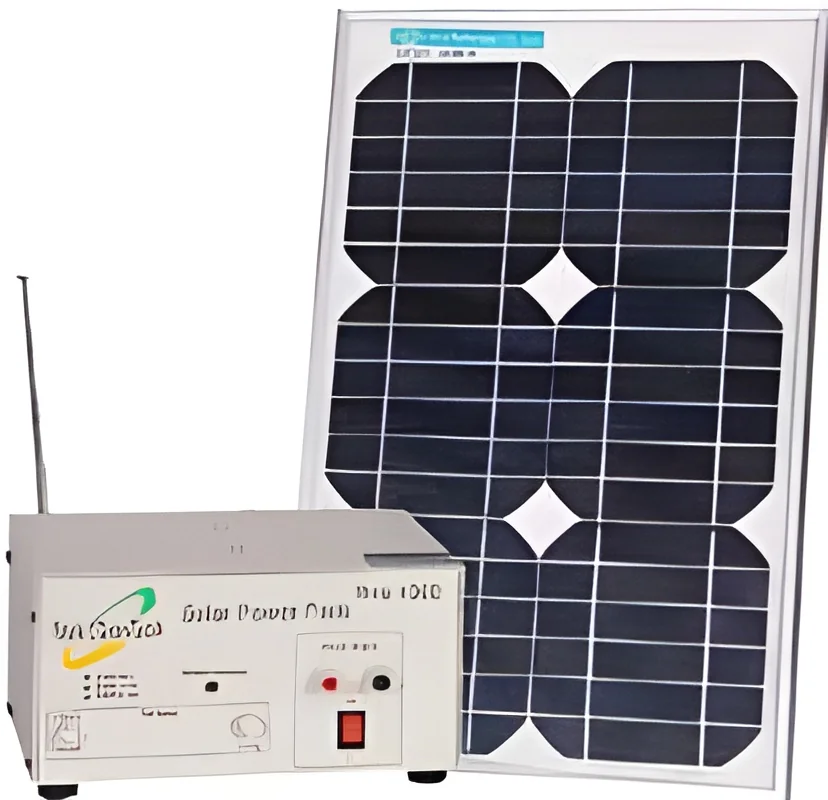
Solar power packs and kits are integrated systems designed to harness solar energy for various applications. They typically include solar panels, batteries, inverters, and necessary wiring and mounting equipment. These kits are engineered to provide a complete solution for converting sunlight into electricity, making them suitable for off-grid and grid-tied installations.
Businesses and industries utilize solar power packs and kits for a range of purposes. Common applications include powering remote sites, providing energy for construction projects, and offering backup power solutions. Additionally, they are used in agricultural settings for irrigation and in residential areas to reduce energy costs. The increasing demand for sustainable energy solutions has heightened the relevance of solar power packs and kits in the energy market.
With a growing emphasis on renewable energy, solar power packs and kits have become essential in numerous sectors. The global push for cleaner energy sources aligns with the advancements in solar technology, creating a robust market for these products. As businesses seek to reduce their carbon footprint, the adoption of solar power solutions continues to rise.
Key Features and Specifications
Solar power packs and kits come equipped with various features that enhance their performance and usability. Understanding these specifications is crucial for selecting the right system for specific needs.
Key specifications include:
1. Solar Panel Type
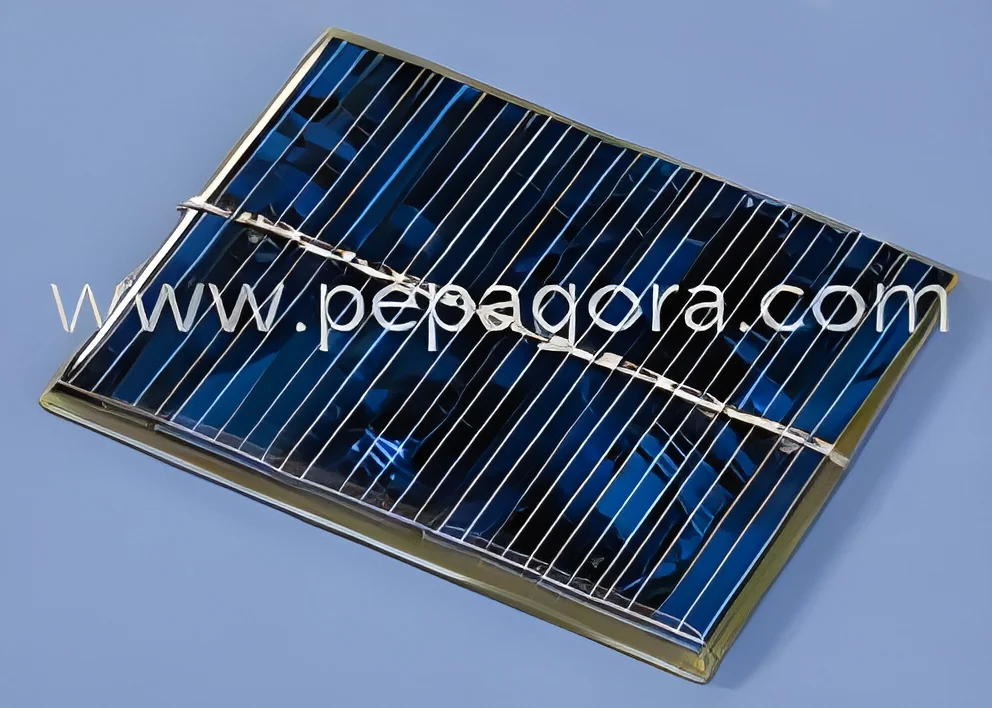
- Most kits utilize monocrystalline or polycrystalline panels.
- Efficiency rates typically range from 15% to 22%.
2. Battery Capacity
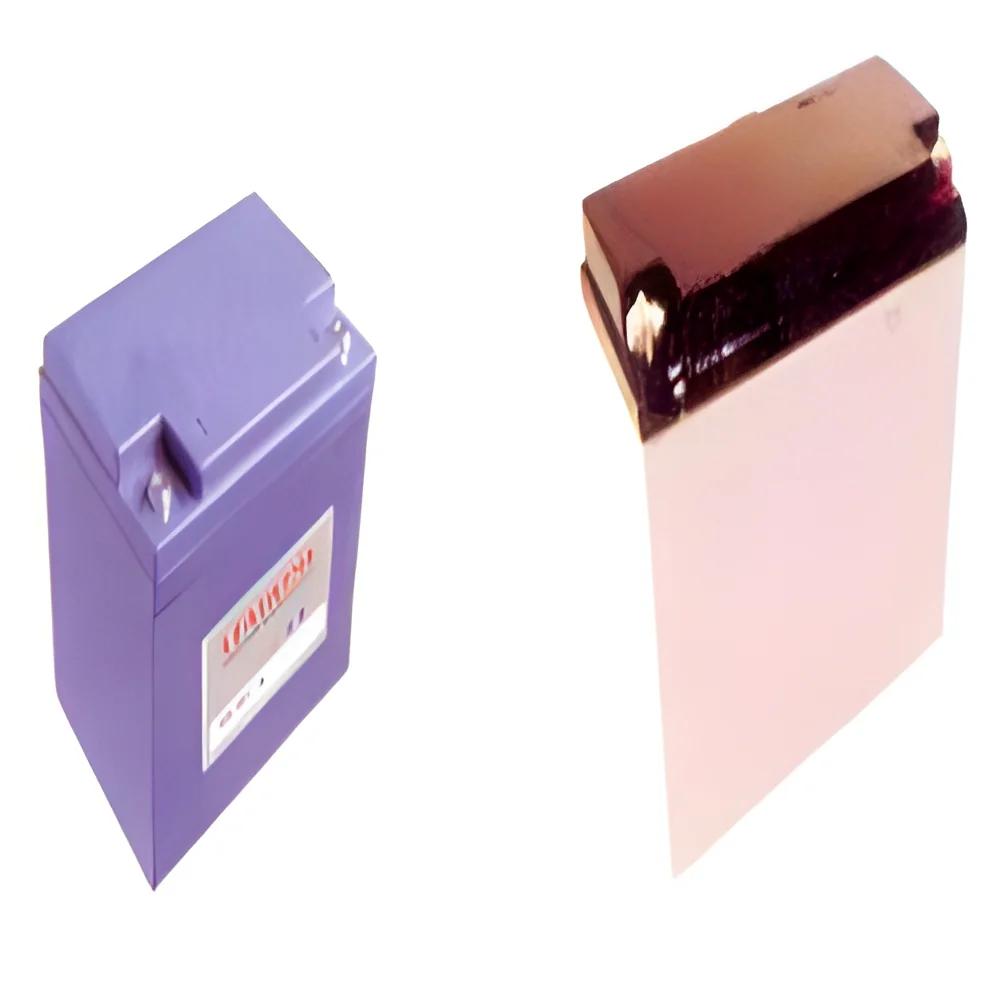
- Batteries are often lead-acid or lithium-ion.
- Capacity ranges from 100Ah to 300Ah, affecting the duration of power supply.
3. Inverter Rating
- Inverters convert DC to AC power.
- Ratings can vary from 300W to 5000W, depending on application needs.
4. Charge Controller
- Regulates battery charging and prevents overcharging.
- Types include PWM and MPPT, with efficiency differences.
5. Mounting Equipment
- Kits usually include adjustable mounts for various installations.
- Durability is often rated for wind speeds up to 120 mph.
6. Warranty Period
- Manufacturers typically offer warranties ranging from 5 to 25 years.
- Longer warranties are indicative of higher quality.
7. Portability Features
- Some kits are designed for easy transport.
- Weight and size specifications vary significantly.
8. Monitoring Capabilities
- Advanced kits may include app-based monitoring.
- Real-time performance tracking enhances system management.
In summary, the features and specifications of solar power packs and kits are vital in determining their suitability for specific applications. Buyers should carefully consider these factors when making a purchase.
Common Applications and Use Cases
Solar power packs and kits serve a diverse range of industries and applications, providing a sustainable energy source in various environments.
1. Construction Industry: Solar power kits are used on job sites to power tools and equipment, reducing reliance on diesel generators.
2. Agriculture: Farmers use solar power solutions for irrigation systems and powering equipment, enhancing efficiency and reducing operational costs.
3. Remote Locations: Many businesses in remote areas utilize solar kits for off-grid power, ensuring continuous energy supply without relying on traditional grid infrastructure.
4. Telecommunications: Solar power packs are essential for powering cell towers and communication equipment in areas lacking reliable power sources.
5. Emergency Services: These kits provide backup power for emergency response teams during natural disasters, ensuring critical services remain operational.
6. Recreational Vehicles: Solar power packs are increasingly used in RVs and campers to supply energy for appliances and lighting while on the road.
7. Residential Homes: Homeowners are adopting solar power kits to lower energy bills and increase energy independence.
Product Variants and Subcategories
The market for solar power packs and kits includes a variety of products tailored to different needs and applications.
Portable Solar Power Kits
These kits are designed for easy transport and setup, making them ideal for camping, outdoor events, and temporary power needs. They typically include lightweight solar panels and compact batteries.
Fixed Solar Power Systems
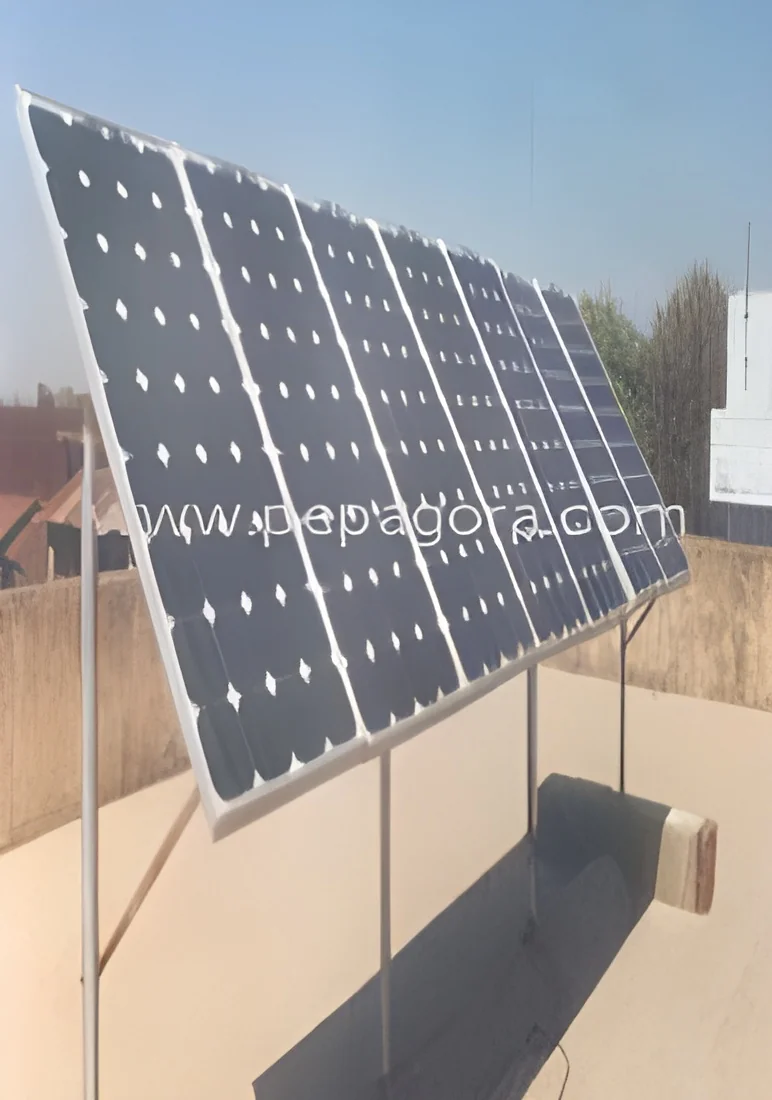
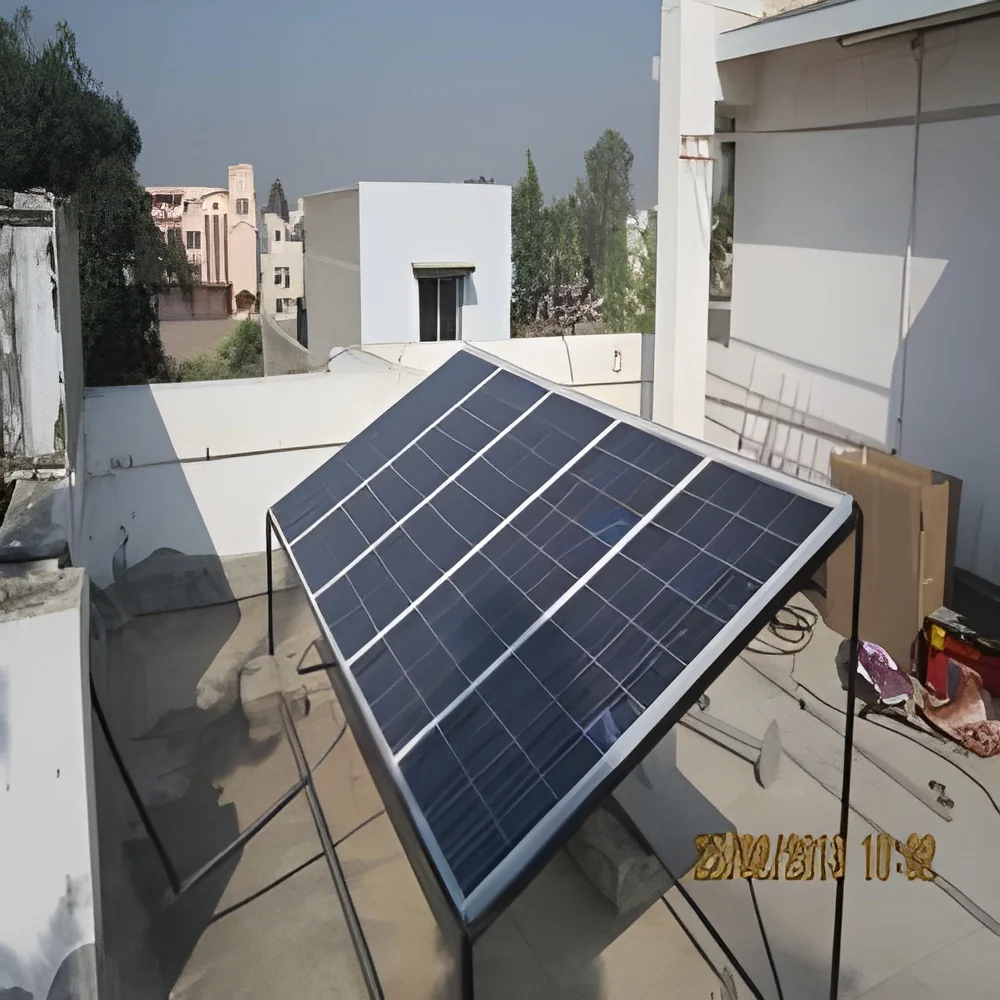
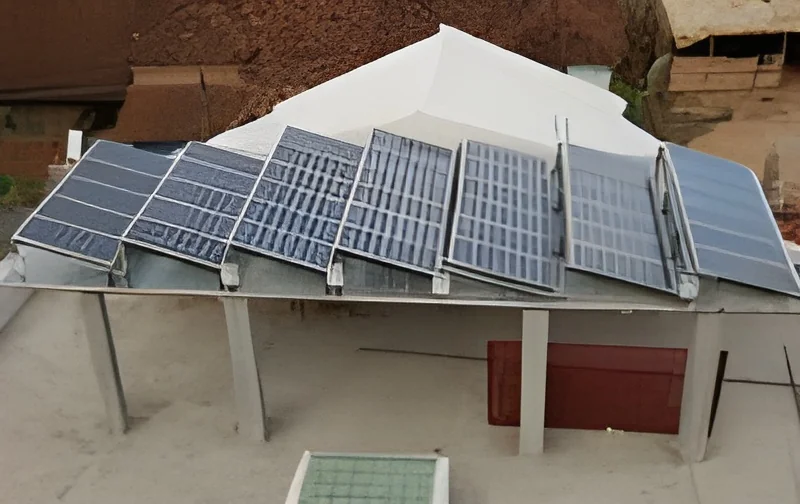
These systems are intended for permanent installations, such as on rooftops or in solar farms. They come with larger solar panels and more robust battery capacities, supporting higher energy demands.
Hybrid Solar Power Systems
Hybrid systems combine solar energy with traditional power sources, allowing for more flexibility. They can switch between solar and grid power, providing uninterrupted energy supply.
Benefits and Advantages
Investing in solar power packs and kits offers numerous benefits for businesses and organizations.
1. Cost Savings: Utilizing solar energy can significantly reduce electricity costs, providing long-term financial benefits.
2. Energy Independence: Solar power packs allow businesses to generate their own energy, reducing reliance on external suppliers.
3. Environmental Impact: Using renewable energy sources helps lower carbon emissions, contributing to sustainability goals.
4. Low Maintenance: Solar power systems generally require minimal maintenance, offering hassle-free operation.
5. Scalability: Solar power kits can be expanded easily, allowing businesses to adjust their energy needs as they grow.
6. Increased Property Value: Installing solar systems can enhance property value, making real estate more attractive to potential buyers.
Buying Guide for B2B Buyers
When considering the purchase of solar power packs and kits, B2B buyers should take several key factors into account.
1. Quality Assessment: Evaluate the quality of components, including solar panels, batteries, and inverters. Look for reputable brands with positive reviews and proven performance.
2. Supplier Verification: Ensure suppliers are credible and have a track record of delivering reliable products. Check for certifications and customer testimonials.
3. Pricing and MOQ: Understand the pricing structure and minimum order quantities. Compare costs among different suppliers to ensure competitive pricing.
4. Delivery and Lead Times: Inquire about shipping options and lead times to plan for project timelines effectively.
5. Compliance Requirements: Be aware of regulatory standards and certifications, such as CE, that may apply to solar power products in your region.
Compliance and Certifications
Compliance with industry standards is critical for ensuring the reliability and safety of solar power packs and kits. Relevant quality standards include ISO 9001, which focuses on quality management systems, and other safety regulations that may apply.
Certifications such as CE indicate that products meet European safety standards and regulations. This is essential for gaining market acceptance in various regions.
In addition, solar products must adhere to safety and testing requirements to ensure they can withstand environmental conditions and function effectively. Regional compliance considerations may vary, so it is important for buyers to research the specific regulations applicable in their area.
Why Source Solar Power Packs & Kits from Pepagora?
Pepagora provides a trusted platform for sourcing solar power packs and kits, offering several key advantages to B2B buyers.
Verified Supplier Network: Pepagora has a robust network of verified suppliers, ensuring that buyers receive products from reputable sources. This reduces the risk of purchasing subpar products and enhances buyer confidence.
Streamlined RFQ Process: The platform features a user-friendly Request for Quotation (RFQ) system, allowing buyers to easily compare quotes from multiple suppliers. This simplifies the procurement process and helps businesses find the best deals.
Trade Assurance and Support: Pepagora offers trade assurance, which protects buyers against potential issues during the transaction. Dedicated support teams are available to assist with any inquiries, ensuring a smooth purchasing experience.
Regional Coverage: With a strong presence in India, GCC, and Southeast Asia, Pepagora caters to a wide geographic market. This allows buyers to access local suppliers who understand regional needs and compliance requirements, enhancing the overall sourcing experience.



Frequently Asked Questions
What are Solar Power Packs & Kits?
Solar Power Packs & Kits are portable, self-contained systems designed to harness solar energy for various applications. They typically include solar panels, inverters, batteries, and necessary wiring, allowing users to generate and store electricity from sunlight.
What are the different types of Solar Power Packs & Kits?
The different types of Solar Power Packs & Kits include off-grid systems, on-grid systems, and hybrid systems. Off-grid kits are ideal for remote locations without access to the main electricity grid, while on-grid kits are connected to the utility grid, and hybrid kits combine both capabilities.
How do I choose the right Solar Power Packs & Kits?
To choose the right Solar Power Packs & Kits, consider your energy needs, the available space for installation, and your budget. It is also essential to evaluate the system's efficiency, warranty, and compatibility with other devices you plan to use.
What are the standard specifications for Solar Power Packs & Kits?
Standard specifications for Solar Power Packs & Kits include power output (measured in watts), battery capacity (measured in amp-hours), and the type of inverter used (grid-tie or off-grid). Additionally, efficiency ratings and durability ratings should also be considered.
What is the price range for Solar Power Packs & Kits?
The price range for Solar Power Packs & Kits can vary widely based on their capacity and features. Typically, prices can range from a few thousand to several lakhs of Indian Rupees, depending on the specifications and brand.
What quality standards apply to Solar Power Packs & Kits?
Quality standards for Solar Power Packs & Kits typically include certifications such as IEC (International Electrotechnical Commission) and ISO (International Organization for Standardization). These standards ensure that the products meet safety, efficiency, and reliability criteria.
Where can I find Solar Power Packs & Kits suppliers in India?
You can find Solar Power Packs & Kits suppliers in India through online B2B marketplaces like Pepagora, industry trade shows, and local distributors. It's advisable to research and compare suppliers to ensure quality and reliability.
Can Solar Power Packs & Kits be customized?
Yes, many manufacturers offer customization options for Solar Power Packs & Kits to meet specific customer requirements. Customizations can include adjustments in power capacity, battery types, and additional features based on user needs.
What is the typical minimum order quantity for Solar Power Packs & Kits?
The typical minimum order quantity (MOQ) for Solar Power Packs & Kits can vary from one supplier to another, often ranging from 1 to 10 units. Larger orders may qualify for bulk pricing discounts.
What is the typical lead time for Solar Power Packs & Kits?
The typical lead time for Solar Power Packs & Kits can range from 2 to 6 weeks, depending on the supplier, customization options, and current demand. It's advisable to confirm the expected delivery time with the supplier before placing an order.
Why Businesses Trust Pepagora
Thousands of companies trust Pepagora to source smarter and sell faster
Expand Your Sales Globally

Source Smarter,Grow Faster
