IN
IN₹
Apparel & Fashion
Loading subcategories...
View More
Description
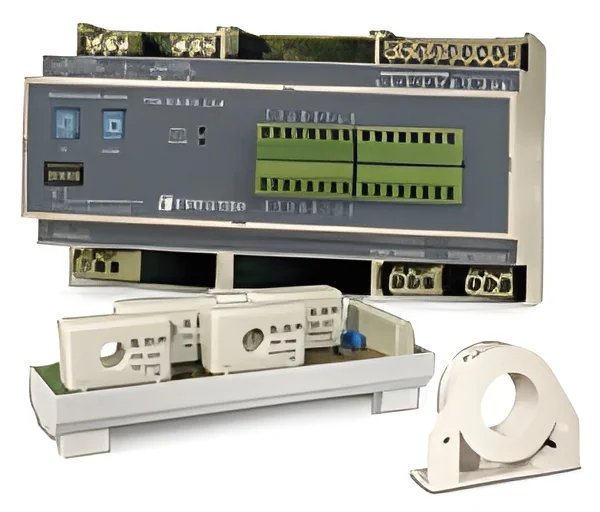
The TR8-RS485 industrial solar monitoring system represents advanced technology for photovoltaic power plant efficiency management. Designed specifically for large-scale solar installations, this system addresses the critical need for verifying maximum efficiency across multiple generation sources. By continuously comparing current levels between different string groups in real time, it provides plant operators with precise data to ensure optimal performance. The system calculates current flowing through external sensors rated at 25, 100, or 200 amps, establishing minimum generation deviations between strings through accurate current or percentage values. This advanced approach eliminates the complexity of traditional efficiency verification methods, offering a reliable solution for maintaining peak energy production in modern solar power facilities.

This monitoring system serves multiple sectors including renewable energy developers, utility companies, commercial solar farm operators...
The TR8-RS485 industrial solar monitoring system represents advanced technology for photovoltaic power plant efficiency management. Designed specifically for large-scale solar installations, this system addresses the critical need for verifying maximum efficiency across multiple generation sources. By continuously comparing current levels between different string groups in real time, it provides plant operators with precise data to ensure optimal performance. The system calculates current flowing through external sensors rated at 25, 100, or 200 amps, establishing minimum generation deviations between strings through accurate current or percentage values. This advanced approach eliminates the complexity of traditional efficiency verification methods, offering a reliable solution for maintaining peak energy production in modern solar power facilities.

This monitoring system serves multiple sectors including renewable energy developers, utility companies, commercial solar farm operators, and industrial energy consumers. Utility-scale solar power plants benefit significantly from its ability to monitor vast arrays of photovoltaic strings simultaneously. Commercial solar installations utilize it to maintain consistent energy production for operational requirements, while industrial facilities depend on it to maximize return on investment in solar infrastructure. The system proves particularly valuable for solar maintenance providers and energy management firms that require precise performance data across multiple client installations, making it an essential tool for organizations committed to solar energy optimization and operational reliability.

The TR8-RS485 delivers substantial value by significantly reducing energy loss and maintenance expenses while enhancing overall plant reliability. Its real-time monitoring capabilities enable proactive maintenance strategies rather than reactive repairs, preventing minor issues from escalating into major problems. The system's accuracy in detecting current deviations ensures that energy production remains at optimal levels, directly influencing revenue generation for solar plant owners. With support for different sensor ratings and installation requirements, it offers flexibility for various project scales while maintaining consistent performance reliability. This investment in monitoring technology typically delivers returns through improved efficiency, reduced downtime, and extended equipment lifespan, establishing it as an essential component for professional photovoltaic power operations.

Key Features:
- Real-time current monitoring across multiple photovoltaic strings
- External sensor compatibility with 25, 100, and 200 amp ratings
- RS485 communication interface for seamless system integration
- Minimum generation deviation calculation between string groups
- Continuous performance comparison of all generation sources

Benefits:
- Maximizes energy production through real-time performance optimization
- Reduces maintenance costs by identifying issues before they escalate
- Enhances operational reliability with continuous system monitoring
- Improves return on investment through increased energy efficiency
- Provides accurate data for informed operational decision-making
Specifications
| Additional Information | |
|---|---|
| Country of Origin | India |
| Customisable | No |
Application
The TR8-RS485 monitoring system is engineered for large-scale photovoltaic installations where maintaining peak efficiency is crucial. It continuously compares current levels across multiple generation strings, instantly identifying underperforming sections to ensure maximum energy production across solar farms and commercial power plants. This provides operators with precise, actionable data to maintain optimal performance across all generation groups.
Solar energy operators and maintenance teams benefit from the system's accurate real-time monitoring capabilities through external sensors. It eliminates performance guesswork in utility-scale solar projects and industrial renewable facilities where energy loss directly impacts operational costs. The technology enables proactive maintenance decisions based on reliable current deviation detection across all photovoltaic strings.
- Monitoring current performance across multiple solar panel strings in utility-scale power plants
- Identifying underperforming sections in large commercial solar installations for targeted maintenance
- Ensuring balanced energy production across all generation groups within solar farms
- Providing real-time operational data to solar plant managers for efficiency optimization
- Detecting current flow deviations to prevent energy loss in industrial photovoltaic systems
Trade Details
| Available Stock | In Stock |
| Sample Availability | No |
Payment Terms
| Payment Terms |
|
Company Profile

Circutor India, Karnataka
 Karnataka, India
Karnataka, IndiaElectronics & Electrical•Manufacturer•Trading Company•Importer / Exporter
Factory Details
Factory SizeBelow 1000 sqm
Annual Production Capacity0
Industrial Solar Monitoring System TR8 RS485 For Photovoltaic Efficiency
TR8-RS485 industrial solar monitoring system maximizes photovoltaic efficiency with real-time string current comparison, ensuring optimal performance and reliability for power plants and commercial installations.
Min. Order Quantity: 1 unit
Shipping
Shipping fee and delivery date to be negotiated. Contact supplier now for more details.
Circutor India
 Karnataka, India
Karnataka, IndiaElectronics & ElectricalManufacturer