What are Sandstone Flooring?
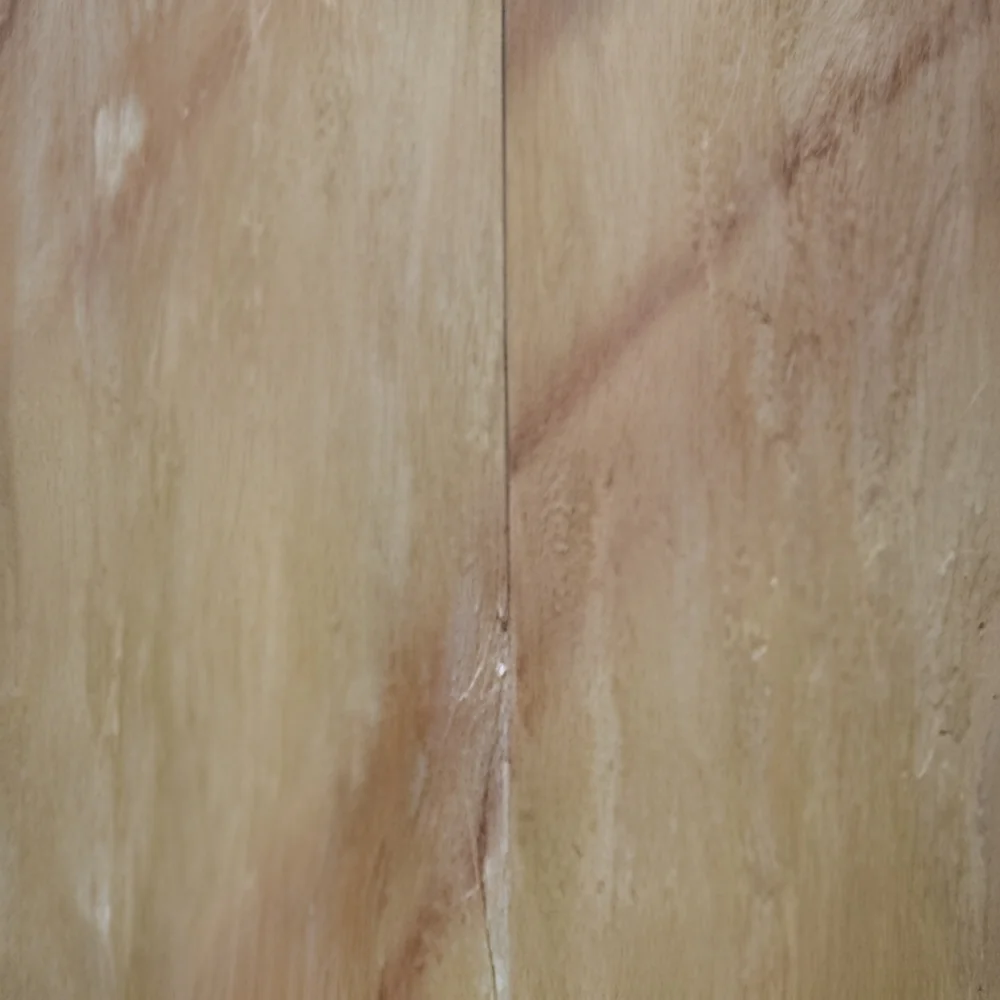
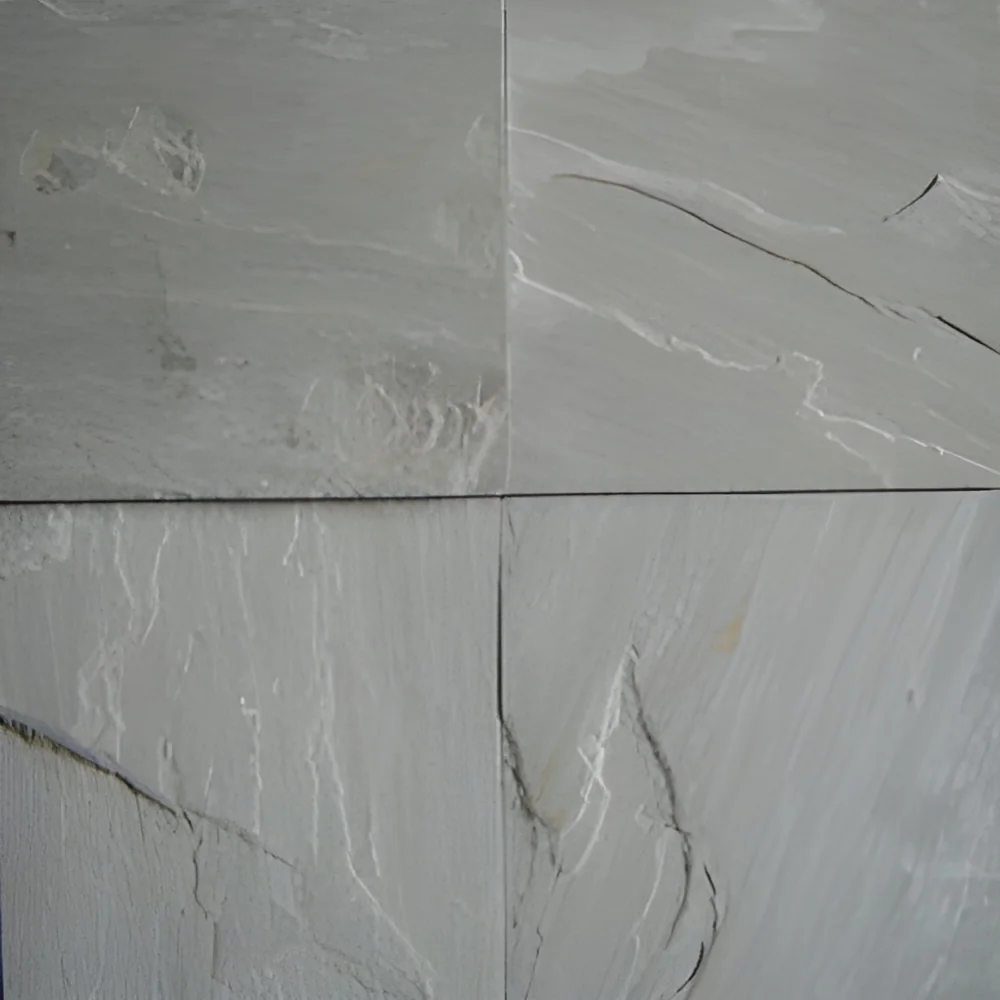
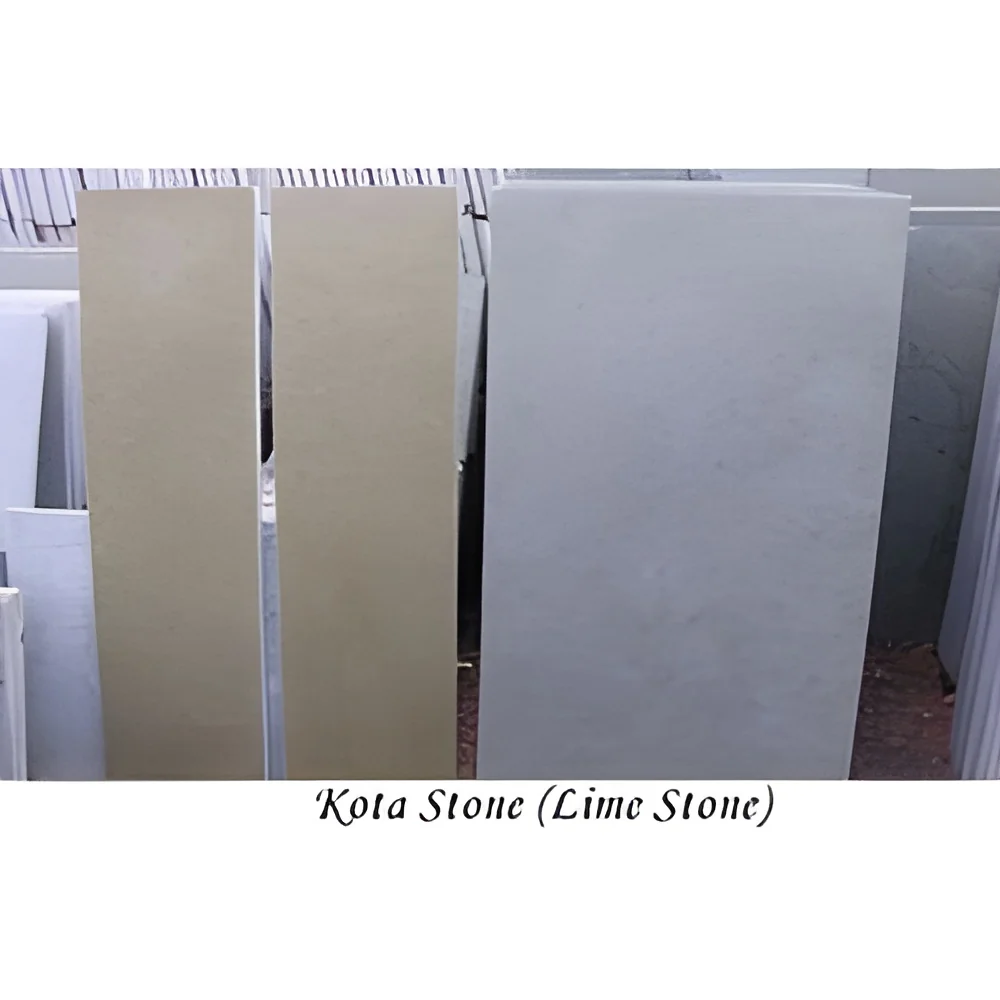
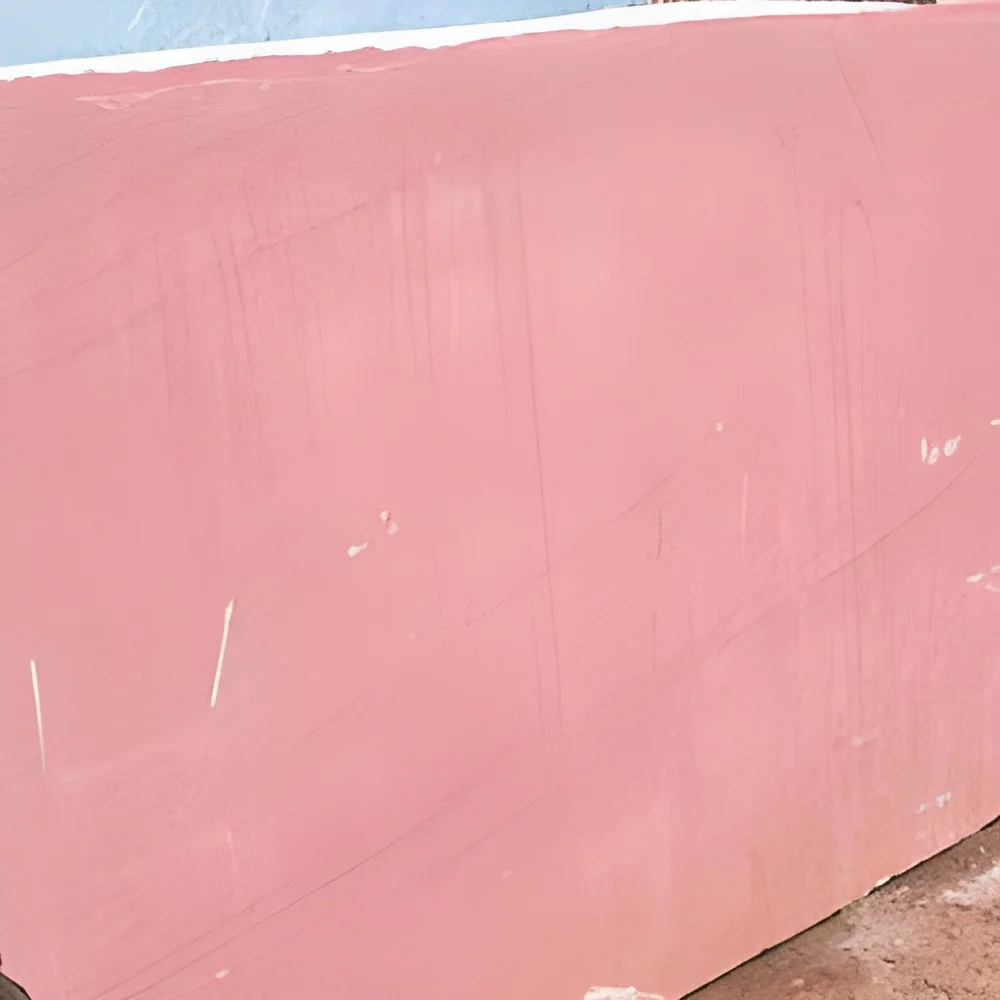
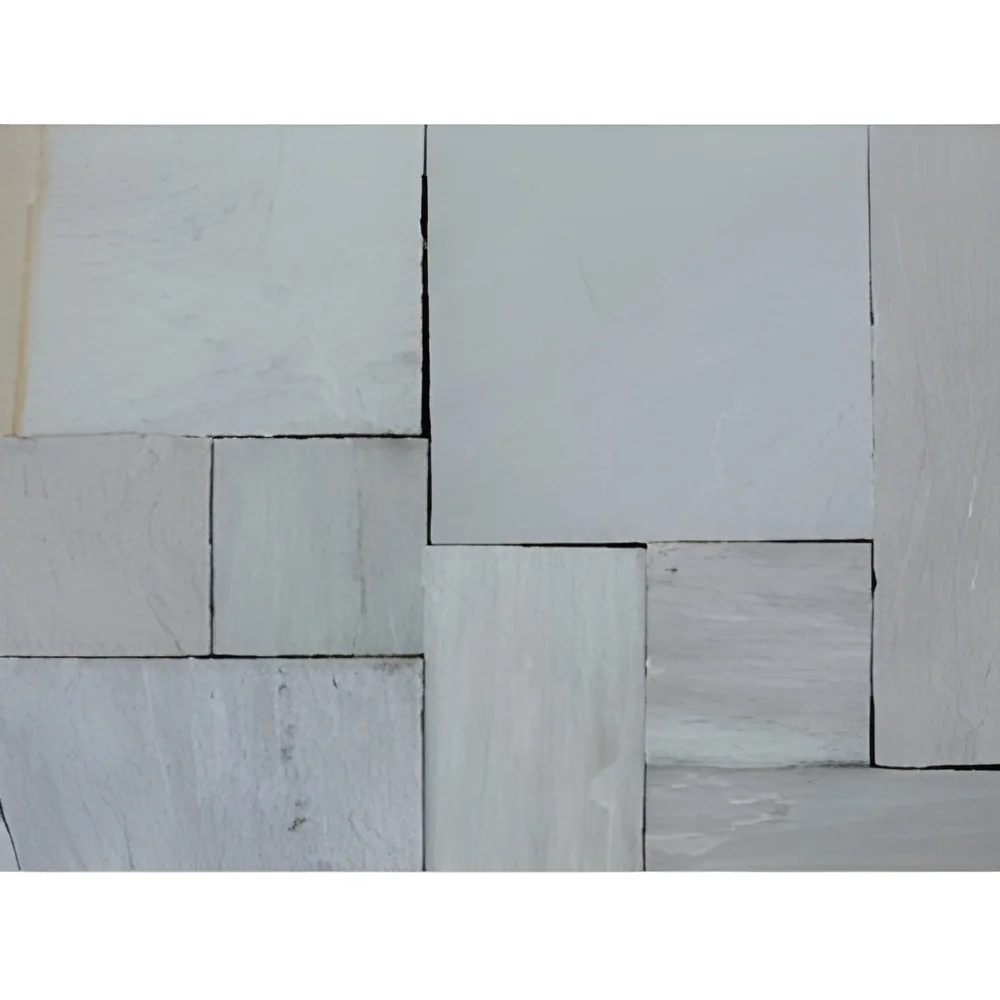
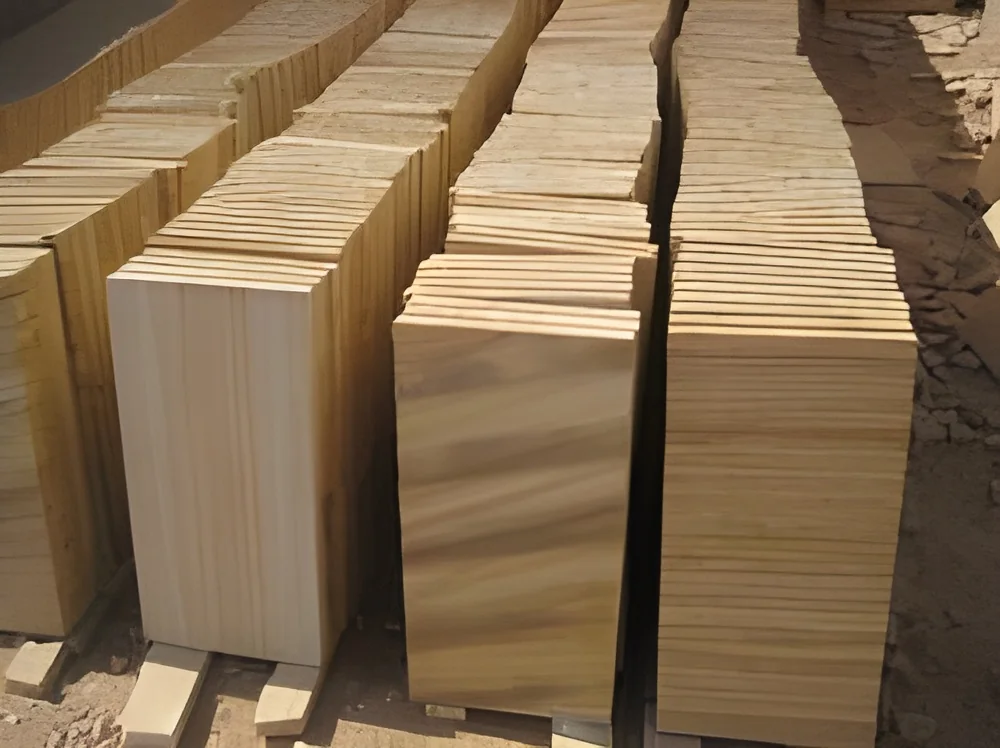
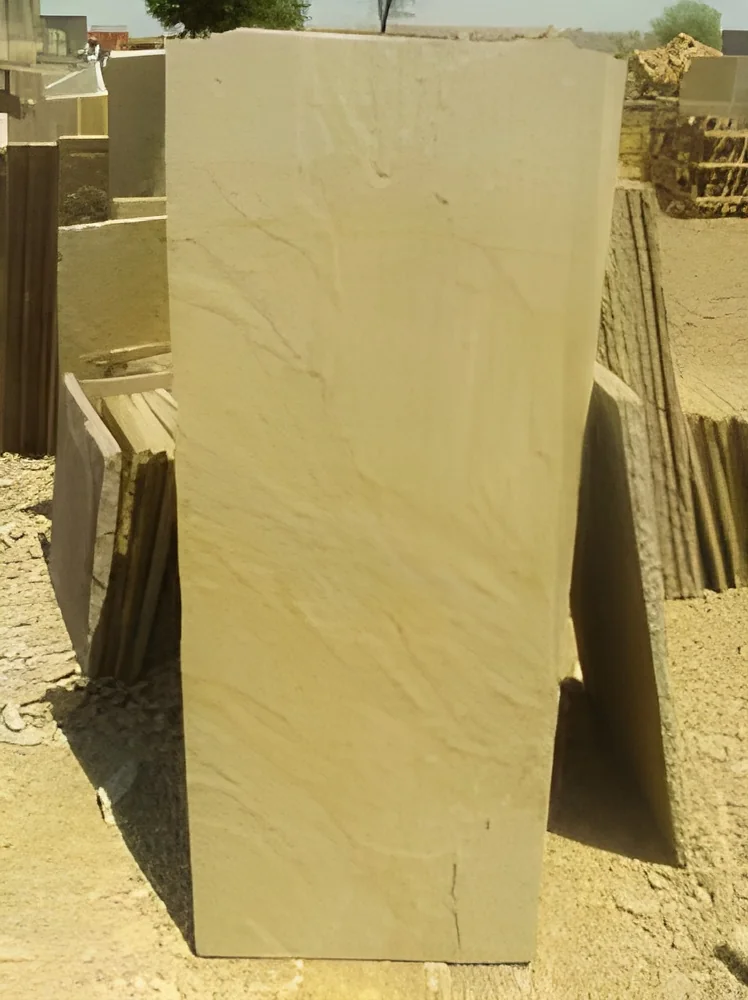
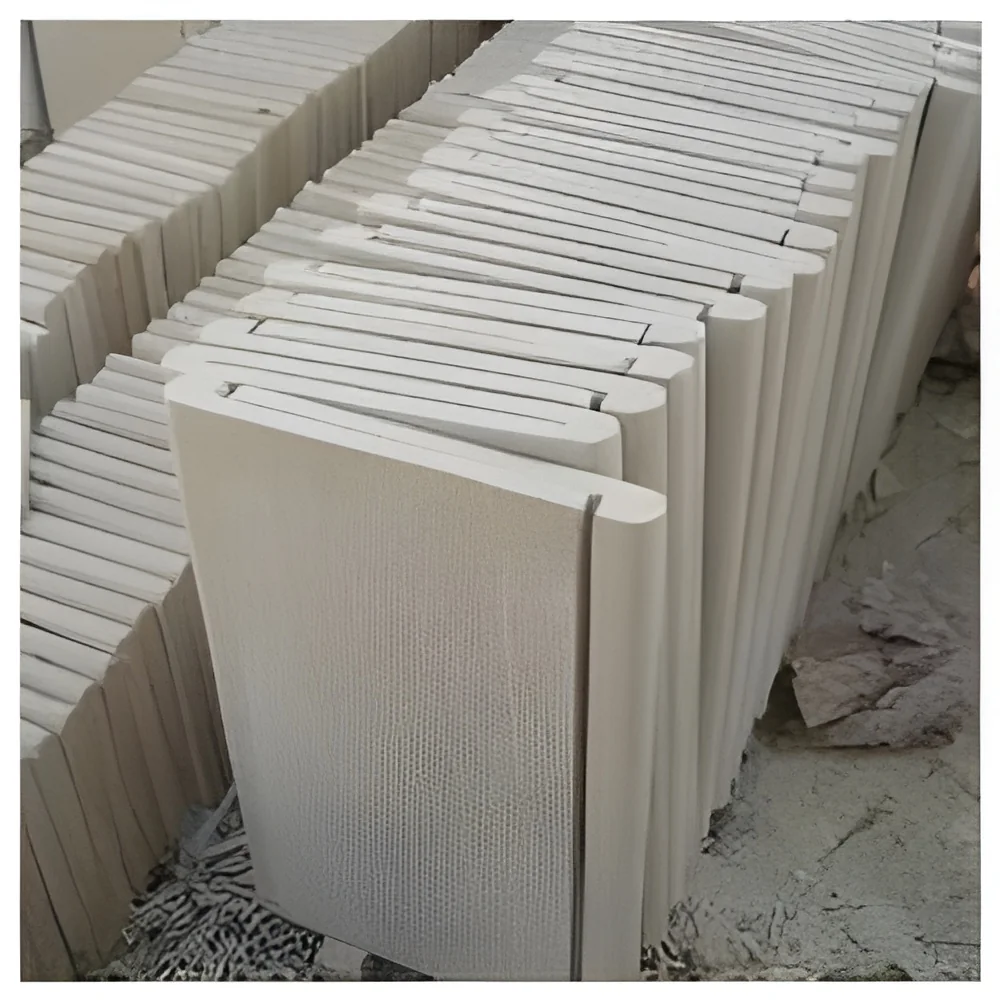
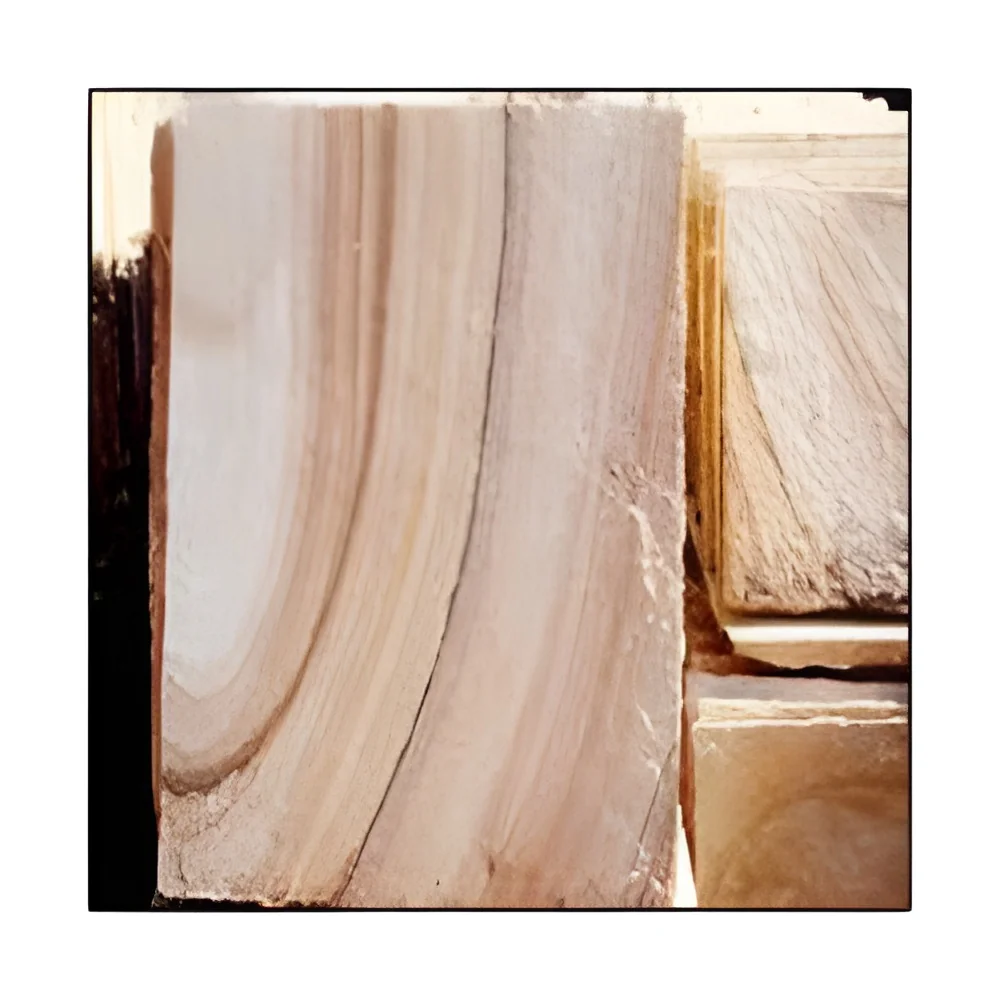
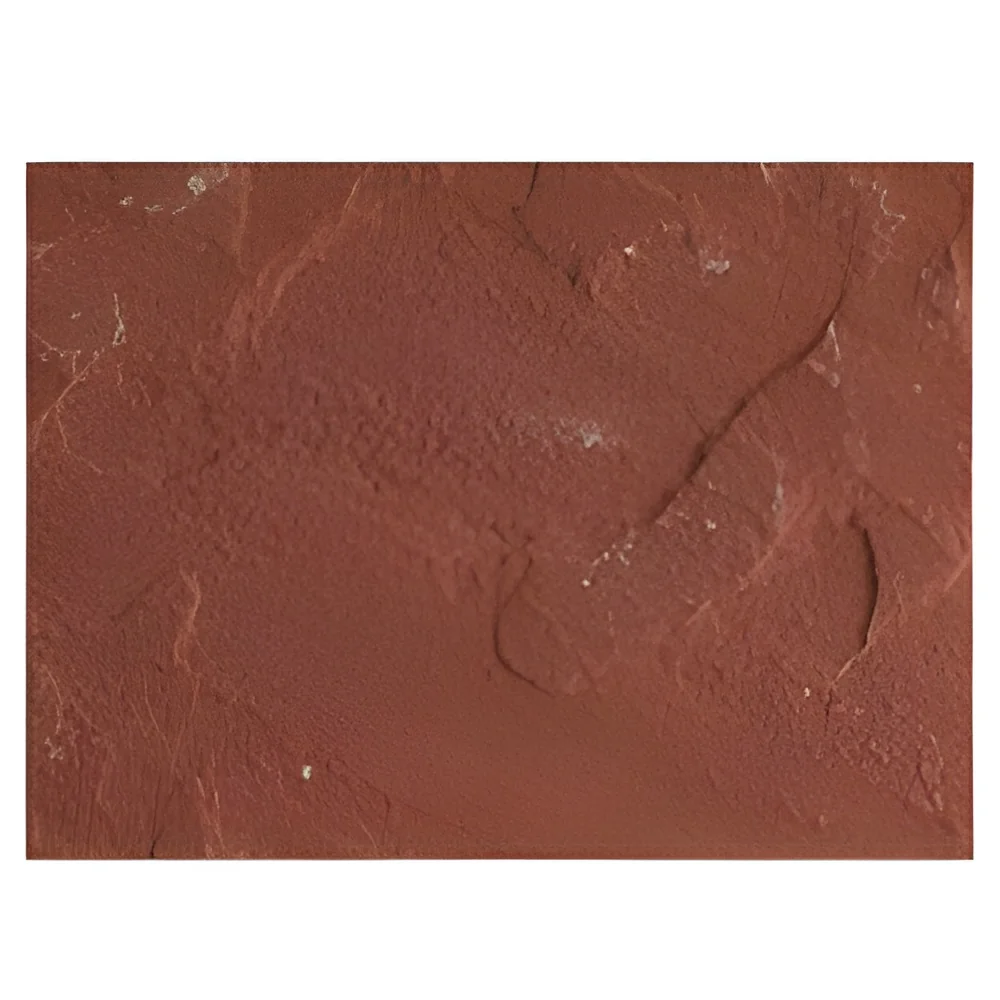
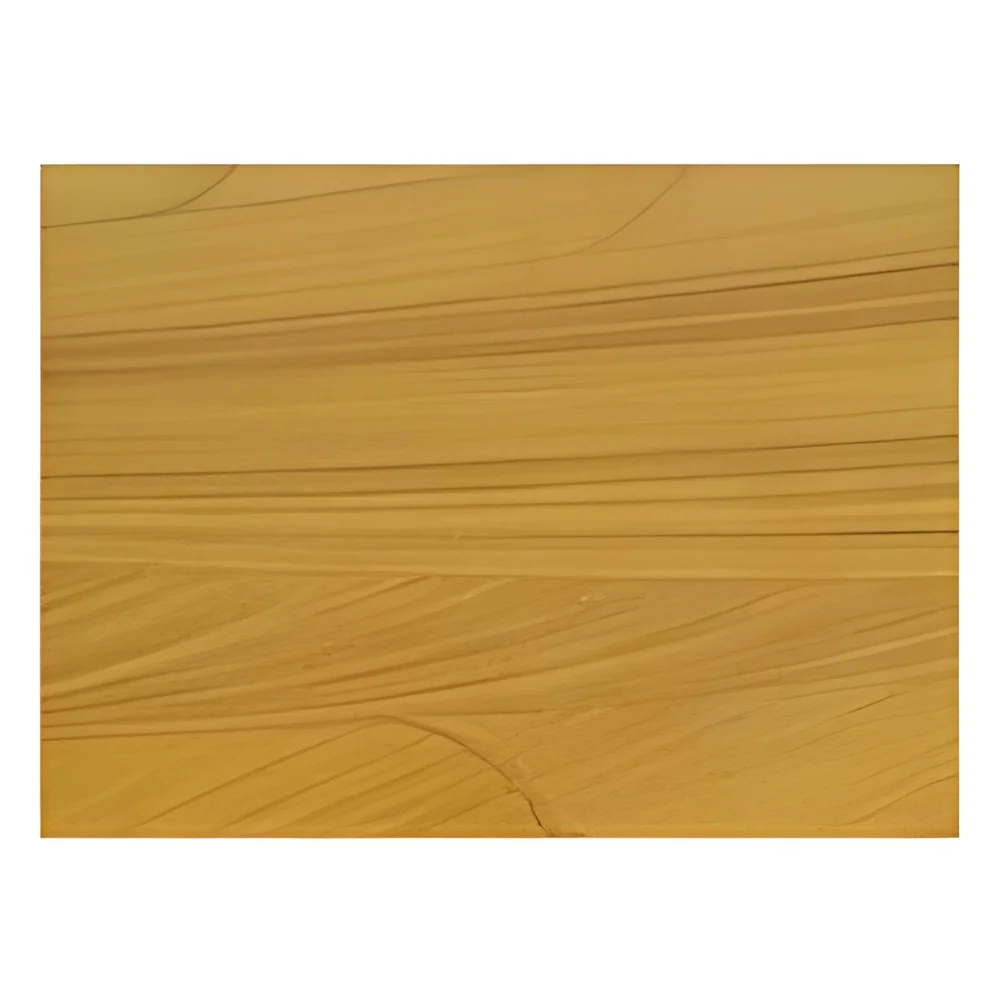
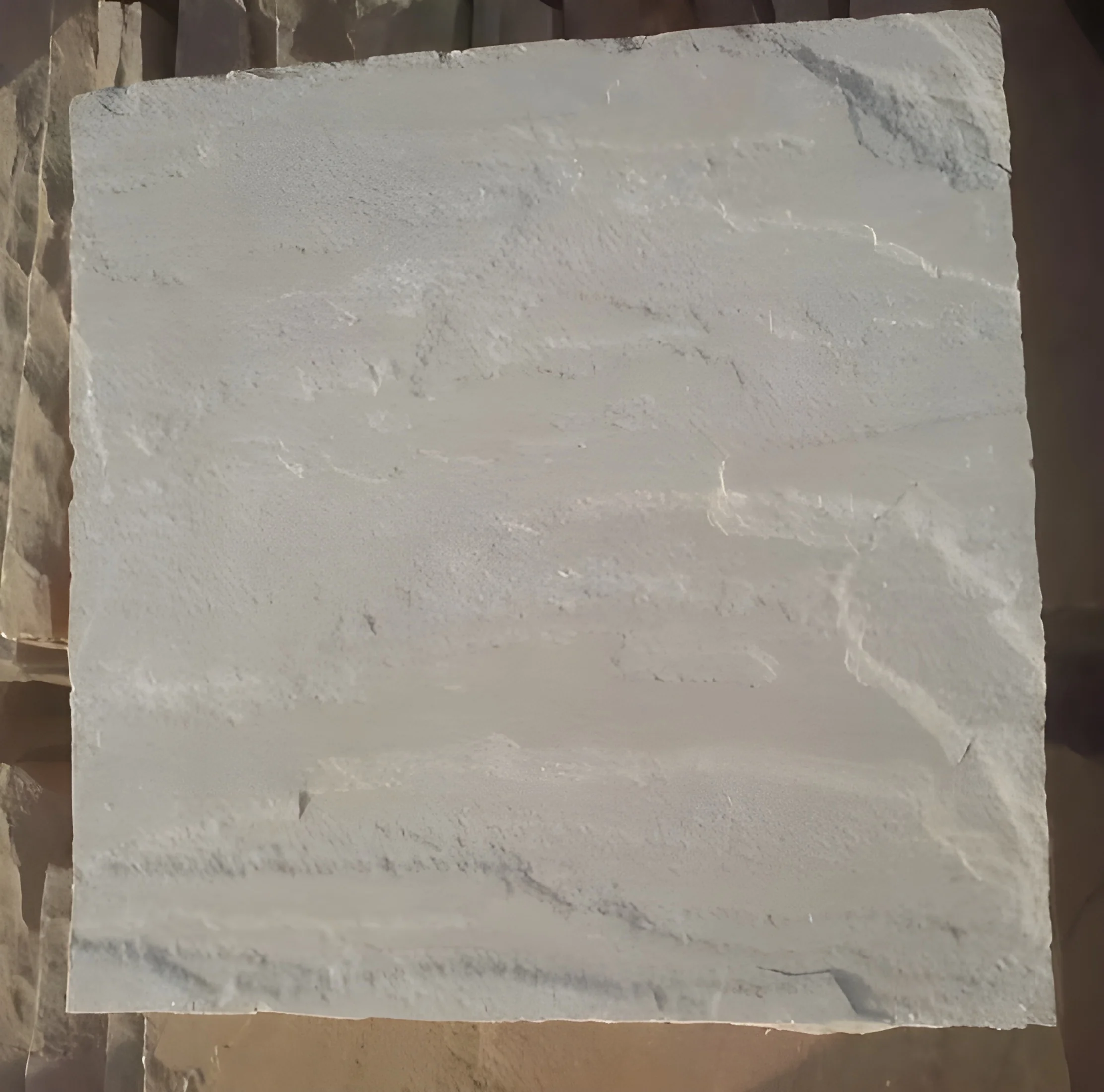
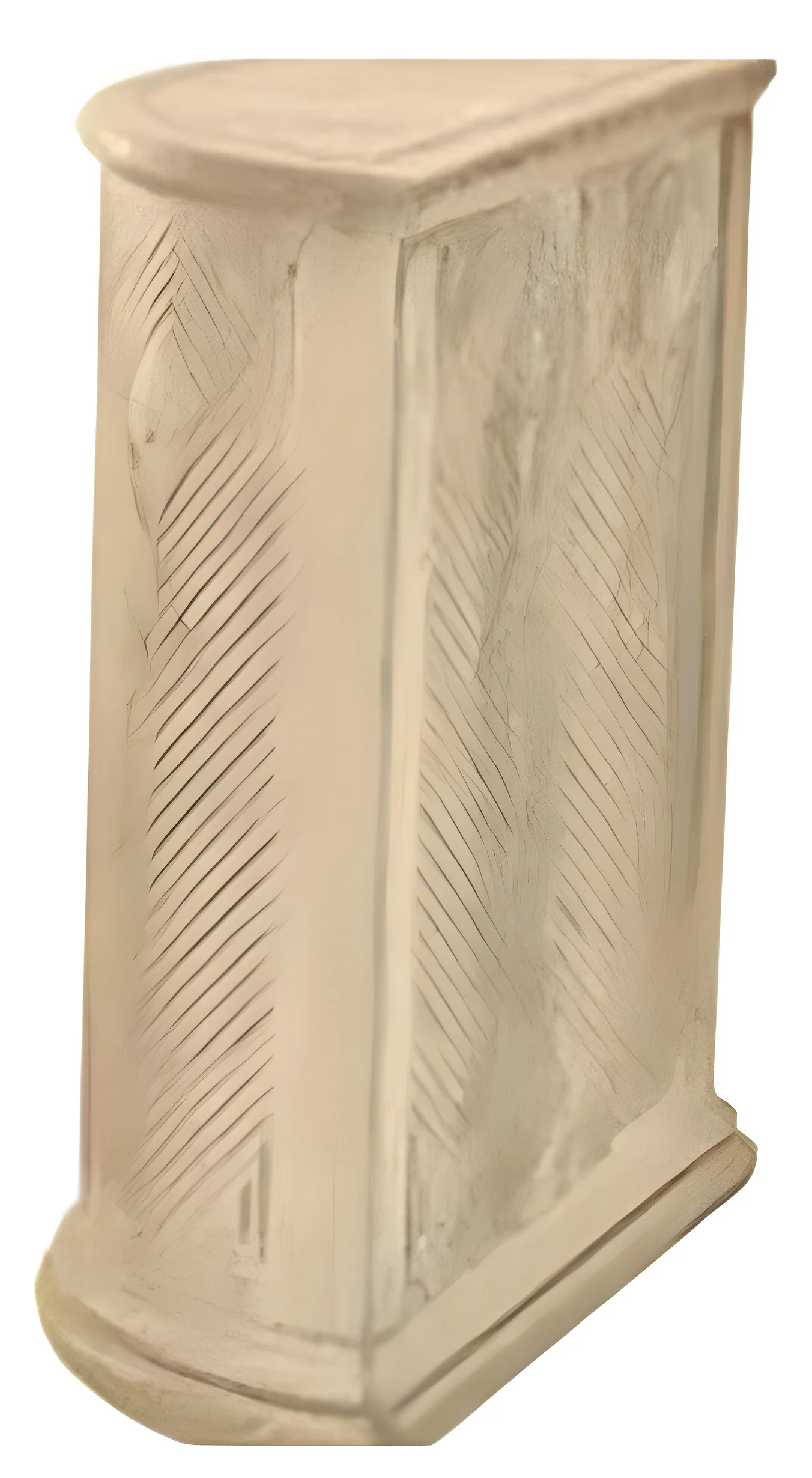
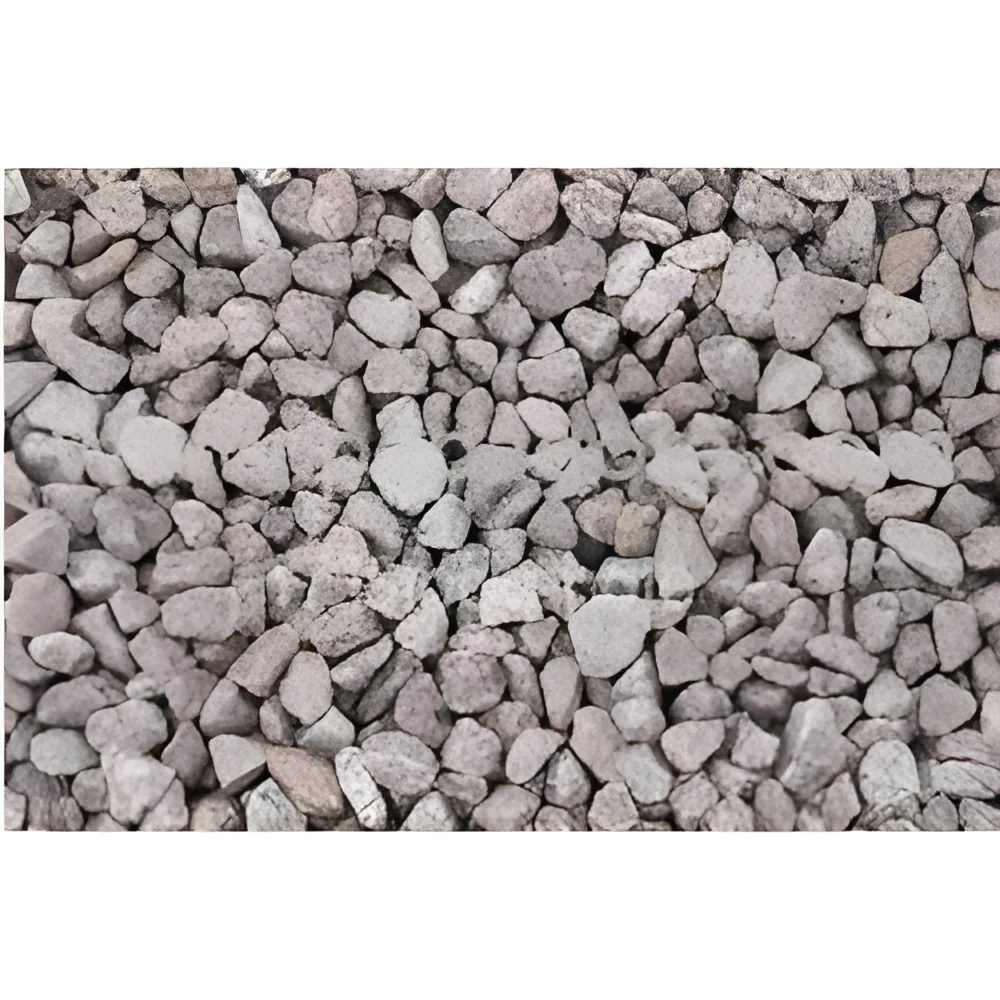
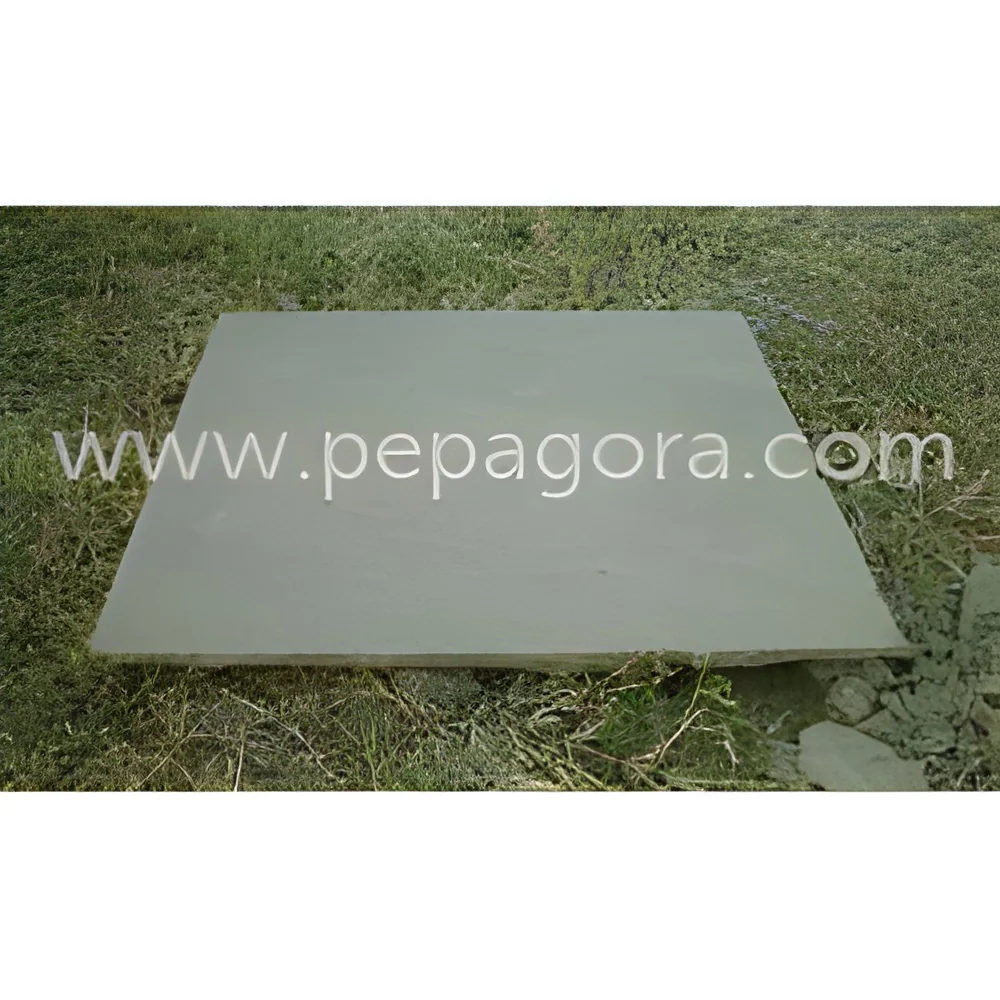
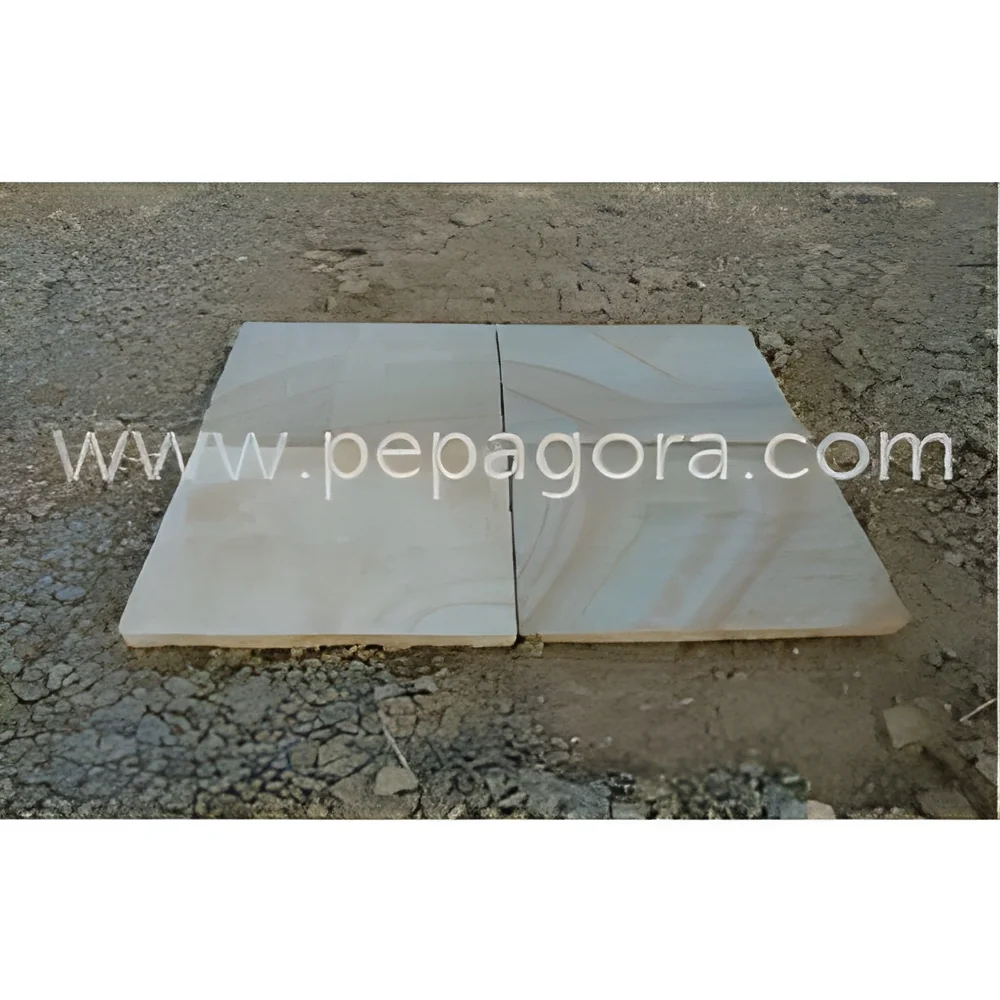
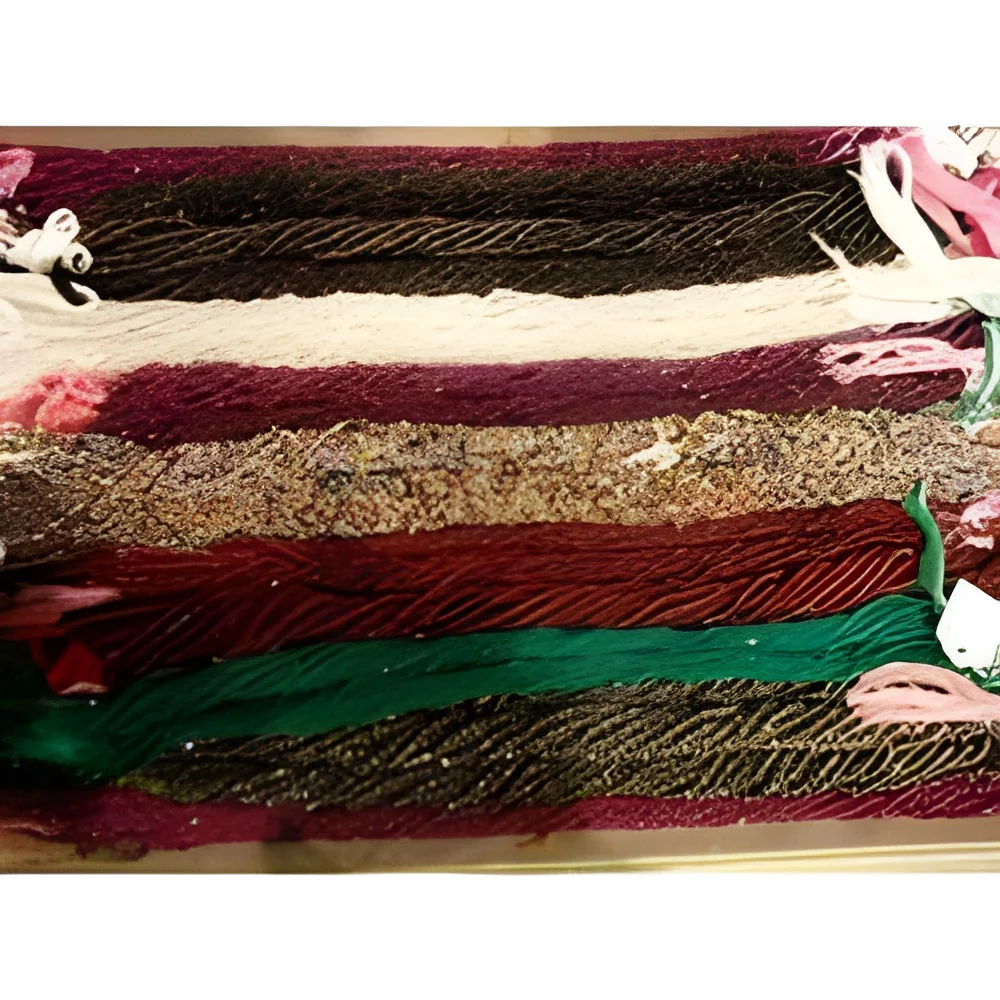
Sandstone flooring is a type of natural stone flooring made from sandstone, a sedimentary rock primarily composed of quartz grains. This flooring option is recognized for its durability, aesthetic appeal, and versatility, making it an ideal choice for both indoor and outdoor applications. Sandstone is available in various colors and textures, allowing businesses to select the perfect finish that aligns with their design vision.
Sandstone flooring is commonly utilized in commercial spaces, residential properties, and outdoor environments. Its natural slip resistance makes it suitable for high-traffic areas such as shopping malls, restaurants, and hotels. Additionally, it is often used in landscaping, patios, and walkways due to its ability to withstand various weather conditions. The growing trend towards sustainable building materials has also increased the relevance of sandstone flooring in the market, catering to environmentally conscious consumers.
Key Features and Specifications
Sandstone flooring offers a range of features that make it appealing for various applications. Its natural origins ensure that each piece is unique, providing a distinct character to spaces. Additionally, sandstone is relatively easy to maintain and can last for decades with proper care.
Key specifications include:
1. Color Variety
- Available in shades such as beige, brown, gray, and red
- Allows for aesthetic customization
2. Thickness Range
- Typically ranges from 15mm to 30mm
- Suitable for different installation methods
3. Surface Finish
- Can be honed, polished, or left in a natural state
- Different finishes cater to varying slip resistance needs
4. Durability
- Resistant to weathering and wear
- High compressive strength suitable for heavy foot traffic
5. Water Absorption Rate
- Generally between 3% to 7%
- Important for indoor and outdoor applications
6. Slip Resistance
- Naturally textured surfaces enhance grip
- Ideal for wet areas like pools and bathrooms
7. Thermal Conductivity
- Retains heat during colder months
- Provides comfort in outdoor spaces
8. Sustainability
- Naturally sourced with minimal environmental impact
- Fully recyclable at the end of its life cycle
Sandstone flooring is a reliable option for businesses looking for quality and aesthetic appeal in their flooring solutions.
Common Applications and Use Cases
Sandstone flooring is versatile and serves various industries effectively.
1. Hospitality: Hotels and restaurants utilize sandstone for its elegant appearance and durability, enhancing guest experiences in lobbies and dining areas.
2. Retail: Shopping malls and boutiques often choose sandstone for flooring due to its ability to withstand heavy foot traffic while providing a stylish look.
3. Landscaping: Sandstone is a popular choice for outdoor applications such as patios, pathways, and garden features, contributing to natural beauty in outdoor spaces.
4. Residential: Homeowners appreciate sandstone for interior flooring and outdoor spaces, thanks to its warmth and aesthetic diversity.
5. Commercial Facilities: Office buildings often incorporate sandstone for its durability and ease of maintenance in high-traffic areas.
Product Variants and Subcategories
Sandstone flooring comes in various forms, catering to different needs and preferences.
Classic Sandstone
This variant features traditional textures and colors, making it suitable for both modern and classic architectural styles. It is often used in residential settings for living areas and kitchens.
Polished Sandstone
With its refined finish, polished sandstone is ideal for commercial spaces where an upscale appearance is desired. It offers a sleek look while maintaining slip resistance.
Riven Sandstone
Riven sandstone has a natural, uneven surface that enhances grip, making it a perfect choice for outdoor areas such as patios and walkways.
Benefits and Advantages
Sandstone flooring presents numerous benefits that make it a smart choice for businesses.
1. Aesthetic Appeal: The unique colors and textures of sandstone create an inviting ambiance in any space.
2. Durability: Sandstone is known for its strength and longevity, making it a cost-effective flooring option.
3. Low Maintenance: Sandstone is relatively easy to clean and maintain, requiring minimal upkeep compared to other flooring materials.
4. Natural Insulation: Its thermal properties help maintain comfortable temperatures in various climates.
5. Environmentally Friendly: Sourced from natural materials, sandstone is a sustainable choice for eco-conscious businesses.
6. Versatility: Suitable for various applications, from indoor flooring to outdoor landscaping, sandstone adapts to different environments.
Buying Guide for B2B Buyers
When sourcing sandstone flooring, it is essential to consider several factors to ensure a successful purchase.
1. Quality Assessment: Look for reputable suppliers who provide samples and detailed specifications to evaluate the quality of the sandstone.
2. Supplier Verification: Research and vet potential suppliers by checking their credentials, reviews, and certifications to ensure reliability.
3. Pricing and MOQ: Understand the pricing structure and minimum order quantities (MOQ) to align with your budget and project needs.
4. Delivery and Lead Times: Discuss logistics, including delivery schedules and lead times, to ensure timely project completion.
5. Compliance Requirements: Be aware of any regulatory standards or certifications required for your specific industry and ensure the supplier meets them.
Compliance and Certifications
Sandstone flooring must meet various quality and safety standards to ensure its suitability for different applications. Some relevant quality standards include ISO 9001, which outlines effective quality management systems, ensuring the product meets customer and regulatory requirements.
Industry certifications such as CE mark are essential for products sold in the European market, indicating compliance with health, safety, and environmental protection standards.
Additionally, safety and testing requirements should be adhered to, particularly for slip resistance and durability under varying conditions. Regional compliance considerations are also crucial, as different areas may have specific regulations regarding building materials.
Why Source Sandstone Flooring from Pepagora?
Pepagora provides a trusted platform for sourcing sandstone flooring, offering several key advantages to B2B buyers.
Verified Supplier Network: Pepagora connects buyers with a network of verified suppliers, ensuring that each supplier meets high standards of quality and reliability.
Streamlined RFQ Process: The platform features a simplified request for quotation (RFQ) system, allowing buyers to easily compare prices and specifications from multiple suppliers.
Trade Assurance and Support: Pepagora offers buyer protection services, ensuring that transactions are secure and that buyers receive the products as promised.
Regional Coverage: With a strong presence in India, GCC, and Southeast Asia, Pepagora facilitates access to quality sandstone flooring across diverse markets, making it easier for businesses to find suitable suppliers.

 IN
IN
 India
India