
 IN
Subway Tiles
6 products available
What are Subway Tiles?
Subway tiles are rectangular ceramic tiles traditionally measuring 3 inches by 6 inches. Originating from the early 20th century in New York City subway stations, these tiles are known for their glossy finish and simple design. They typically feature a smooth surface and are available in various colors, making them a versatile choice for many applications.
Subway tiles are primarily used in residential and commercial settings. They are commonly found in kitchens and bathrooms as backsplashes, wall coverings, and flooring. Their classic appearance complements various design styles, from modern to vintage. In the commercial sector, subway tiles are often used in restaurants, hotels, and retail spaces to create a clean and inviting atmosphere.
The subway tile market is significant within the construction and renovation industries. With a growing trend towards minimalist and functional designs, these tiles have maintained their popularity. Industry professionals appreciate their durability and ease of maintenance, contributing to their continued relevance in both new constructions and remodels.
Key Features and Specifications
Subway tiles offer a range of features that make them suitable for various applications. They are known for their durability, ease of cleaning, and timeless aesthetic. Understanding their specifications helps businesses make informed purchasing decisions.
Key specifications include:
1. Material Composition
- Made primarily of ceramic, porcelain, or glass
- Resistant to moisture and stains
2. Size Variations
- Standard sizes include 3x6 inches and 4x12 inches
- Custom sizes may be available from certain manufacturers
3. Surface Finish
- Glossy, matte, or textured finishes available
- Glossy tiles are easier to clean, while matte tiles offer a more contemporary look
4. Color Palette
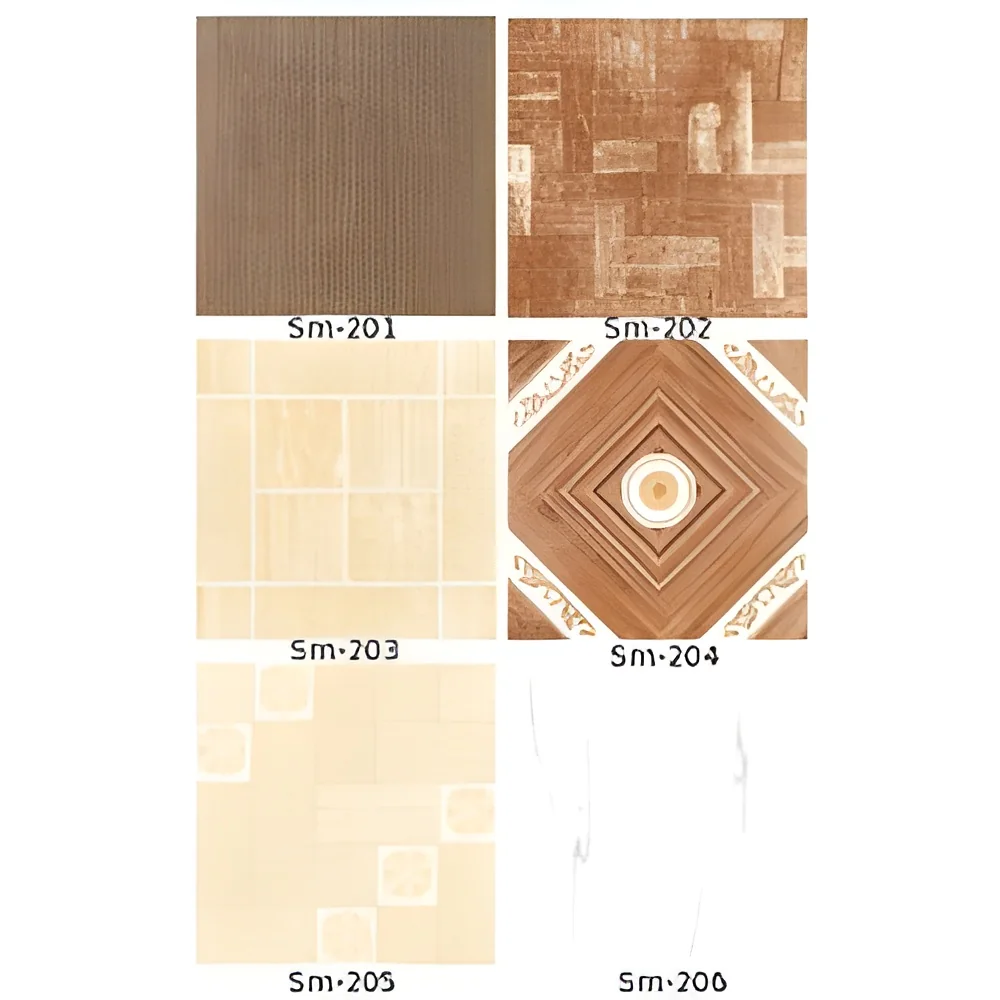
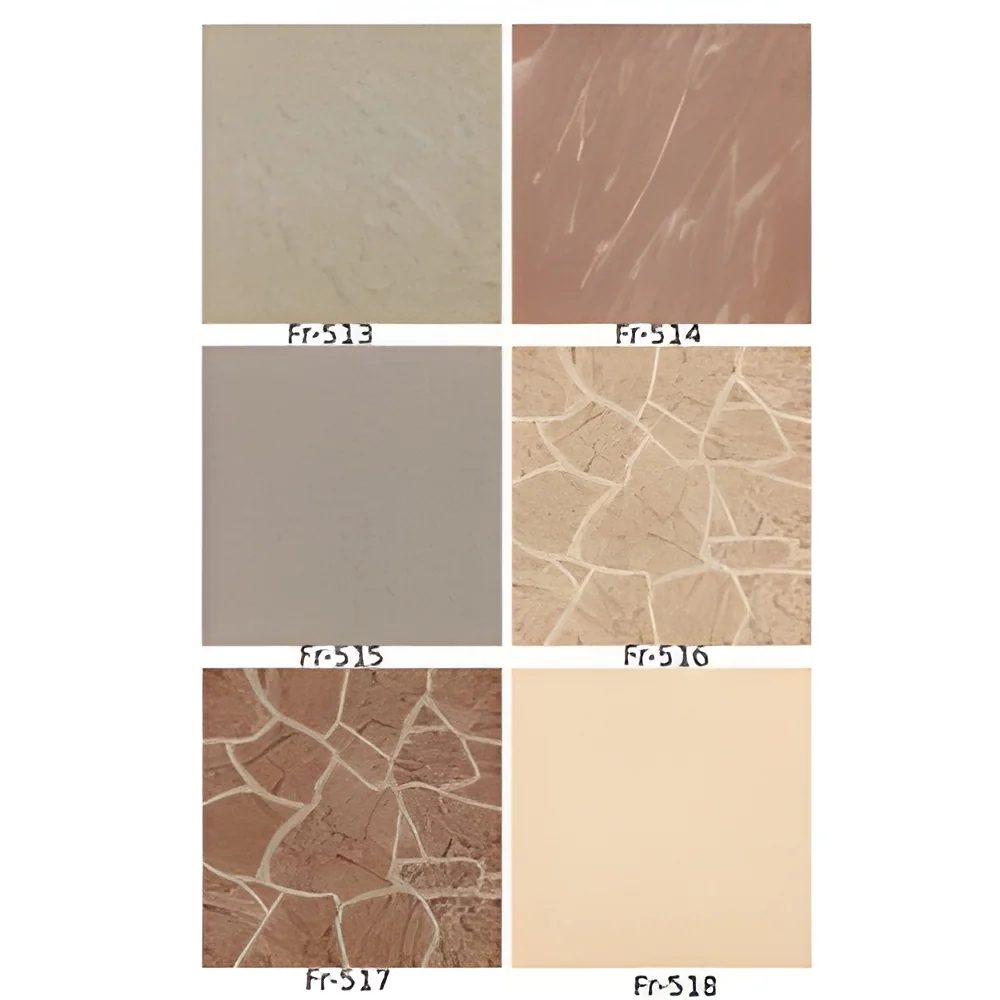
- Available in a wide range of colors, including traditional whites and bold hues
- Custom colors may be available upon request
5. Installation Method
- Can be installed using standard adhesive methods
- Suitable for walls and flooring, depending on the material
6. Safety Ratings
- Slip-resistant options available for flooring applications
- Compliance with local safety standards
7. Weight
- Varies by material, typically lightweight for easy handling
- Important for transport and installation considerations
Subway tiles are a versatile option that combines functionality with aesthetic appeal, making them a popular choice in modern design.
Common Applications and Use Cases
Subway tiles are utilized across various industries due to their adaptability and appeal.
1. Residential: In homes, subway tiles are often used in kitchens and bathrooms for backsplashes and wall coverings. Their classic design enhances the overall aesthetic while providing a durable surface.
2. Hospitality: Hotels frequently use subway tiles in lobbies and restrooms to create a clean and welcoming environment. Their easy maintenance makes them ideal for high-traffic areas.
3. Retail: Many retail spaces incorporate subway tiles in their design to create visually appealing displays. Their timeless look complements a variety of products and branding.
4. Restaurants: Subway tiles are popular in dining establishments, often used to cover walls in kitchens and dining areas. They contribute to a stylish, contemporary atmosphere.
5. Offices: Subway tiles can be found in office restrooms and break rooms, providing a modern touch that is easy to maintain.
6. Healthcare: Hospitals and clinics use subway tiles in patient areas and restrooms due to their hygiene-friendly properties.
Product Variants and Subcategories
Subway tiles come in various styles and finishes, catering to diverse design preferences and applications.
Classic White Subway Tile
This variant is the quintessential subway tile, featuring a glossy finish that brightens spaces. It is commonly used in kitchens and bathrooms for a clean, timeless look.
Colored Subway Tiles
Available in a range of vibrant colors, these tiles allow for creative design options. They can be used to create accent walls or to complement other design elements in commercial and residential projects.
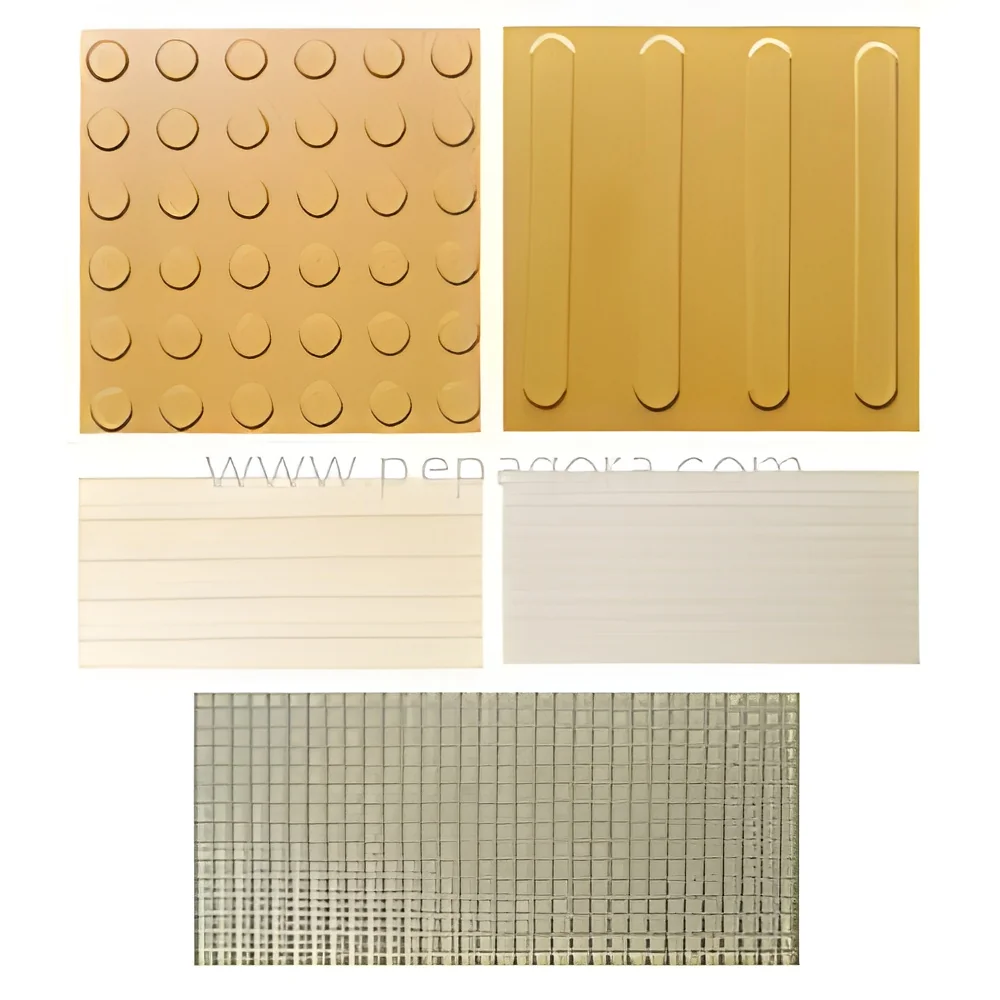
Textured Subway Tiles
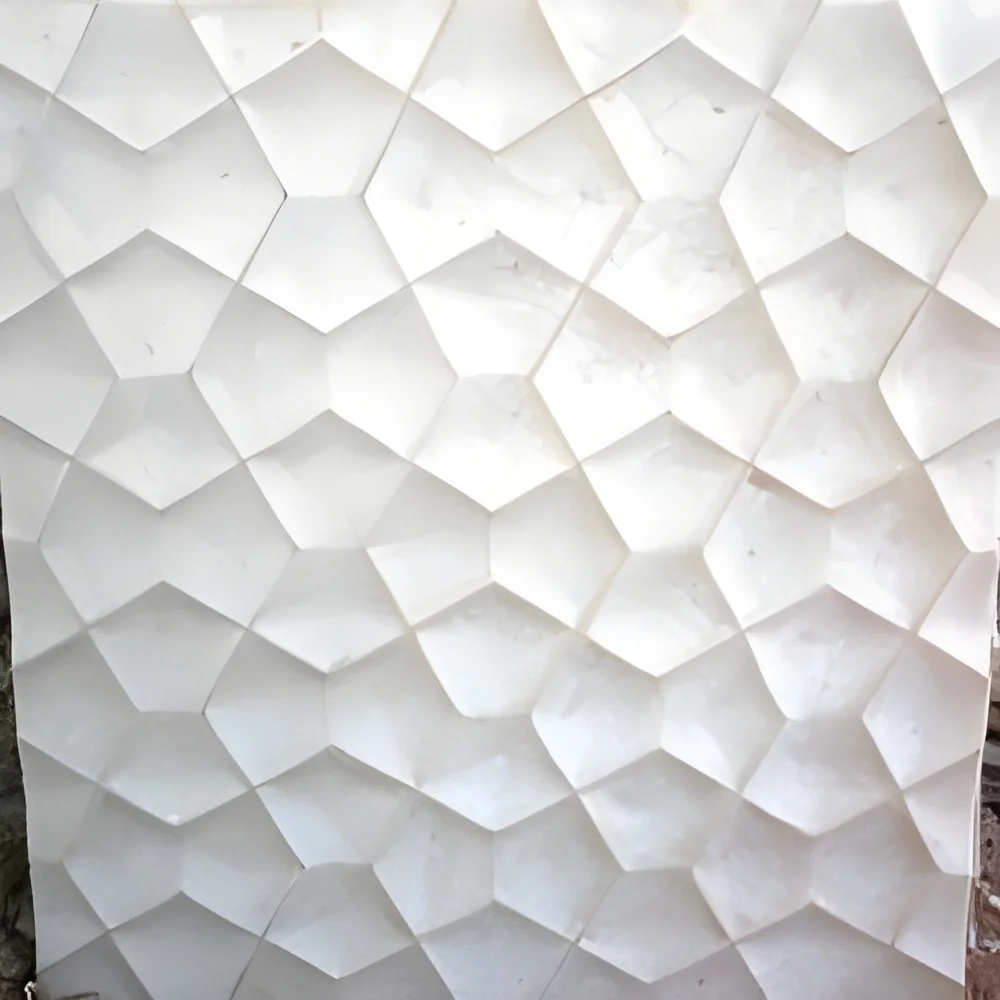
Textured options add depth and interest to spaces. These tiles are often used in more contemporary designs and can provide slip resistance for flooring applications.
Benefits and Advantages
Subway tiles offer numerous benefits that make them a preferred choice for many industries.
1. Durability: Subway tiles are highly durable, resistant to scratches and stains, making them ideal for high-traffic areas.
2. Easy Maintenance: Their smooth surfaces allow for easy cleaning, requiring minimal upkeep to maintain their appearance.
3. Timeless Aesthetic: The classic design of subway tiles ensures they remain in style, appealing to a wide range of design preferences.
4. Versatility: Suitable for various applications, subway tiles can be used in kitchens, bathrooms, and commercial settings.
5. Variety of Options: Available in different colors, sizes, and finishes, subway tiles offer extensive design possibilities.
6. Cost-Effectiveness: Generally affordable, subway tiles provide a high-quality option for both budget-conscious and premium projects.
Buying Guide for B2B Buyers
When sourcing subway tiles, several factors should be considered to ensure a successful purchase.
1. Quality Assessment: Review the tile's material composition and finish. High-quality tiles will be more durable and easier to maintain.
2. Supplier Verification: Ensure suppliers are reputable and provide reliable products. Check for reviews and testimonials from previous clients.
3. Pricing and MOQ: Understand the price range for subway tiles and inquire about minimum order quantities, as this can vary by supplier.
4. Delivery and Lead Times: Confirm delivery schedules and lead times, especially for large orders, to ensure timely project completion.
5. Compliance Requirements: Check for any necessary certifications, such as CE, ensuring the product meets local regulations and safety standards.
Compliance and Certifications
Subway tiles are subject to various quality standards and certifications that ensure their safety and reliability in different applications.
ISO 9001 certification ensures that manufacturers adhere to quality management principles, providing assurance of consistent product quality.
CE marking indicates that the tiles meet European safety and environmental requirements, vital for products used in commercial spaces.
Testing for safety, such as slip resistance and durability, is essential, particularly for tiles intended for flooring applications.
Regional compliance considerations may vary, so it is crucial to understand local regulations when sourcing subway tiles.
Why Source Subway Tiles from Pepagora?
Pepagora offers a trusted platform for sourcing subway tiles, providing several advantages for B2B buyers.
Verified Supplier Network: Pepagora connects buyers with verified suppliers, ensuring that all products meet high standards of quality and reliability.
Streamlined RFQ Process: The platform simplifies the request for quotation process, allowing buyers to easily compare prices and specifications from multiple suppliers.
Trade Assurance and Support: Pepagora provides trade assurance, offering buyers protection during transactions and ensuring a smooth purchasing experience.
Regional Coverage: With a strong presence in India, the GCC, and Southeast Asia, Pepagora caters to a wide geographic market, making it easier for businesses to find the right subway tile solutions.


Frequently Asked Questions
What are Subway Tiles?
Subway tiles are rectangular ceramic tiles that are often used for wall applications, particularly in kitchens and bathrooms. They are typically characterized by their glossy finish and are commonly laid in a brickwork pattern, providing a classic and timeless look.
What are the different types of Subway Tiles?
Subway tiles come in various materials, including ceramic, glass, and stone. They also vary in size, finish, and color, with options ranging from traditional white to more vibrant hues, as well as matte or glossy finishes.
How do I choose the right Subway Tiles?
When selecting Subway tiles, consider factors such as the intended application, color scheme, and texture. It's also important to think about the size of the space and the layout pattern you wish to achieve for the best visual impact.
What are the standard specifications for Subway Tiles?
Standard Subway tiles typically measure 3x6 inches, although other sizes are available. They should have a uniform thickness, a smooth surface, and be made from durable, water-resistant materials suitable for wet areas.
What is the price range for Subway Tiles?
The price of Subway tiles can vary significantly based on the material and quality, typically ranging from INR 30 to INR 200 per tile. Bulk purchases from manufacturers can often lead to lower prices per unit.
What quality standards apply to Subway Tiles?
Subway tiles must meet various quality standards, including resistance to moisture, durability, and colorfastness. They should comply with industry standards, such as the ISO and BIS, to ensure they are suitable for long-term use.
Where can I find Subway Tiles suppliers in India?
You can find Subway tile suppliers in India through B2B marketplaces like Pepagora.com, local tile distributors, and manufacturer directories. It's advisable to review supplier ratings and product samples before making a purchase.
Can Subway Tiles be customized?
Yes, many manufacturers offer customization options for Subway tiles, including size, color, and finish. Customization can help achieve a specific design aesthetic or meet project requirements.
What is the typical minimum order quantity for Subway Tiles?
The minimum order quantity (MOQ) for Subway tiles varies by supplier, but it is commonly set at 100 to 500 tiles. It is best to check with individual suppliers for their specific MOQ requirements.
What is the typical lead time for Subway Tiles?
The typical lead time for Subway tiles can range from 2 to 6 weeks, depending on the supplier and order size. Custom orders may require additional time, so it's advisable to confirm lead times with the supplier before placing an order.
Why Businesses Trust Pepagora
Thousands of companies trust Pepagora to source smarter and sell faster
Expand Your Sales Globally

Source Smarter,Grow Faster
