
 IN
Flooring Skirtings & Trims
6 products available
What are Flooring Skirtings & Trims?
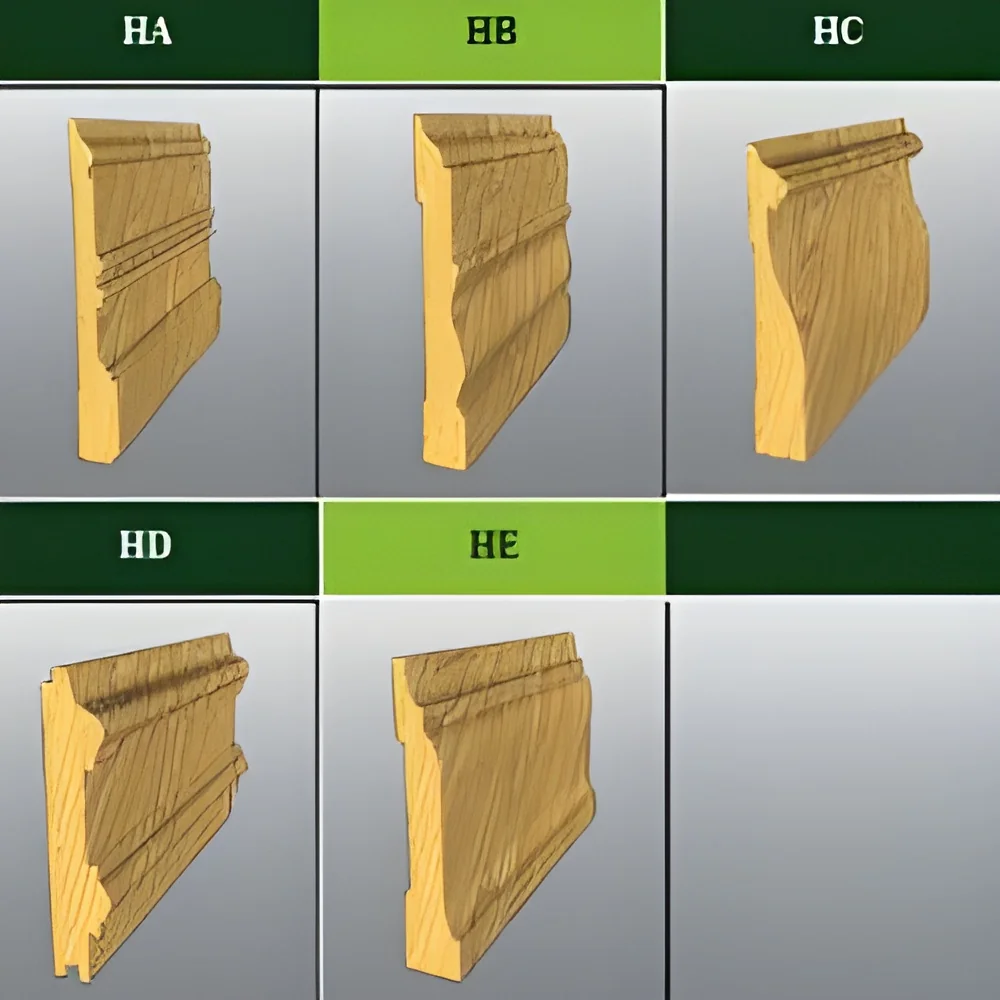
Flooring skirtings and trims are essential finishing elements used in both residential and commercial spaces. They serve as a transition between the floor and the wall, providing a clean and polished appearance while also protecting the edges of the flooring material from wear and damage. These products come in various materials, designs, and sizes to meet the diverse needs of different environments.
The primary uses of flooring skirtings and trims include enhancing aesthetic appeal, offering protection against impacts, and concealing gaps between flooring and walls. Businesses often utilize these products in settings like offices, retail spaces, hospitals, and educational institutions. Their relevance in the industry is significant, as they contribute not only to the functional aspects of flooring installations but also to the overall design and branding of a space.
In the current market, flooring skirtings and trims are increasingly recognized as vital components of interior design. With a focus on quality and sustainability, suppliers are innovating to provide products that meet modern aesthetic and functional requirements. This has led to a diverse range of options available for various applications, making them indispensable in the construction and renovation sectors.
Key Features and Specifications
Flooring skirtings and trims come with a variety of features and specifications that cater to different project needs. Understanding these specifications can help buyers make informed decisions.
Key specifications include:
1. Material Type
- Common materials include PVC, wood, MDF, and aluminum.
- These materials offer varying degrees of durability and aesthetic appeal.
2. Height
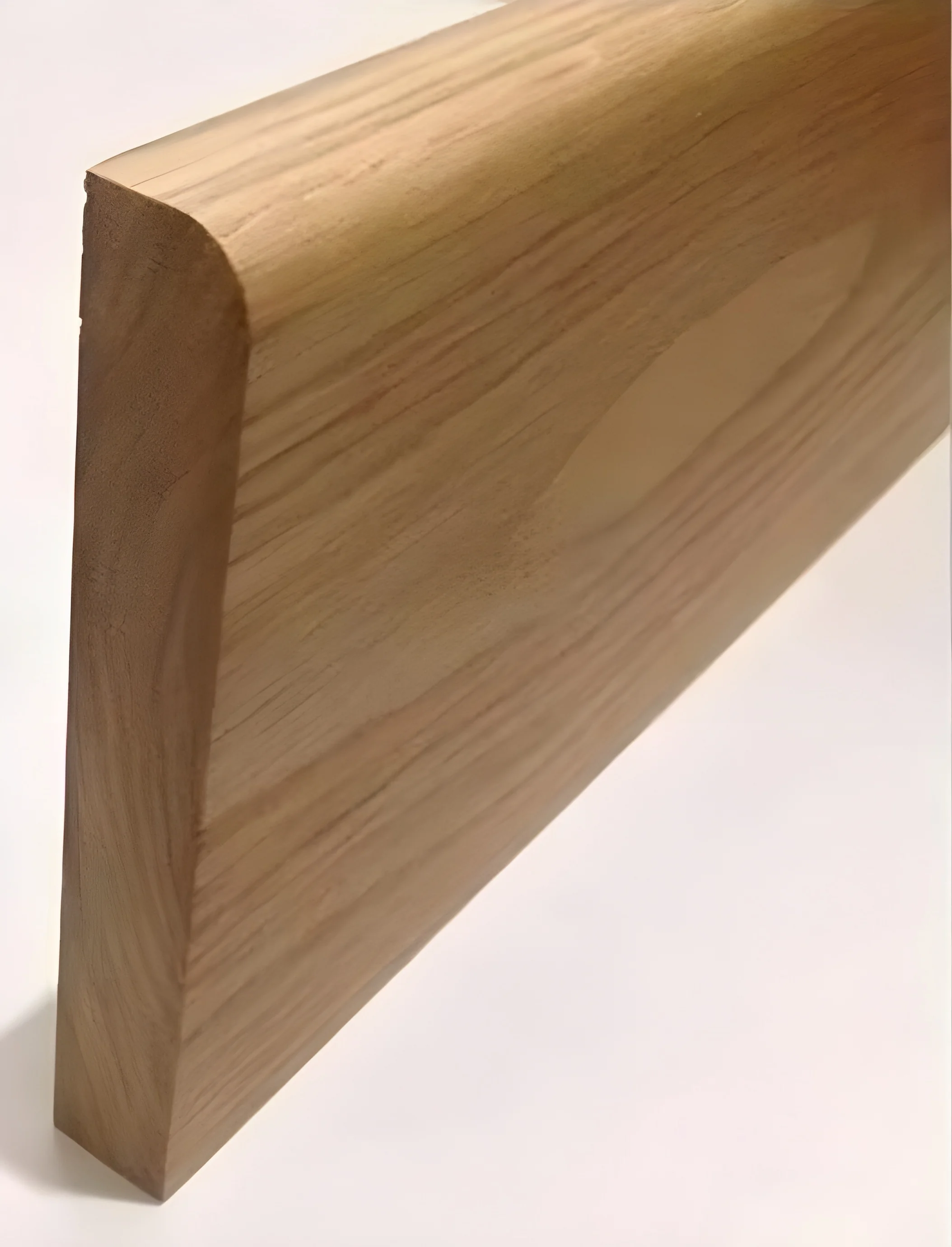
- Skirtings typically range from 70mm to 200mm in height.
- The height is chosen based on the design requirements and the type of flooring.
3. Thickness
- Standard thickness ranges from 10mm to 20mm.
- Thickness can impact durability and installation methods.
4. Finish Options
- Available finishes include smooth, textured, and painted.
- Finish choices can affect both appearance and maintenance needs.
5. Color Variations
- A wide range of colors is available to match various interior designs.
- Custom color options may also be offered.
6. Installation Method
- Common installation methods include adhesive, screws, or clips.
- Choosing the right method depends on the flooring type and environment.
7. Environmental Resistance
- Products may feature moisture resistance or UV protection.
- These features enhance longevity in specific environments.
8. Certification
- Many skirtings and trims are CE certified, ensuring compliance with European safety standards.
- Certifications can provide assurance of quality and safety.
In summary, understanding the features and specifications of flooring skirtings and trims is crucial for making the right choice for any project.
Common Applications and Use Cases
Flooring skirtings and trims are versatile products used across multiple industries.
1. Commercial Offices: In offices, these products are used to provide a professional finish, protecting walls from chair scuffs and foot traffic.
2. Retail Spaces: Retail environments leverage skirtings and trims to enhance the visual appeal of displays while safeguarding flooring edges from damage.
3. Educational Institutions: Schools and universities use durable skirtings to withstand high traffic and provide a clean look in classrooms and hallways.
4. Healthcare Facilities: In medical settings, skirtings are vital for maintaining hygiene standards and providing easier cleaning.
5. Hospitality: Hotels and restaurants use aesthetically pleasing trims to create inviting atmospheres, often matching them with overall decor themes.
6. Residential Homes: Homeowners incorporate skirtings to enhance interior design while providing protection in living areas.
7. Industrial Facilities: In warehouses and factories, robust trims help protect flooring from heavy machinery and equipment.
Product Variants and Subcategories
The diversity of flooring skirtings and trims accommodates various preferences and requirements.
PVC Skirtings: These skirtings are lightweight, affordable, and resistant to moisture, making them ideal for residential and commercial use. They come in various colors and finishes.
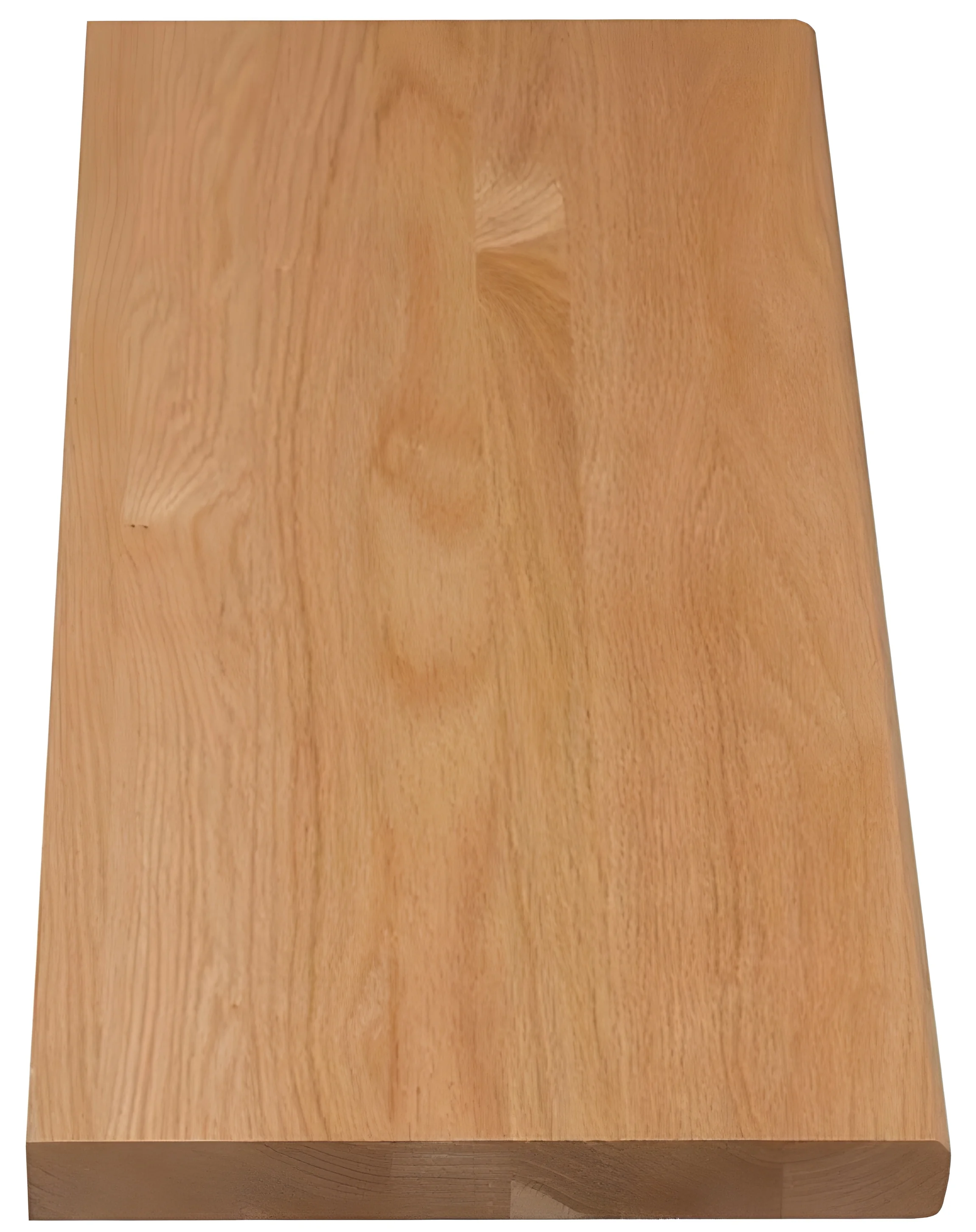
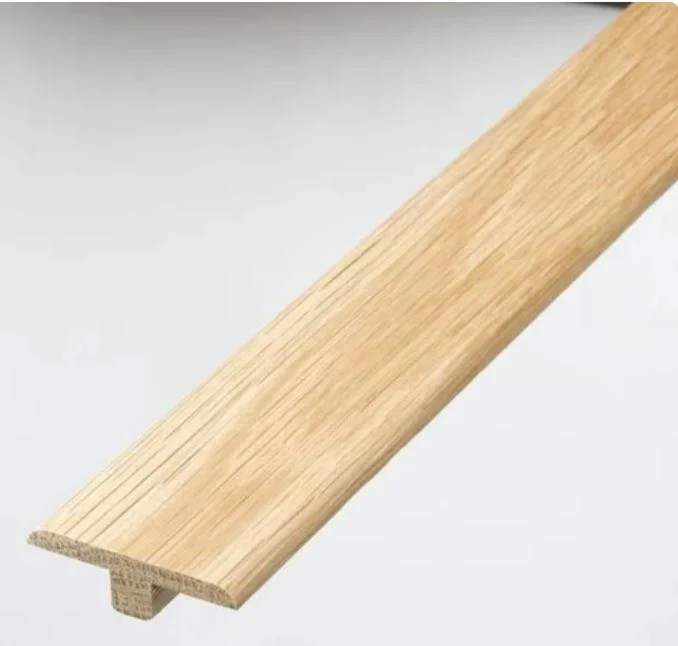
Wooden Trims: Offering a classic look, wooden trims provide elegance and warmth to spaces. They are suitable for high-end residential projects and are typically more expensive.
Aluminum Trims: Known for their durability, aluminum trims are often used in industrial settings. They withstand heavy use and are resistant to corrosion.
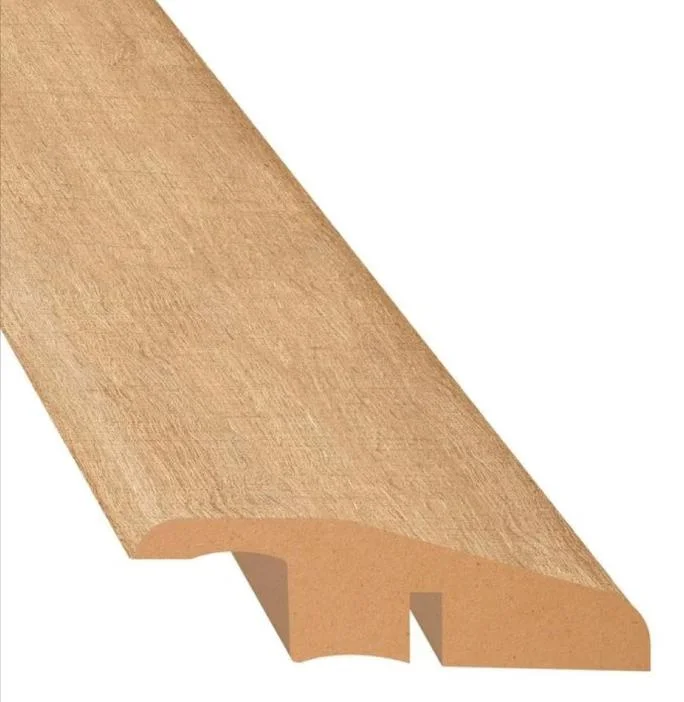
MDF Skirtings: Medium-density fiberboard skirtings are popular for their versatility and are often painted to match interior decor. They are suitable for various applications but may not be as moisture-resistant as other materials.
Benefits and Advantages
Choosing the right flooring skirtings and trims brings several advantages.
1. Aesthetic Enhancement: These products improve the overall look of spaces, adding a finishing touch to flooring installations.
2. Protection: Skirtings and trims safeguard walls and flooring edges from damage caused by foot traffic, furniture, and equipment.
3. Concealment: They effectively hide gaps and imperfections between walls and floors, providing a neat appearance.
4. Easy Maintenance: Many skirtings and trims are designed for easy cleaning, contributing to overall hygiene and upkeep.
5. Versatile Design Options: With a wide range of materials, colors, and finishes, they can complement various interior styles.
6. Cost-Effective Solution: Investing in quality skirtings and trims can prolong the life of flooring, reducing the need for frequent replacements.
Buying Guide for B2B Buyers
When sourcing flooring skirtings and trims, careful consideration of several factors is essential.
1. Quality Assessment: Inspect materials and finishes to ensure they meet durability standards. Look for products that have certifications ensuring quality.
2. Supplier Verification: Vet suppliers to confirm their reliability and reputation in the market. Check for reviews and past projects to assess their performance.
3. Pricing and MOQ: Understand pricing structures and minimum order quantities to ensure they align with your budget and requirements for large projects.
4. Delivery and Lead Times: Confirm logistics and timelines for delivery to ensure that products arrive when needed. This helps in maintaining project schedules.
5. Compliance Requirements: Be aware of any regulatory needs specific to your industry, ensuring that the products sourced meet all necessary safety and quality standards.
Compliance and Certifications
Flooring skirtings and trims are subject to various compliance and certification standards that ensure safety and quality.
Relevant quality standards include ISO 9001, which focuses on quality management systems. This standard ensures that products are manufactured consistently and meet customer expectations.
Industry certifications such as CE mark indicate that the products comply with European health, safety, and environmental protection standards. This certification is crucial for businesses operating within the EU market.
Safety and testing requirements are also vital in the production of flooring trims. They must be tested for durability, fire resistance, and chemical safety to ensure they are suitable for various environments.
Regional compliance considerations may vary, and businesses should consult local regulations to ensure all products meet the necessary legal requirements.
Why Source Flooring Skirtings & Trims from Pepagora?
Pepagora provides a trusted platform for sourcing flooring skirtings and trims, offering several key advantages that benefit B2B buyers.
Verified Supplier Network: Pepagora carefully reviews suppliers to ensure they meet high standards of quality and reliability. This network helps buyers find reputable sources for their flooring needs.
Streamlined RFQ Process: The platform offers a user-friendly quotation system, allowing buyers to request quotes from multiple suppliers easily. This efficiency saves time and simplifies the purchasing process.
Trade Assurance and Support: Pepagora provides buyer protection through trade assurance services. This feature ensures that transactions are secure and buyers receive the products as promised.
Regional Coverage: With a broad reach across India, the GCC, and Southeast Asia, Pepagora connects buyers with local suppliers, ensuring timely delivery and support tailored to specific regional needs.
By choosing Pepagora, businesses can confidently source high-quality flooring skirtings and trims that meet their project requirements.


Frequently Asked Questions
What are Flooring Skirtings & Trims?
Flooring skirtings and trims are finishing elements installed along the edges of a floor to provide a clean, polished look. They help in covering the gap between the floor and the wall, protecting the wall from damage and enhancing the aesthetic appeal of the space.
What are the different types of Flooring Skirtings & Trims?
There are various types of flooring skirtings and trims, including wooden, PVC, and MDF options. Each type offers different benefits in terms of durability, aesthetics, and ease of installation, catering to a range of design preferences and functional requirements.
How do I choose the right Flooring Skirtings & Trims?
Choosing the right flooring skirtings and trims involves considering factors such as material, height, design, and color. It is essential to ensure that the chosen skirtings and trims complement the flooring and overall interior decor while meeting functional needs.
What are the standard specifications for Flooring Skirtings & Trims?
Standard specifications for flooring skirtings and trims typically include dimensions, material type, and surface finish. Common height options range from 2 to 6 inches, while thickness can vary, allowing for customization based on specific project requirements.
What is the price range for Flooring Skirtings & Trims?
The price range for flooring skirtings and trims can vary widely depending on the material, design, and brand. Generally, prices may start from around INR 50 per meter and can go up to INR 500 or more for high-quality or designer options.
What quality standards apply to Flooring Skirtings & Trims?
Quality standards for flooring skirtings and trims include adherence to safety regulations, durability tests, and finish quality. Suppliers often comply with national and international standards to ensure that the products are reliable and safe for use.
Where can I find Flooring Skirtings & Trims suppliers in India?
You can find flooring skirtings and trims suppliers in India through various channels such as B2B marketplaces like Pepagora.com, trade shows, and industry directories. Additionally, local hardware stores may also offer a selection of skirtings and trims.
Can Flooring Skirtings & Trims be customized?
Yes, flooring skirtings and trims can often be customized to fit specific dimensions, colors, and designs. Many manufacturers offer customization services to meet the unique requirements of different projects.
What is the typical minimum order quantity for Flooring Skirtings & Trims?
The typical minimum order quantity (MOQ) for flooring skirtings and trims usually ranges from 100 to 500 meters, depending on the supplier. It is advisable to check with individual suppliers for their specific MOQ policies.
What is the typical lead time for Flooring Skirtings & Trims?
The typical lead time for flooring skirtings and trims can vary based on factors such as customization and order volume. Generally, lead times range from 1 to 4 weeks, but it is recommended to confirm with the supplier for accurate timelines.
Why Businesses Trust Pepagora
Thousands of companies trust Pepagora to source smarter and sell faster
Expand Your Sales Globally

Source Smarter,Grow Faster
