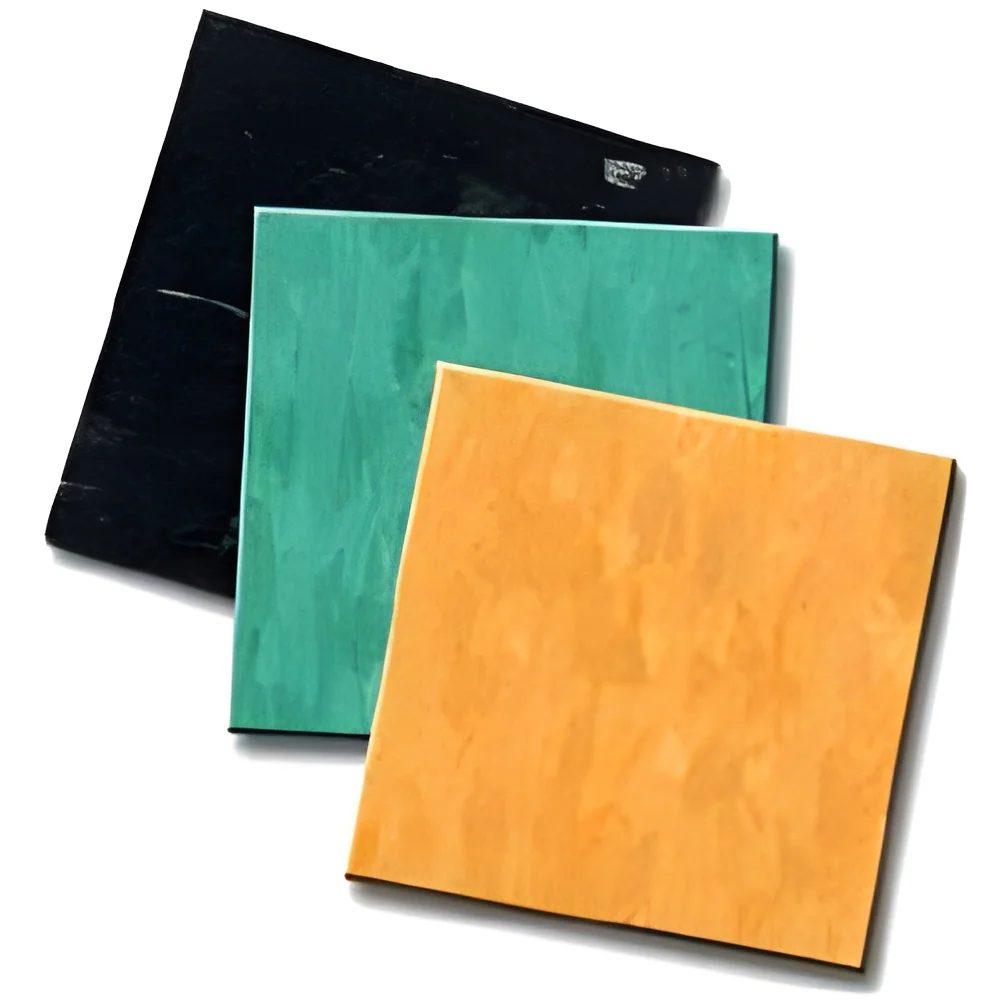
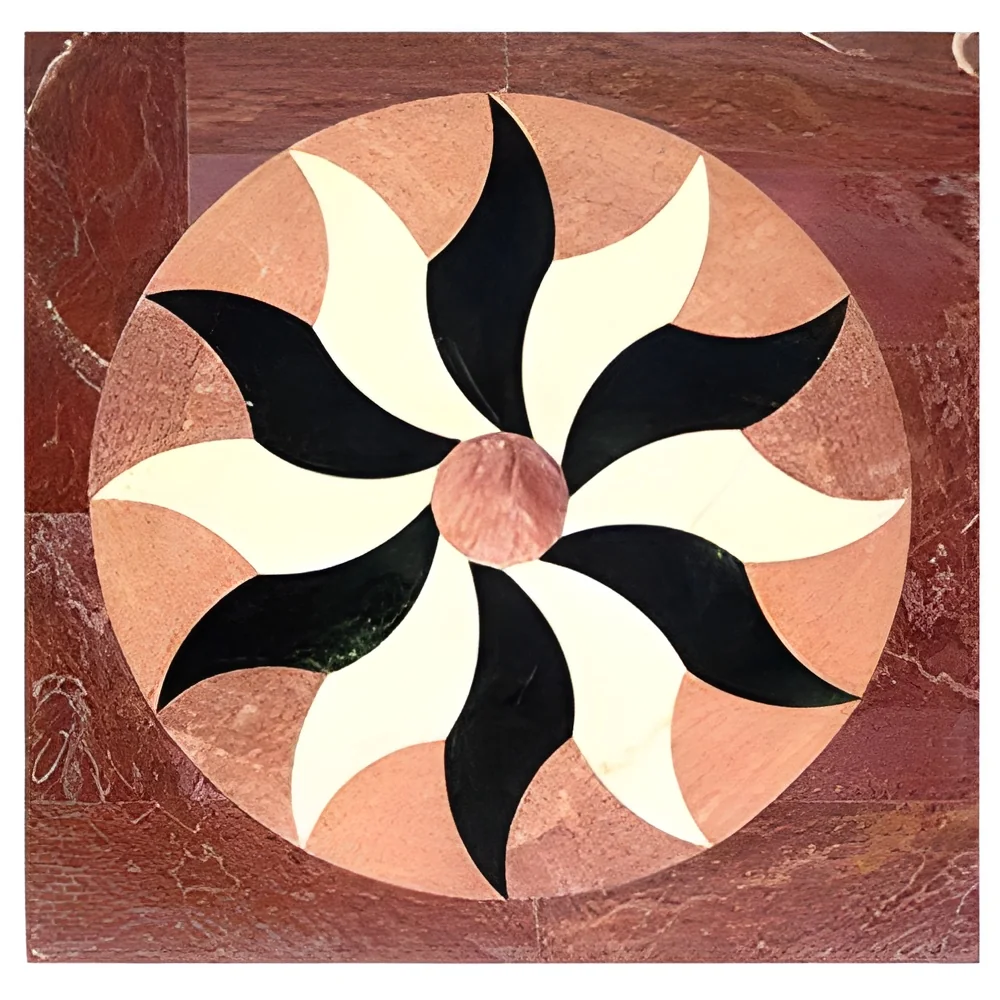
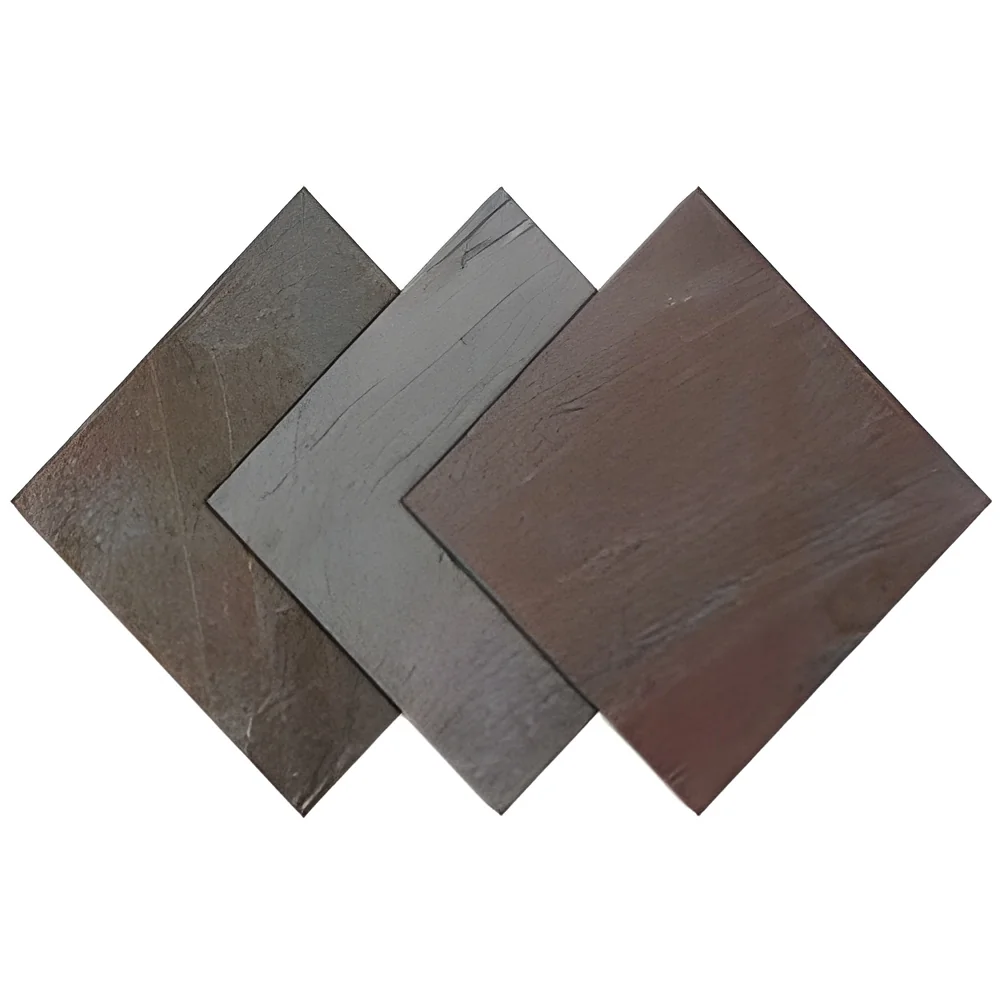
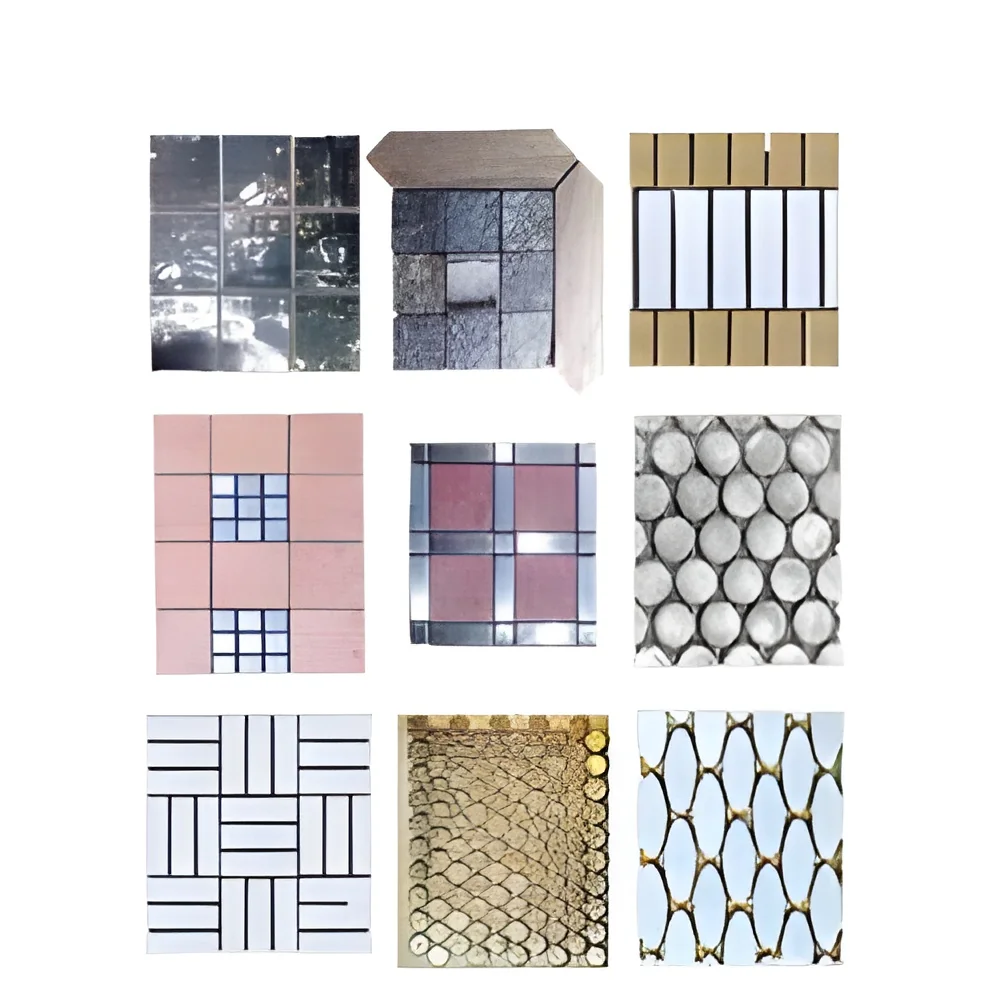
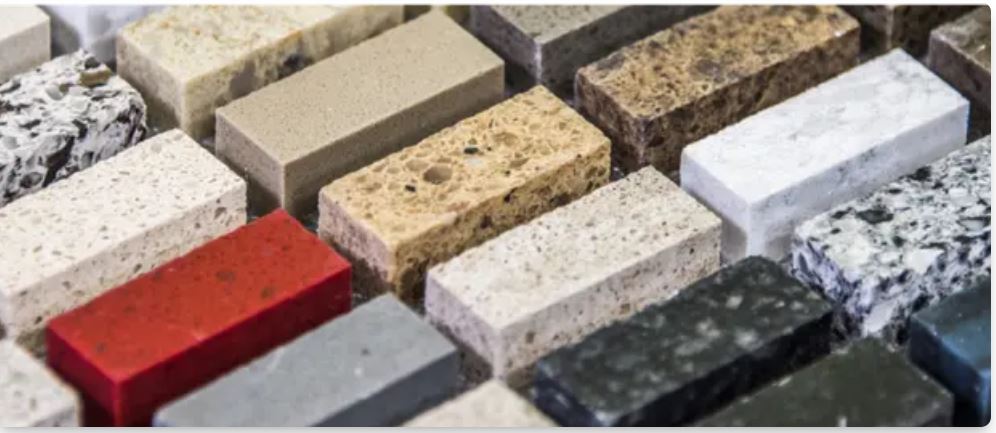
What are Other Tiles, Marble, Granite & Flooring?
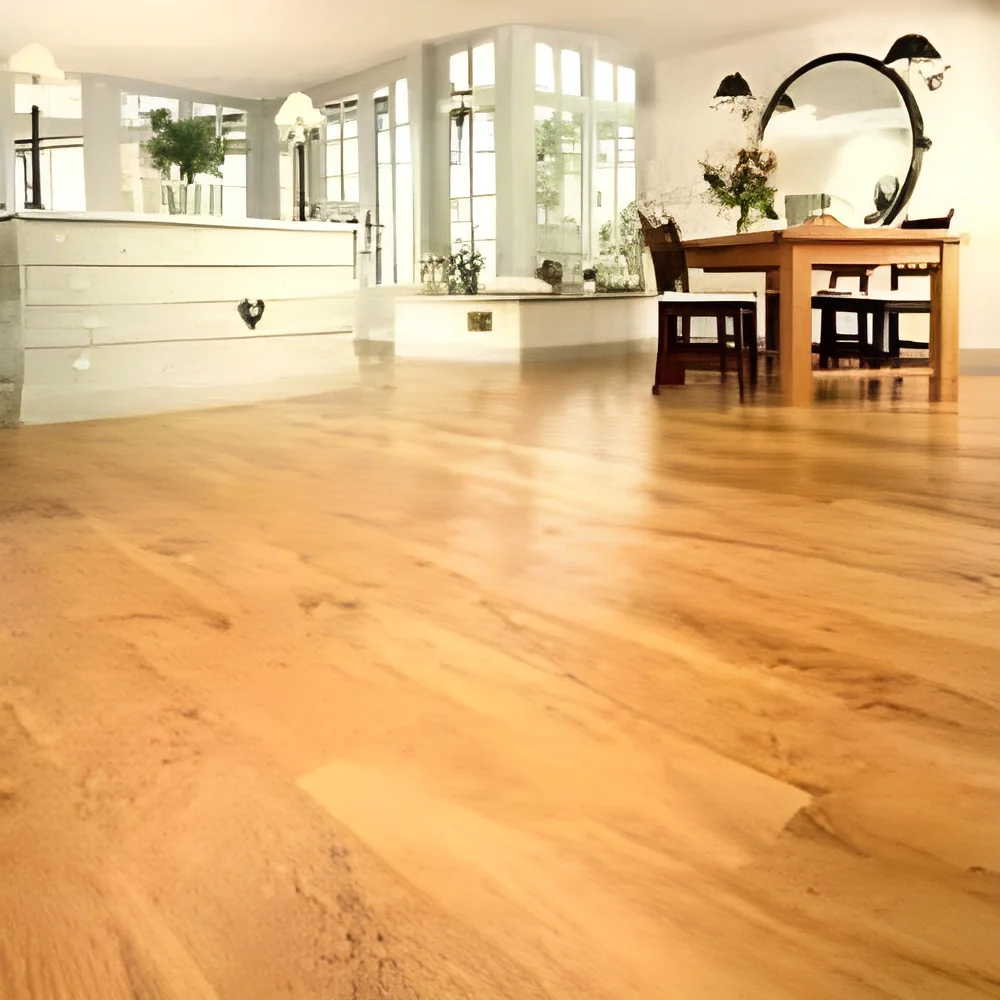
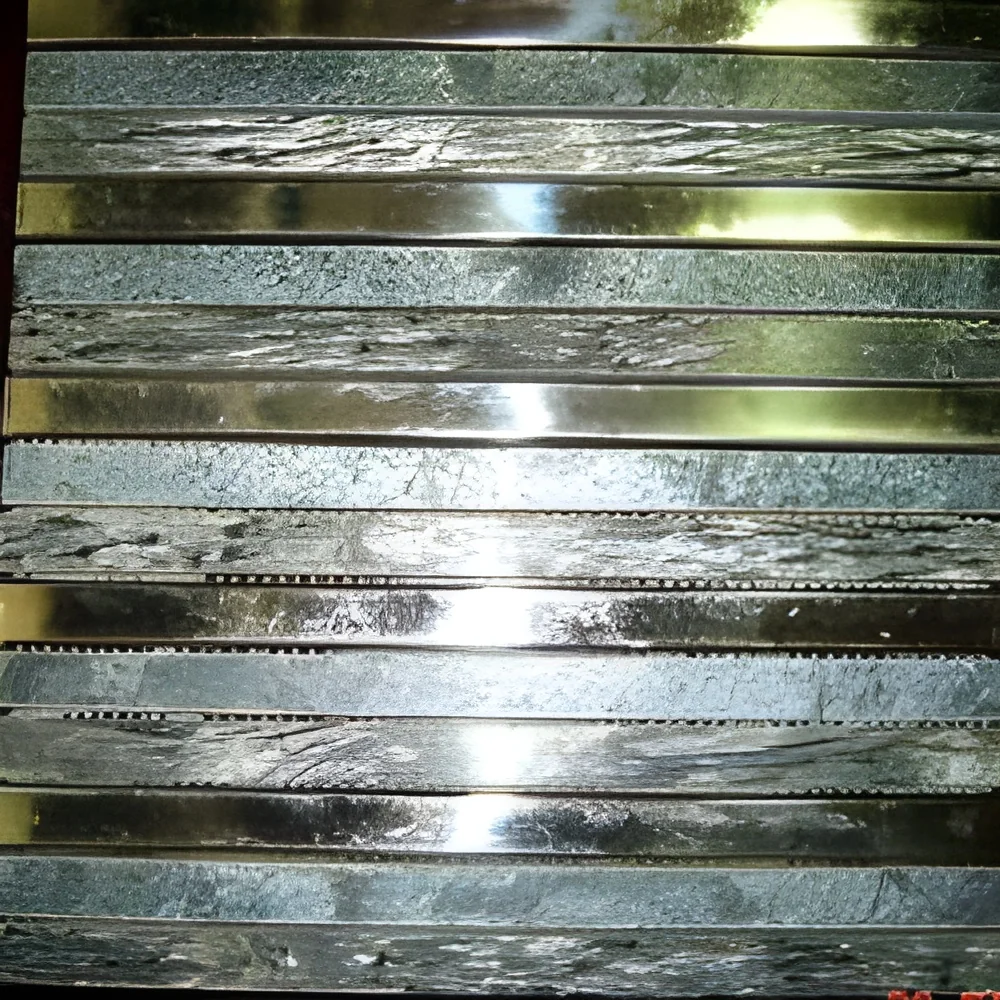
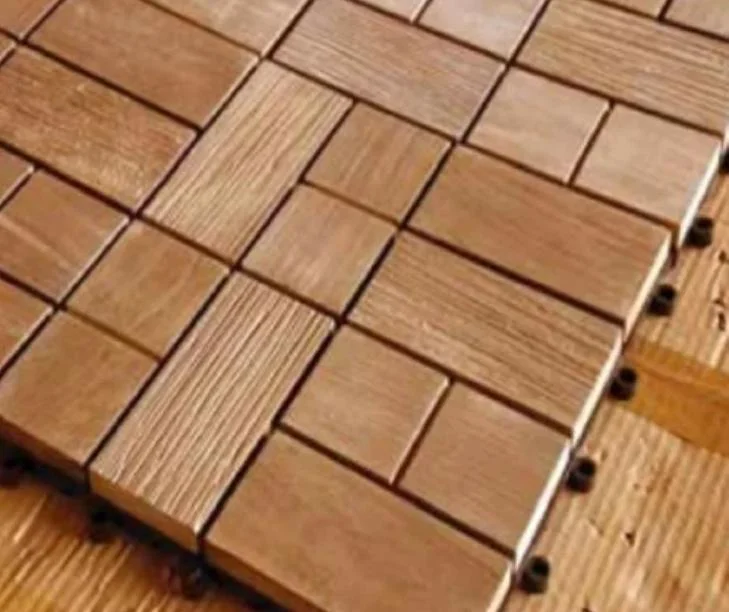
Other Tiles, Marble, Granite & Flooring encompass a diverse range of materials used in construction and interior design. These products include various types of tiles, natural stones like marble and granite, and specialized flooring solutions. They are valued for their aesthetic appeal, durability, and functional benefits. Each material serves specific purposes, allowing for design versatility in both residential and commercial environments.
These products are widely used in numerous applications, including flooring, wall cladding, countertops, and decorative features. Industries such as hospitality, retail, and residential construction leverage these materials to create attractive and functional spaces. The market for Other Tiles, Marble, Granite & Flooring continues to grow, driven by trends in interior design and a rising demand for sustainable building materials.
Key Features and Specifications
Other Tiles, Marble, Granite & Flooring are characterized by several important features and specifications. Understanding these aspects is crucial for selecting the right materials for specific projects.
Key specifications include:
1. Material Composition
- Typically made from ceramic, porcelain, marble, granite, or engineered stone.
- Each material offers unique properties such as hardness and moisture resistance.
2. Surface Finish
- Available in various finishes, including polished, honed, and textured.
- Finish options influence aesthetics and slip resistance.
3. Size and Thickness
- Tiles and slabs come in multiple sizes, commonly ranging from 12x12 inches to larger formats.
- Thickness can vary from 8 mm to 20 mm, depending on the intended use.
4. Color and Pattern Variability
- A wide range of colors and patterns is available, allowing custom designs.
- Natural stones often feature unique veining and textures.
5. Durability and Hardness
- Products are rated for their resistance to scratches, stains, and wear.
- Marble and granite are particularly renowned for their strength and longevity.
6. Water Absorption Rates
- Materials are tested for porosity, impacting their suitability for wet environments.
- Lower absorption rates are preferred for areas prone to moisture.
7. Thermal and Chemical Resistance
- Certain products are designed to withstand extreme temperatures and chemical exposure.
- Ideal for kitchens and industrial applications.
8. Eco-Friendliness
- Many manufacturers adhere to sustainable practices, ensuring materials are sourced responsibly.
- Eco-friendly options are increasingly popular among environmentally conscious buyers.
In summary, understanding the features and specifications of Other Tiles, Marble, Granite & Flooring is essential for selecting the right products for various applications.
Common Applications and Use Cases
Other Tiles, Marble, Granite & Flooring find extensive use across various industries, each benefiting from the unique properties of these materials.
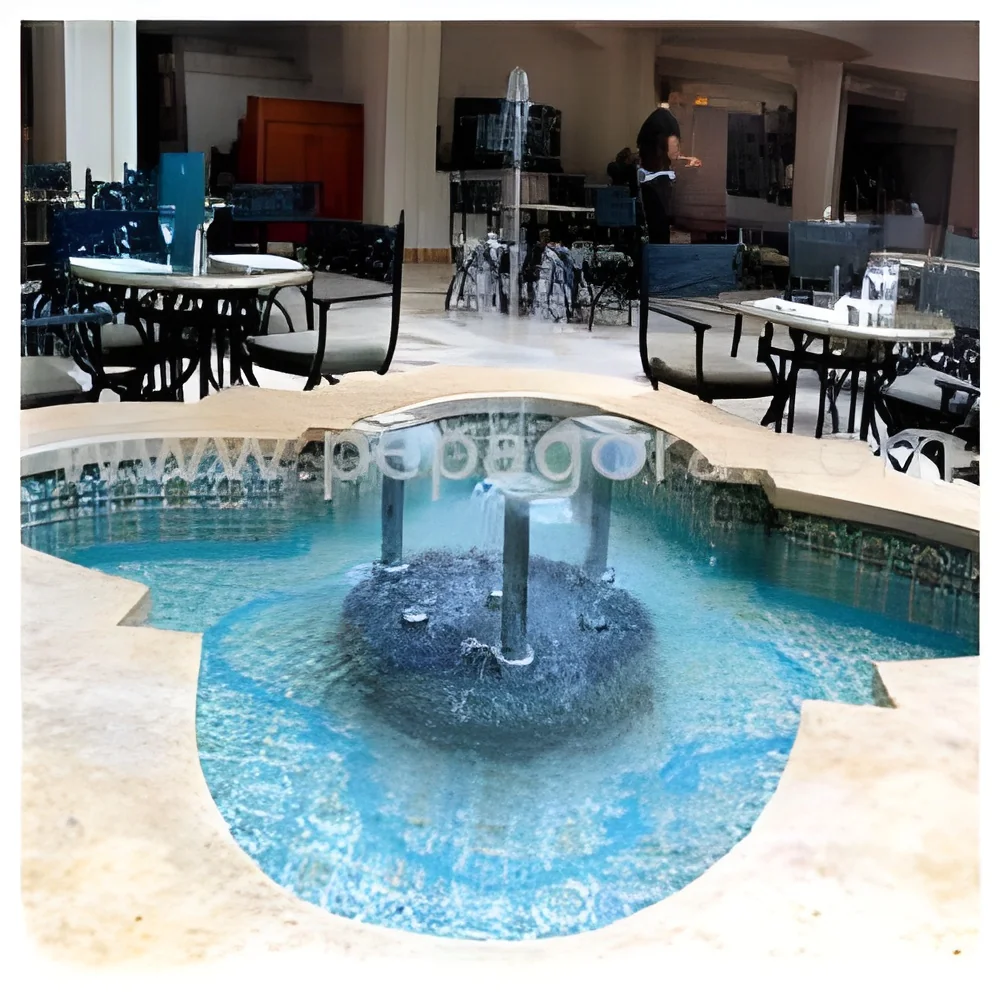
1. Hospitality: Hotels and restaurants utilize these materials for elegant flooring and wall finishes, enhancing aesthetic appeal and guest experience.
2. Retail: Stores often use durable tiles and flooring options that can withstand high foot traffic while maintaining a stylish appearance.
3. Residential: Homeowners frequently choose marble and granite for kitchens and bathrooms, providing both functionality and luxury.
4. Healthcare: Hospitals and clinics prefer non-porous tiles for easy cleaning and hygiene, making them ideal for medical environments.
5. Commercial Offices: Durable flooring solutions are essential for office spaces, offering a professional look while ensuring longevity and ease of maintenance.
6. Educational Institutions: Schools and universities use these materials for classrooms and hallways, balancing durability with design.
7. Industrial Spaces: Certain types of flooring are designed for industrial applications, providing resistance to chemicals and heavy machinery.
Product Variants and Subcategories
The diversity of Other Tiles, Marble, Granite & Flooring allows for various product variants, each suited to different needs and applications.
Ceramic Tiles
Ceramic tiles are a popular choice for both residential and commercial spaces. They offer a wide range of colors and patterns, are easy to maintain, and are highly durable. These tiles are often used in kitchens and bathrooms due to their water resistance.
Natural Stone Tiles
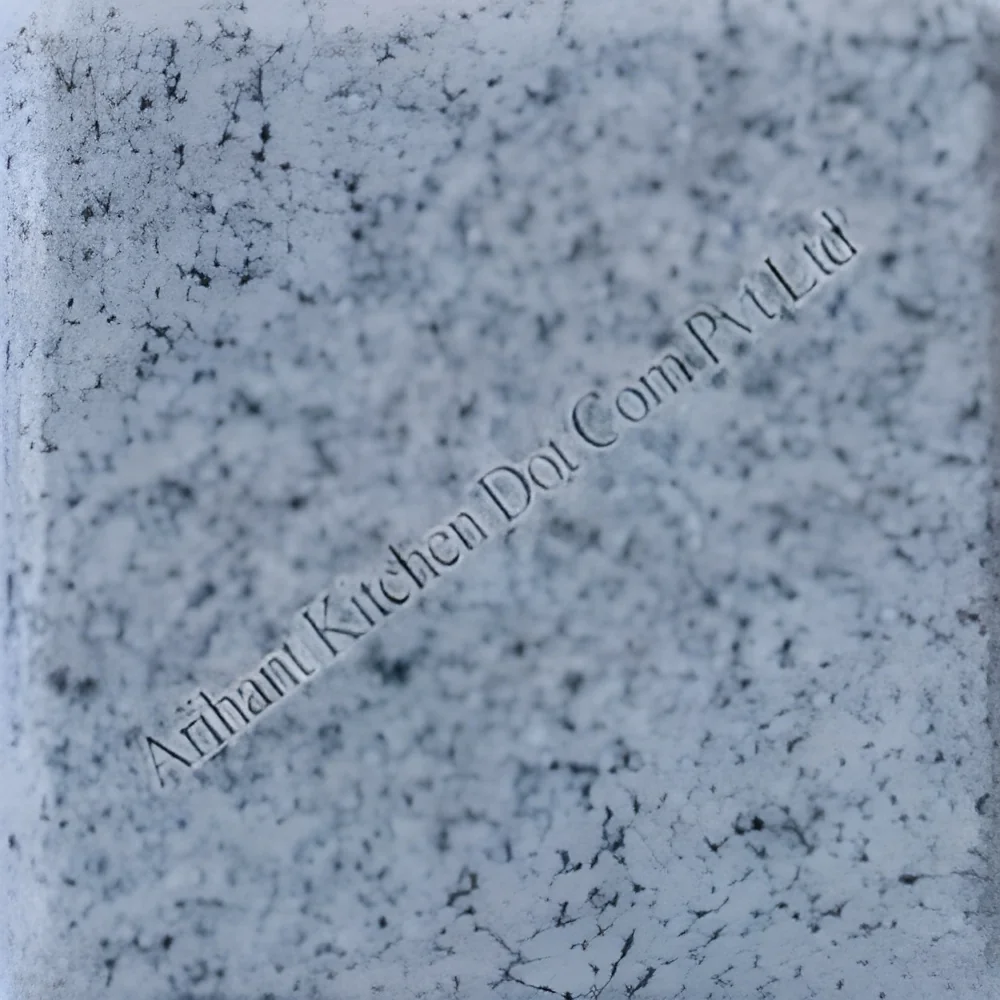
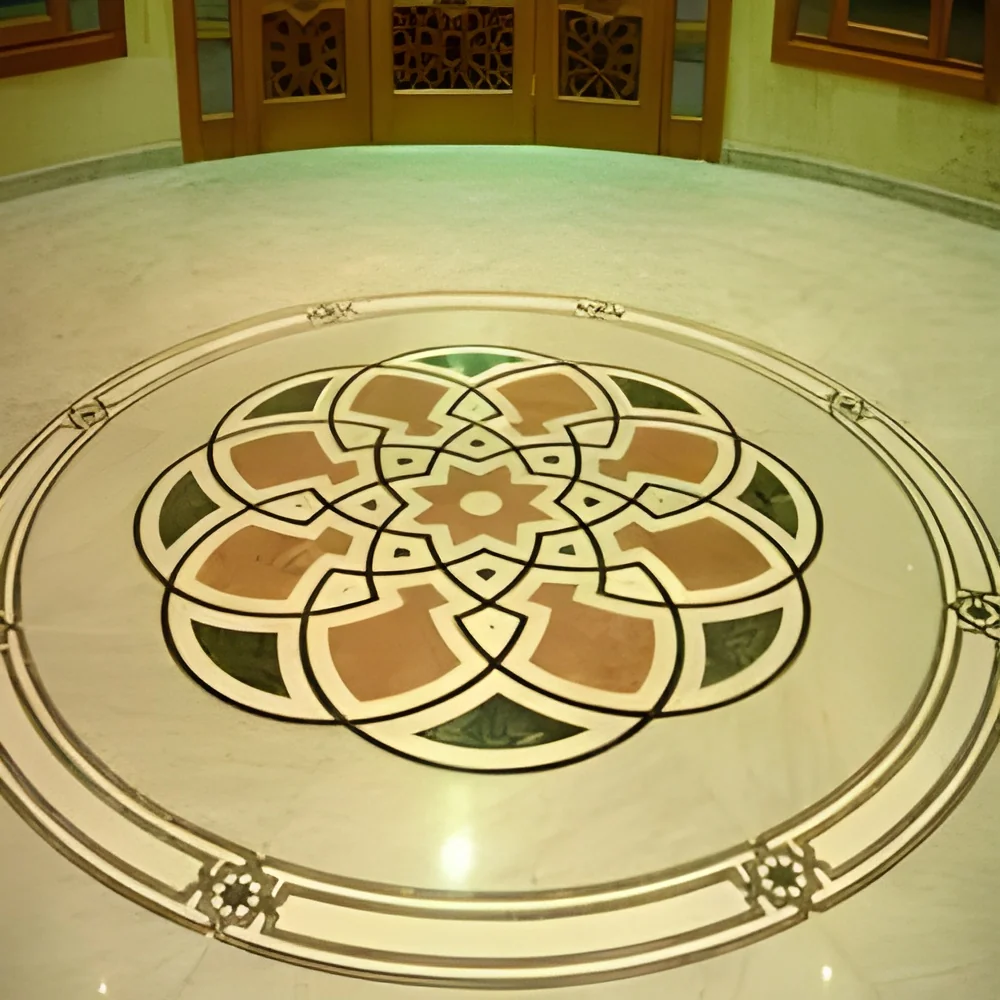
Natural stone tiles, including marble and granite, are favored for their unique beauty and strength. They are commonly used in high-end applications, such as countertops and flooring in luxury homes and commercial properties.
Porcelain Tiles
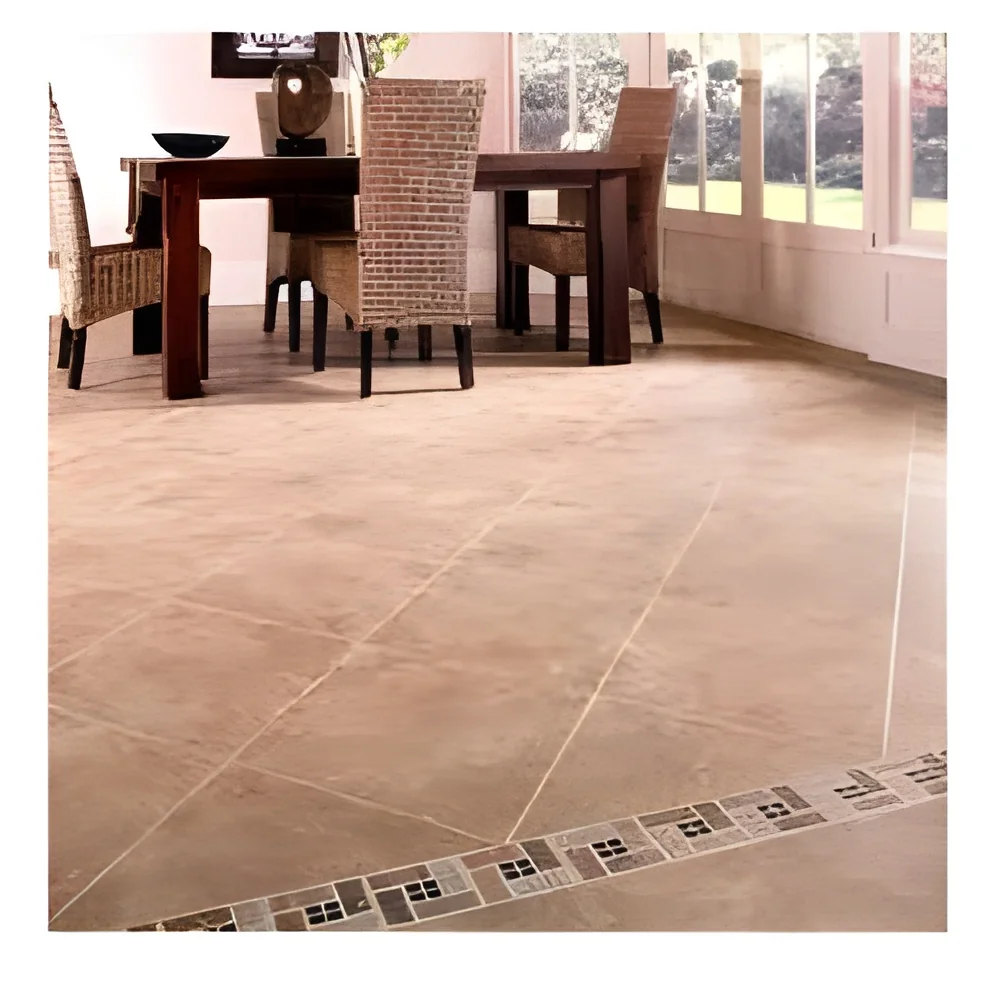
Porcelain tiles are known for their low porosity and strength. They are ideal for high-traffic areas and outdoor applications. Their ability to mimic natural stone makes them a versatile choice for various design styles.
Vinyl Flooring
Vinyl flooring offers a cost-effective alternative with a variety of designs. It is water-resistant and suitable for commercial use, making it a popular choice for retail and hospitality settings.
Benefits and Advantages
Choosing Other Tiles, Marble, Granite & Flooring comes with numerous advantages that make them desirable for various applications.
1. Aesthetic Appeal: These materials provide a luxurious look that enhances the overall design of any space.
2. Durability: Known for their strength, tiles and stones are resistant to wear and tear, making them suitable for high-traffic areas.
3. Low Maintenance: Many of these products require minimal upkeep, allowing for easy cleaning and long-term usability.
4. Versatility: Available in various styles, colors, and sizes, they can fit into any design scheme, whether contemporary or traditional.
5. Eco-Friendly Options: Many manufacturers offer sustainable materials that appeal to environmentally conscious buyers.
6. Customization: A wide range of finishes and patterns allows for personalized designs to meet specific project requirements.
Buying Guide for B2B Buyers
When sourcing Other Tiles, Marble, Granite & Flooring, B2B buyers should consider several key factors to ensure they make informed decisions.
1. Quality Assessment: Evaluate the quality of materials based on certifications and durability tests. Look for products that meet industry standards for performance.
2. Supplier Verification: Conduct thorough research to verify suppliers' credibility. Check references and reviews to ensure reliability and product quality.
3. Pricing and MOQ: Understand the pricing structure and minimum order quantities (MOQ) to align with budget constraints and project needs.
4. Delivery and Lead Times: Discuss logistics with suppliers to establish clear delivery timelines. Ensure that lead times align with project schedules.
5. Compliance Requirements: Familiarize yourself with relevant regulations and compliance standards for materials used in your region to avoid legal issues.
Compliance and Certifications
Compliance is crucial in the production and distribution of Other Tiles, Marble, Granite & Flooring. Various quality standards and certifications apply to ensure product reliability and safety.
ISO 9001 is a widely recognized standard that focuses on quality management systems. Adhering to this standard ensures that manufacturers maintain consistent quality in their products.
CE certification indicates that products meet European safety, health, and environmental protection standards. This certification is essential for products sold in the European market.
Safety and testing requirements are critical, particularly for materials used in high-traffic or industrial environments. Manufacturers should conduct thorough testing for slip resistance, chemical exposure, and durability.
Regional compliance considerations may vary, so buyers should be aware of local regulations regarding building materials. Understanding these requirements is crucial for ensuring safe and compliant installations.
Why Source Other Tiles, Marble, Granite & Flooring from Pepagora?
Pepagora offers a reliable platform for sourcing Other Tiles, Marble, Granite & Flooring, providing several key advantages to B2B buyers.
Verified Supplier Network: Our platform features a comprehensive network of verified suppliers, ensuring that buyers access high-quality products from trusted sources.
Streamlined RFQ Process: The request for quotation (RFQ) system simplifies the procurement process. Buyers can easily request quotes from multiple suppliers, facilitating informed decision-making.
Trade Assurance and Support: Buyers benefit from trade assurance programs that protect their investments. Our support team is available to assist with any issues, ensuring a smooth sourcing experience.
Regional Coverage: Pepagora has a strong presence across India, the GCC, and Southeast Asia. This geographic reach allows buyers to find suitable products and suppliers tailored to their specific regional needs.

 IN
IN