
 IN
Tile Spacers & Levelling Systems
3 products available
What are Tile Spacers & Levelling Systems?
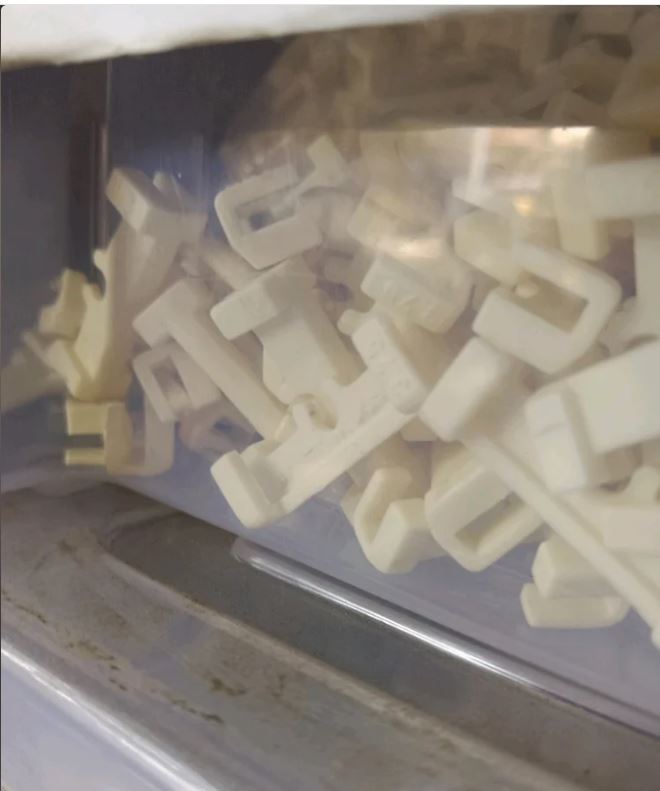
Tile spacers and levelling systems are essential tools used in the installation of tiles, providing precision and consistency in spacing and alignment. Tile spacers are small, often cross-shaped devices that are placed between tiles to ensure uniform gaps for grout lines. Levelling systems, on the other hand, are designed to eliminate lippage, which occurs when adjacent tiles are not level with each other. Together, these products help achieve a professional finish in both floor and wall tiling projects.
The primary uses of tile spacers and levelling systems span various sectors, including construction, home renovation, and commercial tiling projects. Contractors and DIY enthusiasts utilize these tools to ensure that tiles are properly aligned, enhancing both aesthetics and functionality. In business applications, they are crucial for maintaining quality standards and reducing the time required for tiling installations, ultimately leading to increased customer satisfaction.
In today's competitive market, the relevance of tile spacers and levelling systems is significant. As the demand for higher-quality finishes in residential and commercial spaces grows, the use of these products is becoming more prevalent. They play a vital role in delivering professional-grade tiling results, which is essential for contractors aiming to meet the expectations of a discerning clientele.
Key Features and Specifications
Tile spacers and levelling systems come with several features that enhance their usability and effectiveness. Understanding these specifications is crucial for selecting the right products for your specific needs.
Key specifications include:
1. Material Composition
- Typically made from durable plastic or nylon.
- Ensures longevity and resistance to wear and tear.
2. Size Options
- Available in various sizes, commonly ranging from 1mm to 10mm.
- Allows for flexibility in grout line width.
3. Design Features
- Many systems include wedge designs for easy adjustment.
- Some have a reusable feature, reducing waste.
4. Load Capacity
- Designed to withstand significant pressure during installation.
- Ensures stability while tiles are being set.
5. Compatibility
- Suitable for various tile types, including ceramic, porcelain, and natural stone.
- Versatile for both floor and wall applications.
6. Ease of Use
- Simple installation process, often requiring minimal tools.
- Intuitive design for efficient workflow.
7. Color Options
- Available in various colors to suit different tile designs.
- Helps in maintaining a professional appearance.
8. Packaging Options
- Offered in bulk or smaller packs based on project needs.
- Convenient for both large contractors and DIY users.
In summary, understanding the key features and specifications of tile spacers and levelling systems is essential for making informed purchasing decisions. Selecting the right products can significantly impact the quality and efficiency of tile installations.
Common Applications and Use Cases
Tile spacers and levelling systems are utilized across multiple industries, providing solutions for various tiling needs.
1. Construction Industry: In construction, these products are vital for ensuring precise tile installation in both residential and commercial buildings. They help maintain uniform gaps for grout and prevent lippage, enhancing the overall aesthetic.
2. Home Renovation: DIY homeowners frequently use tile spacers and levelling systems during renovation projects. They ensure that new tile installations meet quality standards and provide a professional finish, making the process more accessible.
3. Hospitality Sector: Hotels and restaurants require high-quality finishes in their tiling. Using these systems helps contractors achieve a flawless appearance that enhances the guest experience.
4. Retail Spaces: Retail environments often demand attractive and durable flooring solutions. Tile spacers and levelling systems support the installation of visually appealing tile arrangements that stand up to heavy foot traffic.
5. Healthcare Facilities: In hospitals and clinics, cleanliness and durability are paramount. These products aid in creating smooth, easy-to-clean surfaces that meet hygiene standards.
6. Education Facilities: Schools and universities benefit from durable tile installations in classrooms and hallways. Tile spacers and levelling systems ensure a quality finish that withstands daily wear.
7. Industrial Applications: In warehouses and manufacturing plants, robust flooring is essential. These systems allow for efficient tile installations that can handle heavy loads and frequent cleaning.
Product Variants and Subcategories
Tile spacers and levelling systems come in various forms, each designed to cater to specific installation needs.
Standard Tile Spacers: These basic spacers are commonly used to maintain consistent grout lines. They are simple to use and come in various sizes to suit different tile thicknesses.
Wedge Levelling Systems: This variant includes a wedge mechanism that allows for easy adjustment during the installation process. It is particularly useful for large format tiles that require precise levelling.
Clip Levelling Systems: These systems use clips that hold tiles in place while the adhesive cures. They are designed for quick and efficient installation, making them ideal for large projects.
Self-Leveling Systems: Advanced systems that automatically adjust to achieve an even surface. These are suitable for high-end installations where precision is critical.
Benefits and Advantages
Tile spacers and levelling systems offer numerous benefits that enhance the tiling process.
1. Improved Precision: These products ensure accurate spacing and alignment, resulting in a professional finish.
2. Time Efficiency: Using levelling systems can significantly reduce installation time by minimizing adjustments during the process.
3. Enhanced Aesthetics: A uniform grout line and level surface improve the overall appearance of tiled areas, making them more visually appealing.
4. Reduced Labor Costs: By simplifying the installation process, these systems can lower labor costs for contractors and DIY users alike.
5. Increased Durability: Properly installed tiles using spacers and levelling systems are less likely to crack or shift, improving the longevity of the flooring.
6. Versatility: Compatible with a wide range of tile materials, these products are suitable for various applications, from residential to commercial projects.
Buying Guide for B2B Buyers
When sourcing tile spacers and levelling systems, B2B buyers should consider several important factors to ensure they select the right products for their needs.
1. Quality Assessment: Evaluate the materials and construction of the spacers and levelling systems. High-quality products will be more durable and effective in maintaining tile alignment.
2. Supplier Verification: It is essential to vet suppliers by checking reviews and references. Reliable suppliers will provide consistent product quality and timely delivery.
3. Pricing and MOQ: Understand the pricing structure and minimum order quantities. This helps in budgeting and ensures that you can meet project demands without excess inventory.
4. Delivery and Lead Times: Consider logistics, as timely delivery is crucial for project schedules. Ensure that suppliers can meet your lead time requirements.
5. Compliance Requirements: Check for relevant compliance and certification standards. Ensuring that products meet industry regulations is vital for quality assurance.
Compliance and Certifications
Tile spacers and levelling systems must adhere to specific quality standards and certifications to ensure safety and reliability in various applications. Relevant quality standards such as ISO 9001 signify that manufacturers maintain a consistent level of quality in their production processes.
Additionally, some tile spacers and levelling systems may carry industry certifications like CE, indicating they meet European safety and environmental requirements. It is essential for manufacturers to comply with safety and testing requirements to guarantee that their products are reliable and effective.
Regional compliance considerations may also play a role in selecting tile spacers and levelling systems. Buyers should be aware of local regulations and standards that apply to construction materials in their area to ensure full compliance.
Why Source Tile Spacers & Levelling Systems from Pepagora?
Pepagora is a trusted platform for sourcing tile spacers and levelling systems, offering several key advantages for B2B buyers.
Verified Supplier Network: Pepagora connects buyers with a network of verified suppliers. This ensures that buyers can source high-quality products with confidence, knowing that they are dealing with reputable manufacturers.
Streamlined RFQ Process: The request for quotation (RFQ) process on Pepagora is designed to be efficient and user-friendly. Buyers can easily request quotes from multiple suppliers, allowing for quick comparisons and informed decision-making.
Trade Assurance and Support: Pepagora provides trade assurance, giving buyers protection against potential issues in their transactions. This added layer of security helps build trust between buyers and suppliers.
Regional Coverage: With a strong presence in regions like India, the GCC, and Southeast Asia, Pepagora offers extensive geographic reach. This allows buyers to access a wide variety of tile spacers and levelling systems tailored to their local market needs.


Frequently Asked Questions
What are Tile Spacers & Levelling Systems?
Tile spacers and levelling systems are tools used in tile installation to ensure uniform spacing and alignment between tiles. They help maintain consistent grout lines and prevent tiles from shifting during the setting process.
What are the different types of Tile Spacers & Levelling Systems?
There are several types of tile spacers, including cross spacers, T-spacers, and wedge spacers, each designed for specific tile layouts. Levelling systems typically consist of clips and wedges that help create an even surface by compensating for uneven substrates.
How do I choose the right Tile Spacers & Levelling Systems?
Choosing the right tile spacers and levelling systems depends on the tile size, thickness, and the type of installation you are performing. It is essential to match the spacer or levelling system to the specific requirements of your project to ensure optimal results.
What are the standard specifications for Tile Spacers & Levelling Systems?
Standard specifications for tile spacers and levelling systems often include material composition, size, and load-bearing capacity. Most spacers are made from durable plastic, while levelling systems may vary in design and functionality depending on the manufacturer's specifications.
What is the price range for Tile Spacers & Levelling Systems?
The price range for tile spacers and levelling systems can vary significantly based on the type, brand, and quantity purchased. Generally, tile spacers can cost anywhere from a few rupees per piece to a few hundred rupees for complete levelling systems.
What quality standards apply to Tile Spacers & Levelling Systems?
Quality standards for tile spacers and levelling systems typically include compliance with industry regulations regarding materials, safety, and performance. It is advisable to check for certifications and product testing to ensure they meet high-quality benchmarks.
Where can I find Tile Spacers & Levelling Systems suppliers in India?
You can find tile spacers and levelling systems suppliers in India through B2B marketplaces like Pepagora, industry trade shows, and local hardware stores. Online searches can also yield a variety of manufacturers and distributors specializing in these products.
Can Tile Spacers & Levelling Systems be customized?
Yes, many manufacturers offer customization options for tile spacers and levelling systems, allowing you to specify dimensions, colors, and materials to suit your project needs. It's recommended to discuss your requirements with the supplier prior to ordering.
What is the typical minimum order quantity for Tile Spacers & Levelling Systems?
The typical minimum order quantity (MOQ) for tile spacers and levelling systems varies by supplier, but it usually ranges from 100 to 1000 pieces. It's best to check with individual manufacturers or suppliers for their specific requirements.
What is the typical lead time for Tile Spacers & Levelling Systems?
The typical lead time for tile spacers and levelling systems can range from a few days to several weeks, depending on the supplier's stock and your order size. For customized orders, lead times may be longer, so it's advisable to confirm with the supplier.
Why Businesses Trust Pepagora
Thousands of companies trust Pepagora to source smarter and sell faster
Expand Your Sales Globally

Source Smarter,Grow Faster
