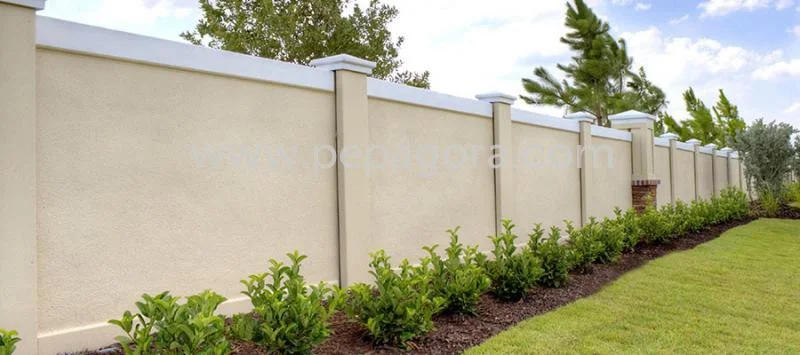
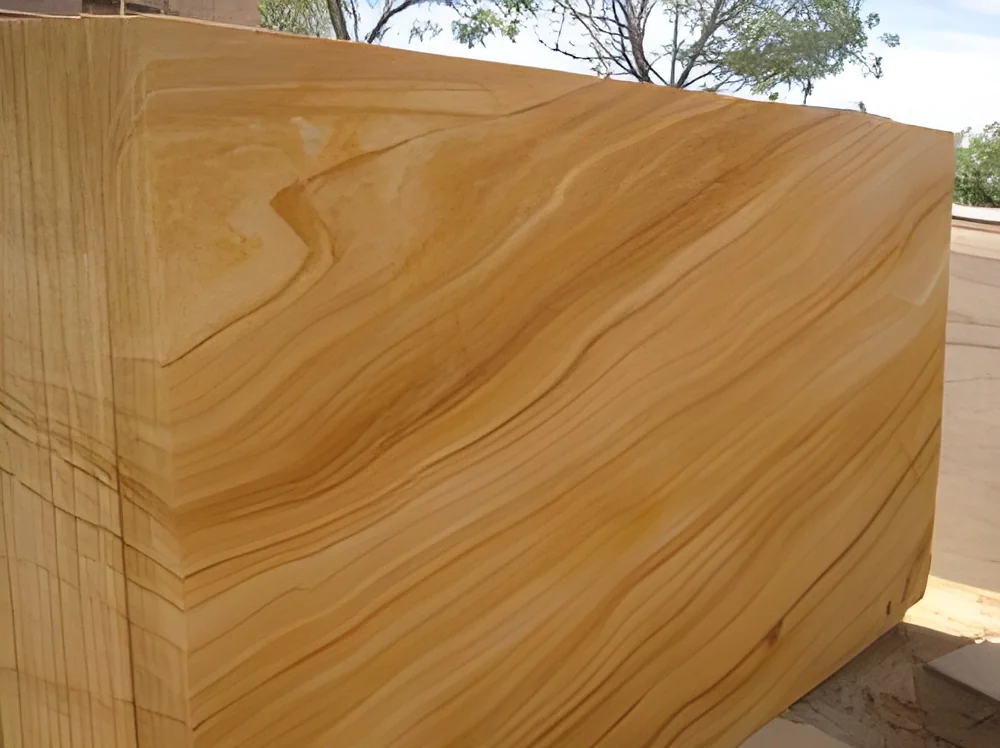
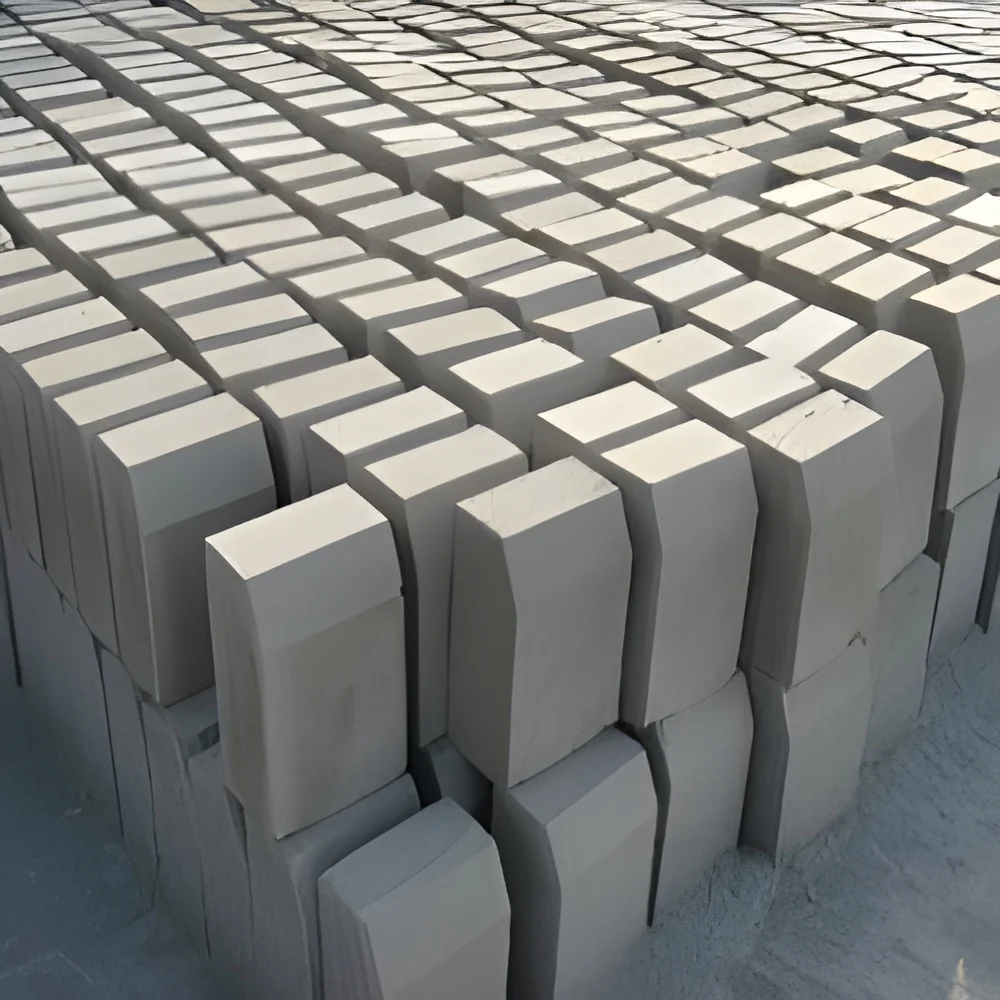
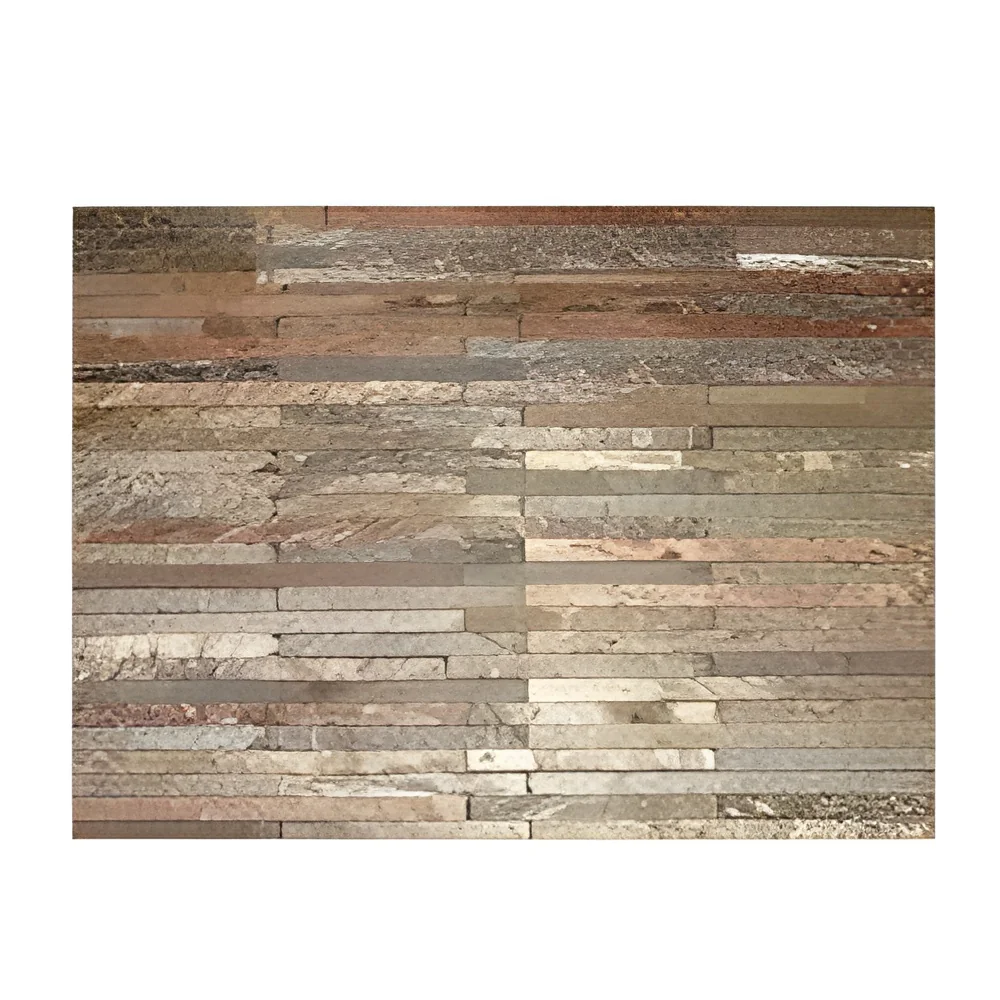
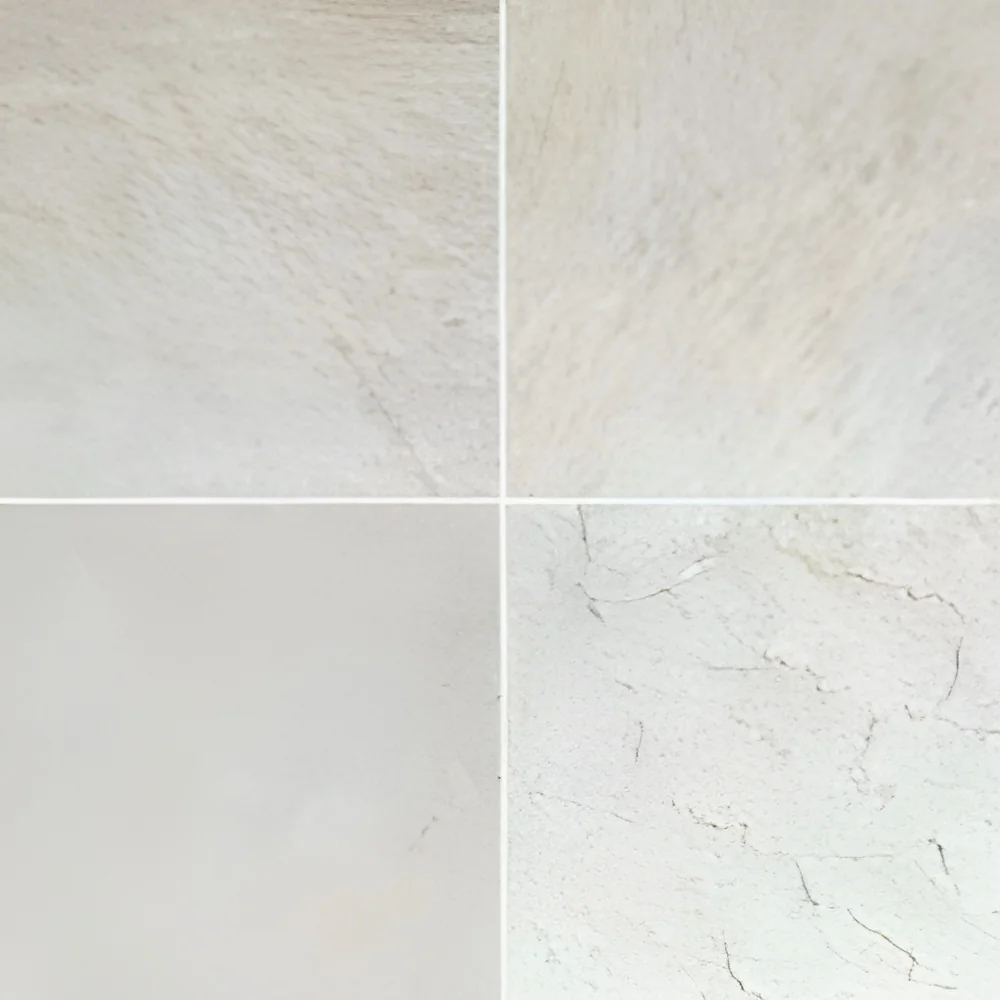
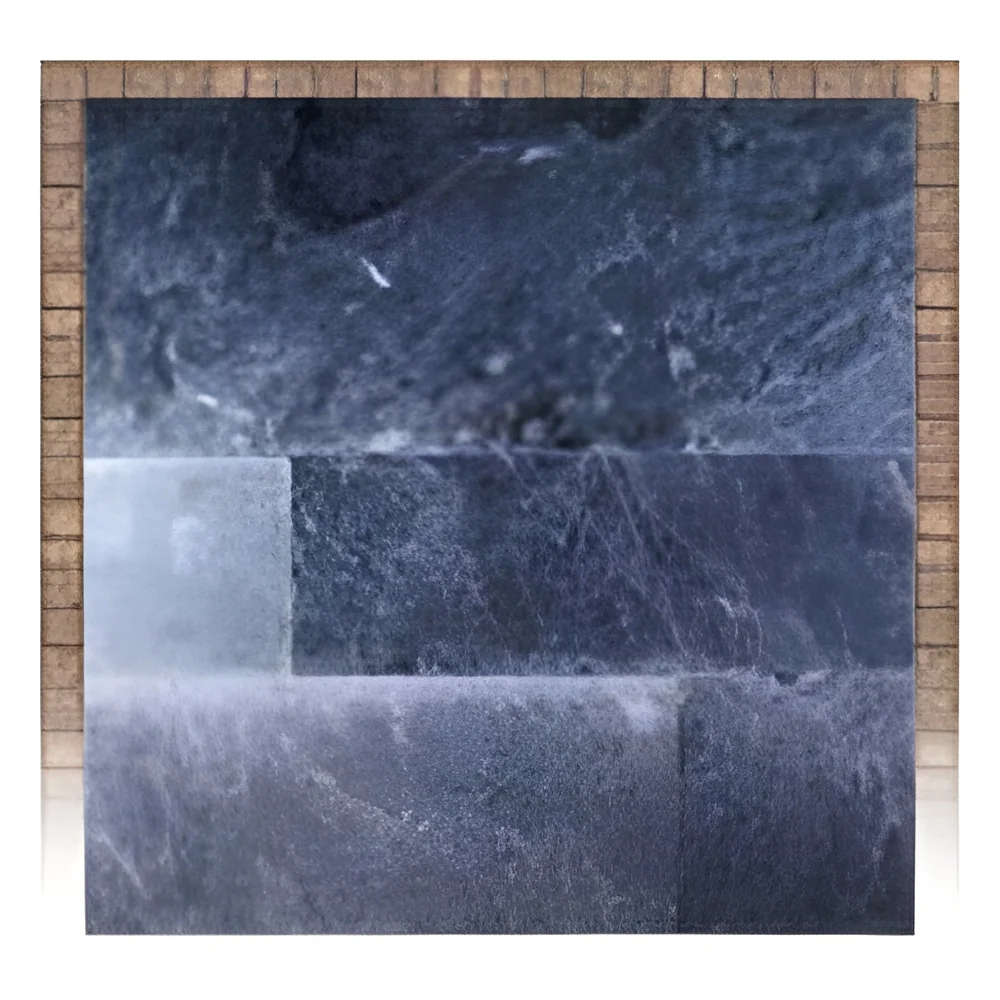
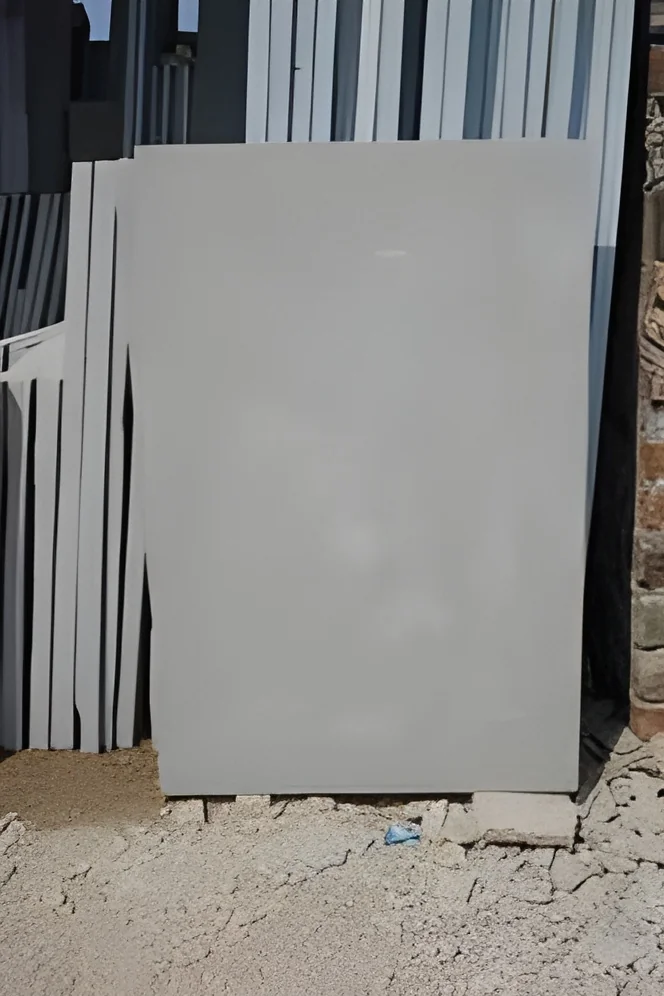
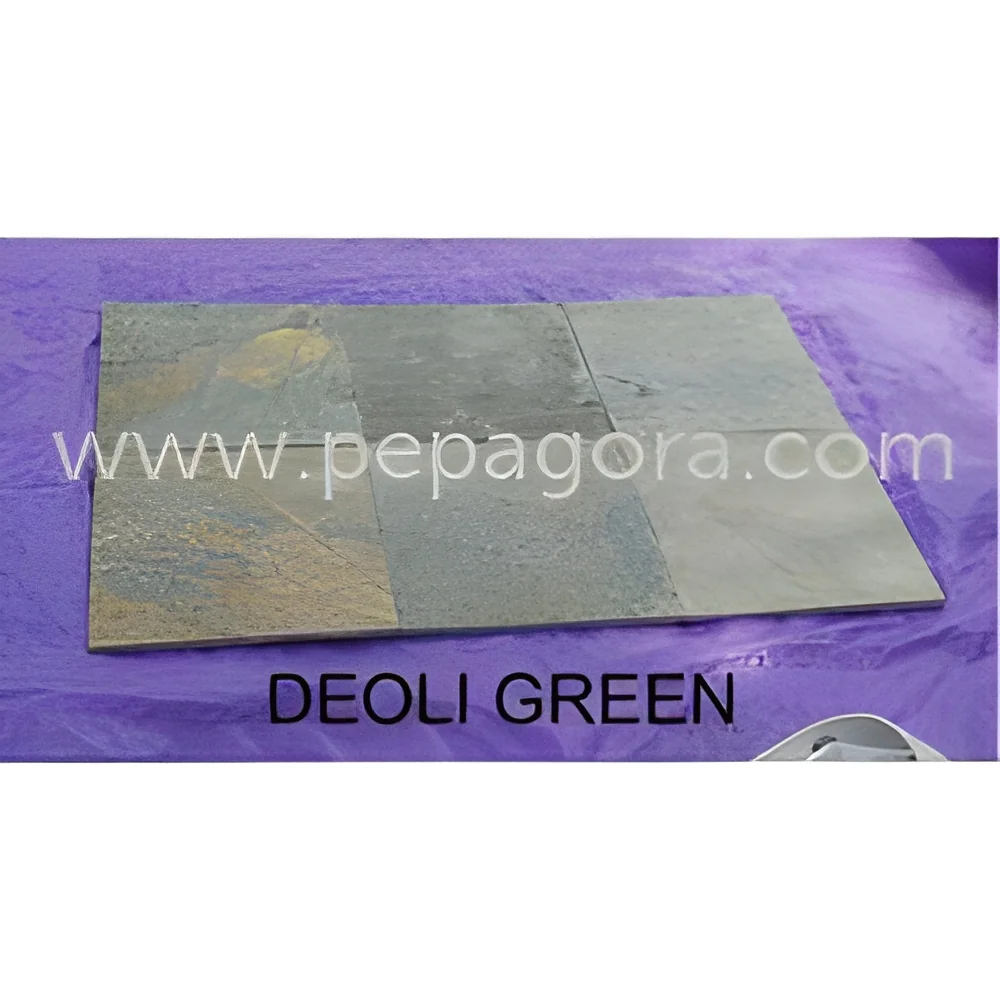
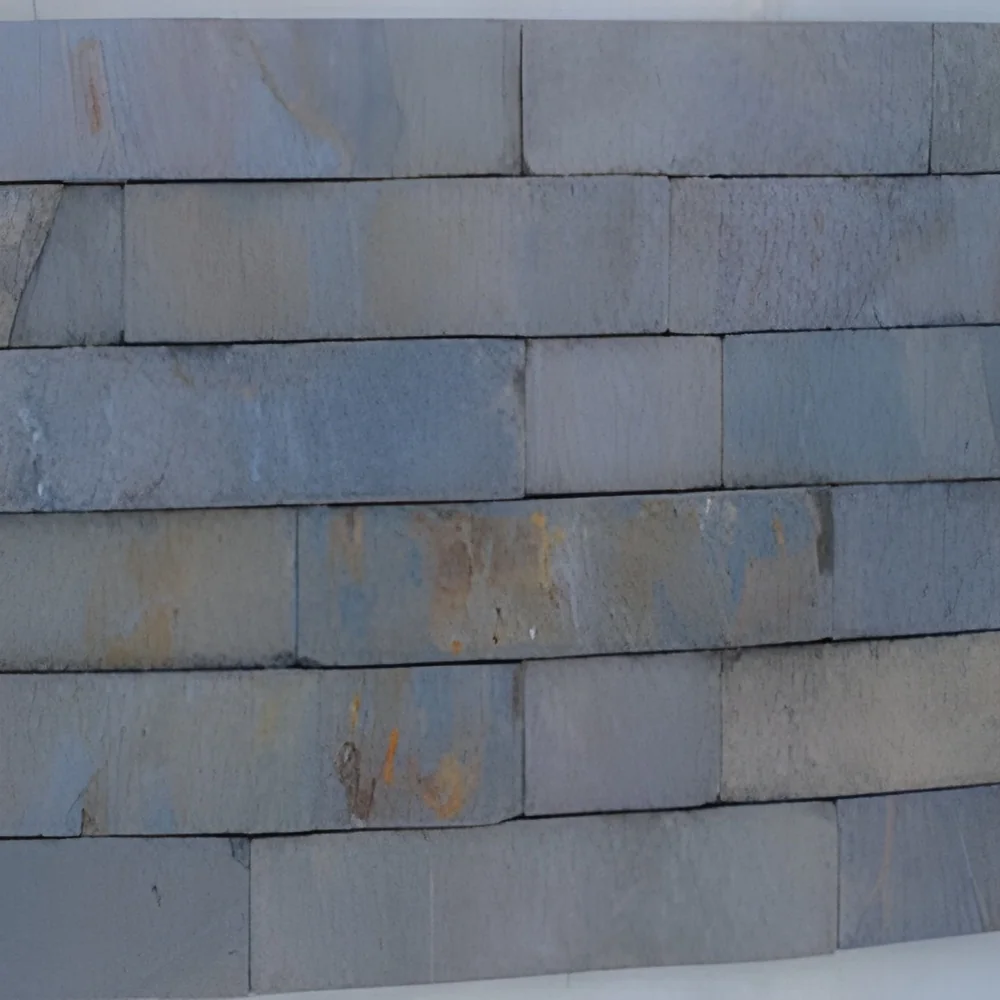
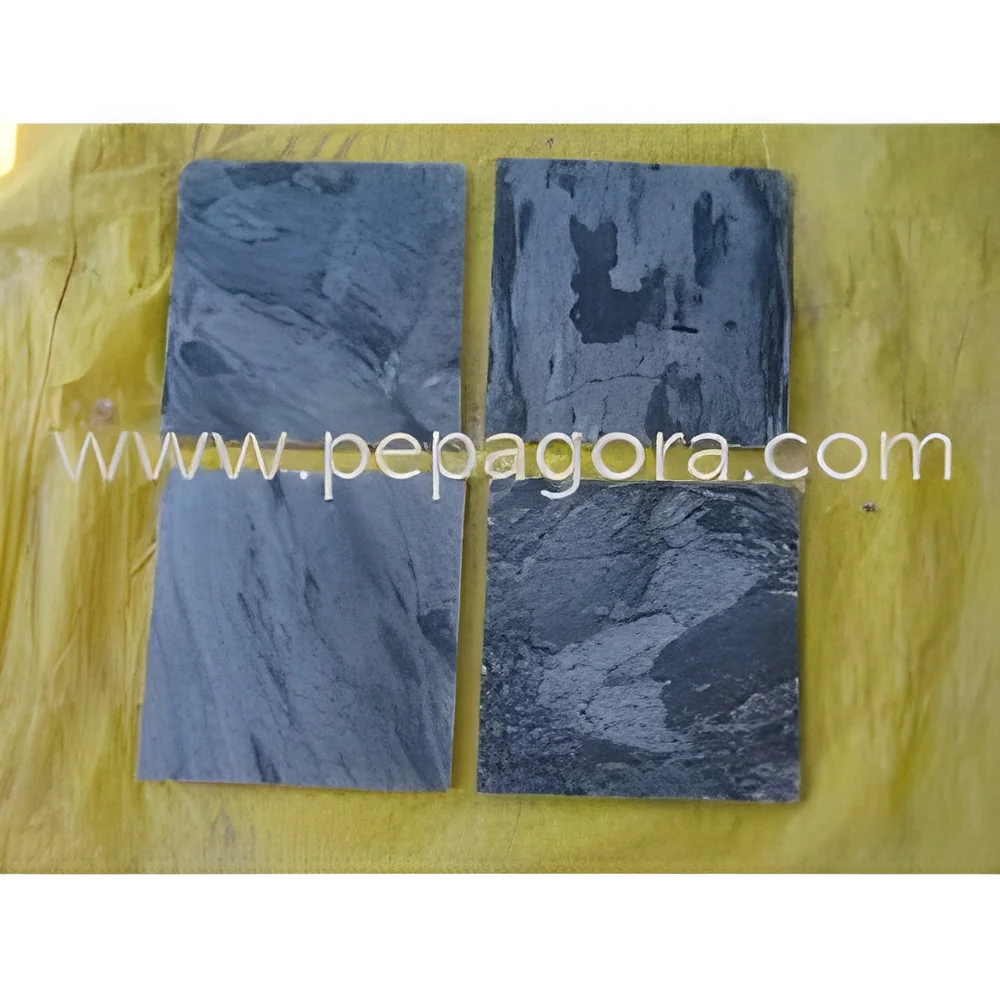
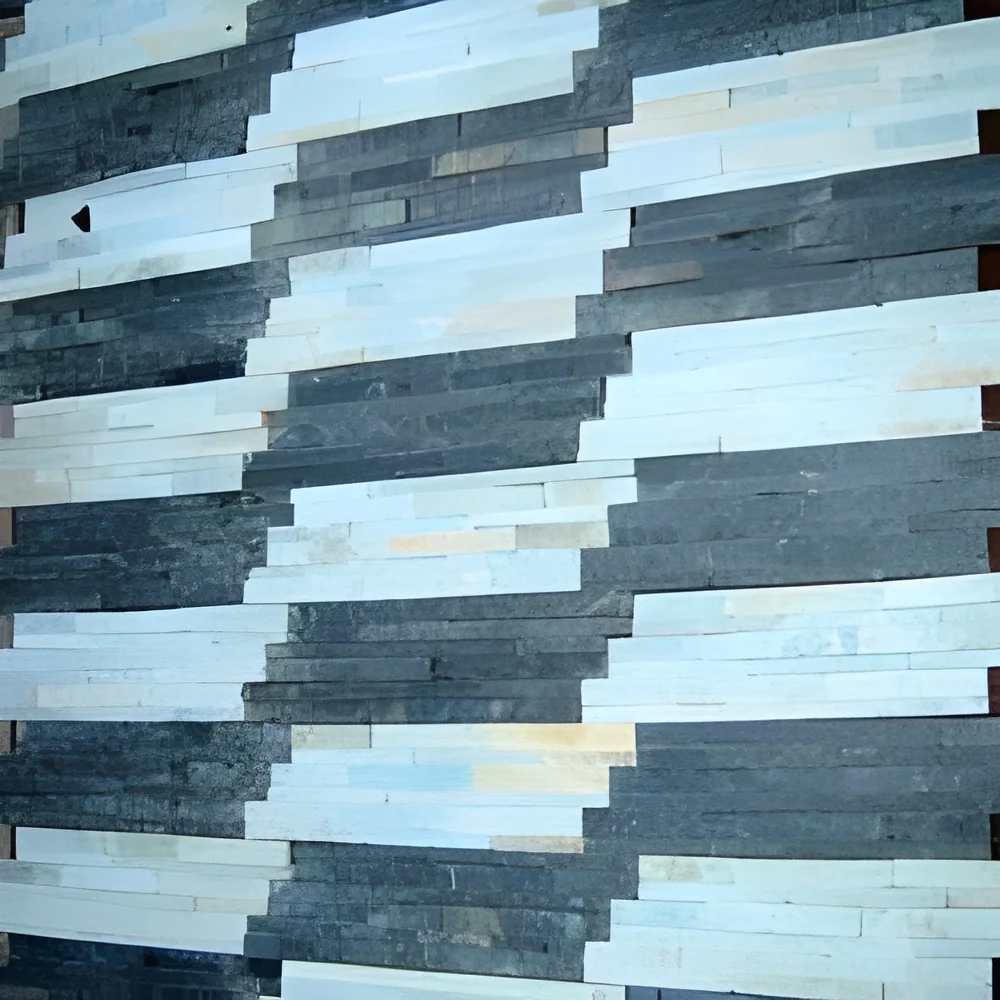
What are Slate Tiles & Panels?
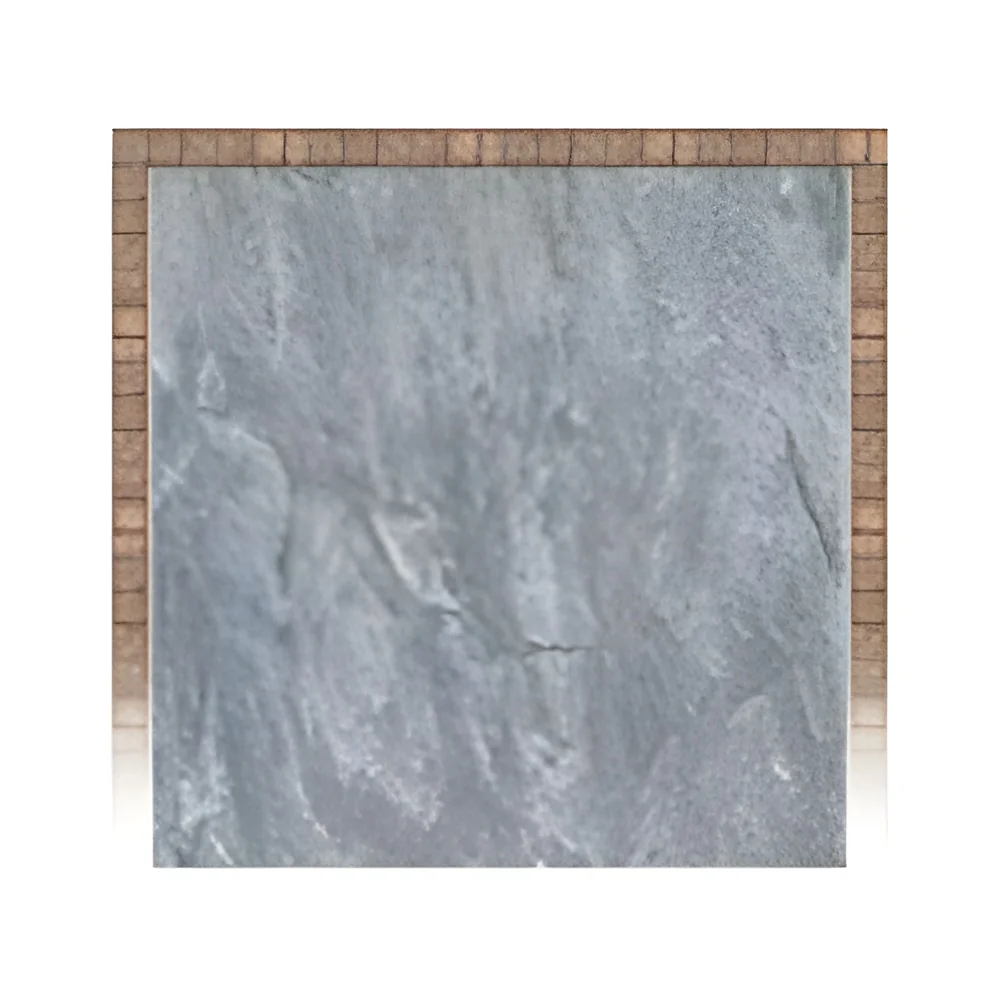
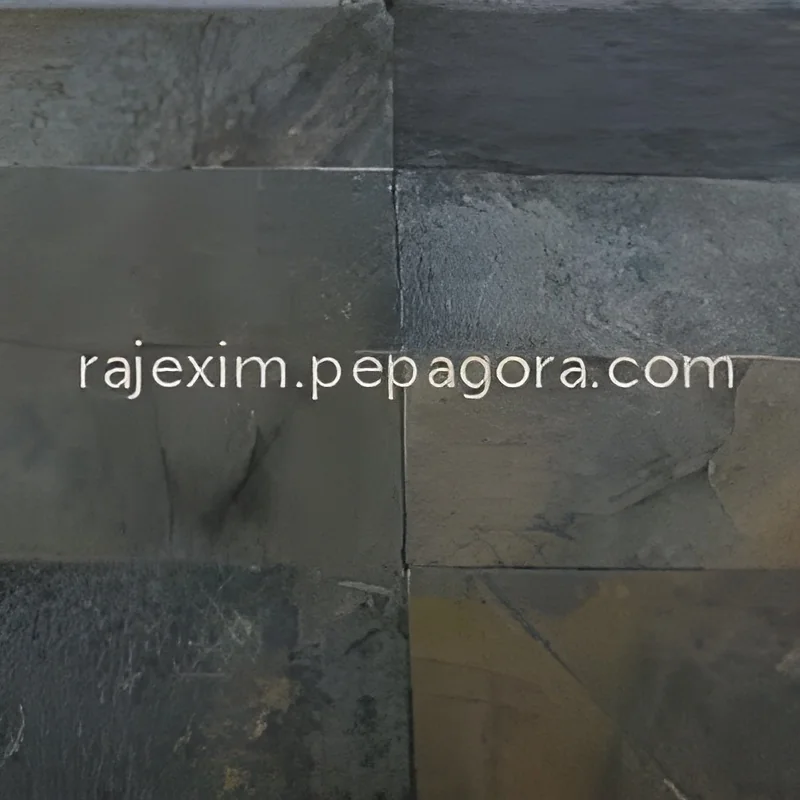
Slate tiles and panels are natural stone products derived from metamorphic rock, known for their unique textures and rich colors. They are characterized by their ability to be split into thin layers, allowing for easy installation and versatility in various applications. Slate is renowned for its durability, resistance to moisture, and low maintenance requirements, making it a favored choice for both indoor and outdoor settings.
These products find extensive use in a variety of business applications, including flooring, wall cladding, roofing, and landscape design. Slate tiles are popular in residential projects, commercial buildings, and public spaces due to their aesthetic appeal and functional benefits. In recent years, the demand for slate products has grown, driven by trends in sustainable building materials and the desire for natural aesthetics in modern designs.
With the construction and renovation markets expanding globally, slate tiles and panels hold significant relevance in the industry. They cater to both traditional and contemporary architectural styles, offering a natural element that enhances the overall design. As businesses increasingly focus on eco-friendly materials, slate's natural origins position it as a desirable choice in the competitive market.
Key Features and Specifications
Slate tiles and panels come with a range of features that make them suitable for various applications. They are appreciated for their aesthetic qualities, strength, and versatility. Understanding the specifications is crucial for selecting the right product for specific needs.
Key specifications include:
1. Thickness
- Typically ranges from 6mm to 20mm
- Influences installation methods and suitability for different applications
2. Finish Type
- Available in honed, polished, and natural finishes
- Determines the surface texture and slip resistance
3. Color Variations
- Comes in shades like gray, black, green, and red
- Offers design flexibility to match various aesthetics
4. Water Absorption Rate
- Generally low, around 0.4% to 0.8%
- Ensures suitability for wet environments
5. Compression Strength
- Typically ranges from 30 MPa to 80 MPa
- Indicates durability and load-bearing capabilities
6. Slip Resistance
- Measured by coefficient of friction ratings
- Important for safety in wet or high-traffic areas
7. Environmental Impact
- Generally low due to natural sourcing
- Contributes to sustainability in construction
8. Installation Method
- Can be installed using thin-set or thick-bed methods
- Affects the choice based on substrate and use case
In summary, the features and specifications of slate tiles and panels play a vital role in determining their suitability for various applications, ensuring that businesses can make informed decisions.
Common Applications and Use Cases
Slate tiles and panels serve various industries due to their versatility and durability.
1. Residential Construction: Used for flooring, backsplashes, and bathroom surfaces. The natural beauty of slate enhances home interiors and exteriors.
2. Commercial Design: Commonly utilized in hotels, restaurants, and offices for flooring and wall cladding. They provide an elegant appearance while withstanding high foot traffic.
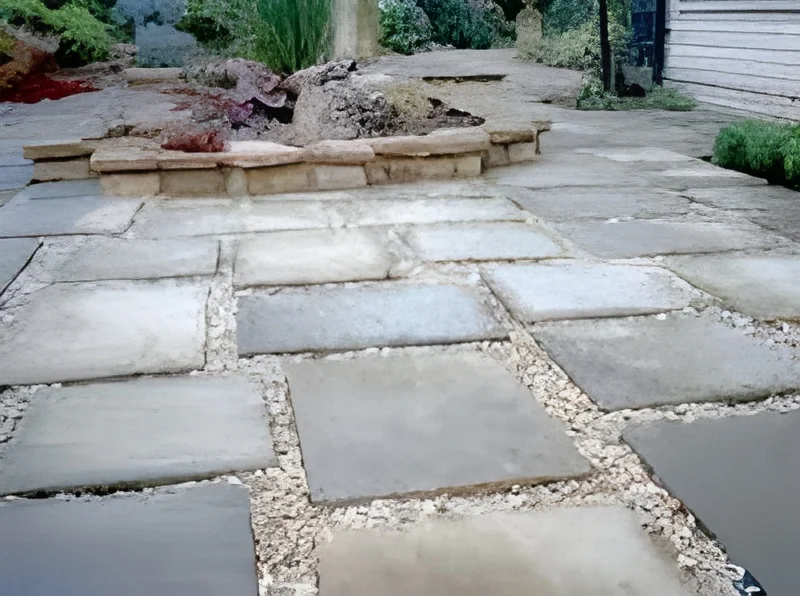
3. Landscaping: Employed in outdoor spaces for patios, walkways, and garden features. Slate’s natural look complements outdoor aesthetics and is resistant to weathering.
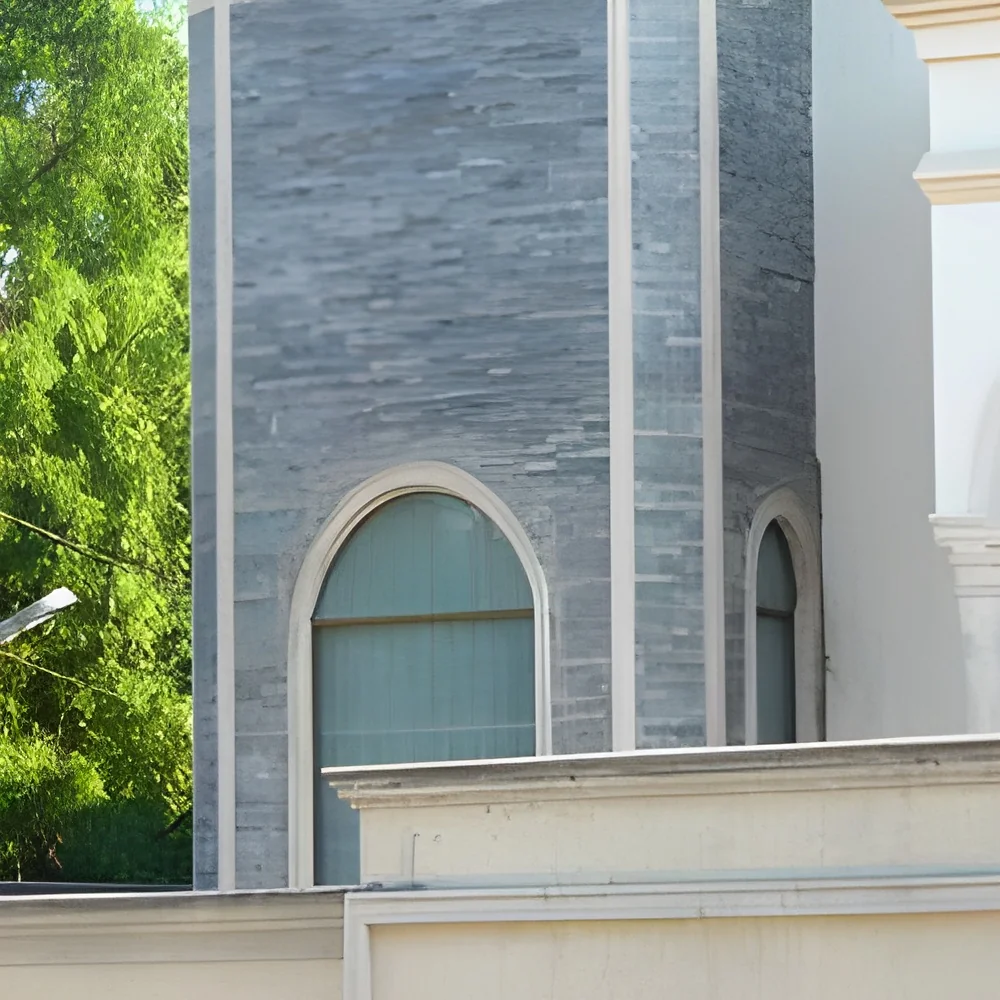
4. Architectural Projects: Favored by architects for roofing and facade applications. The durability of slate makes it an ideal choice for long-lasting designs.
5. Cultural Institutions: Used in museums and galleries for flooring and wall installations. Their unique colors and textures add to the ambiance of exhibition spaces.
6. Retail Environments: Popular in high-end retail locations for flooring and displays. Slate tiles create a sophisticated shopping experience.
7. Educational Facilities: Implemented in schools and universities for durable flooring. Their low maintenance requirements suit high-use environments.
Product Variants and Subcategories
Slate tiles and panels come in various forms, catering to diverse needs in construction and design.
Natural Slate Tiles: These tiles retain the original texture and color of the stone. They are ideal for creating rustic or traditional interiors and exteriors.
Rectified Slate Panels: These panels have precise edges and are manufactured for uniformity. They are perfect for modern applications requiring a sleek and contemporary look.
Textured Slate Tiles: Featuring varied surface textures, these tiles enhance grip and slip resistance. They are commonly used in outdoor applications where safety is a concern.
Colored Slate Tiles: Available in a range of colors, these tiles allow for creative design choices. They provide options for both subtle and bold aesthetics.
Benefits and Advantages
Slate tiles and panels offer numerous benefits that make them an attractive option for various applications.
1. Durability: Slate is highly resistant to wear and tear, making it suitable for high-traffic areas.
2. Aesthetic Appeal: The natural beauty and unique textures of slate create visually striking environments.
3. Low Maintenance: Slate requires minimal upkeep, saving time and costs in cleaning and repairs.
4. Water Resistance: With low water absorption rates, slate is ideal for wet environments, such as bathrooms and outdoor spaces.
5. Eco-Friendly: Being a natural product, slate has a lower environmental impact compared to synthetic materials.
6. Versatility: Available in various styles and finishes, slate can complement a wide range of design aesthetics.
Buying Guide for B2B Buyers
When sourcing slate tiles and panels, several factors must be considered for optimal selection.
1. Quality Assessment: Evaluate the quality by checking for consistency in color, texture, and thickness. Look for certifications that indicate adherence to industry standards.
2. Supplier Verification: Ensure suppliers are reputable and have a track record of delivering quality products. Request references and check reviews.
3. Pricing and MOQ: Understand the price per unit and the minimum order quantity (MOQ). Compare pricing across multiple suppliers to ensure competitive rates.
4. Delivery and Lead Times: Clarify delivery schedules and lead times to avoid project delays. Consider logistics in your planning.
5. Compliance Requirements: Be aware of any local regulations or standards that the slate products must meet, ensuring compliance with safety and quality benchmarks.
Compliance and Certifications
When dealing with slate tiles and panels, it is essential to consider compliance and certification standards to ensure product quality and safety.
Relevant quality standards, such as ISO 9001, indicate that the manufacturing processes meet international benchmarks for quality management. Compliance with HACCP and GDP standards ensures that products are safe for use in various environments, particularly in food-related or sensitive applications.
Industry certifications, such as CE marking, demonstrate that slate products meet European safety and performance requirements. This is particularly important for businesses operating in or exporting to European markets.
Additionally, safety and testing requirements are critical to maintaining high standards. Products should undergo rigorous testing for durability, slip resistance, and environmental impact.
Regional compliance considerations can vary significantly, so it is advisable to stay informed about local regulations and standards that might affect sourcing decisions.
Why Source Slate Tiles & Panels from Pepagora?
Pepagora provides a trusted platform for sourcing slate tiles and panels, offering several key advantages that enhance the buying experience.
Verified Supplier Network: Pepagora has a comprehensive network of verified suppliers. Each supplier is vetted to ensure they meet stringent quality standards and provide reliable products.
Streamlined RFQ Process: The request for quotation (RFQ) system simplifies the sourcing process. Buyers can easily request quotes from multiple suppliers, facilitating comparison and decision-making.
Trade Assurance and Support: Pepagora ensures buyer protection through trade assurance measures. This includes support for resolving disputes and guarantees on product quality.
Regional Coverage: With a broad geographic reach across India, the Gulf Cooperation Council (GCC), and Southeast Asia, Pepagora connects buyers with suppliers in key markets, making sourcing easier and more efficient.

 IN
IN