What are Marble Slabs (Indian, Italian, Imported)?
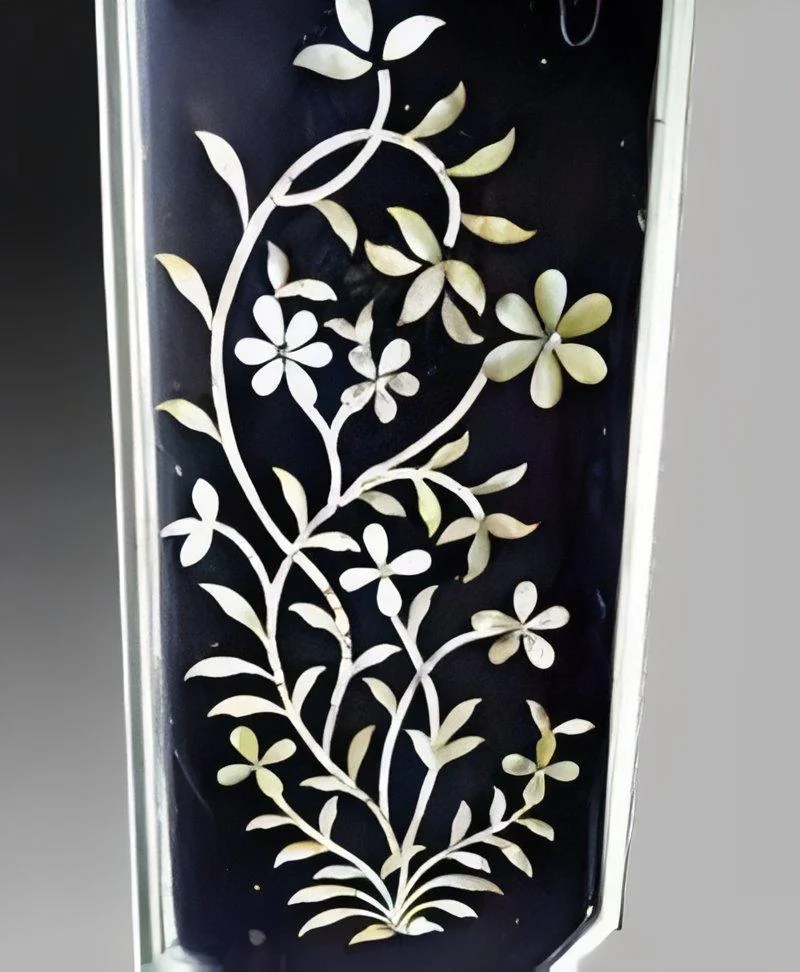
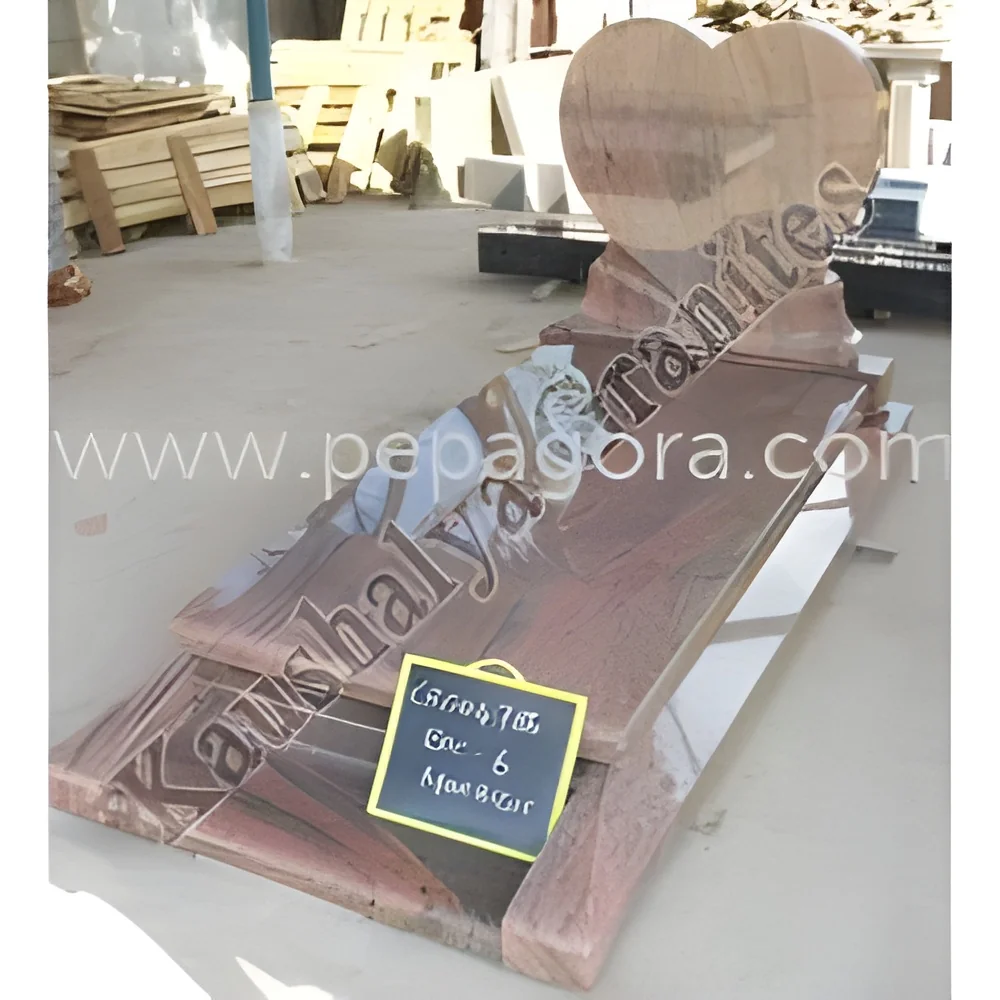
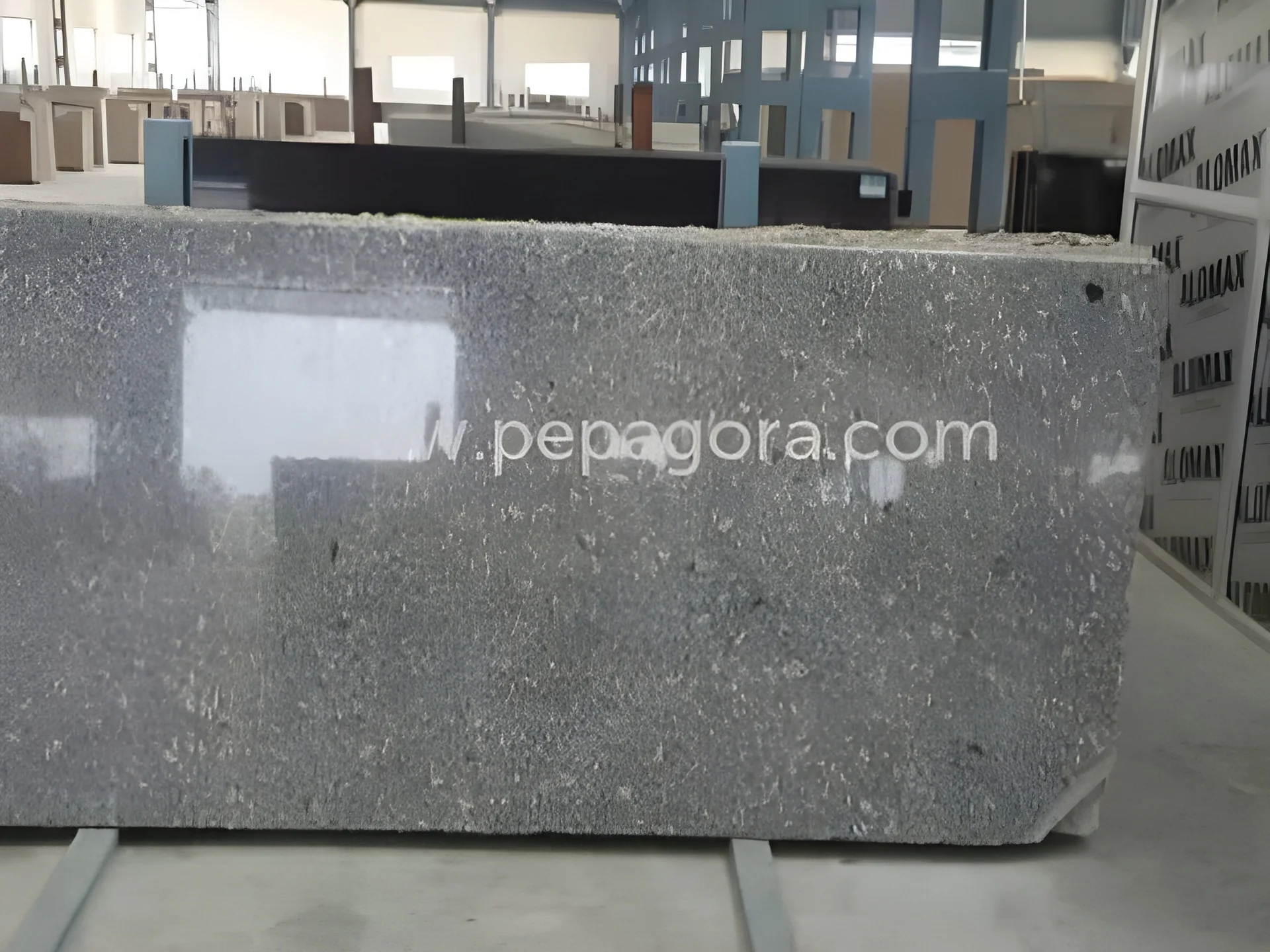
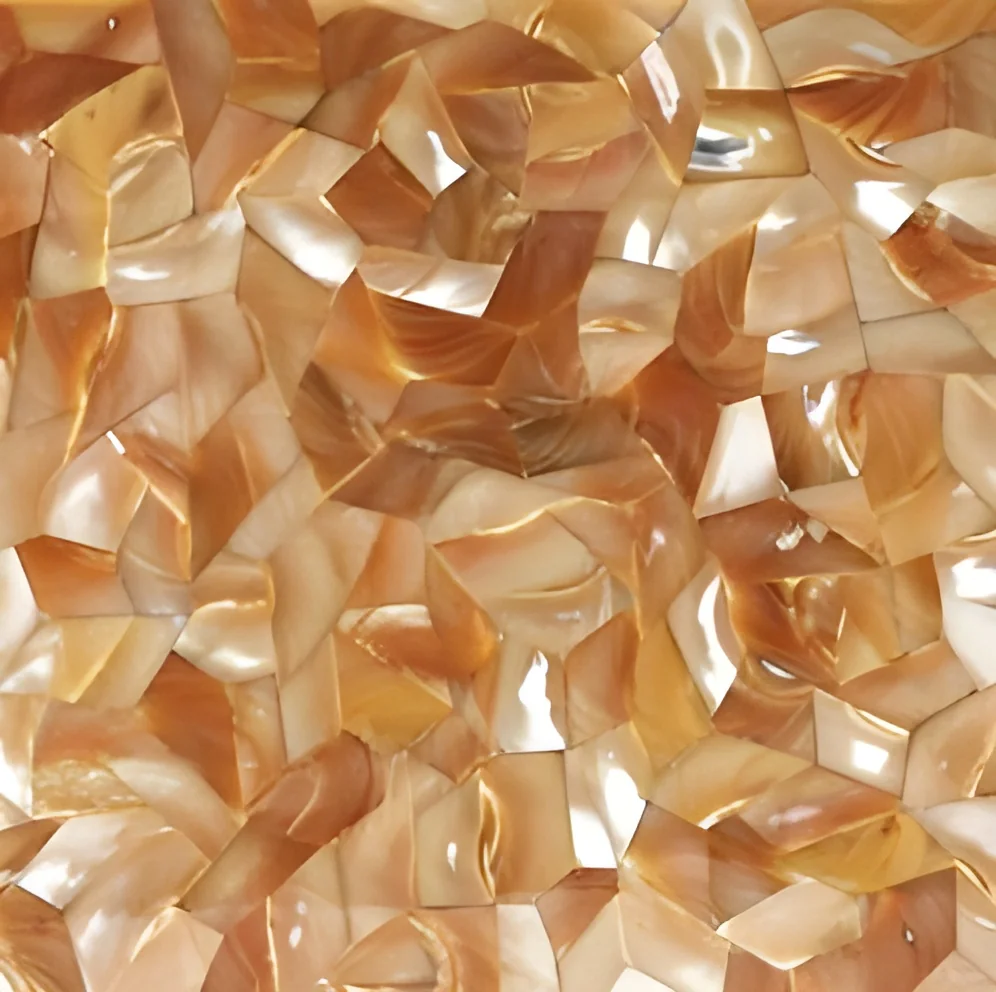
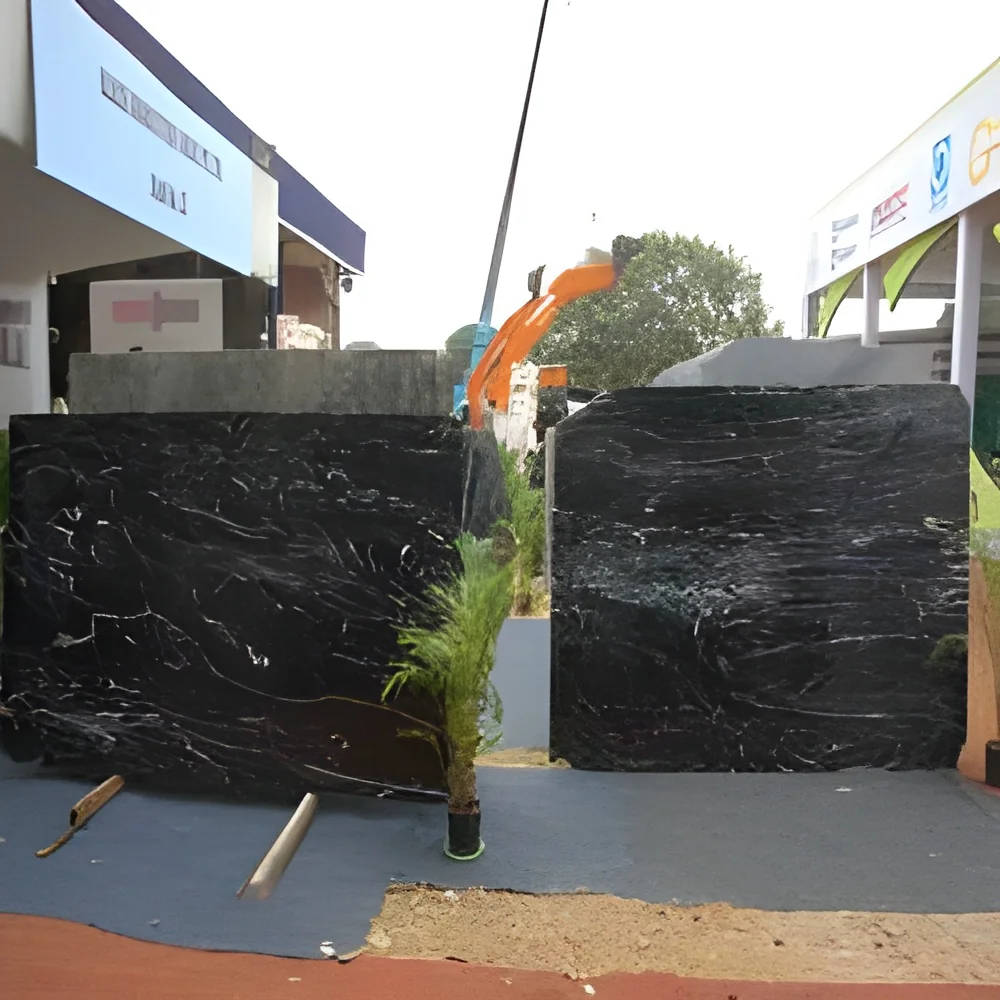
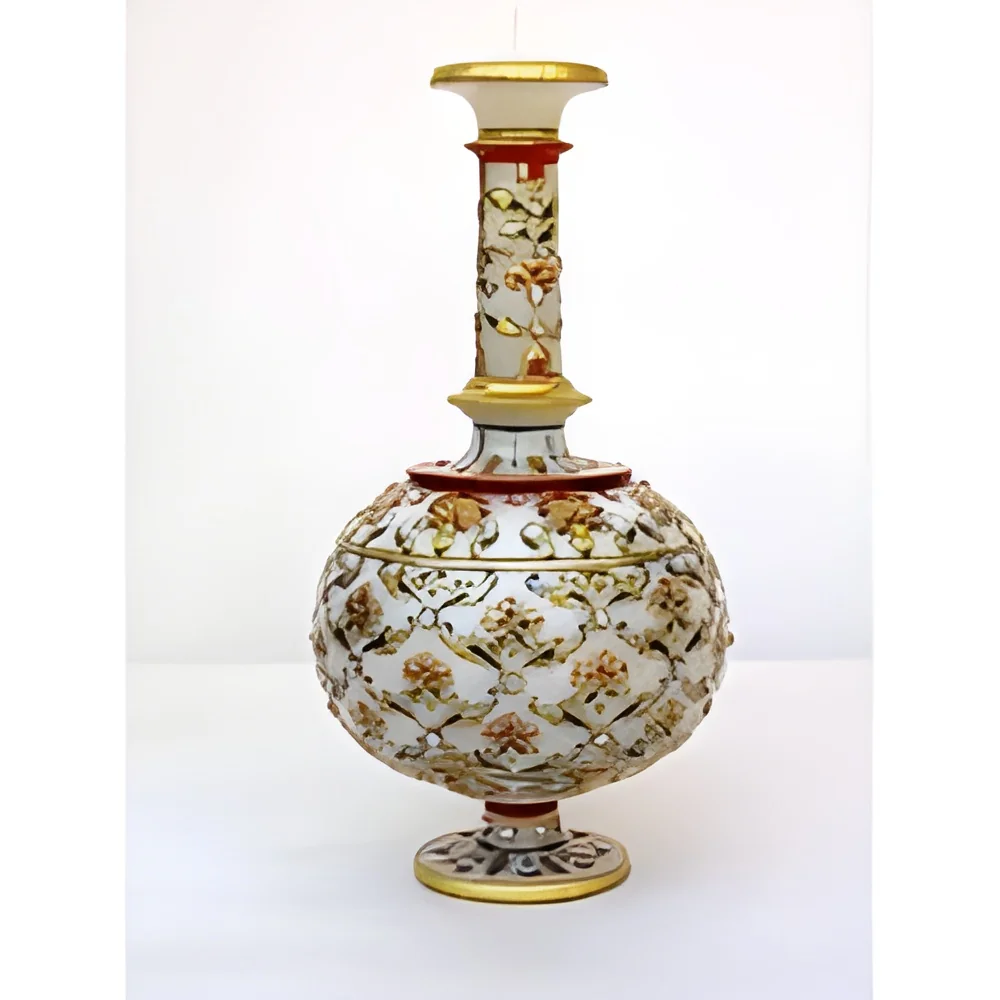
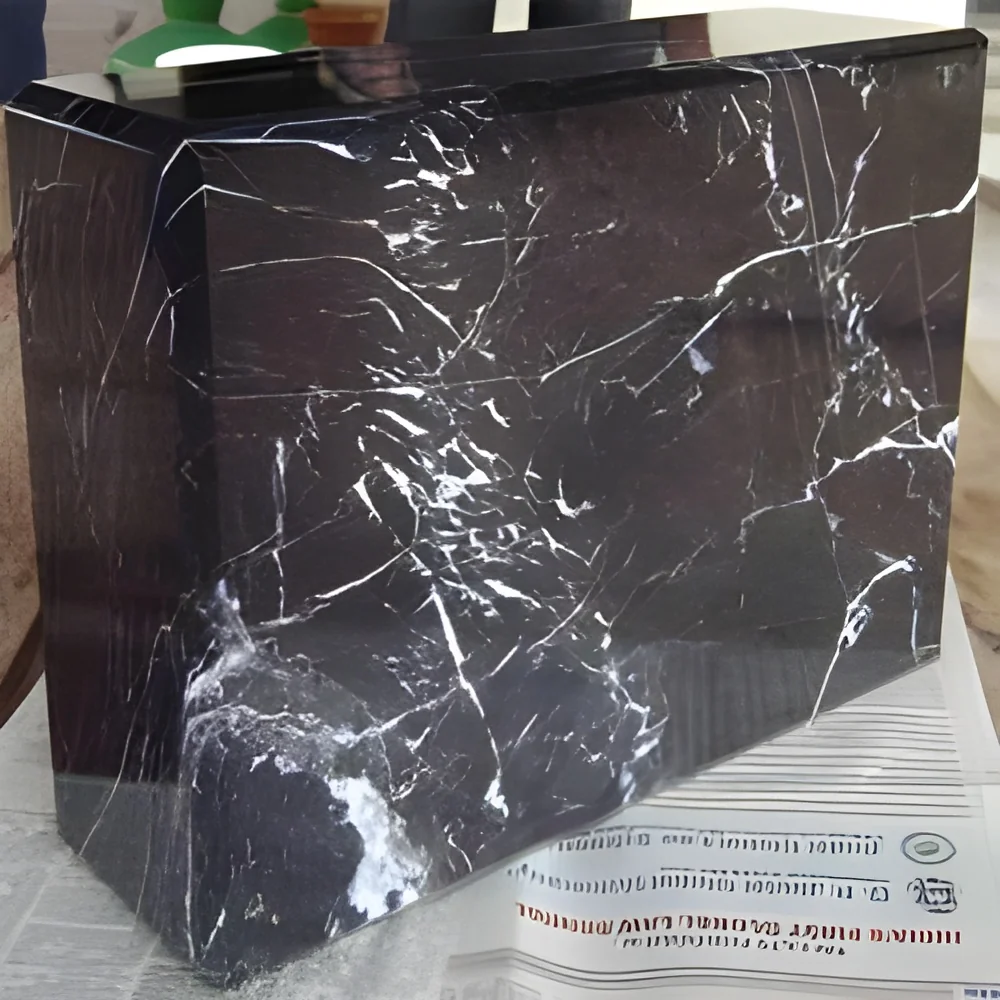
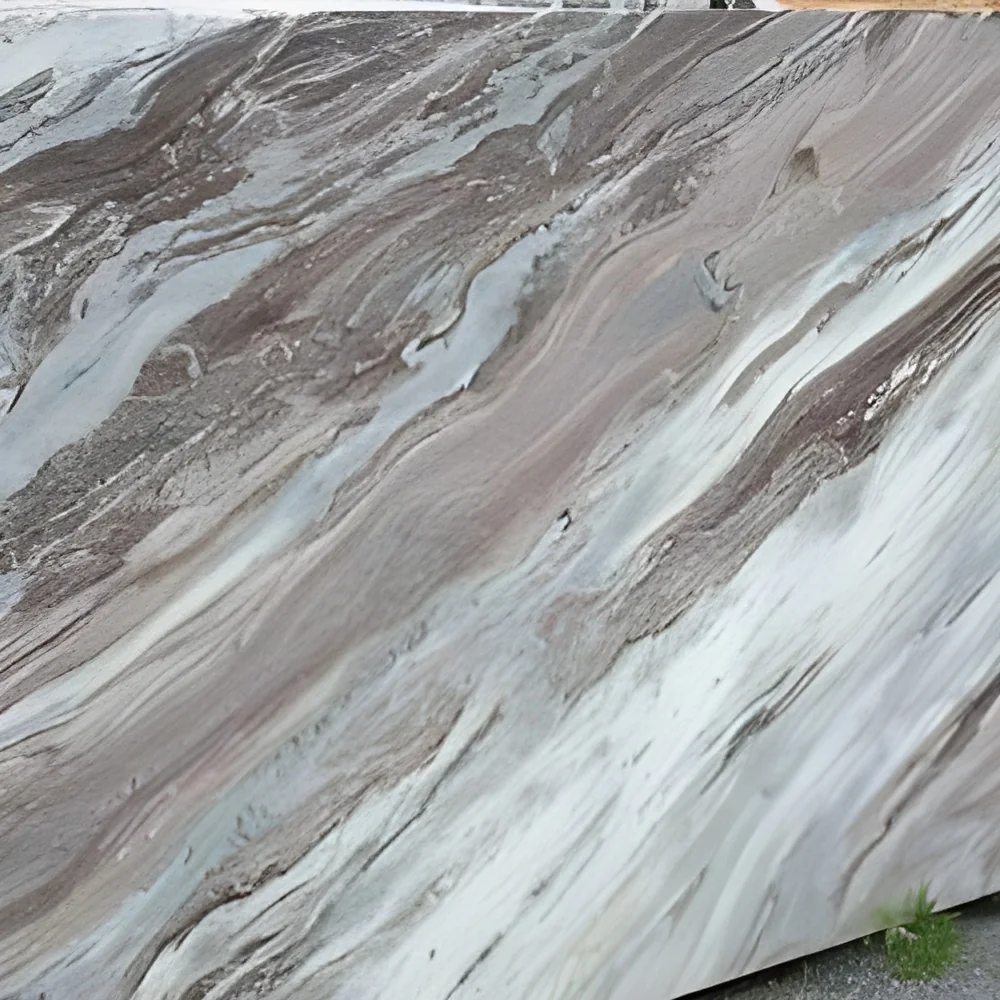
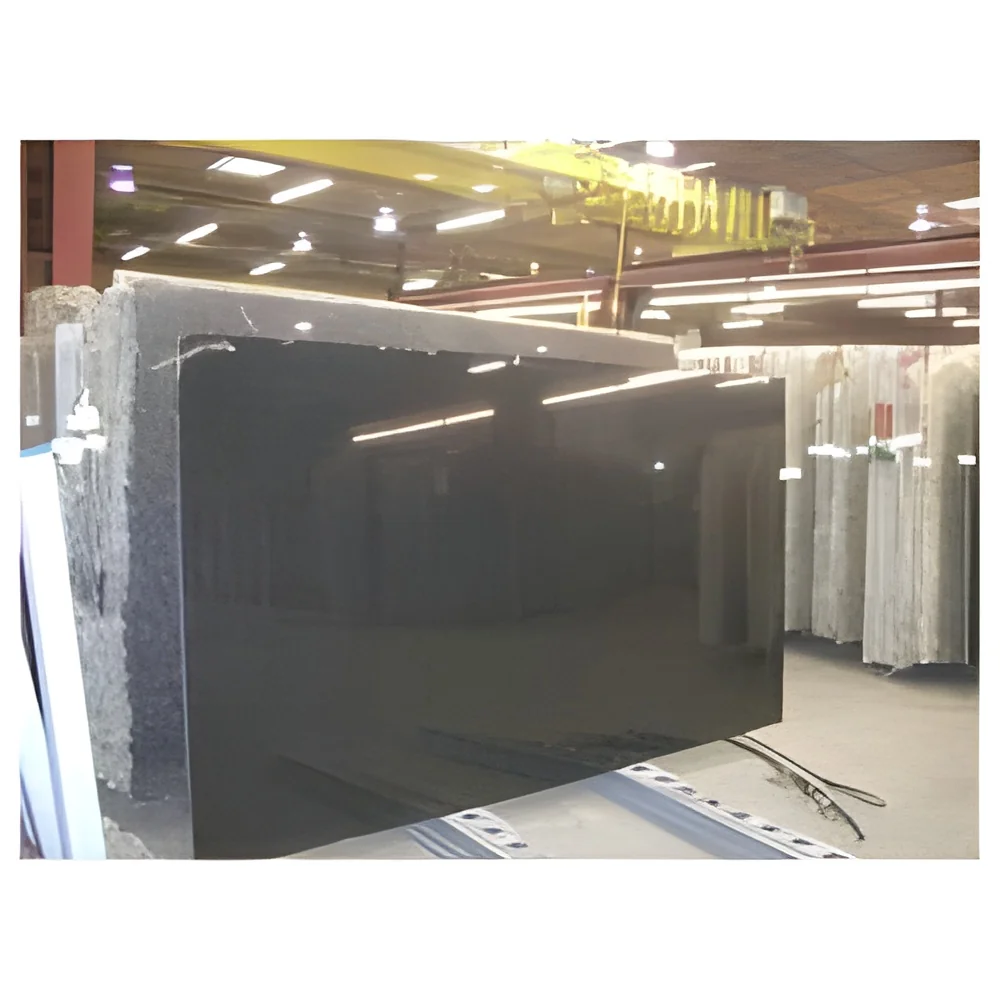
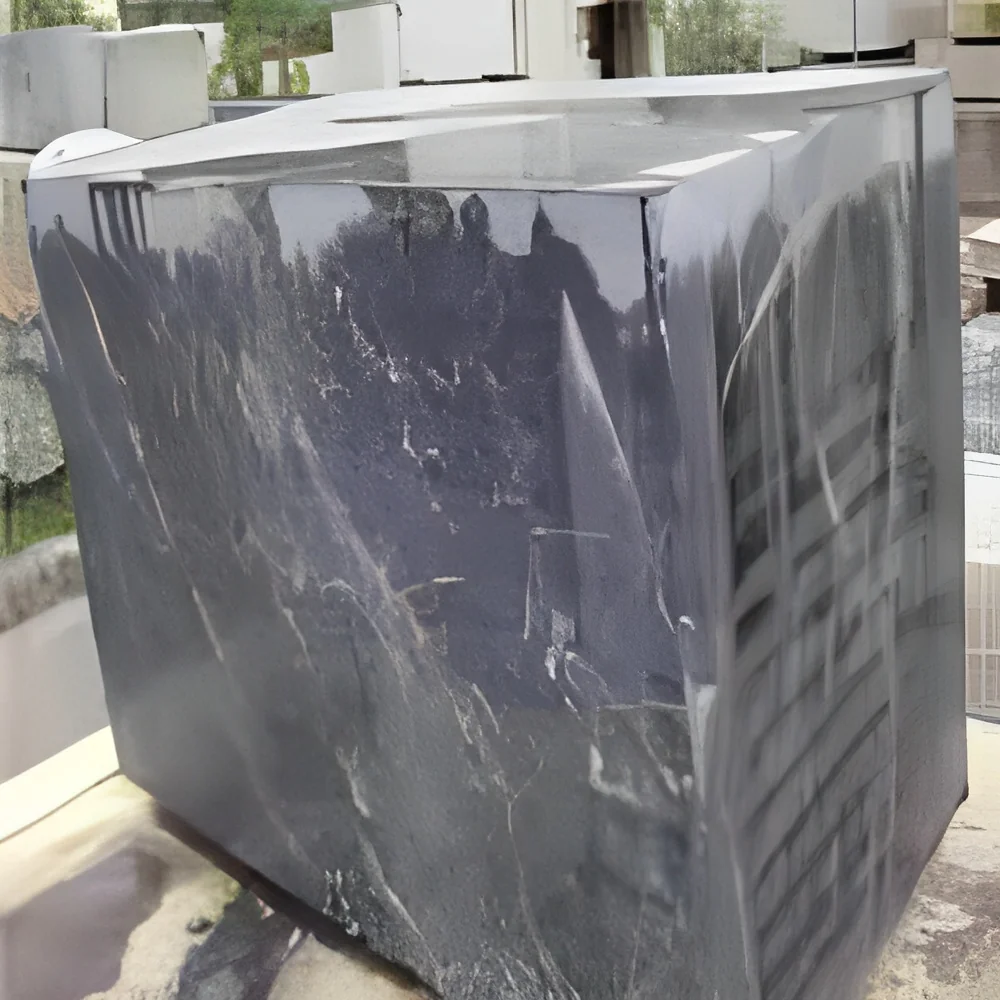
Marble slabs are large, flat pieces of natural stone that are primarily used for construction, decoration, and architectural purposes. These slabs are cut from blocks of marble, which is a metamorphic rock composed mainly of calcite and dolomite. Marble slabs are available in various types, with Indian, Italian, and imported varieties being the most sought after. Each type features distinct aesthetic qualities, colors, patterns, and finishes, catering to diverse design preferences and applications.
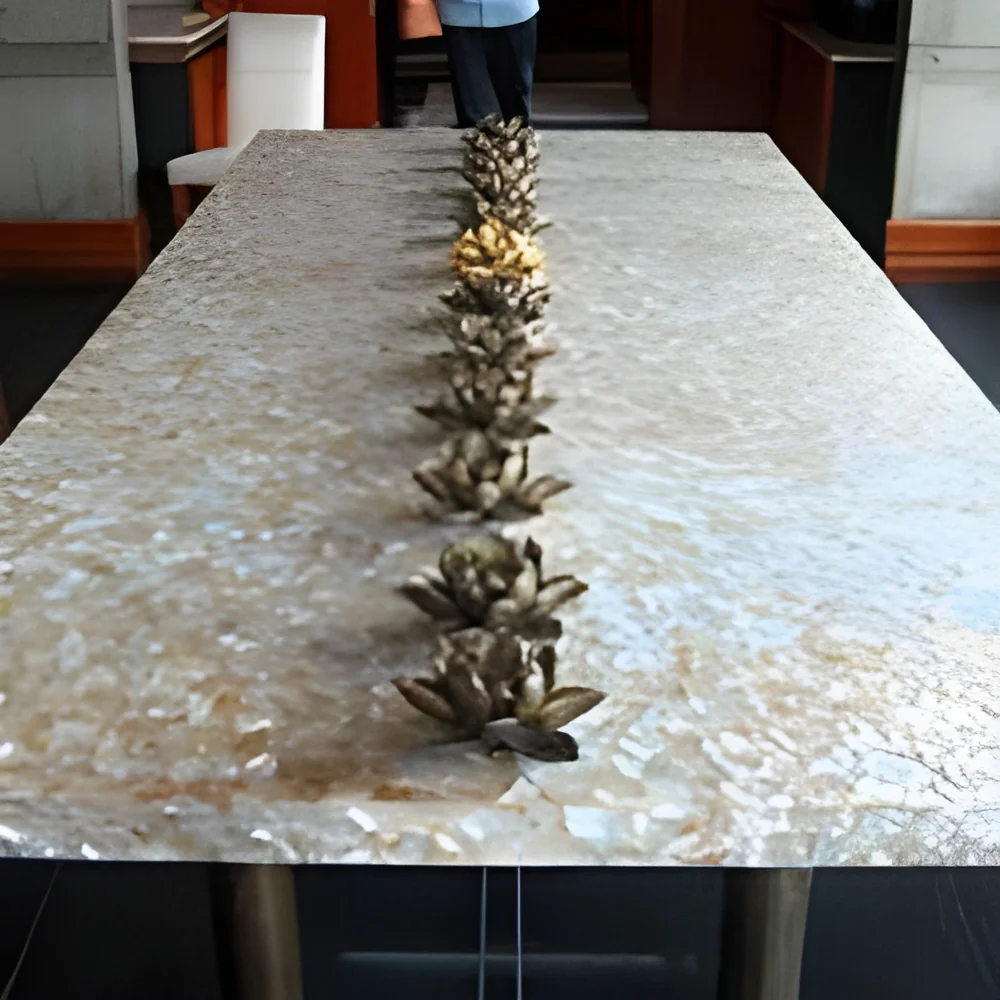
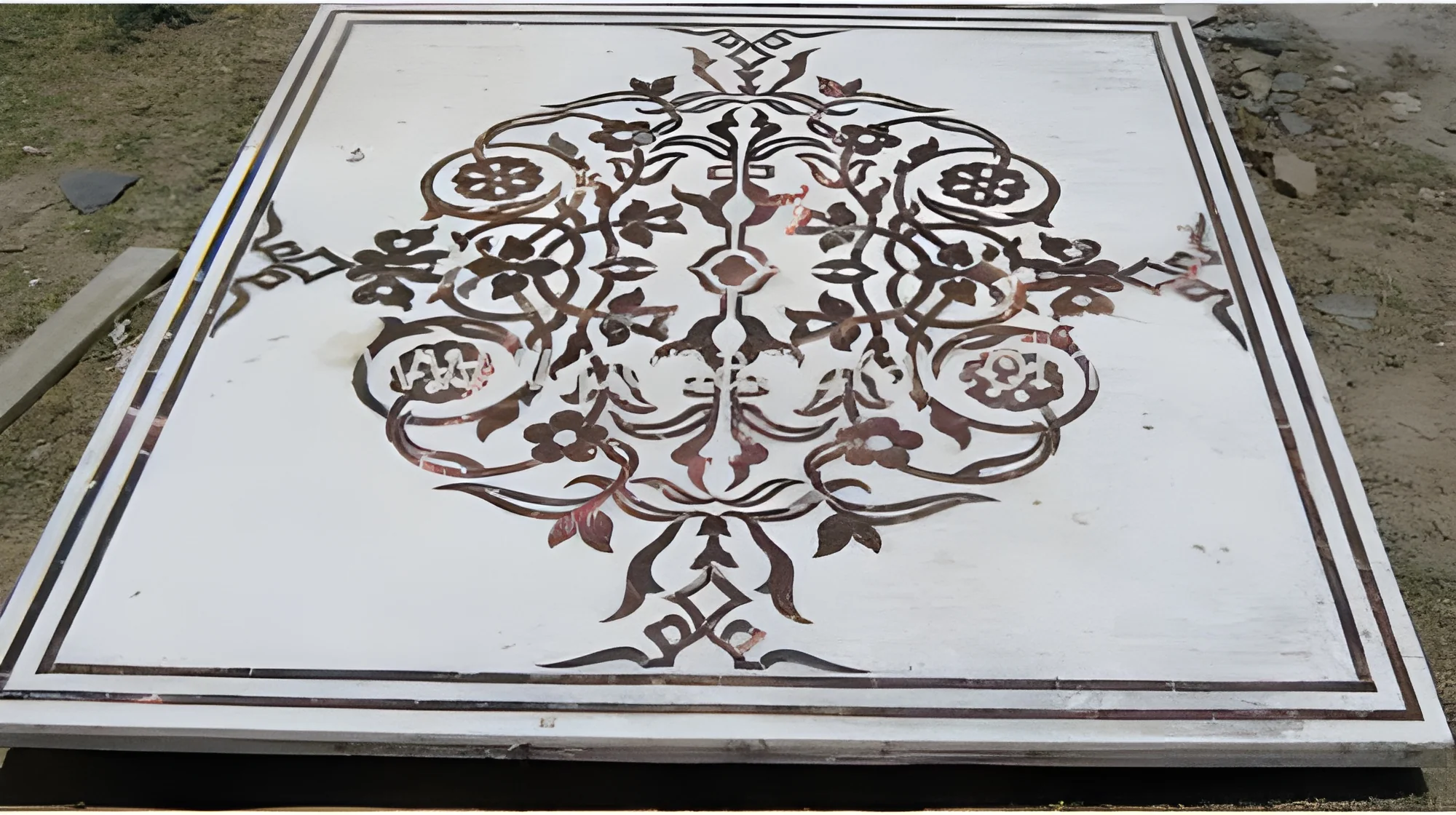
The primary uses of marble slabs include countertops, flooring, wall cladding, and decorative elements in residential and commercial spaces. They are favored for their elegance, durability, and ability to enhance the visual appeal of any environment. Marble slabs are widely used in the construction sector, interior design, and luxury home improvements, making them a staple in high-end projects. The marble industry remains robust globally, driven by the demand for quality stone in architectural and design applications.
𝗞𝗲𝘆 𝗙𝗲𝗮𝘁𝘂𝗿𝗲𝘀 𝗮𝗻𝗱 𝗦𝗽𝗲𝗰𝗶𝗳𝗶𝗰𝗮𝘁𝗶𝗼𝗻𝘀
Marble slabs are known for their unique aesthetics and functional properties, making them ideal for various applications. The following specifications highlight the key features that buyers should consider when sourcing marble slabs.
Key specifications include:
1. Thickness
- Common thickness ranges from 15mm to 30mm.
- Thickness affects strength and suitability for different applications.
2. Surface Finish
- Finishes include polished, honed, and brushed.
- Each finish offers varying levels of shine and slip resistance.
3. Color Variations
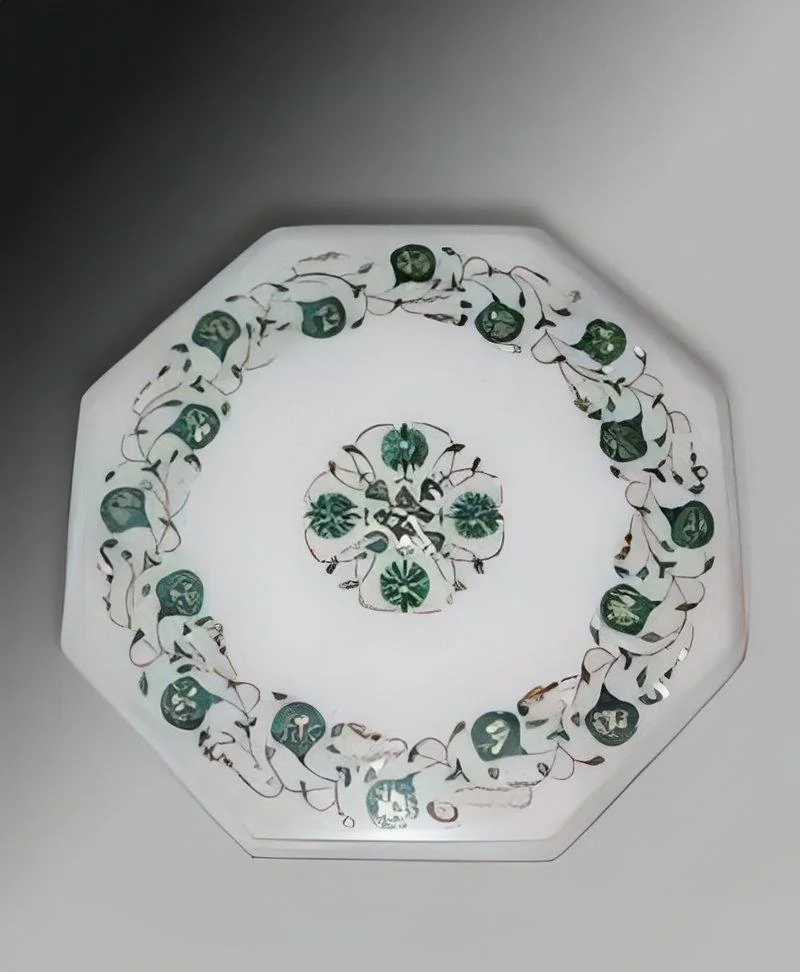
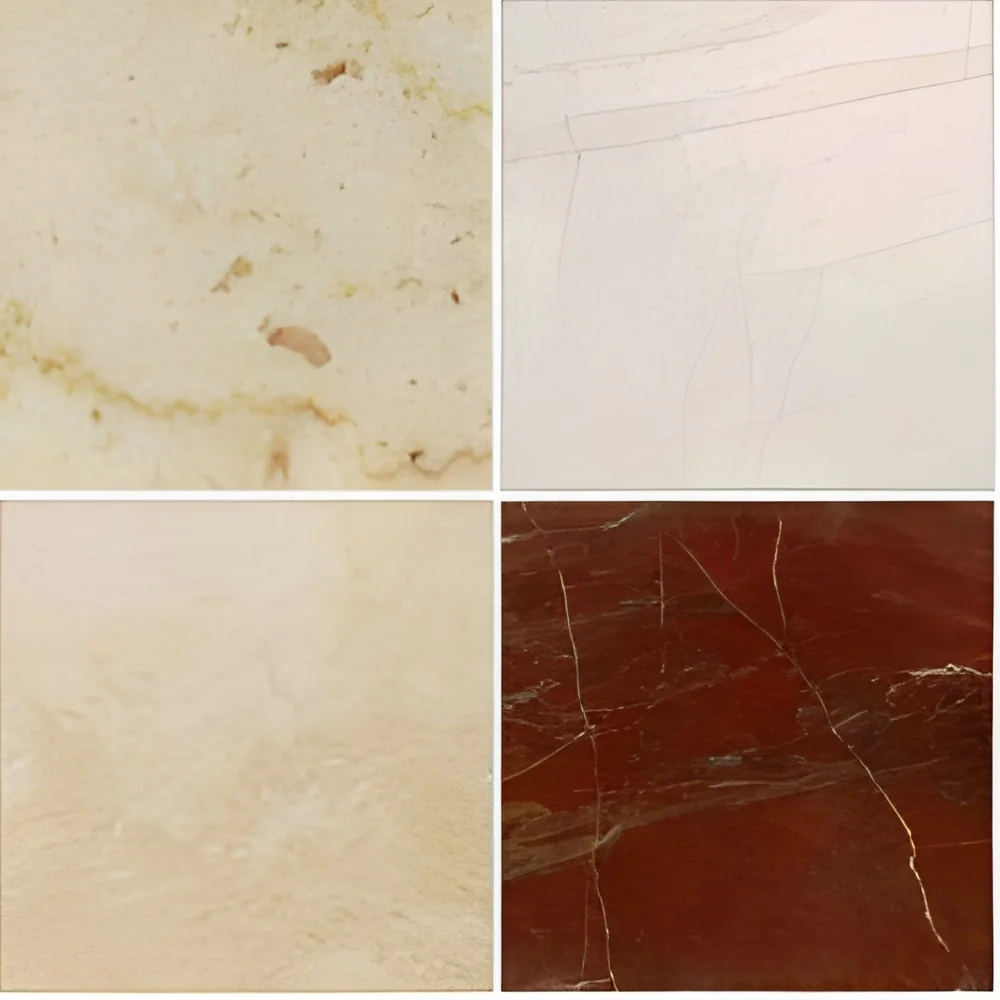
- Available in a wide range of colors, including white, black, green, and beige.
- Color variations depend on the mineral composition and regional sources.
4. Size Dimensions
- Standard slab sizes typically range from 2400mm x 1200mm to 3000mm x 1500mm.
- Custom sizes may be available based on project requirements.
5. Water Absorption Rate
- Indicates porosity and water resistance; typically ranges from 0.1% to 0.5%.
- Lower absorption rates are preferable for wet areas.
6. Compressive Strength
- A measure of durability, typically ranging from 90 to 200 MPa.
- Higher values indicate better performance in load-bearing applications.
7. Flexural Strength
- Indicates resistance to bending, usually between 8 to 15 MPa.
- Important for applications requiring load distribution.
8. Chemical Resistance
- Varies based on type; generally resistant to acids but sensitive to alkaline substances.
- Consider chemical exposure when selecting marble for specific environments.
In summary, understanding these specifications will aid buyers in selecting the right marble slabs for their projects, ensuring quality and performance.
𝗖𝗼𝗺𝗺𝗼𝗻 𝗔𝗽𝗽𝗹𝗶𝗰𝗮𝘁𝗶𝗼𝗻𝘀 𝗮𝗻𝗱 𝗨𝘀𝗲 𝗖𝗮𝘀𝗲𝘀
Marble slabs serve various industries, each benefiting from the material's unique properties and aesthetic appeal.
1. Residential Construction: Marble slabs are commonly used for countertops, flooring, and bathroom vanities, providing elegance and durability in homes.
2. Commercial Buildings: They are frequently utilized in lobbies, office spaces, and retail environments, where a sophisticated appearance is essential.
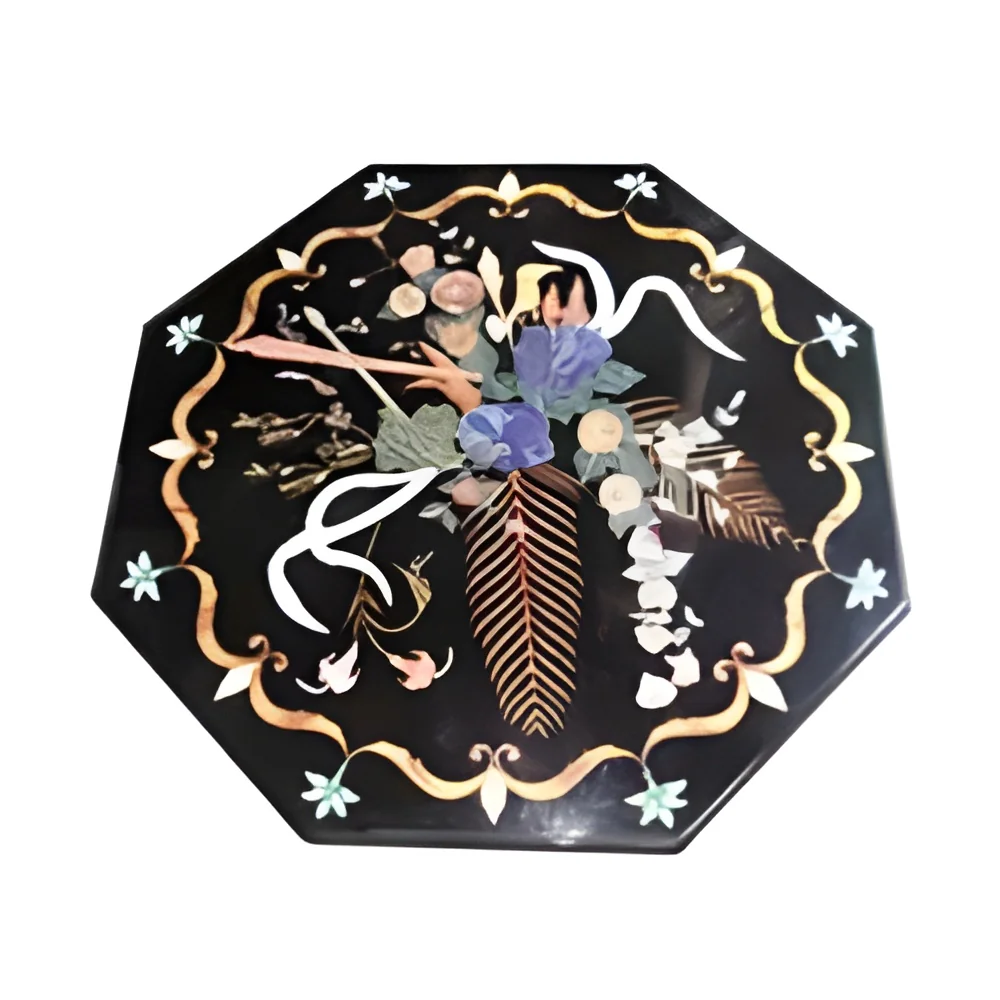
3. Hospitality Industry: Hotels and restaurants often employ marble slabs for flooring, tabletops, and decorative wall features to create luxurious settings.
4. Healthcare Facilities: Marble is used in hospitals and clinics for its antibacterial properties and ease of cleaning, particularly in countertops and flooring.
5. Educational Institutions: Schools and universities use marble slabs for auditoriums and libraries, providing a timeless aesthetic that enhances learning environments.
6. Cultural Sites: Museums and historical buildings incorporate marble for its historical significance and majestic appearance, contributing to cultural heritage.
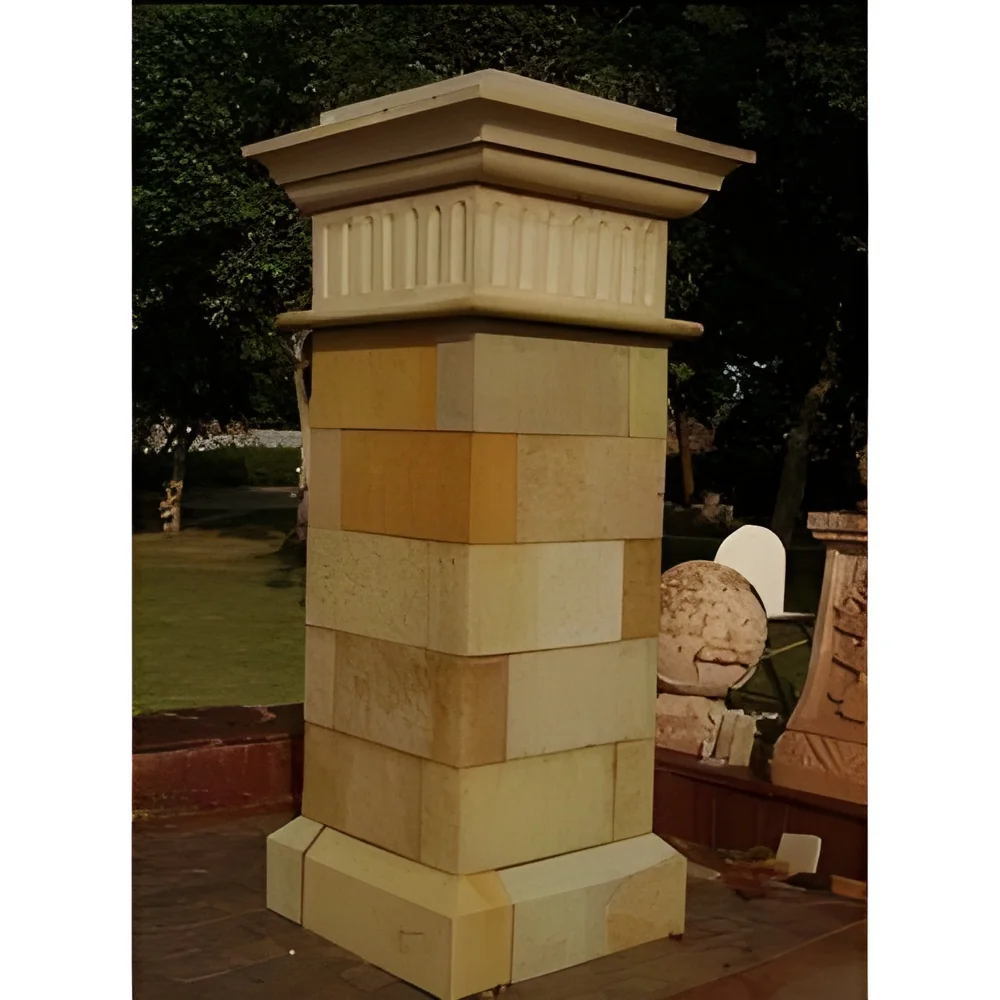
7. Landscaping: Marble is utilized in outdoor spaces for pathways, garden features, and decorative elements, adding a refined touch to landscapes.
𝗣𝗿𝗼𝗱𝘂𝗰𝘁 𝗩𝗮𝗿𝗶𝗮𝗻𝘁𝘀 𝗮𝗻𝗱 𝗦𝘂𝗯𝗰𝗮𝘁𝗲𝗴𝗼𝗿𝗶𝗲𝘀
The diversity of marble slabs allows for numerous variants, each serving specific needs and preferences.
Indian Marble
Indian marble is celebrated for its unique patterns and colors, including white, green, and beige varieties. It is often used in residential projects for flooring and countertops due to its affordability and aesthetic appeal.
Italian Marble
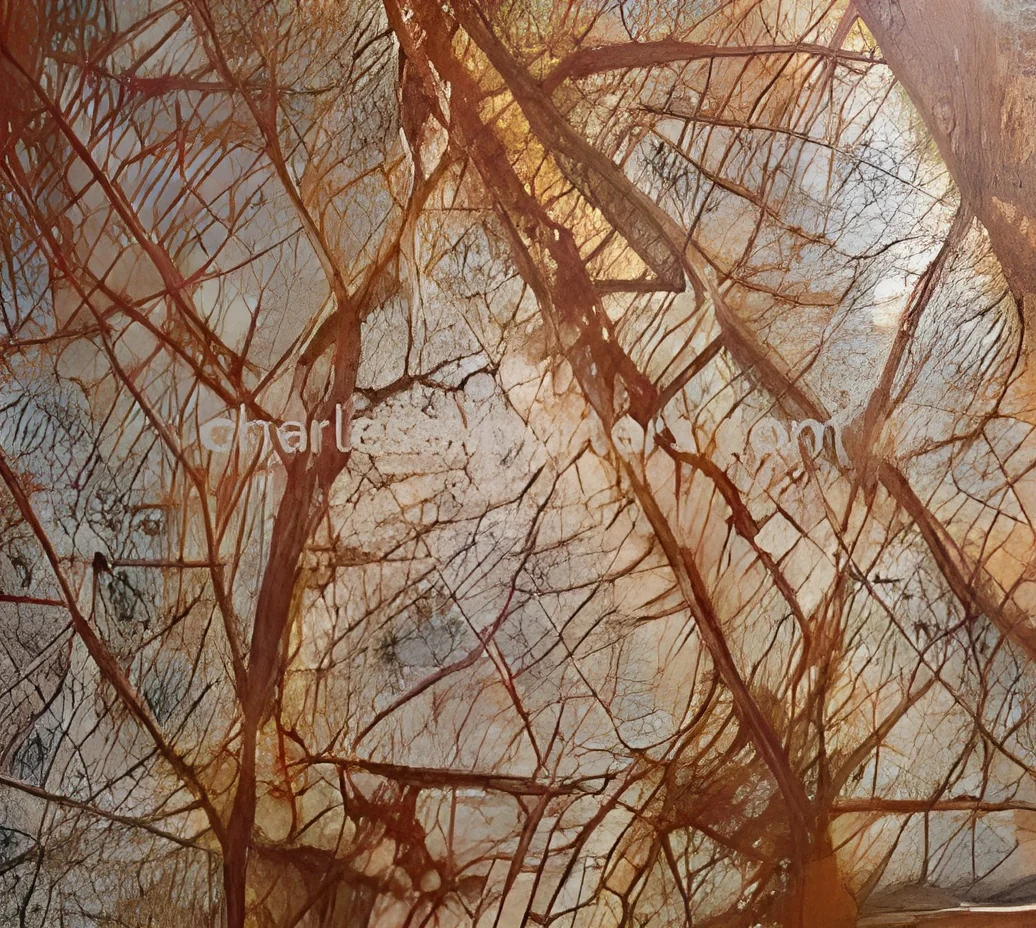
Italian marble is renowned for its high quality and luxurious appearance. It features exquisite veining and rich colors, making it a popular choice for upscale projects, including high-end residences and commercial spaces.
Imported Marble
Imported marble encompasses a wide range of varieties from countries like Turkey, Greece, and Spain. These slabs often offer unique aesthetics and qualities, catering to niche markets and specific design requirements.
𝗕𝗲𝗻𝗲𝗳𝗶𝘁𝘀 𝗮𝗻𝗱 𝗔𝗱𝘃𝗮𝗻𝘁𝗮𝗴𝗲𝘀
Sourcing marble slabs offers numerous benefits for buyers seeking quality materials for their projects.
1. Aesthetic Appeal: Marble slabs provide a timeless and elegant look, enhancing the overall design of any space.
2. Durability: Marble is a strong and resilient material, ensuring longevity and minimal maintenance over time.
3. Versatility: Available in various colors, sizes, and finishes, marble can fit into diverse design themes and applications.
4. Value Addition: The use of marble in construction and design can increase property value, appealing to buyers and tenants.
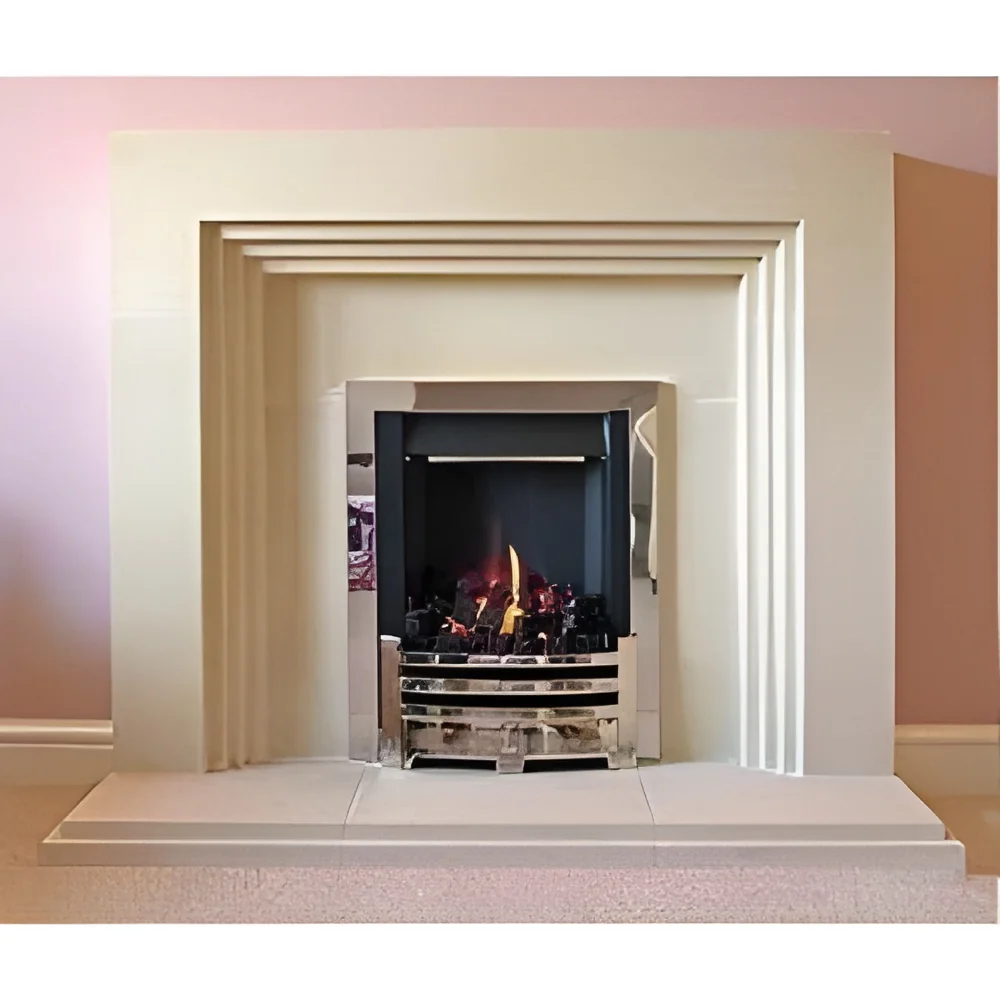
5. Heat Resistance: Marble can withstand high temperatures, making it suitable for kitchen countertops and fireplace surrounds.
6. Eco-Friendly: Marble is a natural stone that, when sourced responsibly, has a lower environmental impact compared to synthetic materials.
𝗕𝘂𝘆𝗶𝗻𝗴 𝗚𝘂𝗶𝗱𝗲 𝗳𝗼𝗿 𝗕𝟮𝗕 𝗕𝘂𝘆𝗲𝗿𝘀
When sourcing marble slabs (Indian, Italian, Imported), it is essential to consider several factors to ensure a satisfactory purchase.
1. Quality Assessment: Evaluate the quality of marble by checking for consistency in color, pattern, and finish. Inspect slabs for cracks or imperfections that may affect performance.
2. Supplier Verification: Vet suppliers to ensure they are reputable and provide high-quality products. Look for reviews, certifications, and previous project samples.
3. Pricing and MOQ: Compare prices among suppliers, keeping in mind the minimum order quantity (MOQ) requirements. Ensure pricing reflects the quality and specifications of the marble slabs.
4. Delivery and Lead Times: Confirm delivery timelines and logistics capabilities to ensure timely project completion. Consider any potential delays due to sourcing or shipping.
5. Compliance Requirements: Verify that the marble slabs meet relevant quality standards and certifications, ensuring compliance with industry regulations and safety requirements.
𝗖𝗼𝗺𝗽𝗹𝗶𝗮𝗻𝗰𝗲 𝗮𝗻𝗱 𝗖𝗲𝗿𝘁𝗶𝗳𝗶𝗰𝗮𝘁𝗶𝗼𝗻𝘀
Marble slabs must adhere to certain quality standards and certifications to ensure safety and performance in various applications.

ISO 9001 certification is relevant for manufacturers, indicating a commitment to quality management systems. This ensures that products meet customer expectations consistently.
CE certification is essential for marble slabs sold within Europe, signifying compliance with health, safety, and environmental protection standards. This certification helps buyers ensure that the marble they source meets necessary regulations.
Safety and testing requirements include assessments for physical properties such as compressive and flexural strength. Additionally, regional compliance considerations may vary based on local regulations regarding natural stone materials.

Why Source Marble Slabs (Indian, Italian, Imported) from Pepagora?

Pepagora provides a trusted platform for sourcing marble slabs (Indian, Italian, Imported) with several key advantages that benefit B2B buyers.
Verified Supplier Network: Pepagora collaborates with verified suppliers, ensuring that buyers have access to high-quality products from reputable manufacturers. This network enhances confidence in the sourcing process.
Streamlined RFQ Process: The Request for Quotation (RFQ) process on Pepagora is designed to be efficient and user-friendly, allowing buyers to quickly receive quotes from multiple suppliers, facilitating informed decision-making.
Trade Assurance and Support: Pepagora offers trade assurance, providing buyers with protection throughout the purchasing process. This includes support for resolving disputes and ensuring compliance with agreements.
Regional Coverage: With a strong presence in India, GCC, and Southeast Asia, Pepagora's geographic reach ensures that buyers can find the marble slabs they need regardless of location, simplifying sourcing and logistics.