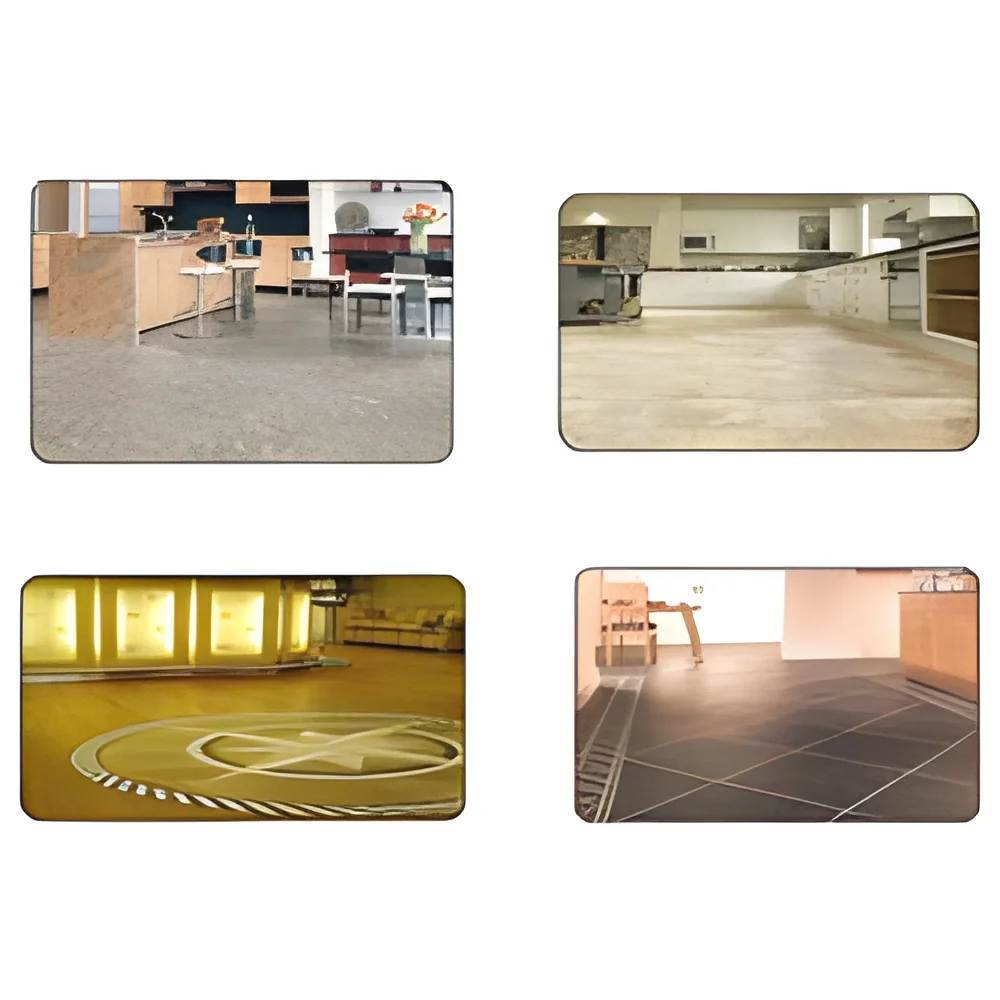
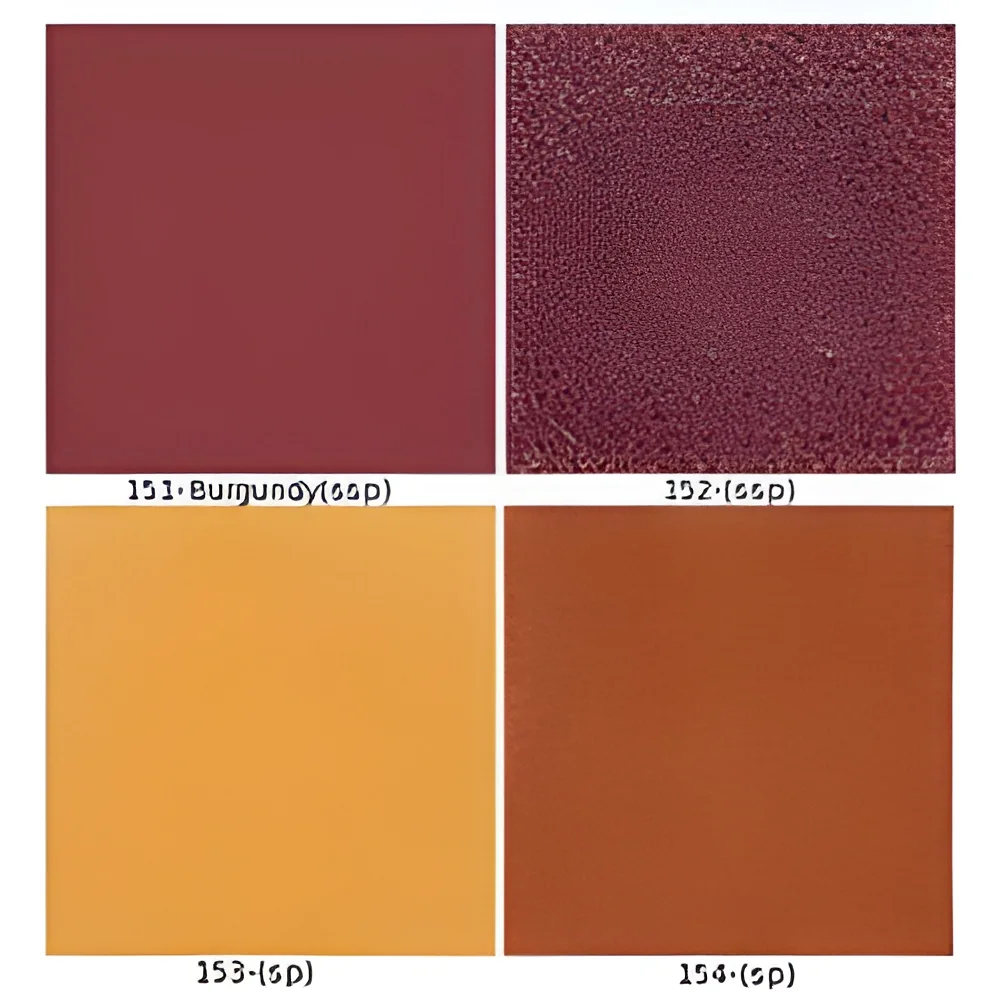
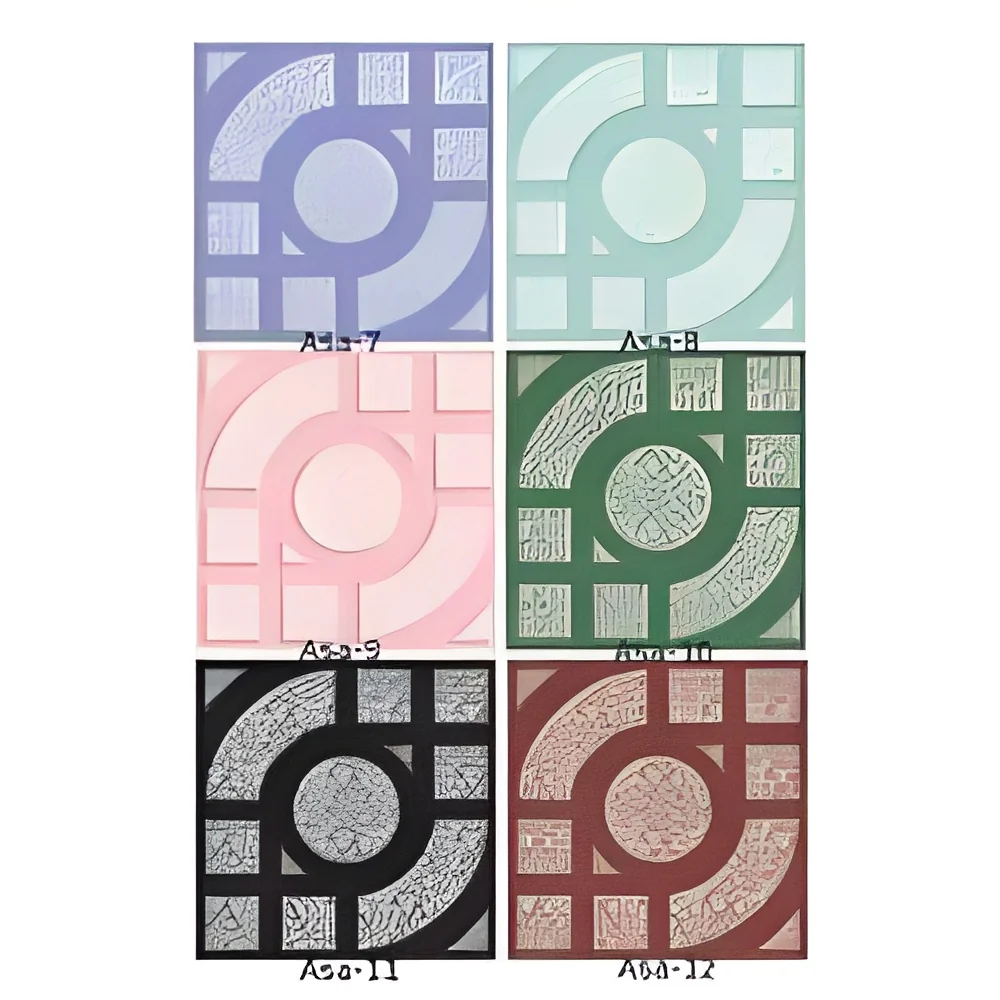
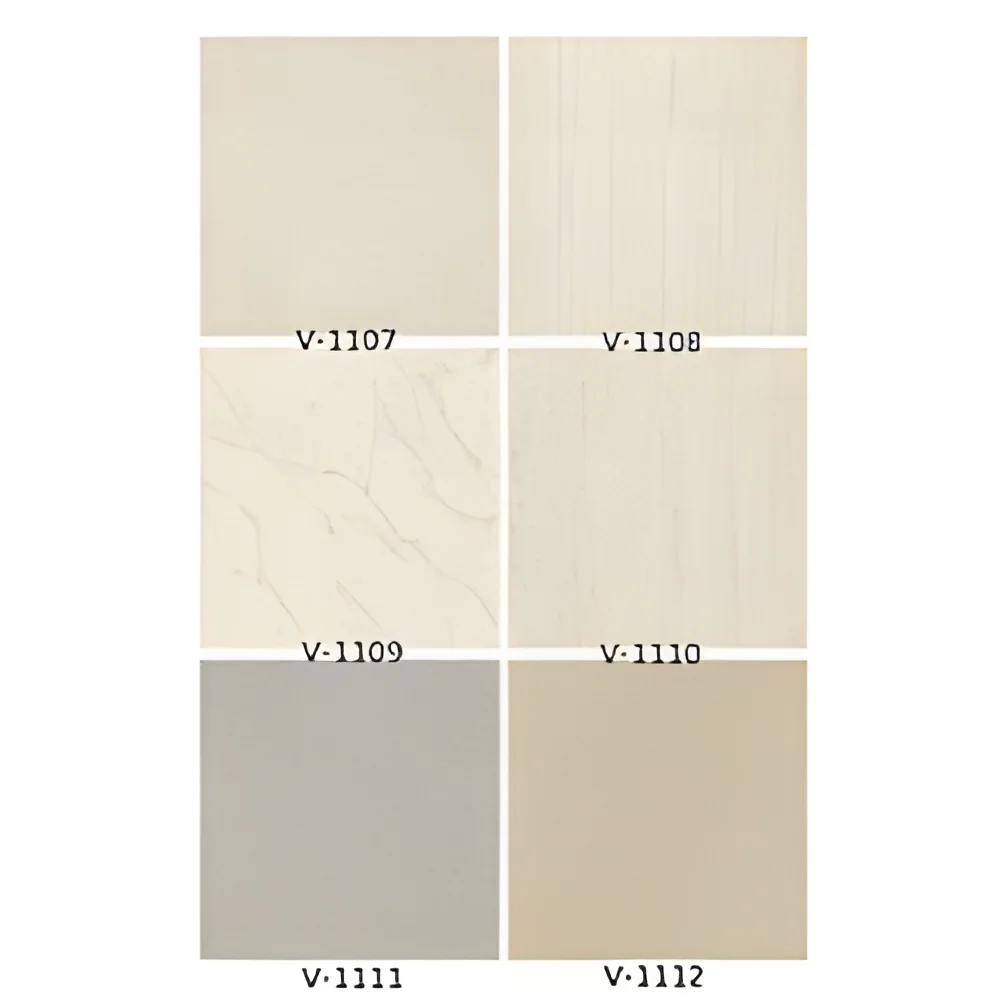
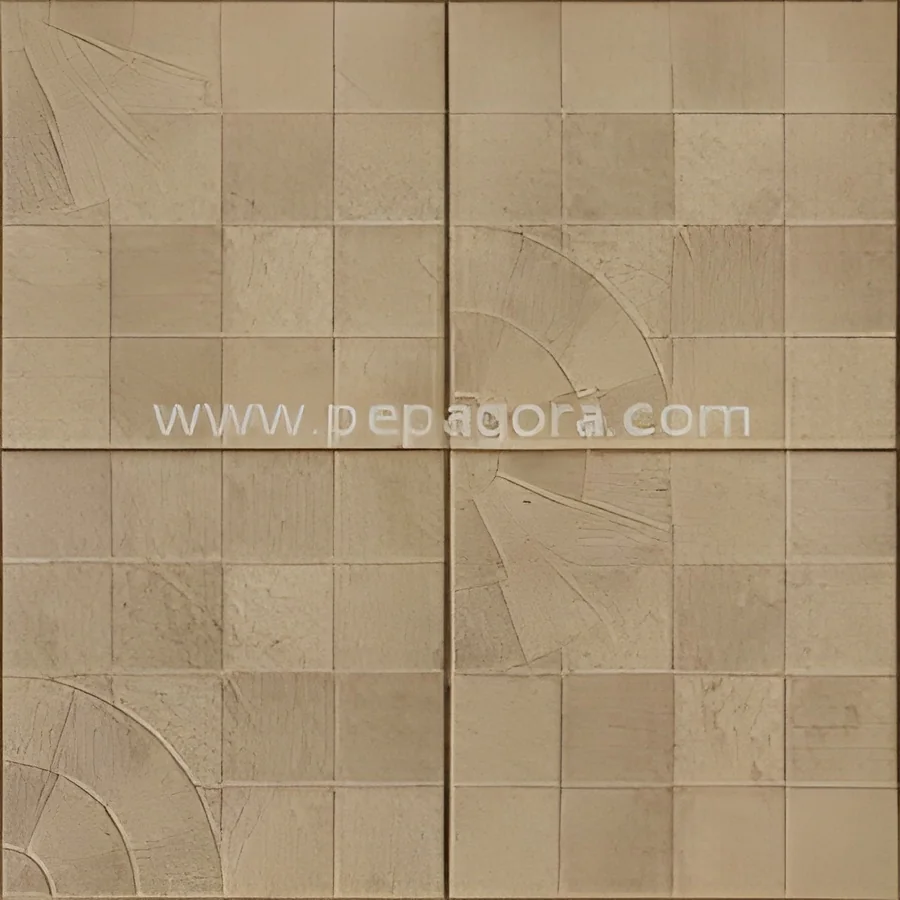
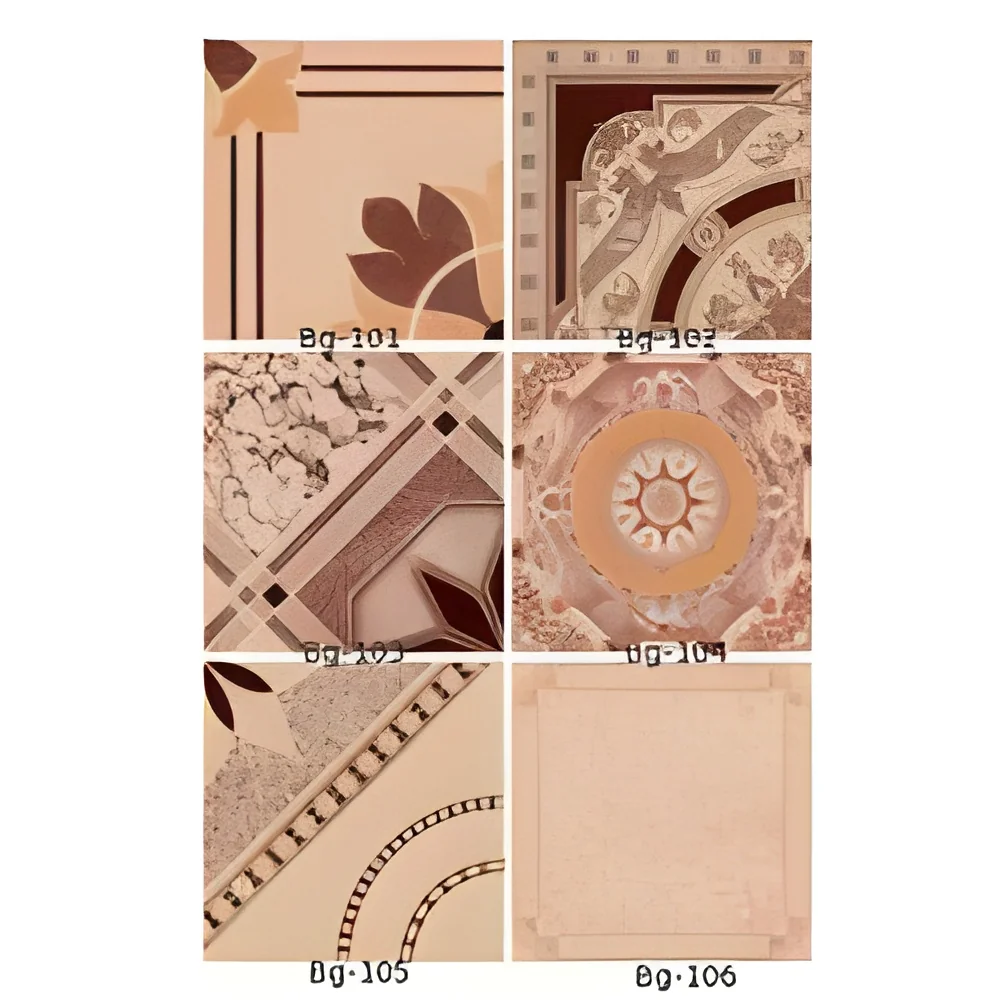
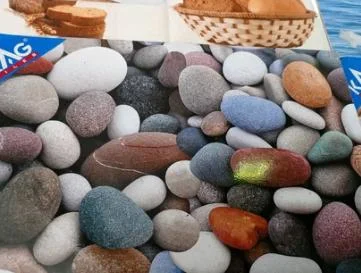
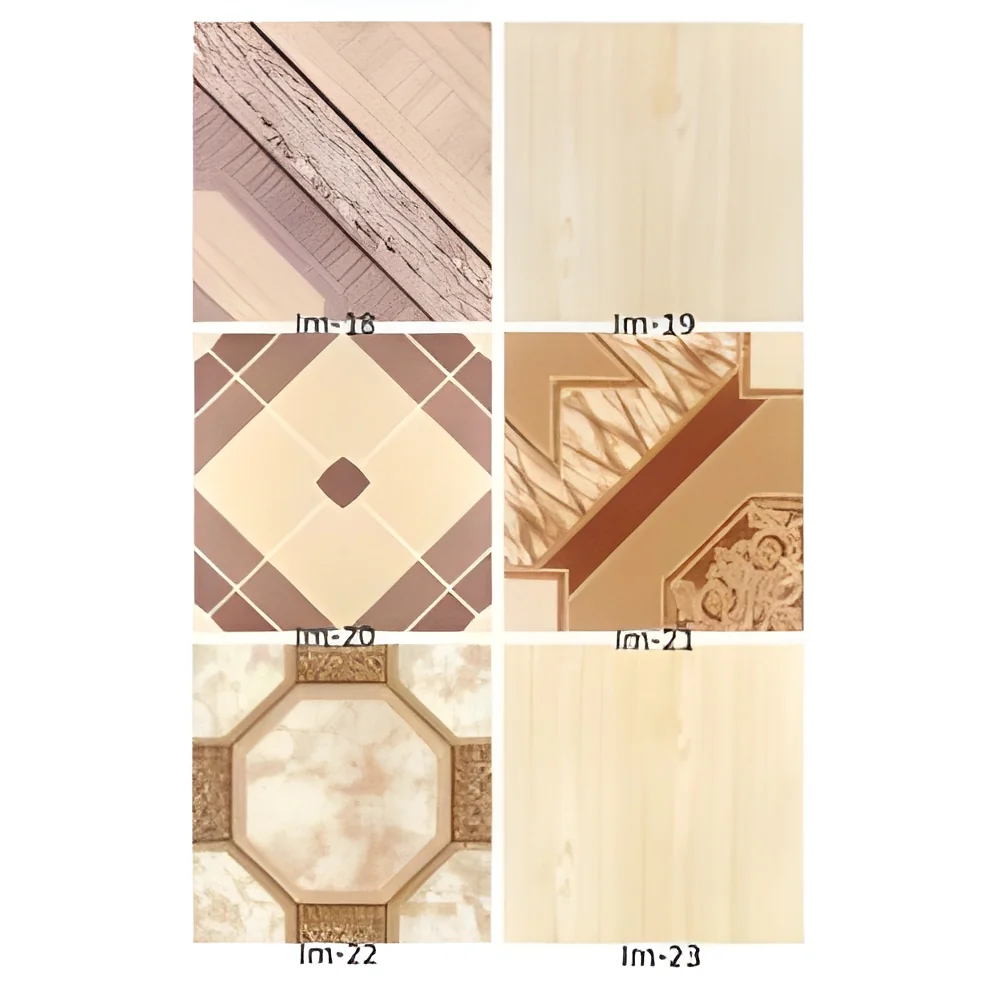
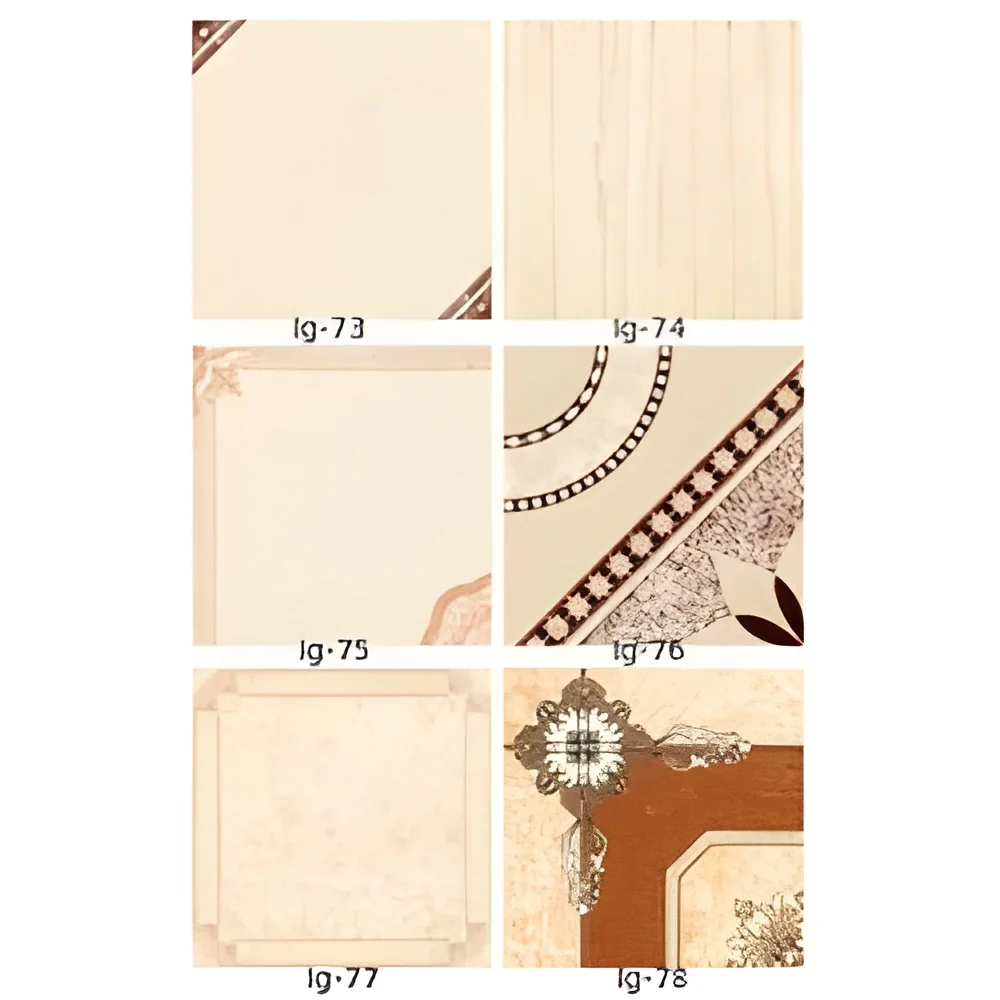
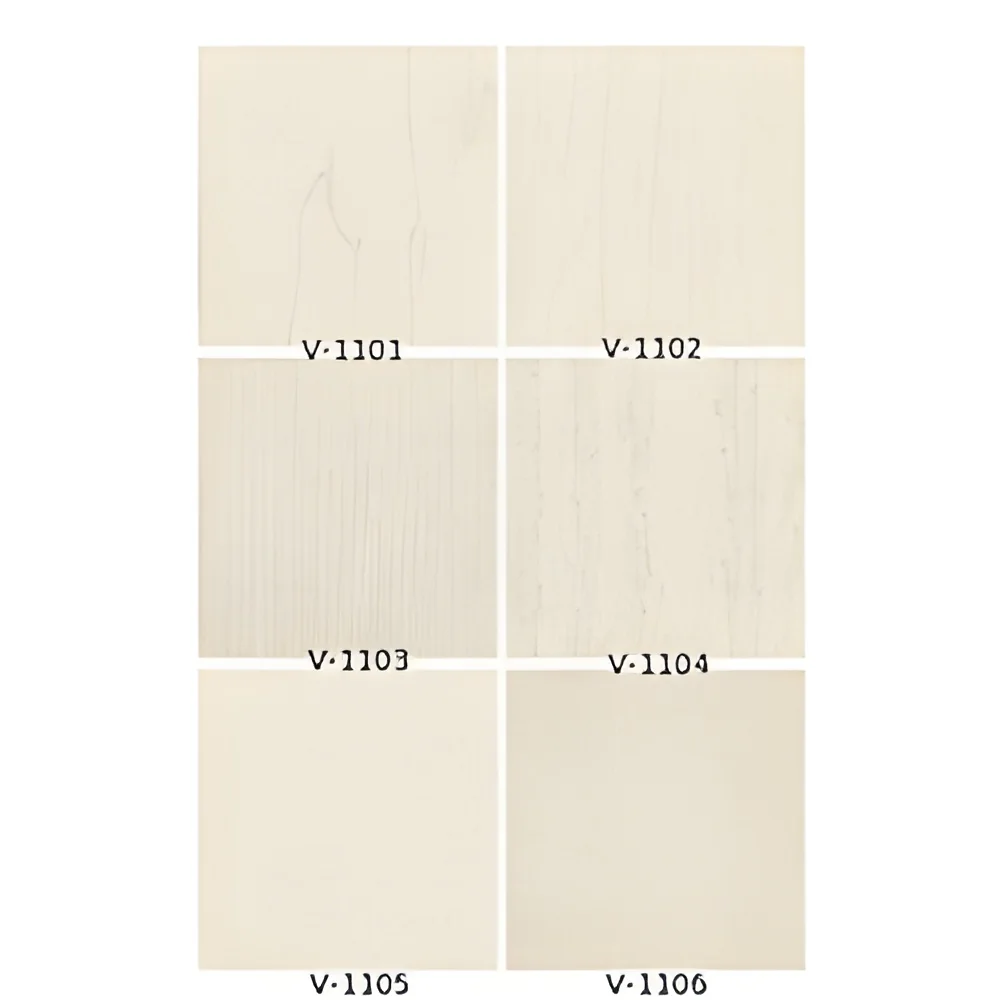
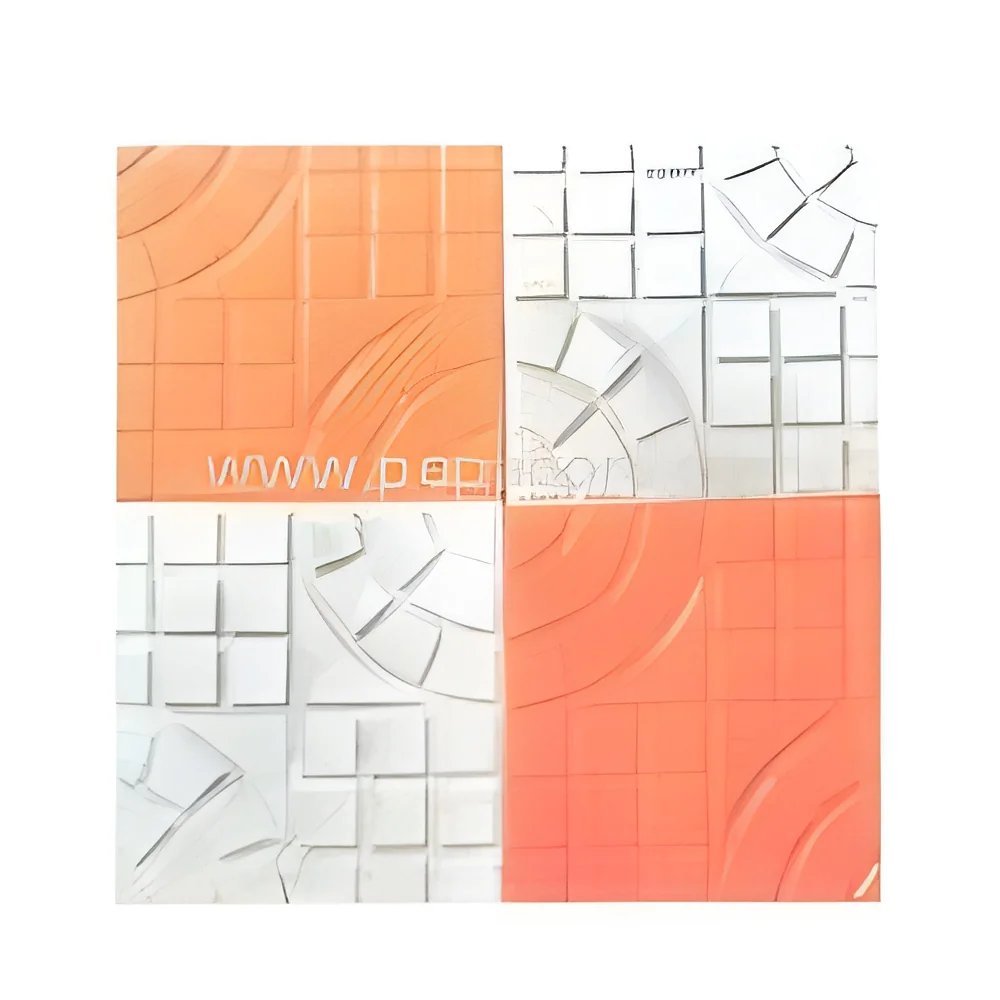
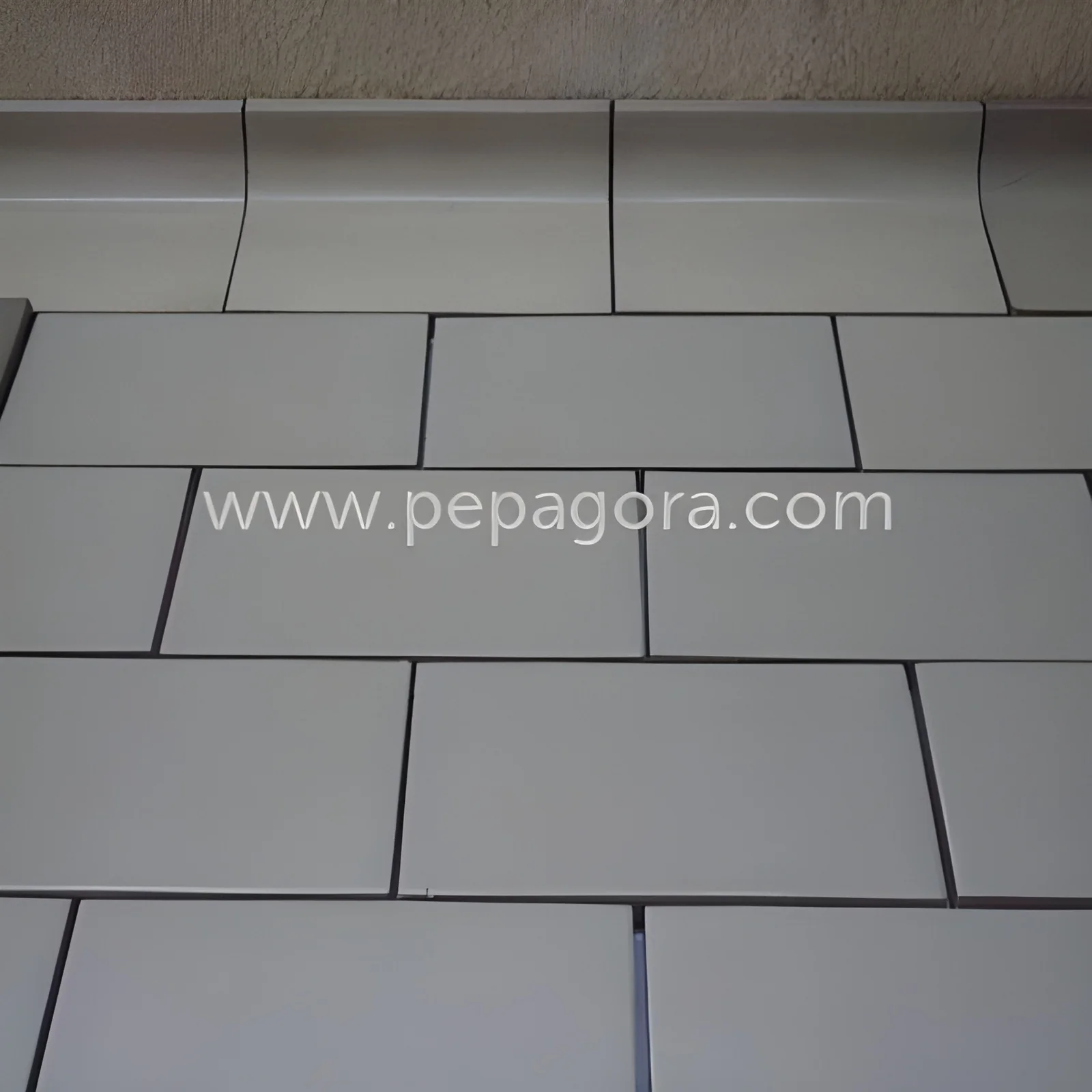
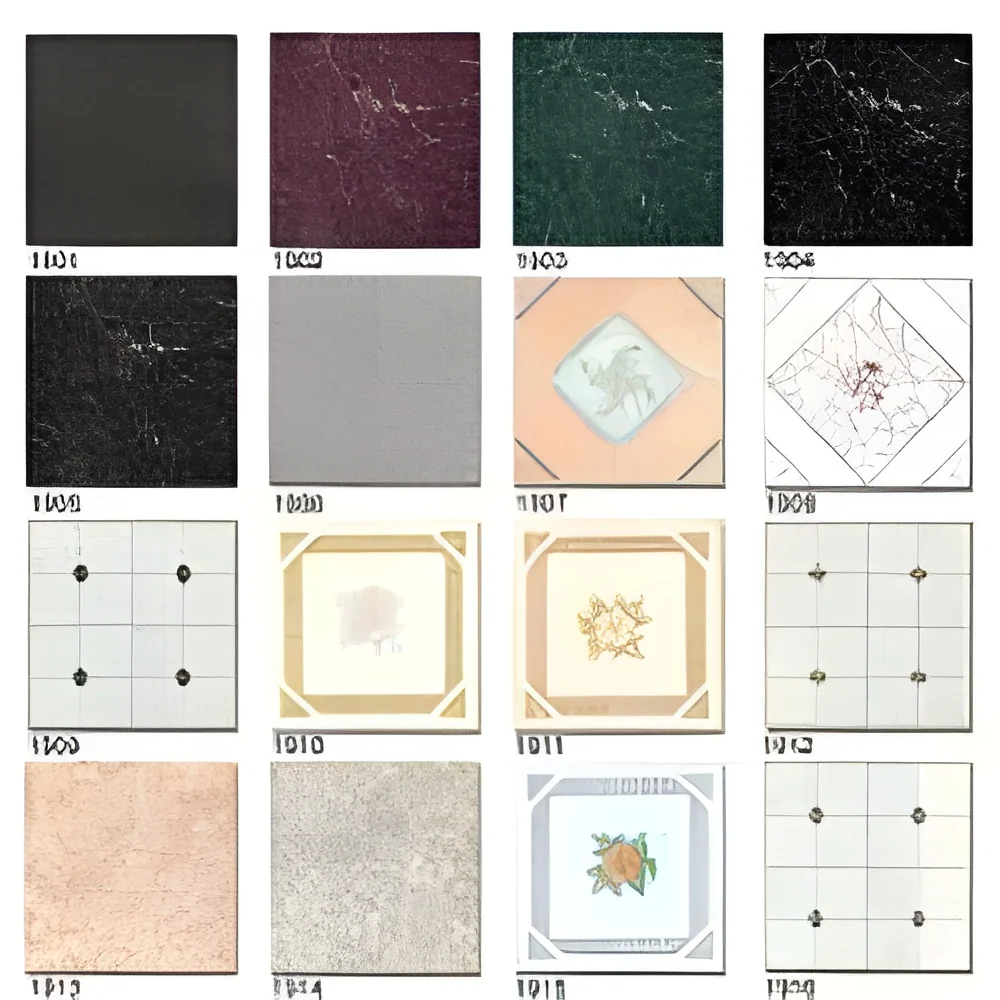
What are Vitrified Floor Tiles?
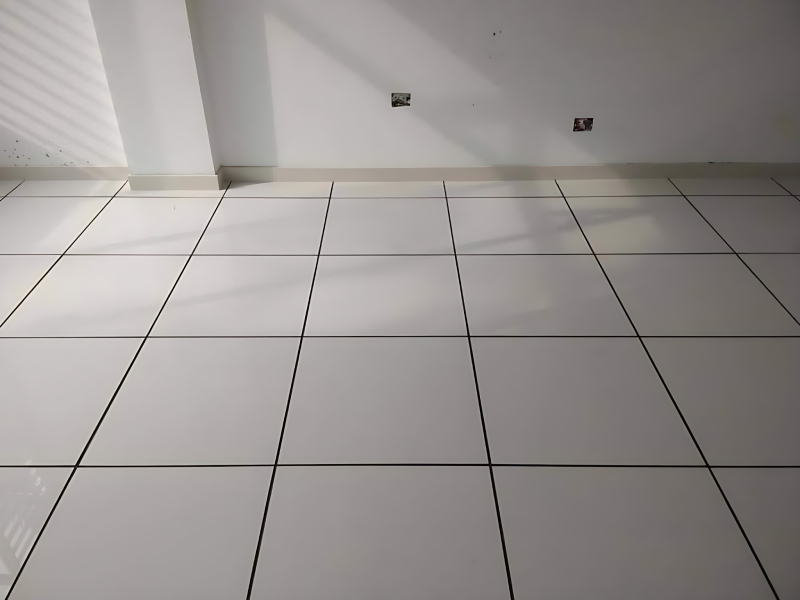
Vitrified floor tiles are a type of ceramic tile that has been processed at high temperatures, resulting in a dense, durable product. These tiles are manufactured using a mixture of silica, clay, and feldspar, which are then vitrified through a firing process. The result is a tile that is non-porous, resistant to moisture, and highly durable, making it ideal for both residential and commercial applications.
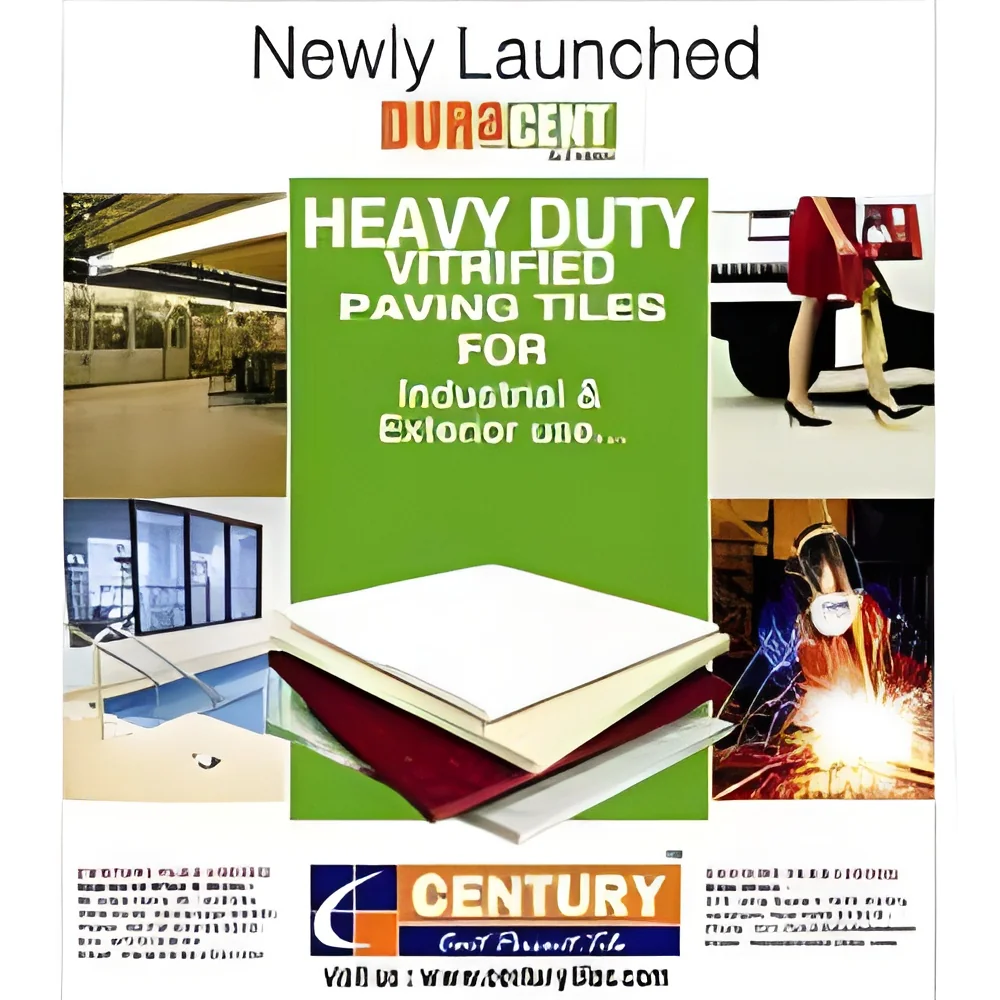
These tiles are commonly used in high-traffic areas such as commercial buildings, shopping malls, hospitals, and industrial spaces. Their resistance to scratches, stains, and moisture makes them a preferred choice for settings that require durability and easy maintenance. Vitrified tiles also come in various designs and finishes, allowing businesses to meet different aesthetic requirements while ensuring functionality.
In the current market, vitrified floor tiles are gaining popularity due to their versatility and reliability. With an increasing focus on long-lasting materials in construction, these tiles are becoming a standard choice across various industries, contributing to their growing demand. As businesses continue to prioritize quality and sustainability, vitrified tiles offer a viable solution that meets both performance and environmental considerations.
Key Features and Specifications
Vitrified floor tiles are recognized for their unique features and specifications that cater to various business needs. These specifications ensure the tiles meet the required standards for durability, aesthetics, and performance.
Key specifications include:
1. Water Absorption
- Vitrified tiles have a water absorption rate of less than 0.5%, making them highly resistant to moisture and stains.
2. Surface Finish
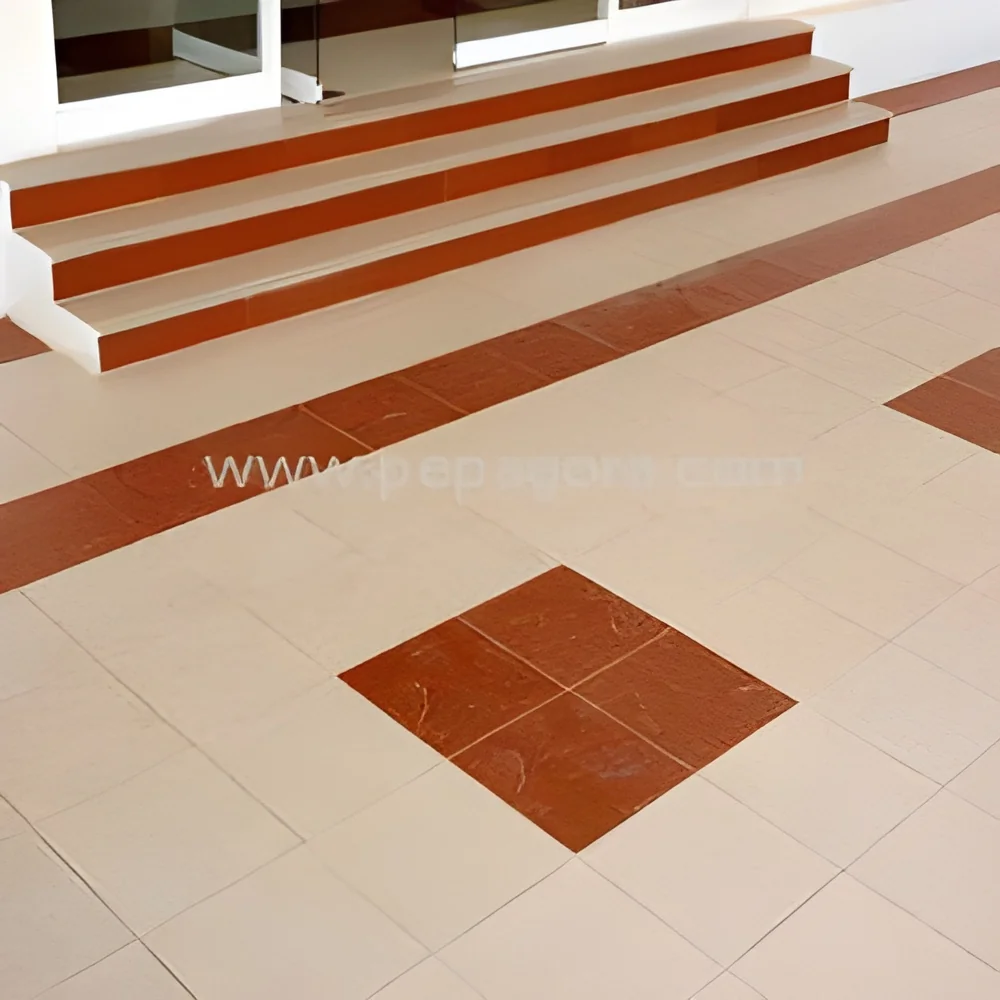
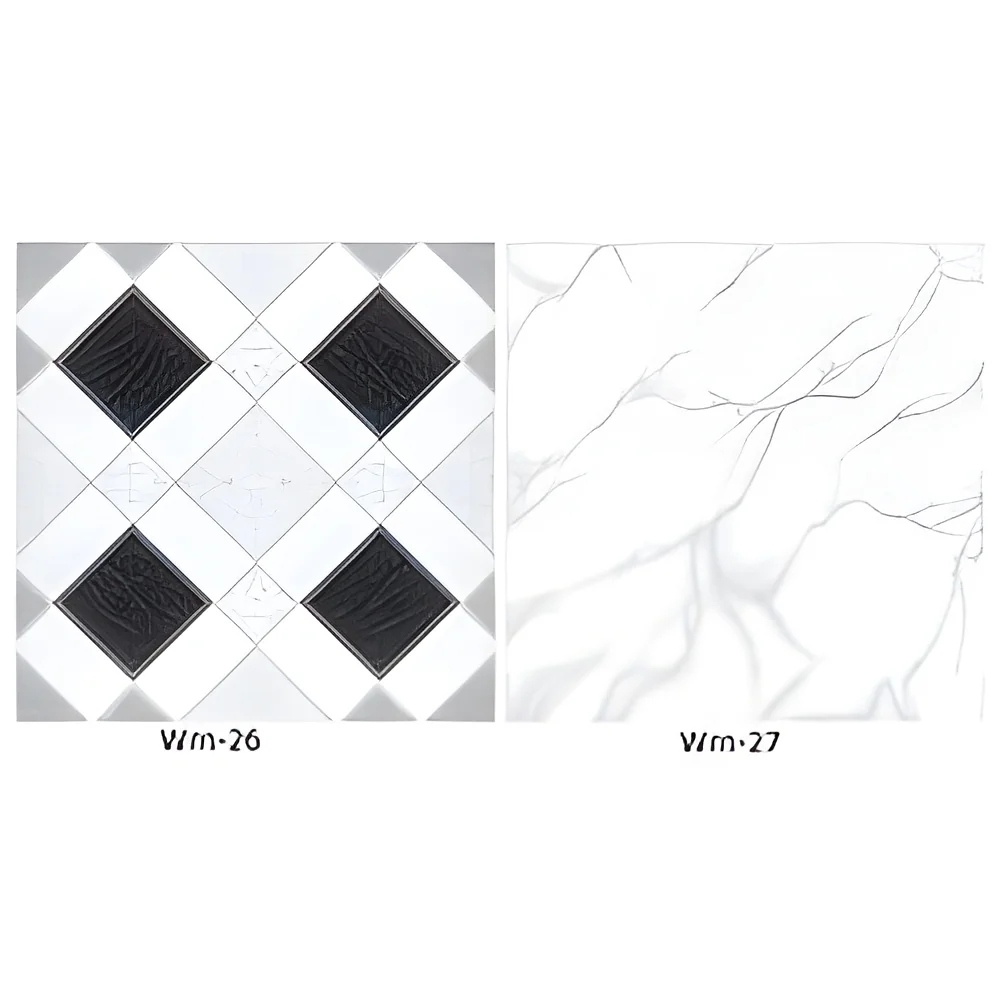
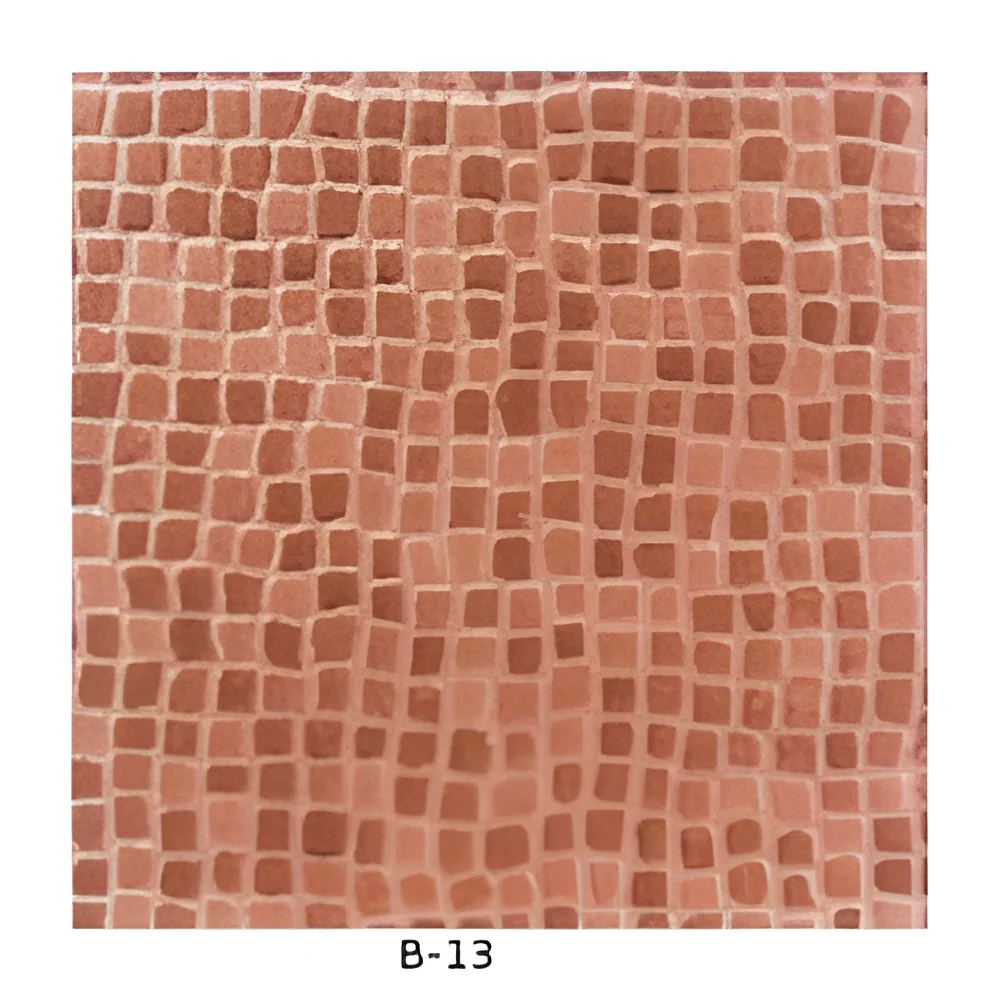
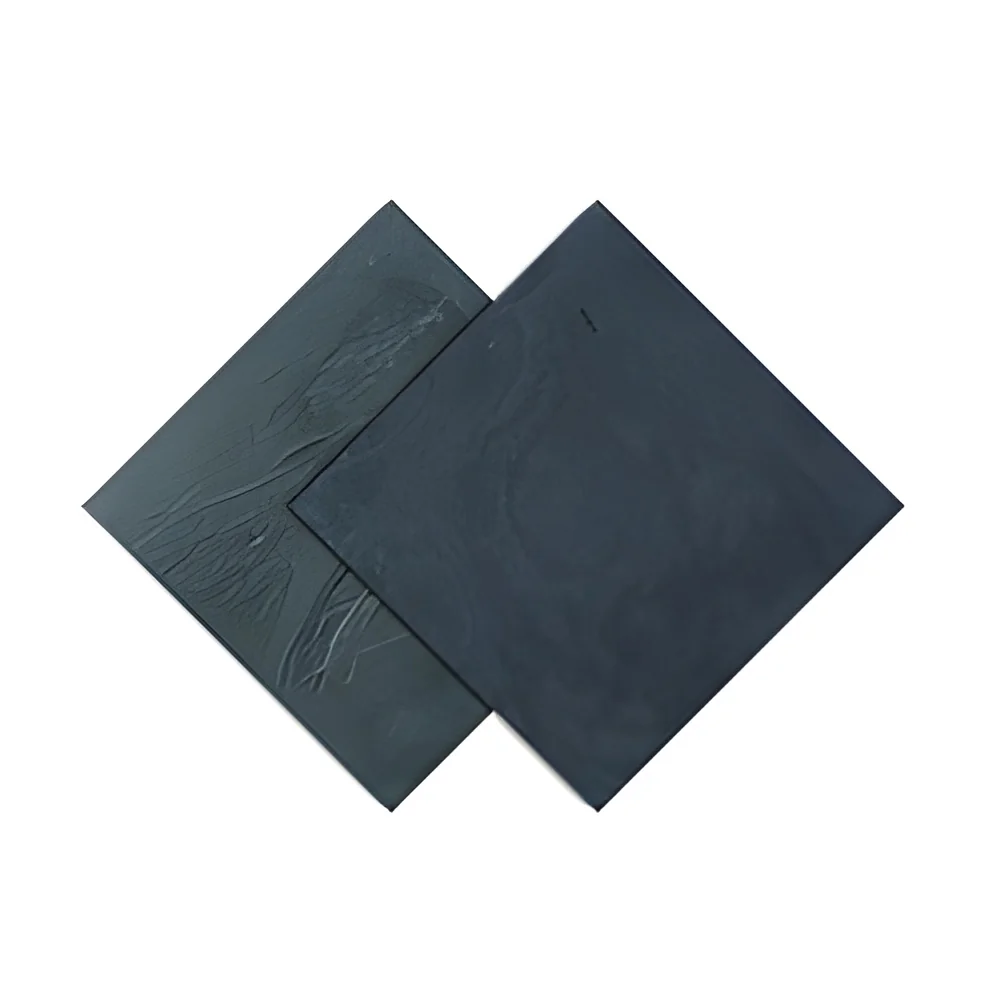
- Available in multiple finishes including glossy, matte, and anti-slip options, catering to different application requirements.
3. Size Variations
- Common sizes range from 600x600 mm to larger formats such as 1200x1200 mm, accommodating diverse installation needs.
4. Strength and Durability
- Vitrified tiles exhibit high breaking strength, typically exceeding 30 N/mm², ensuring they withstand heavy loads.
5. Frost Resistance
- These tiles are frost-resistant, making them suitable for outdoor applications in colder climates.
6. Chemical Resistance
- Vitrified tiles are resistant to various chemicals, making them ideal for industrial settings where spills may occur.
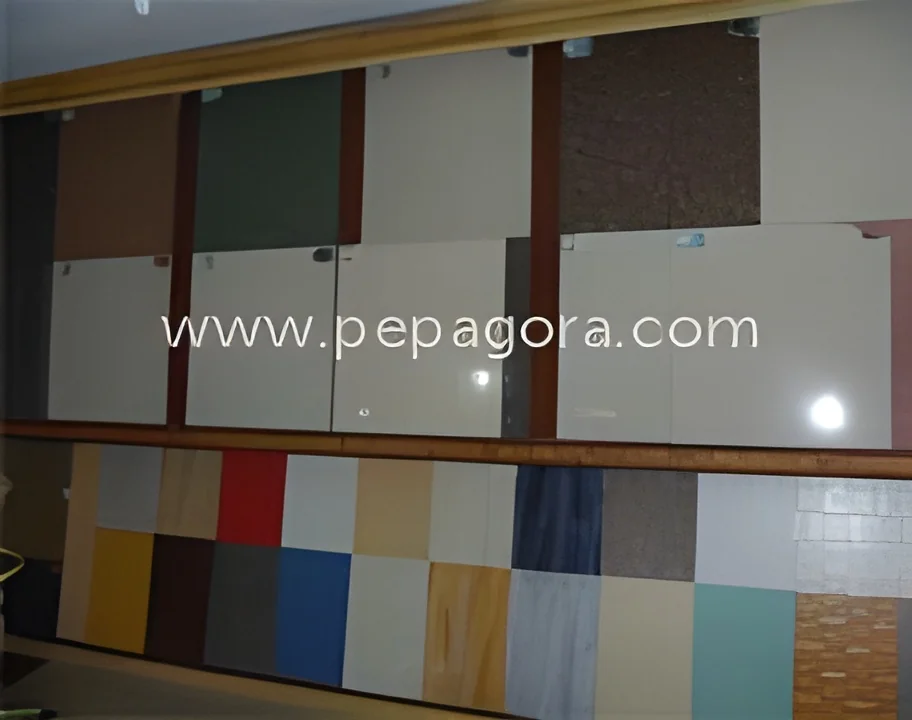
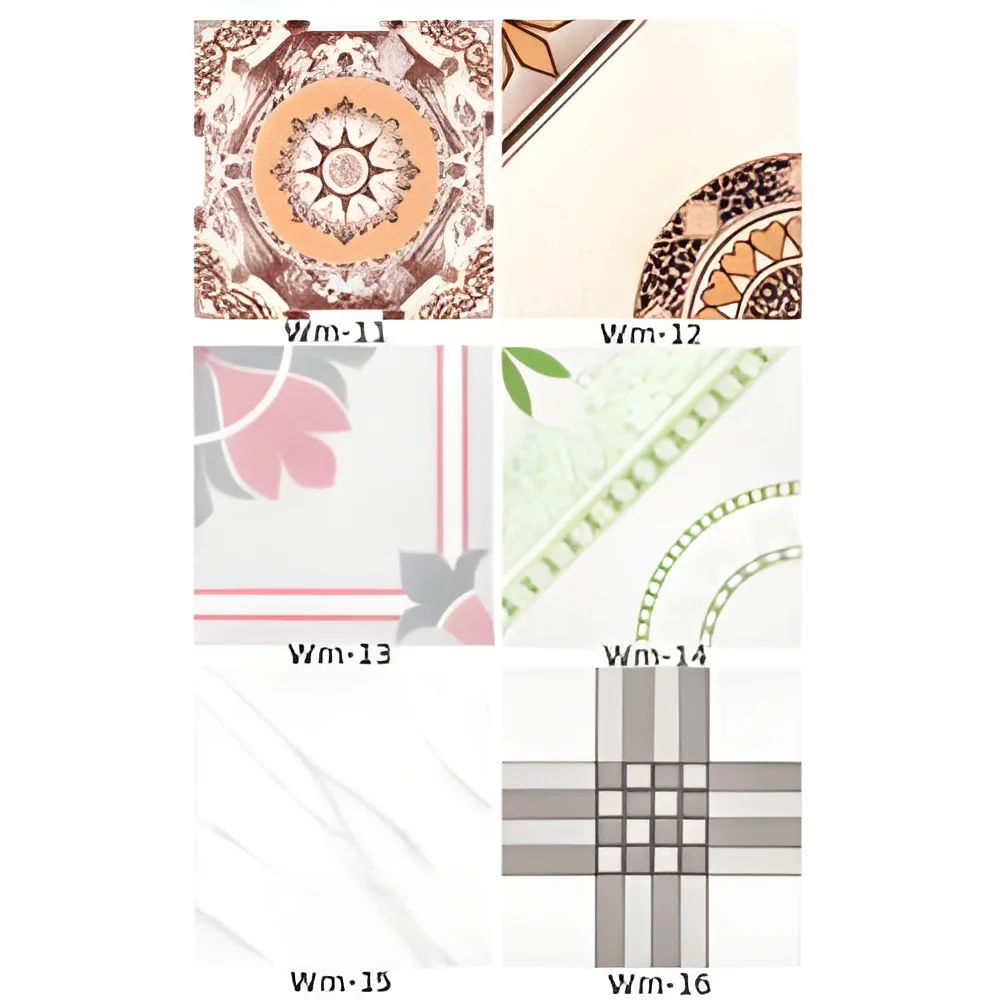
7. Color and Design Options
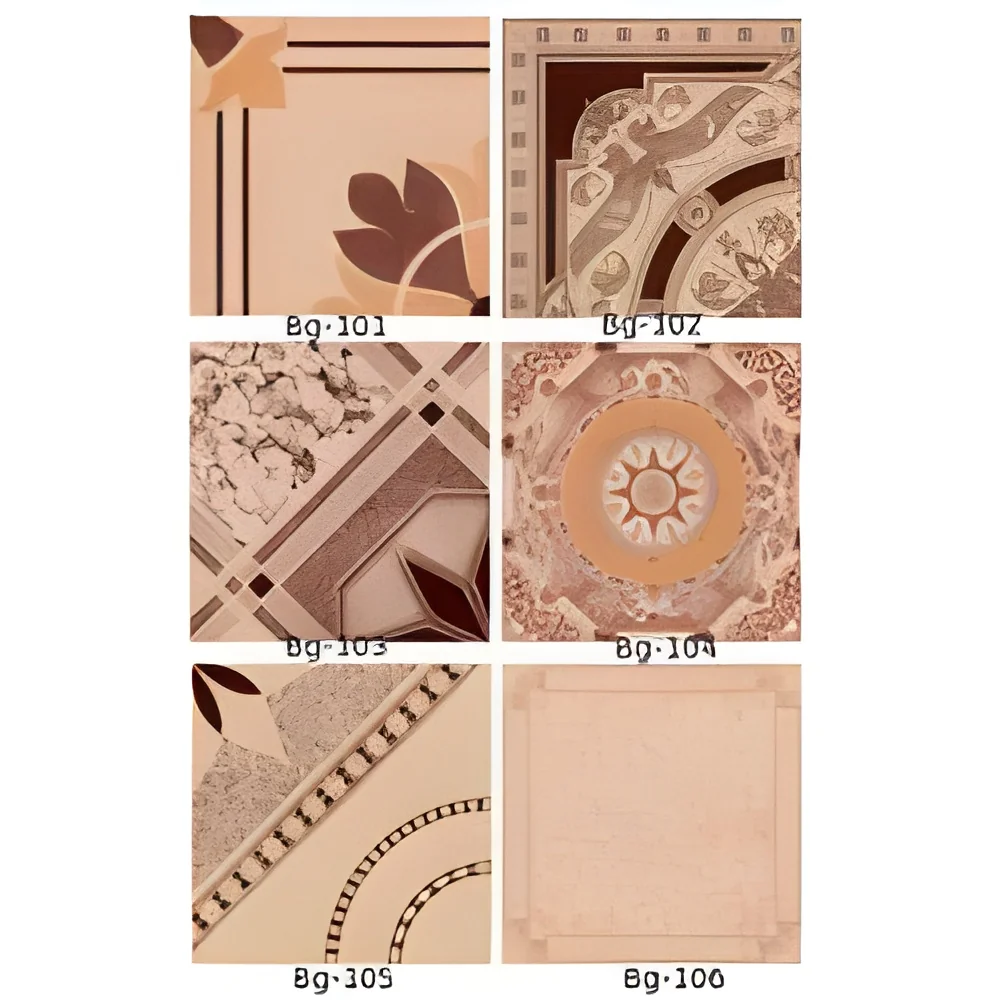
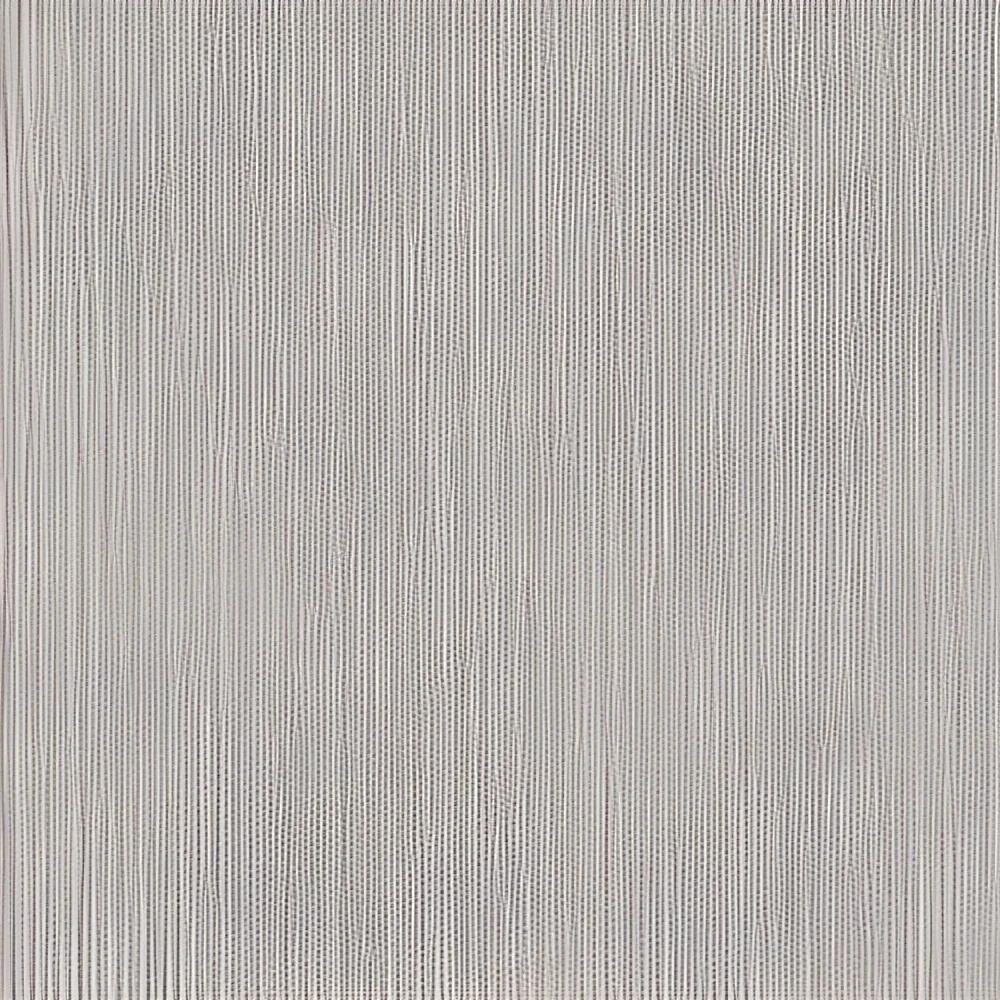
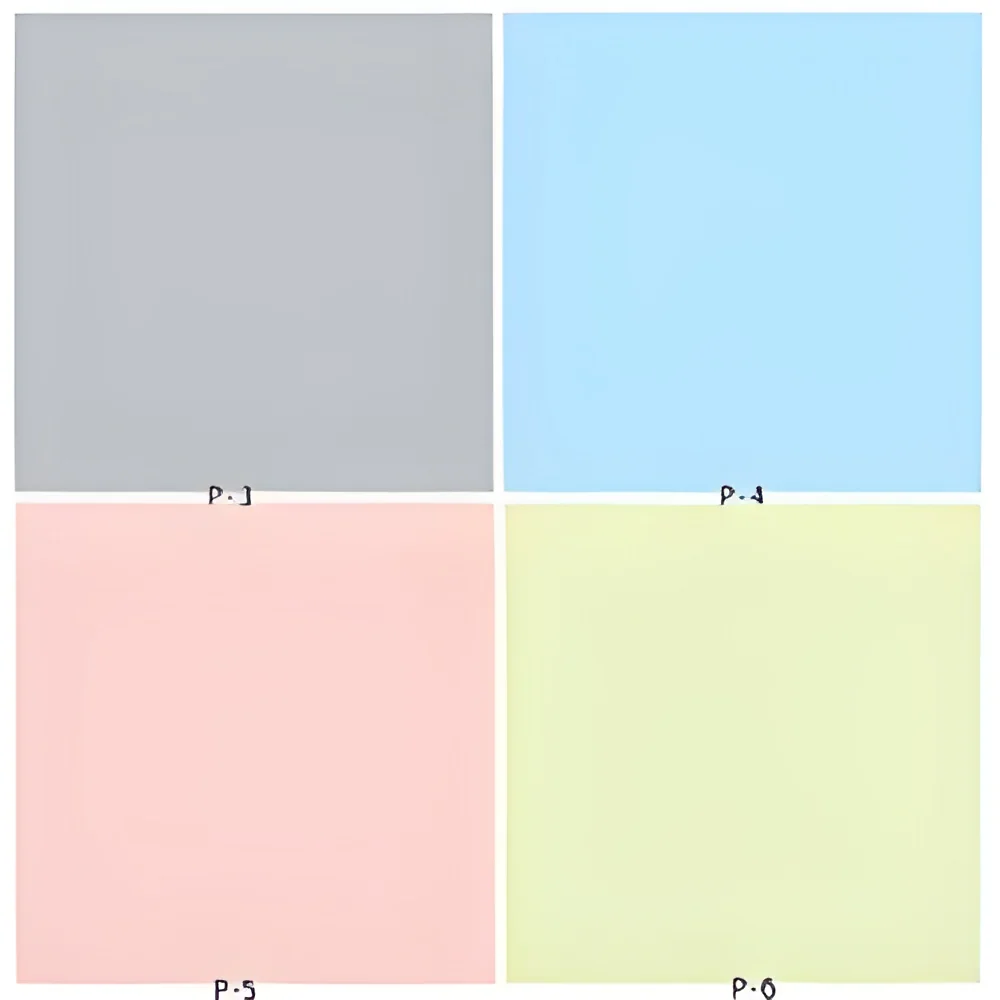
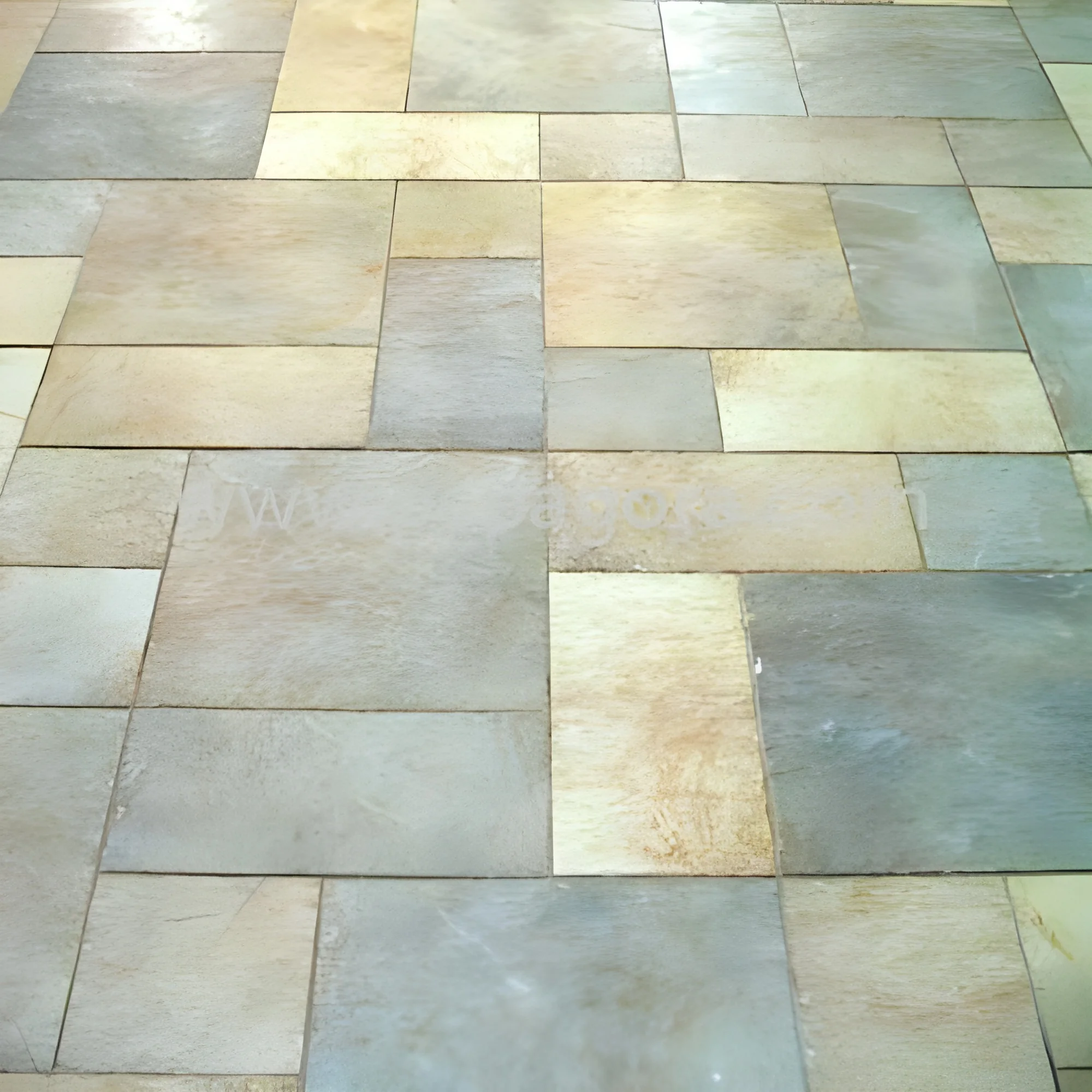
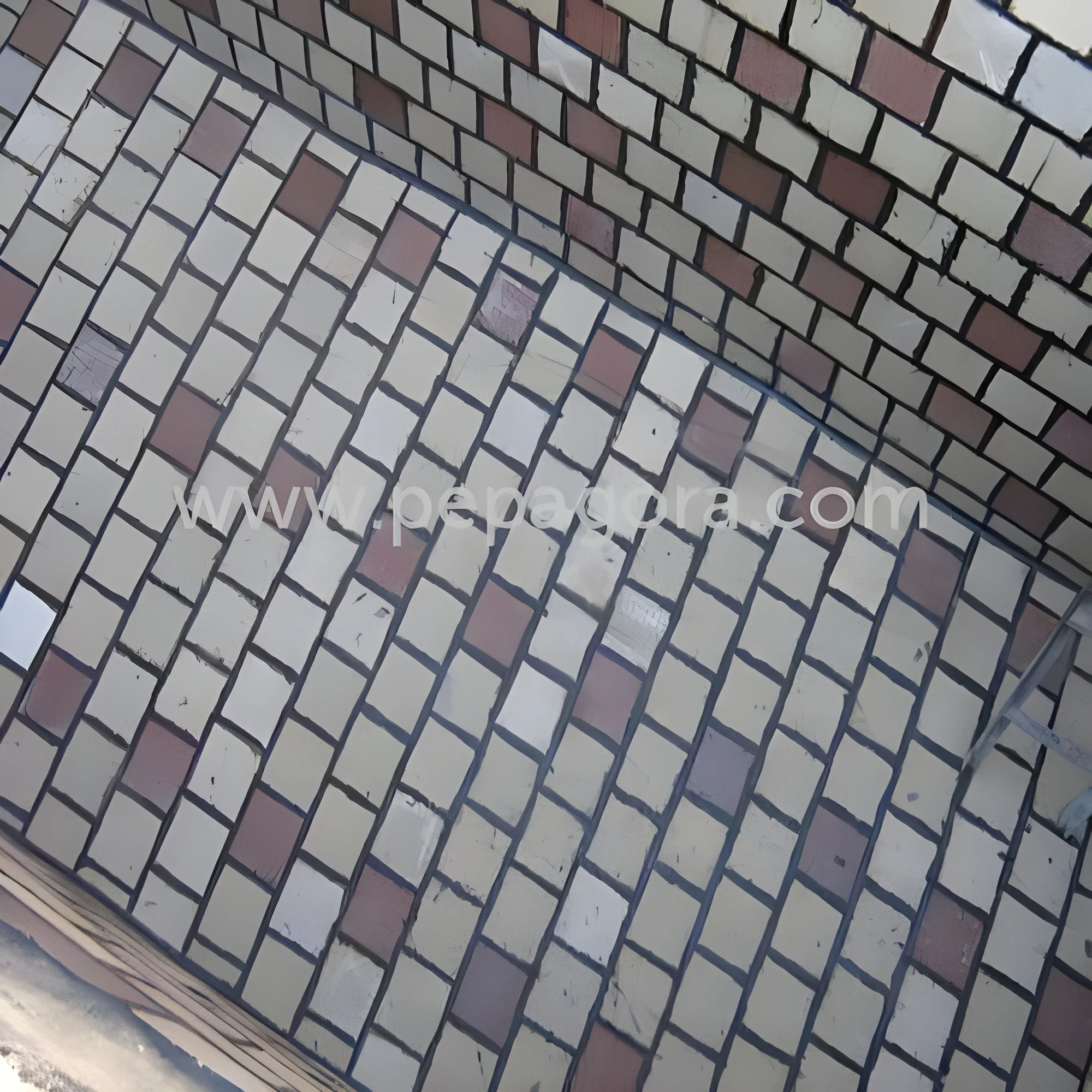
- Available in a wide variety of colors and patterns, allowing customization to match specific design aesthetics.
8. Ease of Maintenance
- The non-porous surface ensures easy cleaning and maintenance, reducing long-term upkeep costs.
In summary, the key features of vitrified floor tiles make them suitable for a wide range of applications while ensuring durability and low maintenance.
Common Applications and Use Cases
Vitrified floor tiles are versatile and find applications across multiple industries.
1. Retail: In retail spaces, vitrified tiles provide a polished and attractive finish that can withstand heavy foot traffic while being easy to clean.
2. Hospitality: Hotels and restaurants use these tiles for their aesthetic appeal and durability, ensuring that high-traffic areas remain appealing over time.
3. Healthcare: Hospitals and clinics benefit from the hygienic properties of vitrified tiles, which are resistant to bacteria and easy to sanitize.
4. Industrial: In factories and warehouses, the strength and chemical resistance of vitrified tiles make them ideal for floors that experience heavy machinery usage.
5. Educational Institutions: Schools and universities utilize these tiles for their durability and ease of maintenance, ensuring long-lasting performance in classrooms and common areas.
6. Residential: Homeowners prefer vitrified tiles for their modern look and practical benefits, making them suitable for living rooms, kitchens, and bathrooms.
7. Outdoor Spaces: With frost resistance and durability, vitrified tiles are also used in patios and outdoor walkways, enhancing outdoor aesthetics while providing functionality.
Product Variants and Subcategories
Vitrified floor tiles come in various forms, each tailored to meet specific needs and preferences in different environments.
Polished Vitrified Tiles
These tiles feature a glossy finish that enhances color and design, making them suitable for residential and commercial spaces where aesthetics are crucial.
Anti-slip Vitrified Tiles
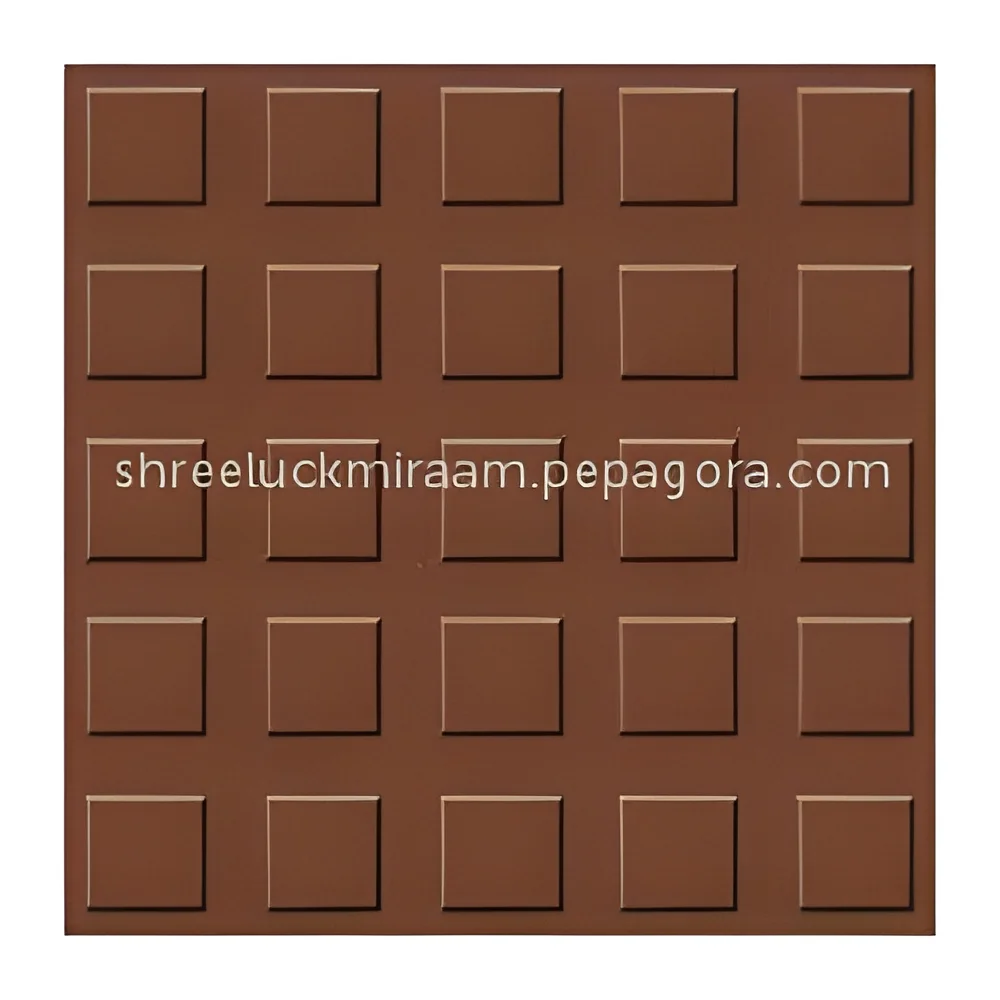
Designed with a textured surface, these tiles provide enhanced grip, making them ideal for wet areas such as bathrooms and outdoor spaces.
Digital Vitrified Tiles
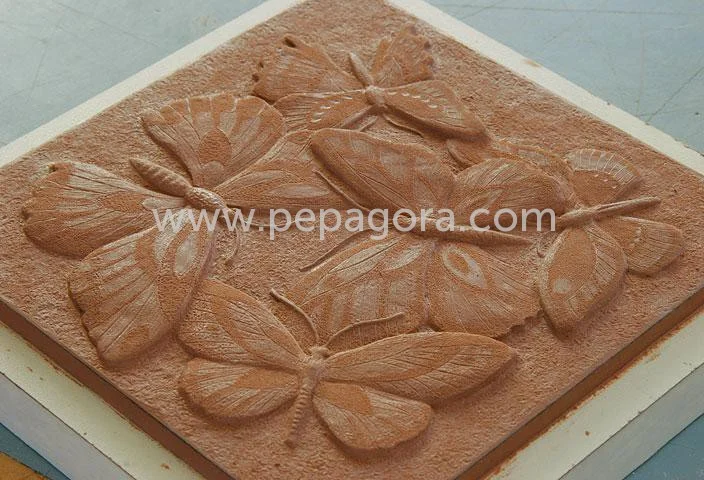
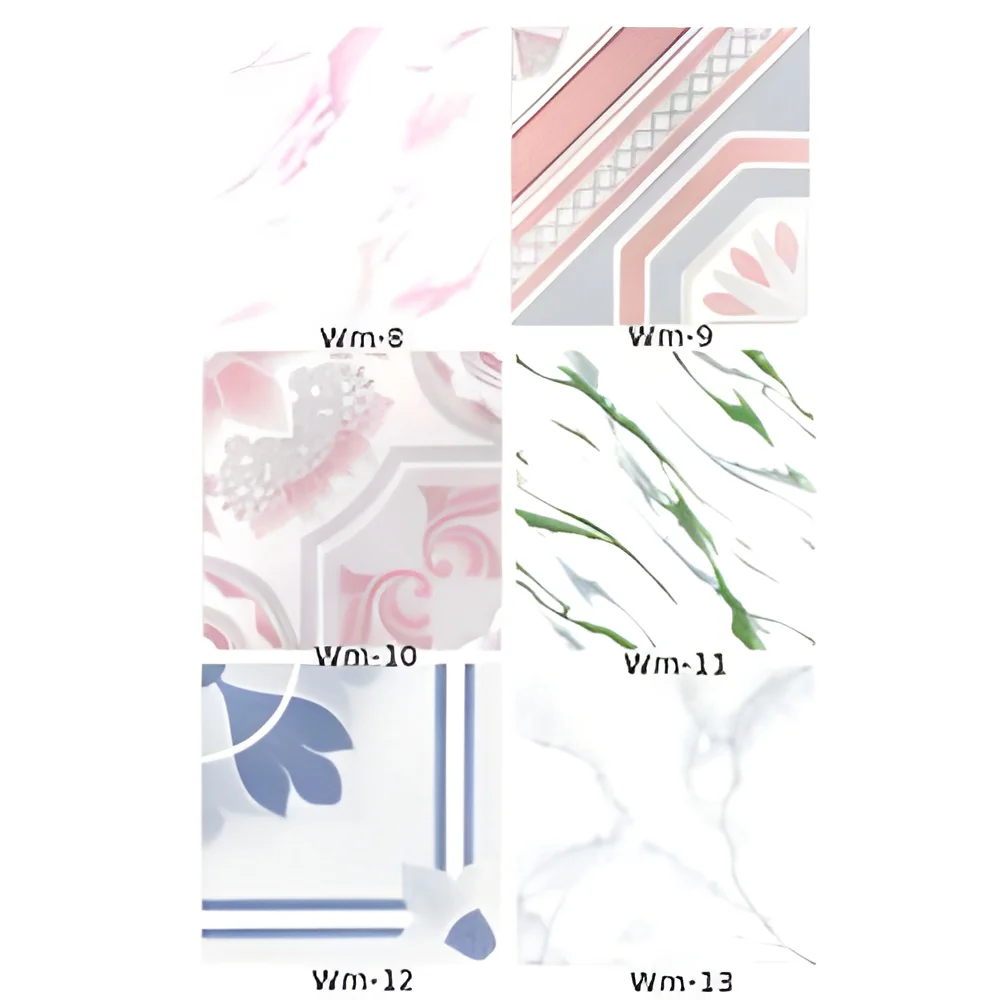
Utilizing advanced printing technology, these tiles offer detailed designs and patterns, allowing for unique and customized appearances in various applications.
Glazed Vitrified Tiles
These tiles have a glass-like finish that offers a wide range of colors and patterns while providing additional protection against stains and scratches.
Benefits and Advantages
Choosing vitrified floor tiles comes with numerous benefits that make them a smart investment for businesses.
1. Durability: Vitrified tiles are known for their strength and longevity, making them ideal for high-traffic areas.
2. Low Maintenance: Their non-porous surface and resistance to stains mean that these tiles are easy to clean, reducing maintenance efforts and costs.
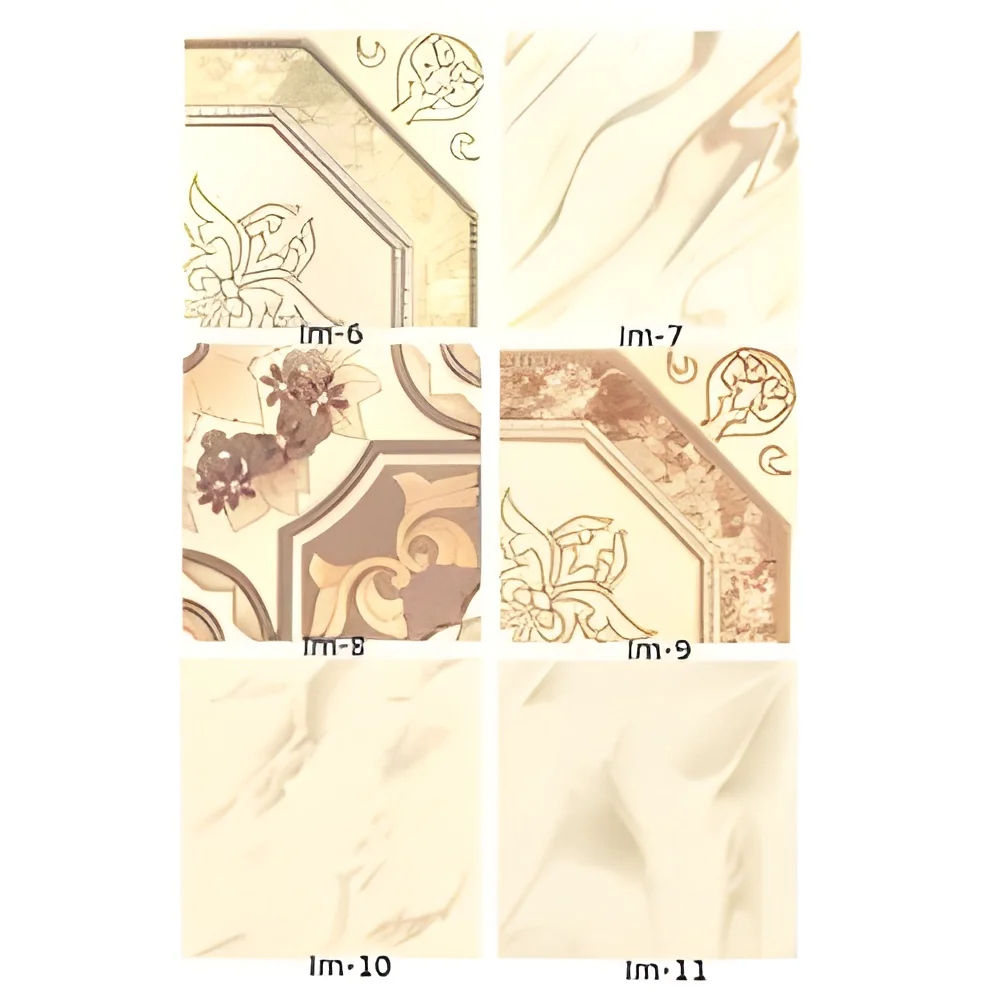
3. Aesthetic Variety: With a wide array of designs and finishes, vitrified tiles can enhance the visual appeal of any space.
4. Cost-Effectiveness: Their long lifespan and low maintenance needs contribute to overall cost savings over time.
5. Environmental Sustainability: Many vitrified tiles are produced using eco-friendly processes and materials, appealing to businesses focused on sustainability.
6. Versatility: Suitable for a range of applications from residential to industrial, vitrified tiles accommodate diverse needs and settings.
Buying Guide for B2B Buyers
When sourcing vitrified floor tiles, several key factors should be considered to ensure the right selection and supplier.
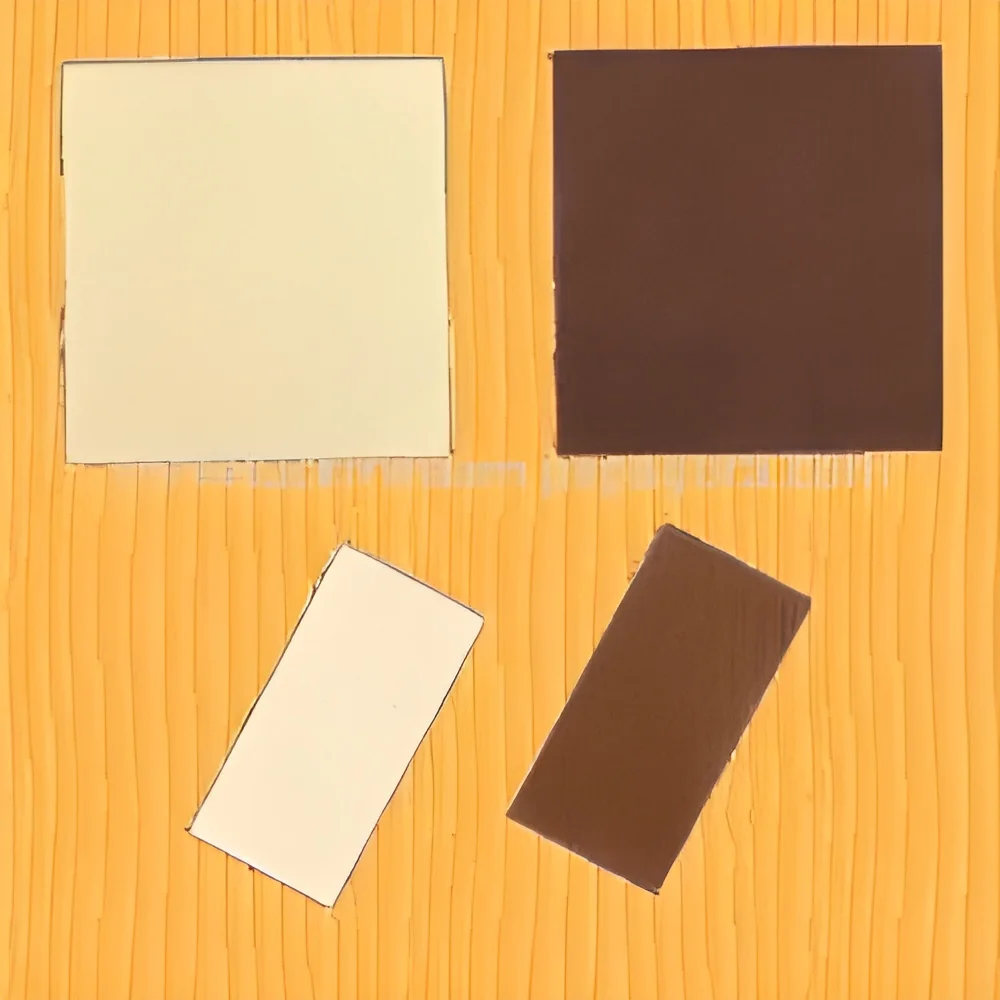
1. Quality Assessment: Look for tiles that meet industry standards for strength and durability. Request samples to evaluate absorbency and finish.
2. Supplier Verification: Vet suppliers by checking their reputation, certifications, and customer reviews to ensure reliability and quality.
3. Pricing and MOQ: Understand pricing structures and minimum order quantities to determine cost-effectiveness for your specific needs.
4. Delivery and Lead Times: Discuss delivery schedules and lead times with suppliers to ensure timely project completion.
5. Compliance Requirements: Ensure that the tiles meet local regulations and standards, such as CE certification, to avoid compliance issues.
Compliance and Certifications
Vitrified floor tiles must adhere to various quality standards and certifications to guarantee safety and performance in different settings. ISO 9001 is a widely recognized quality management standard that ensures consistent product quality throughout the manufacturing process.
Additionally, industry certifications such as CE indicate that the tiles meet European safety, health, and environmental protection standards. These certifications are crucial for businesses seeking compliance in construction and renovation projects.
Safety and testing requirements also play a vital role in the production of vitrified tiles. They must undergo rigorous testing for slip resistance, chemical resistance, and durability to ensure they are safe for use in various environments.
Regional compliance considerations may vary, so it is essential for businesses to understand local regulations governing building materials to ensure that the vitrified tiles they source are compliant.
Why Source Vitrified Floor Tiles from Pepagora?
Pepagora stands out as a trusted platform for sourcing vitrified floor tiles, offering several key advantages for B2B buyers.
The verified supplier network ensures that buyers can connect with reputable manufacturers and suppliers who meet industry standards and requirements. This verification process helps in mitigating risks associated with sourcing materials.
The streamlined RFQ process simplifies the quotation system, allowing buyers to receive competitive pricing and specifications from multiple suppliers quickly. This efficiency can lead to significant time and cost savings.
Trade assurance and support provided by Pepagora enhance buyer protection, giving businesses confidence in their purchasing decisions. Comprehensive support throughout the sourcing process ensures that buyers have access to necessary resources and information.
Finally, Pepagora's regional coverage spans India, the GCC, and Southeast Asia, making it easier for businesses to source vitrified floor tiles in different markets. This geographic reach allows for better supply chain management and access to a diverse range of products.

 IN
IN