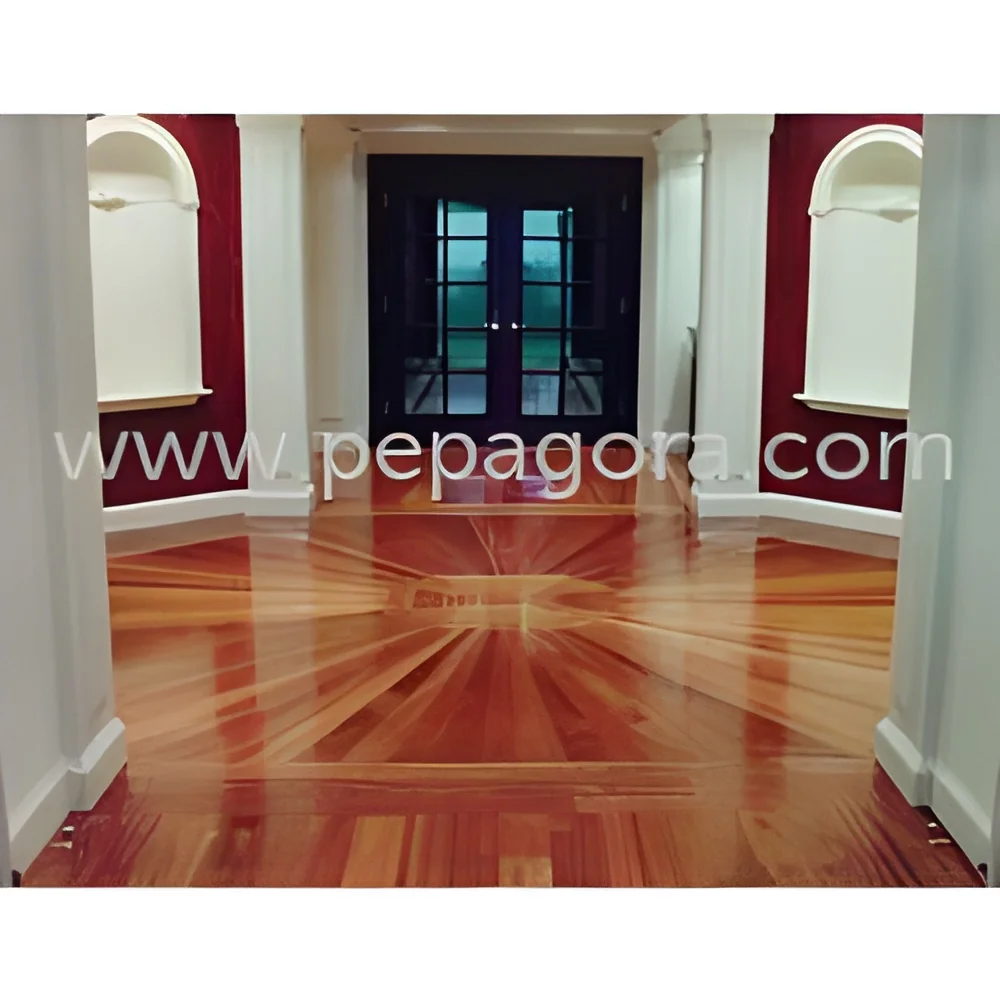
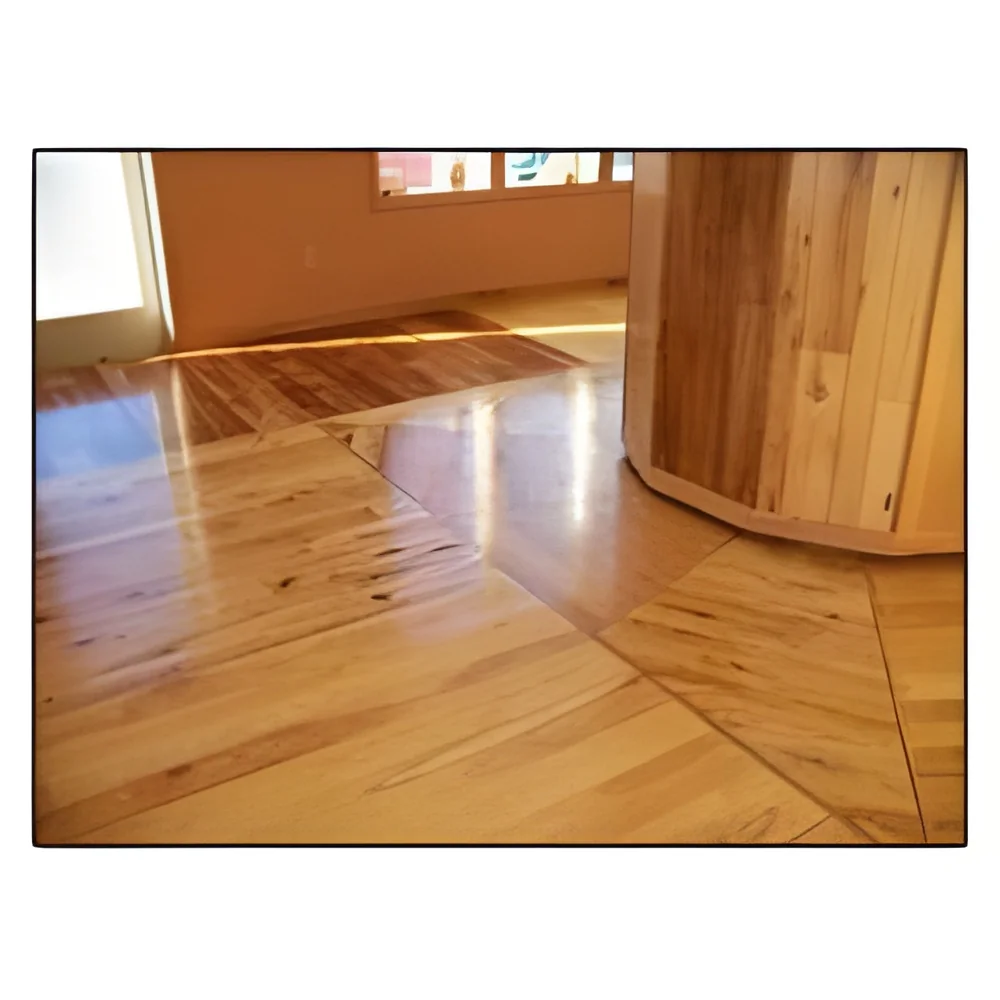
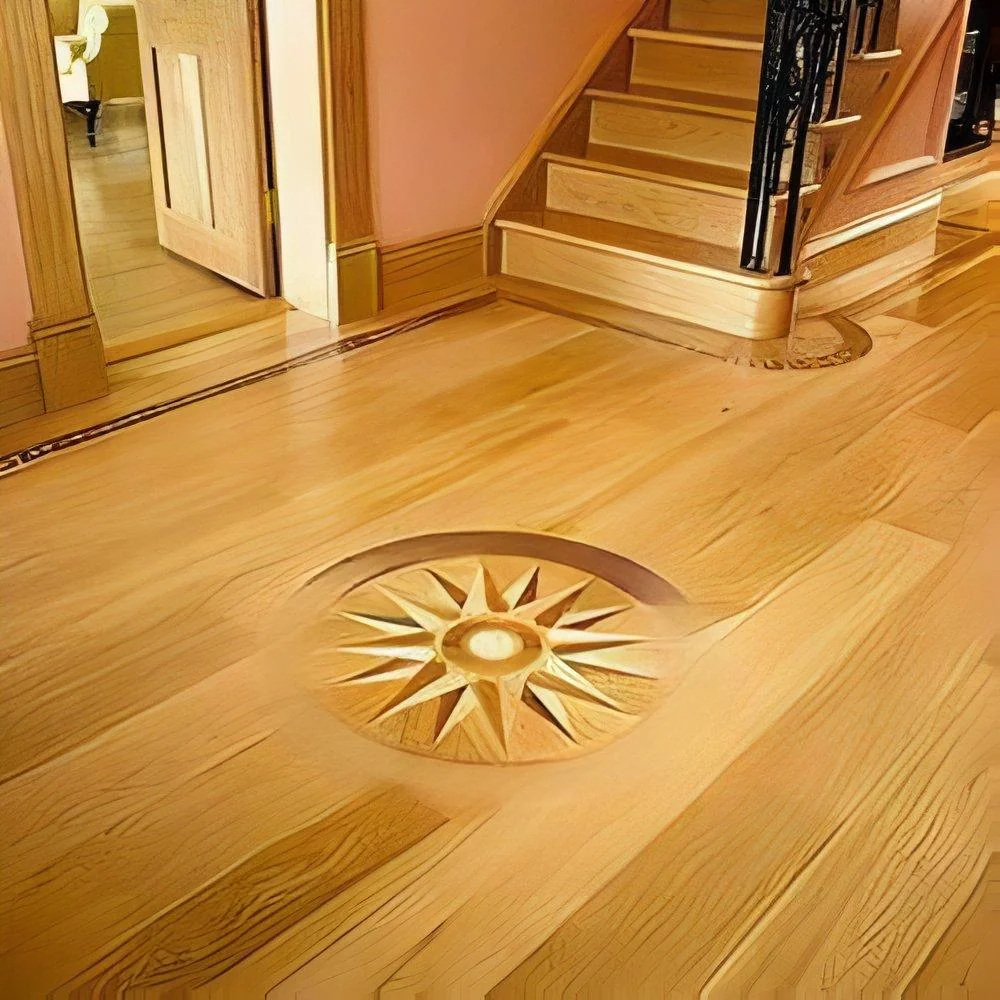
What are Engineered Wood Flooring?
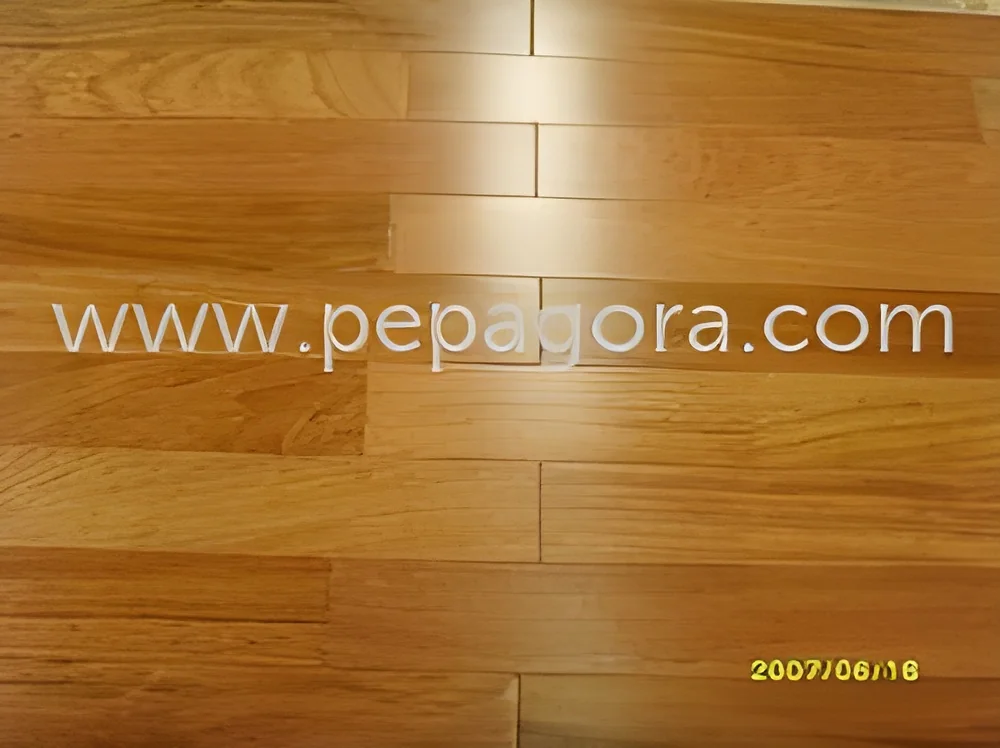
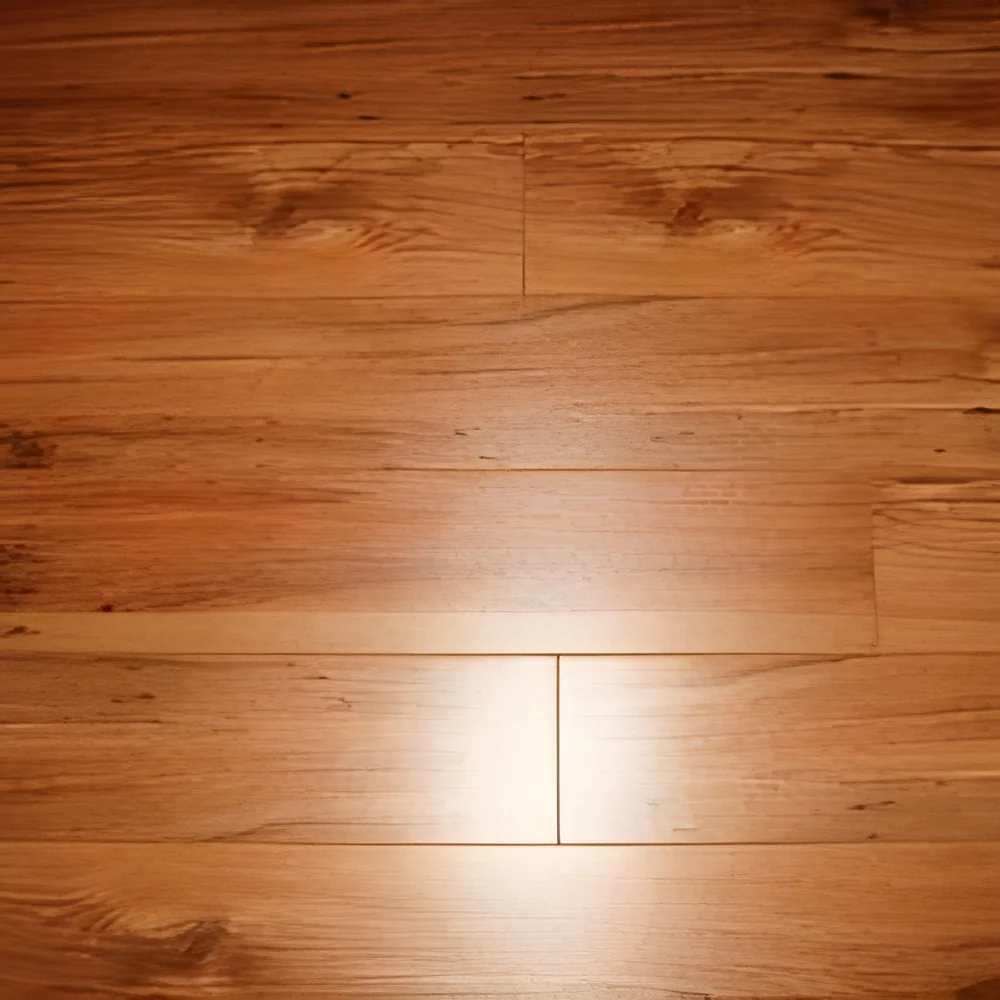
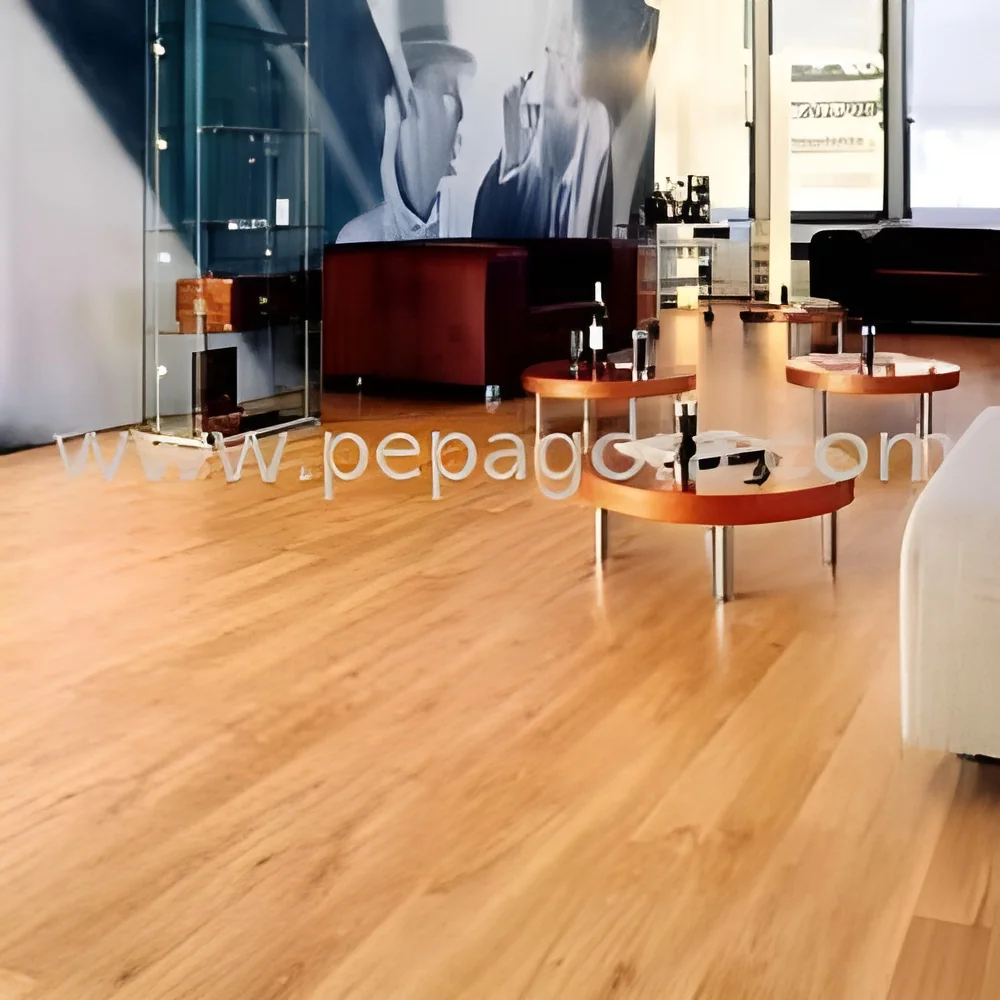
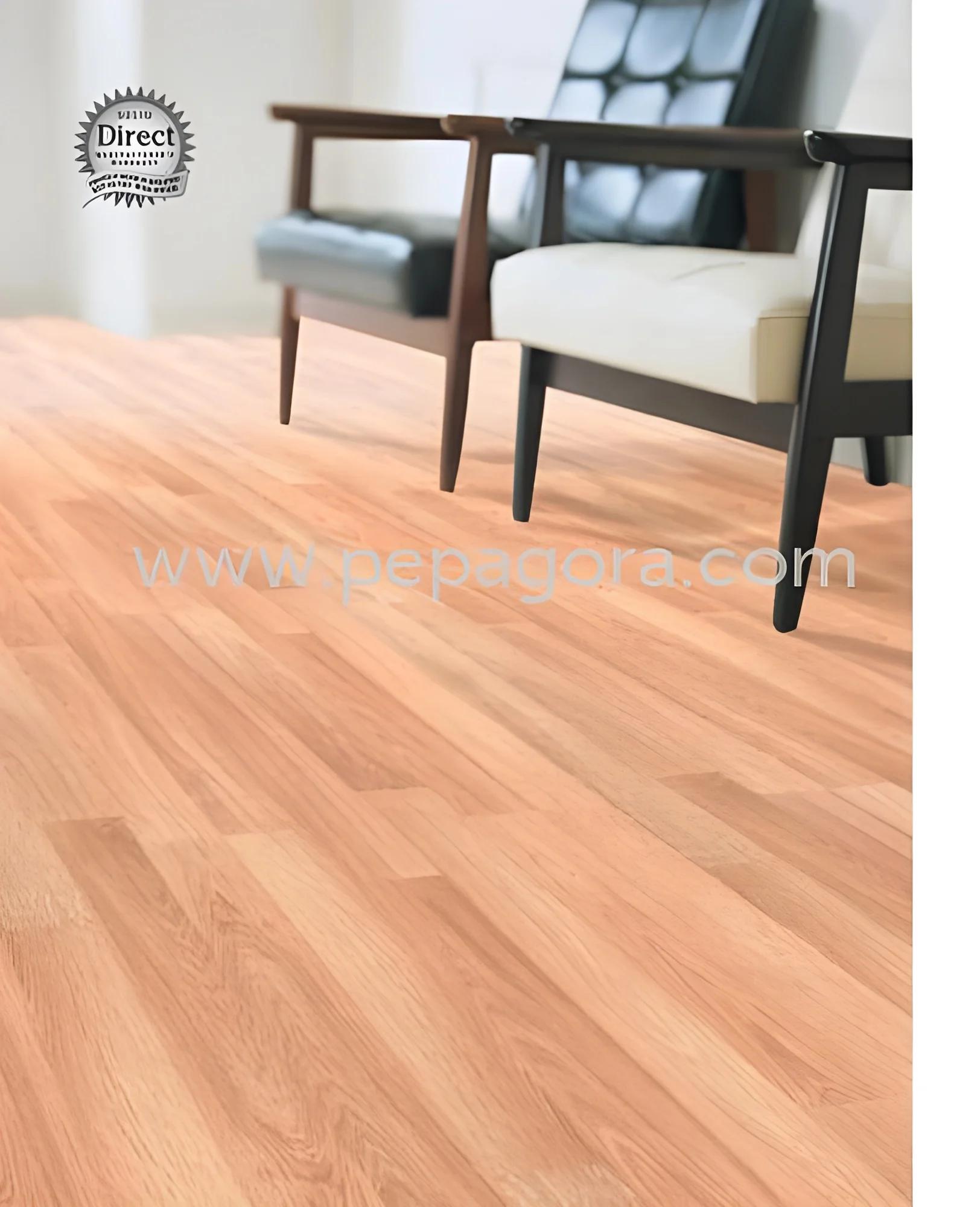
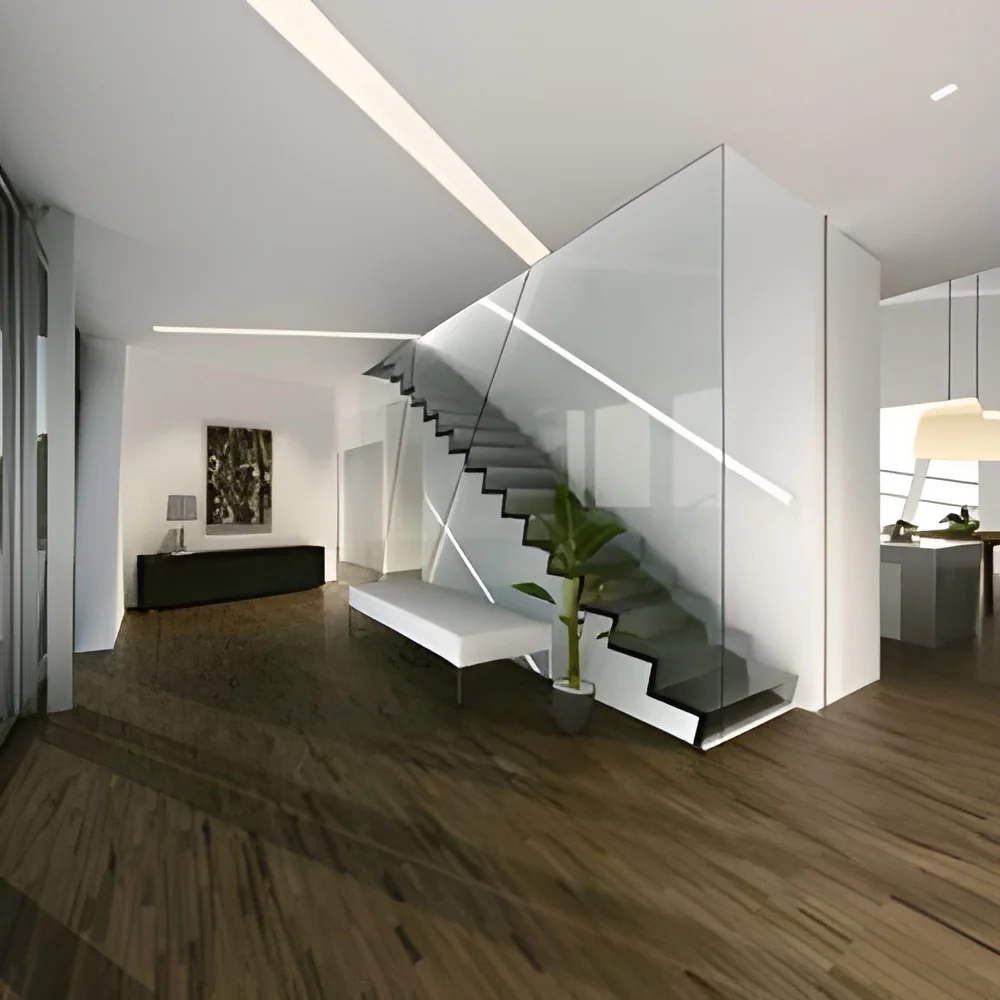
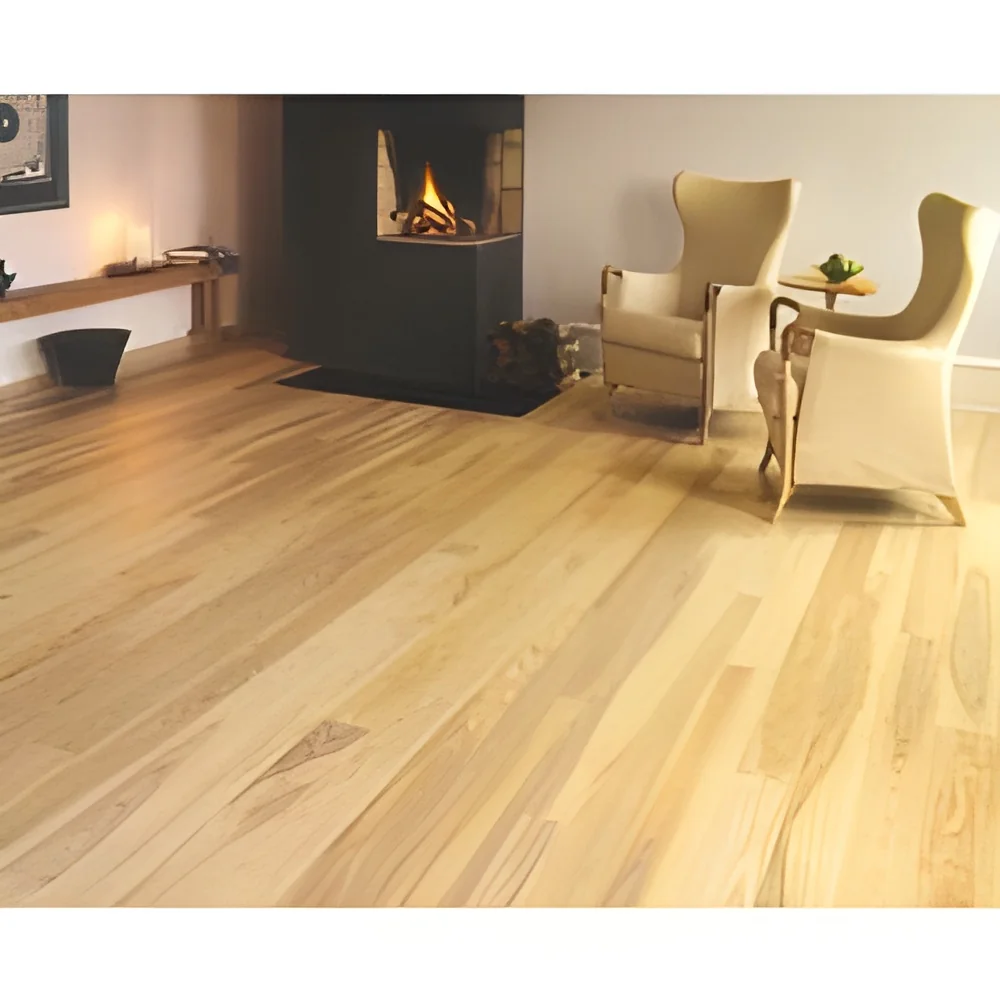
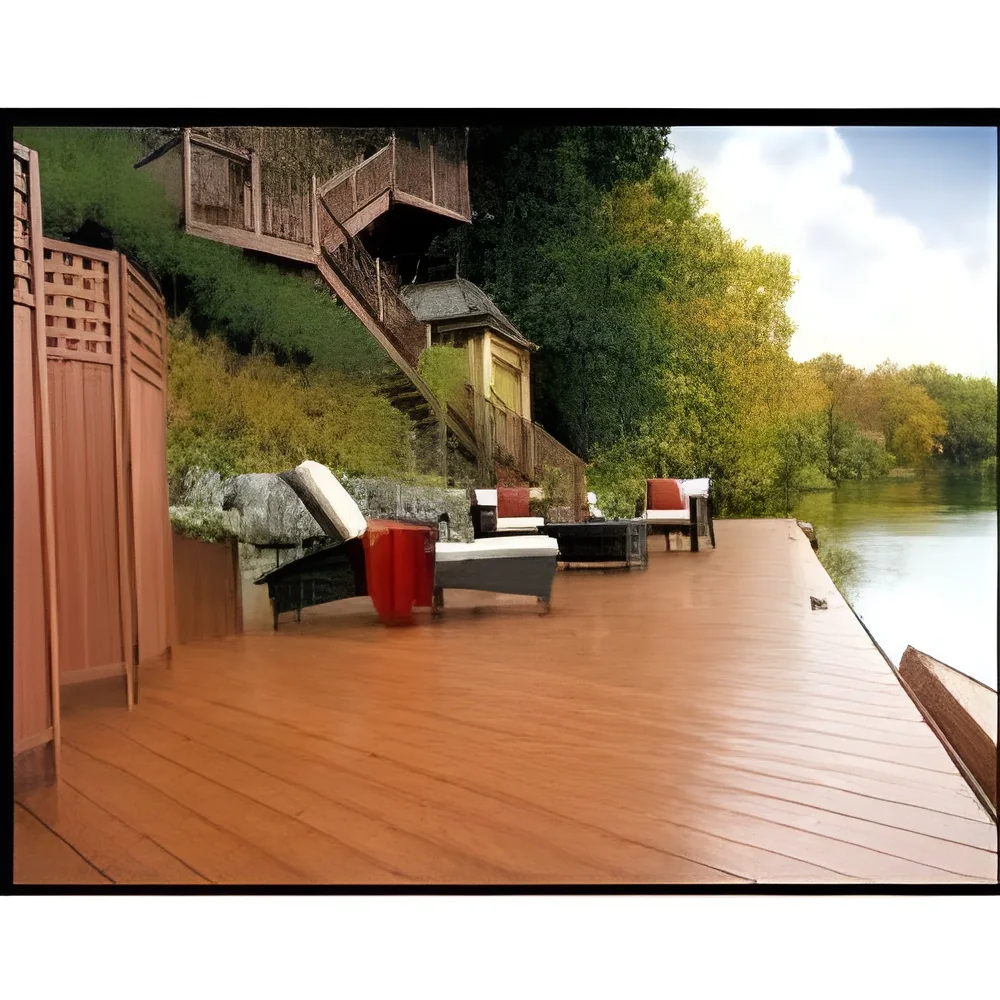
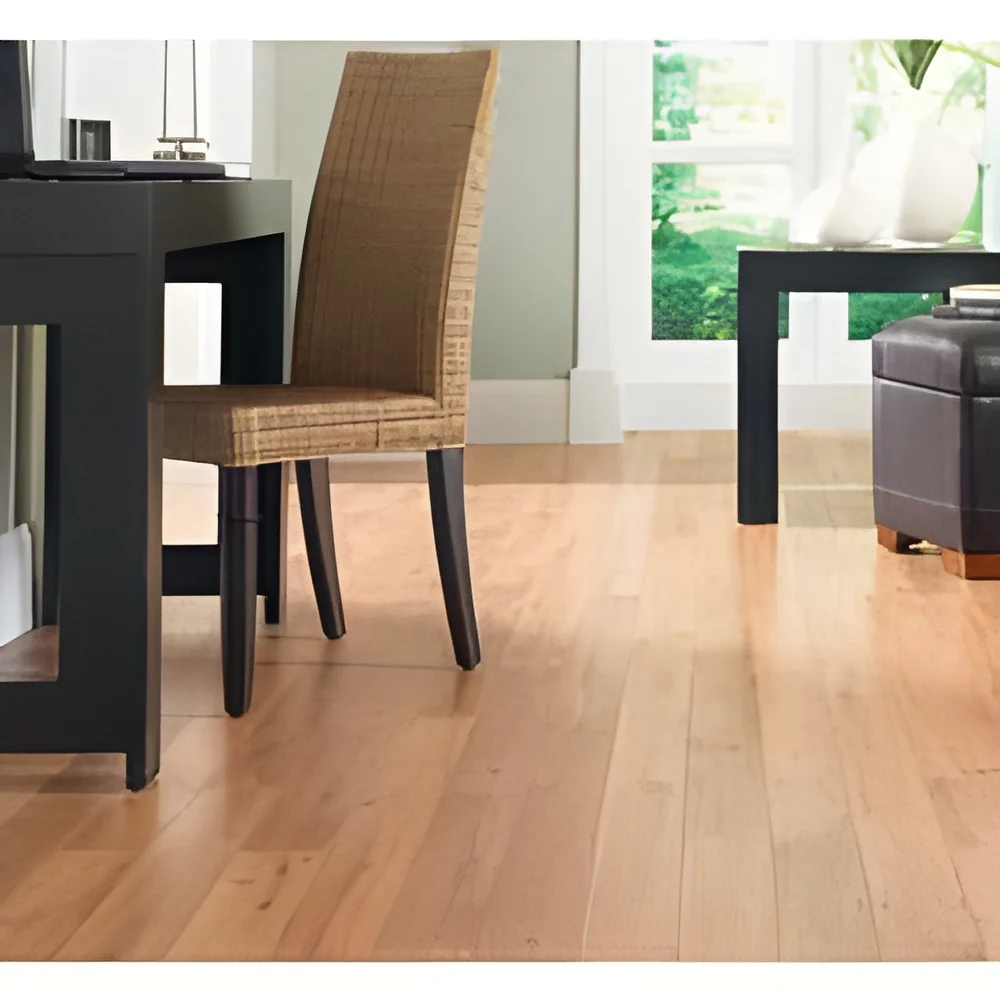
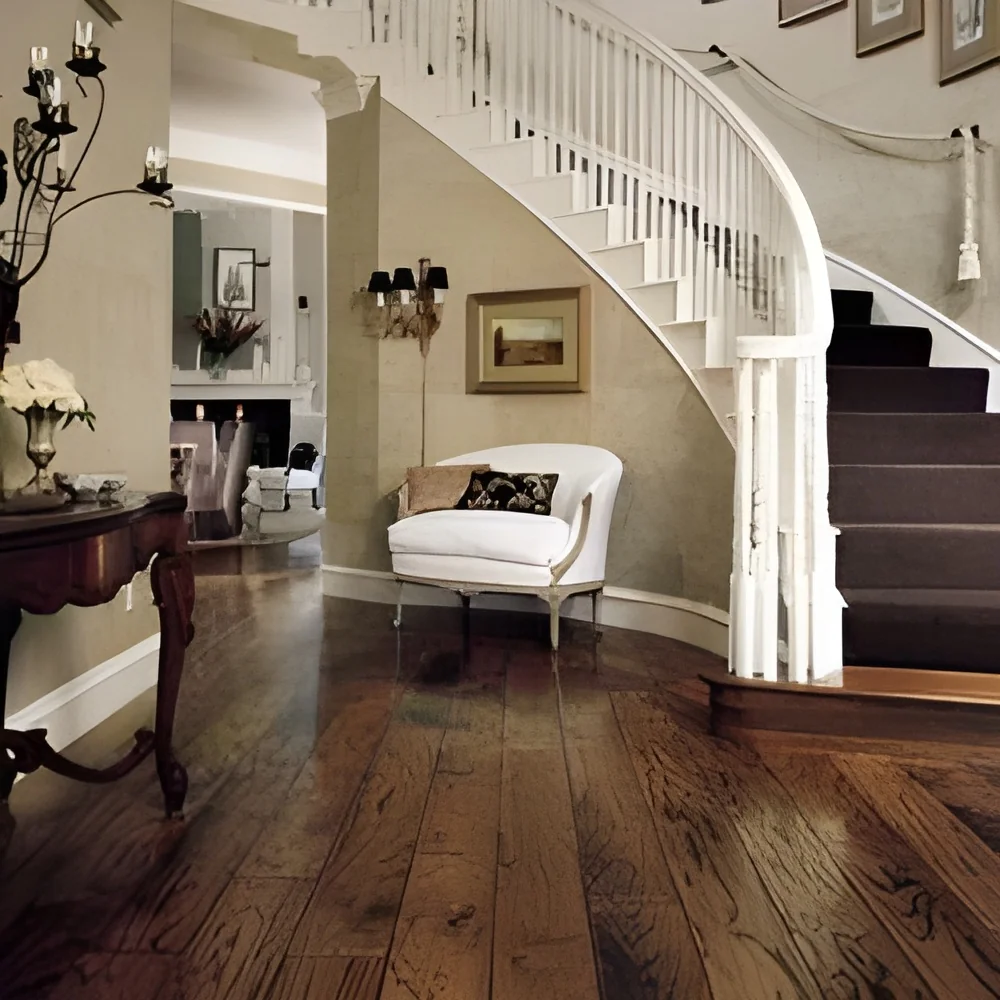
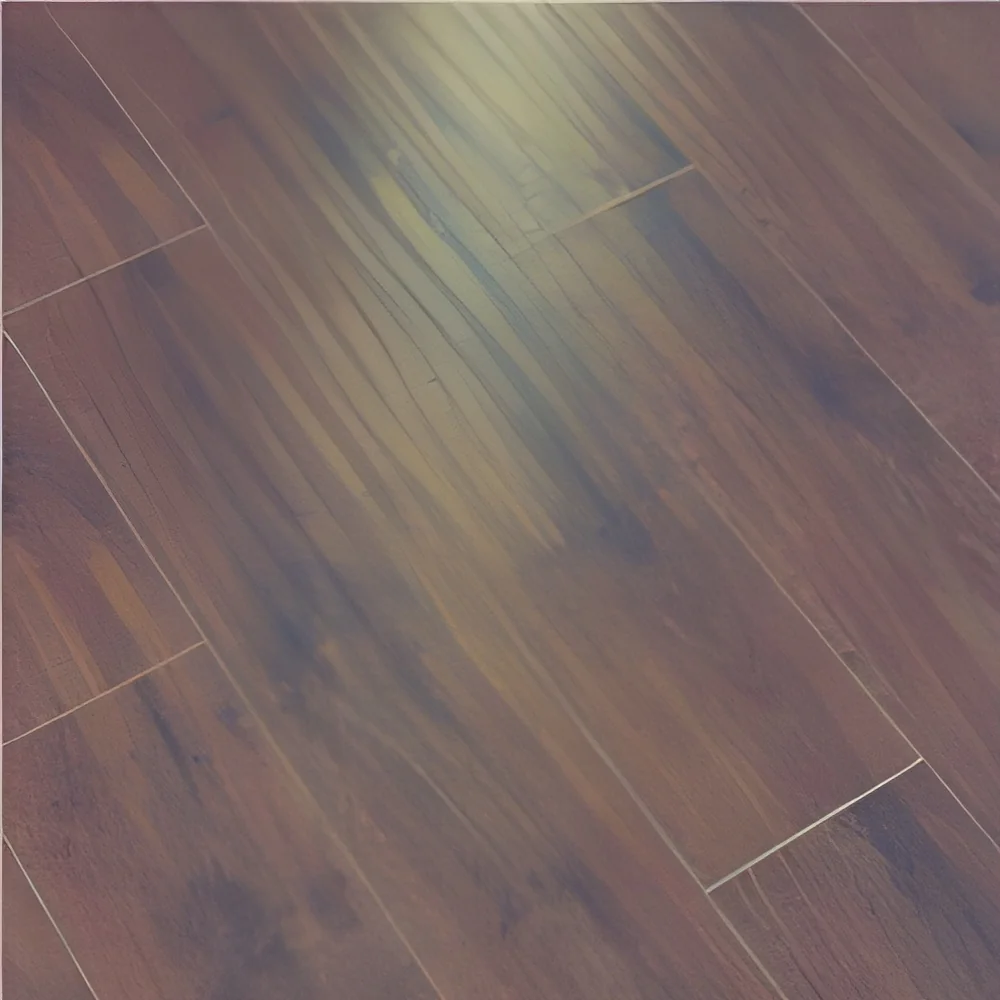
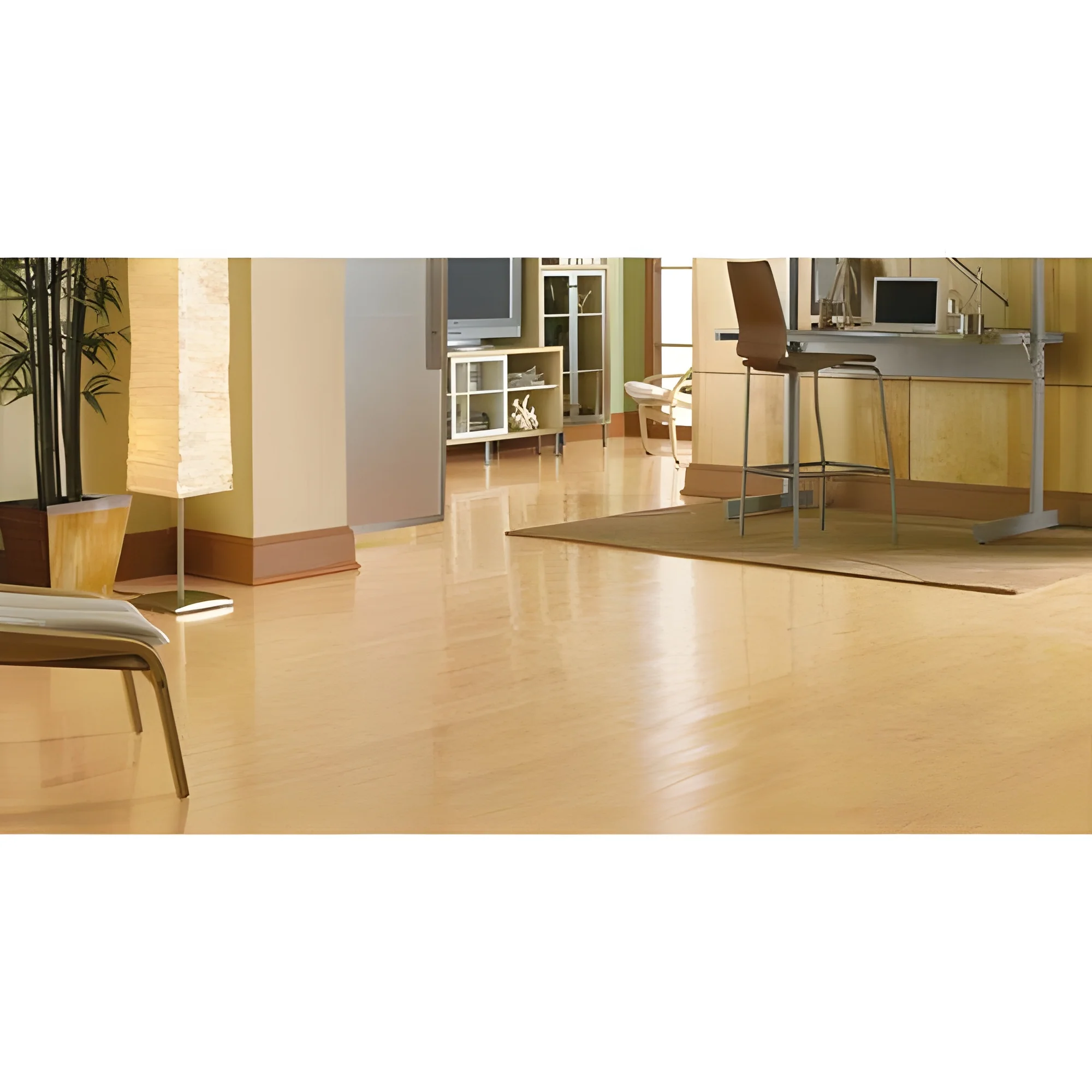
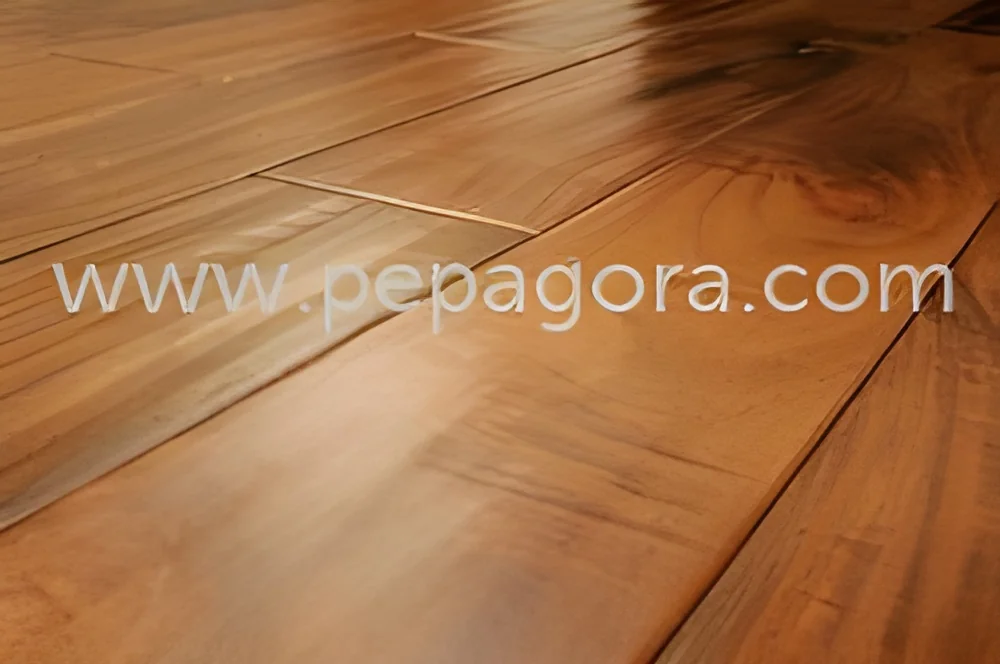
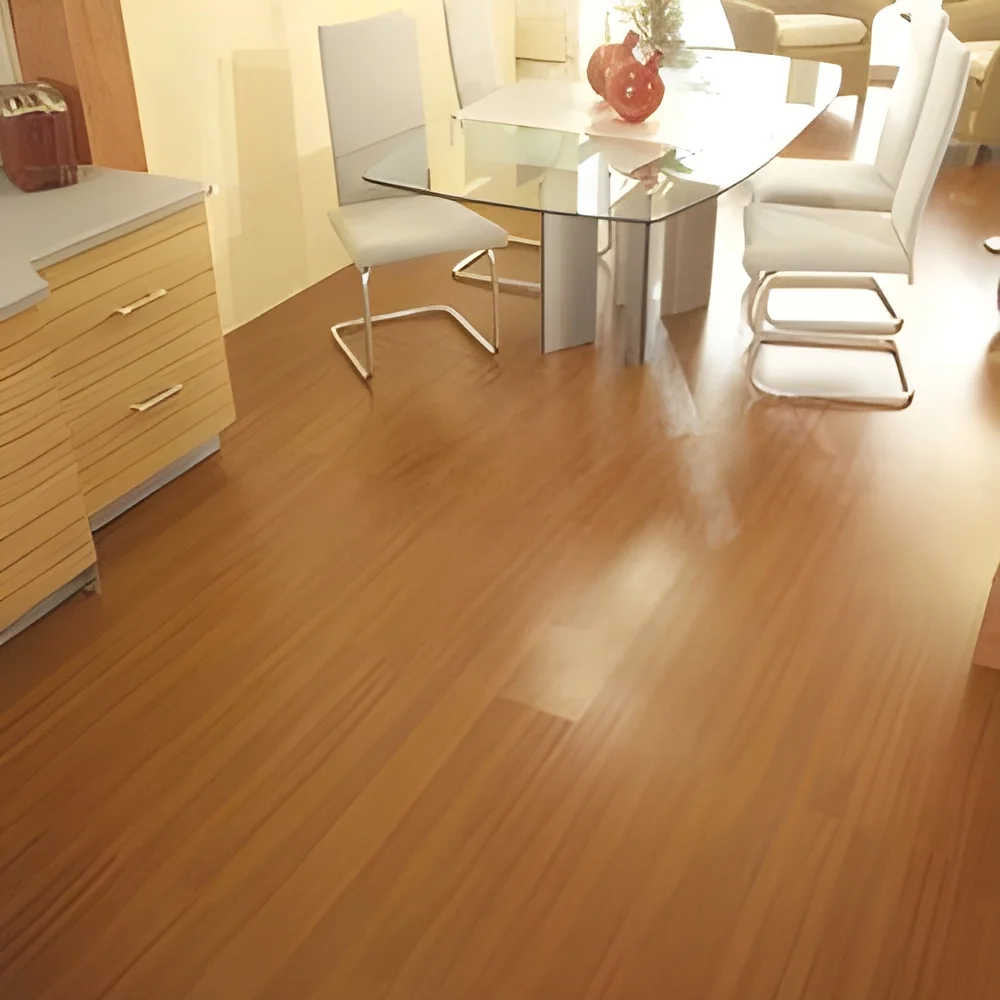
Engineered wood flooring is a high-quality flooring solution that combines the natural beauty of wood with advanced manufacturing techniques. It consists of multiple layers of wood, with a top layer made of real hardwood and underlying layers made from plywood or high-density fiberboard. This construction method enhances stability and reduces the risk of warping and shrinking, making engineered wood a popular choice for various environments.
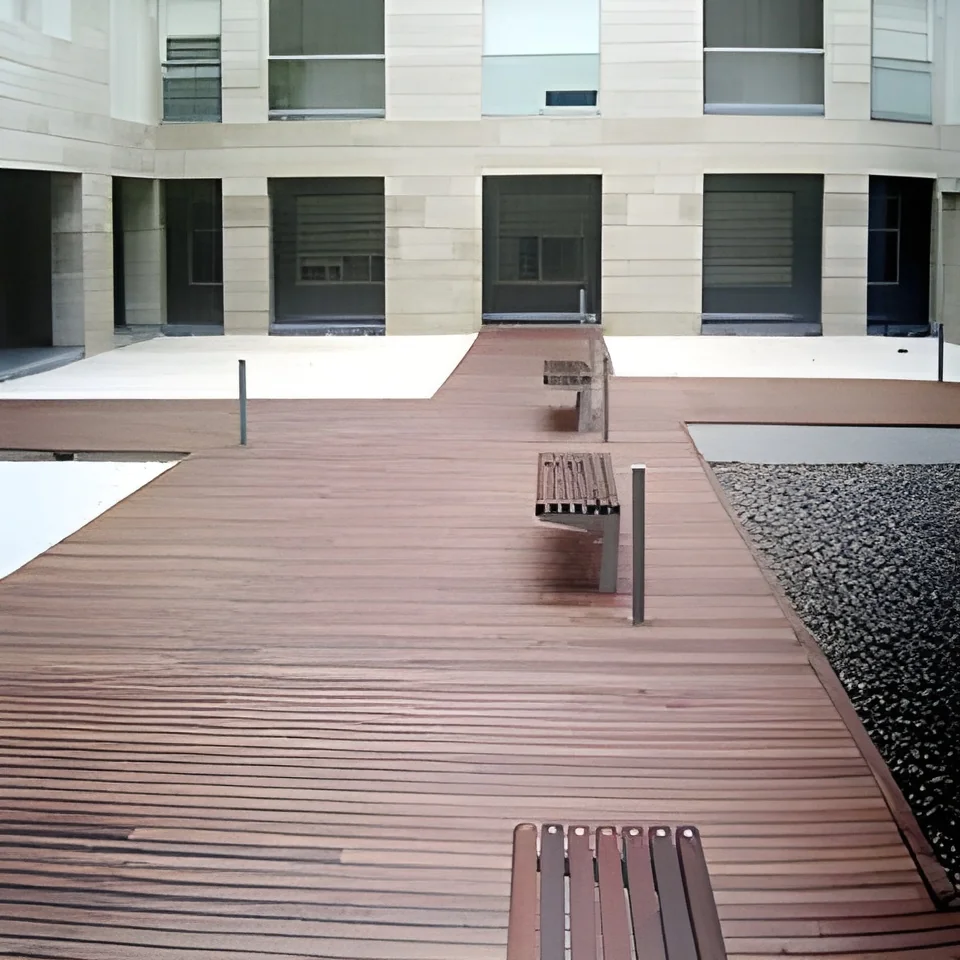
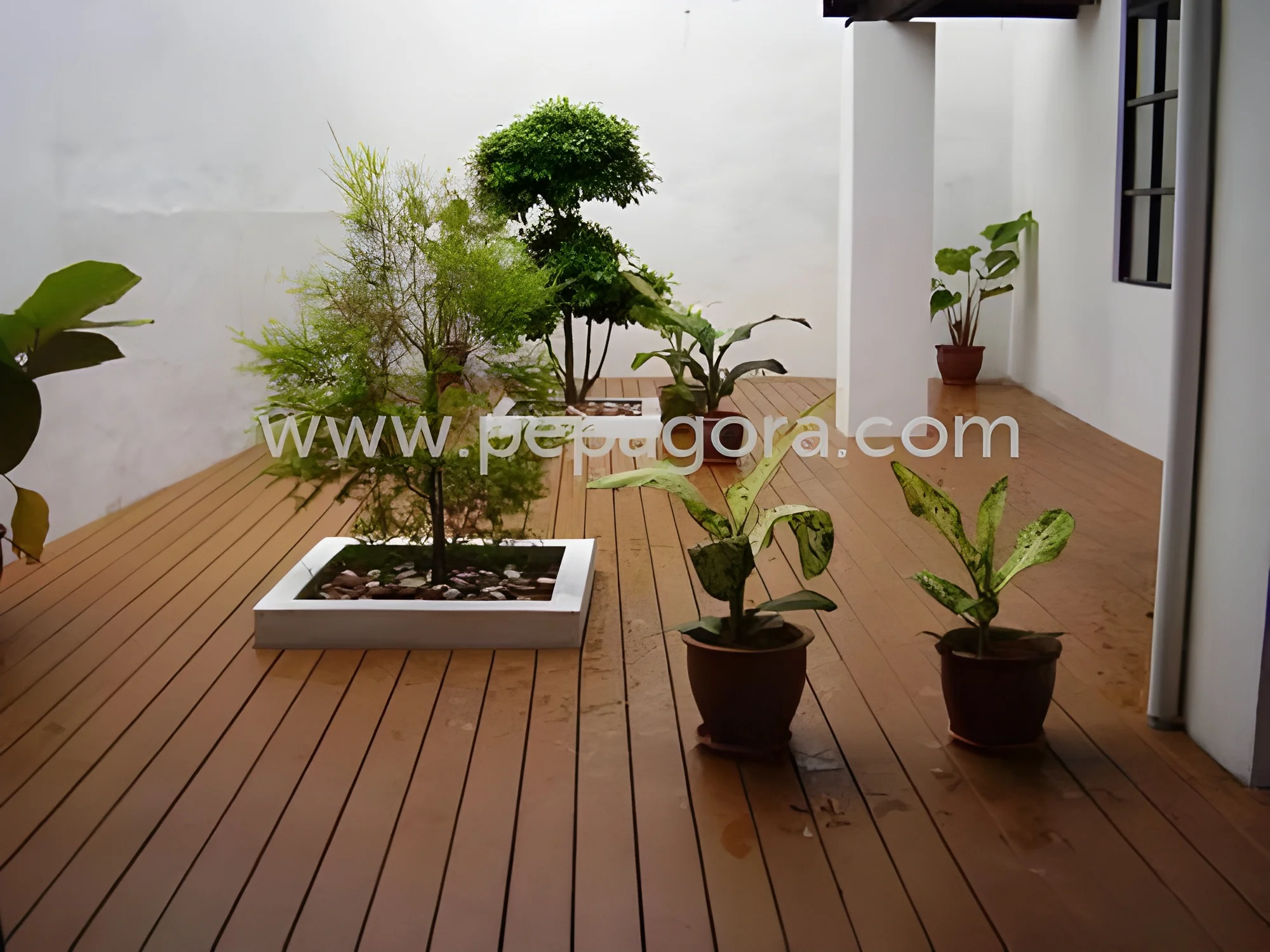
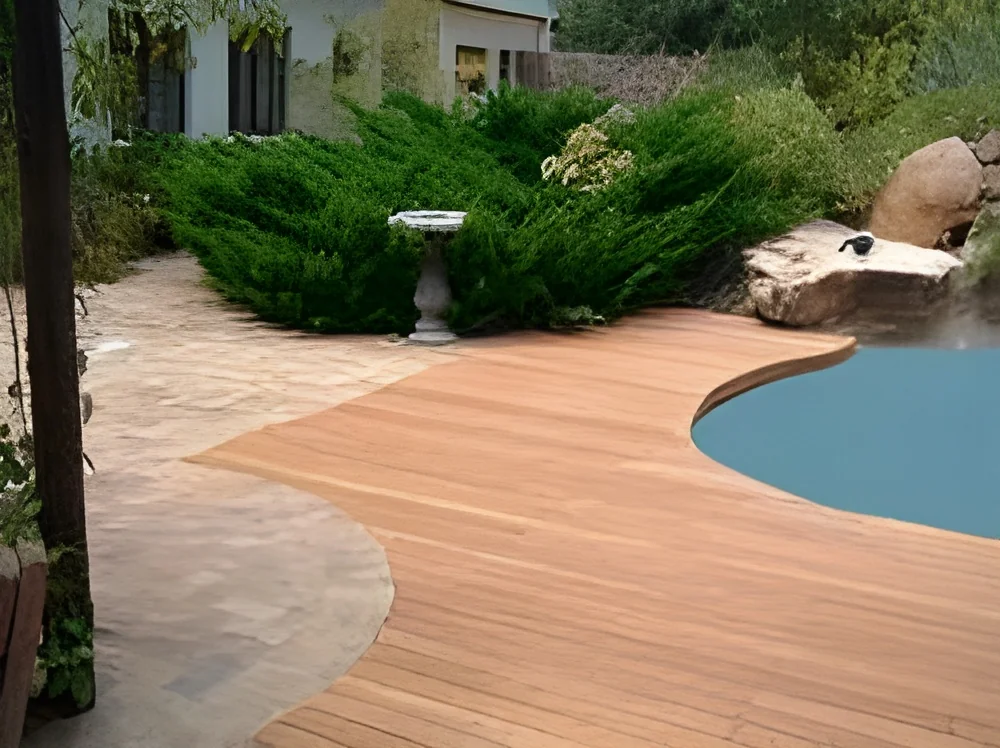
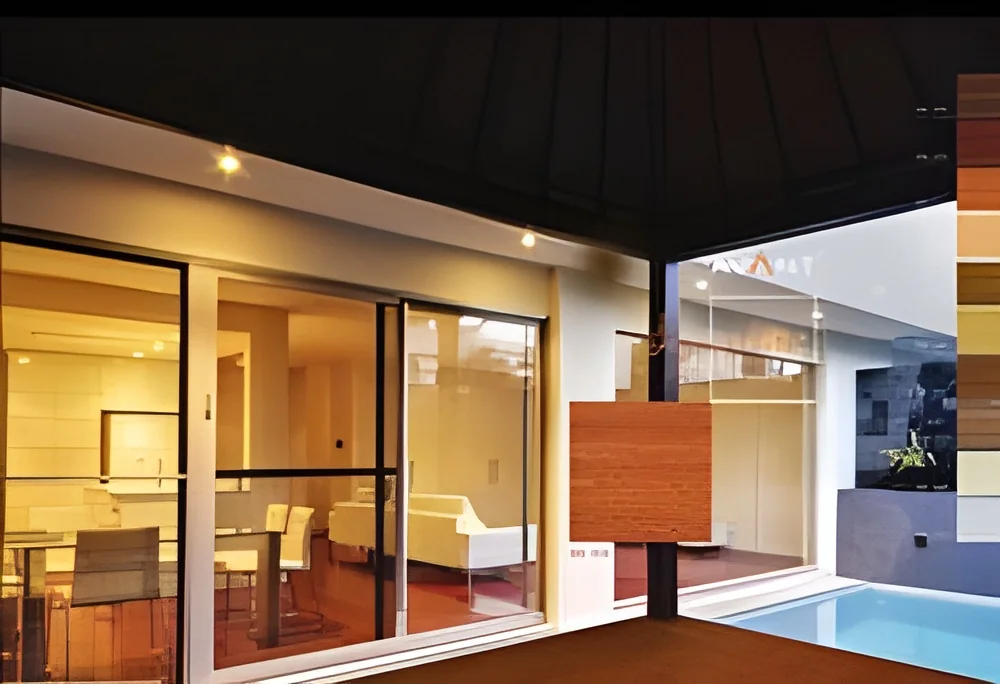
The primary uses of engineered wood flooring include residential and commercial applications. It is commonly installed in homes, offices, retail spaces, and hospitality venues. Its versatility allows it to be used in areas where solid hardwood may not be suitable due to moisture or temperature fluctuations. The engineered wood flooring market has seen significant growth due to the increasing demand for sustainable and aesthetically pleasing flooring options in both new constructions and renovation projects.
In the context of industry relevance, engineered wood flooring is gaining traction due to its eco-friendly attributes and cost-effectiveness. As manufacturers focus on sustainability, engineered wood flooring provides an ideal alternative to solid wood while maintaining a natural appearance. This product's growing popularity reflects a broader trend towards environmentally responsible building materials.
Key Features and Specifications
Engineered wood flooring offers a variety of features and specifications that make it an attractive choice for businesses. Its layered construction allows for enhanced durability and moisture resistance, providing long-lasting performance. Additionally, the aesthetic appeal of hardwood surfaces is preserved, catering to a range of design preferences.
Key specifications include:
1. Thickness
- Typically ranges from 3/8 inch to 1/2 inch
- Provides durability and stability
2. Wear Layer
- Usually between 0.6 mm to 4 mm thick
- Determines the flooring's resistance to scratching and wear
3. Core Material
- Made from plywood or high-density fiberboard
- Enhances dimensional stability
4. Finish Type
- Options include UV-cured urethane or aluminum oxide
- Affects the flooring's sheen and durability
5. Installation Method
- Can be nailed down, glued, or floated
- Offers flexibility in installation based on project requirements
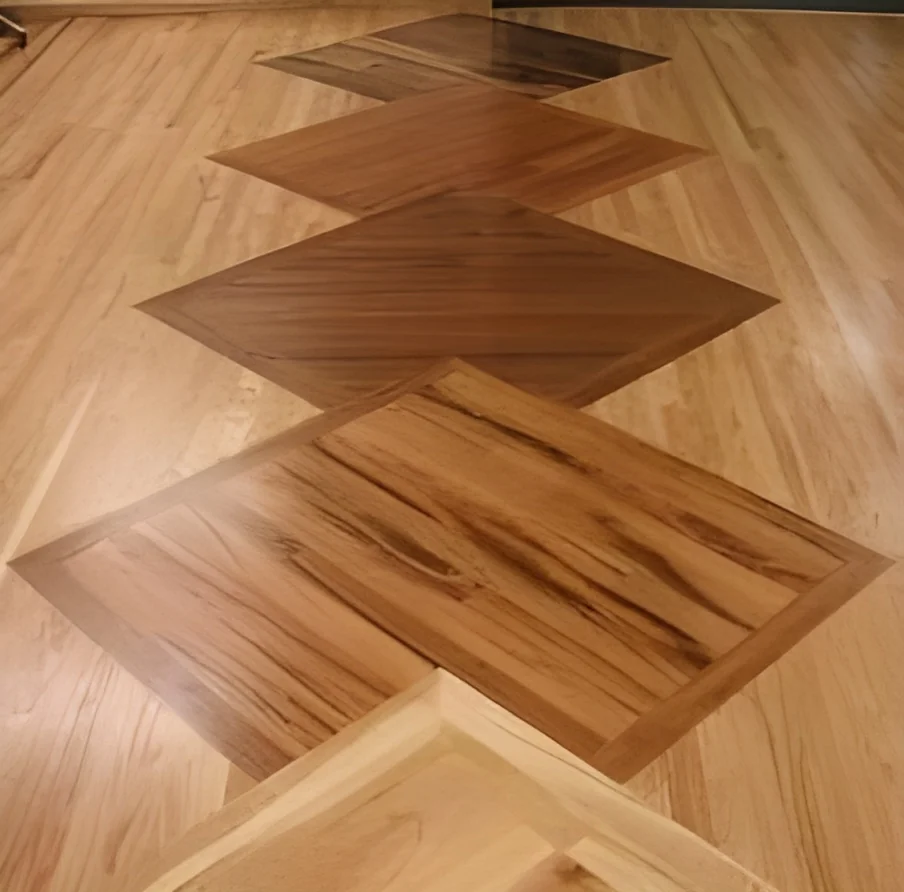
6. Color and Grain Variety
- Available in a wide range of colors and wood species
- Allows for customization to fit different design themes
7. Environmental Certifications
- Often certified by organizations like the Forest Stewardship Council (FSC)
- Ensures sustainability and responsible sourcing
8. Warranty
- Typically ranges from 15 years to a lifetime warranty
- Indicates the manufacturer's confidence in product quality
In summary, the key features and specifications of engineered wood flooring highlight its durability, aesthetic appeal, and versatility. This makes it a suitable option for various commercial and residential applications.
Common Applications and Use Cases
Engineered wood flooring is utilized across multiple industries due to its adaptability and performance.
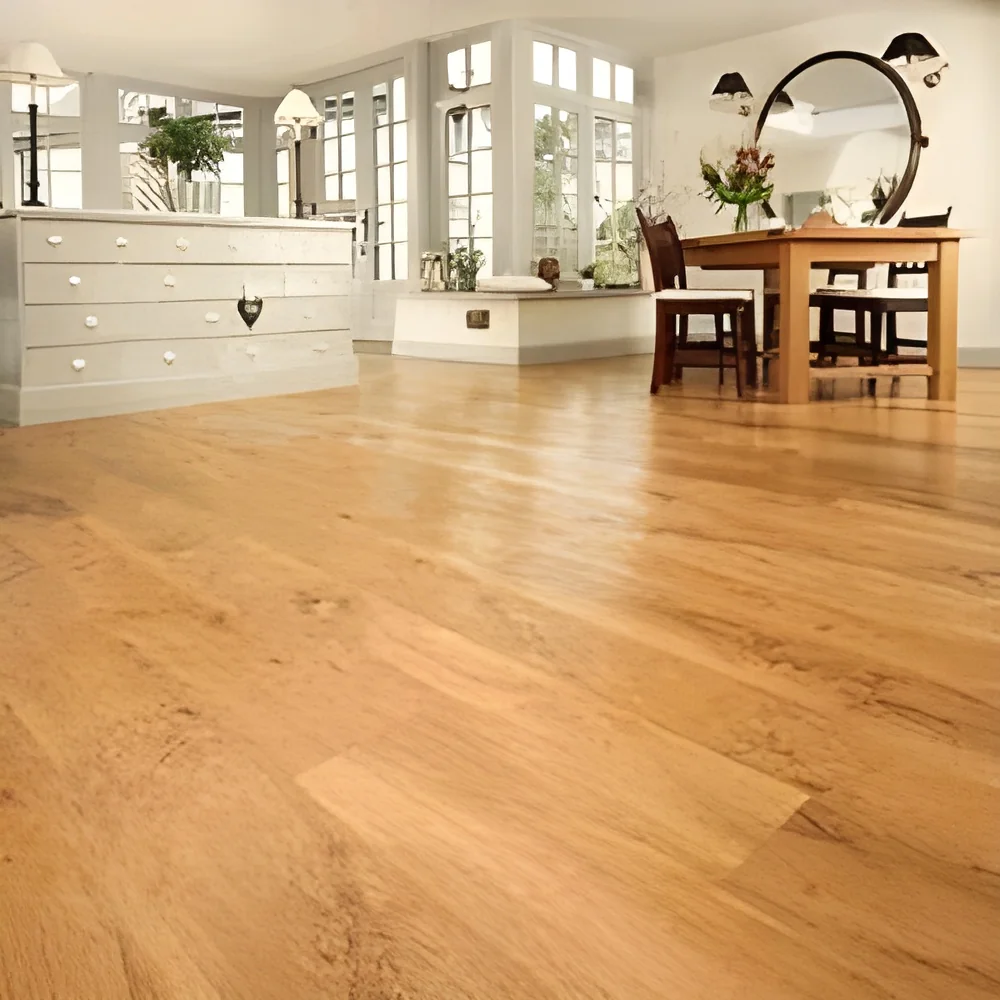
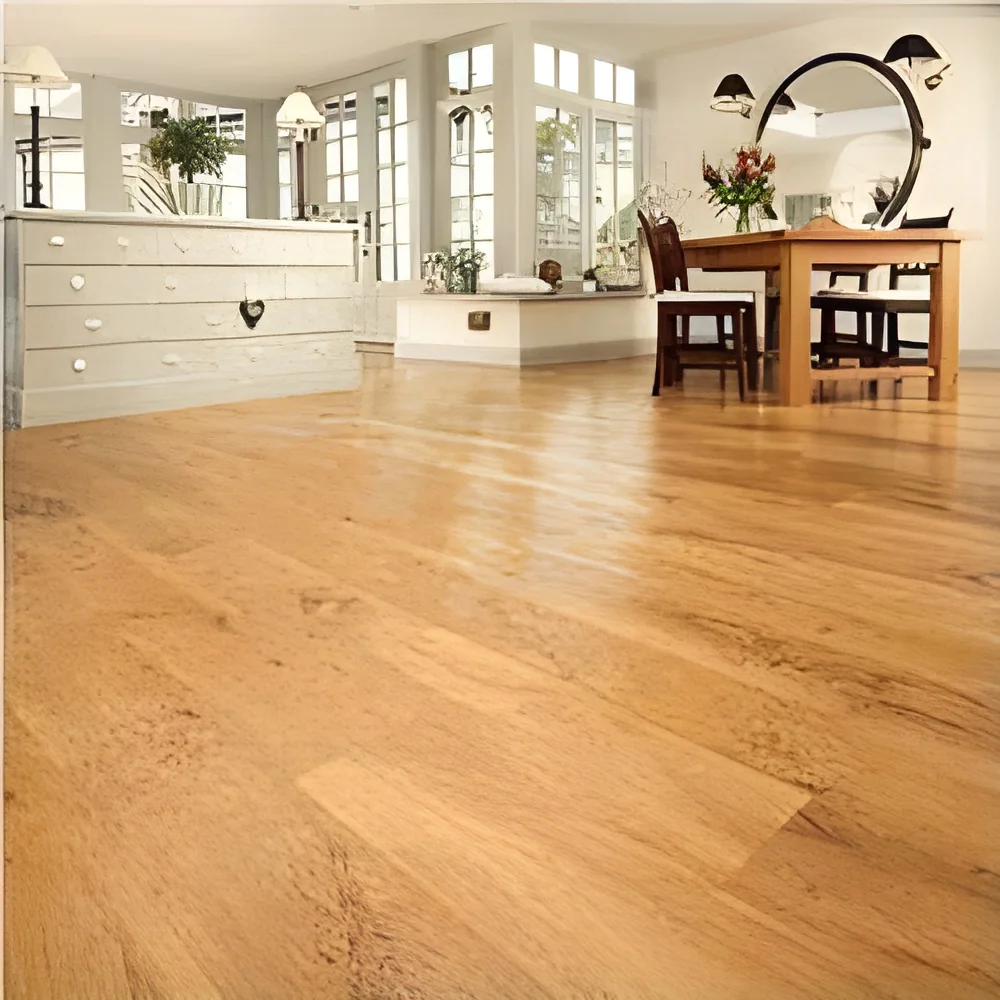
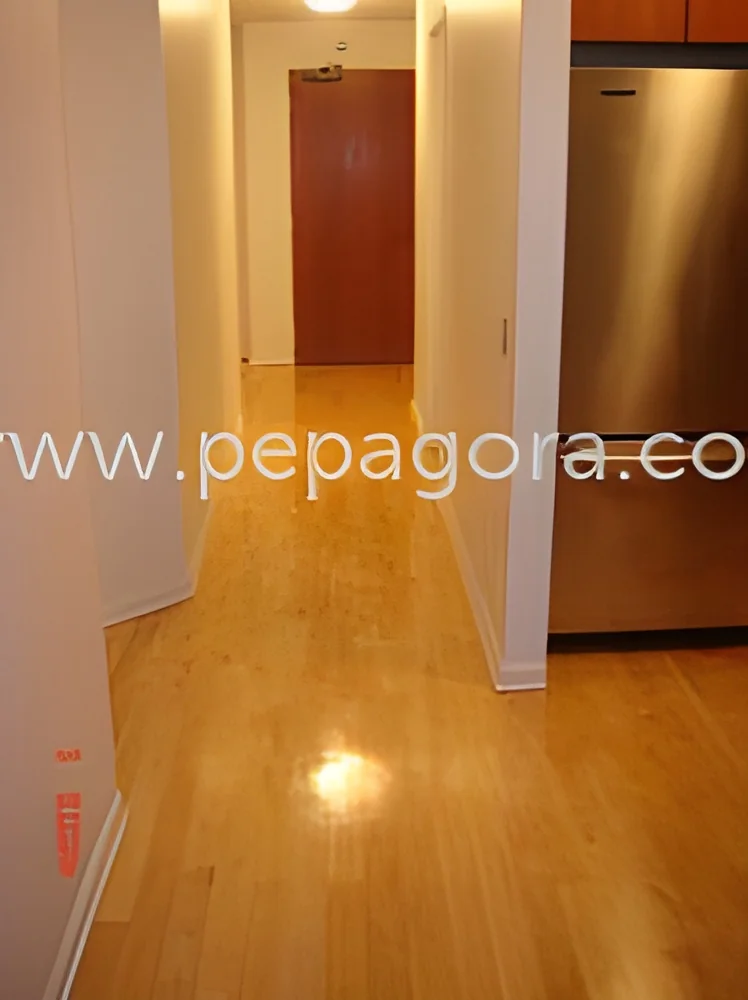
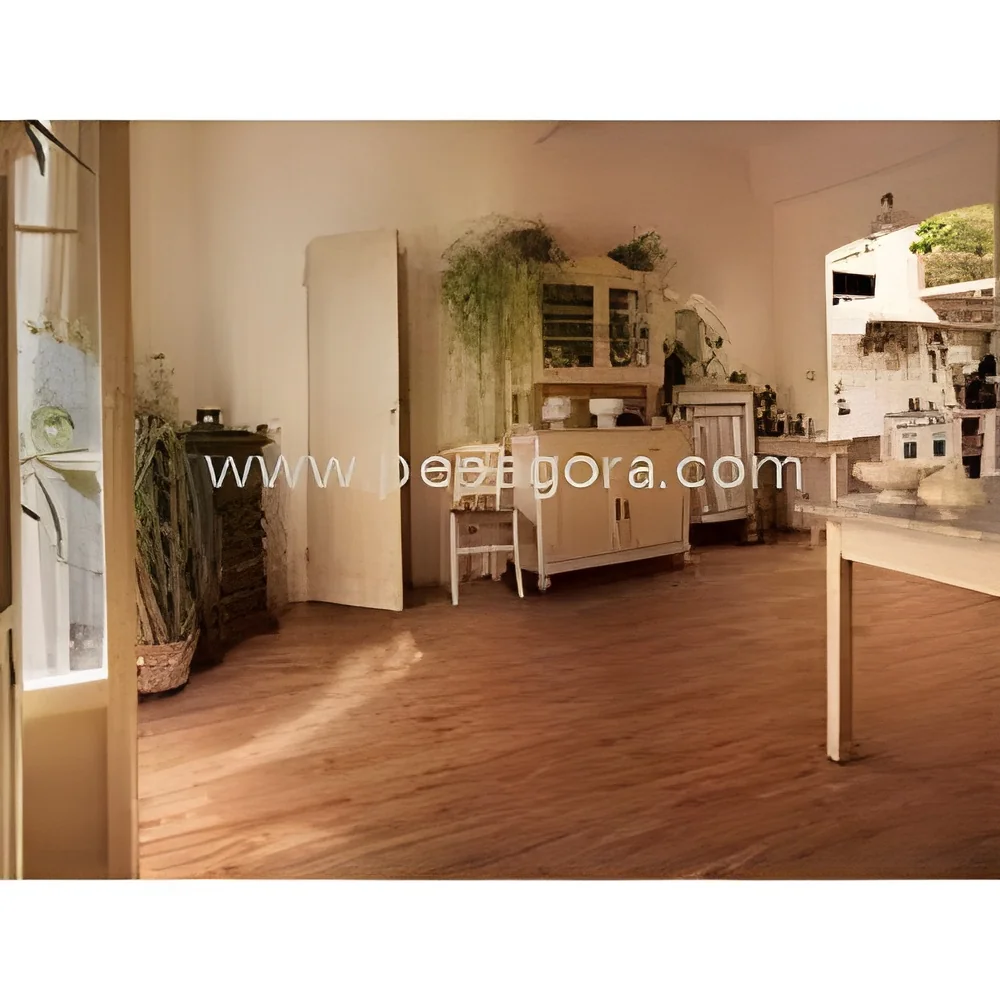
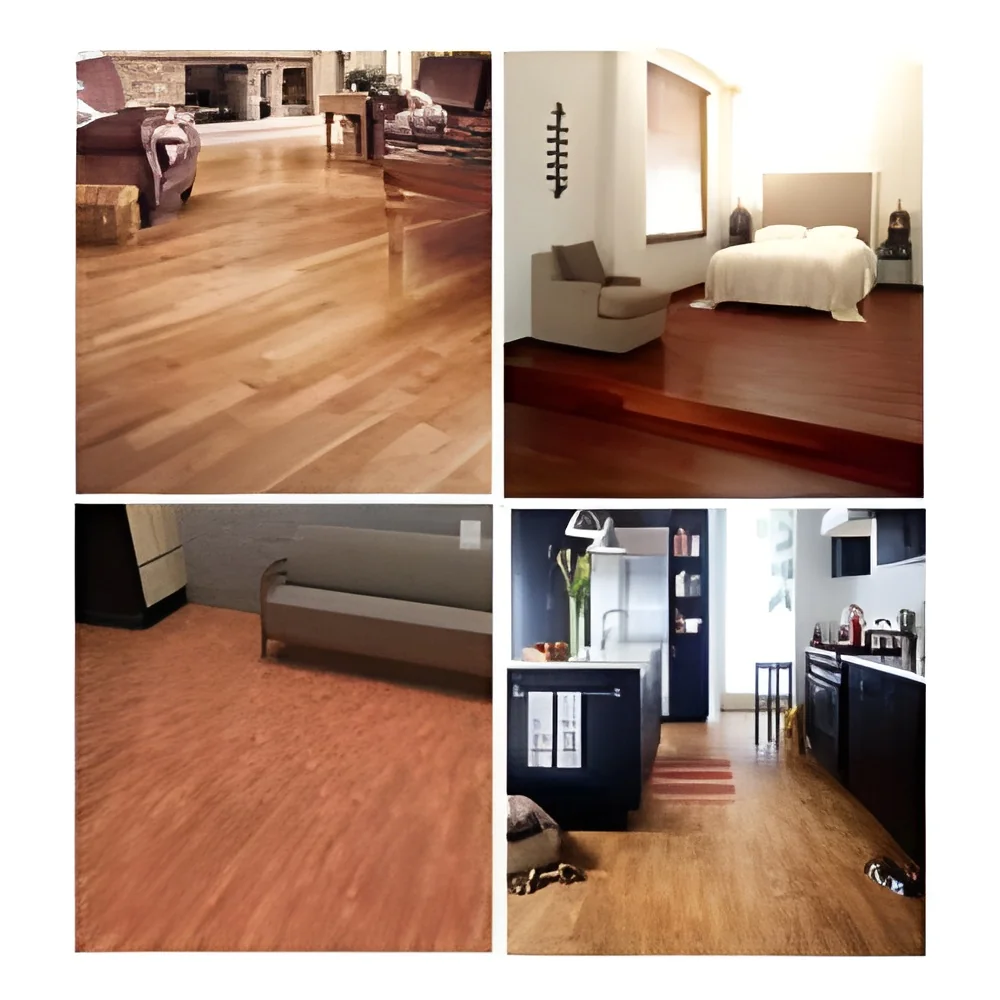
1. Residential: Engineered wood is commonly installed in living rooms, kitchens, and bedrooms. Its aesthetic appeal and resistance to moisture make it ideal for homes in varying climates.
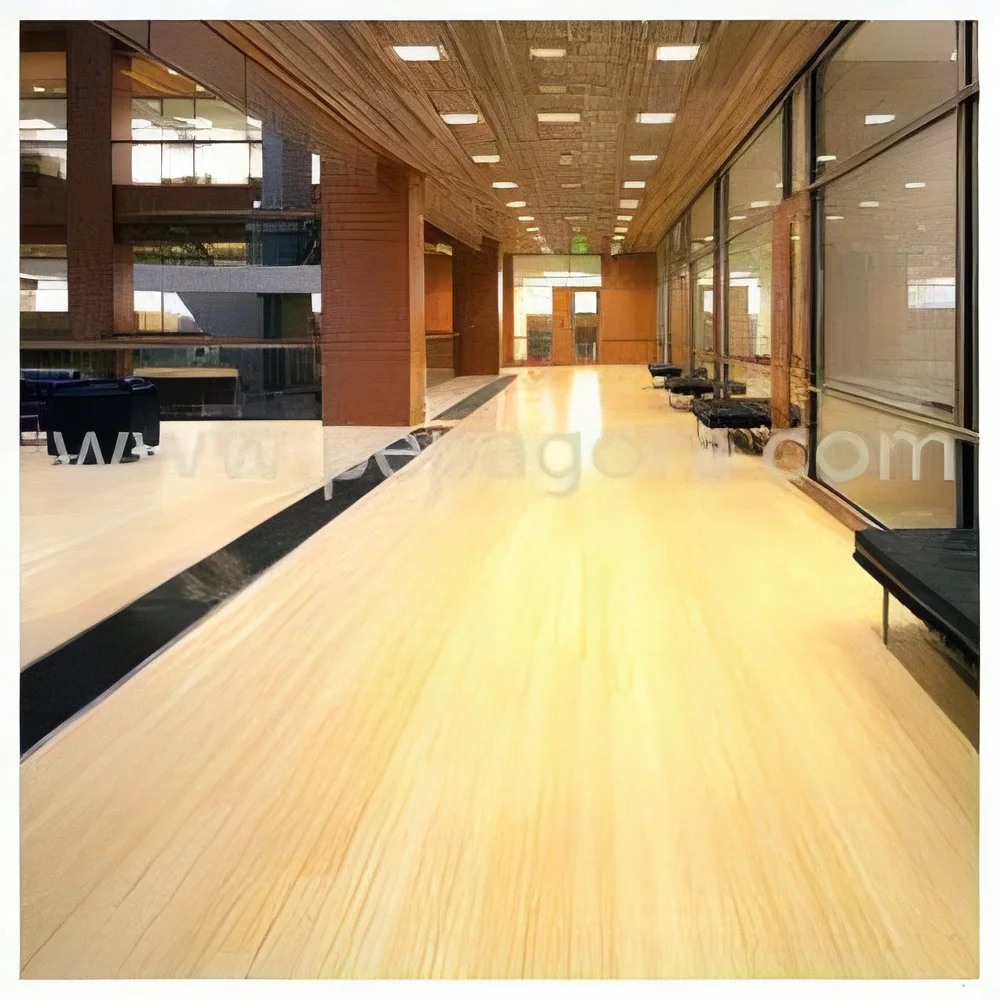
2. Commercial: Many businesses choose engineered wood flooring for offices and retail spaces. Its durability and ease of maintenance support high-traffic environments while providing a warm and inviting atmosphere.
3. Hospitality: Hotels and restaurants often use engineered wood flooring to enhance ambiance. Its stylish appearance and resilience to wear contribute to a pleasant guest experience.
4. Education: Schools and universities utilize engineered wood in classrooms and common areas. The flooring's ability to withstand heavy use makes it a practical choice for educational institutions.
5. Healthcare: Hospitals and clinics benefit from engineered wood flooring's hygienic properties. Its smooth surface can be easily cleaned, making it suitable for medical environments.
6. Fitness: Gyms and fitness centers often incorporate engineered wood flooring for its shock-absorbent qualities. This helps enhance user comfort during workouts.
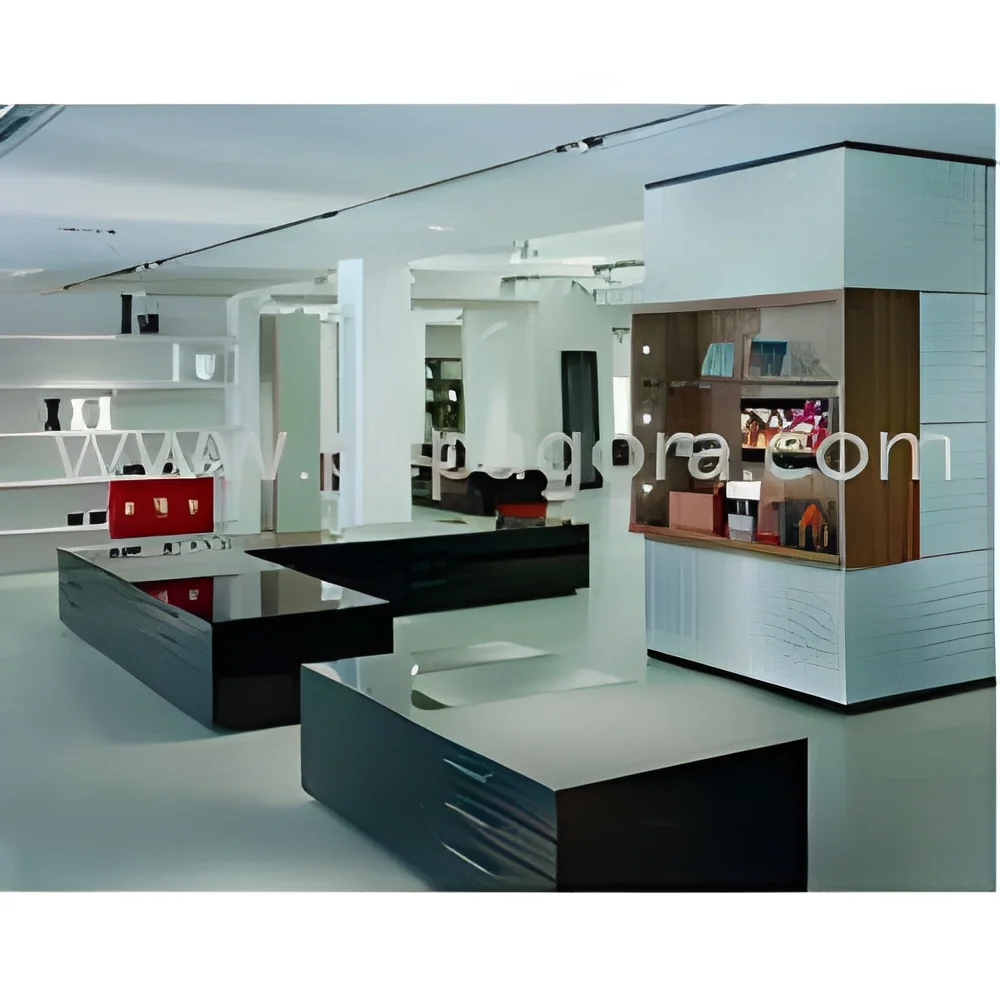
7. Retail: Showrooms and boutiques frequently select engineered wood flooring to complement their merchandise. Its versatility in design helps create an appealing shopping environment.
Product Variants and Subcategories
Engineered wood flooring comes in various styles and finishes, allowing for a tailored approach to different projects.
Classic Engineered Wood
This variant features a traditional hardwood surface and is available in multiple species such as oak, maple, and hickory. It offers a timeless look that fits well with various interior designs.
Luxury Engineered Wood
Luxury options often come with premium finishes and thicker wear layers. This variant is designed for high-end applications, providing exceptional durability and an upscale aesthetic.
Wide Plank Engineered Wood
This style features wider boards that create a more spacious appearance in large areas. It is perfect for modern designs and can enhance the visual impact of a room.
Textured Engineered Wood
Textured surfaces provide a rustic appeal, mimicking the look of reclaimed wood. This variant is popular in country-style homes and adds character to any space.
Benefits and Advantages
Engineered wood flooring offers numerous benefits that make it an attractive option for B2B buyers.
1. Versatility: Engineered wood can be installed in various environments, including areas with fluctuating temperatures and humidity levels.
2. Aesthetic Appeal: It provides the natural beauty of hardwood, enhancing the visual appeal of any space with its wide range of styles and finishes.
3. Durability: The multi-layer construction offers superior stability and resistance to moisture, making it a long-lasting flooring solution.
4. Easy Installation: Engineered wood flooring can be installed using various methods, simplifying the installation process for contractors.
5. Eco-Friendly Options: Many engineered wood products are sourced from sustainable forests, making them a responsible choice for environmentally conscious buyers.
6. Cost-Effectiveness: Compared to solid hardwood, engineered wood flooring often comes at a lower price point while maintaining a similar aesthetic.
Buying Guide for B2B Buyers
When sourcing engineered wood flooring, buyers should consider several key factors to ensure a successful purchase.
1. Quality Assessment: Look for flooring that meets industry standards and has a robust wear layer. High-quality products will offer better durability and aesthetic appeal.
2. Supplier Verification: Vet potential suppliers to ensure they have a good reputation and adhere to quality control measures. This helps prevent issues with product consistency and reliability.
3. Pricing and MOQ: Understand the pricing structure and minimum order quantities. This information is crucial for budgeting and inventory management.
4. Delivery and Lead Times: Confirm delivery schedules and lead times to ensure that flooring arrives when needed. Timely delivery is essential for project planning.
5. Compliance Requirements: Check for relevant certifications and compliance with local and international regulations. This ensures that the flooring meets safety and environmental standards.
Compliance and Certifications
Engineered wood flooring must adhere to various quality standards and certifications to ensure safety and performance. ISO 9001 is a widely recognized standard that governs quality management systems, ensuring consistency in production processes.
Additionally, the CE mark indicates compliance with European health, safety, and environmental protection standards. This certification assures buyers that the product meets European regulations.
Safety and testing requirements are also critical, as engineered wood flooring must undergo rigorous testing to ensure it is free from harmful substances. Manufacturers often conduct these tests according to recognized protocols.
Regional compliance considerations may vary, so it is essential to understand local regulations when sourcing engineered wood flooring. Ensuring compliance helps avoid potential legal issues and enhances marketability.
Why Source Engineered Wood Flooring from Pepagora?
Pepagora offers a trusted platform for sourcing engineered wood flooring with several key advantages that benefit B2B buyers.
Verified Supplier Network: Pepagora connects buyers with a network of verified suppliers. This ensures that all suppliers meet stringent quality and reliability standards, giving buyers confidence in their sourcing decisions.
Streamlined RFQ Process: The platform features an efficient request for quotation (RFQ) system. This allows buyers to easily obtain quotes from multiple suppliers, facilitating informed decision-making.
Trade Assurance and Support: Pepagora provides trade assurance, protecting buyers from potential risks during transactions. The platform also offers support throughout the sourcing process, ensuring a smooth experience.
Regional Coverage: With a strong presence in India, the GCC, and Southeast Asia, Pepagora offers extensive geographical coverage. This allows buyers to access a wide range of products and suppliers, catering to various market needs.

 IN
IN