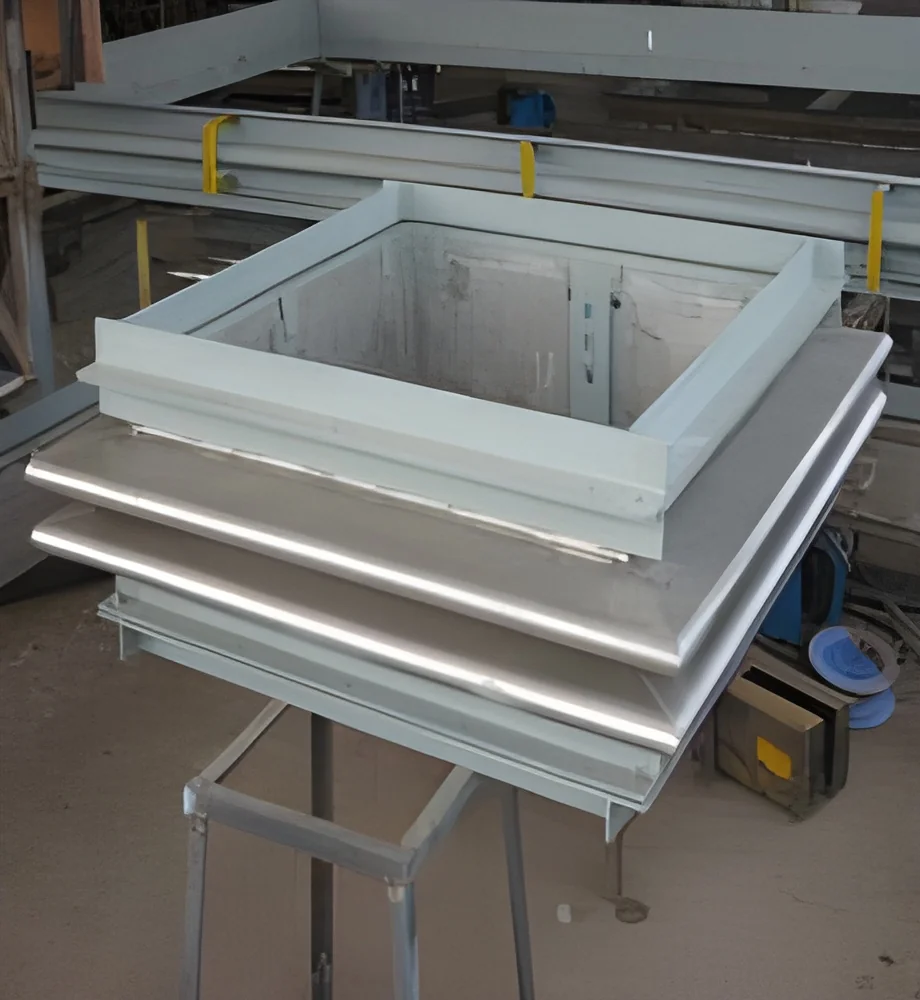
What are Expansion Joints for Floors?
Expansion joints for floors are structural components designed to absorb movement and stress caused by thermal expansion, contraction, and other forces. These joints provide a flexible connection between different sections of flooring materials, allowing them to move without causing damage or creating hazardous conditions. Expansion joints play a critical role in maintaining the integrity and longevity of flooring systems, especially in environments subject to varying temperatures and humidity levels.
These joints are used across various business applications, including commercial buildings, industrial facilities, and infrastructure projects. They are essential in areas where floor surfaces may expand and contract due to temperature changes, heavy traffic, or other environmental factors. The implementation of expansion joints helps prevent cracks, buckling, and other structural failures that could lead to costly repairs and safety concerns. The market for expansion joints is influenced by the increasing demand for durable and reliable flooring solutions in construction and renovation projects.
Key Features and Specifications
Expansion joints for floors are characterized by several key features that enhance their performance and suitability for various applications. Understanding these specifications is crucial for selecting the appropriate joint for your flooring needs.
Key specifications include:
1. Material Composition
- Made from flexible materials such as rubber, foam, or specialized polymers.
- Provides resilience and durability under stress.
2. Load Capacity
- Designed to support varying loads depending on the application.
- Typically ranges from light pedestrian traffic to heavy industrial use.
3. Movement Accommodation
- Capable of absorbing lateral and vertical movements.
- Accommodates thermal expansion up to specified ranges.
4. Installation Type
- Available in various installation methods, including surface-mounted and recessed options.
- Ensures compatibility with different flooring systems.
5. Dimensions
- Offered in various widths and depths to fit specific flooring requirements.
- Standard sizes are available, with custom options upon request.
6. Environmental Resistance
- Designed to withstand moisture, chemicals, and temperature fluctuations.
- Suitable for both indoor and outdoor applications.
7. Safety Ratings
- Compliant with necessary safety standards to ensure user protection.
- Features anti-slip surfaces where applicable.
8. Maintenance Requirements
- Generally low maintenance, but periodic inspections are recommended.
- Easy to clean and repair when necessary.
In summary, the right expansion joint will depend on specific project requirements, including load capacity, environmental conditions, and movement accommodation.
Common Applications and Use Cases
Expansion joints for floors are utilized in a variety of industries, each with specific applications that highlight their importance.
1. Commercial Buildings: In shopping malls and office buildings, expansion joints are crucial for maintaining floor integrity under heavy foot traffic and temperature variations.
2. Industrial Facilities: Factories and warehouses require robust expansion joints to handle dynamic loads and the thermal effects of machinery operation.
3. Infrastructure Projects: Bridges and roadways use expansion joints to manage movement caused by temperature changes and heavy vehicles, ensuring structural stability.
4. Airports: Terminal floors are installed with expansion joints to accommodate passenger traffic and changes in temperature due to large glass facades.
5. Hospitals: In healthcare environments, expansion joints are essential for maintaining sterile conditions and accommodating the movement of heavy medical equipment.
6. Educational Institutions: Schools and universities implement expansion joints in their flooring systems to manage wear and tear from student activity and maintenance.
7. Parking Structures: These structures utilize expansion joints to mitigate the effects of vehicular load and thermal expansion, preserving the integrity of the concrete.
Product Variants and Subcategories
Expansion joints for floors come in a variety of designs to suit different applications and environments.
Standard Expansion Joints
These joints are versatile and widely used in commercial and industrial settings. They accommodate a range of movements and are designed for easy installation and maintenance.
Heavy-Duty Expansion Joints
Specifically engineered for high-load applications, heavy-duty expansion joints are used in industrial environments where heavy machinery or vehicular traffic is common. Their robust construction ensures they can withstand extreme conditions.
Acoustic Expansion Joints
Designed to reduce sound transmission between different flooring sections, acoustic expansion joints are ideal for use in multi-story buildings and residential complexes where noise control is a priority.
Benefits and Advantages
Expansion joints for floors provide numerous advantages that contribute to the overall performance and longevity of flooring systems.
1. Stress Reduction: They help reduce stress on flooring materials, minimizing the risk of cracking and damage.
2. Enhanced Durability: By accommodating movement, expansion joints extend the lifespan of flooring installations, reducing maintenance costs.
3. Safety Assurance: These joints create a smooth transition between floor surfaces, preventing tripping hazards and ensuring safety.
4. Versatility: Expansion joints are available in various designs and materials, making them suitable for numerous applications across different industries.
5. Cost-Effectiveness: Investing in quality expansion joints can lead to significant savings by reducing repair and replacement needs over time.
6. Environmental Compliance: Many expansion joints are designed to meet environmental standards, contributing to sustainable construction practices.
Buying Guide for B2B Buyers
When sourcing expansion joints for floors, it is essential to consider several factors to ensure you select the right product for your needs.
1. Quality Assessment: Evaluate the material quality and construction of expansion joints. Look for products that meet industry standards and have a track record of performance.
2. Supplier Verification: Vet potential suppliers by checking their reputation, experience, and customer reviews. Consider suppliers who offer warranties and support.
3. Pricing and MOQ: Understand the pricing structure and minimum order quantities. Compare quotes from multiple suppliers to find competitive pricing.
4. Delivery and Lead Times: Confirm delivery schedules and lead times to ensure timely project completion. Discuss logistics and any potential delays.
5. Compliance Requirements: Verify that the expansion joints meet relevant regulatory and safety standards specific to your industry and region.
Compliance and Certifications
Compliance and certification are critical aspects of expansion joints for floors. These products should adhere to established quality standards such as ISO 9001, which ensures consistent quality management systems. Additionally, compliance with HACCP and GDP standards is important in industries where health and safety are paramount.
Many expansion joints also hold certifications such as CE, indicating that they meet European safety and health requirements. Testing for safety and performance is usually conducted following industry protocols to ensure reliability under various conditions.
Regional compliance considerations may vary, so it is crucial to understand local regulations that govern the installation and use of expansion joints in your area.
Why Source Expansion Joints for Floors from Pepagora?
Pepagora is a trusted platform for sourcing expansion joints for floors, offering several key advantages to B2B buyers.
Verified Supplier Network: Pepagora connects buyers with a network of verified suppliers who have undergone rigorous vetting processes. This ensures that buyers can source high-quality products from reputable manufacturers.
Streamlined RFQ Process: The platform simplifies the request for quotation (RFQ) process, allowing buyers to quickly compare multiple offers. This efficiency saves time and helps businesses make informed purchasing decisions.
Trade Assurance and Support: Pepagora provides trade assurance features that protect buyers throughout the procurement process. This includes support for dispute resolution and ensuring that products meet agreed-upon specifications.
Regional Coverage: With a broad geographic reach, Pepagora serves markets across India, the GCC, and Southeast Asia. This ensures that buyers can find suitable suppliers regardless of their location and can access a wide range of products tailored to their specific needs.

 IN
IN