What are Mosaic Tiles?
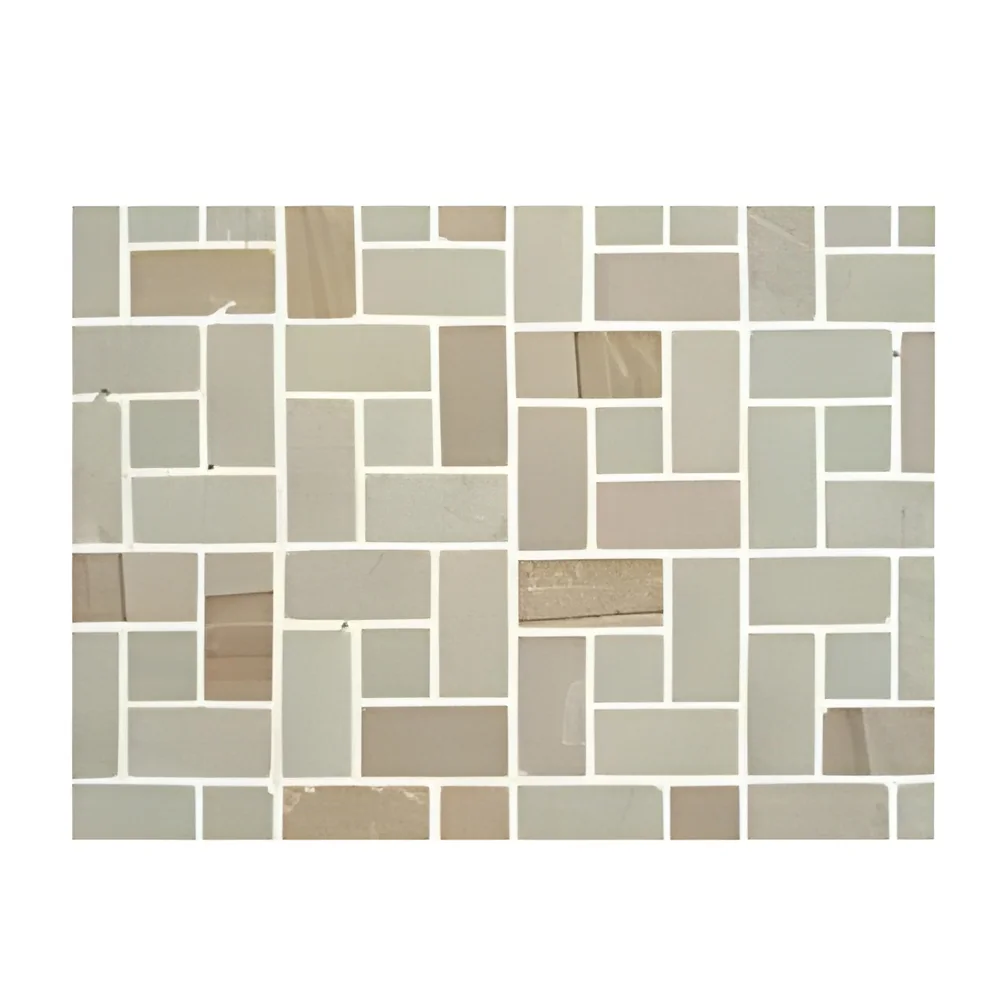
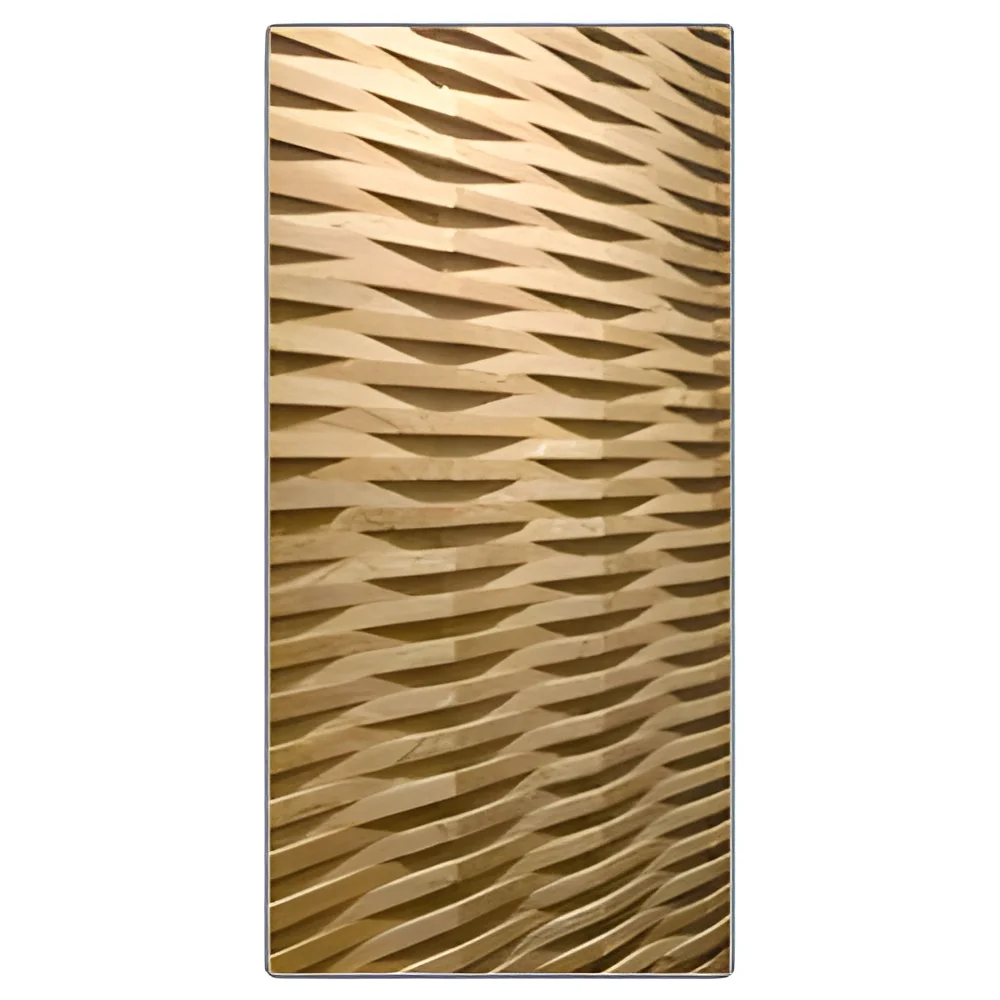
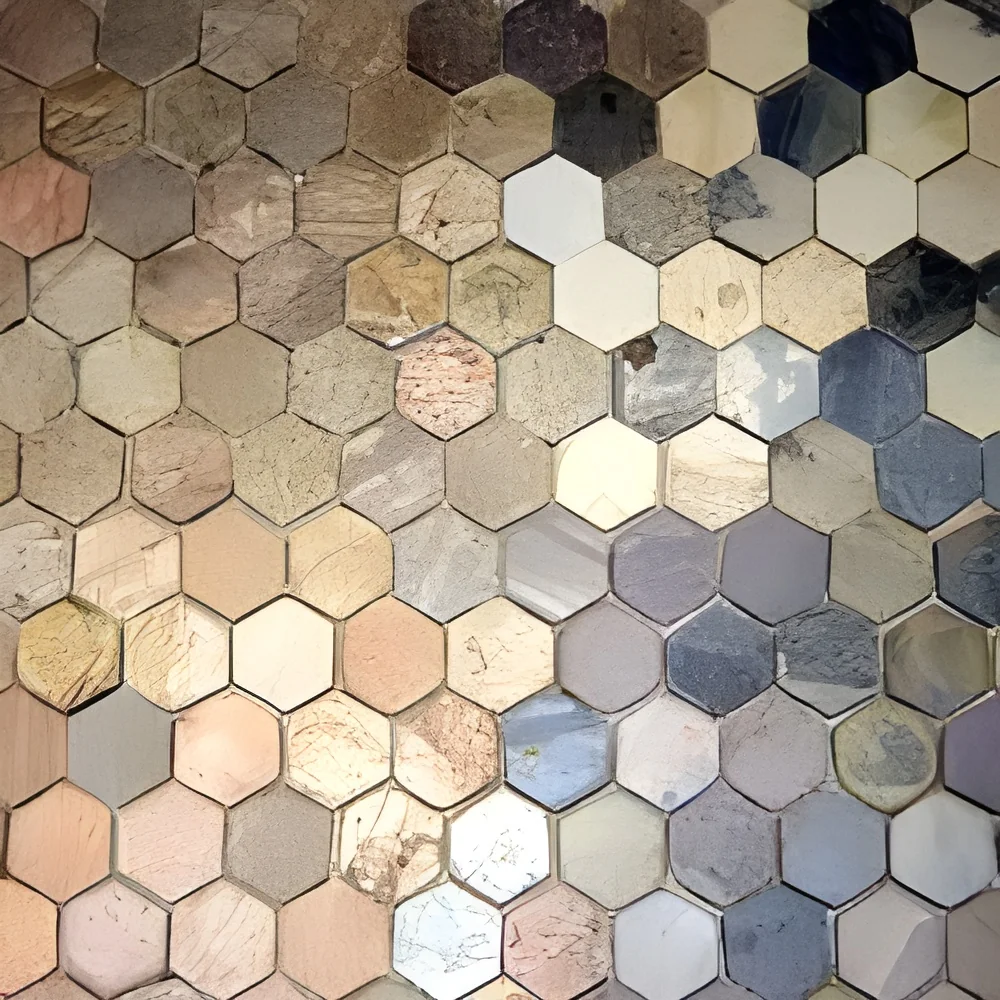
Mosaic tiles are small pieces of material, often made from glass, stone, or ceramic, that are assembled to create decorative patterns or images. These tiles are typically mounted on a mesh backing for easy installation and can be used in a variety of applications. The unique characteristic of mosaic tiles is their versatility, as they can be arranged into intricate designs, making them popular for both aesthetic and functional purposes.
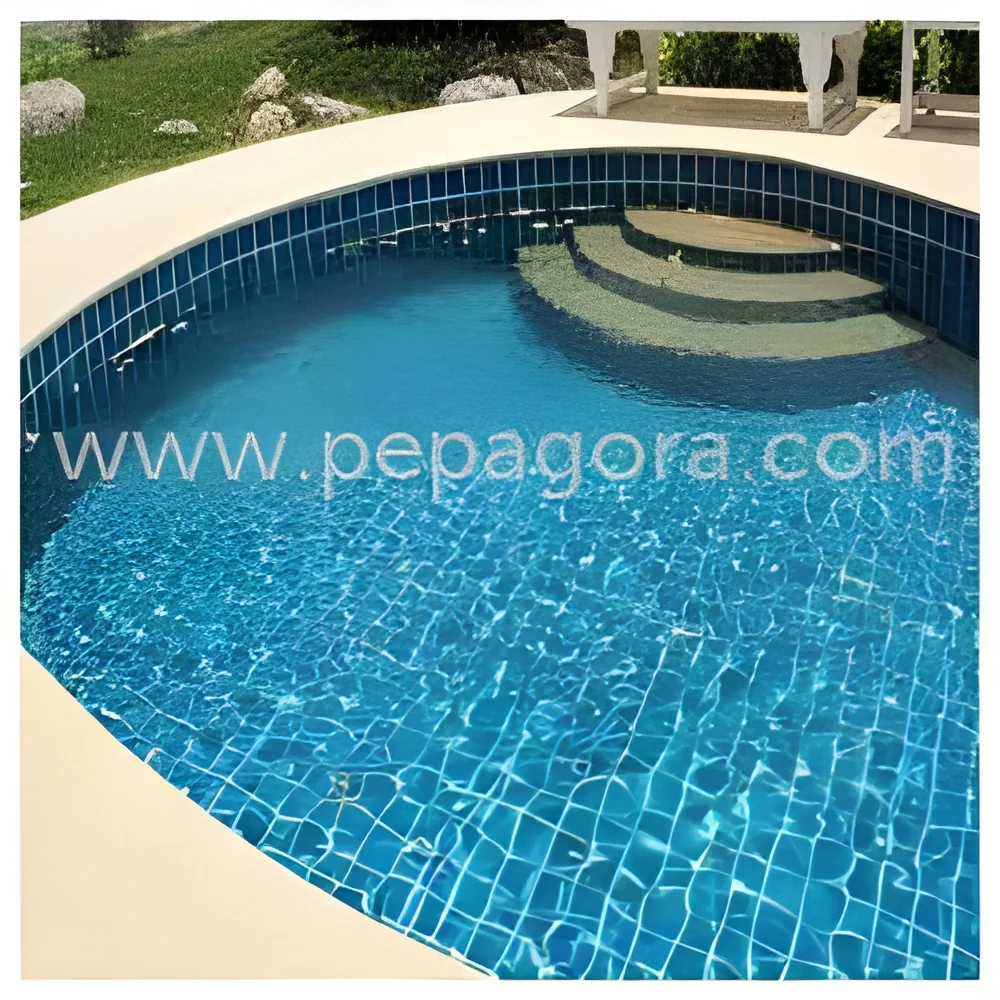
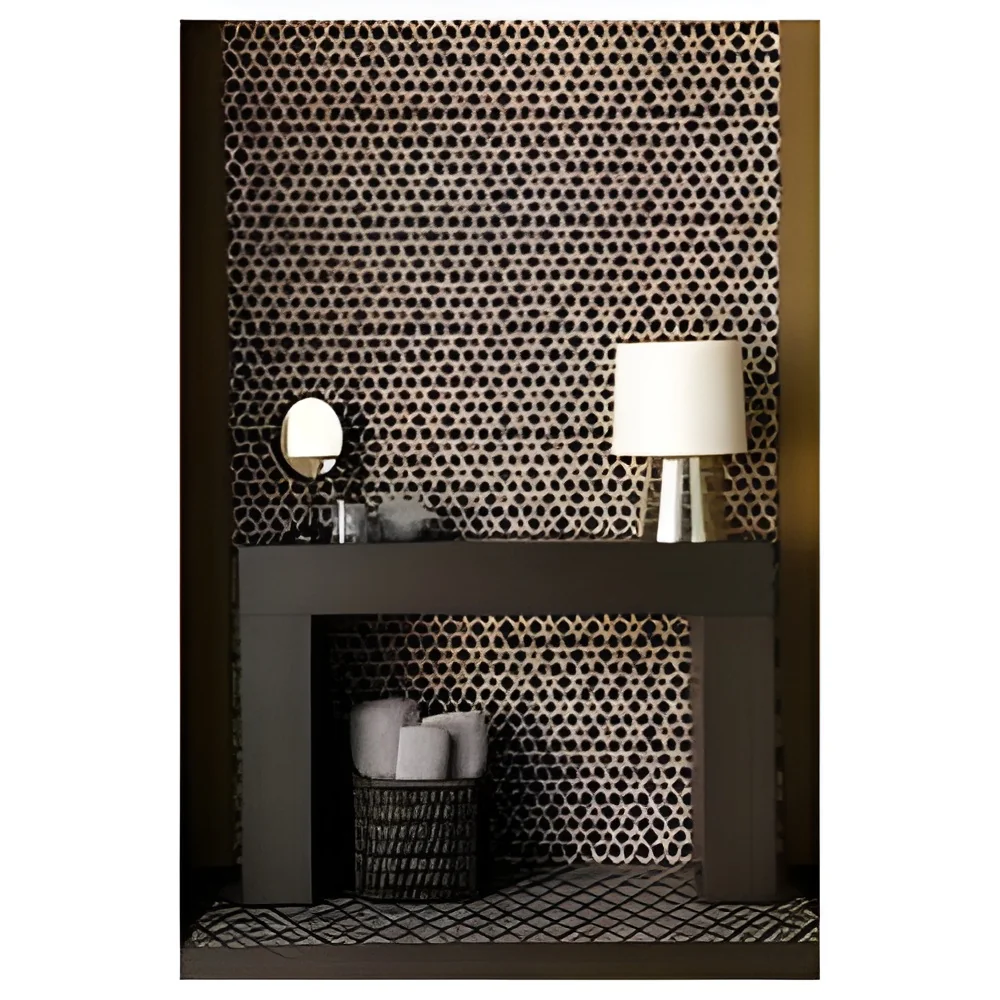
Mosaic tiles are commonly used in residential and commercial settings. They are ideal for flooring, backsplashes, and wall accents, providing a decorative solution that enhances the visual appeal of spaces. In addition to interior design, mosaic tiles find applications in outdoor areas such as patios and pool surrounds. The growing trend towards decorative surfaces in architecture and design further drives the demand for mosaic tiles in various industries.
Mosaic tiles hold significant relevance in the market, especially with the rise of custom designs and eco-friendly materials. As businesses and consumers seek unique and sustainable options, mosaic tiles are positioned well to meet these needs. The continuous innovation in tile materials and production processes contributes to a dynamic market environment, making mosaic tiles a staple in the construction and design sectors.
Key Features and Specifications
Mosaic tiles offer a variety of features that cater to both aesthetic and functional needs. Their unique designs and materials allow for customization, enabling businesses and consumers to choose from an extensive range of options. Key specifications and features include durability, ease of installation, and versatility in application.
Key specifications include:
1. Material Composition
- Made from glass, ceramic, stone, or a combination of these materials
- Provides different aesthetic qualities and durability levels
2. Size and Shape
- Available in various shapes and sizes, typically ranging from 1 inch to 3 inches
- Allows for creative designs and patterns
3. Surface Texture
- Options include glossy, matte, or textured finishes
- Impacts the overall look and feel of installations
4. Color Range
- Wide selection of colors available, including custom color options
- Enhances design possibilities for different projects
5. Water Resistance
- Many mosaic tiles are designed to be water-resistant
- Suitable for wet areas such as bathrooms and kitchens
6. Fire Resistance
- Certain types of mosaic tiles are fire-resistant
- Ideal for use in areas with high heat exposure
7. Ease of Maintenance
- Generally easy to clean and maintain
- Resistant to stains and dirt
8. Eco-Friendly Options
- Availability of tiles made from recycled materials
- Supports sustainable building practices
Mosaic tiles combine aesthetic appeal with practical features, making them an excellent choice for various applications.
Common Applications and Use Cases
Mosaic tiles serve various industries, offering unique solutions tailored to specific needs. Their flexibility in design and application makes them suitable for numerous environments.
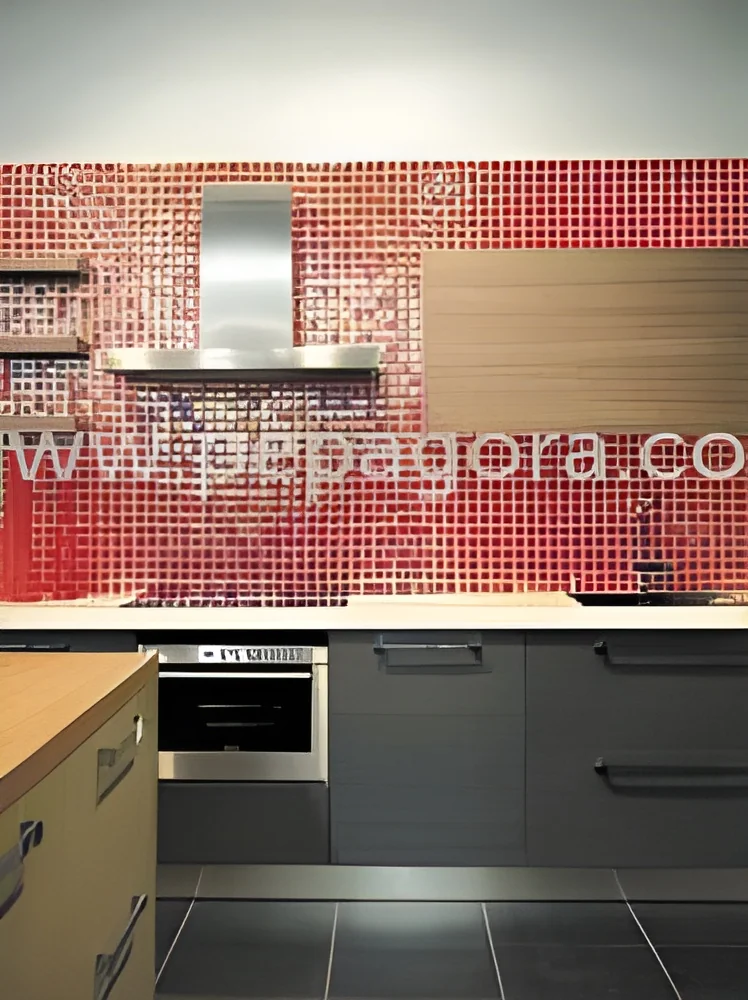
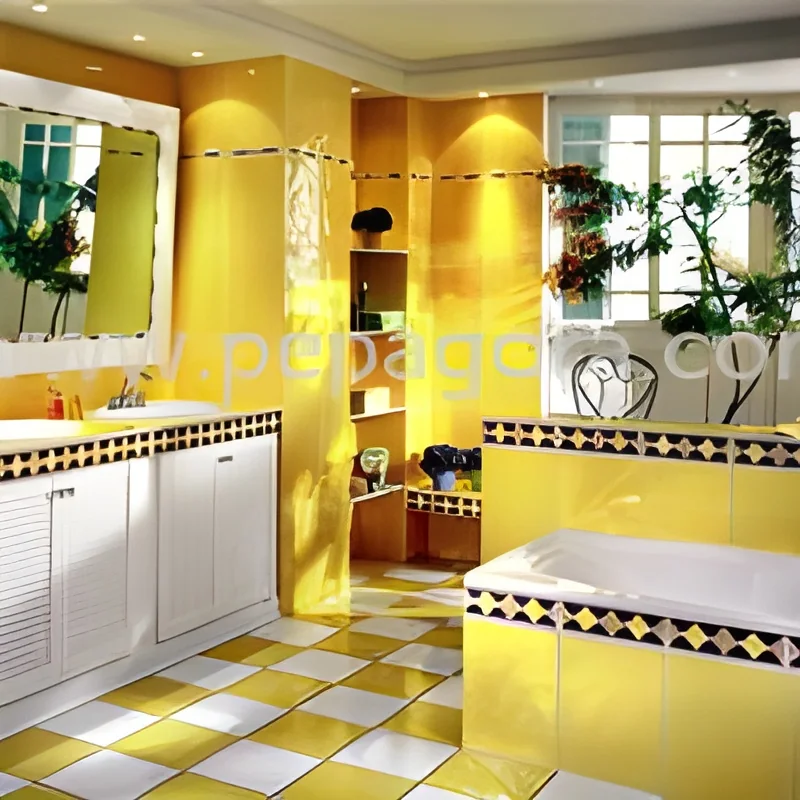
1. Residential Design: Mosaic tiles are widely used in homes for kitchen backsplashes, bathroom walls, and decorative accents in living areas. Their versatility enhances the overall aesthetic and allows homeowners to personalize their spaces.
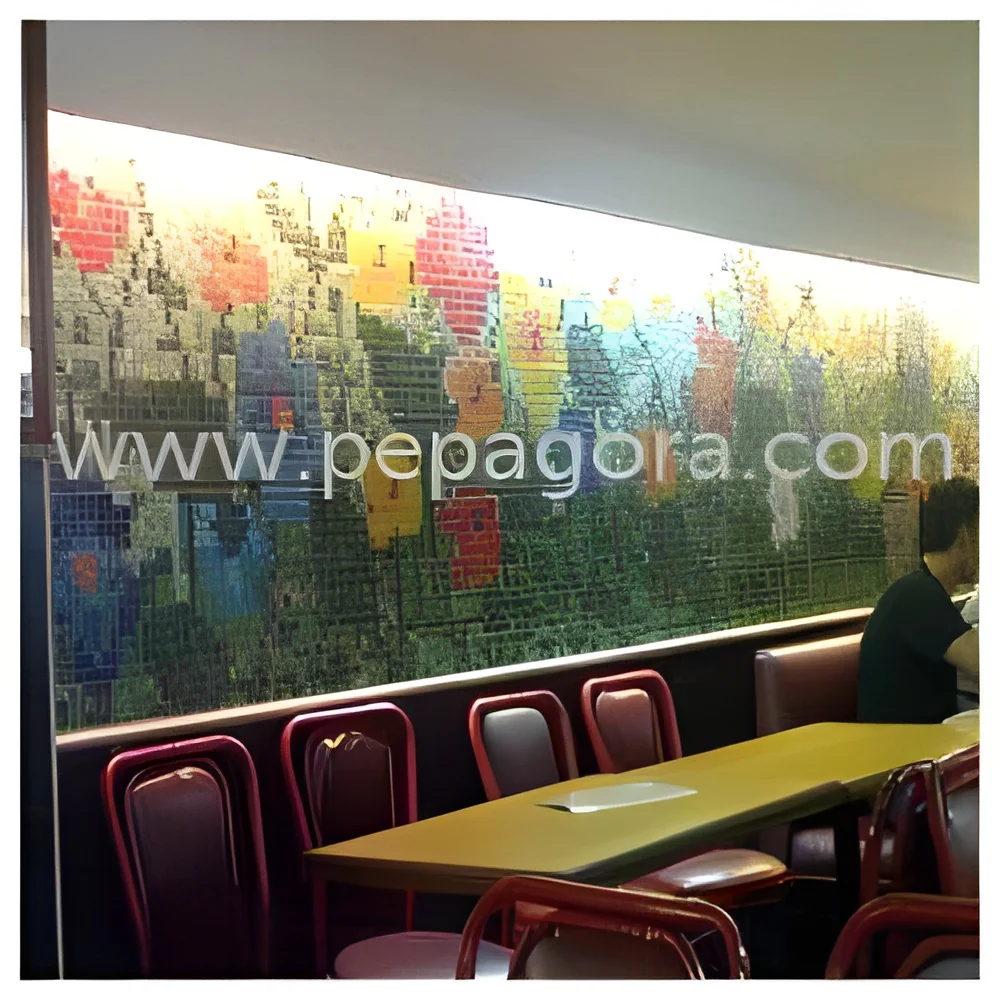
2. Hospitality: In hotels and restaurants, mosaic tiles add a touch of elegance to lobbies, dining areas, and restrooms. Custom designs can reflect the brand's identity and create memorable experiences for guests.
3. Commercial Spaces: Retail stores and offices utilize mosaic tiles for flooring and wall displays. They can create striking visual effects that attract customers and enhance the professional atmosphere.
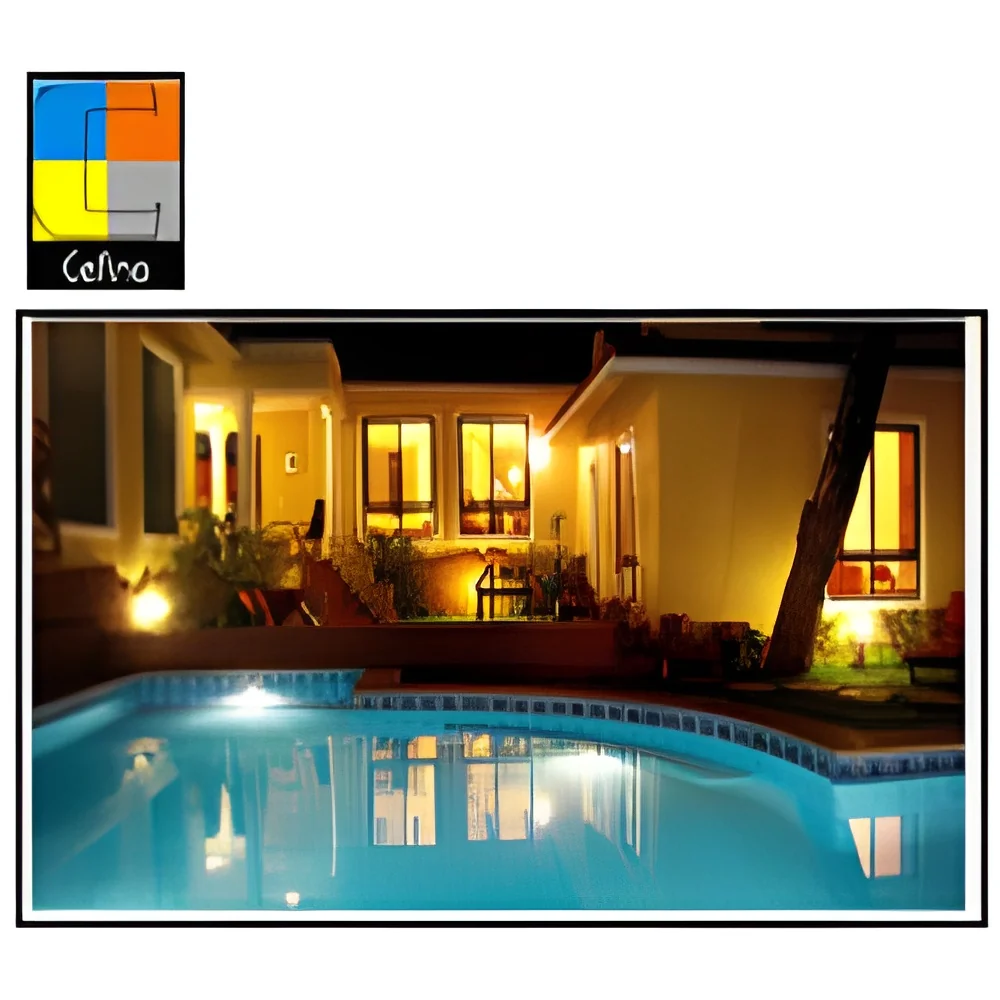
4. Outdoor Areas: Mosaic tiles are often used in outdoor patios, pool surrounds, and landscaping features. Their ability to withstand weather elements makes them suitable for exterior applications.
5. Healthcare Facilities: In hospitals and clinics, mosaic tiles are used for their hygienic properties. They are easy to clean and resistant to bacteria, making them ideal for patient areas.
6. Educational Institutions: Schools and universities often use mosaic tiles for creative expression in hallways and common areas. They contribute to a vibrant learning environment.
7. Art Installations: Mosaic tiles are frequently employed by artists to create large-scale installations or murals. Their adaptability and variety allow for innovative artistic expressions.
Product Variants and Subcategories
Mosaic tiles come in diverse variants, each offering unique characteristics and applications. This variety allows businesses and consumers to select the perfect tile for their specific needs.
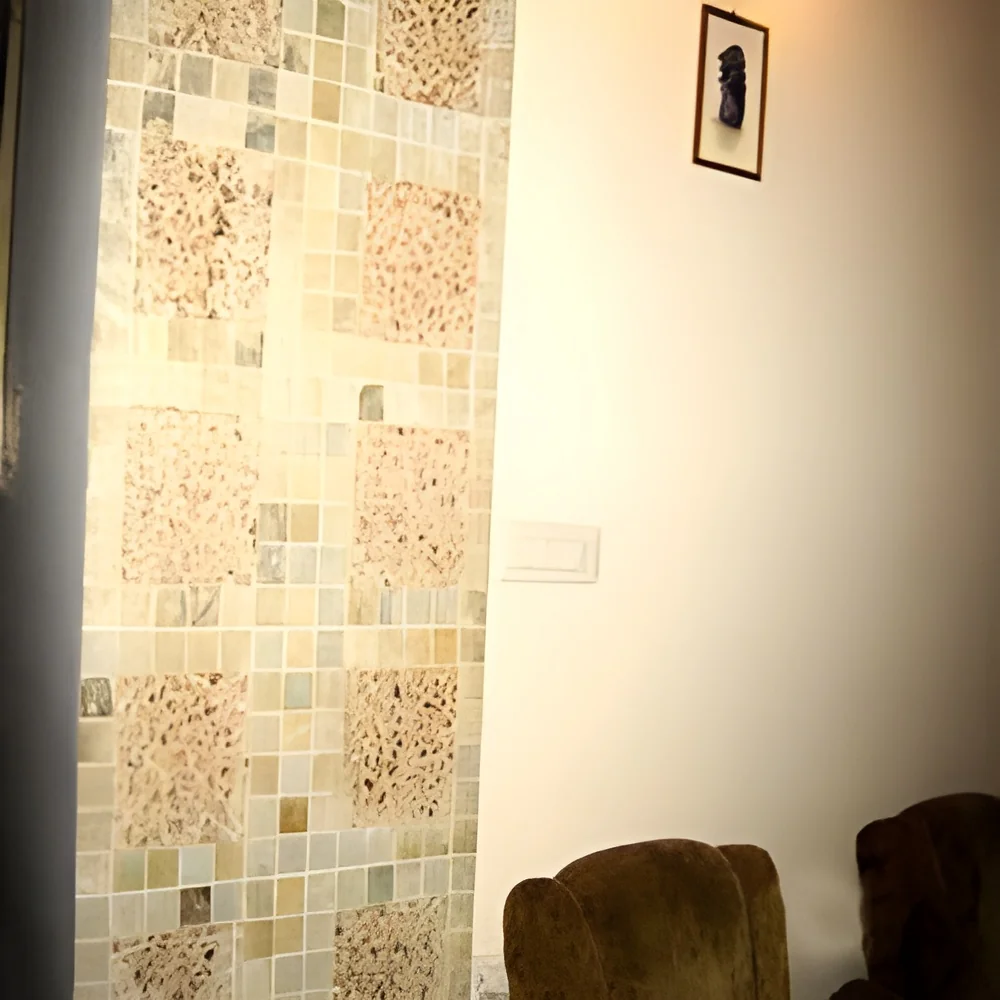
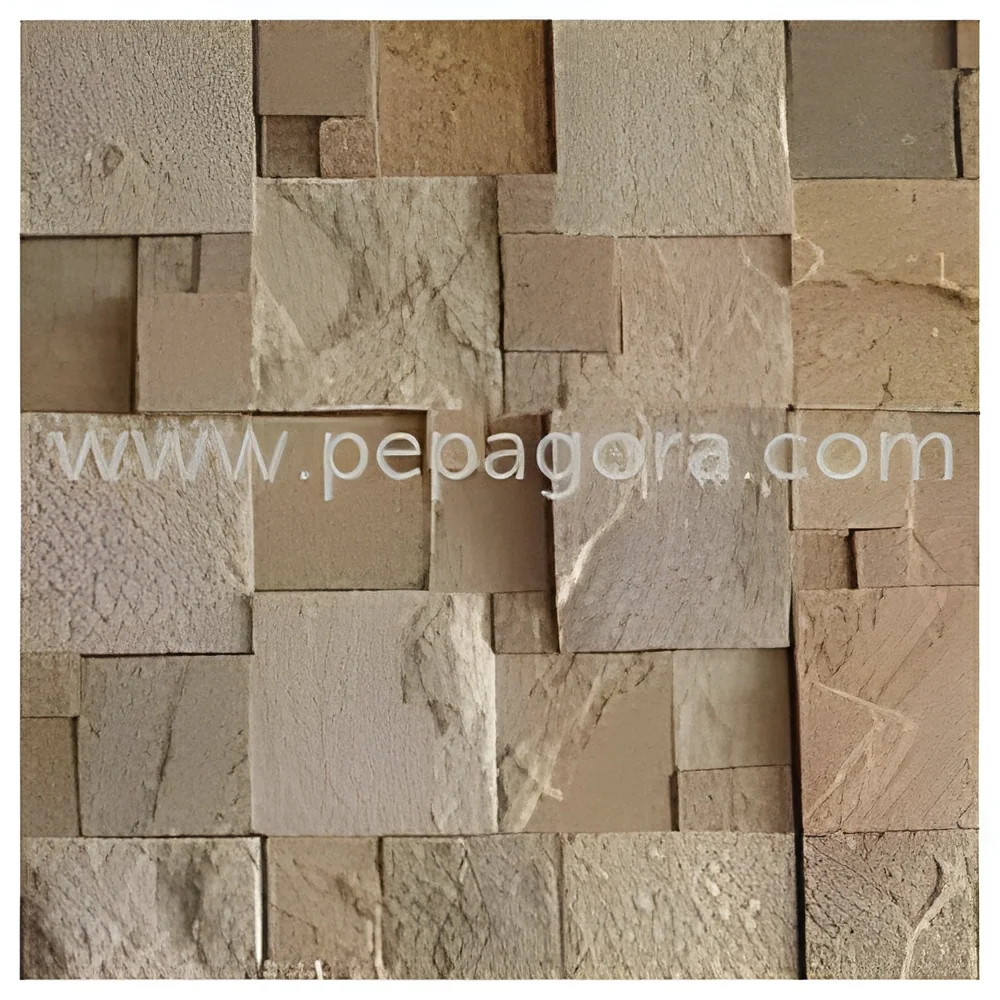
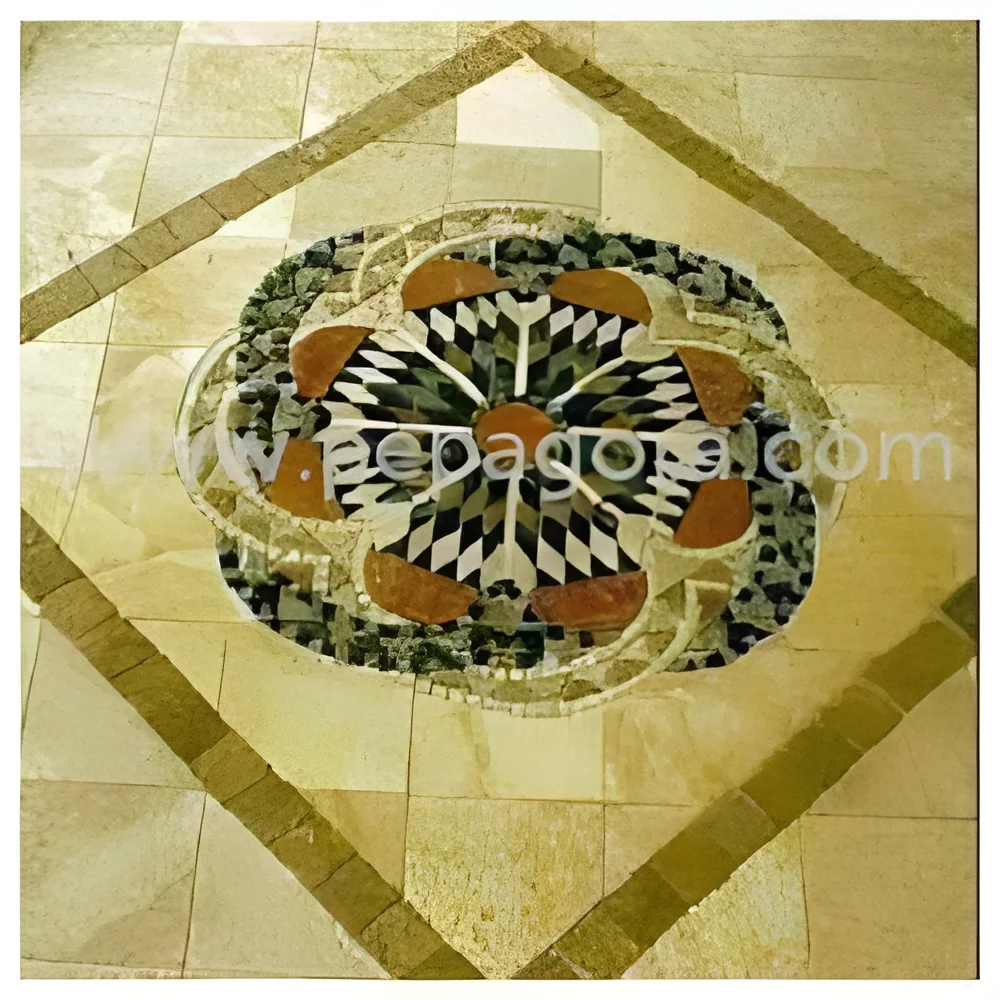
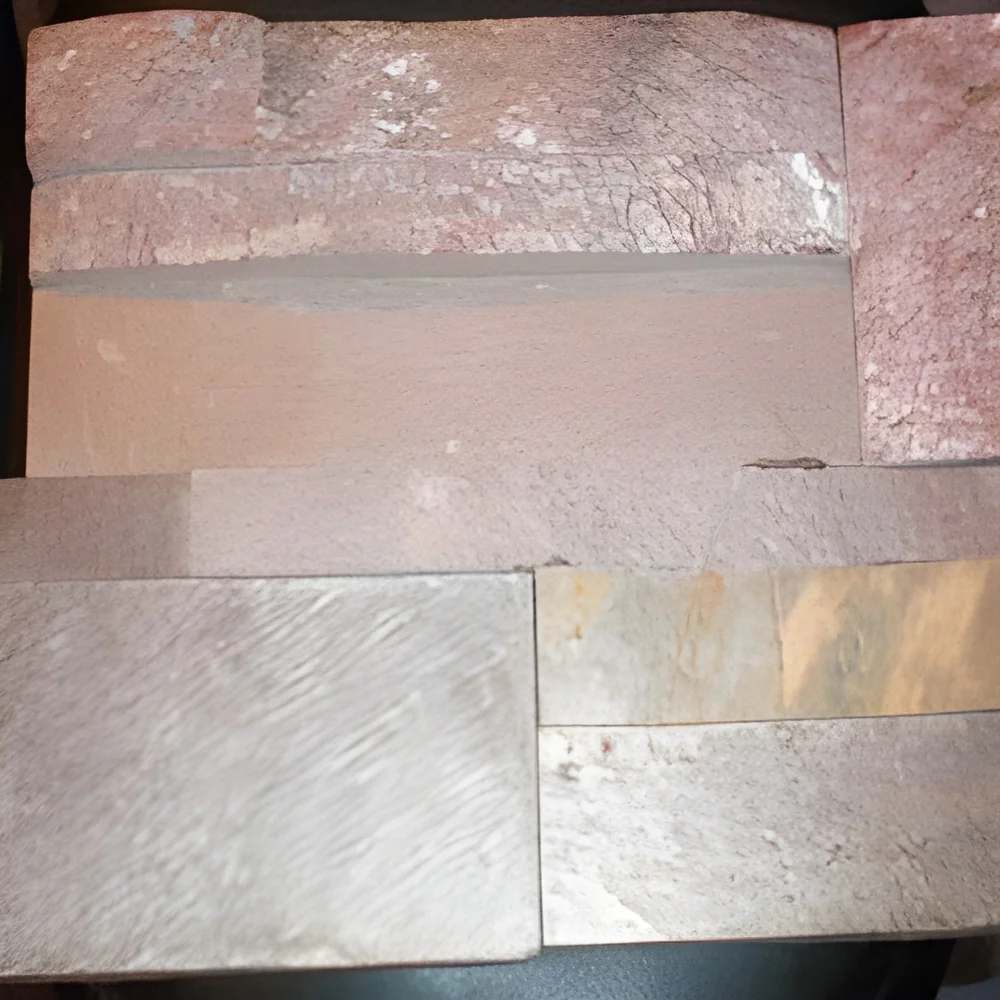
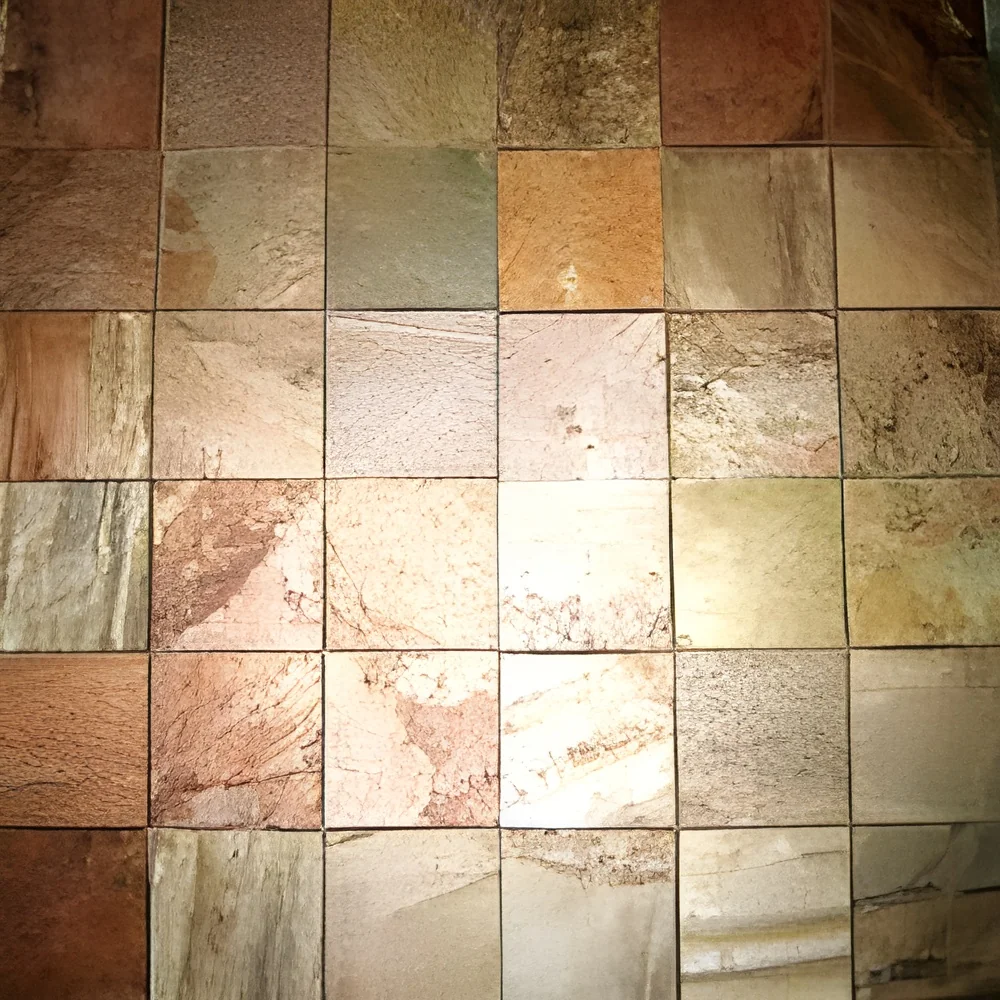
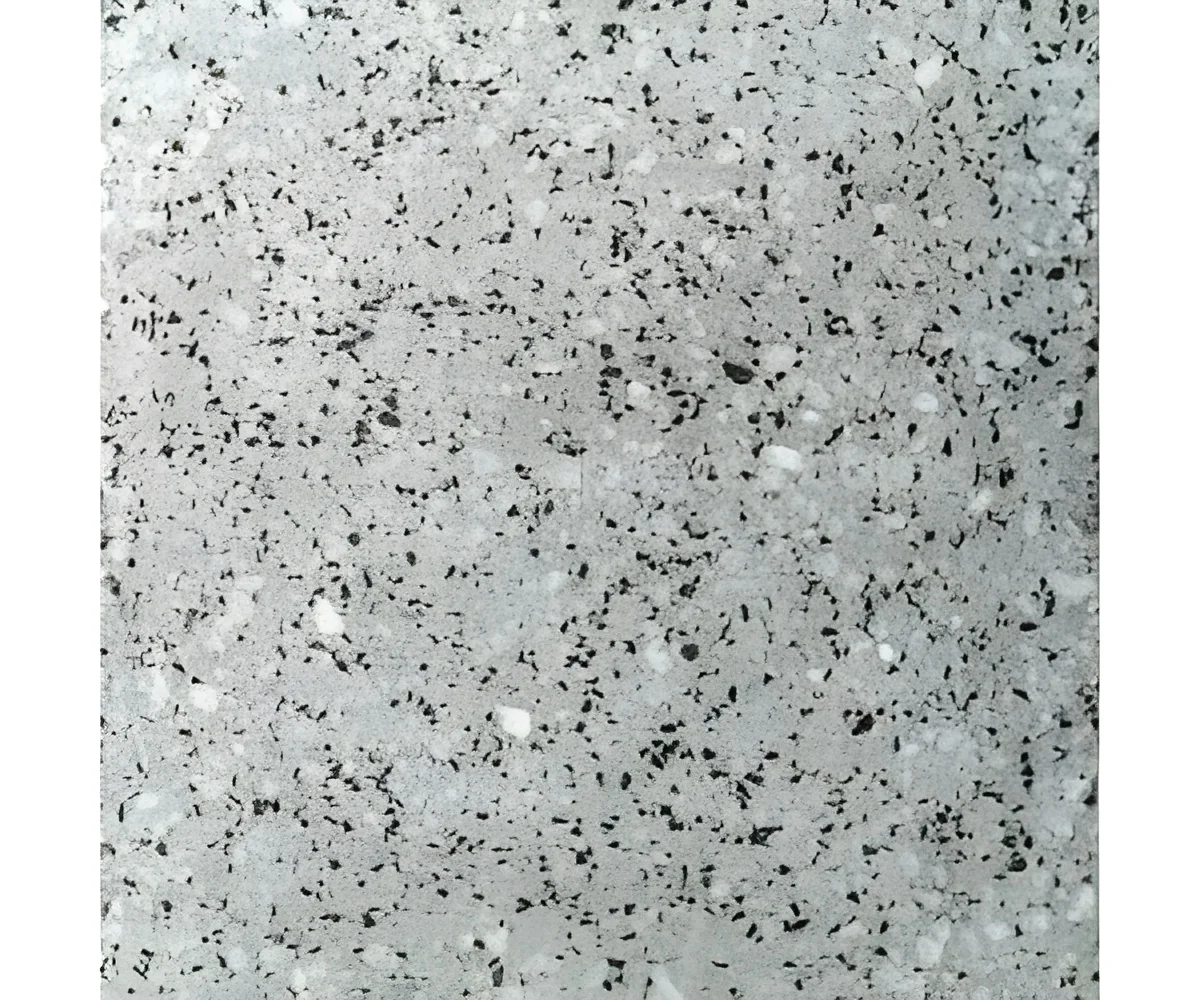
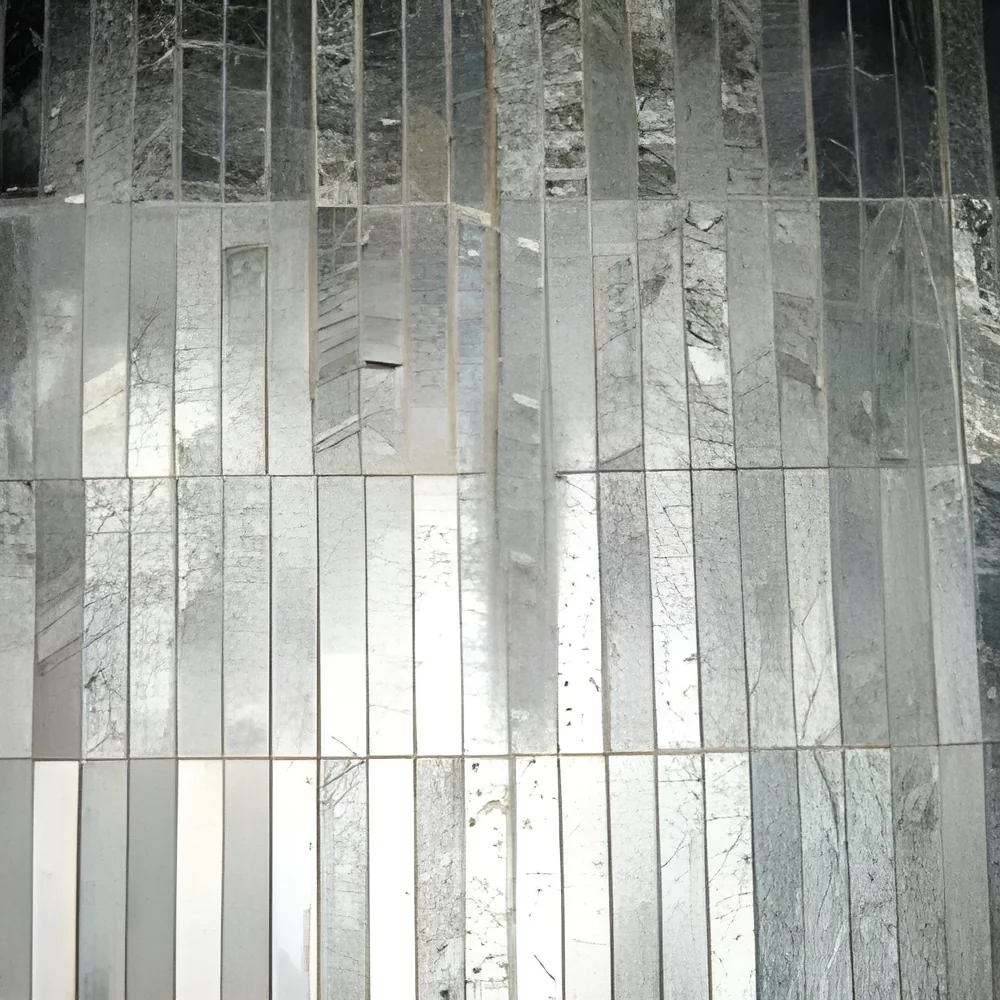
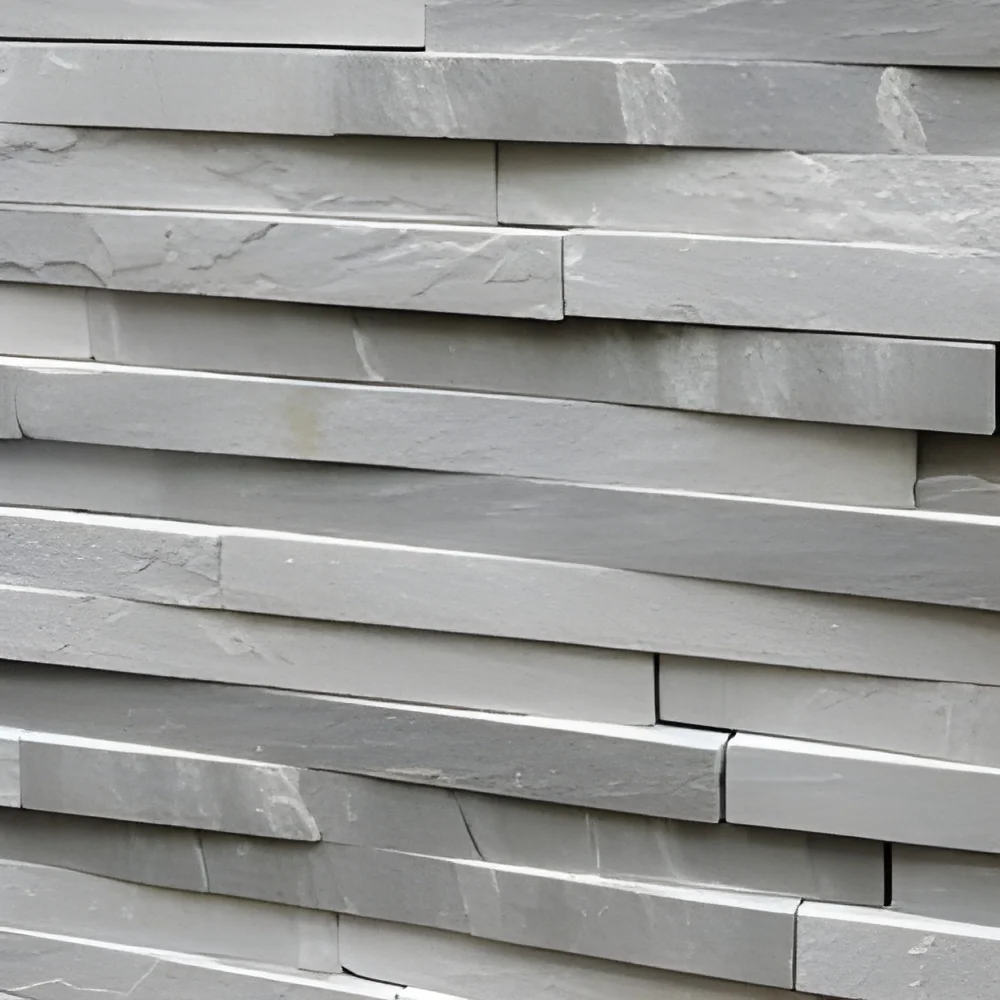
Natural Stone Mosaic Tiles: These tiles are made from materials such as marble, granite, or slate. They provide a rustic and elegant look, perfect for high-end residential or commercial projects.
Glass Mosaic Tiles: Known for their vibrant colors and reflective surfaces, glass mosaic tiles are popular in modern designs. They are often used in bathrooms and kitchens to create eye-catching features.
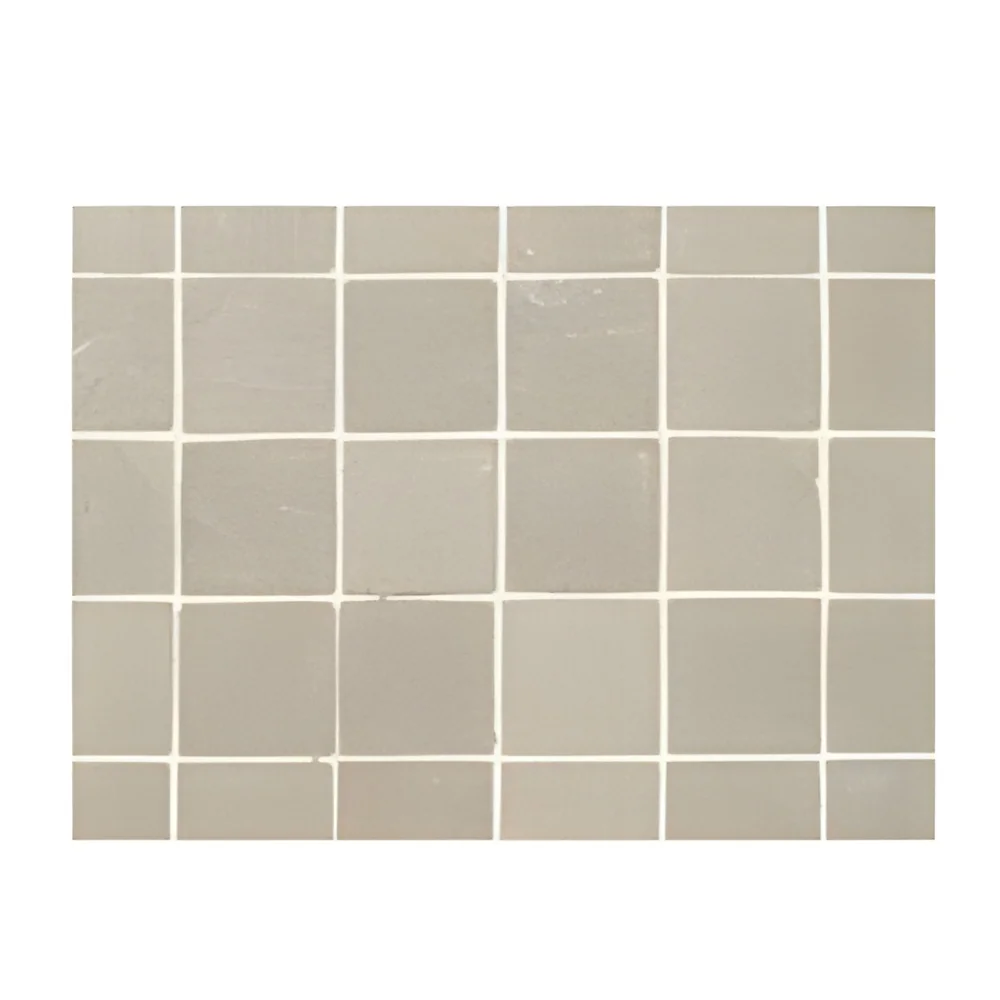
Ceramic Mosaic Tiles: These tiles are versatile and cost-effective, making them suitable for various applications. They come in a wide range of colors and patterns, allowing for creative design possibilities.
Metal Mosaic Tiles: These tiles add a contemporary touch to spaces with their sleek and shiny surfaces. They are often used in modern kitchens and commercial interiors for a stylish look.
Benefits and Advantages
Mosaic tiles offer several advantages that make them a preferred choice for many applications. Their unique features and versatility contribute to their popularity in both residential and commercial markets.
Key benefits include:
1. Aesthetic Appeal: Mosaic tiles provide endless design possibilities with their vibrant colors and patterns, enhancing the overall look of any space.
2. Durability: Made from robust materials, mosaic tiles are resistant to wear, making them suitable for high-traffic areas.
3. Easy Installation: Mosaic tiles come on mesh sheets, which simplifies the installation process and reduces labor time.
4. Low Maintenance: Their surface is generally easy to clean and resistant to stains, making upkeep straightforward.
5. Customization Options: Many suppliers offer customized mosaic tiles to meet specific design requirements, allowing for personalized projects.
6. Versatility: Mosaic tiles can be used in various applications, from interior design to exterior landscaping, making them suitable for diverse industries.
Buying Guide for B2B Buyers
When sourcing mosaic tiles, several factors should be considered to ensure a successful purchase. Understanding these key aspects will help buyers make informed decisions.
1. Quality Assessment: Evaluate the quality of tiles based on material composition and manufacturing processes. Look for certifications that indicate compliance with industry standards.
2. Supplier Verification: Vet potential suppliers by checking their reputation, customer reviews, and industry experience. This ensures reliability in product quality and service.
3. Pricing and MOQ: Understand the pricing structure, including any minimum order quantities (MOQ). This helps in budgeting and ensures that the order meets project needs.
4. Delivery and Lead Times: Confirm delivery schedules and lead times to avoid project delays. Reliable logistics are essential for timely completion.
5. Compliance Requirements: Be aware of any regulatory standards that apply to mosaic tiles in your region. This may include safety, environmental, and quality compliance.
Compliance and Certifications
Mosaic tiles must adhere to relevant quality standards and certifications to ensure safety and reliability. Compliance with these standards is crucial for businesses in the construction and design sectors.
Quality standards such as ISO 9001 are important for manufacturers, ensuring consistent quality management systems. This certification indicates that the production processes meet international standards for quality and efficiency.
Industry certifications like CE mark are essential for products sold within the European market. This certification ensures that the tiles comply with health, safety, and environmental protection standards.
Safety and testing requirements are also significant. Manufacturers should conduct tests to assess the tiles' durability, water resistance, and fire resistance, ensuring they meet the necessary performance criteria.
Regional compliance considerations may vary, so it is essential for businesses to be aware of any local regulations regarding construction materials. This ensures that the products used in projects are compliant with regional safety standards.
Why Source Mosaic Tiles from Pepagora?
Pepagora provides a trusted platform for sourcing mosaic tiles, offering several key advantages that benefit B2B buyers.
Verified Supplier Network: Pepagora features a network of verified suppliers, ensuring that buyers can confidently source high-quality mosaic tiles. The verification process includes checks on supplier credibility and product quality.
Streamlined RFQ Process: The platform offers a streamlined Request for Quotation (RFQ) process, allowing buyers to easily request and compare prices from multiple suppliers. This saves time and helps in making informed purchasing decisions.
Trade Assurance and Support: Pepagora provides trade assurance, protecting buyers from potential disputes. The platform offers support throughout the purchasing process, ensuring a smooth transaction.
Regional Coverage: With a strong presence in India, the GCC, and Southeast Asia, Pepagora offers extensive regional coverage. This geographic reach allows buyers to access a diverse range of mosaic tiles tailored to their specific markets.
By choosing Pepagora, businesses can ensure a reliable sourcing experience for mosaic tiles, backed by a robust support system and quality assurance.

 IN
IN