
 IN
Porcelain Tiles
27 products available
What are Porcelain Tiles?
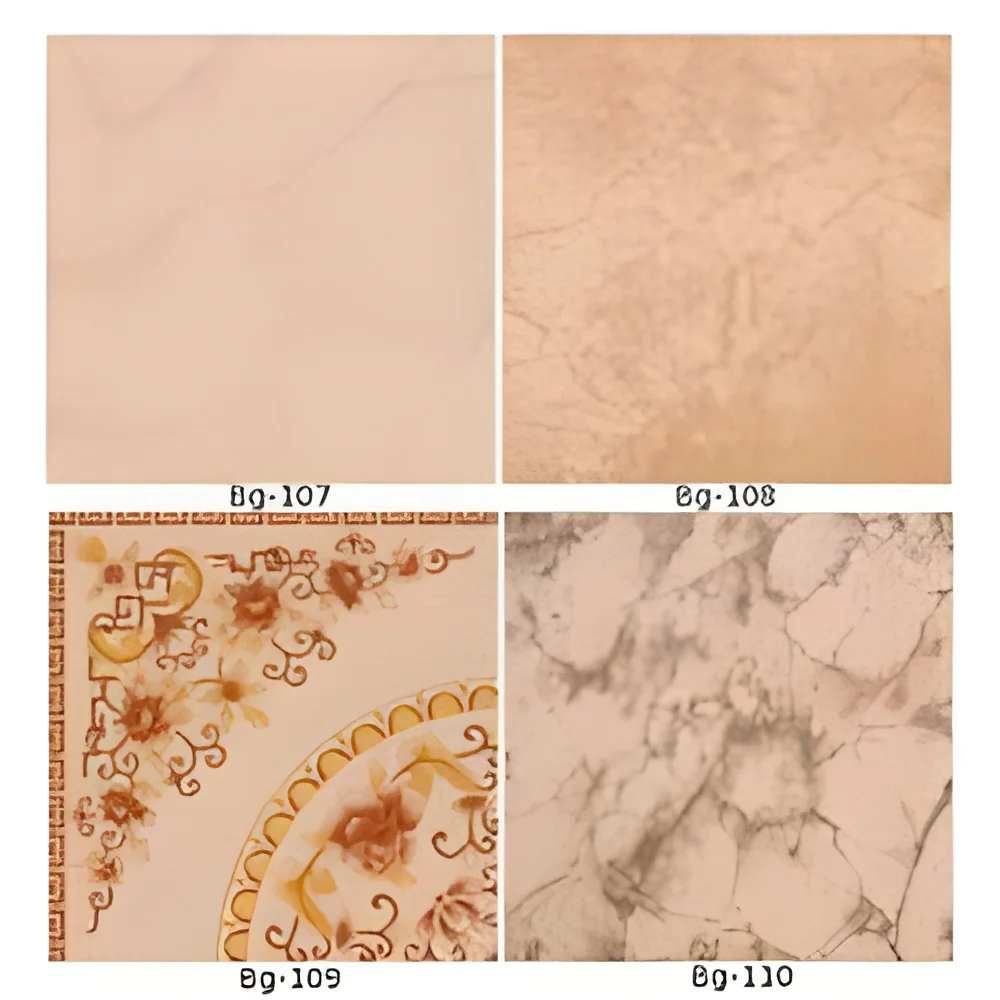
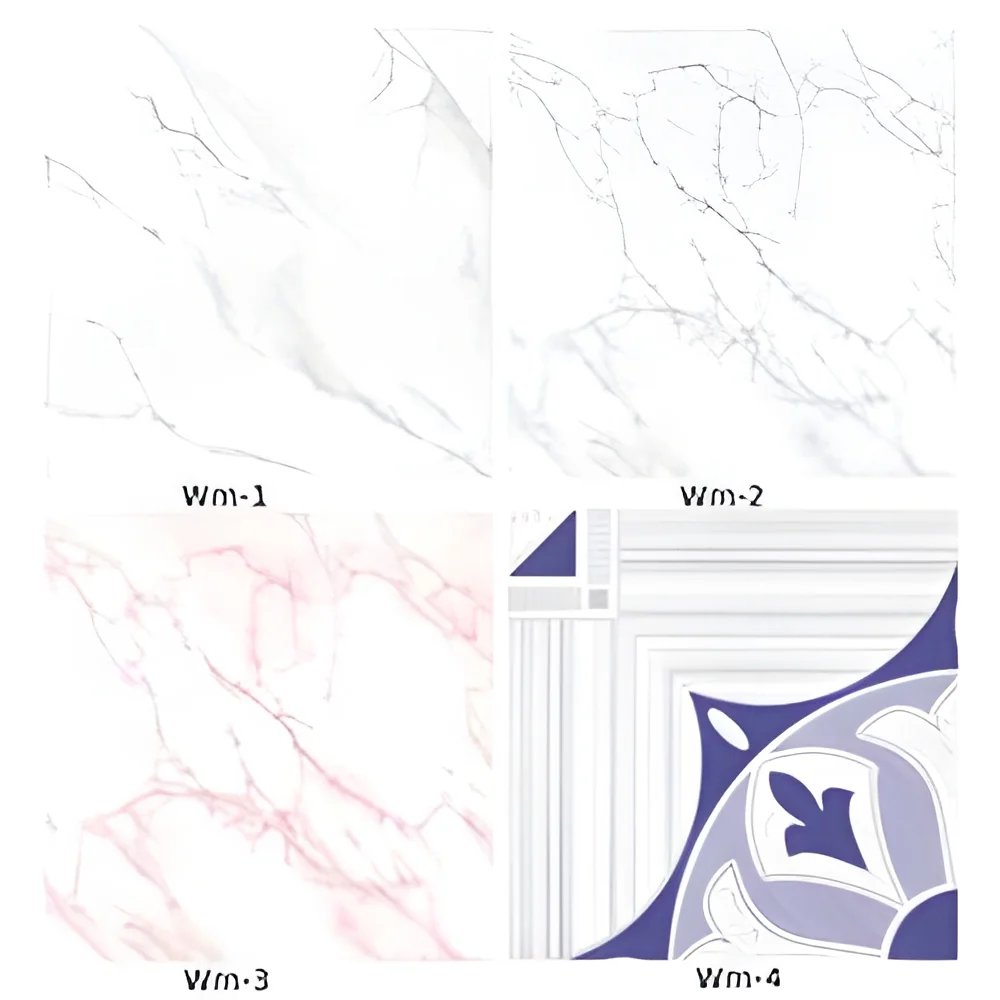
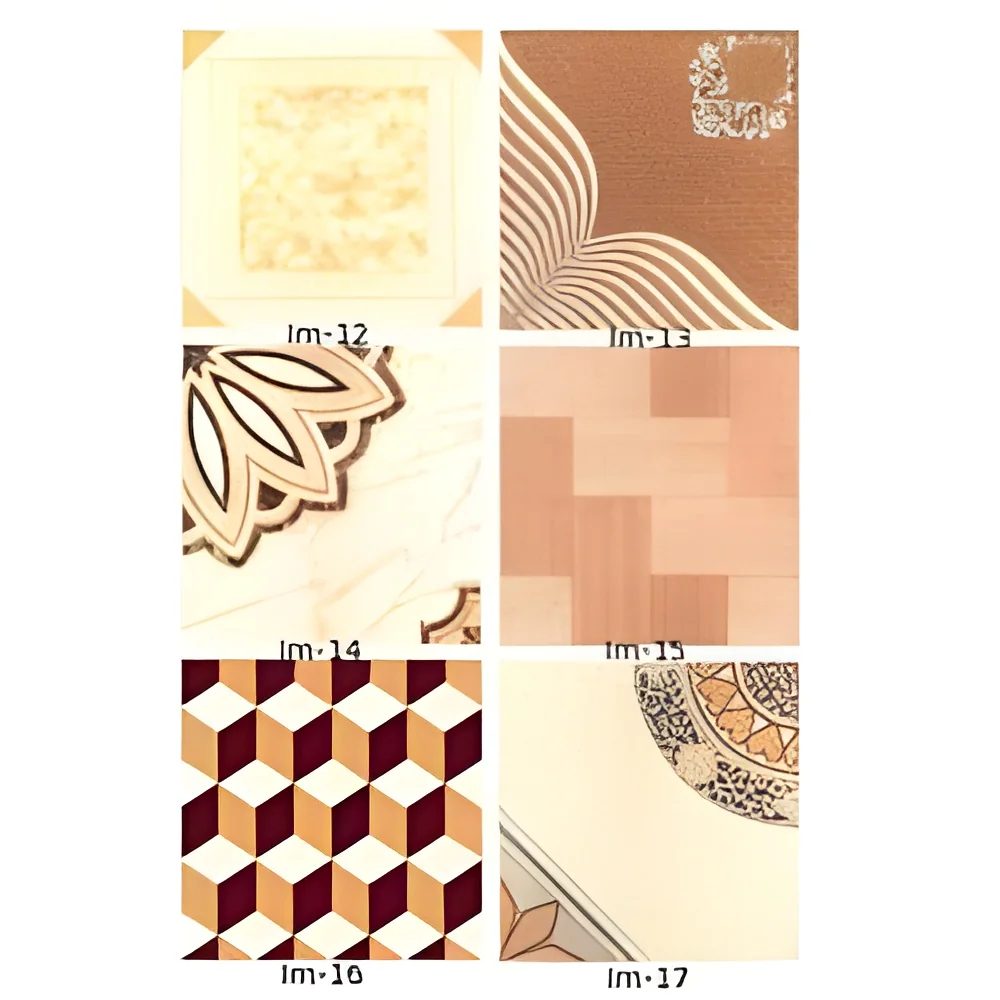
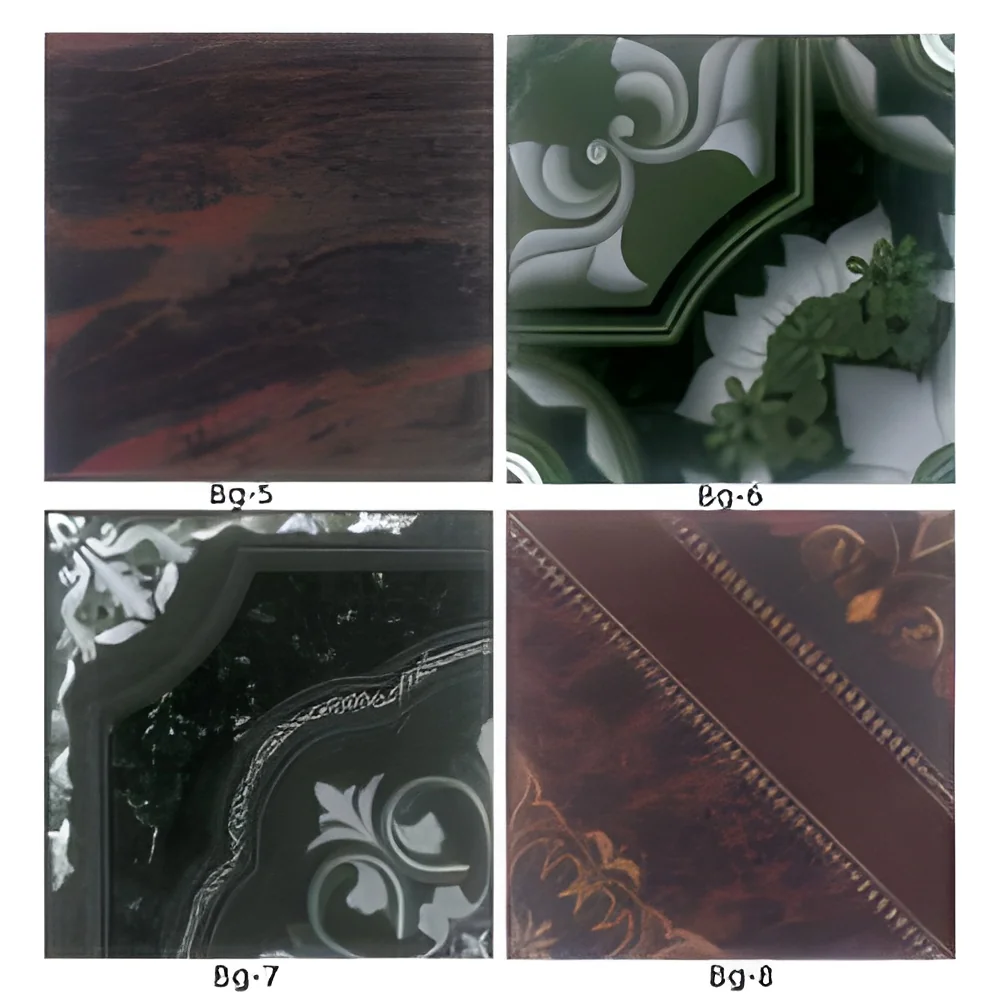
Porcelain tiles are a type of ceramic tile made from dense clay that is fired at high temperatures. This process results in a tile that is not only durable but also non-porous, making it resistant to moisture and staining. Porcelain tiles can be found in a variety of designs, colors, and finishes, making them a versatile option for various applications.
Primarily, porcelain tiles are used in residential and commercial settings for flooring, walls, and countertops. They are popular in areas that experience high foot traffic, such as shopping malls, airports, and restaurants, due to their durability and ease of maintenance. The industry has seen a growing trend towards the use of eco-friendly materials, and porcelain tiles can be produced with sustainable practices, enhancing their appeal in the modern market.
In the current market context, porcelain tiles are highly relevant due to their aesthetic appeal and functional benefits. The increasing demand for stylish and sustainable building materials has positioned porcelain tiles as a favored choice among architects and designers. As the construction and renovation industries continue to grow, the demand for high-quality porcelain tiles is expected to rise.
Key Features and Specifications
Porcelain tiles boast a range of features that make them suitable for various applications. Their specifications define their performance and usability.
Key specifications include:
1. Water Absorption Rate
- Porcelain tiles have a low water absorption rate of less than 0.5%, which prevents moisture damage and staining.
2. Durability
- These tiles are known for their strength and ability to withstand heavy loads and impact, making them ideal for high-traffic areas.
3. Surface Hardness
- Porcelain tiles typically have a high surface hardness rating, ensuring they resist scratches and wear over time.
4. Fade Resistance
- The color and patterns in porcelain tiles are often resistant to fading from sunlight, ensuring long-lasting aesthetics.
5. Variety of Finishes
- Available finishes include matte, glossy, and textured, allowing for creative design choices.
6. Size Options
- Porcelain tiles come in various sizes, from small mosaics to large format tiles, accommodating different installation needs.
7. Chemical Resistance
- They are often resistant to common household chemicals, making them easy to clean and maintain.
8. Frost Resistance
- Many porcelain tiles are frost-resistant, making them suitable for outdoor applications in colder climates.
Overall, these specifications ensure that porcelain tiles meet the demands of various environments and usage scenarios.
Common Applications and Use Cases
Porcelain tiles serve a wide range of industries and applications.
1. Residential: In homes, porcelain tiles are frequently used in kitchens, bathrooms, and living areas due to their aesthetic appeal and durability.
2. Commercial: Retail spaces and showrooms utilize porcelain tiles for their ability to handle high foot traffic while maintaining a professional appearance.
3. Hospitality: Hotels and restaurants often choose porcelain tiles for floors and walls because of their resistance to stains and ease of cleaning.
4. Healthcare: Hospitals and clinics benefit from porcelain tiles due to their hygienic properties and ability to withstand frequent cleaning.
5. Education: Schools and universities use porcelain tiles in hallways and classrooms for durability and low maintenance.
6. Outdoor Spaces: Porcelain tiles can be used in patios and walkways, as many variants are designed to withstand outdoor conditions.
7. Industrial: In factories and warehouses, porcelain tiles can provide a robust flooring solution that can endure heavy machinery and traffic.
Product Variants and Subcategories
Porcelain tiles come in a variety of styles and finishes, offering diverse options for buyers.
Polished Porcelain Tiles
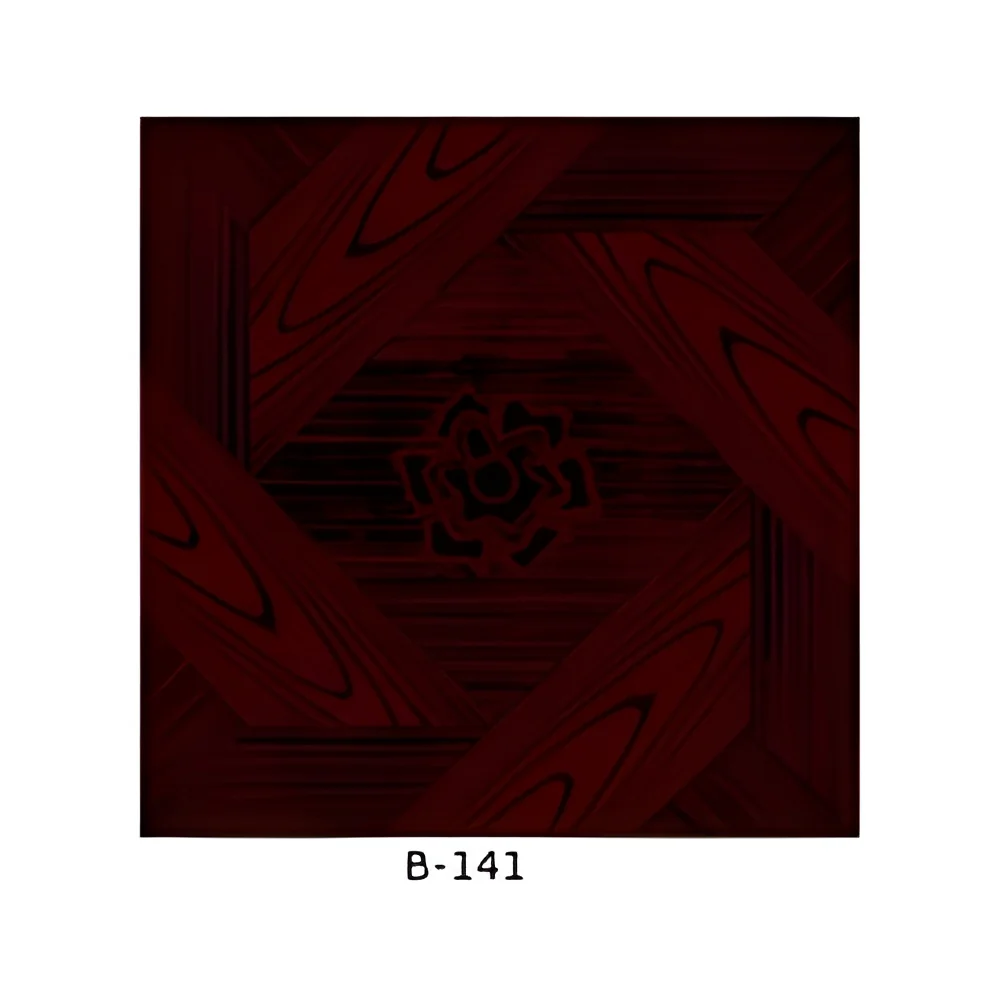
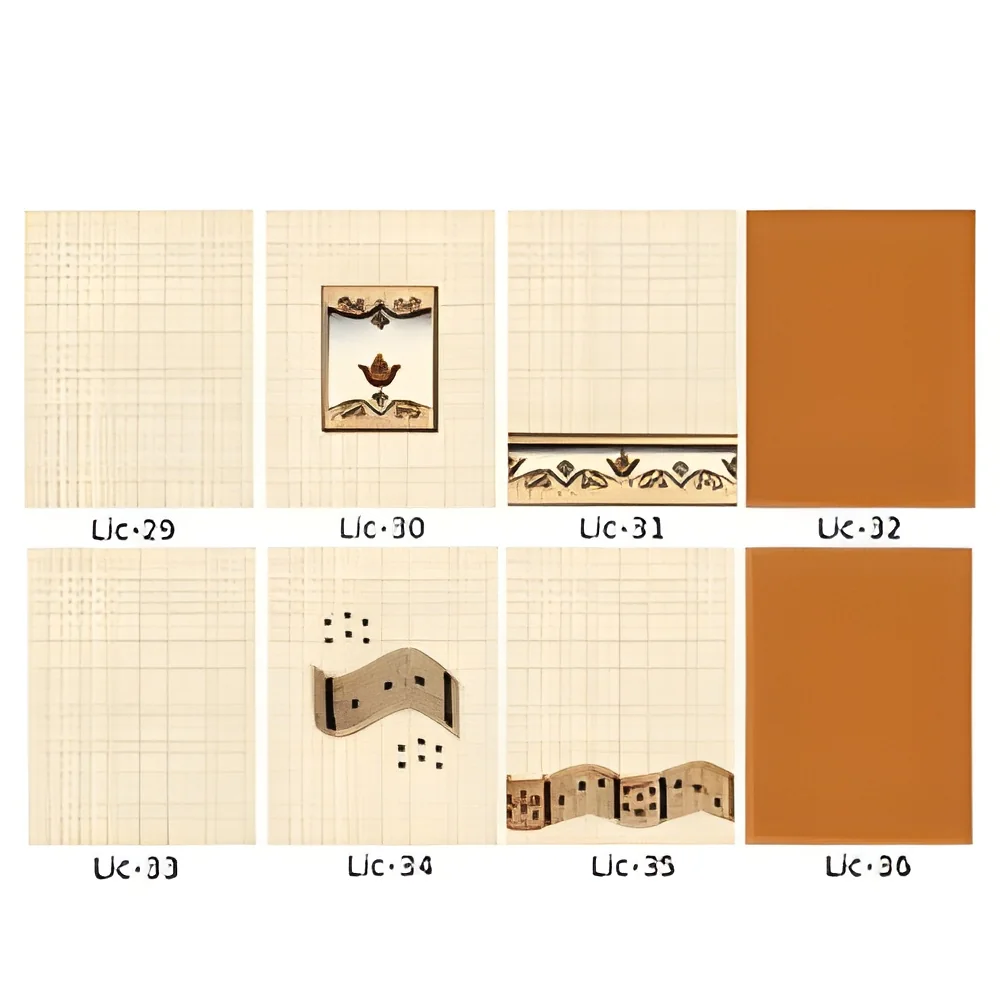
These tiles have a high-gloss finish, providing a luxurious appearance. They are suitable for indoor spaces where a sophisticated look is desired, such as living rooms and bathrooms.
Textured Porcelain Tiles
Textured tiles offer a non-slip surface, making them ideal for areas prone to moisture, like bathrooms and kitchens. They also provide aesthetic depth and character to spaces.
Matt Porcelain Tiles
With a low-sheen finish, matte porcelain tiles are perfect for those seeking a more understated look. They are often used in contemporary designs and are easy to maintain.
Color Body Porcelain Tiles
These tiles have a consistent color throughout, ensuring that chips and scratches are less visible. They are commonly used in commercial settings due to their durability.
Benefits and Advantages
Sourcing porcelain tiles comes with numerous benefits for businesses looking for quality materials.
1. Durability: Porcelain tiles are known for their strength, making them a long-lasting flooring solution that can withstand heavy use.
2. Low Maintenance: Their non-porous surface makes cleaning easy and reduces the need for frequent maintenance.
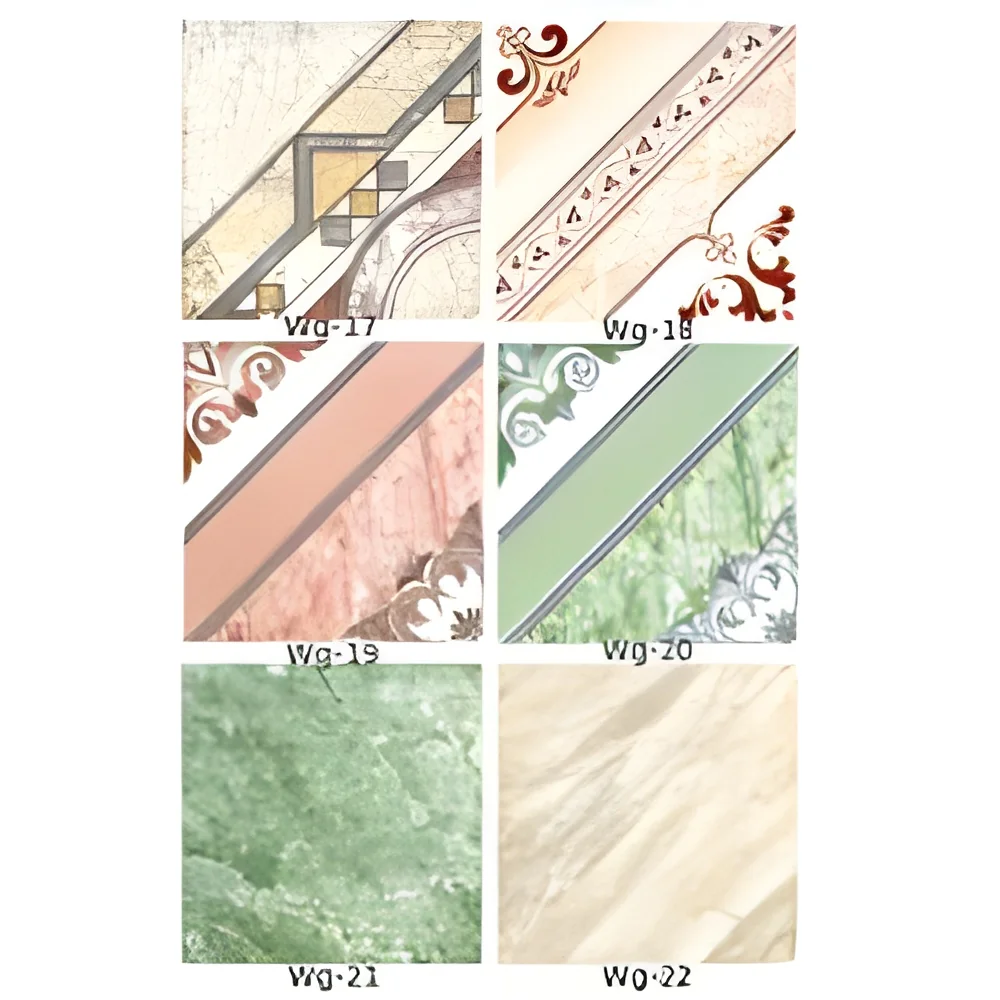
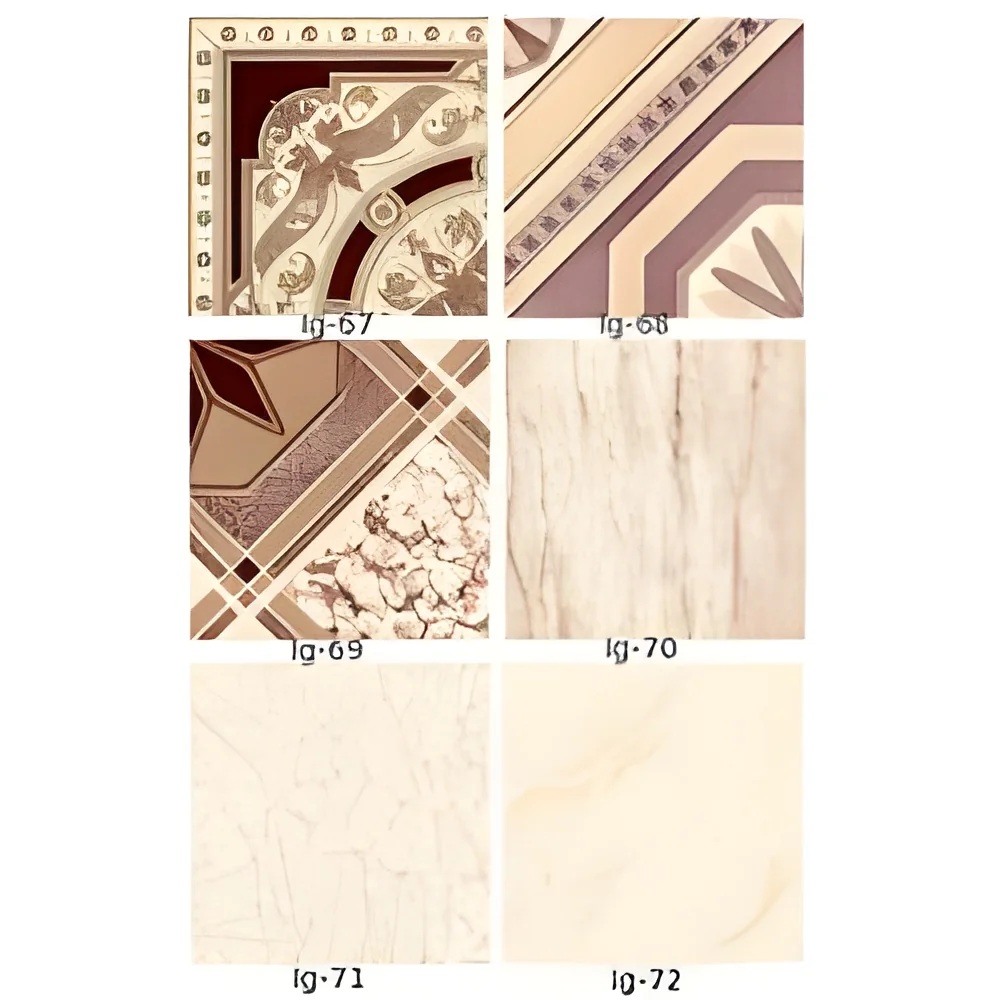
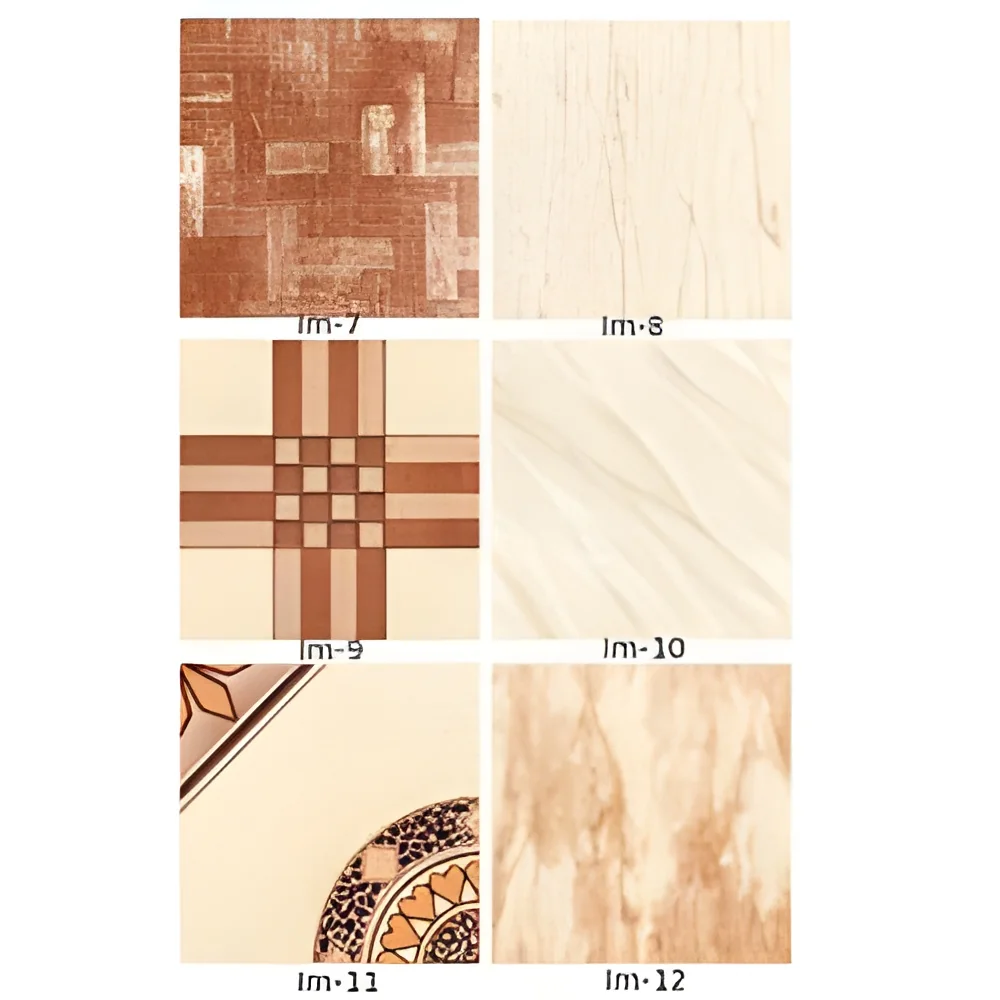
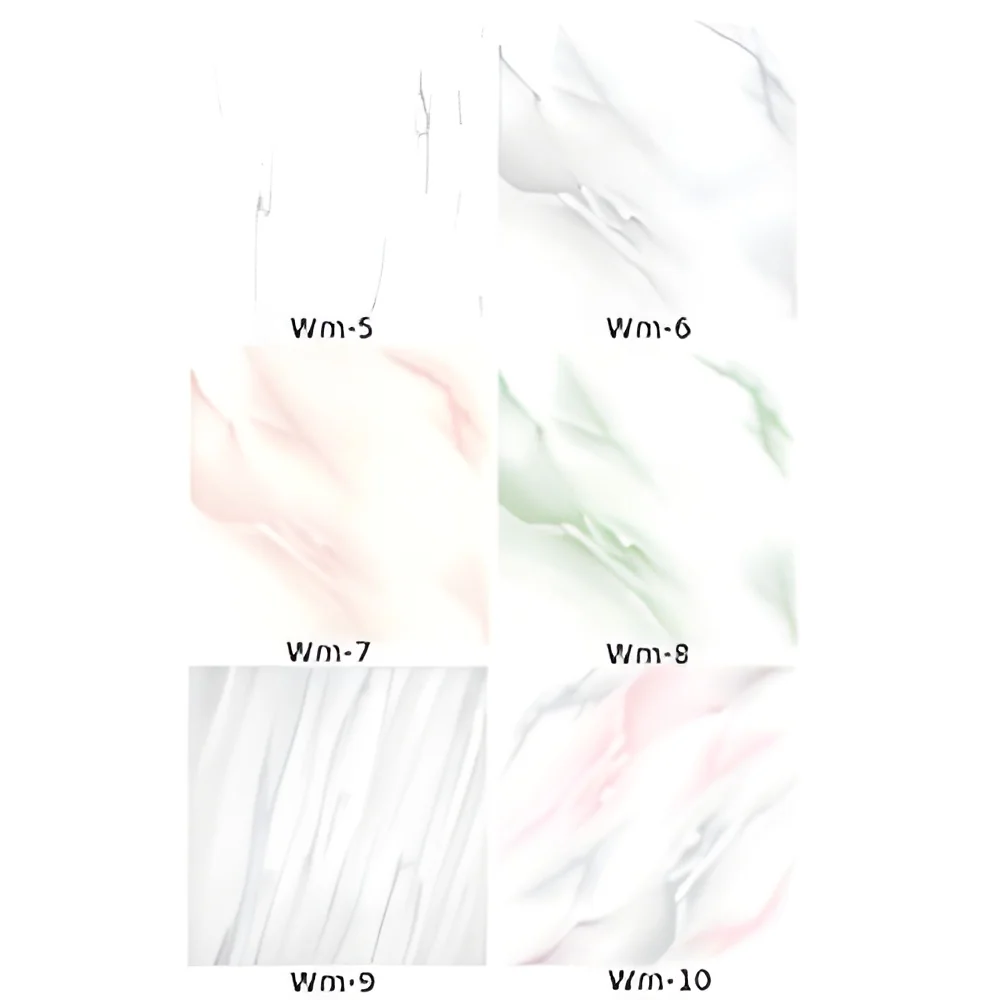
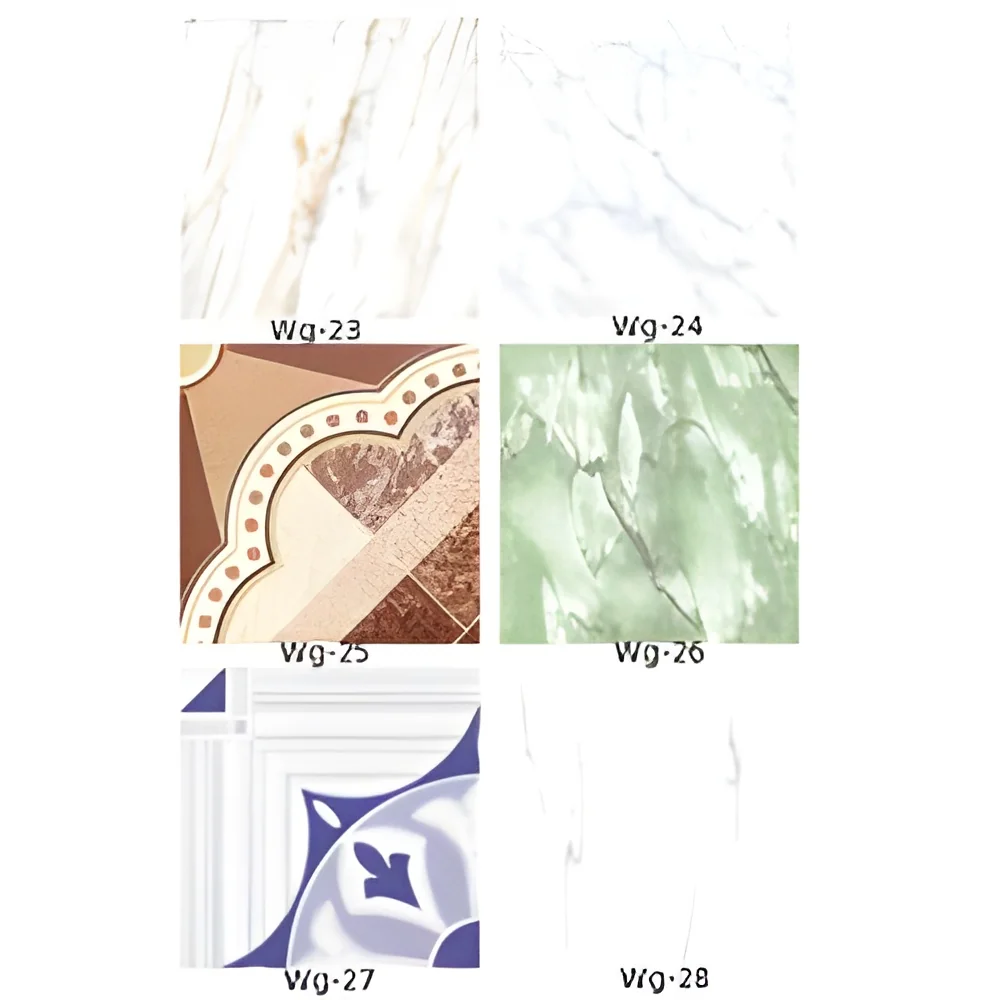
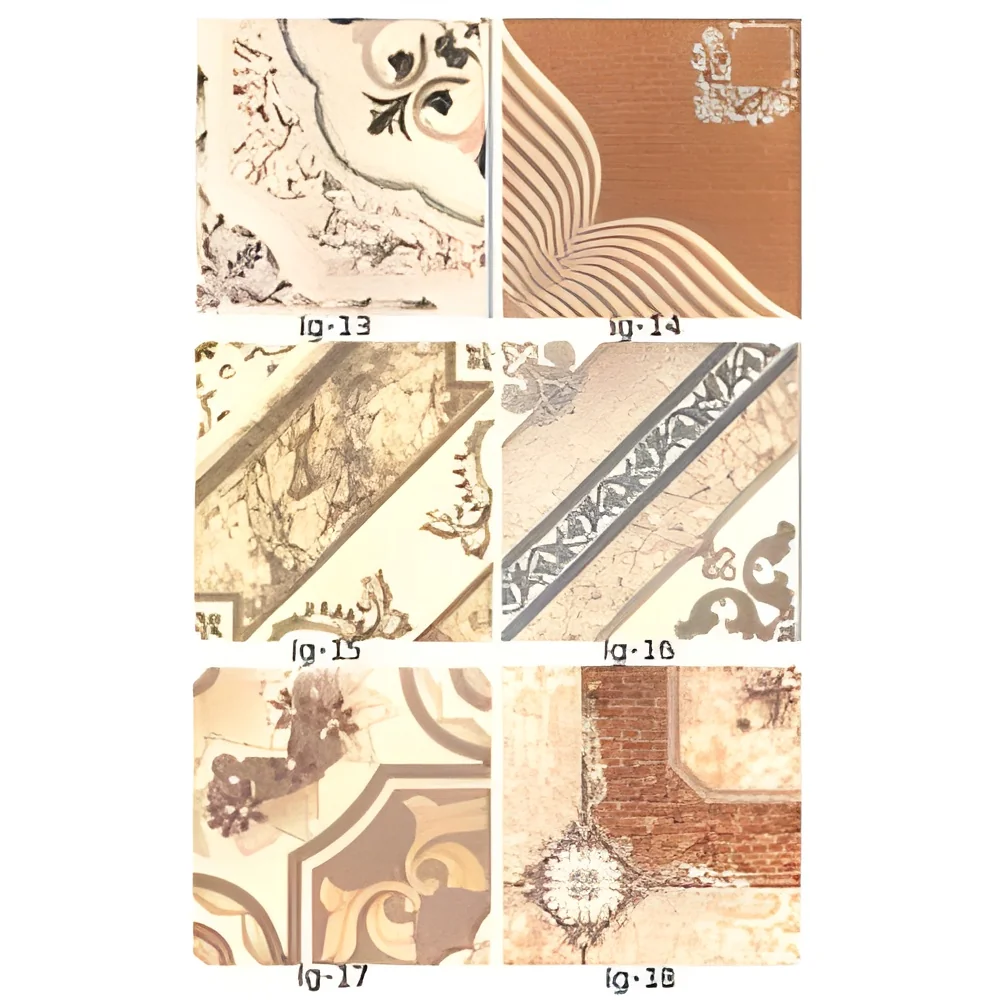
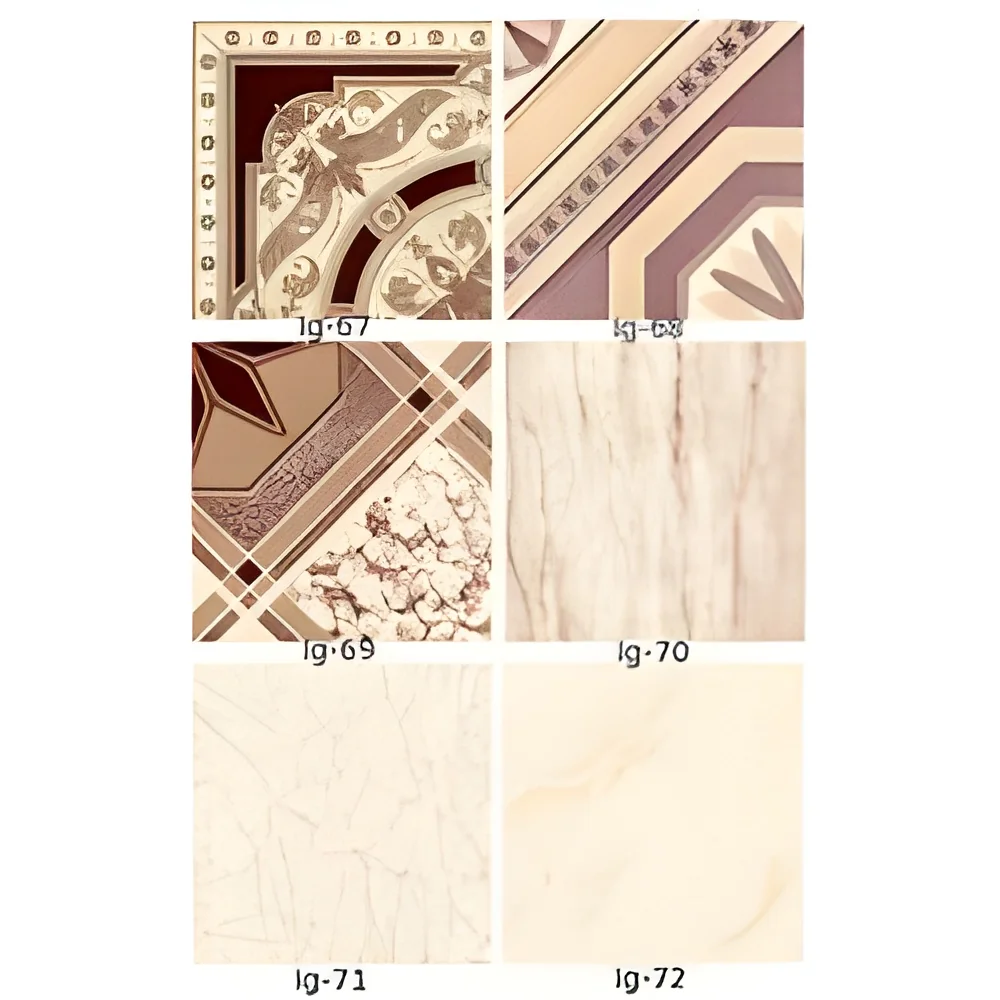
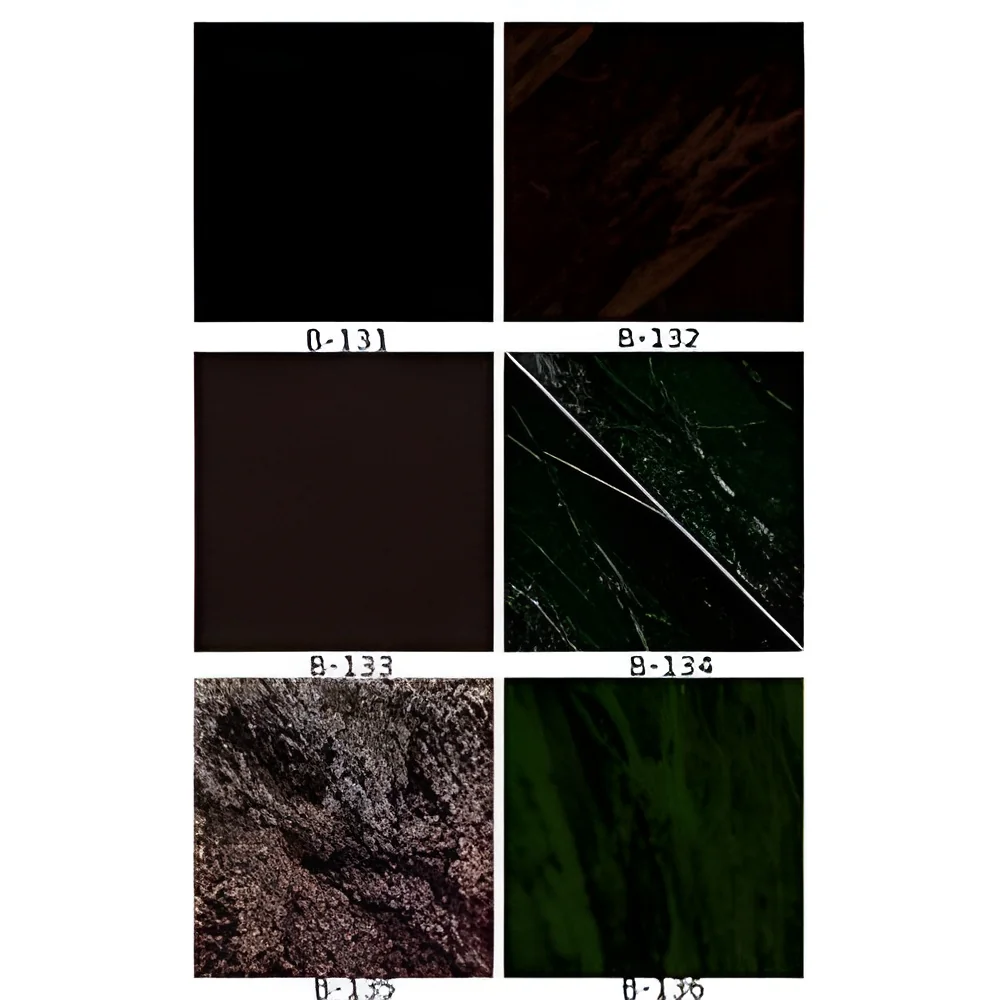
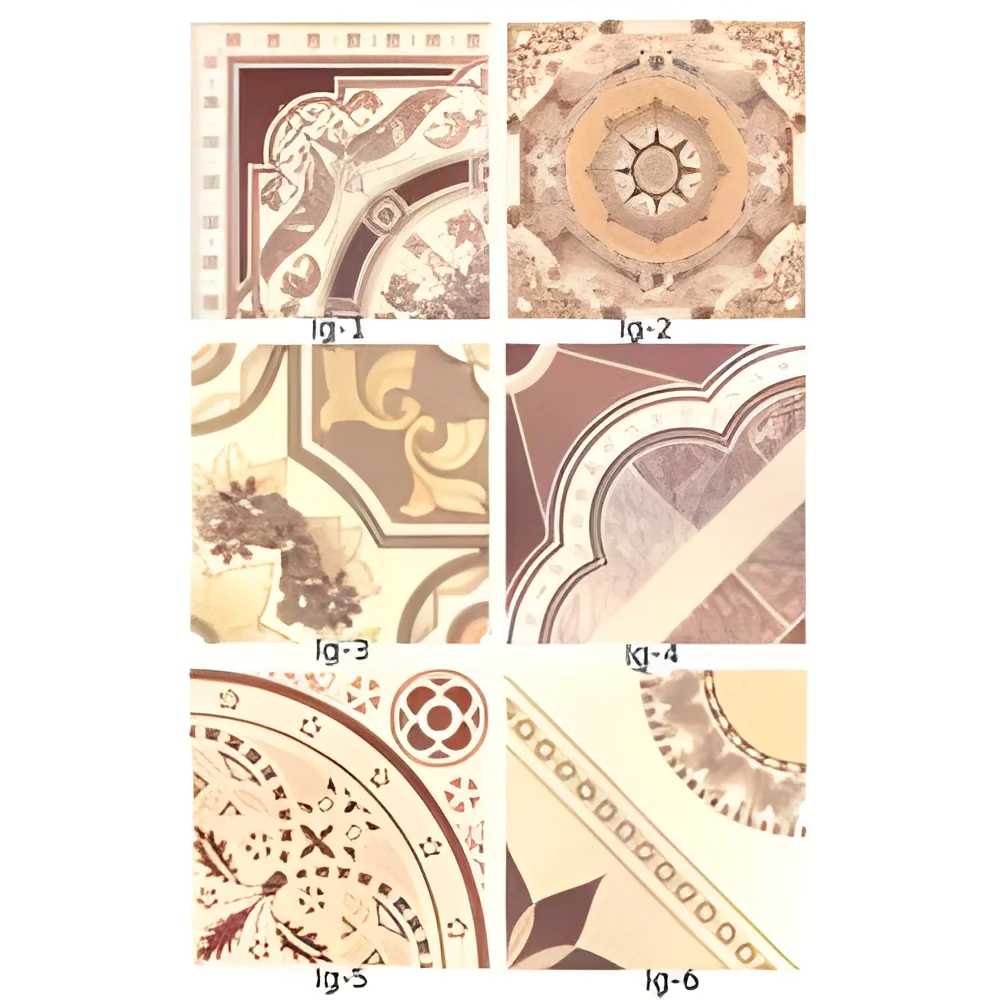
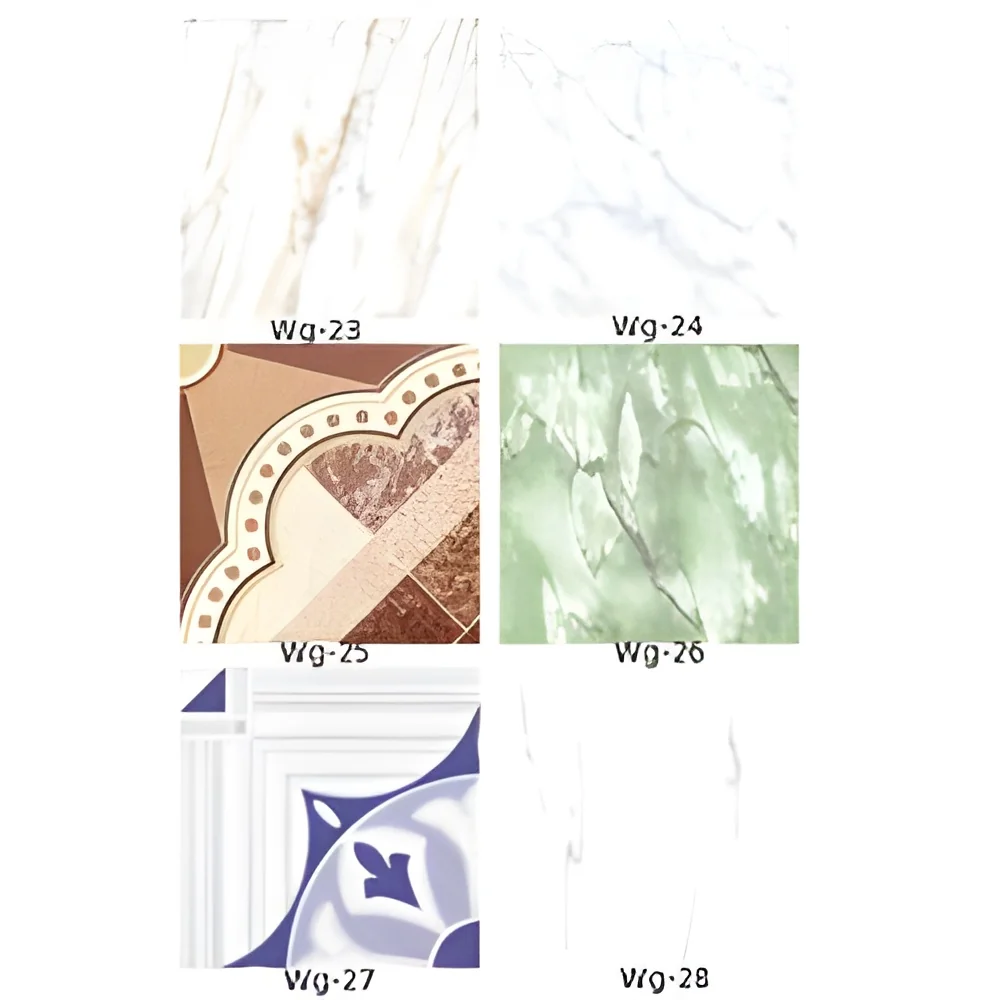
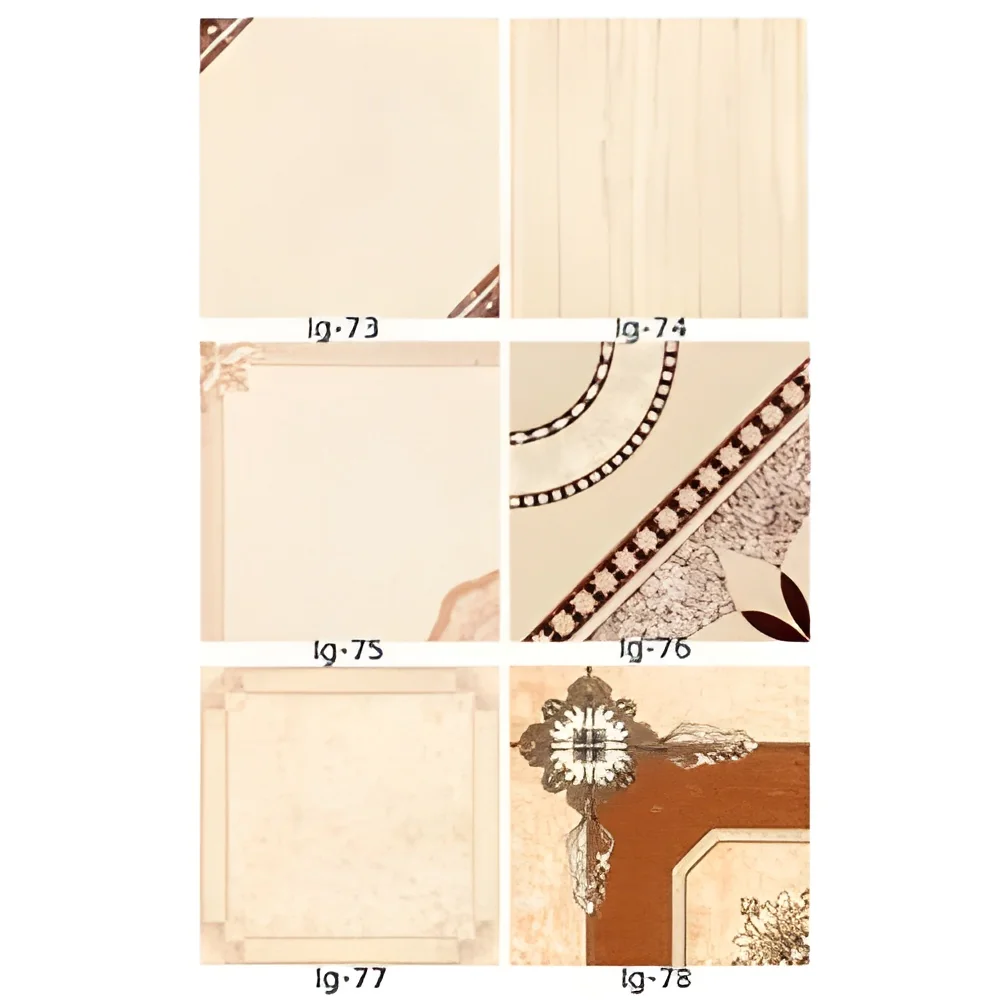
3. Versatile Design: With a wide range of colors, patterns, and finishes, porcelain tiles can fit various design aesthetics.
4. Cost-Effective: While initial costs may be higher, their longevity and low maintenance needs make them a cost-effective choice over time.
5. Eco-Friendly Options: Many manufacturers offer sustainable porcelain tiles, catering to the growing demand for eco-conscious building materials.
6. Heat and Frost Resistance: These tiles are suitable for both indoor and outdoor applications, even in extreme weather conditions.
Buying Guide for B2B Buyers
When sourcing porcelain tiles, several key considerations should be made.
1. Quality Assessment: Look for tiles that meet industry standards and perform well under various conditions. Consider checking for certifications that indicate quality.
2. Supplier Verification: Vet potential suppliers to ensure they have a reliable history and can provide the necessary documentation for the products they offer.
3. Pricing and MOQ: Understand the cost structure and minimum order quantities. This will help in budgeting and ensure that you meet any supplier requirements.
4. Delivery and Lead Times: Inquire about logistics and the expected lead times for delivery, especially if there are specific project deadlines.
5. Compliance Requirements: Ensure that the tiles meet all necessary regulatory compliance standards for the intended application in your region.
Compliance and Certifications
Porcelain tiles must adhere to various quality standards and certifications to ensure safety and reliability.
ISO 9001 is a widely recognized standard for quality management systems, ensuring that manufacturers maintain high production quality.
The CE marking indicates that products conform to European health, safety, and environmental protection standards, which is crucial for market access in Europe.
Safety and testing requirements are also essential, as they guarantee that the tiles can withstand environmental factors without compromising integrity.
Additionally, regional compliance considerations may vary, so it is important to check local regulations regarding material safety and performance.
Why Source Porcelain Tiles from Pepagora?
Pepagora offers a reliable platform for sourcing porcelain tiles with several key advantages.
Verified Supplier Network: Pepagora has established relationships with verified suppliers, ensuring that buyers can trust the quality and authenticity of the products.
Streamlined RFQ Process: The platform's Request for Quotation system simplifies the procurement process, allowing buyers to receive competitive quotes from multiple suppliers.
Trade Assurance and Support: Pepagora provides buyer protection through trade assurances, ensuring that transactions are secure and buyers get what they expect.
Regional Coverage: With a strong presence in India, GCC, and Southeast Asia, Pepagora offers extensive geographic coverage, making it easier for businesses to source tiles from reliable suppliers in their region.




Frequently Asked Questions
What are Porcelain Tiles?
Porcelain tiles are a type of ceramic tile made from a denser clay that is fired at higher temperatures. This process results in a tile that is less porous, making it more durable, water-resistant, and suitable for various applications, including floors and walls.
What are the different types of Porcelain Tiles?
There are several types of porcelain tiles, including glazed, unglazed, polished, and rectified. Glazed tiles have a protective layer that adds color and design, while unglazed tiles maintain a natural appearance. Polished tiles are polished to a high sheen, and rectified tiles have been mechanically finished to ensure uniform size.
How do I choose the right Porcelain Tiles?
To choose the right porcelain tiles, consider factors such as the intended use, aesthetic preferences, and slip resistance. Additionally, assess the tile's PEI rating, which indicates its durability and suitability for different areas, from residential to commercial spaces.
What are the standard specifications for Porcelain Tiles?
Standard specifications for porcelain tiles include thickness, size, water absorption rate, and PEI rating. Typically, porcelain tiles are 8 to 10 mm thick, available in various sizes, and should have a water absorption rate of less than 0.5%.
What is the price range for Porcelain Tiles?
The price range for porcelain tiles can vary widely based on quality, size, and design. Generally, prices can range from ₹40 to ₹200 per square foot or more, depending on the supplier and specific product features.
What quality standards apply to Porcelain Tiles?
Quality standards for porcelain tiles include compliance with the ISO 13006 and ANSI A137.1 standards, which assess durability, water absorption, and slip resistance. Tiles should also have a minimum PEI rating suitable for the expected foot traffic in their application area.
Where can I find Porcelain Tiles suppliers in India?
You can find porcelain tile suppliers in India through various B2B marketplaces, trade fairs, and industry directories. Online platforms like Pepagora.com can help connect you with reputable manufacturers and suppliers across the country.
Can Porcelain Tiles be customized?
Yes, many manufacturers offer customization options for porcelain tiles, including size, color, and design. Customization may be subject to minimum order quantities and specific manufacturing lead times.
What is the typical minimum order quantity for Porcelain Tiles?
The typical minimum order quantity (MOQ) for porcelain tiles can vary by supplier but usually ranges from 100 to 500 square feet. It is advisable to check with individual suppliers for their specific MOQ requirements.
What is the typical lead time for Porcelain Tiles?
The typical lead time for porcelain tiles can range from 2 to 6 weeks, depending on the supplier and order size. Custom orders may require additional time for production and delivery.
Why Businesses Trust Pepagora
Thousands of companies trust Pepagora to source smarter and sell faster
Expand Your Sales Globally

Source Smarter,Grow Faster
