
 IN
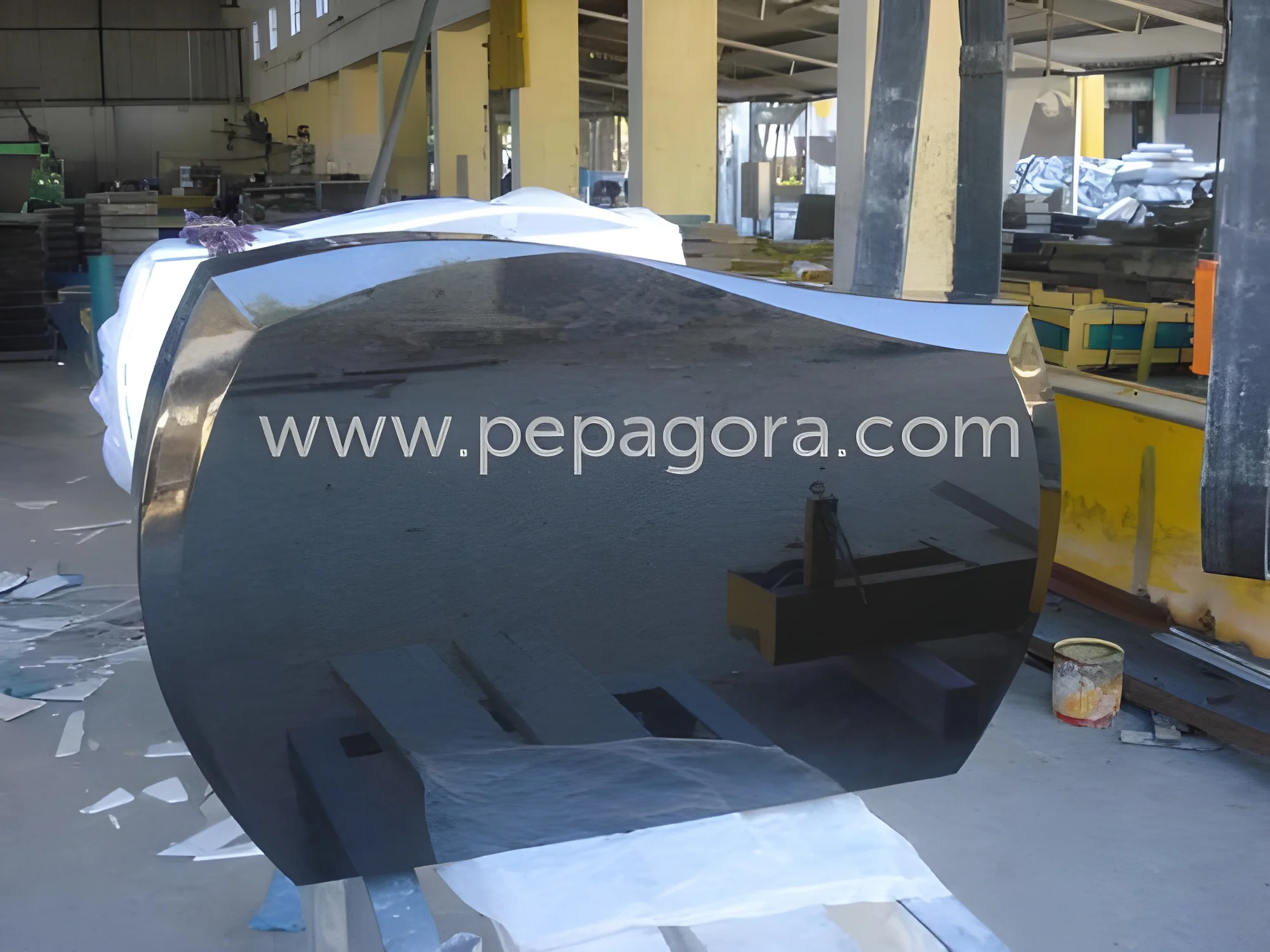
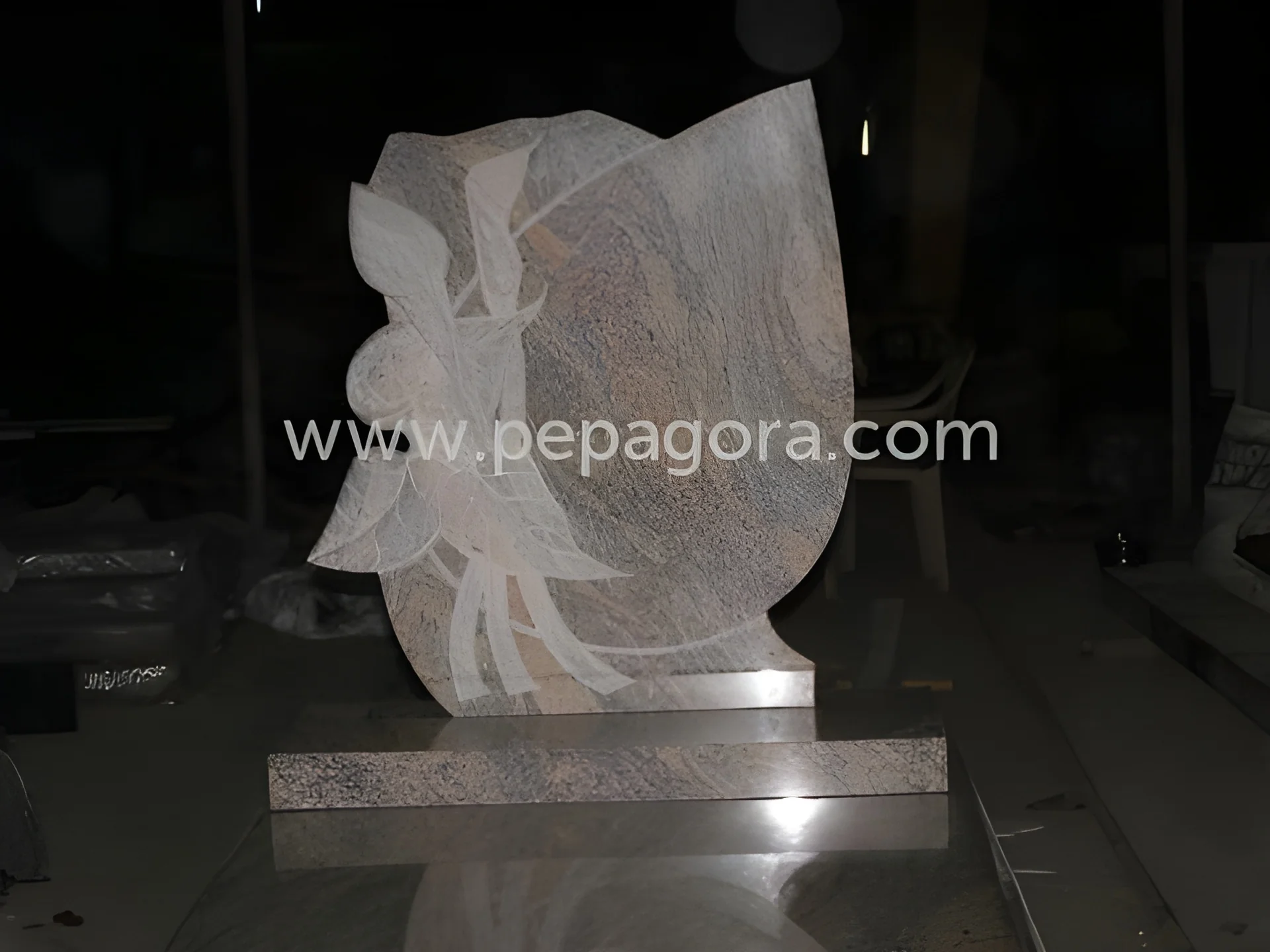
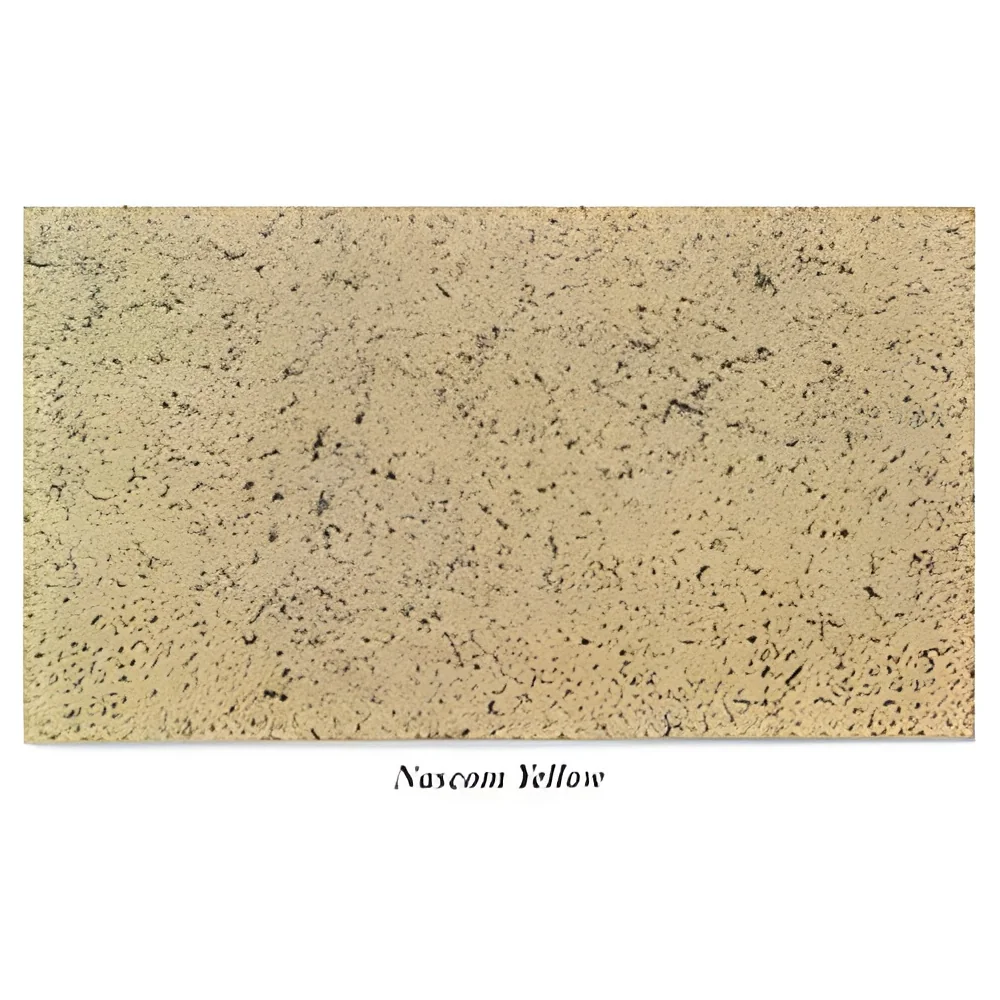
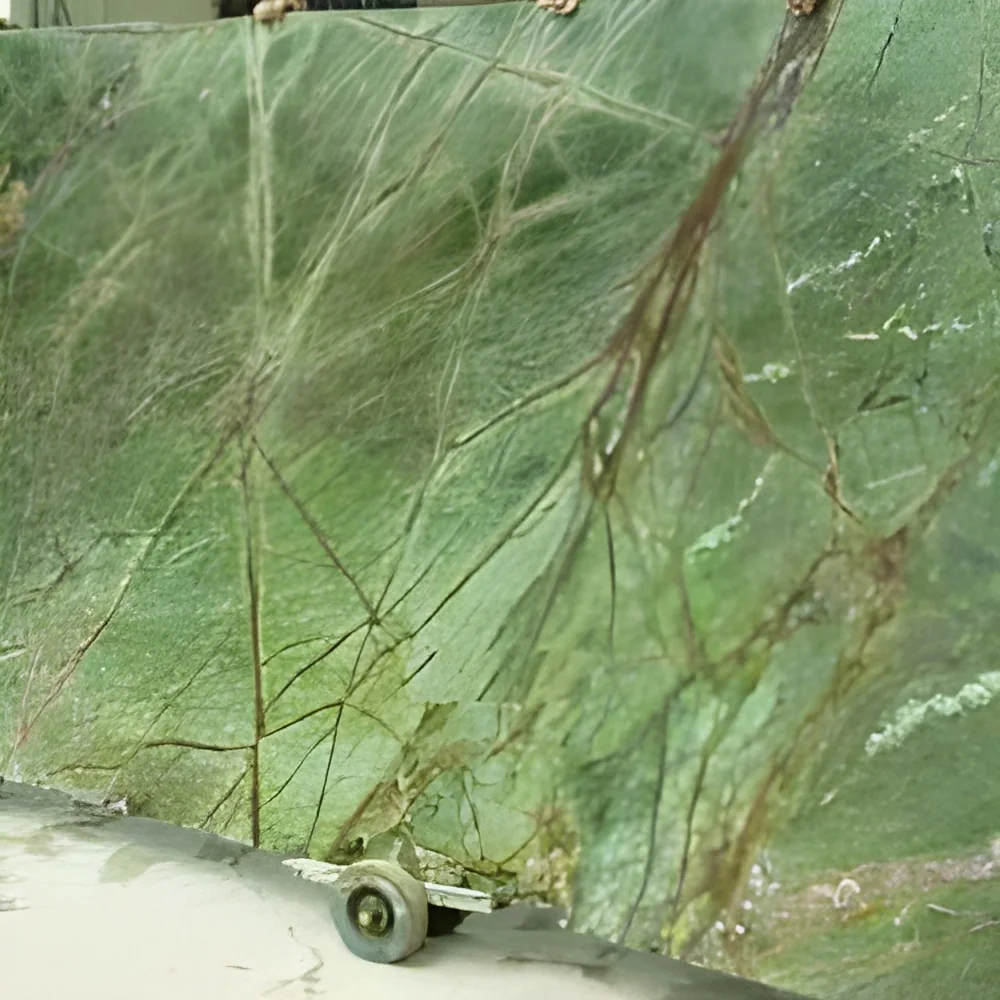
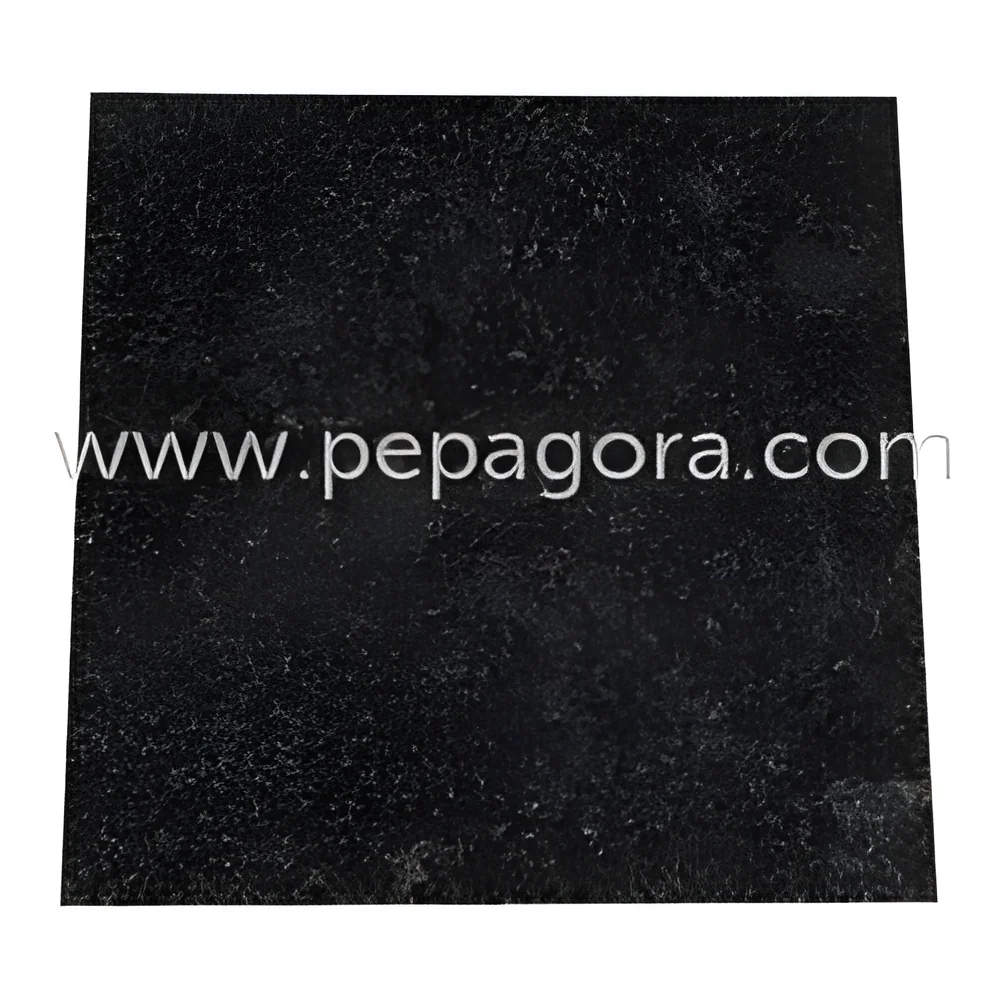
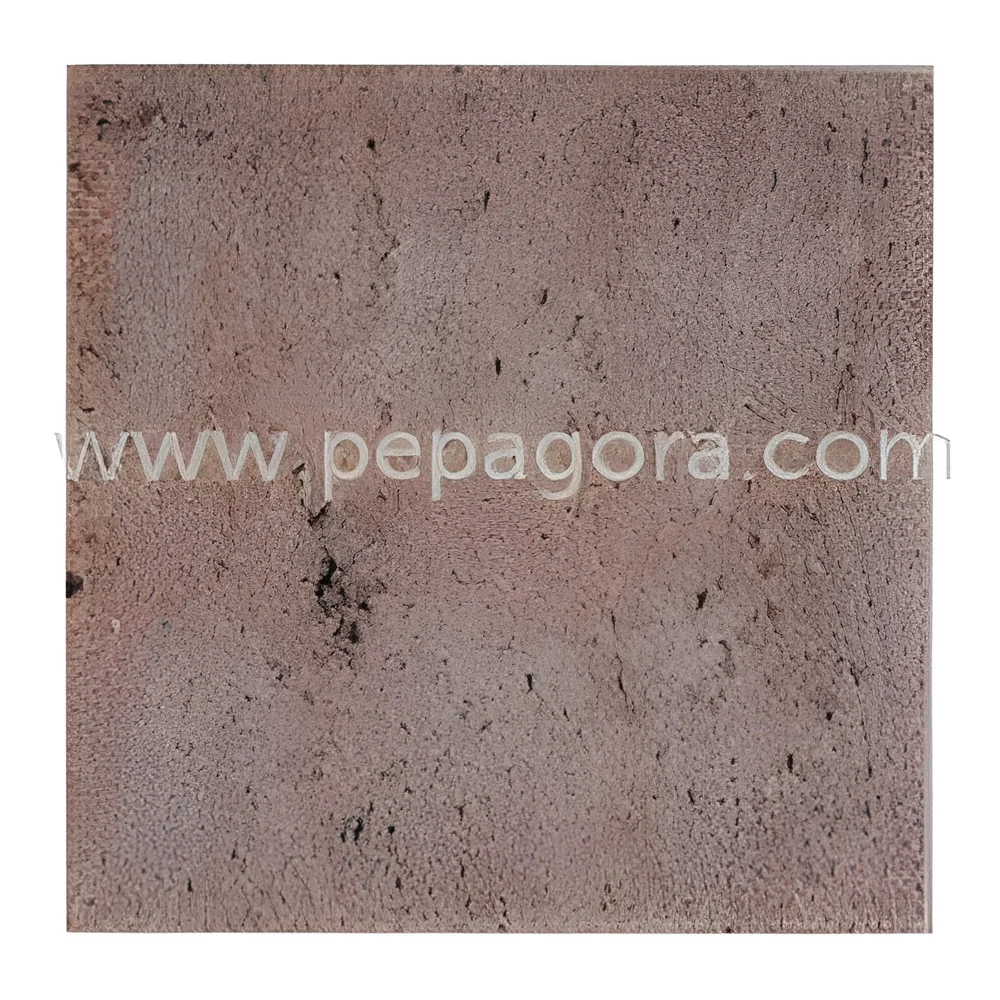
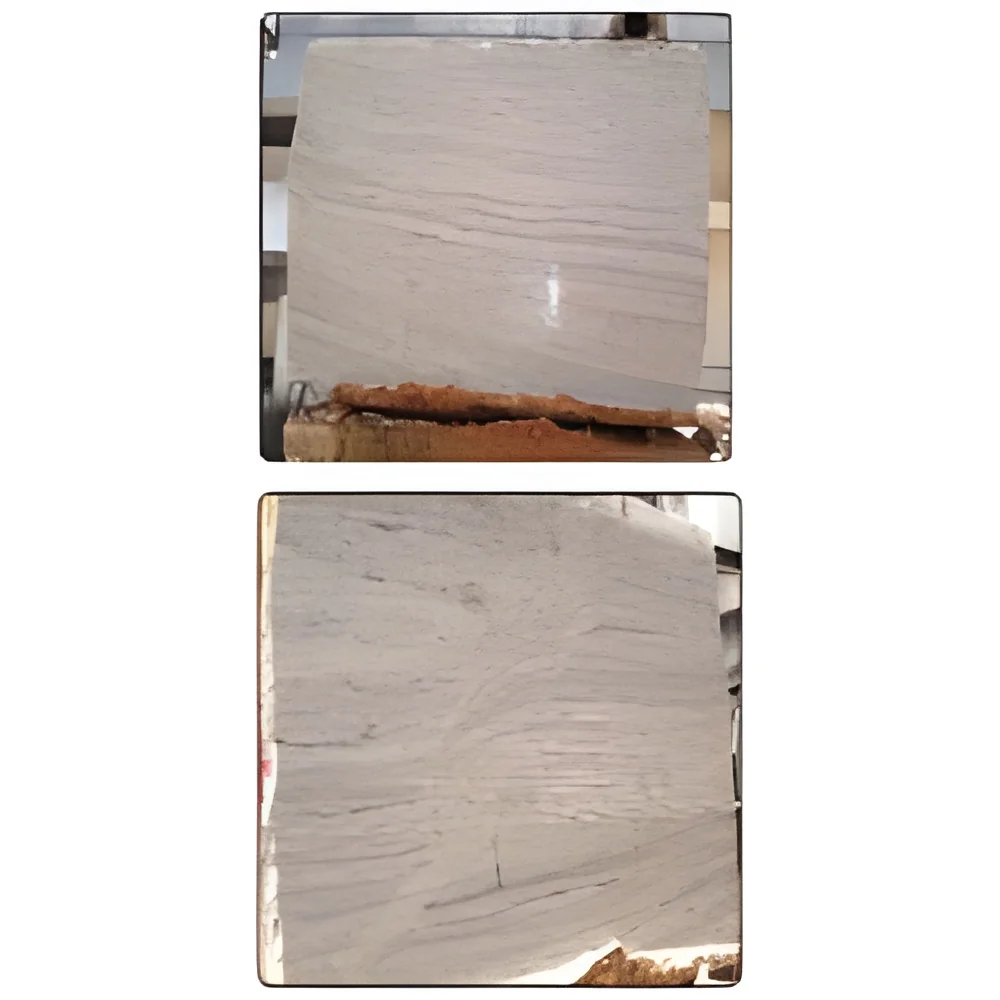
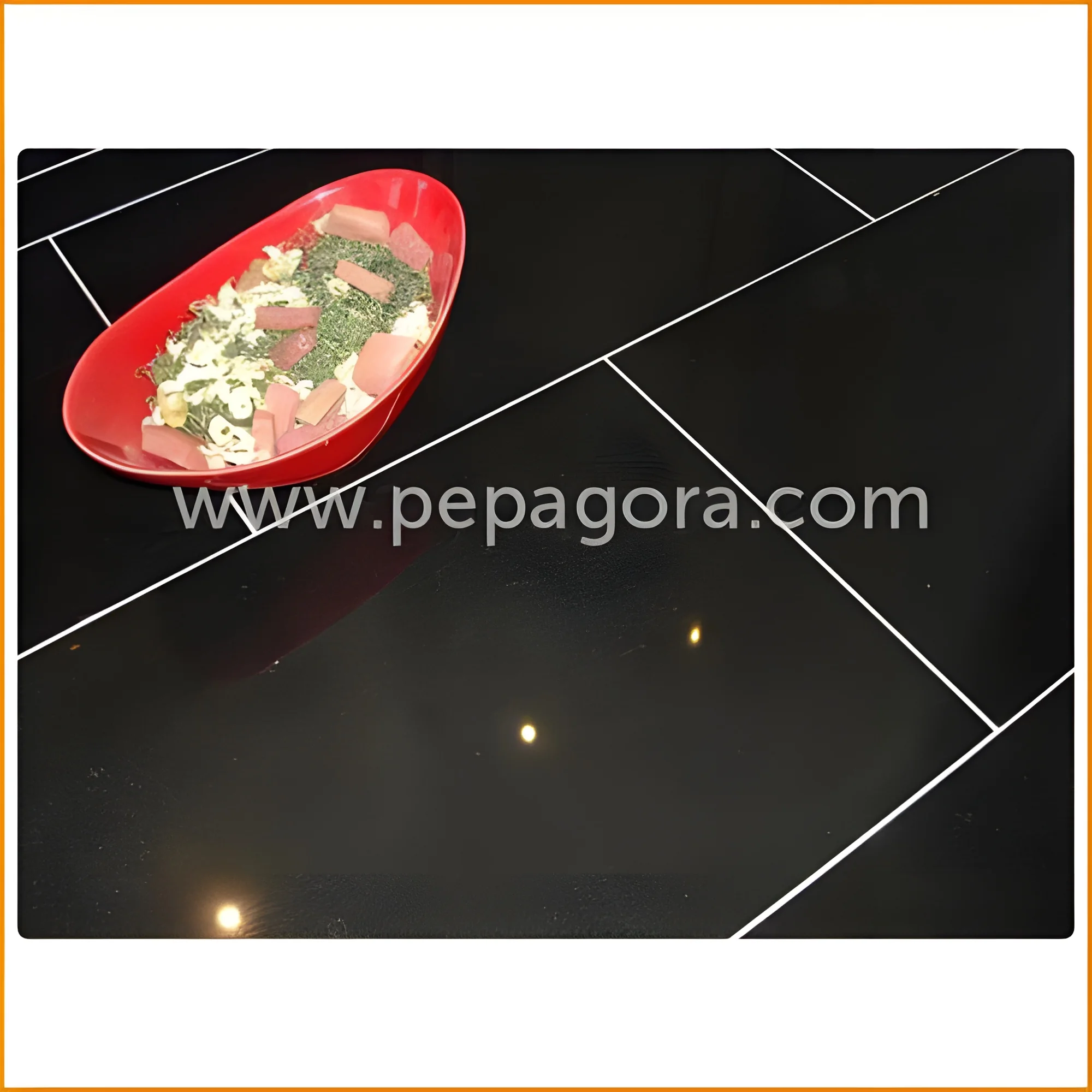
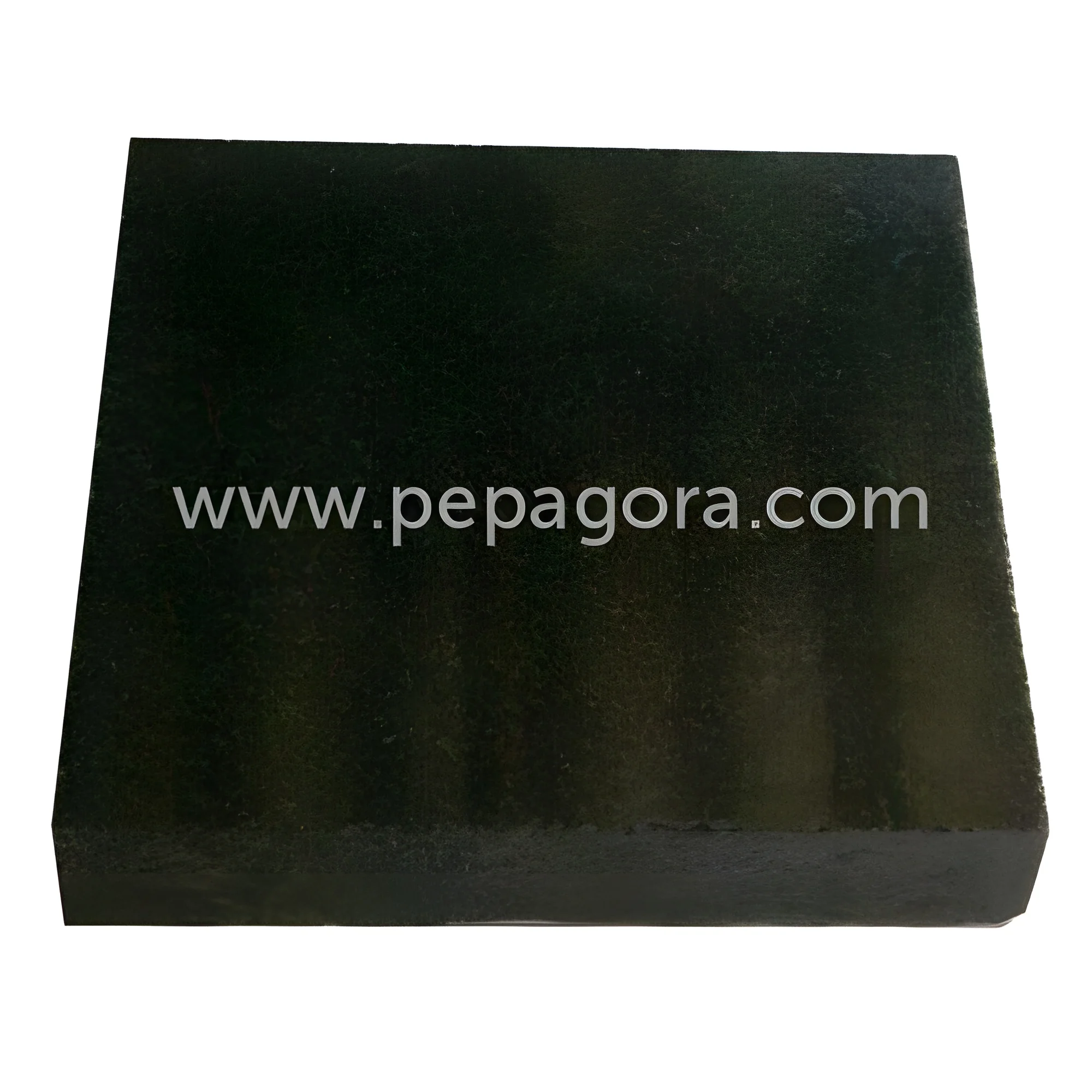
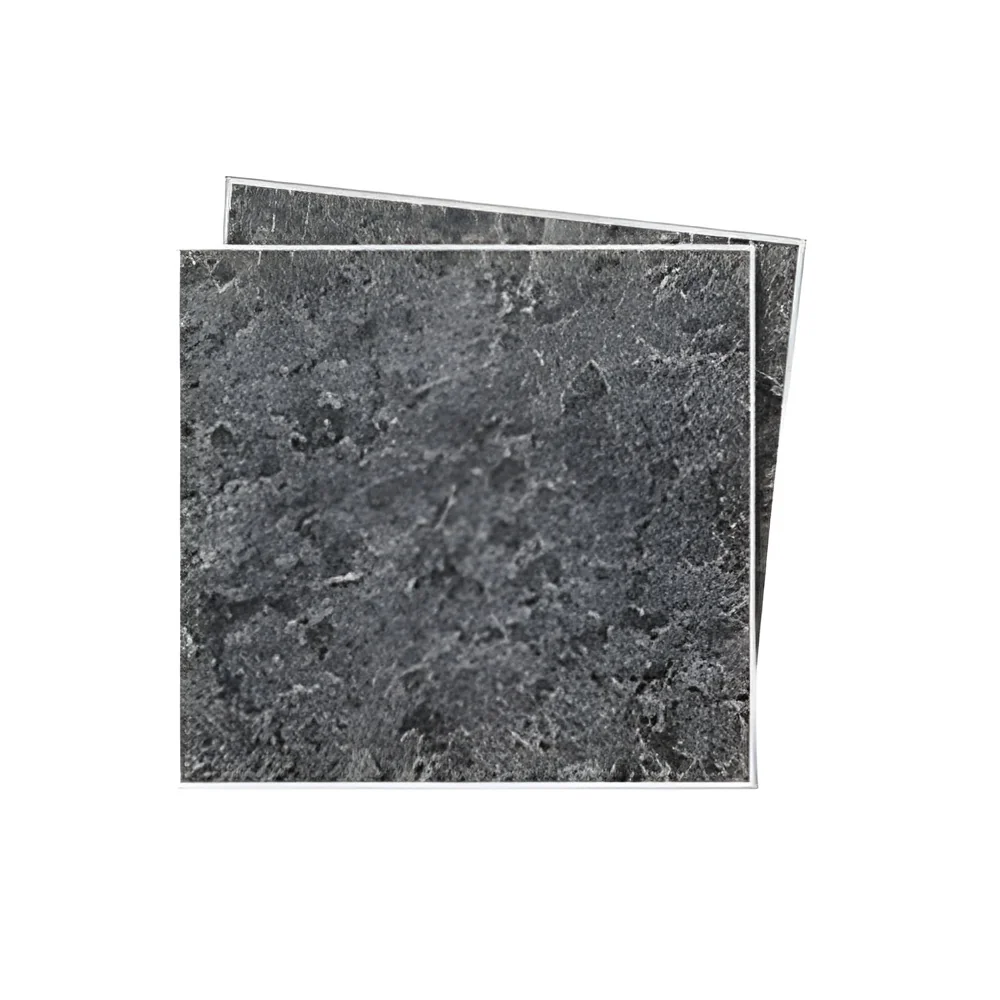
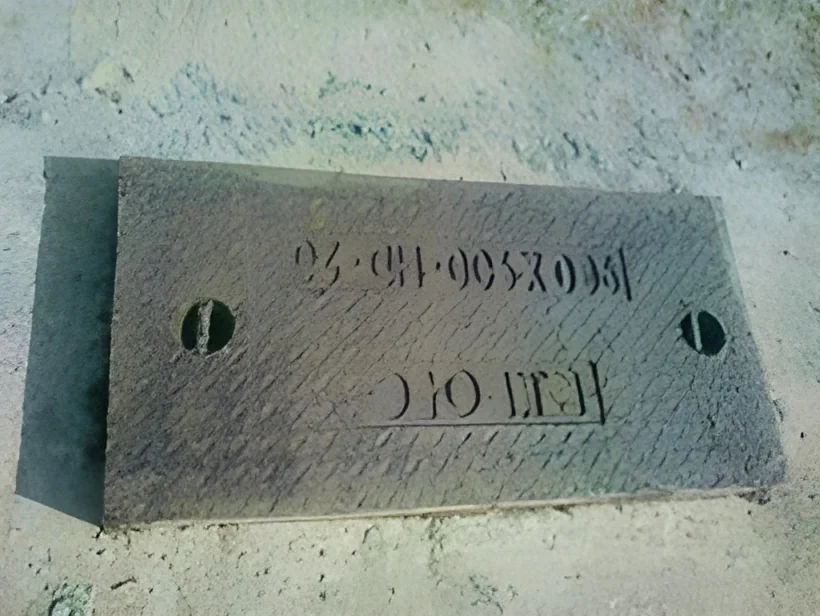
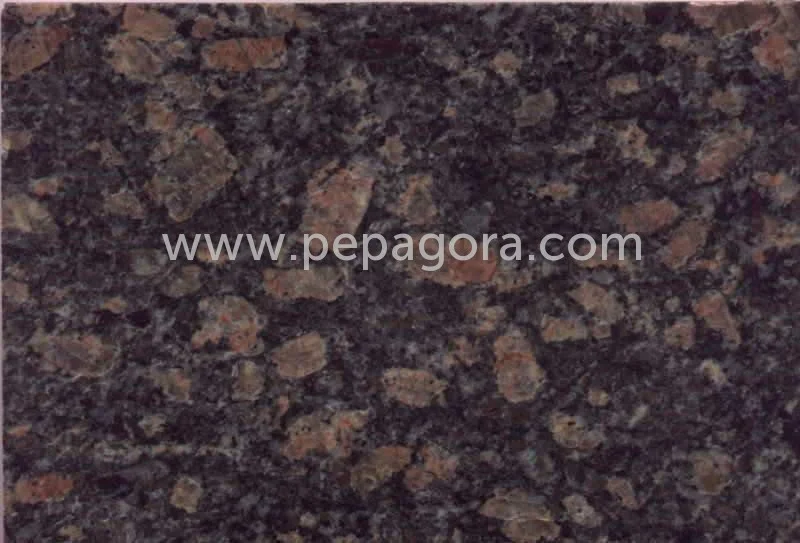
INGranite Slabs & Tiles (Polished, Flamed)
160 products available
Key Features and Specifications
Common Applications and Use Cases
Product Variants and Subcategories
Benefits and Advantages
Buying Guide for B2B Buyers
Compliance and Certifications




















Frequently Asked Questions
What are Granite Slabs & Tiles (Polished, Flamed)?
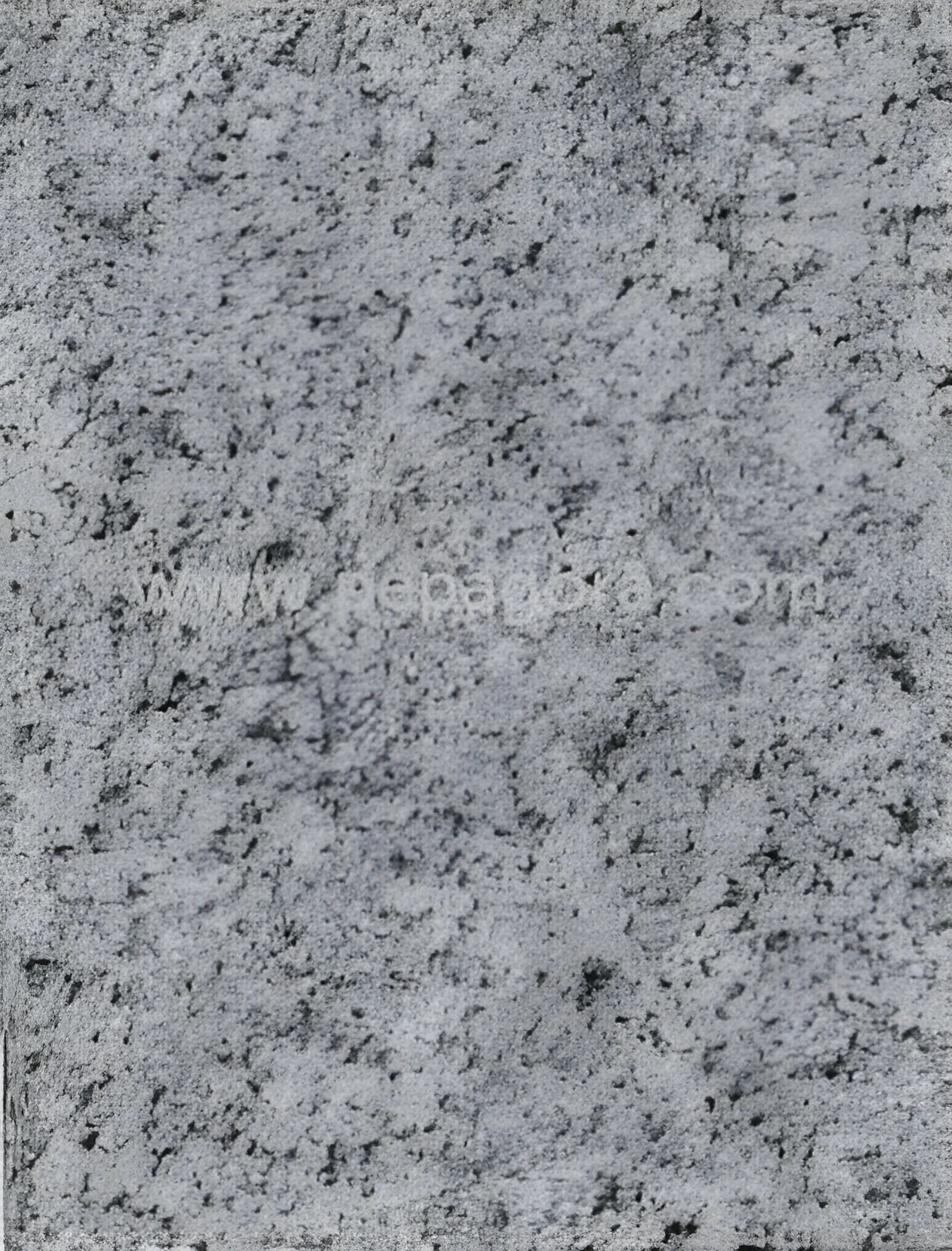
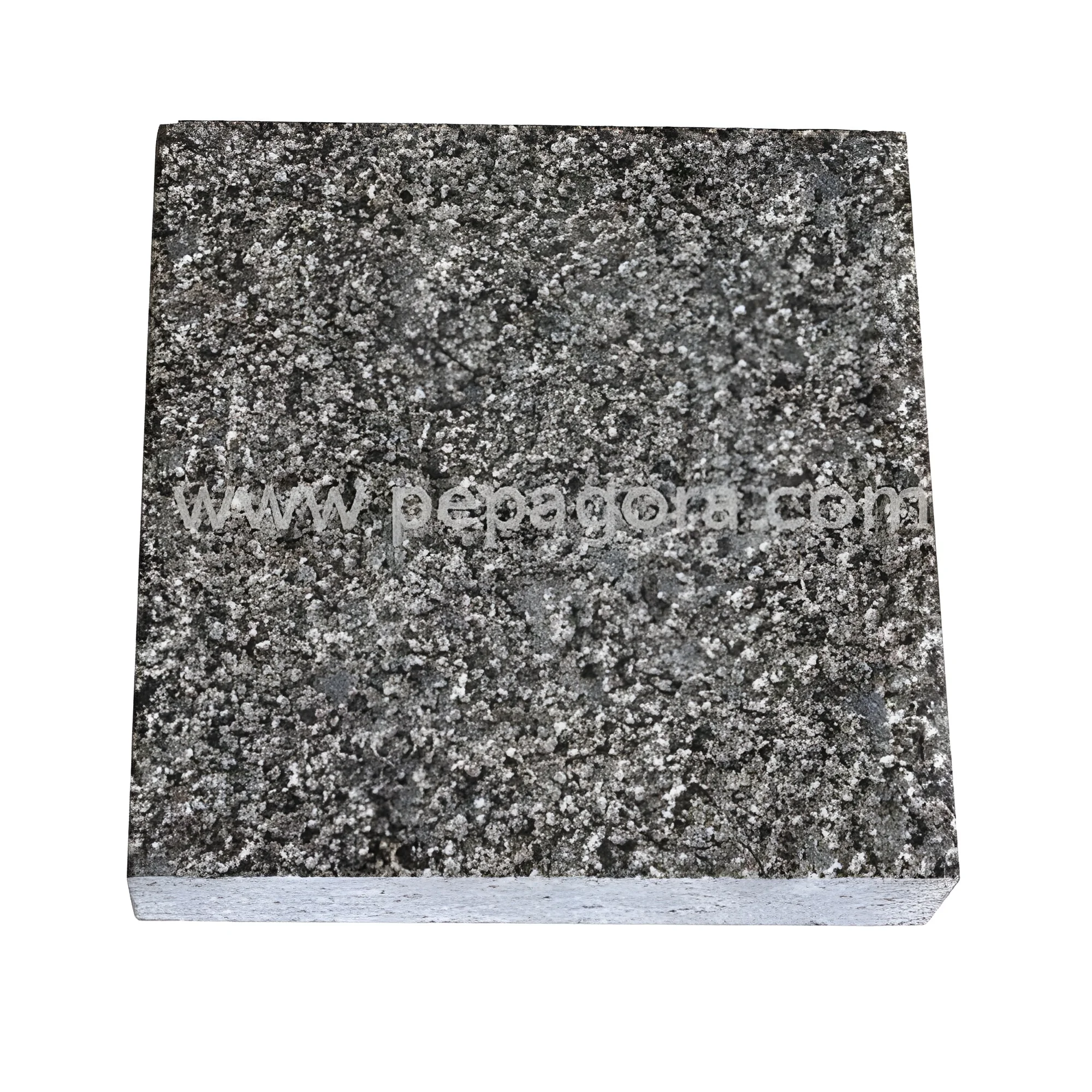
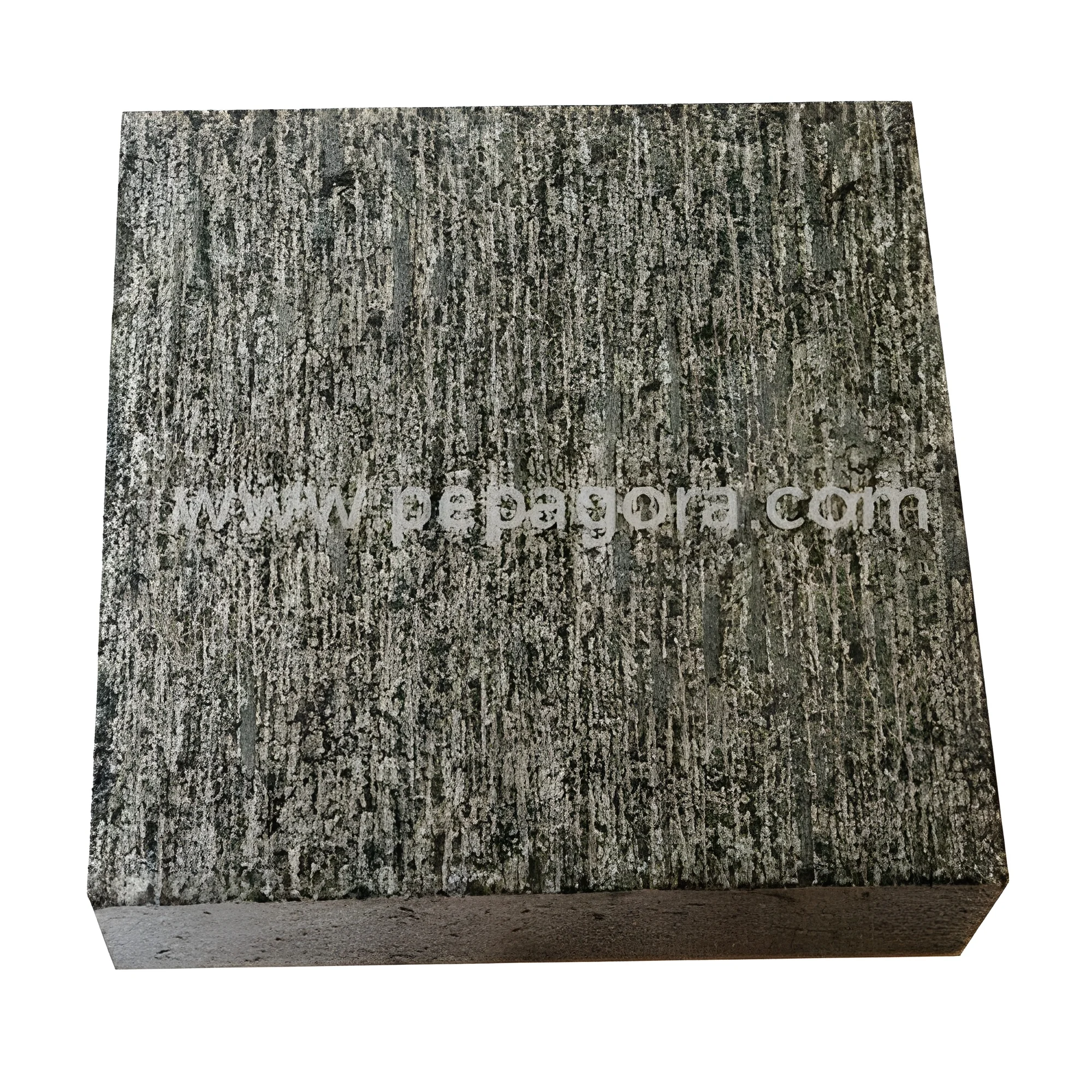
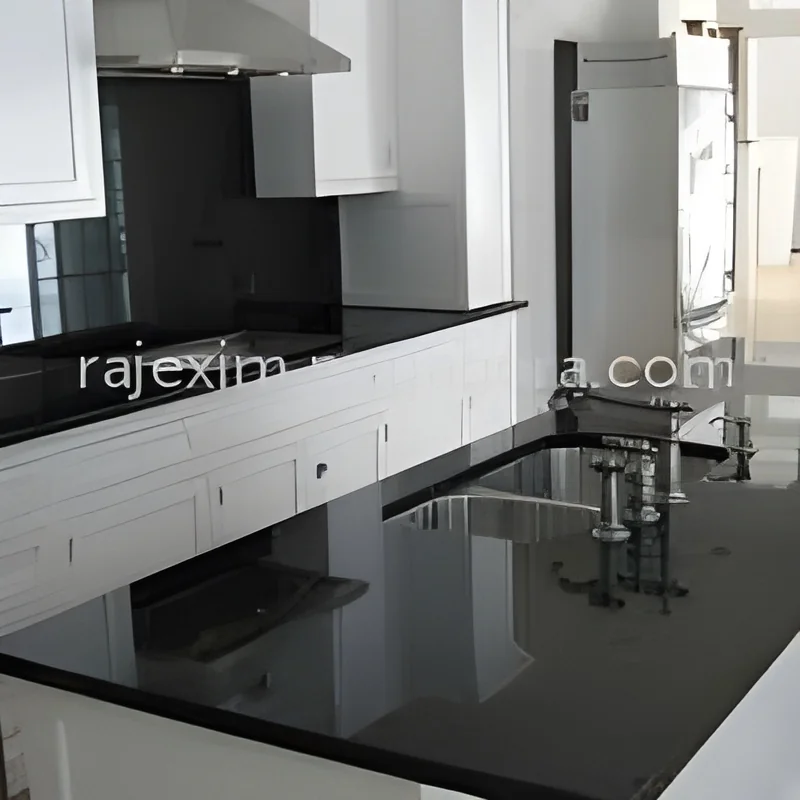
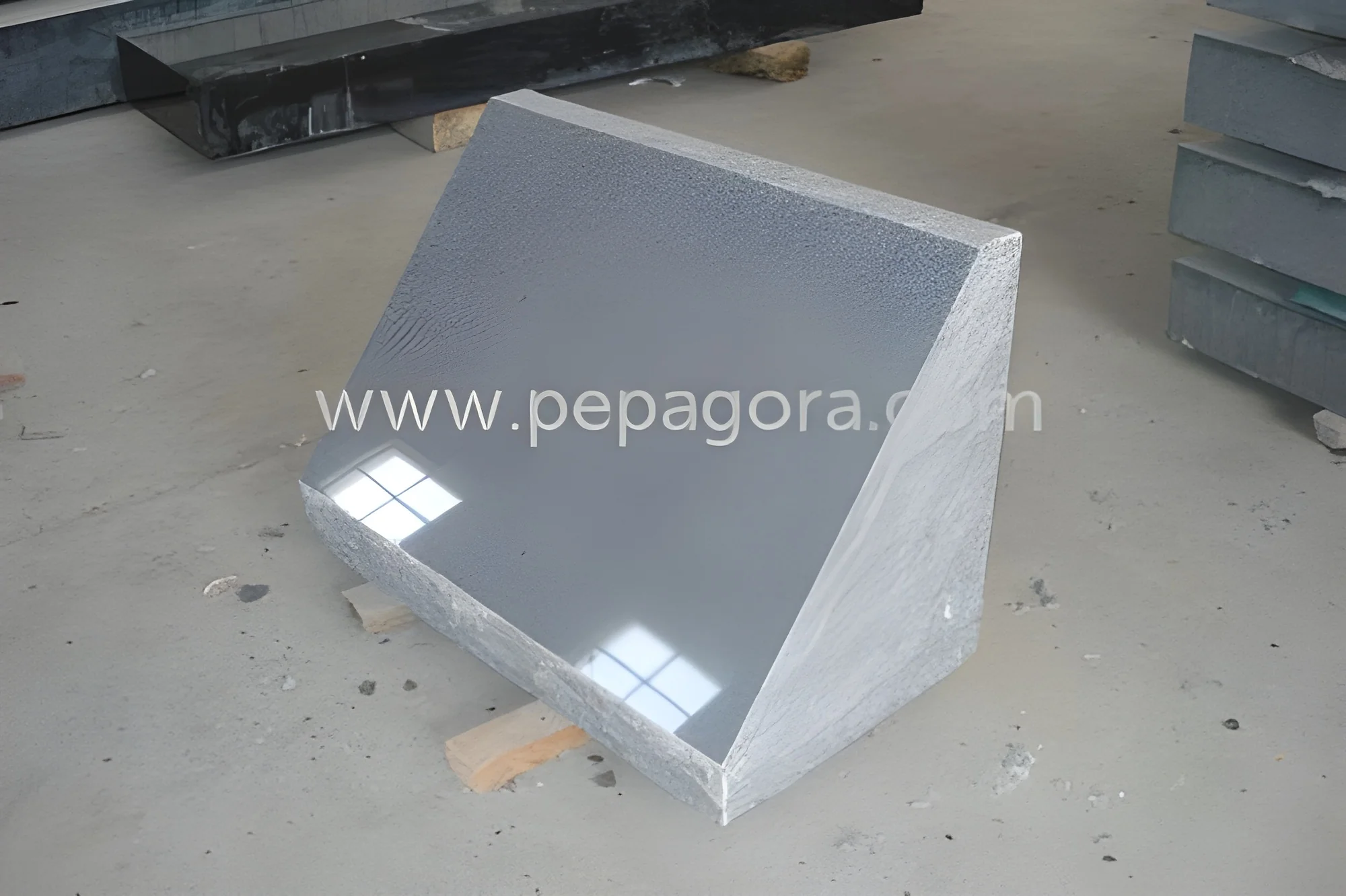
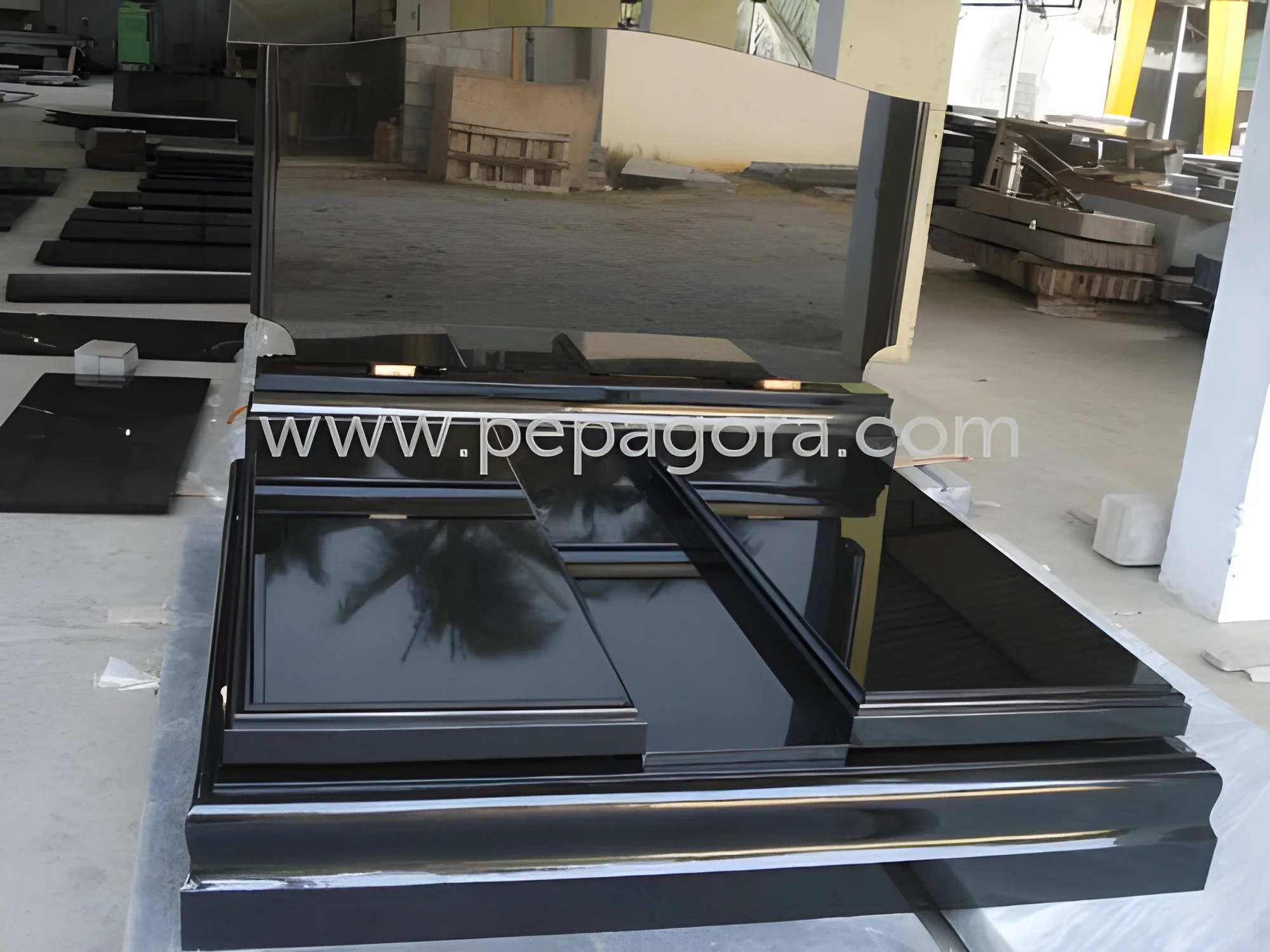
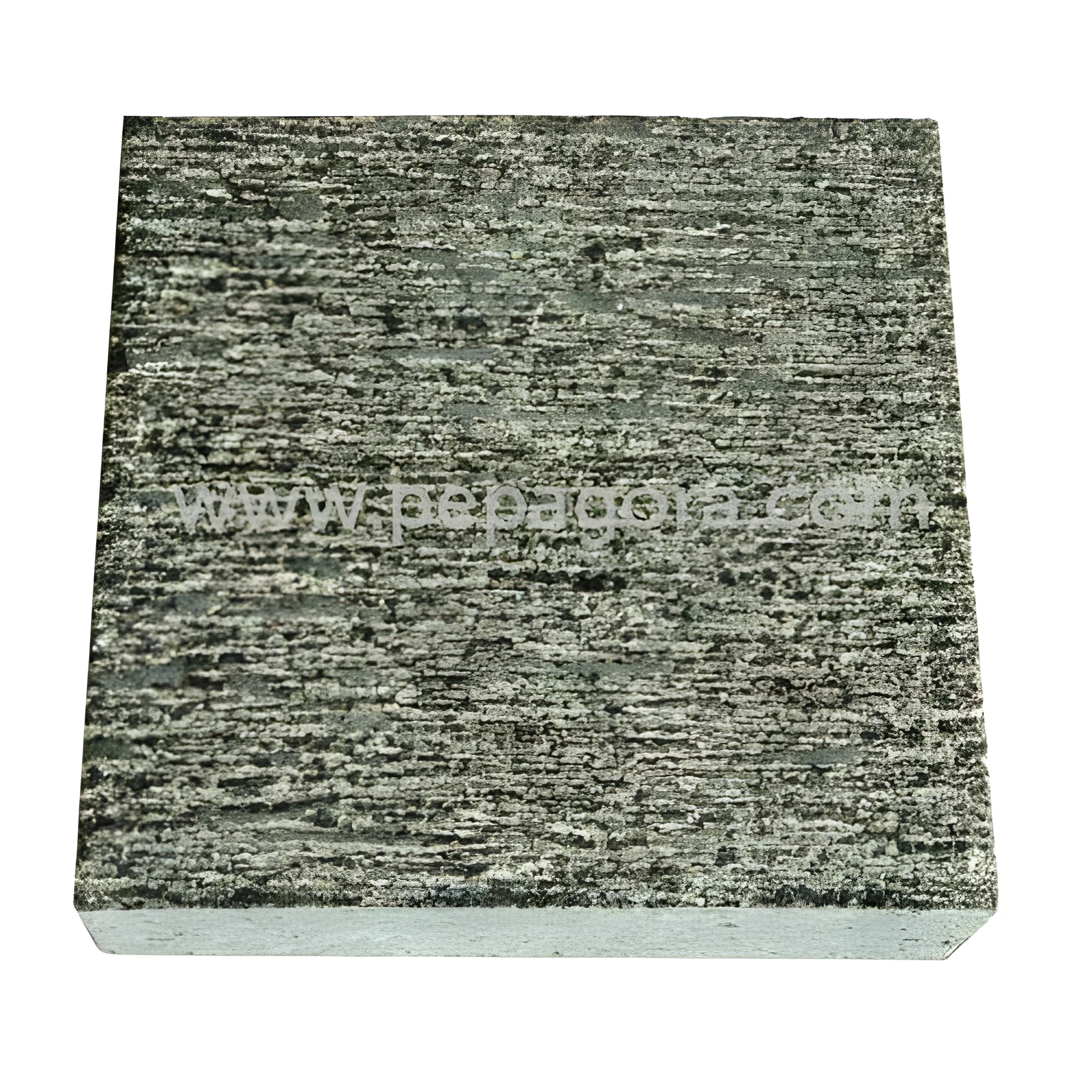
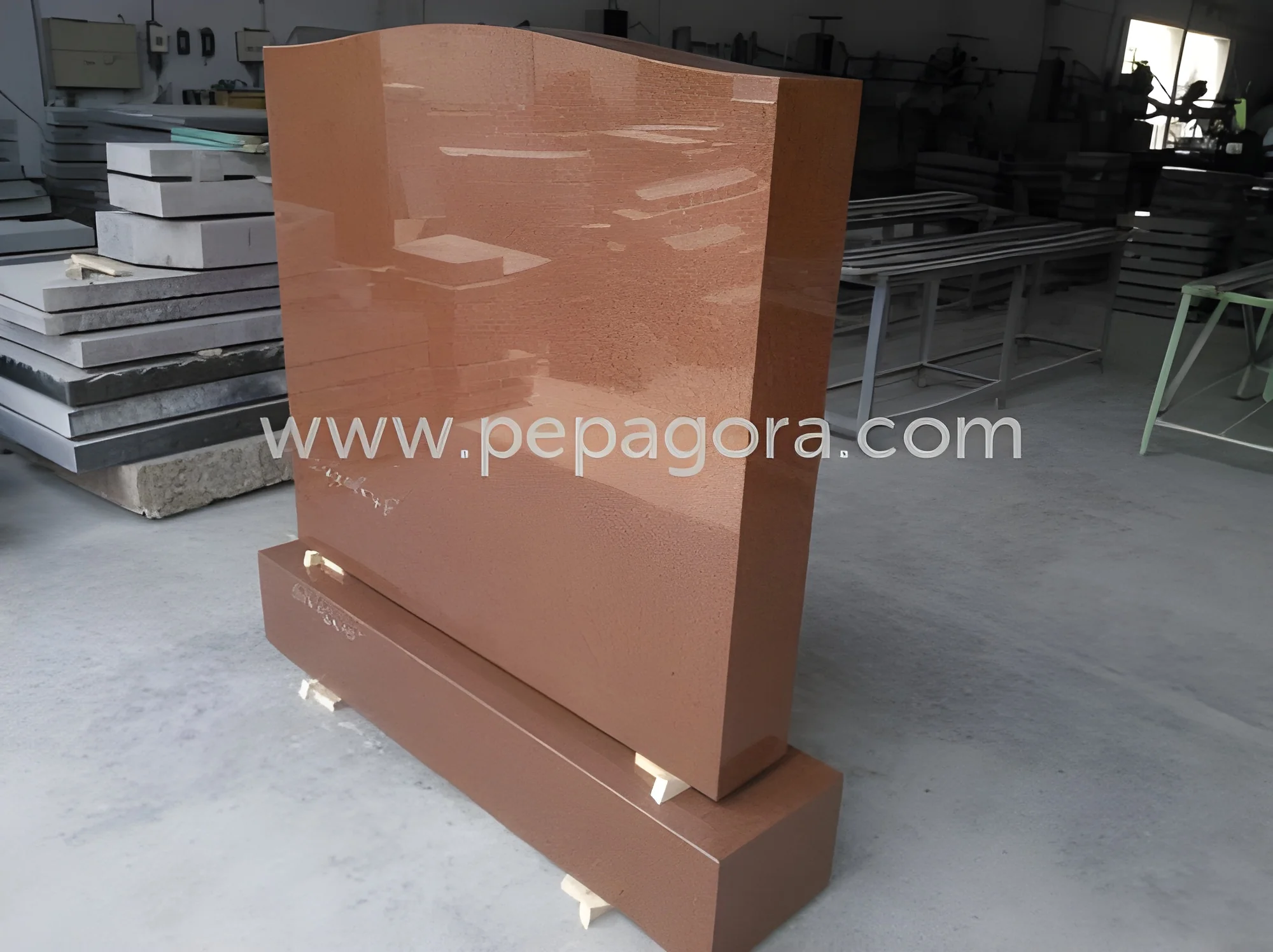
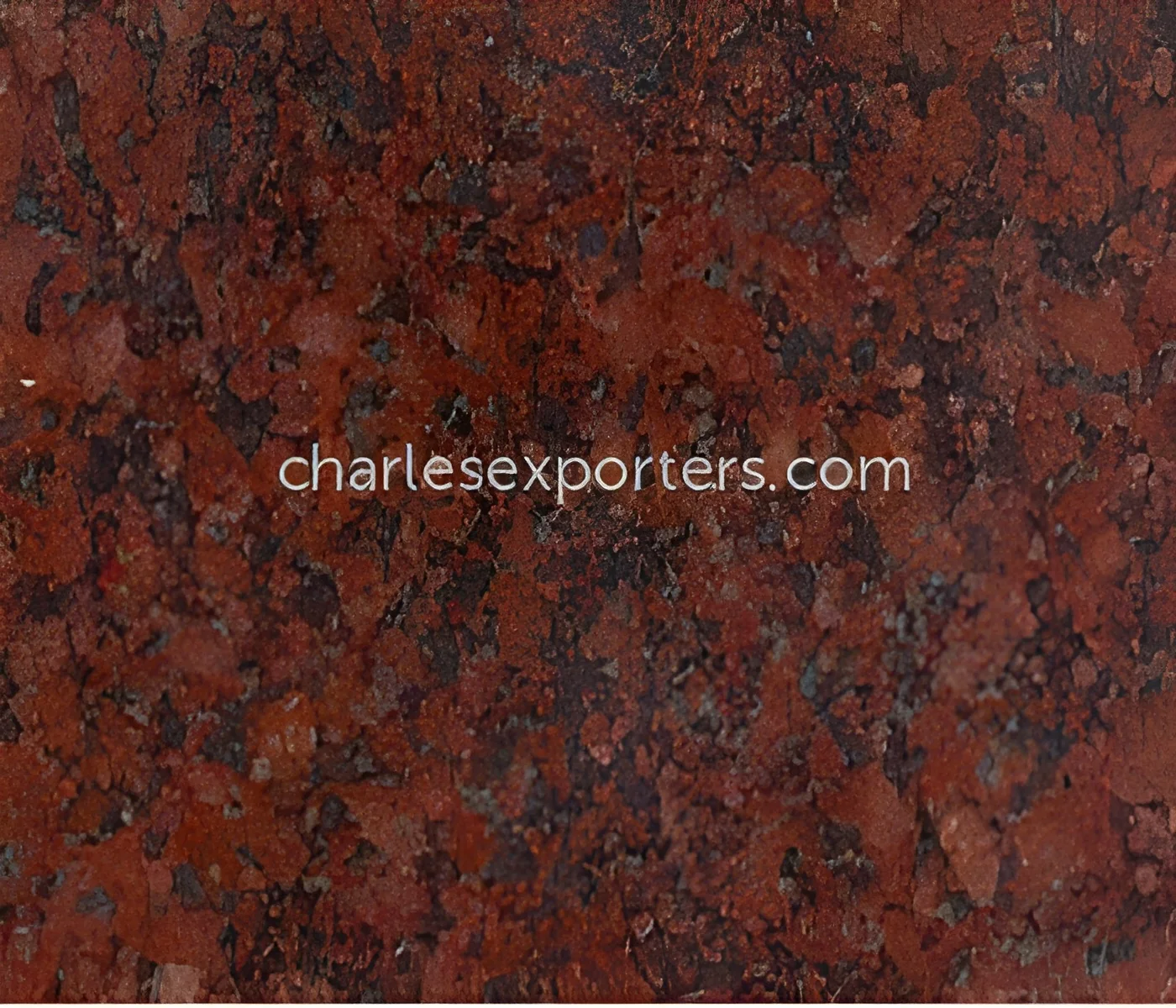
Granite Slabs & Tiles (Polished, Flamed) are natural stone products derived from granite, which is an igneous rock composed mainly of quartz, feldspar, and mica. The 'polished' finish provides a glossy surface, enhancing the stone's natural colors and patterns, while the 'flamed' finish creates a textured surface that is slip-resistant and suitable for outdoor use.
What are the different types of Granite Slabs & Tiles (Polished, Flamed)?
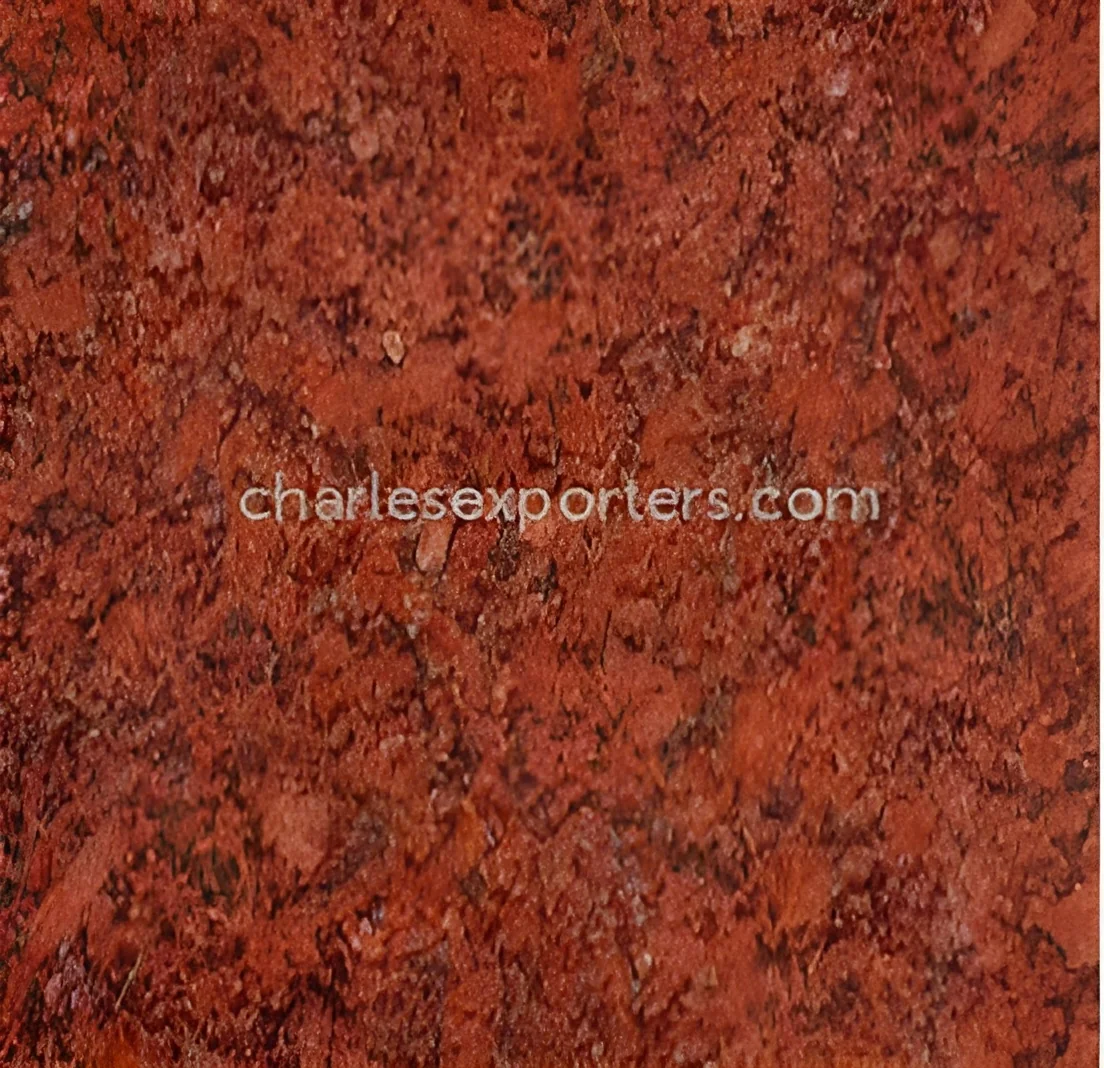
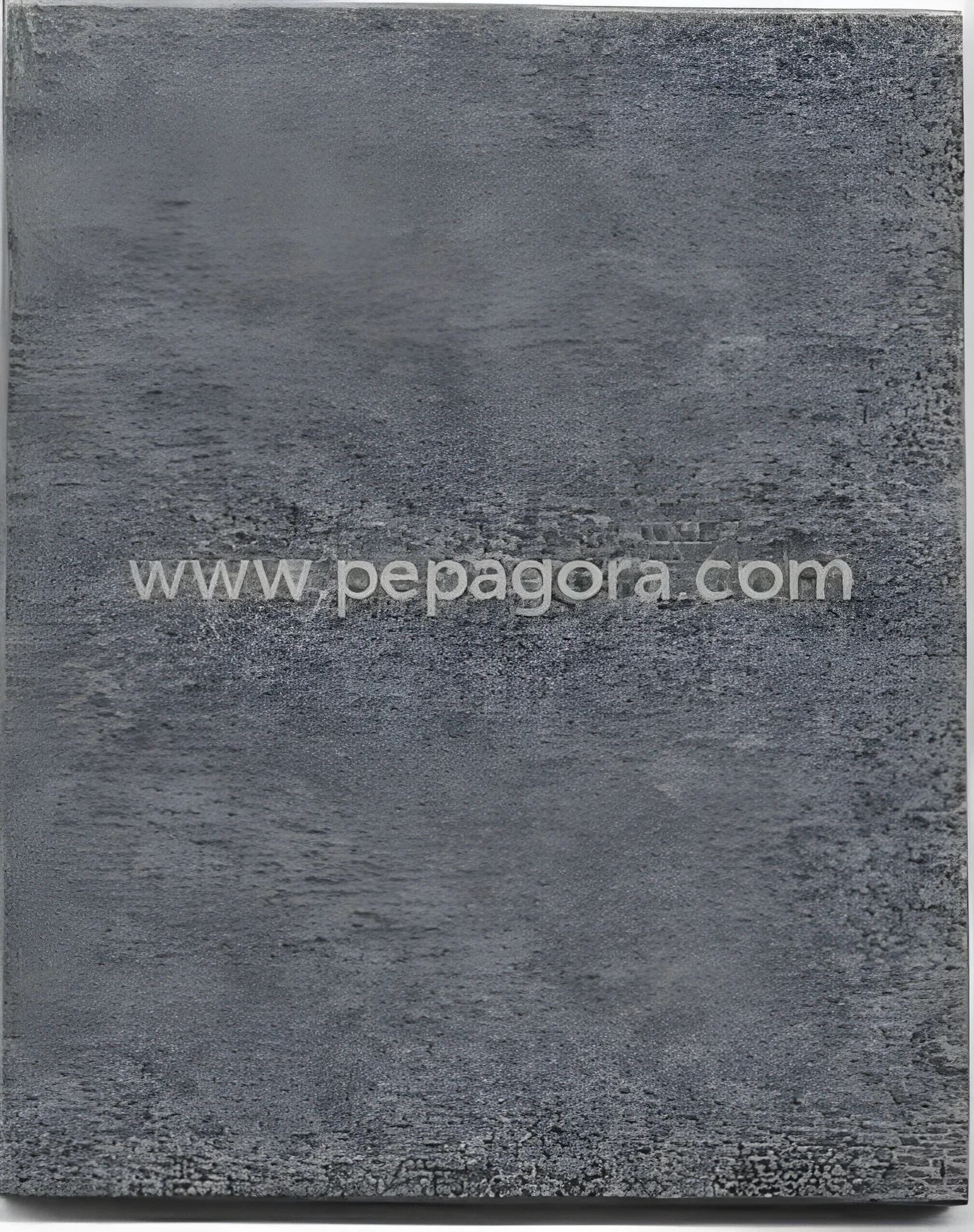
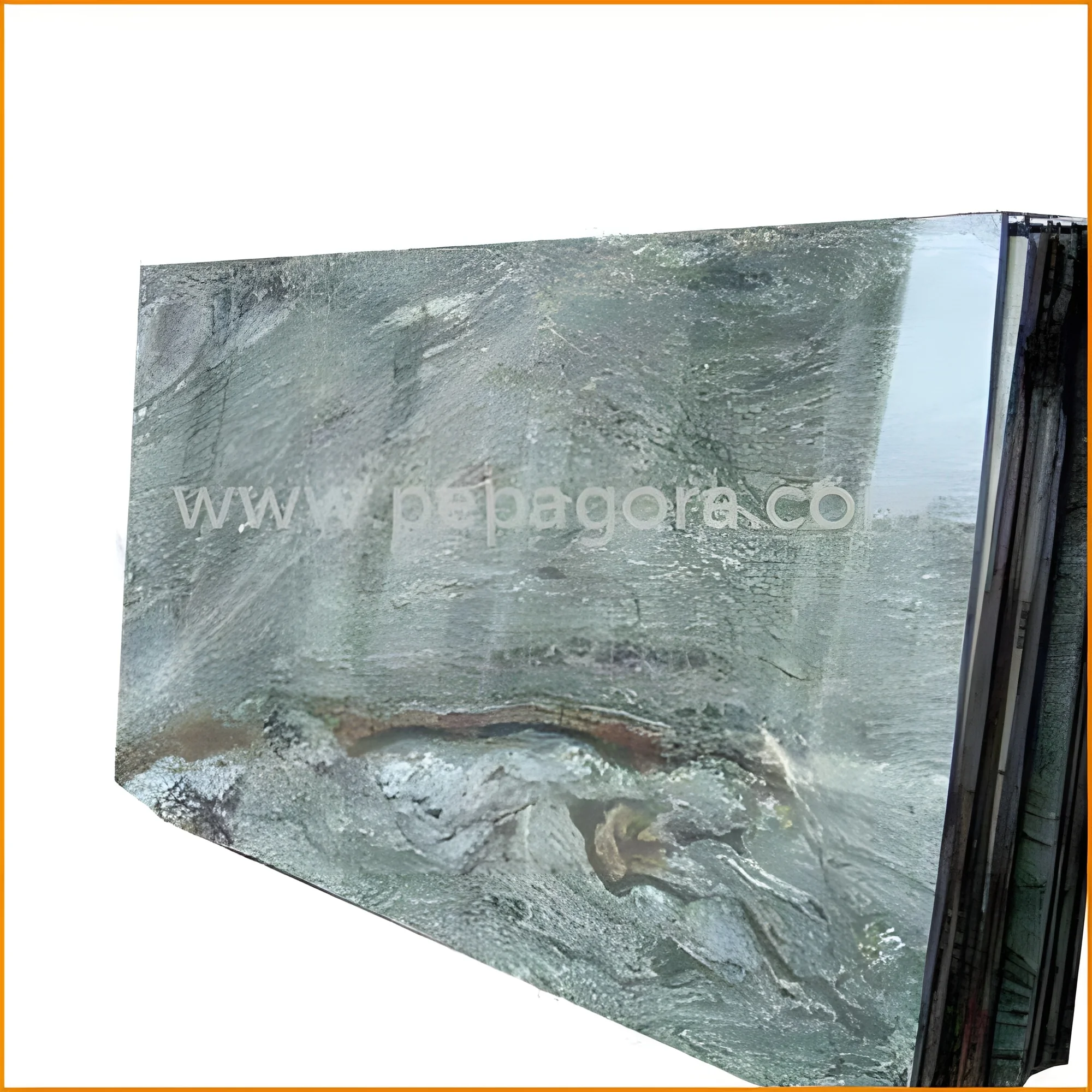
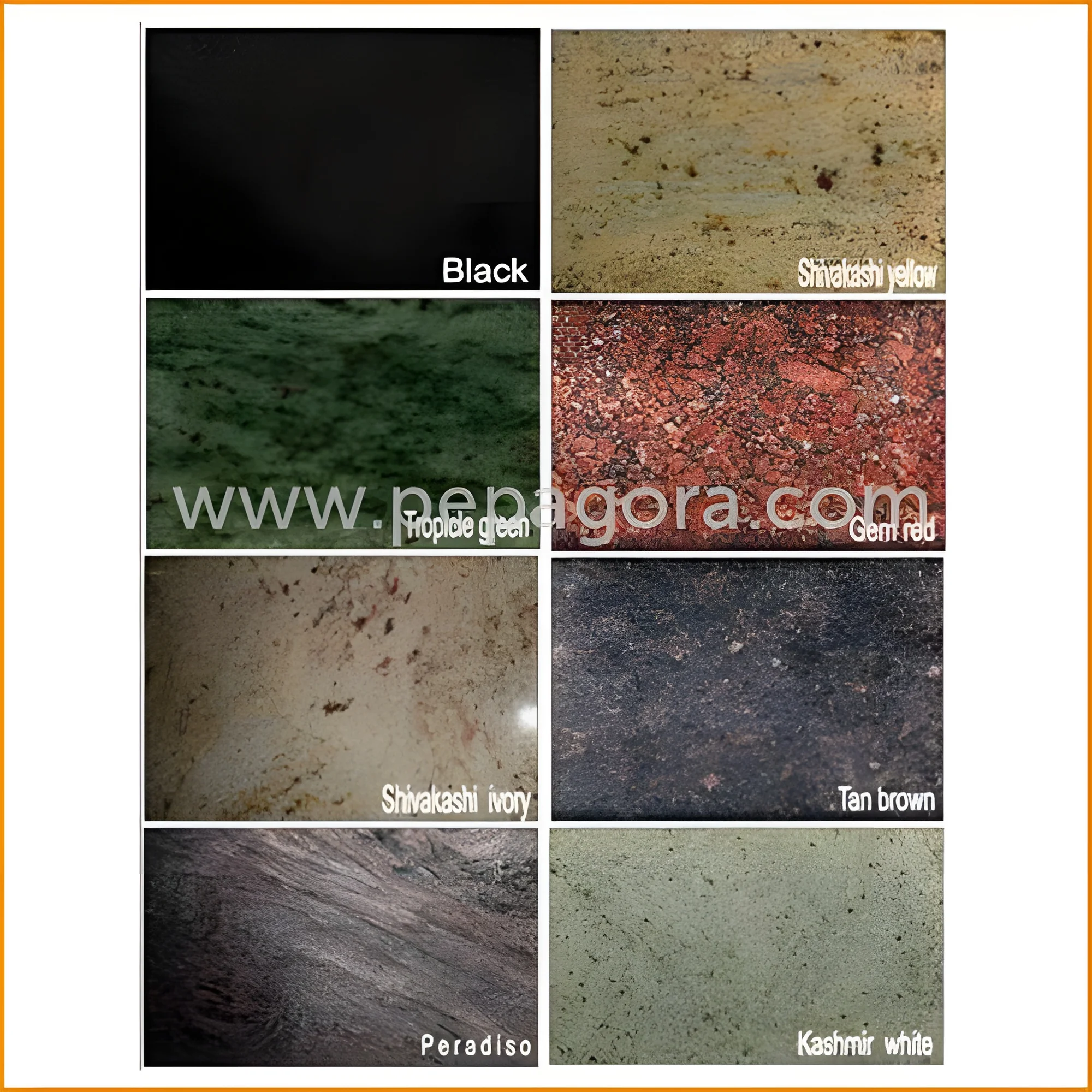
The primary types of Granite Slabs & Tiles include polished slabs, which are smooth and shiny, and flamed tiles, which have a rough texture achieved through a high-temperature flame treatment. Additionally, there are variations in color and pattern, as well as different sizes and thicknesses available to suit various design needs.
How do I choose the right Granite Slabs & Tiles (Polished, Flamed)?
Choosing the right Granite Slabs & Tiles involves considering the intended use, aesthetic preferences, and durability requirements. It is important to evaluate factors such as color, finish, and size to ensure compatibility with your project, as well as to assess the quality of the stone and its resistance to stains and scratches.
What are the standard specifications for Granite Slabs & Tiles (Polished, Flamed)?
Standard specifications for Granite Slabs & Tiles typically include dimensions (length, width, thickness), surface finish (polished or flamed), and grade quality. The slabs are commonly available in thicknesses ranging from 15mm to 30mm, and tiles can vary in size from 300x300mm to larger formats, depending on the manufacturer.
What is the price range for Granite Slabs & Tiles (Polished, Flamed)?
The price range for Granite Slabs & Tiles can vary significantly based on factors such as quality, size, and finish. Generally, polished granite slabs may range from INR 150 to INR 400 per square foot, while flamed tiles may be priced slightly higher due to the additional processing involved.
What quality standards apply to Granite Slabs & Tiles (Polished, Flamed)?
Quality standards for Granite Slabs & Tiles include adherence to international norms such as ASTM and ISO specifications for stone products. Key quality indicators include durability, resistance to weathering, and performance against scratching and staining, ensuring the product meets the necessary requirements for both indoor and outdoor applications.
Where can I find Granite Slabs & Tiles (Polished, Flamed) suppliers in India?
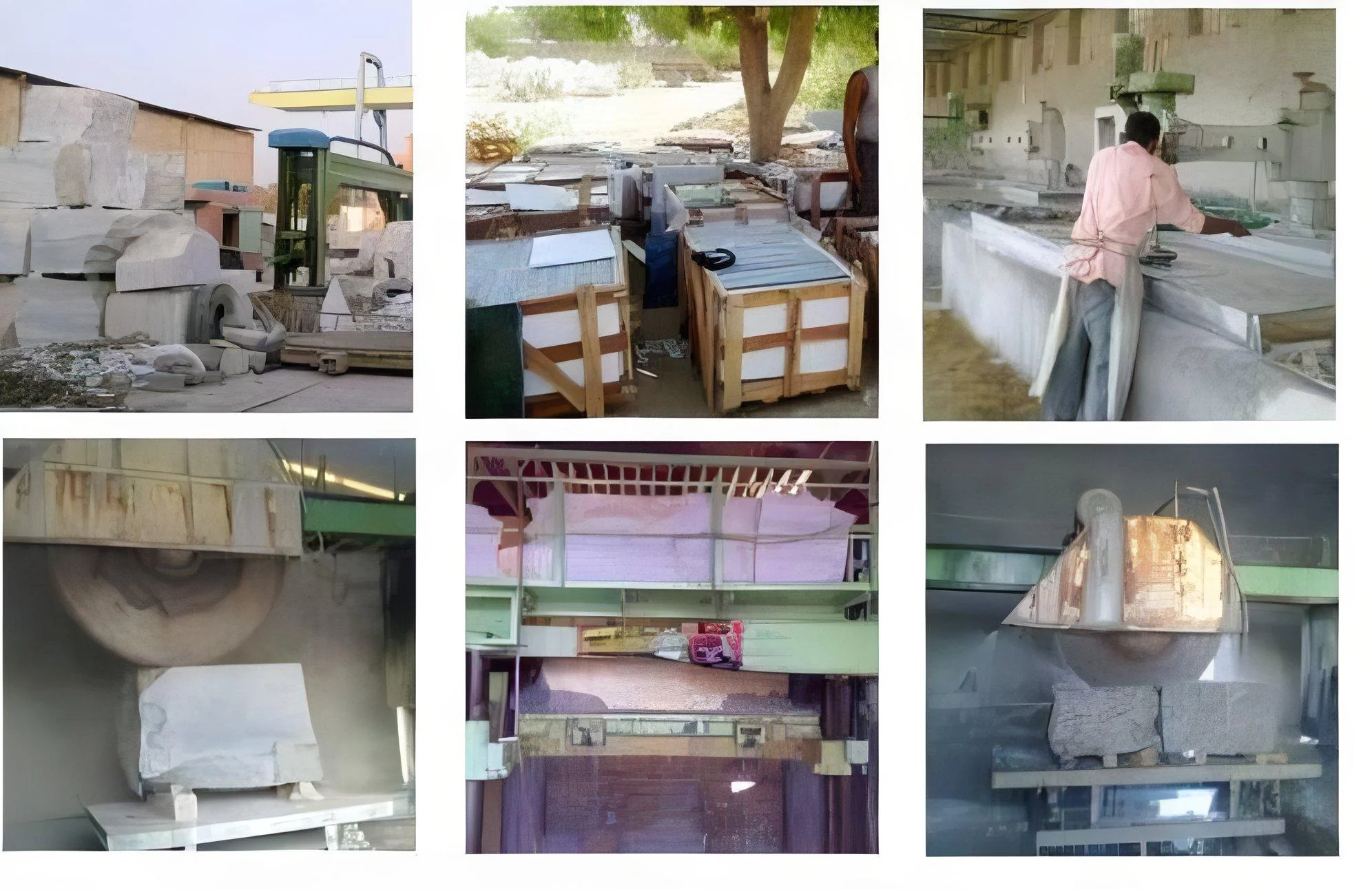
You can find Granite Slabs & Tiles suppliers in India through various channels, including B2B marketplaces like Pepagora, local stone quarries, and distributors specializing in building materials. It is advisable to research and compare suppliers based on product quality, customer reviews, and service offerings.
Can Granite Slabs & Tiles (Polished, Flamed) be customized?
Yes, Granite Slabs & Tiles can be customized to meet specific project requirements. Customization options may include different sizes, finishes, and even edge profiles, allowing for tailored solutions to fit unique design specifications.
What is the typical minimum order quantity for Granite Slabs & Tiles (Polished, Flamed)?
The typical minimum order quantity (MOQ) for Granite Slabs & Tiles varies by supplier but is often around 100 square feet. Larger orders may be required for specific customizations or specialized products, so it is recommended to check with individual suppliers for their specific MOQs.
What is the typical lead time for Granite Slabs & Tiles (Polished, Flamed)?
The typical lead time for Granite Slabs & Tiles can range from 2 to 6 weeks, depending on factors such as the supplier's inventory, the complexity of the order, and any customization requests. It is advisable to confirm delivery timelines with the supplier at the time of order placement.
Why Businesses Trust Pepagora
Thousands of companies trust Pepagora to source smarter and sell faster
Expand Your Sales Globally

Source Smarter,Grow Faster
