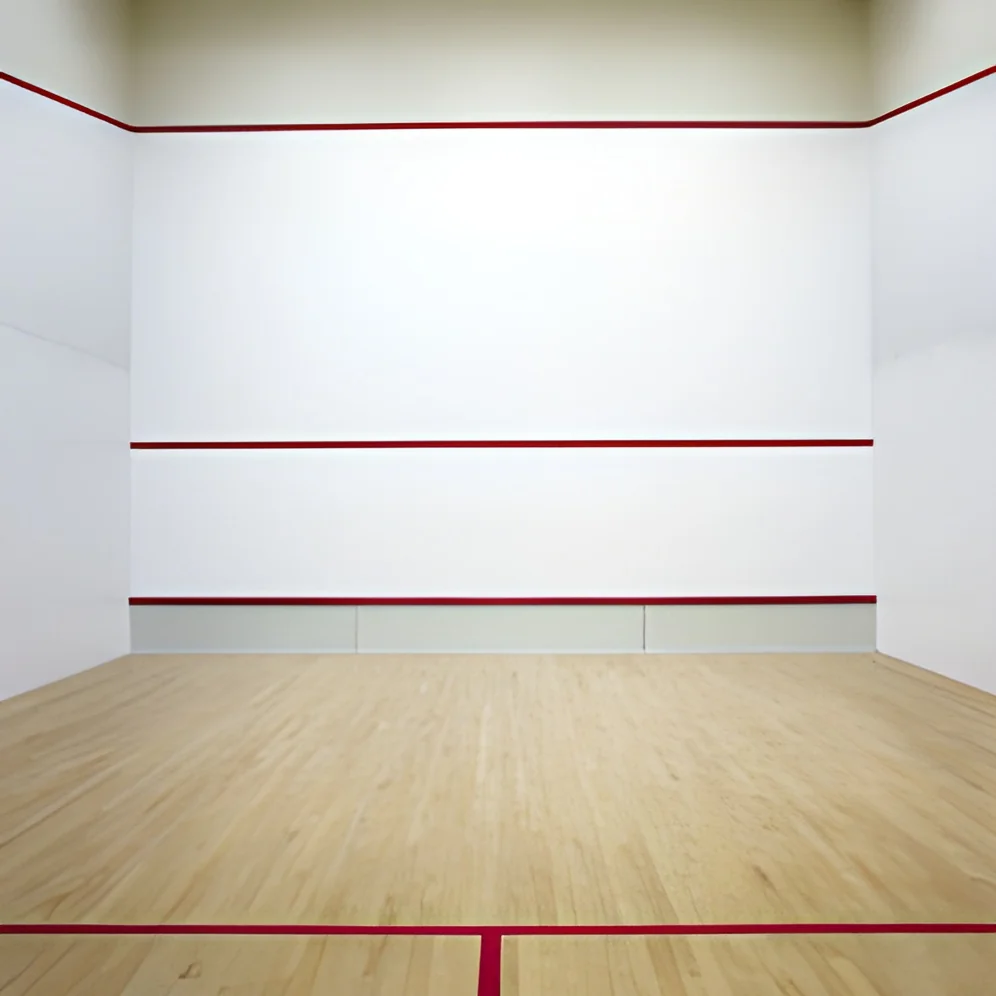
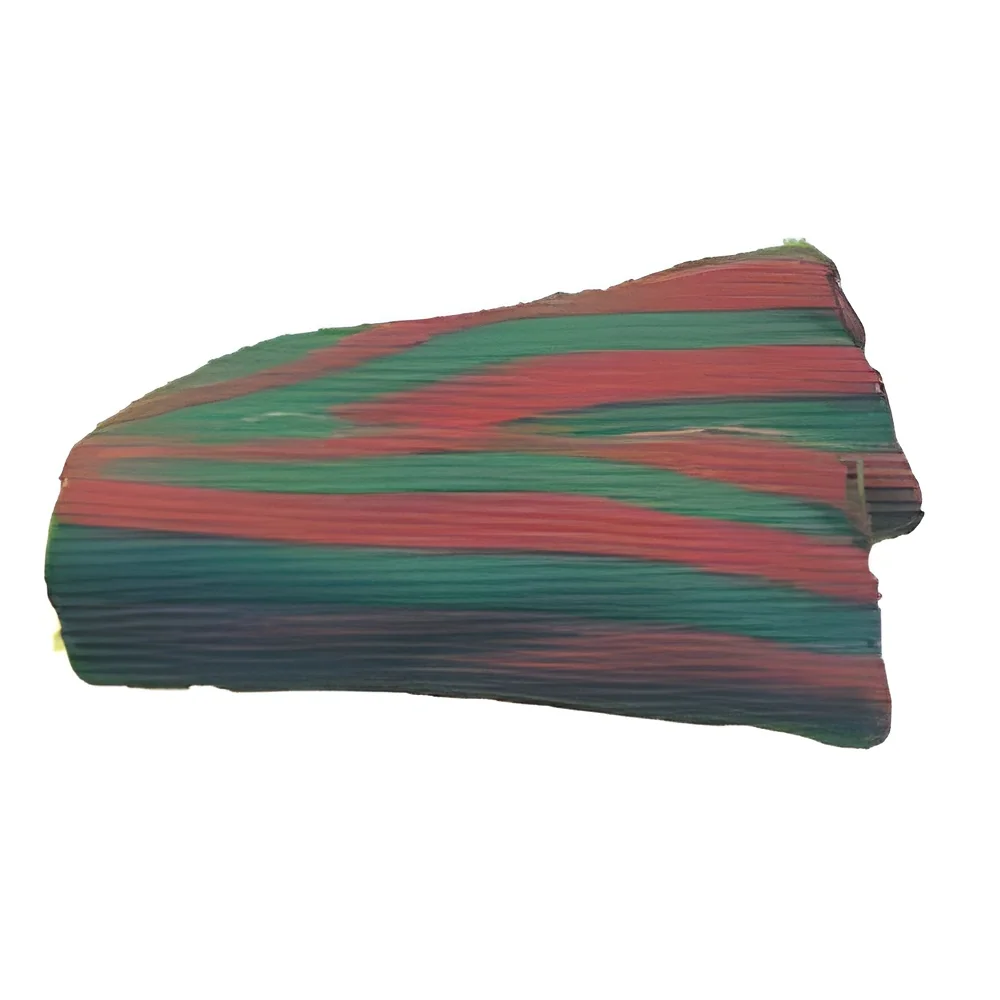
What are PU Flooring?
Polyurethane (PU) flooring is a high-performance flooring solution made from a polymer that provides durability and flexibility. Known for its resilience, PU flooring is formulated to withstand heavy traffic and harsh conditions. It is often used in commercial and industrial settings due to its ability to resist abrasions, chemicals, and moisture. The seamless nature of PU flooring also contributes to hygiene, making it an excellent choice for environments that require stringent cleanliness.
PU flooring finds primary use in various sectors, including manufacturing facilities, warehouses, healthcare institutions, and retail spaces. Its versatile design allows for easy installation over existing floors, making it an efficient option for renovations. As industries increasingly emphasize sustainability and long-lasting materials, PU flooring is gaining traction in the market. Its adaptability to different climates and environments further solidifies its relevance in contemporary construction and design.
Key Features and Specifications
PU flooring is characterized by several important features that enhance its utility in various applications. Understanding these specifications helps buyers select the right product for their specific needs.
Key specifications include:
1. Durability
- PU flooring offers high resistance to wear and tear.
- It can last over 10 years with proper maintenance.
2. Chemical Resistance
- It withstands exposure to various industrial chemicals.
- Ideal for environments like laboratories and manufacturing.
3. Installation Method
- Can be applied as a poured system or tiles.
- Quick installation minimizes downtime.
4. Thickness Options
- Available in various thicknesses ranging from 2mm to 10mm.
- Thicker options provide enhanced durability.
5. Slip Resistance
- Designed with anti-slip surfaces for safety.
- Suitable for wet areas like kitchens and bathrooms.
6. Aesthetic Customization
- Available in multiple colors and finishes.
- Can be customized to match branding or design needs.
7. Environmental Impact
- Manufactured with low VOC emissions.
- Contributes to sustainable building practices.
8. Maintenance Requirements
- Requires minimal maintenance to retain appearance.
- Regular cleaning is sufficient to keep it in good condition.
In summary, PU flooring combines durability and flexibility with a range of features tailored for various applications, making it a preferred choice in many industries.
Common Applications and Use Cases
PU flooring serves various industries by providing tailored solutions that address specific needs.
1. Manufacturing: PU flooring is widely used in manufacturing plants where heavy machinery and equipment are present. Its durability and chemical resistance make it ideal for areas prone to spills and heavy loads.
2. Healthcare: Hospitals and clinics often utilize PU flooring due to its hygienic properties and seamless design. It minimizes the risk of contamination and is easy to clean.
3. Retail: Retail spaces leverage the aesthetic appeal of PU flooring to create inviting environments for customers. Its customizable options allow businesses to align flooring with their brand image.
4. Food Processing: The food industry benefits from PU flooring's resistance to moisture and easy maintenance. It helps maintain cleanliness in processing and preparation areas.
5. Warehousing: In warehouses, PU flooring supports heavy traffic and the movement of goods. Its durability ensures a long service life even under challenging conditions.
6. Education: Schools and universities favor PU flooring for classrooms and common areas due to its comfort and safety features.
7. Automotive: Auto manufacturing facilities rely on PU flooring for its resistance to oils and chemicals, ensuring a safe and clean working environment.
Product Variants and Subcategories
PU flooring comes in various product variants that cater to different user requirements, enhancing its versatility across applications.
Standard PU Flooring: This variant is designed for general use, offering a balance of durability and aesthetic options. It is suitable for a range of environments, from retail to light industrial applications.
Self-Leveling PU Flooring: This type is ideal for surfaces that require a smooth, even finish. It is often used in spaces where aesthetics are a priority, such as showrooms and galleries.
Decorative PU Flooring: This variant focuses on visual appeal, allowing for creative designs and textures. It is commonly employed in high-end retail spaces and commercial establishments.
Benefits and Advantages
Investing in PU flooring presents numerous benefits that enhance its value for businesses.
1. Longevity: PU flooring is designed to withstand high traffic and harsh conditions, ensuring a long lifespan with proper care.
2. Easy Maintenance: Its seamless surface simplifies cleaning, reducing labor and time costs for upkeep.
3. Versatile Design: Available in various colors and patterns, PU flooring can be customized to meet specific aesthetic needs.
4. Enhanced Safety: The slip-resistant properties contribute to a safer environment, reducing the risk of workplace accidents.
5. Cost-Effectiveness: While the initial investment may be higher, the long-term durability and low maintenance costs make PU flooring a cost-effective choice.
6. Eco-Friendly Options: Many PU flooring products are manufactured with environmentally friendly materials, aligning with sustainable building practices.
Buying Guide for B2B Buyers
When sourcing PU flooring, several factors should be considered to ensure the best selection for your business needs.
1. Quality Assessment: Evaluate the quality based on material specifications and performance benchmarks. Look for products that meet industry standards for durability and safety.
2. Supplier Verification: Vet suppliers by checking their credentials, industry experience, and customer reviews. A reliable supplier will offer consistent quality and support.
3. Pricing and MOQ: Understand the pricing structure and minimum order quantities (MOQ) to plan your budget effectively. Beware of hidden costs that may arise during the purchasing process.
4. Delivery and Lead Times: Inquire about shipping options and lead times to ensure that your flooring can be delivered on schedule. Timely delivery is crucial for project planning.
5. Compliance Requirements: Ensure that the product meets regional compliance and safety standards. Certifications like CE can indicate adherence to quality regulations.
Compliance and Certifications
PU flooring must adhere to various quality standards and regulations to ensure safety and performance in industrial settings.
Relevant quality standards include ISO 9001, which focuses on quality management systems, and HACCP, which addresses food safety management. These standards ensure that the flooring material is produced under strict quality control measures.
Industry certifications, such as CE marking, signify that the product meets European safety, health, and environmental protection standards. This certification is crucial for market acceptance in Europe and other regions that recognize CE standards.
Safety and testing requirements for PU flooring include assessments for slip resistance, fire safety, and chemical resistance. These tests ensure that the flooring performs well under specific conditions.
Regional compliance considerations may vary, but it is essential to check local regulations that govern flooring materials in your area. This ensures that the selected product not only meets industry standards but also complies with local laws.
Why Source PU Flooring from Pepagora?
Pepagora offers a trusted platform for sourcing PU flooring, providing several key advantages for B2B buyers.
Verified Supplier Network: Pepagora connects buyers with verified suppliers who have undergone a thorough vetting process. This ensures that you are working with reputable manufacturers who can deliver quality products.
Streamlined RFQ Process: The Request for Quotation (RFQ) system simplifies the procurement process. Buyers can easily compare quotes from multiple suppliers, making it easier to find the best deal.
Trade Assurance and Support: Pepagora offers trade assurance that protects buyers throughout the purchasing process. This includes support for resolving issues and ensuring that products meet agreed-upon specifications.
Regional Coverage: With a strong presence in India, the GCC, and Southeast Asia, Pepagora provides extensive regional coverage. This allows buyers to access a wide range of PU flooring options tailored to regional market needs.
By choosing Pepagora, businesses can confidently navigate the sourcing process and secure high-quality PU flooring solutions that meet their specific requirements.

 IN
IN


 India
India