
 IN
Power Line Conditioners
5 products available
What are Power Line Conditioners?
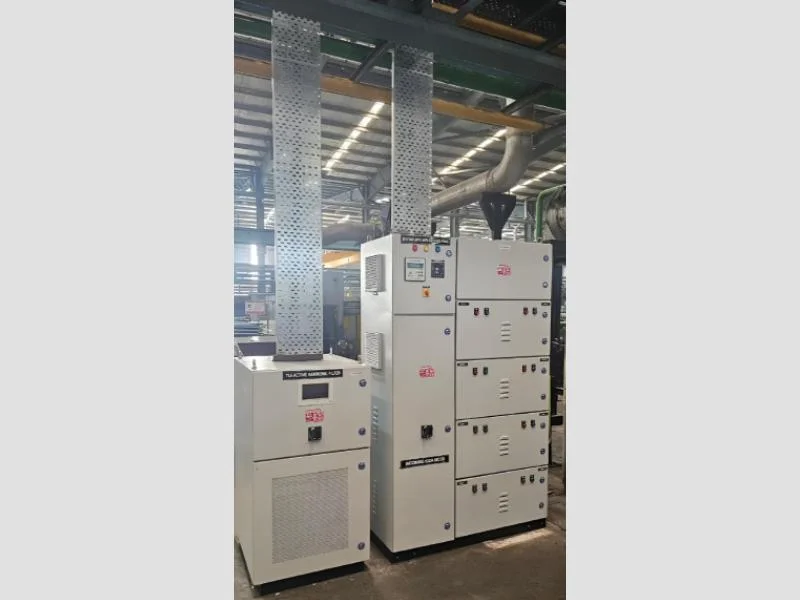
Power line conditioners are devices designed to improve the quality of electrical power delivered to sensitive equipment. They work by regulating voltage levels, filtering out electrical noise, and protecting against surges and spikes. These devices ensure that the power supply remains stable and clean, which is crucial for the optimal operation of sensitive electronic equipment.
Power line conditioners are commonly used in various business applications, including data centers, manufacturing facilities, and healthcare environments. They play a vital role in protecting equipment from power disturbances that can lead to malfunctions or downtime. In industries where precision and reliability are paramount, power line conditioners are essential for maintaining operational efficiency and safeguarding investments in technology.
As industries increasingly depend on sophisticated electronic systems, the demand for power line conditioners continues to grow. They are relevant across multiple sectors, including telecommunications, information technology, and industrial manufacturing, where power quality directly impacts performance and productivity.
Key Features and Specifications
Power line conditioners come equipped with several key features that enhance their effectiveness in managing power quality. Understanding these features is crucial for selecting the right device for specific applications.
Key specifications include:
1. Voltage Regulation
- Ensures stable voltage supply to connected equipment.
- Typically maintains output voltage within ±5% of the nominal value.
2. Harmonic Filtering
- Reduces harmonic distortion in the electrical supply.
- Capable of filtering harmonics to meet IEEE 519 standards.
3. Surge Protection
- Protects against voltage spikes caused by external factors.
- Designed to handle surge currents up to 20,000 Amperes.
4. Noise Filtering
- Eliminates electrical noise that can interfere with device performance.
- Achieves noise attenuation up to 40 dB.
5. Phase Correction
- Balances voltage across multiple phases.
- Improves overall power factor and efficiency.
6. Compact Design
- Space-saving models available for easy installation.
- Lightweight options facilitate mobility in various setups.
7. Monitoring Features
- Some models include real-time monitoring capabilities.
- Provides data on power quality metrics and performance.
8. Compliance with Standards
- Adheres to international safety and quality standards.
- Certifications such as CE ensure product reliability.
In summary, the specifications of power line conditioners reflect their critical role in maintaining power quality. These features not only enhance performance but also protect valuable equipment from potential damage.
Common Applications and Use Cases
Power line conditioners find diverse applications across multiple industries due to their capability to enhance power quality.
1. Telecommunications: In telecom facilities, power line conditioners ensure that communication systems remain operational, reducing outages caused by power fluctuations.
2. Information Technology: Data centers rely on power line conditioners to protect servers and storage systems from electrical disturbances, ensuring data integrity and uptime.
3. Manufacturing: In manufacturing environments, these devices safeguard machinery and automation systems from power surges, minimizing downtime and maintenance costs.
4. Healthcare: Medical equipment requires stable power supply for accurate performance. Power line conditioners help maintain the necessary power quality in hospitals and clinics.
5. Aerospace: In aerospace applications, power line conditioners are crucial for maintaining the integrity of sensitive avionics systems, which are highly susceptible to power variations.
6. Research Laboratories: Laboratories often use precision instruments that need stable power. Power line conditioners help ensure accurate and reliable results.
7. Broadcasting: In broadcasting stations, these devices protect equipment from power disturbances, ensuring uninterrupted transmission of signals.
Product Variants and Subcategories
Power line conditioners come in various configurations to meet different needs across industries. Each variant offers unique features tailored to specific applications.
Line Interactive Power Line Conditioner
This variant provides robust voltage regulation and noise filtering, making it ideal for environments with fluctuating power quality. It is widely used in IT and telecommunications settings.
Static Power Line Conditioner
Static models offer advanced surge protection and harmonic filtering capabilities. They are suitable for industrial applications where power quality is critical for machinery operation.
Portable Power Line Conditioner
Designed for easy transport, this variant is perfect for temporary setups, such as trade shows and events. It combines compact design with essential protective features.
Benefits and Advantages
Investing in power line conditioners offers several advantages that can significantly enhance operational efficiency.
1. Improved Equipment Longevity: Power line conditioners protect sensitive equipment from power fluctuations, extending their lifespan and reducing replacement costs.
2. Enhanced Performance: By providing stable voltage and reduced electrical noise, these devices ensure optimal performance of electronic systems.
3. Reduced Downtime: Preventing power-related failures minimizes operational downtime, resulting in increased productivity and profitability.
4. Cost Savings: By protecting equipment and reducing maintenance needs, businesses can save on repair and replacement costs.
5. Compliance Support: Using power line conditioners helps organizations meet regulatory and compliance standards for power quality.
6. Peace of Mind: With enhanced protection against power disturbances, businesses can operate with confidence, knowing their systems are safeguarded.
Buying Guide for B2B Buyers
When sourcing power line conditioners, several factors should be considered to ensure the right fit for your needs.
1. Quality Assessment: Evaluate the quality of power line conditioners based on manufacturer reputation, customer reviews, and compliance with international standards.
2. Supplier Verification: Vet potential suppliers by checking their credentials, certifications, and customer feedback to ensure reliability and trustworthiness.
3. Pricing and MOQ: Consider the price range of power line conditioners and any minimum order quantities required by suppliers, ensuring it aligns with your budget and needs.
4. Delivery and Lead Times: Discuss delivery schedules and lead times with suppliers to ensure timely availability of products for your operations.
5. Compliance Requirements: Ensure that the power line conditioners meet relevant regulatory and industry standards for safety and performance.
Compliance and Certifications
Power line conditioners must adhere to various quality standards and certifications to ensure reliability and safety in their operation. Key standards include ISO 9001, which focuses on quality management systems, and CE certification, indicating compliance with European health, safety, and environmental protection standards.
Industry certifications also play a critical role in ensuring that power line conditioners meet specific performance requirements. Safety and testing standards are essential to validate the effectiveness of these devices in protecting equipment from power disturbances. Furthermore, regional compliance considerations may vary, necessitating awareness of local regulations to ensure product acceptance in various markets.
Why Source Power Line Conditioners from Pepagora?
Pepagora offers a trusted platform for sourcing power line conditioners, providing several key advantages for B2B buyers.
Verified Supplier Network: Pepagora's extensive network of verified suppliers ensures that buyers can access high-quality products from reputable manufacturers. This verification process builds confidence in the sourcing experience.
Streamlined RFQ Process: The platform simplifies the request for quotation process, allowing buyers to easily compare offers from multiple suppliers. This efficiency saves time and facilitates informed purchasing decisions.
Trade Assurance and Support: Pepagora provides trade assurance and buyer protection, ensuring that transactions are secure. This support enhances buyer confidence in their purchases.
Regional Coverage: With a strong presence in India, the GCC, and Southeast Asia, Pepagora connects buyers to suppliers across these regions, facilitating access to power line conditioners that meet diverse industry needs.


 India

 India
 India
 India
Frequently Asked Questions
What are Power Line Conditioners?
Power Line Conditioners are devices designed to improve the quality of electrical power delivered to equipment. They work by stabilizing voltage, filtering out electrical noise, and protecting against power surges, ensuring that sensitive electronic devices operate efficiently.
What are the different types of Power Line Conditioners?
There are several types of Power Line Conditioners, including voltage stabilizers, line filters, and surge protectors. Each type serves a specific purpose, such as voltage regulation, noise reduction, or surge protection, and can be used in various applications depending on the needs of the equipment.
How do I choose the right Power Line Conditioners?
Selecting the right Power Line Conditioner involves assessing the specific requirements of your equipment, including voltage, current ratings, and the level of protection needed. It is also important to consider the operating environment and the presence of electrical noise when making a choice.
What are the standard specifications for Power Line Conditioners?
Standard specifications for Power Line Conditioners typically include input and output voltage ranges, current capacity, frequency range, and response time. Additionally, features such as surge protection ratings and filtering capabilities are crucial for ensuring optimal performance.
What is the price range for Power Line Conditioners?
The price of Power Line Conditioners can vary widely based on their specifications and features. Generally, prices may range from a few thousand to several tens of thousands of Indian Rupees, depending on the complexity and capacity of the unit.
What quality standards apply to Power Line Conditioners?
Power Line Conditioners must adhere to various quality standards to ensure safety and performance. Common certifications include ISO, IEC, and BIS, which indicate that the products meet specific safety and reliability criteria.
Where can I find Power Line Conditioners suppliers in India?
You can find Power Line Conditioners suppliers in India through online B2B marketplaces, trade directories, and industry trade shows. Websites like Pepagora.com can connect you with reputable manufacturers and suppliers in this sector.
Can Power Line Conditioners be customized?
Yes, many manufacturers offer customization options for Power Line Conditioners to meet specific customer requirements. Customizations may include variations in voltage ratings, additional features, or tailored designs based on application needs.
What is the typical minimum order quantity for Power Line Conditioners?
The typical minimum order quantity (MOQ) for Power Line Conditioners can vary by supplier, but it often ranges from 5 to 50 units. It's advisable to check with individual suppliers for their specific MOQs.
What is the typical lead time for Power Line Conditioners?
The lead time for Power Line Conditioners generally depends on the manufacturer's production capacity and order volume. Typically, customers can expect a lead time ranging from 2 to 6 weeks after order confirmation.
Why Businesses Trust Pepagora
Thousands of companies trust Pepagora to source smarter and sell faster
Expand Your Sales Globally

Source Smarter,Grow Faster
