What are Standby Backup Generators?
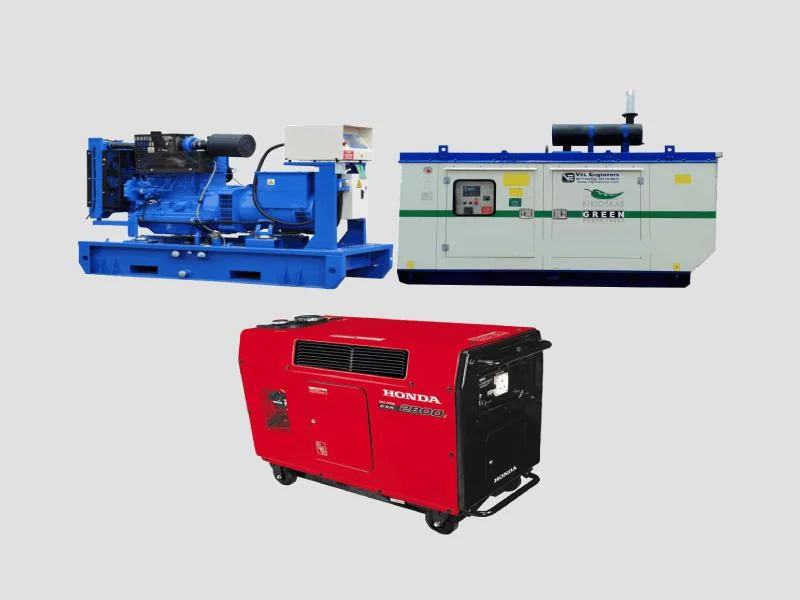
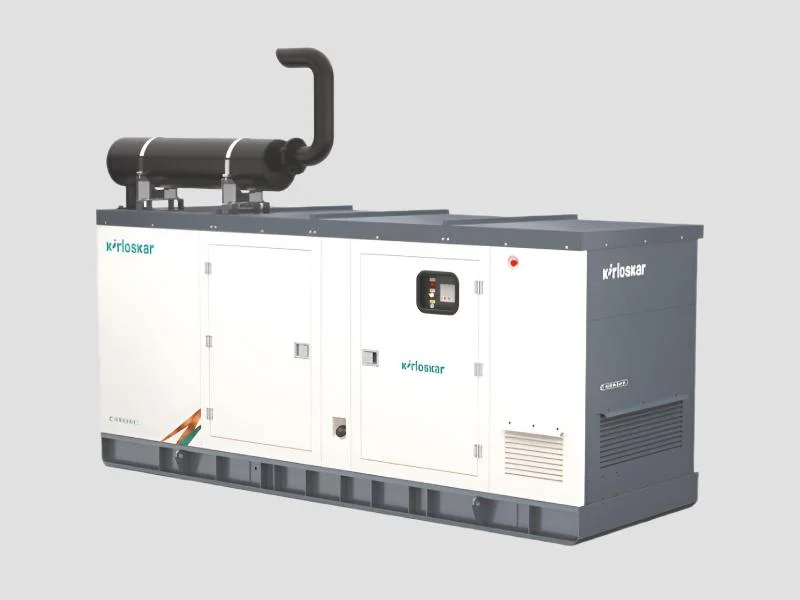
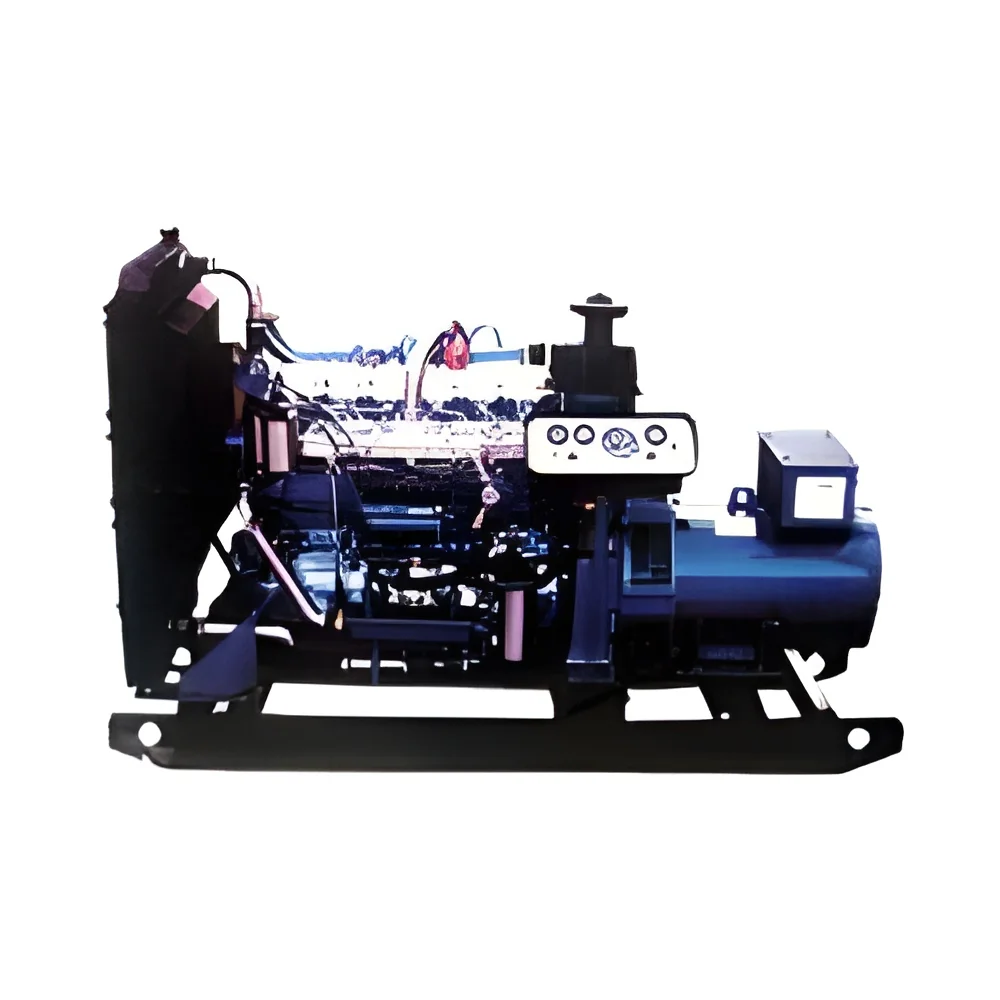
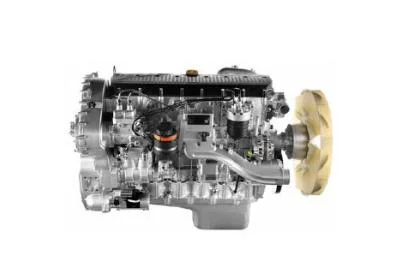
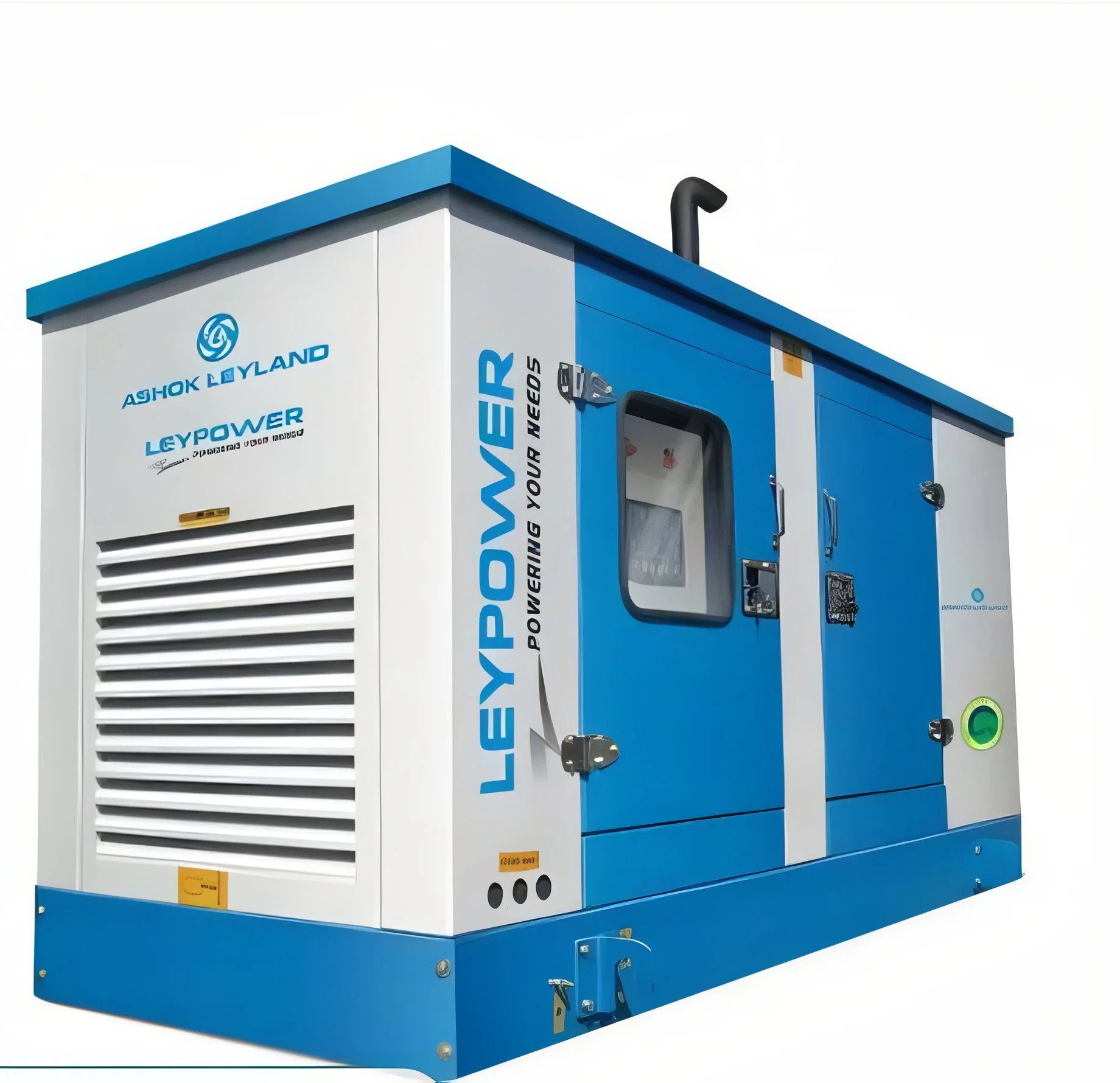
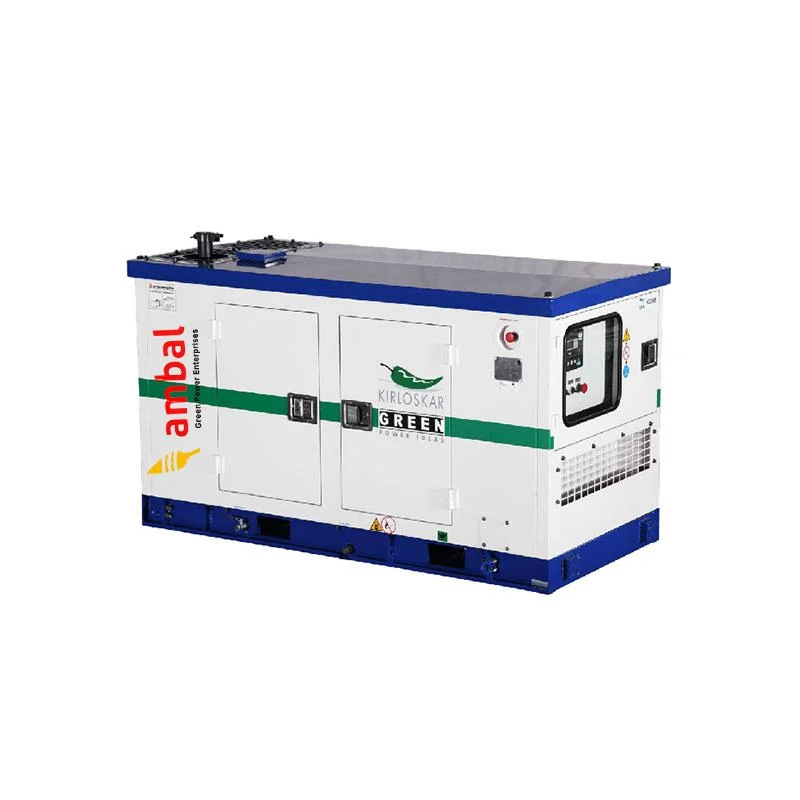
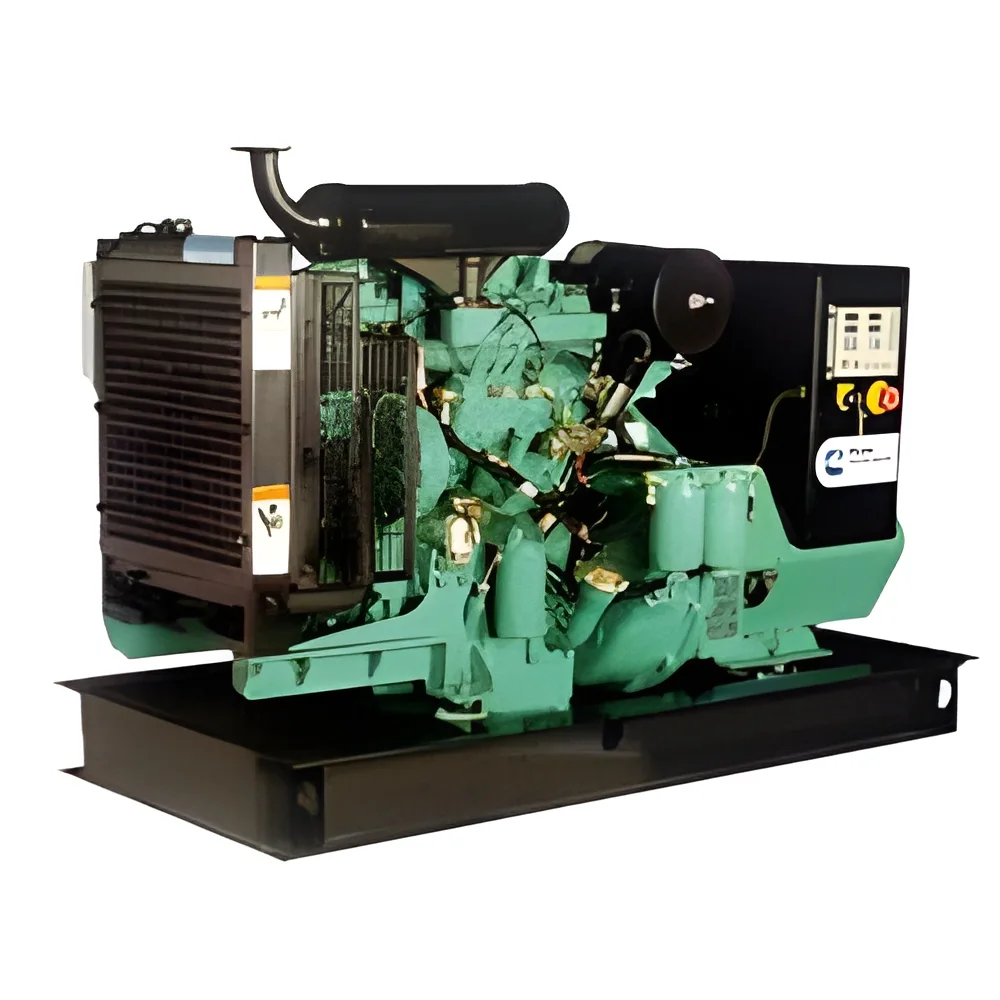
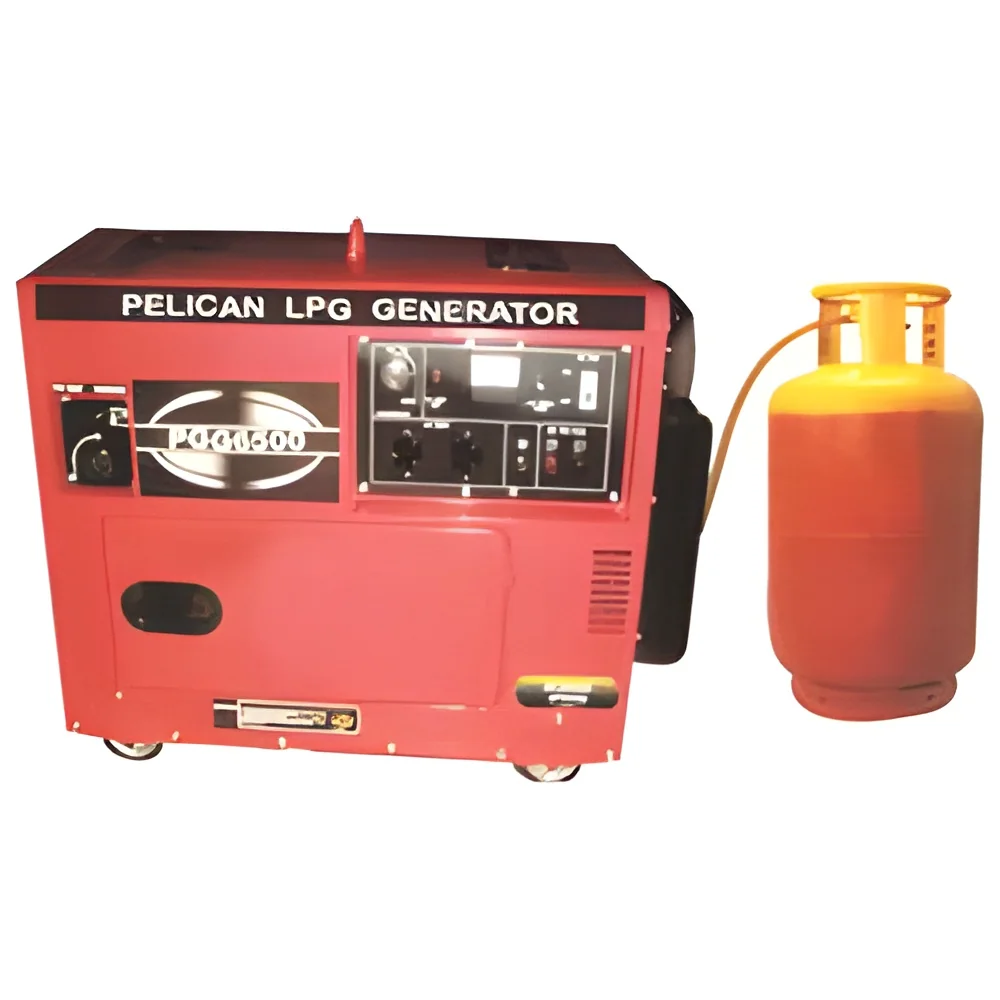
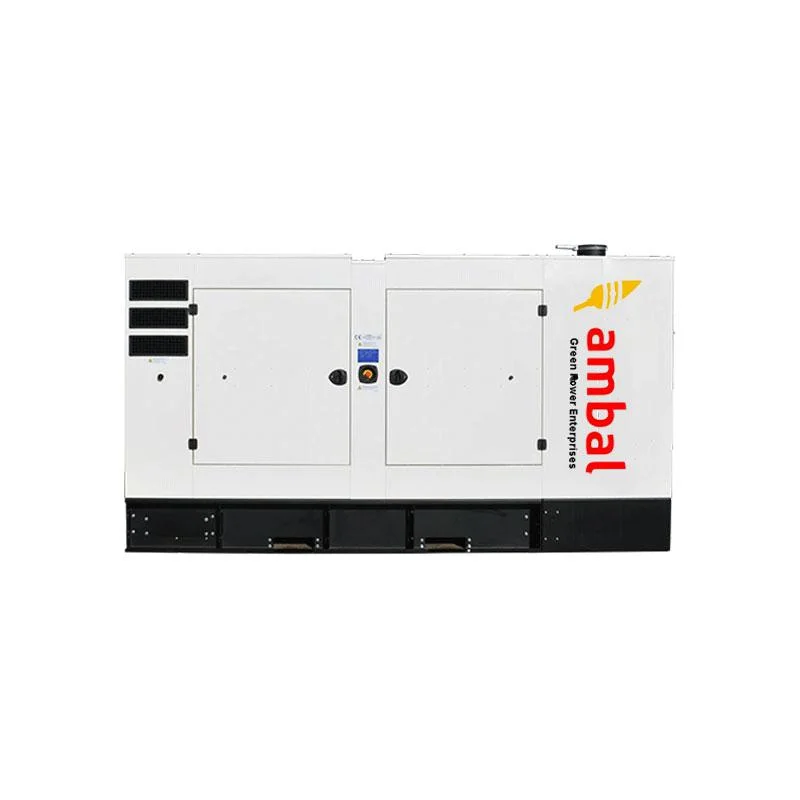
Standby backup generators are power systems designed to provide electricity during outages or interruptions in the main power supply. These generators automatically activate when they detect a drop in voltage or power, ensuring that essential electrical systems and appliances remain operational. They are typically powered by diesel, natural gas, or propane, depending on the model and application.
These generators are commonly used in various business environments, such as hospitals, data centers, and manufacturing facilities. In these settings, continuity of power is crucial for operations, safety, and compliance with regulations. Standby backup generators play a pivotal role in ensuring that critical systems, such as emergency lighting, refrigeration, and IT infrastructure, are maintained during power failures. The increasing demand for uninterrupted power supply across industries has fueled the growth of the standby generator market, making them an essential investment for businesses that require reliability and efficiency.
Key Features and Specifications
Standby backup generators come equipped with several features designed to enhance performance, safety, and usability. Understanding these specifications is crucial for selecting the right generator for your business needs.
Key specifications include:
1. Power Output
- Measured in kilowatts (kW) or megawatts (MW)
- Ranges from small units (5 kW) for residential use to large systems (over 2000 kW) for industrial applications
2. Fuel Type
- Common options include diesel, natural gas, and propane
- Each fuel type has unique benefits regarding efficiency, cost, and availability
3. Automatic Transfer Switch (ATS)
- Enables seamless switching between the main power supply and generator power
- Ensures minimal downtime and operational reliability
4. Noise Level
- Typically measured in decibels (dB)
- Residential units often operate at lower noise levels (50-70 dB), while industrial models may be louder
5. Run Time
- Indicates how long the generator can operate on a full tank
- Varies by model but can typically range from 8 to 48 hours, depending on load
6. Size and Dimensions
- Physical dimensions can vary significantly
- Important for ensuring the generator fits in the intended installation space
7. Control System
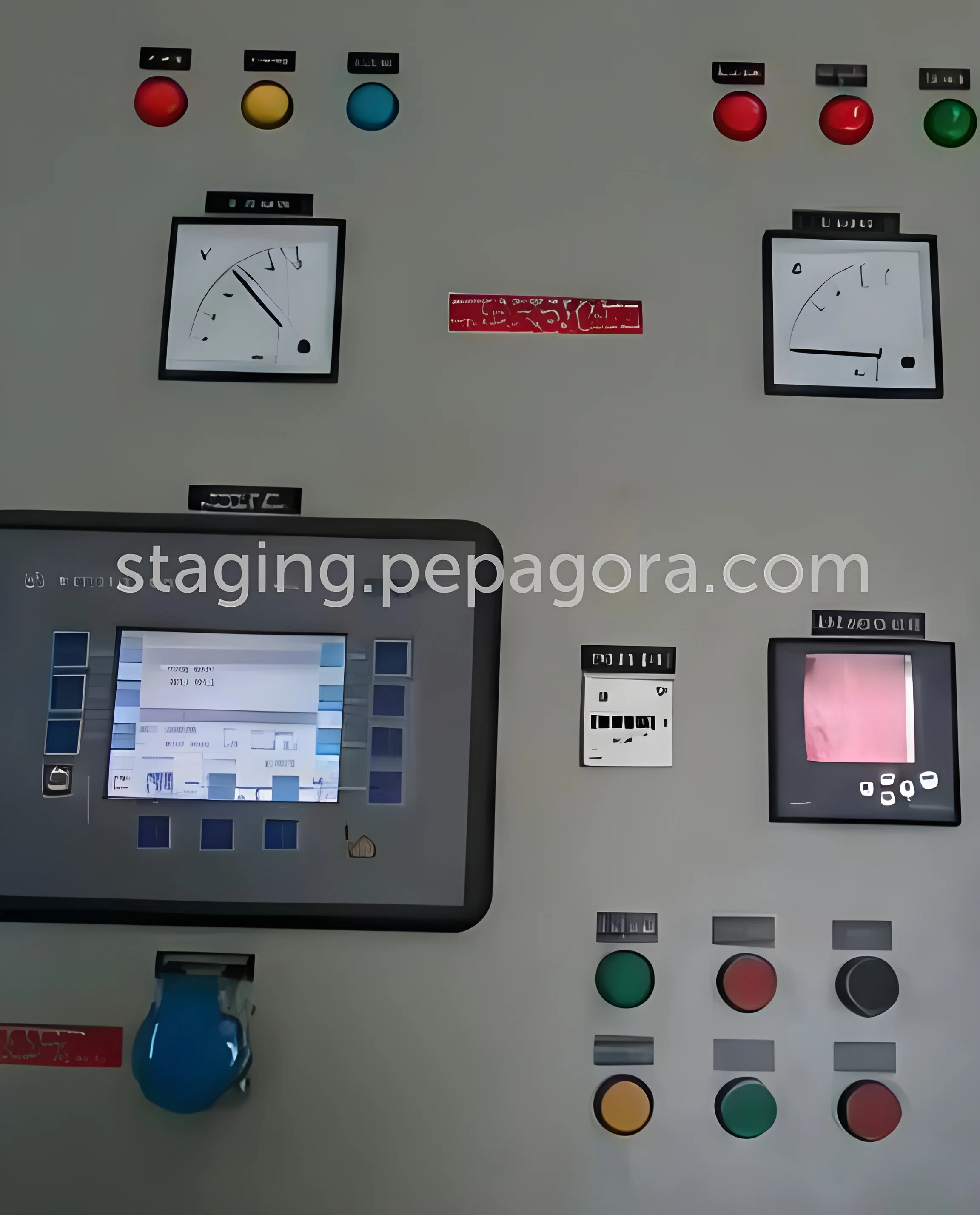
- Digital control panels offer user-friendly interfaces for monitoring and operation
- Some models include remote monitoring capabilities
8. Compliance and Certifications
- Generators are often certified for safety and performance standards
- Look for compliance with CE certification for European markets
In summary, understanding these key features and specifications helps businesses choose the right standby backup generator that meets their power needs and operational requirements.
Common Applications and Use Cases
Standby backup generators are versatile and serve numerous industries.
1. Healthcare: Hospitals and clinics rely on backup generators to power critical medical equipment, ensuring patient safety and uninterrupted operations during power outages.
2. Telecommunications: Data centers and communication towers utilize standby generators to maintain connectivity and data integrity, preventing service disruptions.
3. Manufacturing: Factories use generators to keep machinery running during outages, minimizing production losses and maintaining operational efficiency.
4. Hospitality: Hotels and resorts depend on standby generators to provide essential services, including lighting and heating, ensuring guest comfort during power failures.
5. Retail: Stores and warehouses use backup power to protect perishable inventory and maintain security systems, safeguarding operations and assets.
6. Educational Institutions: Schools and universities rely on generators to provide power for administrative functions and essential services, ensuring a safe learning environment.
7. Construction: Construction sites use standby generators to power tools and equipment, enabling uninterrupted work progress, especially in remote locations.
Product Variants and Subcategories
Standby backup generators come in various models designed to meet different needs and applications.
Residential Generators: These units are compact, typically range from 5 kW to 20 kW, and are suited for homes. They provide power for essential appliances and systems, offering peace of mind during outages.
Commercial Generators: Ranging from 20 kW to 200 kW, these generators are designed for small to medium businesses. They can power multiple systems simultaneously, ensuring operational continuity.
Industrial Generators: These high-capacity units exceed 200 kW and are built for large facilities or critical applications. They can support heavy machinery and extensive electrical systems.
Portable Generators: These versatile units are often used in construction or outdoor events. They provide flexibility in power supply and can be easily transported as needed.
Benefits and Advantages
Investing in standby backup generators offers several advantages for businesses.
1. Uninterrupted Power Supply: Standby generators ensure that essential operations continue seamlessly during power outages, reducing downtime.
2. Enhanced Safety: By keeping critical systems operational, businesses can protect assets and ensure the safety of personnel and customers.
3. Cost Efficiency: Preventing loss of productivity and damage to equipment during outages can lead to significant cost savings over time.
4. Increased Reliability: Standby generators provide peace of mind, knowing that power needs will be met without interruption.
5. Compliance Assurance: Many industries require backup power for compliance with safety regulations. Generators help meet these requirements effectively.
6. Customization: Standby generators can be tailored to specific business needs, including power output and fuel type, ensuring the right fit for every application.
Buying Guide for B2B Buyers
When sourcing standby backup generators, several factors should be considered to ensure the right choice for your business.
1. Quality Assessment: Evaluate the build quality and reliability of the generator. Look for reputable manufacturers with a history of producing durable and efficient units.
2. Supplier Verification: Vet suppliers by checking references, certifications, and customer reviews. A reliable supplier ensures a smooth purchasing process and after-sales support.
3. Pricing and MOQ: Understand the cost structure and minimum order quantities. Compare prices across suppliers to find a balance between quality and affordability.
4. Delivery and Lead Times: Discuss logistics and delivery schedules with suppliers. Ensure that the lead times align with your project timelines.
5. Compliance Requirements: Investigate the regulatory standards relevant to your industry. Ensure that the generator meets local compliance and certification requirements.
Compliance and Certifications
Standby backup generators must adhere to various quality standards and certifications to ensure safety and performance. ISO 9001 is one of the widely recognized quality management standards that apply to manufacturers of standby generators. This standard ensures that a company consistently produces quality products and meets customer expectations.
Additionally, CE certification is crucial for generators sold within European markets. This certification signifies that the product meets EU safety, health, and environmental protection standards.
Safety and testing requirements also play a vital role in the production of standby generators. These include rigorous testing for electrical safety and performance under various operating conditions. Regional compliance considerations may vary, so it is essential for buyers to be aware of local regulations that affect generator use and installation.
Why Source Standby Backup Generators from Pepagora?
Pepagora provides a trusted platform for sourcing standby backup generators, offering several key advantages for B2B buyers.
Verified Supplier Network: Pepagora connects buyers with a network of verified suppliers. Each supplier undergoes a thorough vetting process to ensure reliability and quality, giving buyers confidence in their purchasing decisions.
Streamlined RFQ Process: The request for quotation (RFQ) process is designed for efficiency. Buyers can easily submit their requirements and receive competitive quotes from multiple suppliers, facilitating informed choices.
Trade Assurance and Support: Pepagora offers trade assurance programs that protect buyers throughout the purchasing process. This includes support for dispute resolution and ensuring that suppliers meet their commitments.
Regional Coverage: Pepagora has a broad geographic reach, covering India, the GCC, and Southeast Asia. This extensive network allows buyers to find suitable suppliers close to their operations, reducing lead times and shipping costs.

 IN
IN