
 IN
AVR (Automatic Voltage Regulators)
17 products available
Key Features and Specifications
AVRs come with several important features that make them indispensable for voltage management. They are engineered to provide a reliable solution for a range of applications, ensuring that equipment operates within safe voltage parameters. Key specifications include:
1. Voltage Regulation Range
- Ensures the output voltage remains stable within a specified range.
- Typically ranges from ±5% to ±10% of the nominal voltage.
2. Response Time
- Indicates how quickly the AVR can adjust to voltage changes.
- Usually within milliseconds for rapid adjustments.
3. Load Capacity
- Specifies the maximum load the AVR can handle.
- Common capacities range from 1 kVA to several hundred kVA.
4. Input Voltage Range
- Defines the acceptable range of input voltages for operation.
- Can vary, often from 100V to 480V AC.
5. Efficiency Rating
- Reflects how effectively the AVR converts input to output voltage.
- Efficiency ratings typically exceed 90%.
6. Protection Features
- Includes circuit breakers or fuses to protect against overloads.
- Often features surge protection and thermal shutdown capabilities.
7. Phase Configuration
- Indicates whether the AVR is single-phase or three-phase.
- Three-phase configurations are common in industrial applications.
8. Communication Interfaces
- Allows for monitoring and control via digital interfaces.
- May include options like RS232 or Ethernet connectivity.
In summary, AVRs are equipped with features that not only ensure voltage stability but also enhance the safety and efficiency of electrical systems.
Common Applications and Use Cases
AVRs find applications across a wide range of industries, each benefiting from reliable voltage regulation.
1. Manufacturing: In manufacturing, AVRs are crucial for machinery that requires stable voltage to operate efficiently and maintain product quality.
2. Telecommunications: In telecommunications, AVRs protect sensitive equipment from voltage spikes, ensuring uninterrupted communication services.
3. Power Generation: In power generation, AVRs stabilize output voltage, allowing for consistent power delivery to the grid and minimizing fluctuations.
4. Data Centers: Data centers rely on AVRs to maintain the integrity of server operations, protecting against voltage irregularities that can lead to data loss.
5. Healthcare: In healthcare facilities, AVRs ensure that critical medical equipment operates safely, reducing the risk of equipment failure during procedures.
6. Construction: On construction sites, AVRs safeguard tools and equipment from voltage surges, maintaining efficiency and safety.
7. Agriculture: In agricultural applications, AVRs protect irrigation systems and other electrical equipment, improving operational reliability.
Product Variants and Subcategories
AVRs are available in various configurations to meet specific needs, providing options for different applications and environments.
Single-Phase AVR
This variant is designed for smaller applications, typically used in residential or light commercial settings. It offers basic voltage regulation for single-phase equipment.
Three-Phase AVR
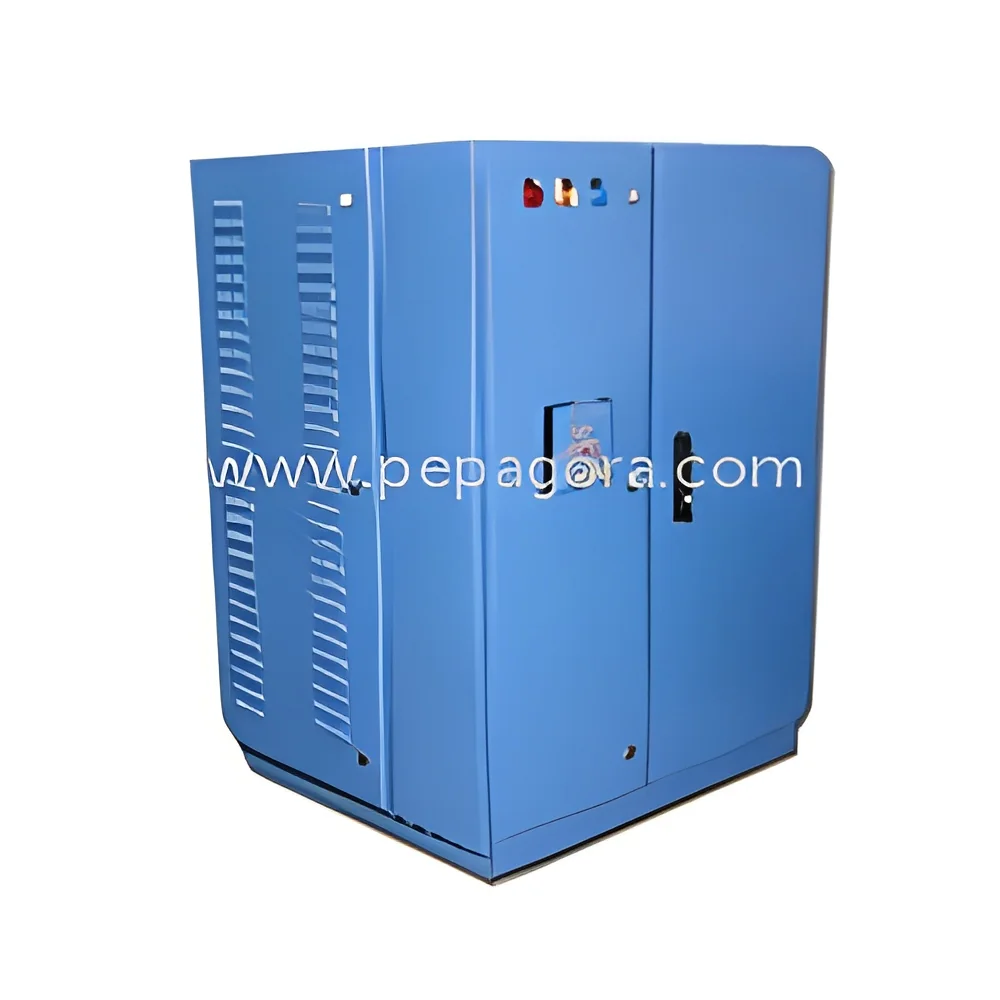
Designed for larger industrial applications, the three-phase AVR provides robust voltage stability for heavy machinery and equipment. It ensures balanced voltage across all three phases.
Digital AVR
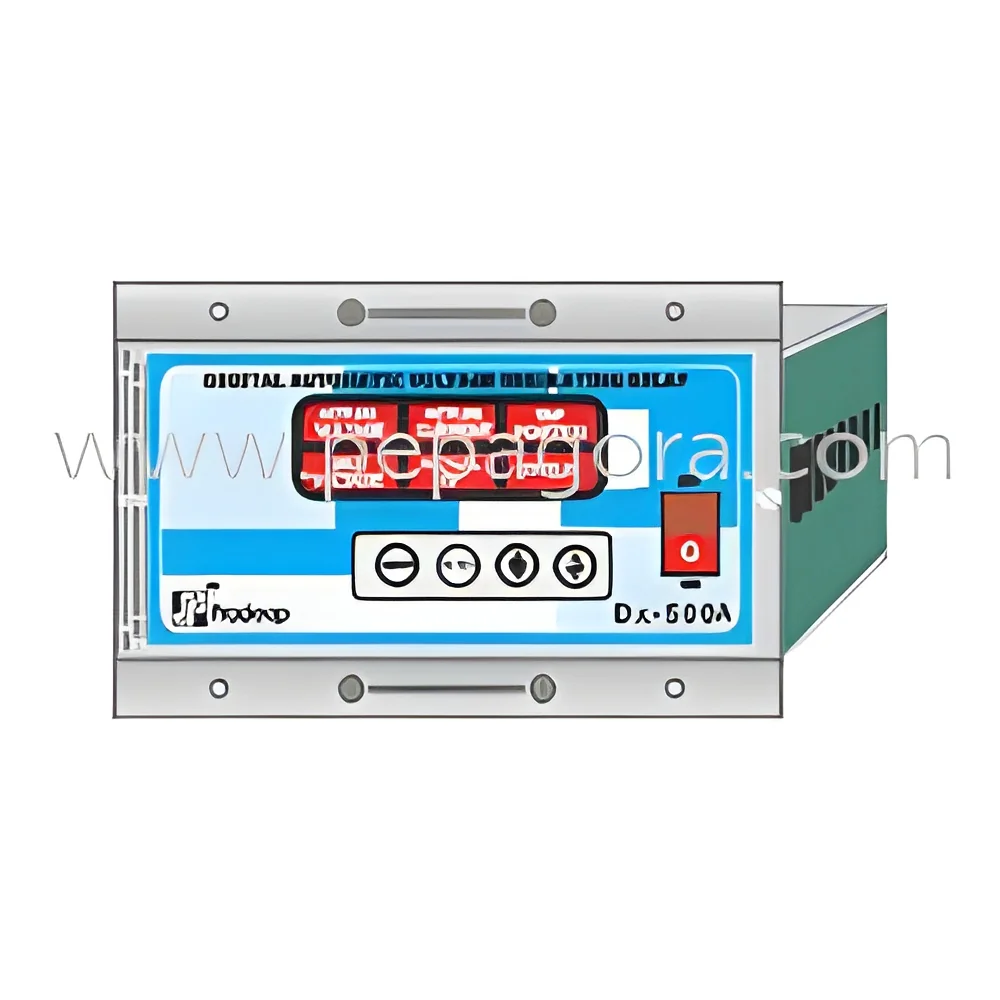
A digital AVR includes advanced features such as programmable settings and digital monitoring. This variant is ideal for applications requiring precise voltage control and data tracking.
Static AVR
Static AVRs use electronic components to regulate voltage without moving parts. This design results in higher reliability and reduced maintenance needs.
Benefits and Advantages
Choosing to implement AVRs offers several key advantages for businesses.
1. Enhanced Equipment Lifespan: By protecting machinery from voltage fluctuations, AVRs help extend the lifespan of equipment, reducing replacement costs.
2. Improved Operational Efficiency: Stable voltage levels lead to optimal equipment performance, minimizing energy waste and improving productivity.
3. Reduced Downtime: With reliable voltage regulation, AVRs decrease the likelihood of equipment failures, ensuring continuous operations.
4. Increased Safety: AVRs provide essential protection against electrical surges, enhancing workplace safety for employees and equipment.
5. Cost Savings: By preventing damage and reducing energy waste, businesses can achieve significant cost savings over time.
6. Versatile Applications: AVRs are suitable for a wide range of industries, making them a flexible solution for many business needs.
Buying Guide for B2B Buyers
When sourcing AVR (Automatic Voltage Regulators), several factors should be taken into consideration to ensure a successful purchase.
1. Quality Assessment: Evaluate the quality of the AVR by checking manufacturer reputation and product reviews. Look for compliance with relevant industry standards.
2. Supplier Verification: Vet potential suppliers by researching their background, certifications, and customer feedback to ensure reliability and trustworthiness.
3. Pricing and MOQ: Consider the pricing structure and minimum order quantities (MOQ) offered by suppliers, as this can impact overall costs and budgeting.
4. Delivery and Lead Times: Assess the supplier's ability to meet delivery deadlines, as timely receipt of AVRs is crucial for project planning and execution.
5. Compliance Requirements: Ensure that the AVRs meet all necessary regulatory and safety standards applicable in your region to avoid compliance issues.
Compliance and Certifications
AVRs must adhere to several industry standards and certifications to ensure safety and performance.
Quality standards such as ISO 9001 guarantee that manufacturers follow consistent quality management practices, leading to reliable products. Compliance with HACCP and GDP standards may also be relevant depending on the specific application of the AVR.
Certifications like CE and UL signify that the products meet safety standards required in various markets. These certifications are crucial for ensuring that AVRs perform safely and effectively in their intended environments.
Additionally, AVRs may need to meet regional compliance considerations based on local electrical codes and regulations. Understanding these requirements is essential for businesses to avoid legal issues and ensure safe operations.
Why Source AVR (Automatic Voltage Regulators) from Pepagora?
Pepagora is a trusted platform for sourcing AVR (Automatic Voltage Regulators), offering several key advantages to buyers.
Verified Supplier Network: Pepagora connects buyers with a network of verified suppliers, ensuring that businesses can source high-quality AVRs with confidence. Each supplier undergoes rigorous vetting to maintain standards.
Streamlined RFQ Process: The request for quotation (RFQ) process on Pepagora is designed to be user-friendly, allowing buyers to easily compare products and pricing from multiple suppliers, saving time and effort.
Trade Assurance and Support: Pepagora offers trade assurance and support services, providing buyers with protection throughout the purchasing process. This includes assistance with transactions and dispute resolution.
Regional Coverage: With a strong presence in India, the GCC, and Southeast Asia, Pepagora provides extensive geographic reach, making it easier for businesses to find local suppliers and reduce shipping times.
In summary, Pepagora is an excellent choice for businesses seeking reliable AVRs, backed by a commitment to quality and customer support.








Frequently Asked Questions
What are AVR (Automatic Voltage Regulators)?
AVR (Automatic Voltage Regulators) are devices that automatically maintain a constant voltage level to electrical equipment. They help stabilize voltage fluctuations, ensuring that electrical devices operate efficiently and safely.
What are the different types of AVR (Automatic Voltage Regulators)?
There are several types of AVRs, including linear and switching AVRs. Linear AVRs use a transformer and are suitable for low power applications, while switching AVRs are more efficient and commonly used for high power systems.
How do I choose the right AVR (Automatic Voltage Regulators)?
When selecting an AVR, consider factors such as the voltage range, power capacity, and application requirements. It's also important to evaluate the environment in which the AVR will operate to ensure it meets specific operational needs.
What are the standard specifications for AVR (Automatic Voltage Regulators)?
Standard specifications for AVRs typically include input and output voltage ratings, frequency range, power factor, and efficiency levels. Additionally, they may have features such as surge protection and response time specifications.
What is the price range for AVR (Automatic Voltage Regulators)?
The price range for AVRs can vary significantly based on capacity and features, typically ranging from a few thousand to several lakhs of Indian Rupees. Higher-end models with advanced features tend to be more expensive.
What quality standards apply to AVR (Automatic Voltage Regulators)?
AVRs are subject to various quality standards, including ISO certifications and IEC standards. Compliance with these standards ensures reliability, safety, and performance in different applications.
Where can I find AVR (Automatic Voltage Regulators) suppliers in India?
You can find AVR suppliers in India through various online B2B marketplaces like Pepagora.com. Additionally, industry trade shows and exhibitions provide opportunities to connect with manufacturers and suppliers.
Can AVR (Automatic Voltage Regulators) be customized?
Yes, many manufacturers offer customization options for AVRs to meet specific requirements. Customizations may include adjustments in voltage ratings, design modifications, and additional features.
What is the typical minimum order quantity for AVR (Automatic Voltage Regulators)?
The typical minimum order quantity (MOQ) for AVRs can vary by supplier, but it generally ranges from 10 to 50 units. It's advisable to check with specific manufacturers for their MOQ policies.
What is the typical lead time for AVR (Automatic Voltage Regulators)?
The typical lead time for AVRs can range from a few weeks to several months, depending on the supplier and whether the product is standard or customized. It's best to confirm the lead time with the manufacturer when placing an order.
Why Businesses Trust Pepagora
Thousands of companies trust Pepagora to source smarter and sell faster
Expand Your Sales Globally

Source Smarter,Grow Faster
