IN
IN₹
Apparel & Fashion
Description
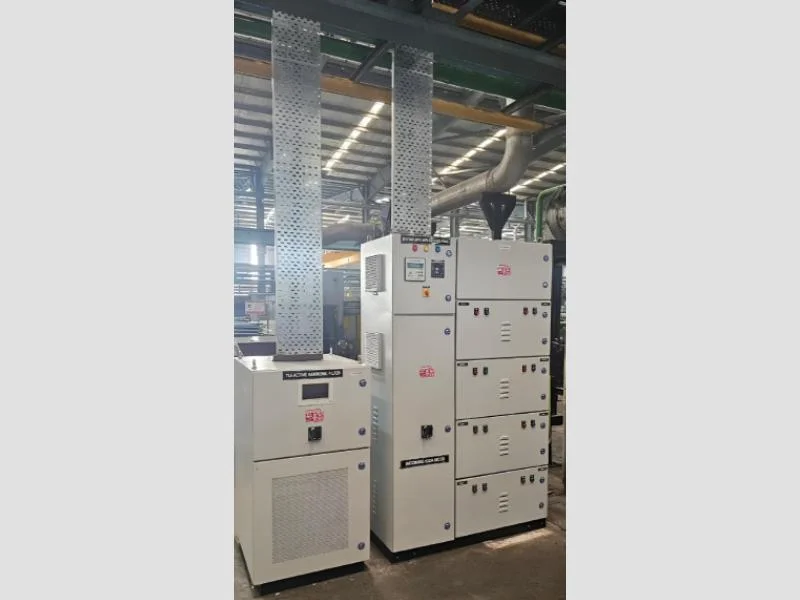
The Three Phase Delta Active Harmonic Filter Control Panel represents advanced power quality technology designed specifically for industrial electrical systems. This sophisticated solution actively monitors and mitigates harmonic distortion in real time, injecting compensating currents to neutralize unwanted harmonics generated by nonlinear loads. Unlike traditional passive filters, this dynamic system adapts to changing harmonic patterns, ensuring consistent performance across varying operational conditions. The delta configuration provides superior handling of three-phase systems, addressing both balanced and unbalanced harmonic issues while maintaining compliance with IEEE 519 and other international standards for power quality.

Industrial facilities across multiple sectors benefit from this harmonic mitigation solution. Manufacturing plants utilize it to protect sensitive CNC machines, robotic systems, and production line equipment from harmonic-induced damage. Data centers and se...
The Three Phase Delta Active Harmonic Filter Control Panel represents advanced power quality technology designed specifically for industrial electrical systems. This sophisticated solution actively monitors and mitigates harmonic distortion in real time, injecting compensating currents to neutralize unwanted harmonics generated by nonlinear loads. Unlike traditional passive filters, this dynamic system adapts to changing harmonic patterns, ensuring consistent performance across varying operational conditions. The delta configuration provides superior handling of three-phase systems, addressing both balanced and unbalanced harmonic issues while maintaining compliance with IEEE 519 and other international standards for power quality.

Industrial facilities across multiple sectors benefit from this harmonic mitigation solution. Manufacturing plants utilize it to protect sensitive CNC machines, robotic systems, and production line equipment from harmonic-induced damage. Data centers and server farms implement these panels to ensure clean power for critical computing infrastructure, while processing industries rely on them for chemical plants, refineries, and material handling systems. The technology proves equally valuable in commercial settings with large HVAC installations, elevator banks, and lighting systems that generate significant harmonic currents, preventing equipment failures and reducing maintenance costs.

Businesses investing in this harmonic filter control panel gain substantial value through improved operational reliability and reduced energy expenses. The system's dynamic response capability means it continues performing effectively as facility loads change or new equipment is added, providing long-term protection for electrical infrastructure. By eliminating harmonic distortion, companies experience fewer equipment failures, extended asset lifespans, and reduced downtime. The technology also helps organizations meet regulatory requirements for power quality while potentially qualifying for utility incentives related to power factor correction and energy efficiency improvements.

Key Features:
- Dynamic real-time harmonic compensation adapting to changing load conditions
- Three-phase delta configuration for efficient handling of complex harmonic patterns
- Active filtering technology that injects compensating currents as needed
- Compliance with IEEE 519 and other international power quality standards
- Continuous monitoring and automatic adjustment to maintain optimal performance

Benefits:
- Protects sensitive equipment from harmonic-induced damage and premature failure
- Reduces energy losses and improves overall system efficiency
- Minimizes electrical system overheating and prevents component stress
- Ensures stable voltage levels and prevents power quality issues
- Lowers maintenance costs and extends equipment service life
Specifications
| Additional Information | |
|---|---|
| SKU | IT-AHF-TPD |
| Country of Origin | India |
Application
This advanced harmonic filter control panel serves critical roles across industrial facilities by actively eliminating harmonic distortion from nonlinear loads. Its real-time compensation protects sensitive equipment, reduces energy losses, and prevents system overheating while maintaining stable voltage levels.
Manufacturing plants, data centers, and processing facilities rely on this solution to safeguard motors, transformers, and automation systems. The three-phase delta configuration efficiently handles complex harmonic patterns, making it ideal for environments with variable loads and demanding power quality requirements.
Real-world applications:
- Manufacturing facilities with variable frequency drives and automated machinery
- Data centers and server farms requiring clean power for sensitive electronics
- Industrial processing plants with rectifiers and power conversion equipment
- Commercial buildings with extensive HVAC systems and elevator controls
- Renewable energy installations integrating inverters with grid systems
Trade Details
| Available Stock | In Stock |
| Sample Availability | No |
Payment Terms
| Payment Terms |
|
| Payment Methods |
|
Company Profile

IDEAL TECHNOLOGIES, Tamil Nadu
 Tamil Nadu, India
Tamil Nadu, IndiaManufacturer•Distributor / Wholesaler•Retailer
Factory Details
Factory SizeBelow 1000 sqm
SKU: IT-AHF-TPD
Industrial Power Quality Three Phase Delta Active Harmonic Filter Control Panel
Three Phase Delta Active Harmonic Filter Control Panel reduces current harmonics, improves power quality, and ensures IEEE compliance for industrial electrical systems with dynamic real-time filtering.
Min. Order Quantity: 1 Unit
Shipping
Shipping fee and delivery date to be negotiated. Contact supplier now for more details.
IDEAL TECHNOLOGIES Tamil Nadu, India
Tamil Nadu, IndiaManufacturer