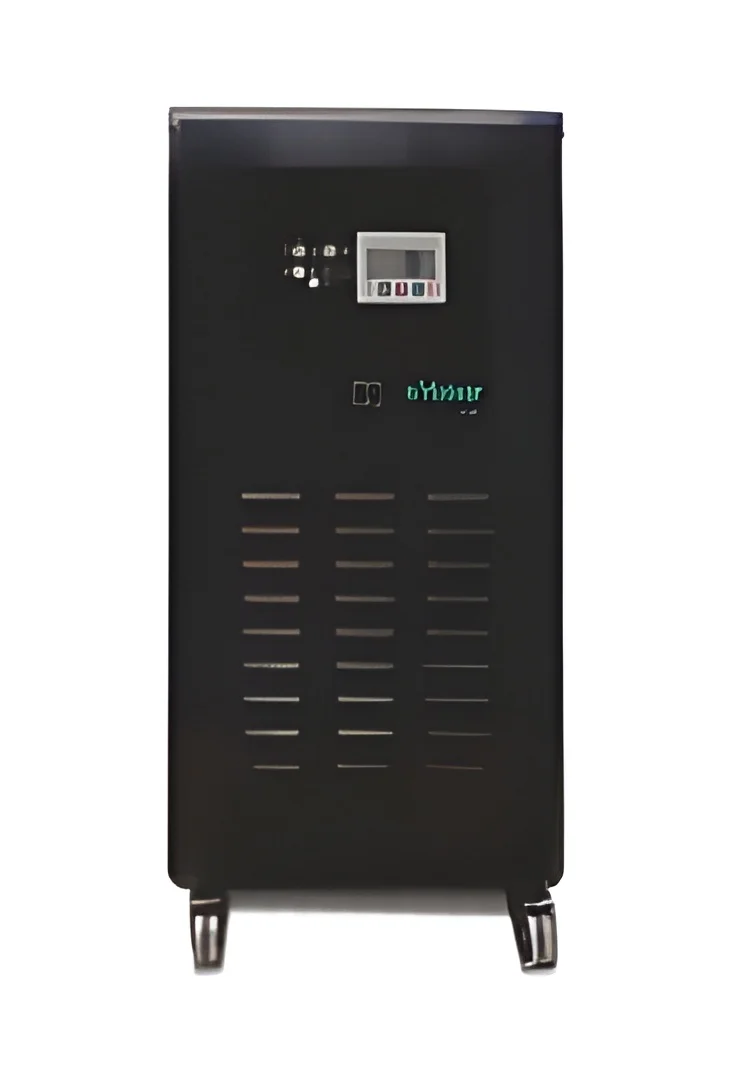
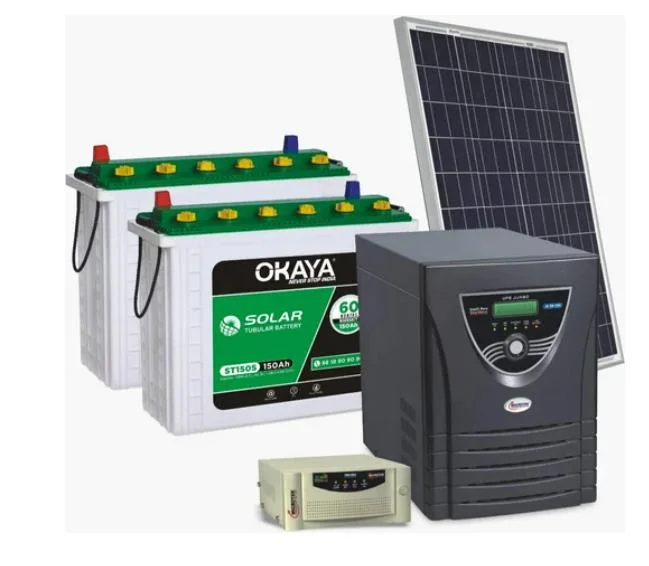
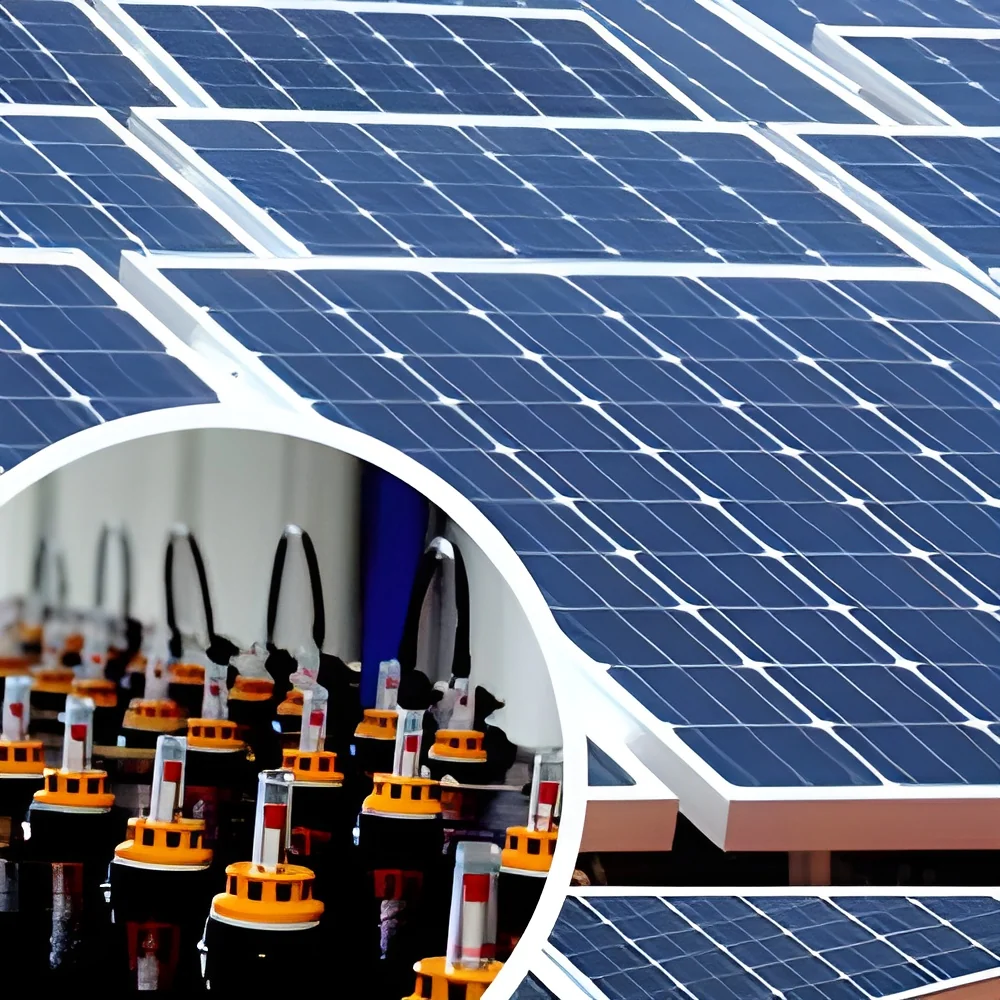
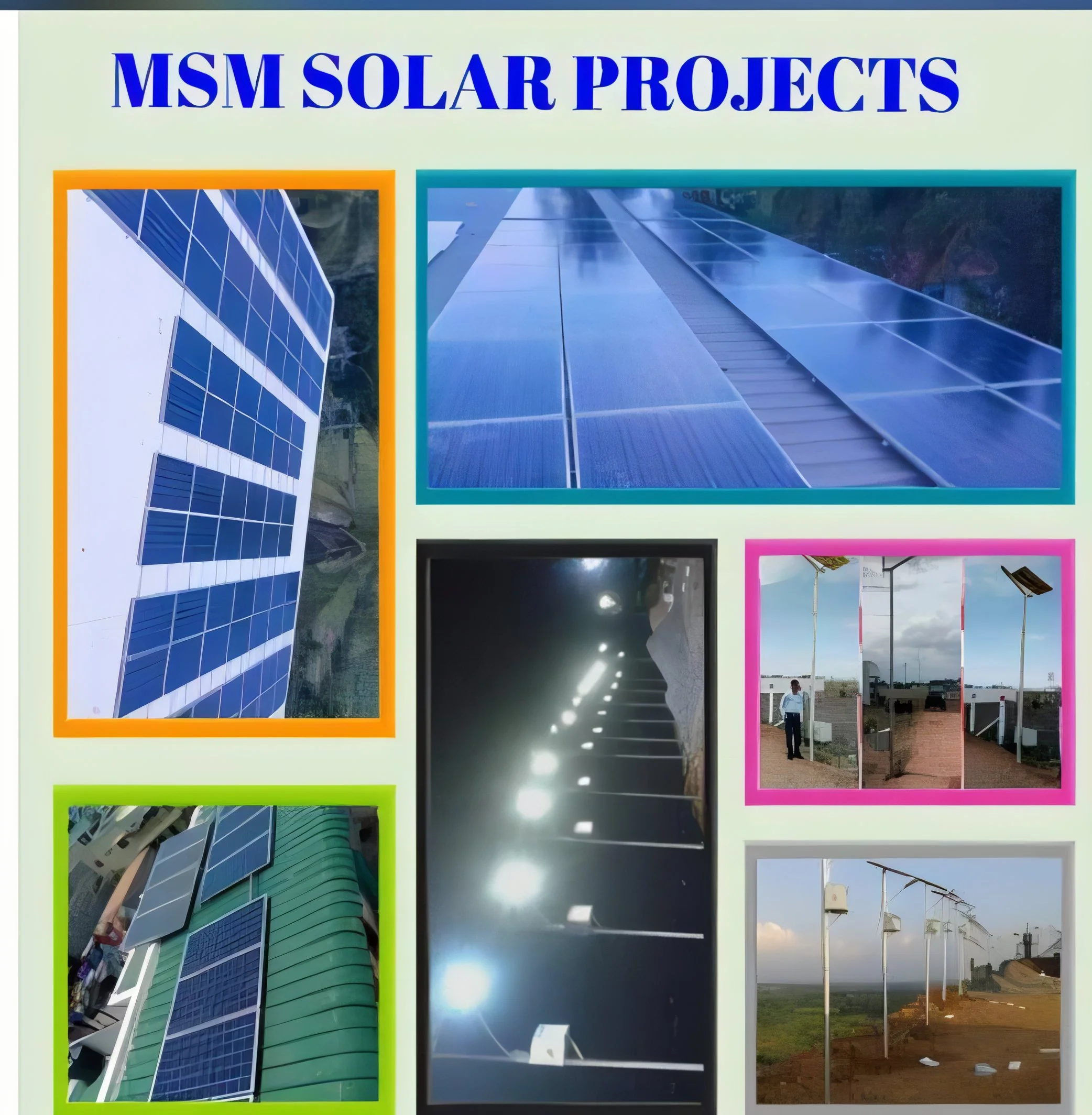
What are Off-Grid Inverter Systems?
Off-Grid Inverter Systems are specialized devices designed to convert direct current (DC) electricity generated by renewable energy sources, such as solar panels or wind turbines, into alternating current (AC) electricity. This conversion is essential for powering standard electrical appliances and systems that require AC for operation. Off-grid systems are particularly valuable in areas where access to the traditional power grid is limited or unavailable. They enable users to harness renewable energy for self-sufficiency and sustainability.
These systems are primarily used in residential, commercial, and industrial applications where electric utility services are not accessible. Businesses in remote locations, such as farms, cabins, or outdoor facilities, utilize off-grid inverters to ensure a continuous power supply. The relevance of off-grid inverter systems continues to grow as industries seek reliable, renewable energy solutions. The global market is expanding as environmental regulations and the push for sustainability drive businesses toward adopting green technologies.
Key Features and Specifications
Off-Grid Inverter Systems come equipped with various features and specifications that enhance their reliability and efficiency. These specifications help businesses select the right inverter system for their unique energy needs.
Key specifications include:
1. Power Output
- Determines the maximum load the inverter can handle.
- Typically ranges from 1 kW to over 10 kW, depending on the model.
2. Input Voltage Range
- Refers to the range of DC voltage the inverter can accept.
- Common ranges include 12V, 24V, and 48V.
3. Efficiency Rating
- Indicates how effectively the inverter converts DC to AC power.
- Efficiency ratings generally vary from 90% to 98%.
4. Waveform Type
- Defines the quality of the AC output.
- Includes pure sine wave and modified sine wave options.
5. Operating Temperature
- Specifies the temperature range for optimal operation.
- Typically designed for environments ranging from -20°C to 60°C.
6. Safety Features
- Includes protection mechanisms such as overload, short circuit, and overheating protection.
7. Dimensions and Weight
- Important for installation and space considerations.
- Varies by model but generally ranges from compact units to larger systems.
8. Connectivity Options
- Refers to the ability to integrate with monitoring systems or other devices.
- Often includes options for remote monitoring via smartphone apps.
In summary, understanding these features and specifications helps buyers select an off-grid inverter system that meets their specific energy requirements.
Common Applications and Use Cases
Off-Grid Inverter Systems serve a variety of industries, providing reliable power solutions in unconnected areas.
1. Agriculture: Farmers use off-grid inverter systems to power irrigation pumps, heating systems, and refrigeration units in remote locations.
2. Construction: Temporary sites benefit from off-grid inverters to supply power for tools, lighting, and equipment without relying on grid access.
3. Telecommunications: Remote communication towers often utilize these systems to maintain operations and ensure connectivity in areas without grid power.
4. Recreational Vehicles: Off-grid inverters are popular in RVs and boats, providing power for appliances and systems while away from traditional electricity sources.
5. Emergency Power: Businesses and homes use these systems as backup power solutions during outages, ensuring essential services remain uninterrupted.
6. Remote Housing: Off-grid inverter systems support power needs in off-grid homes, providing energy for daily living without the need for grid connection.
7. Outdoor Events: Organizers of outdoor events can utilize off-grid inverters to provide power for lighting, sound systems, and other equipment in remote locations.
Product Variants and Subcategories
Off-Grid Inverter Systems are diverse, catering to different energy needs and applications.
Hybrid Inverter Systems: These inverters combine solar, wind, and battery storage capabilities. They offer flexibility and can switch between different power sources, making them ideal for homes and businesses seeking energy independence.
Pure Sine Wave Inverters: Designed for sensitive electronics, these inverters produce high-quality AC power. They are suitable for applications requiring stable and consistent electricity, such as medical equipment and high-end appliances.
Modified Sine Wave Inverters: More affordable than pure sine wave options, these inverters are adequate for simple electrical devices. They are commonly used in basic applications where power quality is less critical.
Benefits and Advantages
Off-Grid Inverter Systems offer several advantages that make them appealing for businesses and consumers alike.
Key benefits include:
1. Energy Independence: Users can generate their own electricity, reducing reliance on traditional power sources and potential utility costs.
2. Environmental Sustainability: These systems promote the use of renewable energy, reducing carbon footprints and contributing to a cleaner environment.
3. Cost Savings: By utilizing renewable energy, businesses can lower electricity expenses over time, especially in remote areas where grid power can be costly.
4. Reliability: Off-grid inverter systems provide consistent power supply, particularly in regions prone to outages or disruptions.
5. Flexibility: They can be tailored to various applications, from small residential setups to larger commercial energy needs.
6. Easy Installation: Many off-grid inverter systems are designed for straightforward installation, reducing the time and costs associated with setup.
Buying Guide for B2B Buyers
When sourcing Off-Grid Inverter Systems, businesses should consider several critical factors to ensure they select the best solution for their needs.
1. Quality Assessment: Evaluate the quality of the inverter systems based on brand reputation, user reviews, and performance metrics. Look for models with proven reliability and efficiency.
2. Supplier Verification: Vet suppliers by checking their credentials, certifications, and customer feedback. Ensure they have a strong track record in providing off-grid solutions.
3. Pricing and MOQ: Understand the pricing structure and minimum order quantities. Compare costs across different suppliers to find the best value without compromising quality.
4. Delivery and Lead Times: Consider logistics and delivery schedules. Ensure that suppliers can meet your deadlines and that they have a reliable shipping process.
5. Compliance Requirements: Verify that the inverter systems meet local and international standards. Compliance with safety and quality regulations is crucial for long-term performance and reliability.
Compliance and Certifications
Compliance and certifications play a vital role in the quality and safety of Off-Grid Inverter Systems.
Manufacturers often adhere to quality standards such as ISO 9001, which ensures effective quality management systems. Compliance with these standards indicates a commitment to consistently delivering high-quality products.
Additionally, off-grid inverters may carry industry certifications like CE, demonstrating compliance with European safety, health, and environmental protection standards. These certifications provide assurance to buyers regarding the reliability and safety of the systems.
Safety and testing requirements are paramount to ensure that the systems operate effectively under various conditions. Manufacturers typically conduct rigorous testing to meet safety regulations and provide products that perform reliably.
Regional compliance considerations may also apply based on local laws and regulations regarding renewable energy systems. Buyers should ensure that the products they source comply with these regional standards.
Why Source Off-Grid Inverter Systems from Pepagora?
Pepagora provides a trusted platform for sourcing Off-Grid Inverter Systems, offering several key advantages for businesses.
Verified Supplier Network: Pepagora connects buyers with a network of verified suppliers, ensuring that businesses can source quality products with confidence. Each supplier undergoes a thorough vetting process to guarantee reliability.
Streamlined RFQ Process: The platform features a streamlined Request for Quotation (RFQ) process, making it easy for buyers to request quotes from multiple suppliers. This process saves time and allows for competitive pricing comparisons.
Trade Assurance and Support: Pepagora offers trade assurance, providing buyers with protection for their purchases. Customer support is readily available to assist with inquiries and ensure a smooth sourcing experience.
Regional Coverage: With a focus on regions including India, the GCC, and Southeast Asia, Pepagora ensures that businesses have access to a wide range of off-grid inverter options tailored to their specific regional needs. This geographic reach enhances sourcing flexibility and opportunities.

 IN
IN