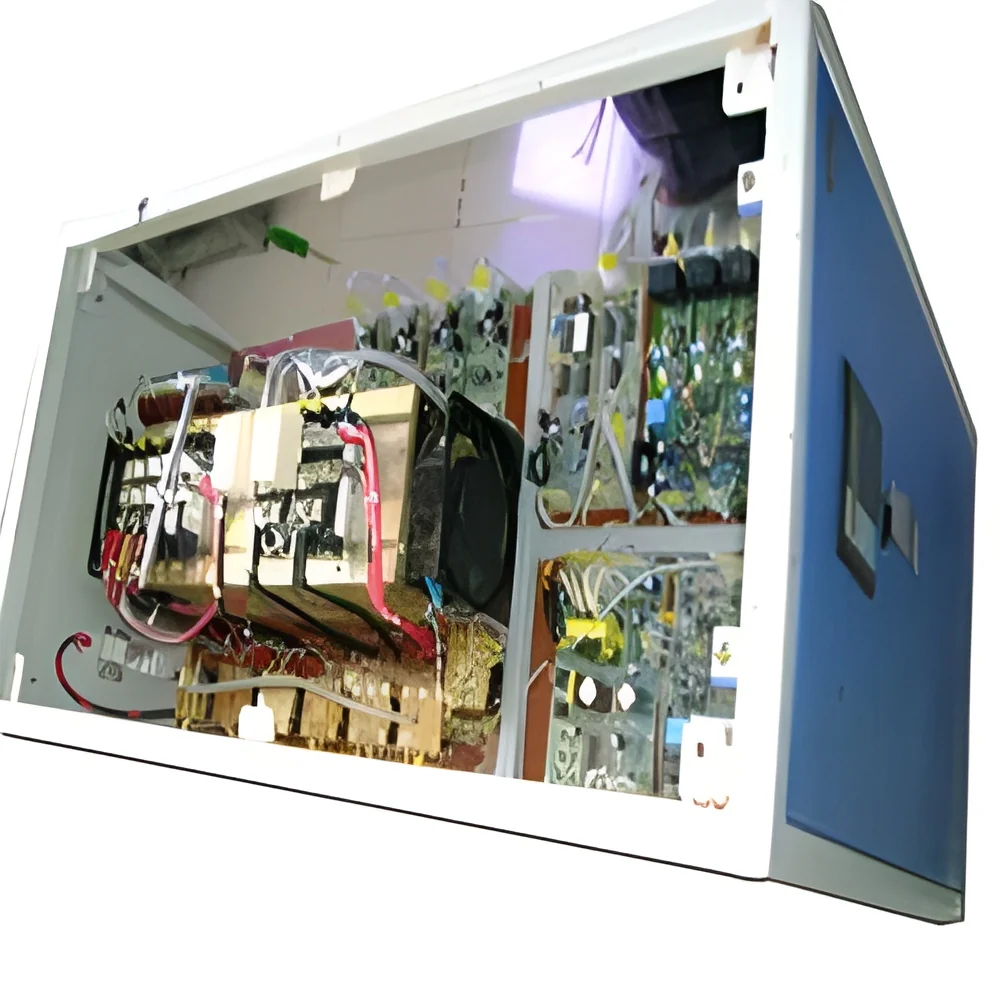
𝗪𝗵𝗮𝘁 𝗮𝗿𝗲 𝗚𝗲𝗻𝗲𝗿𝗮𝘁𝗼𝗿𝘀 & 𝗣𝗼𝘄𝗲𝗿 𝗘𝗾𝘂𝗶𝗽𝗺𝗲𝗻𝘁?
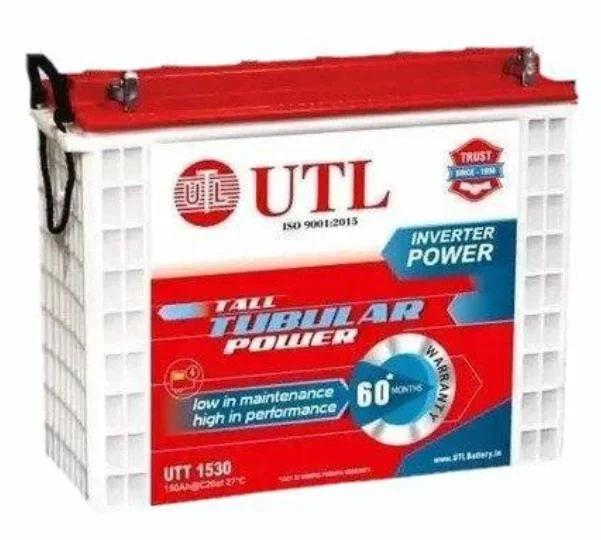
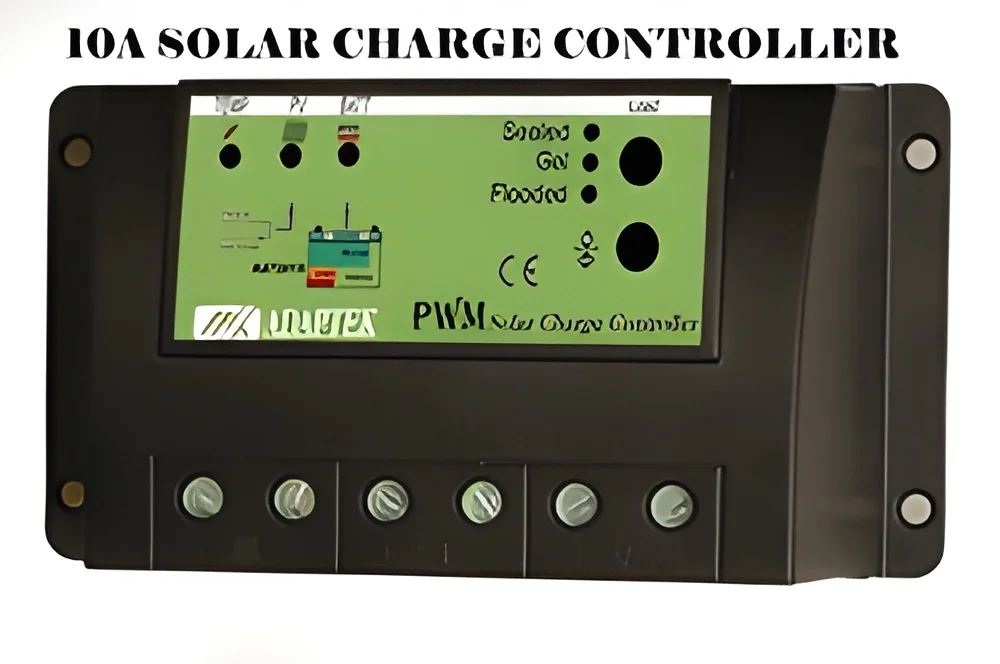
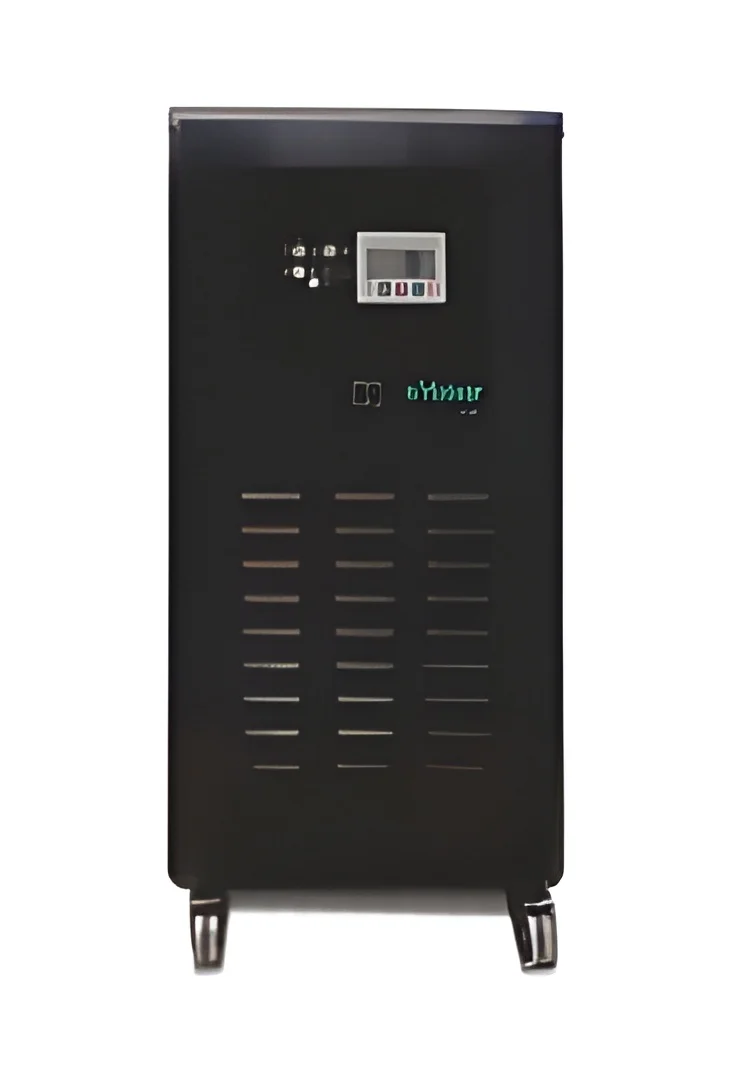
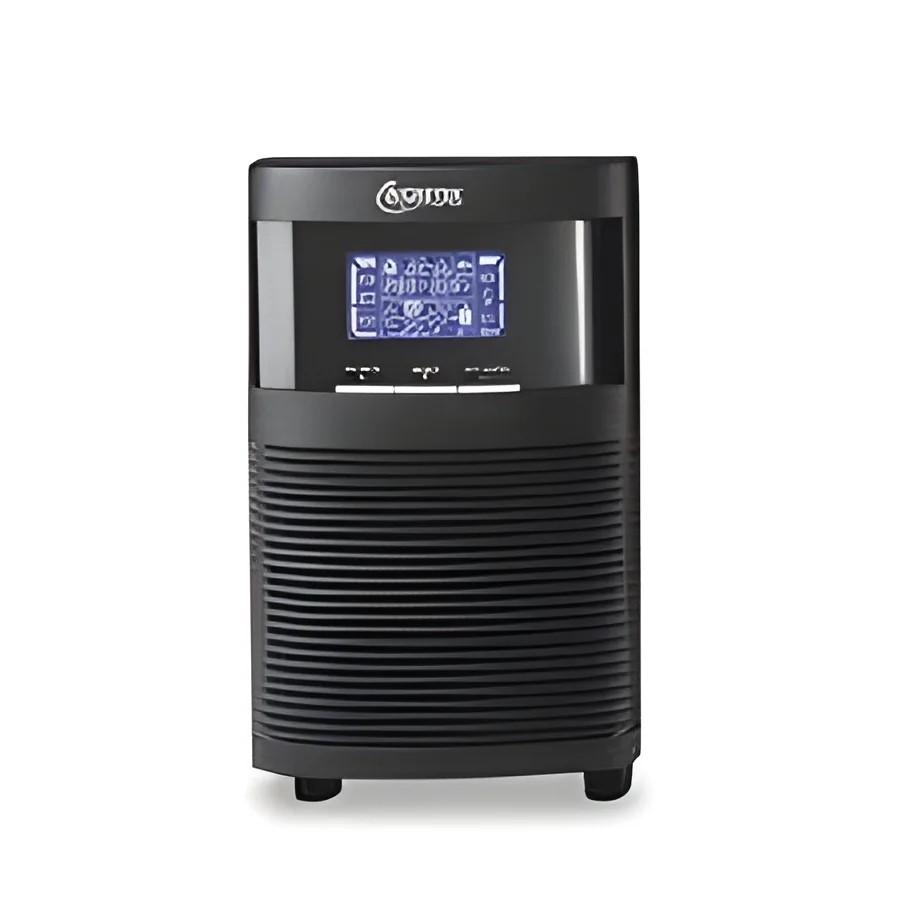
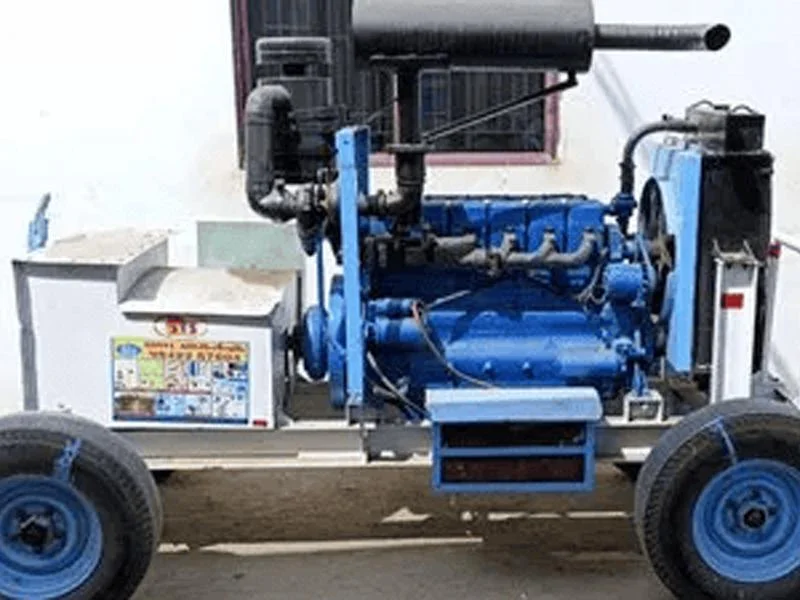
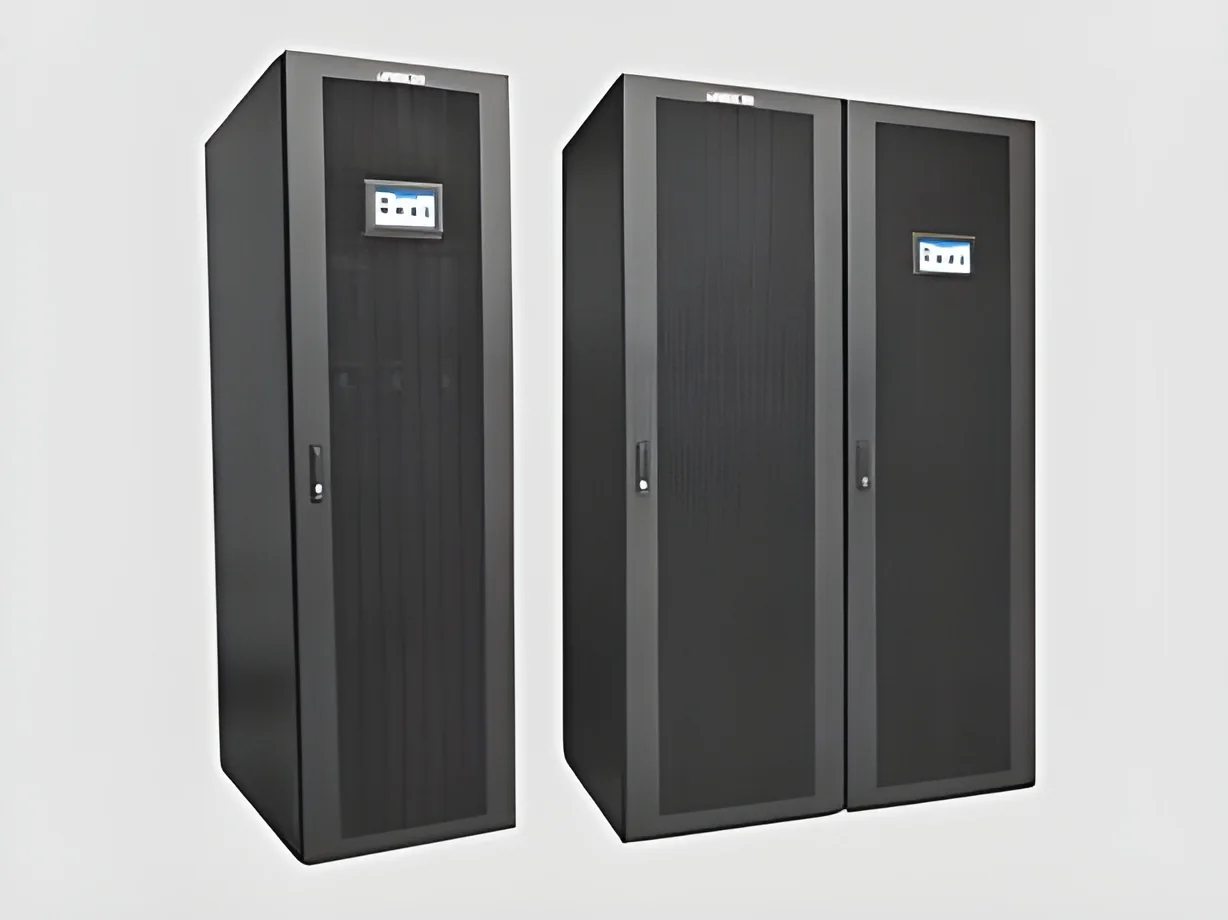
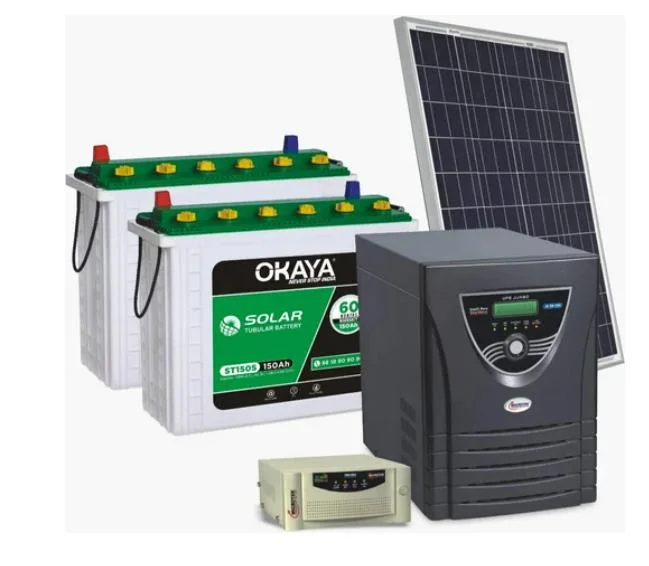
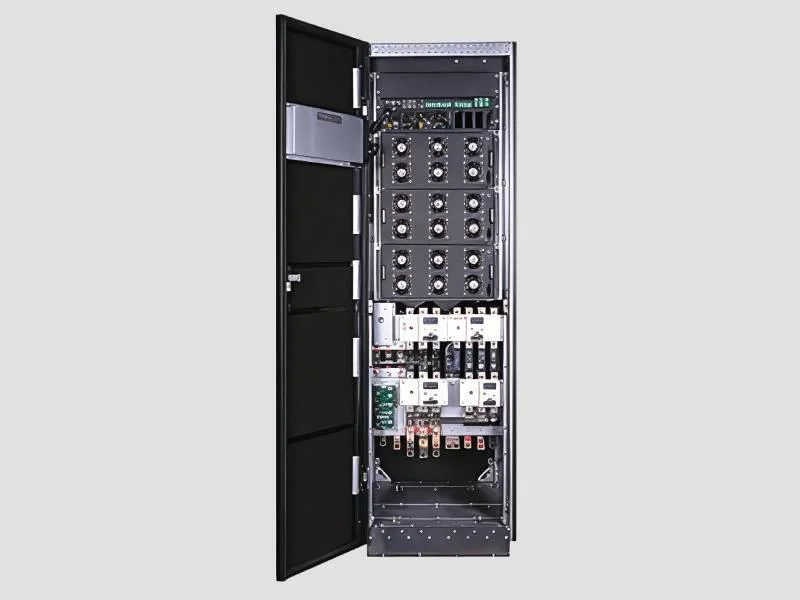
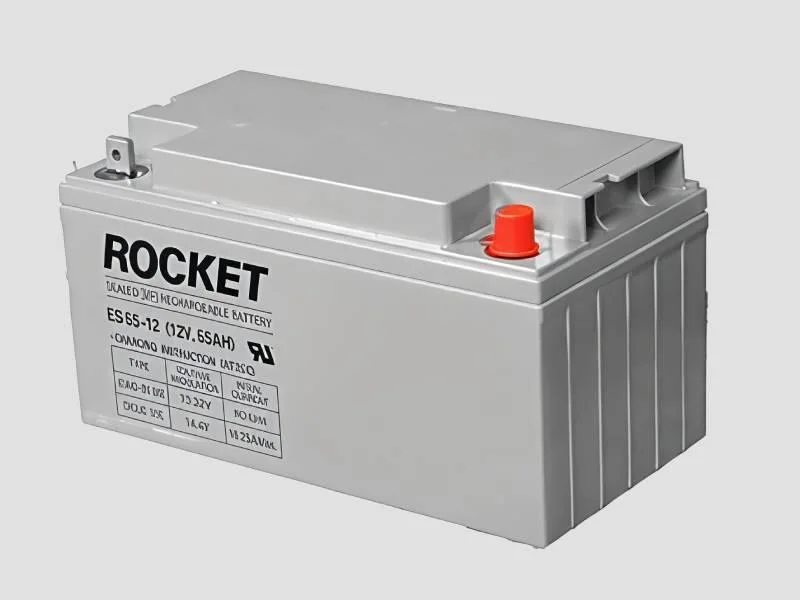
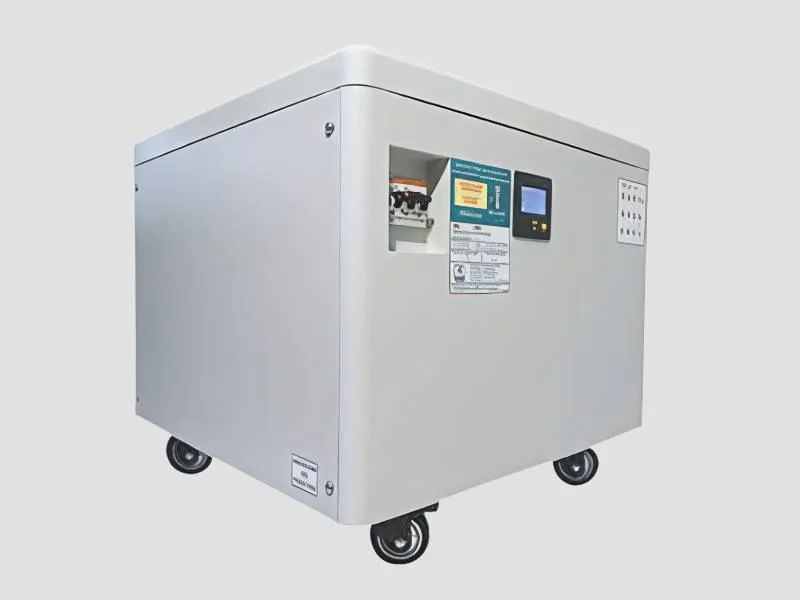
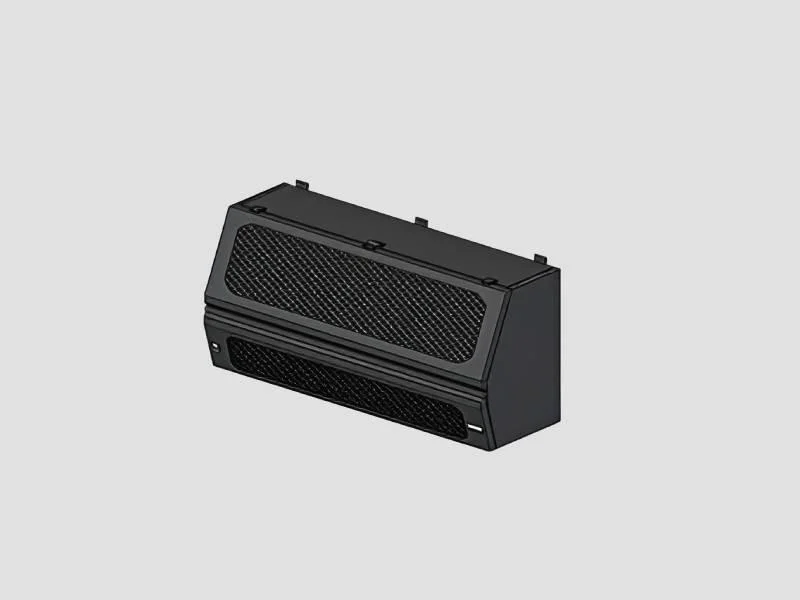
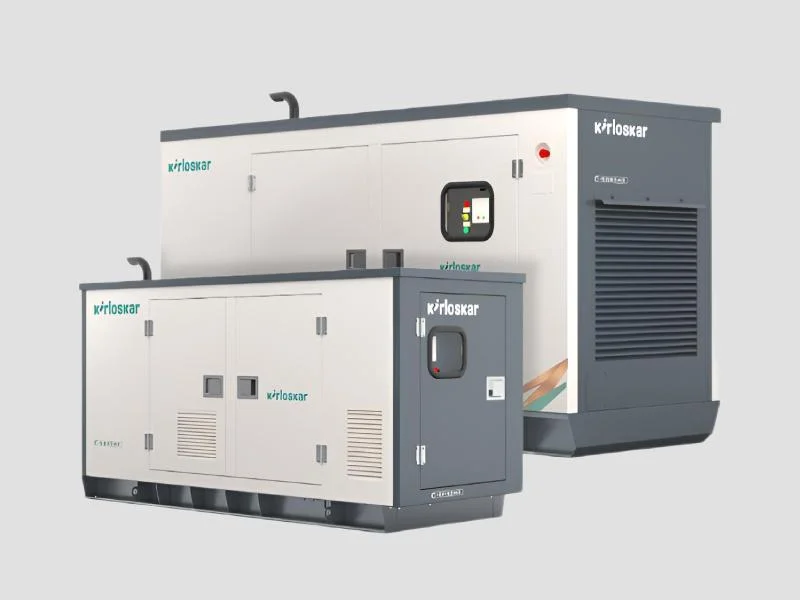
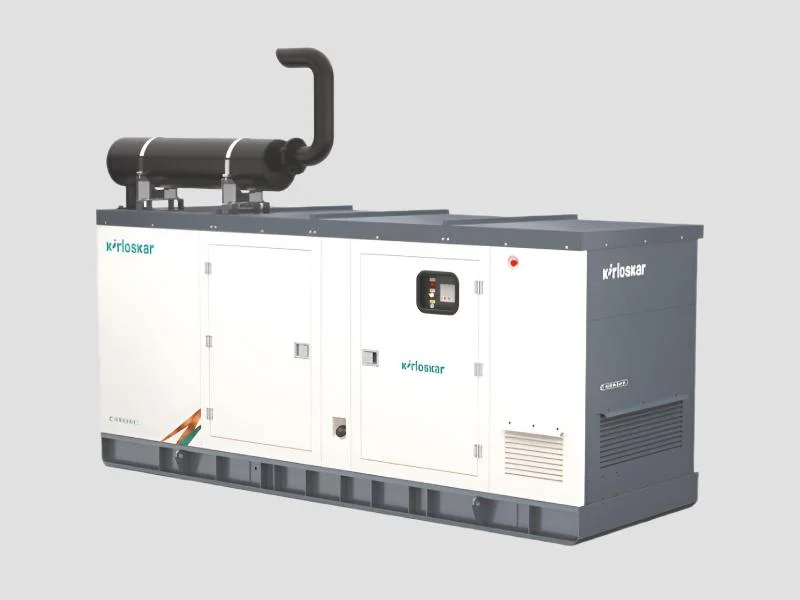
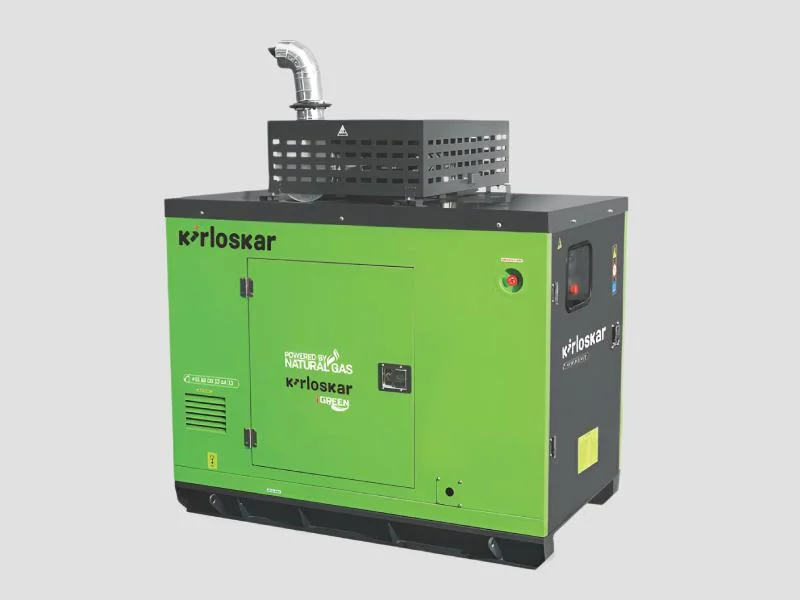
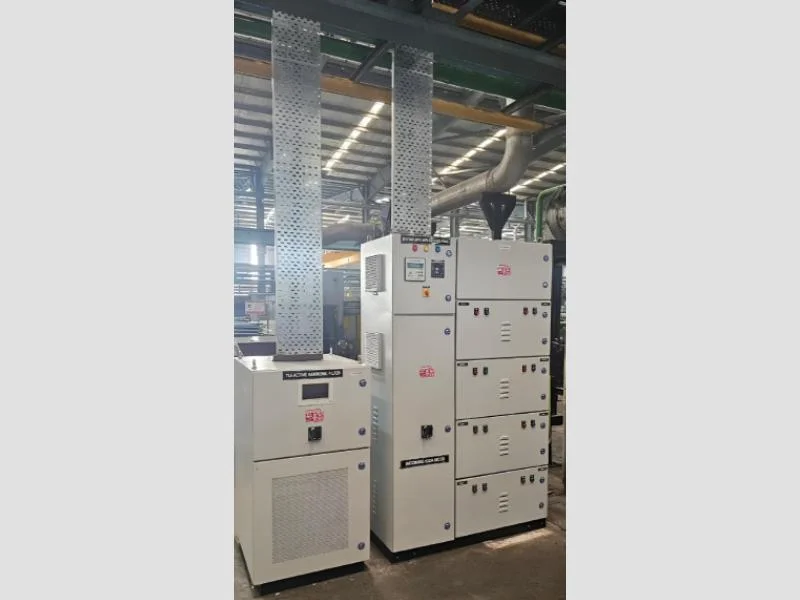
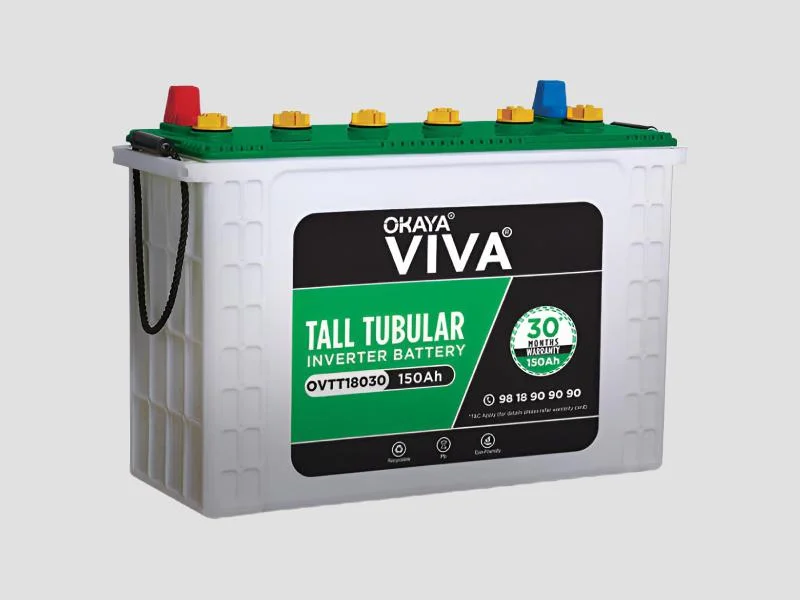
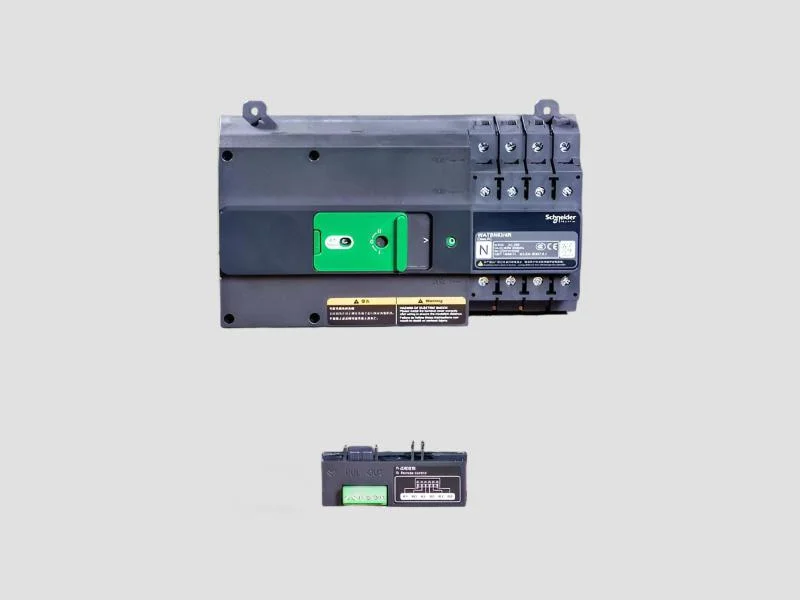
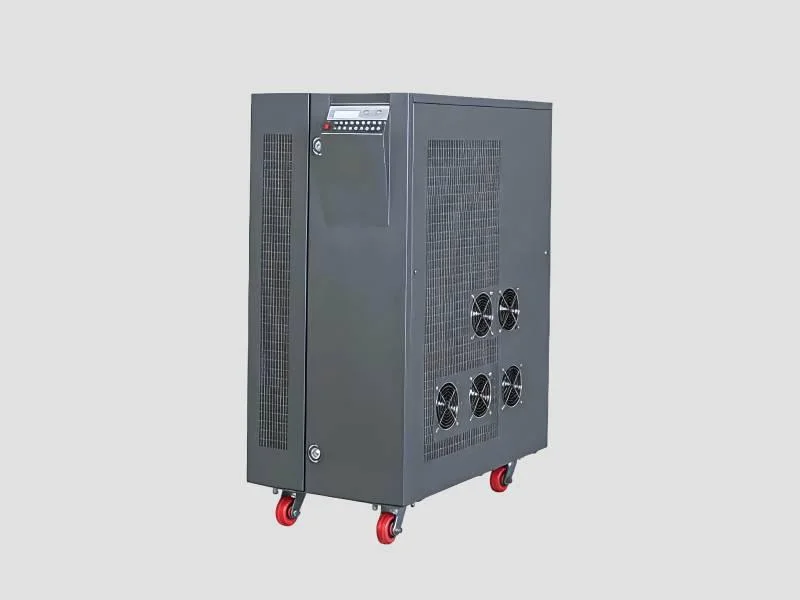
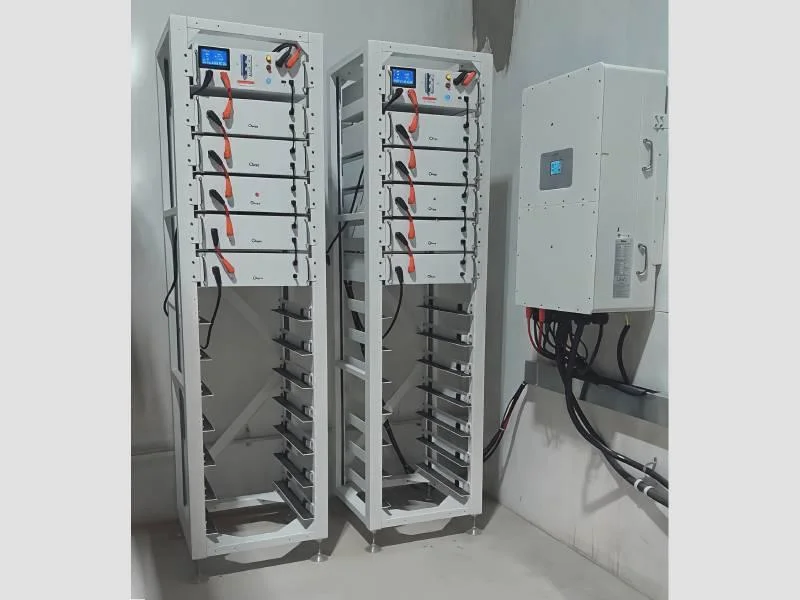
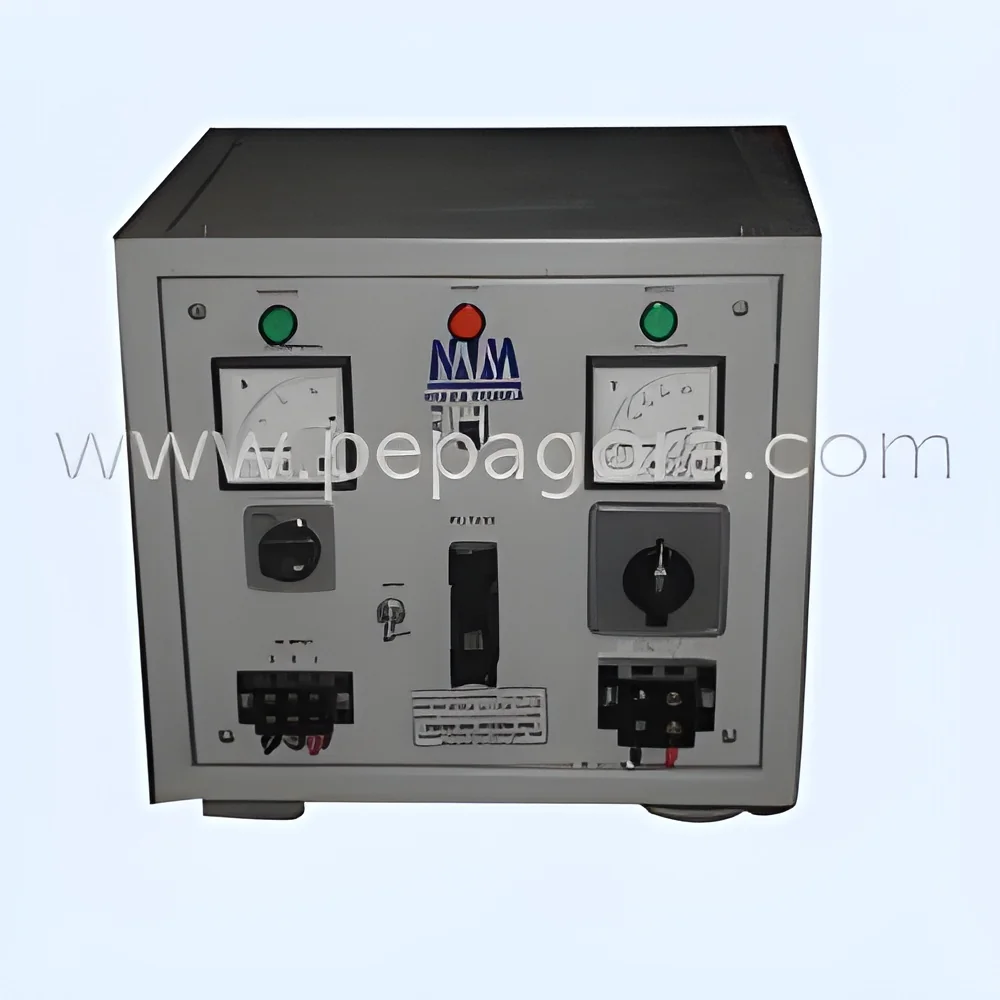
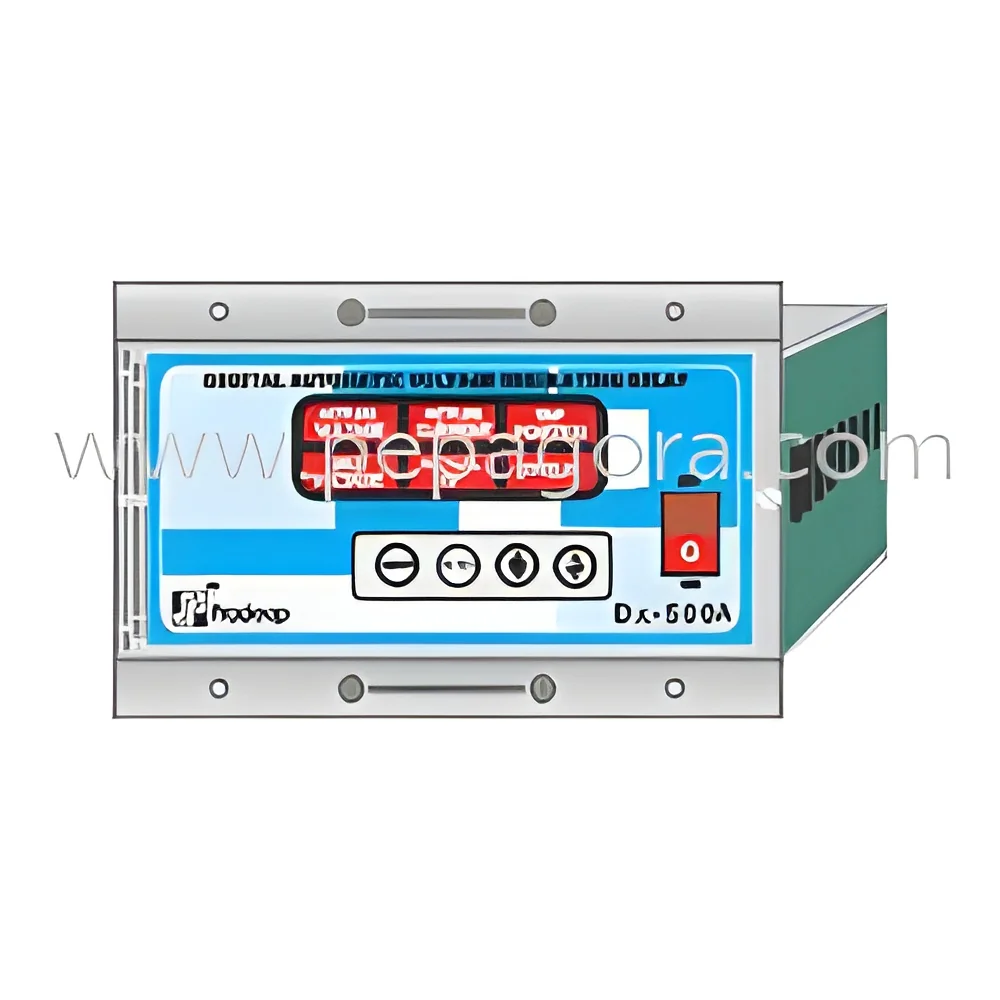
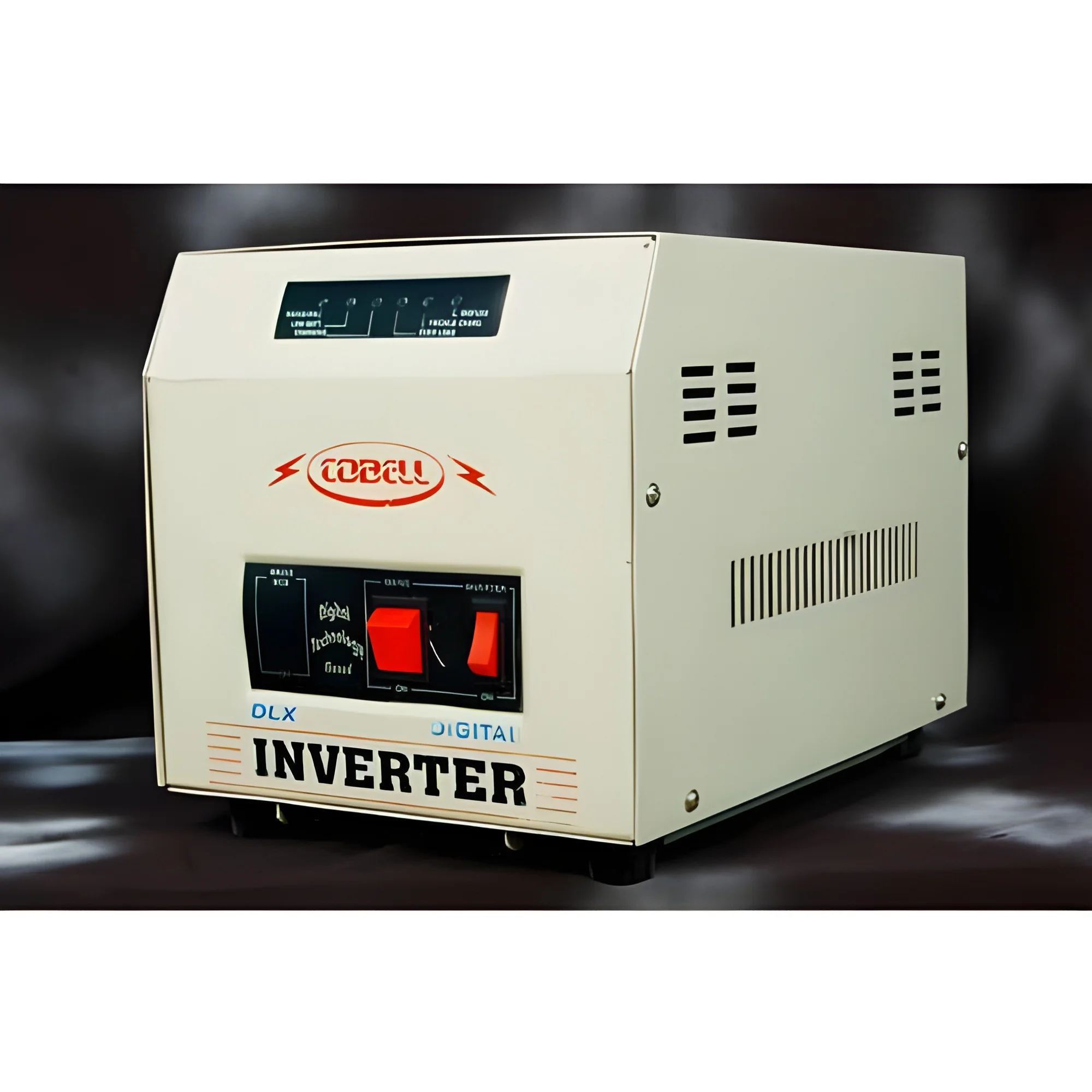
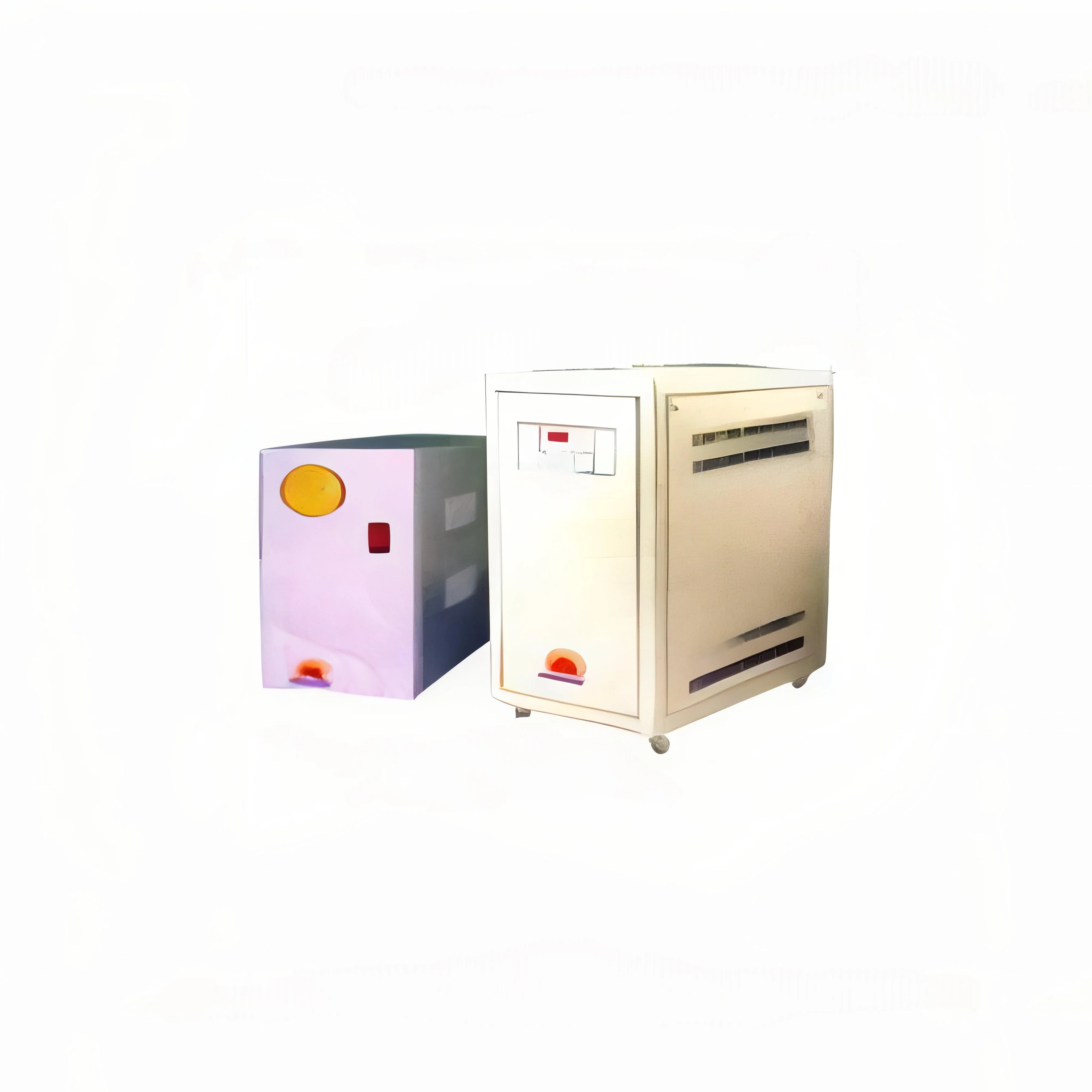
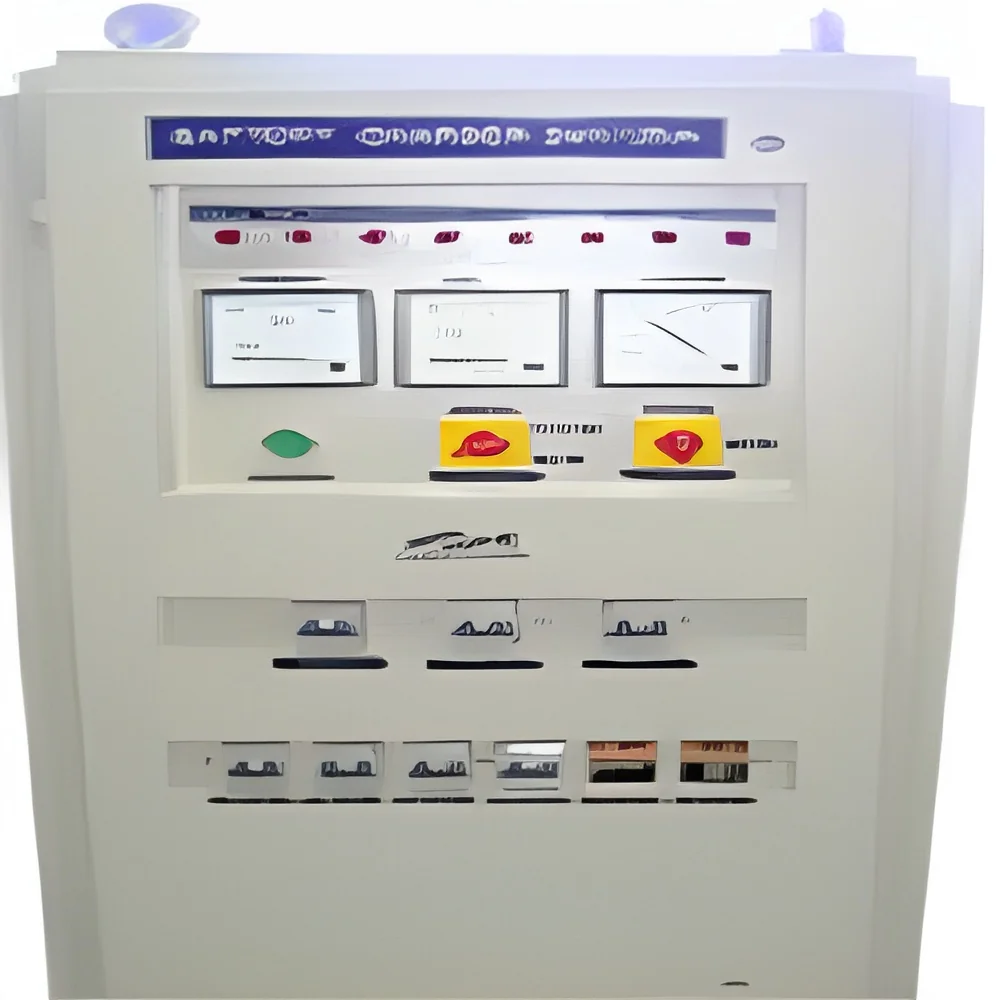
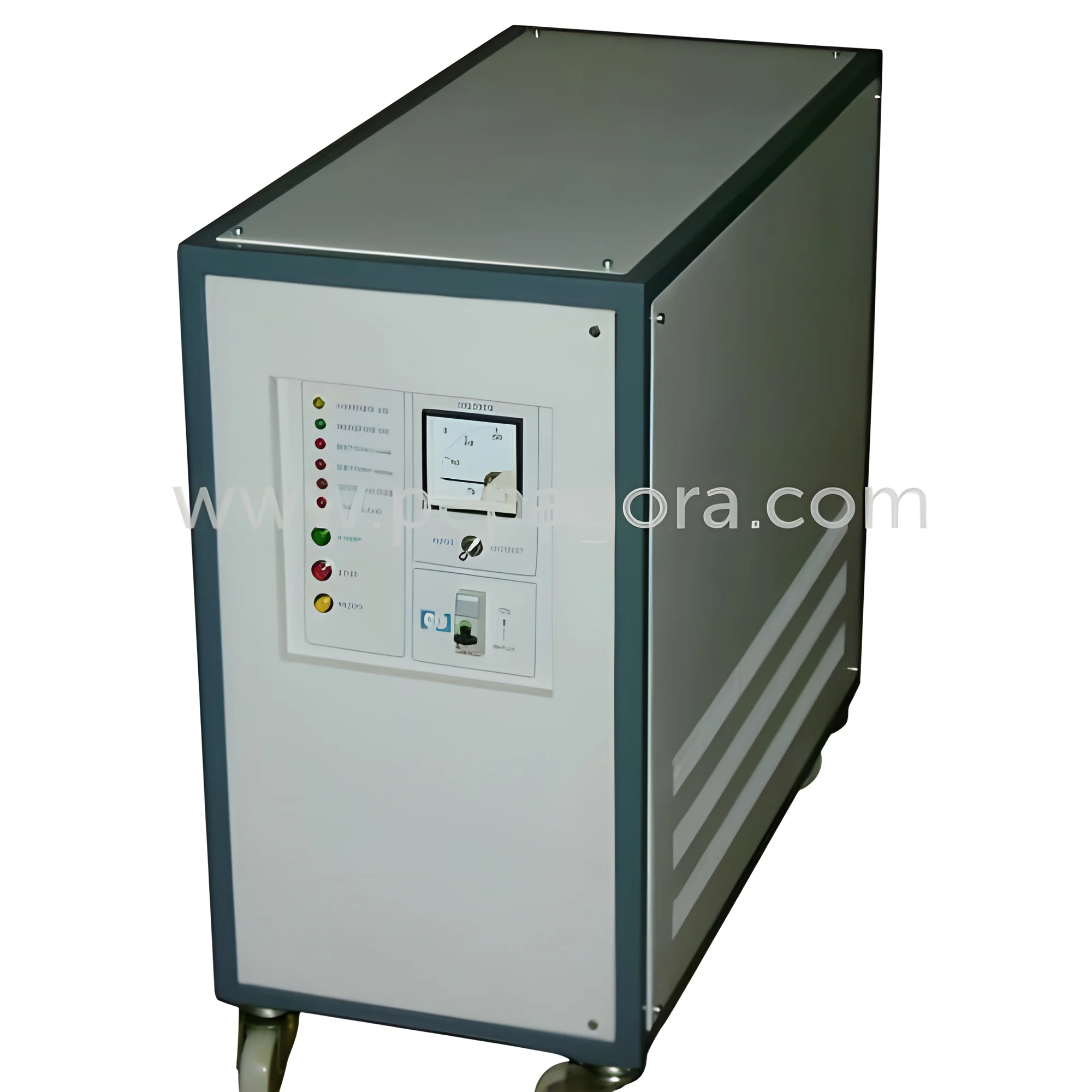
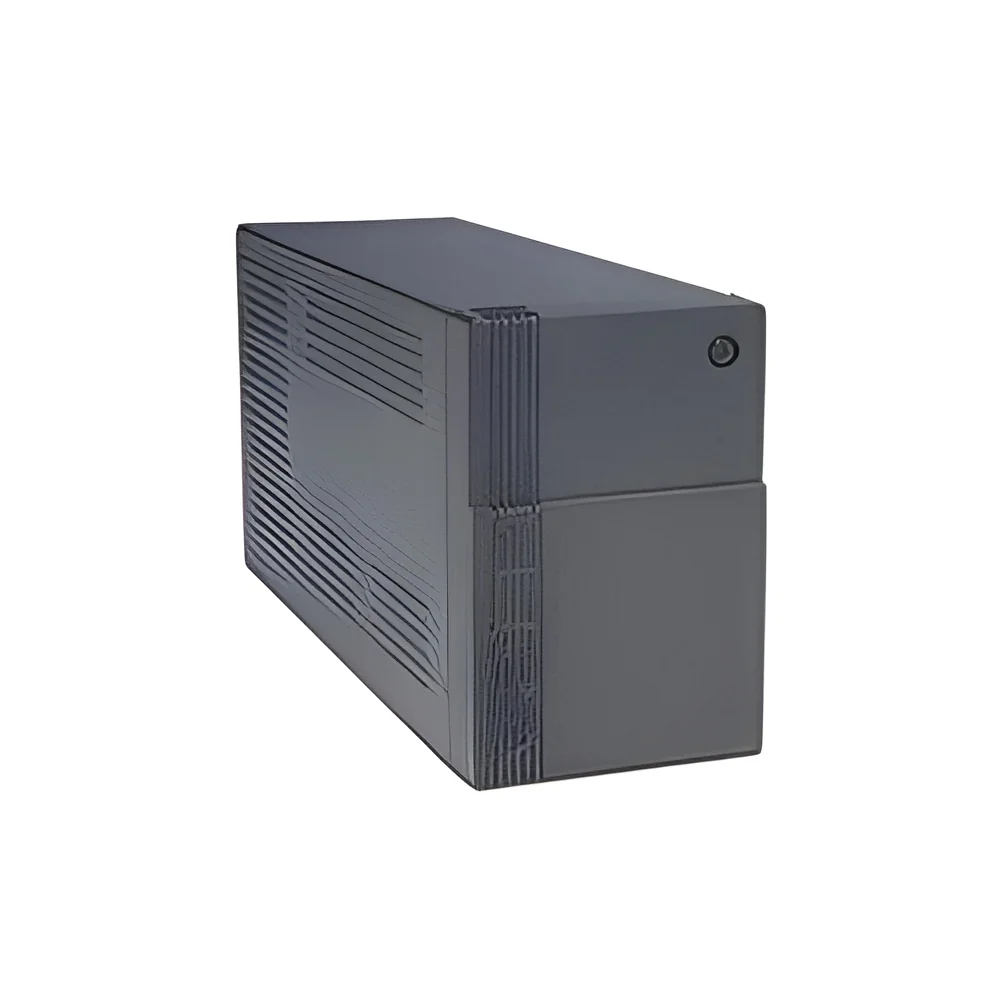
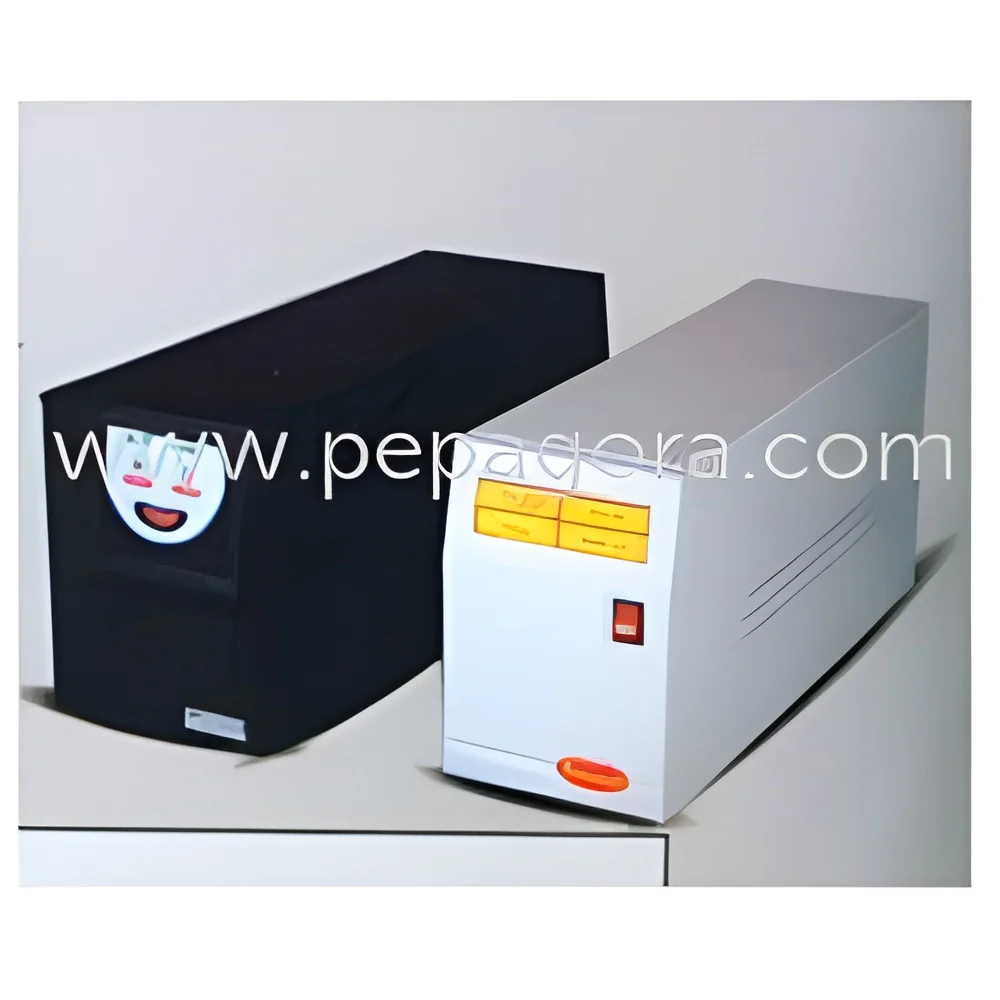
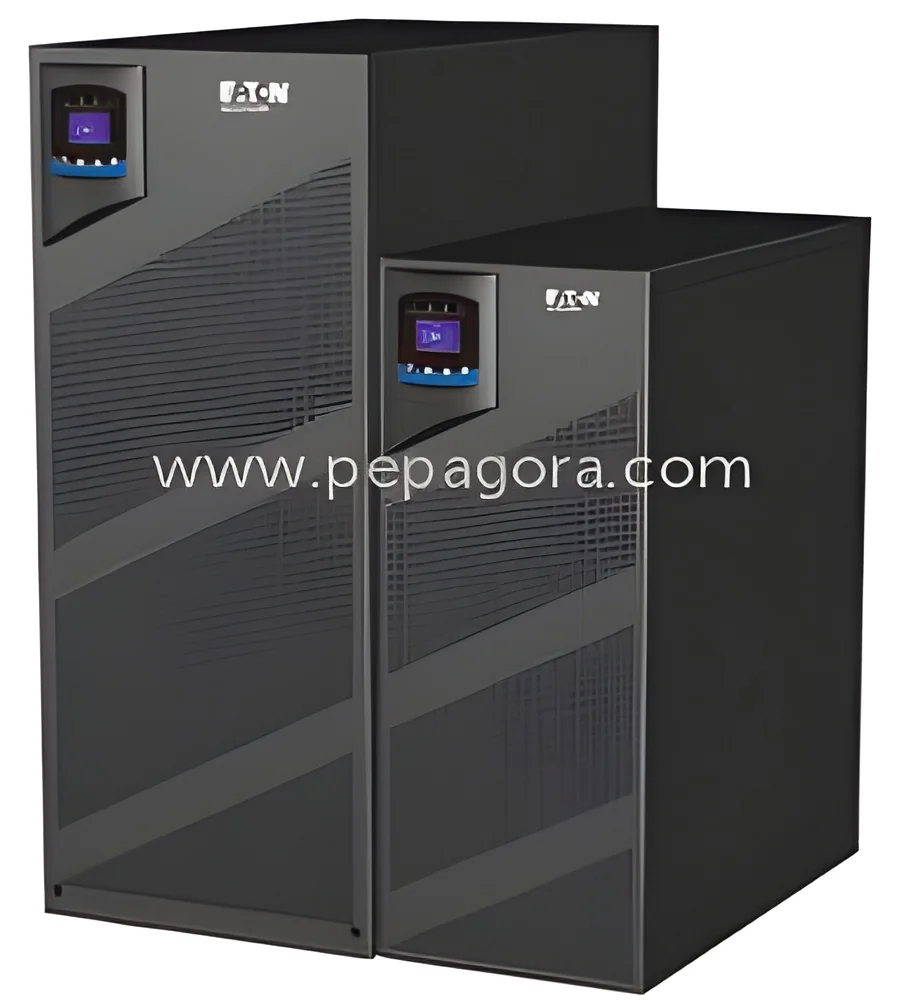
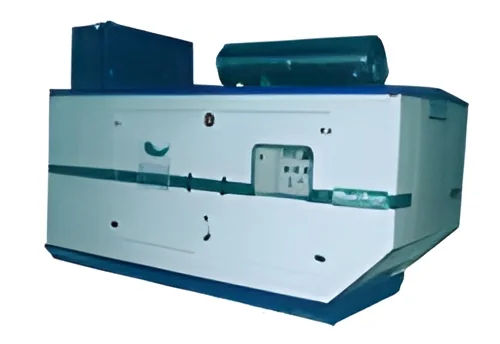
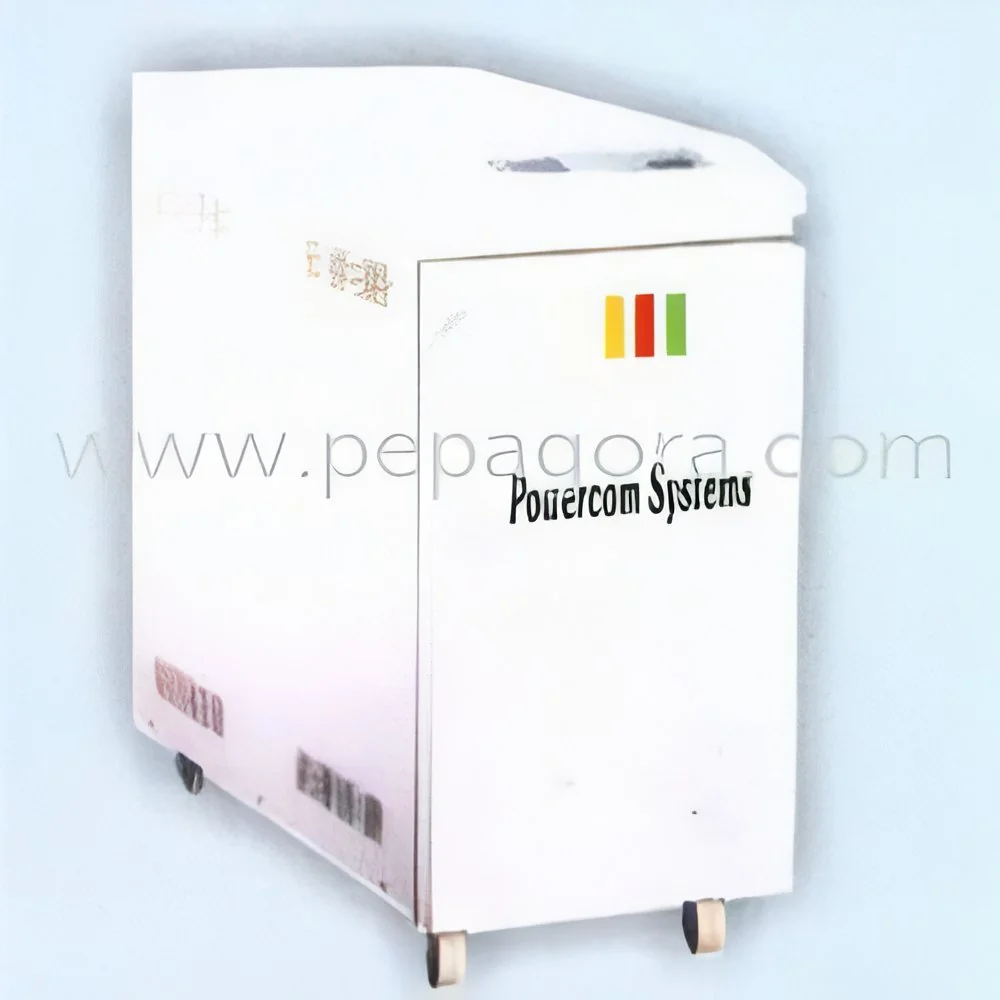
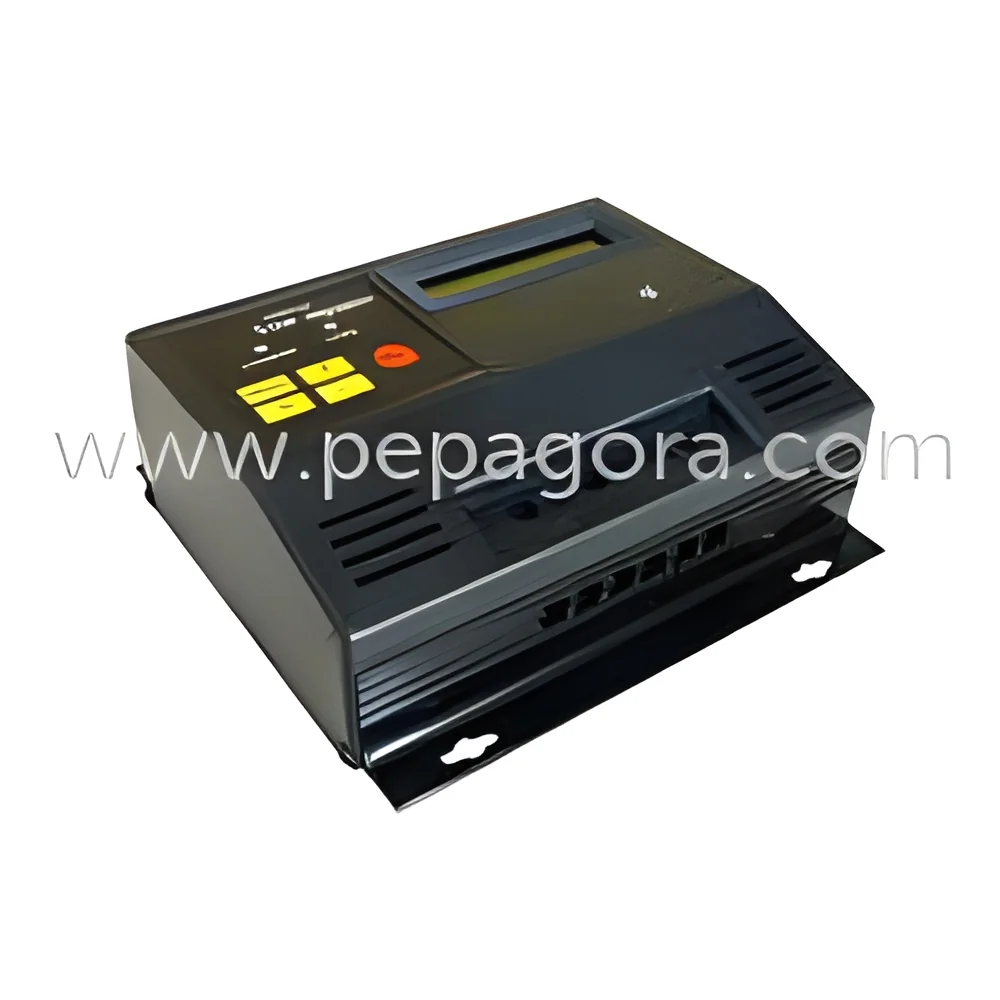
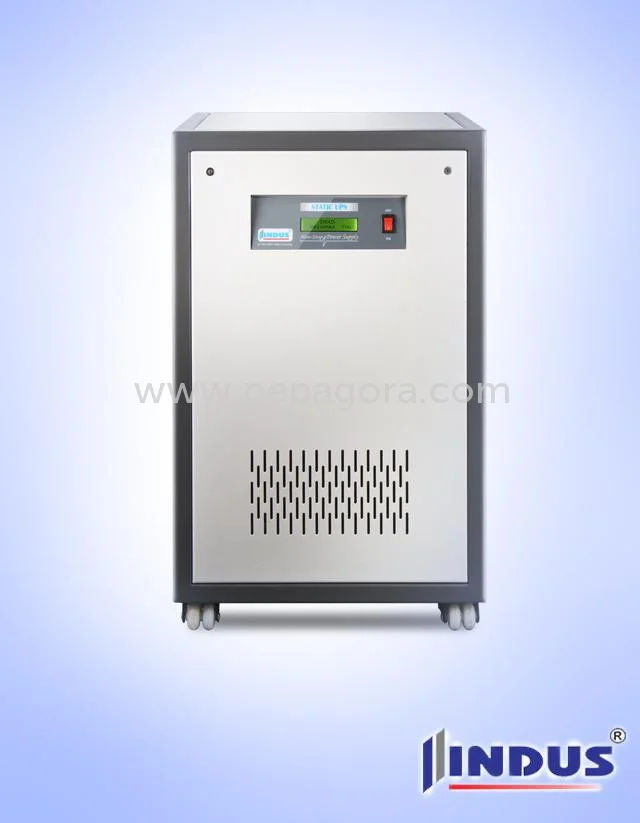
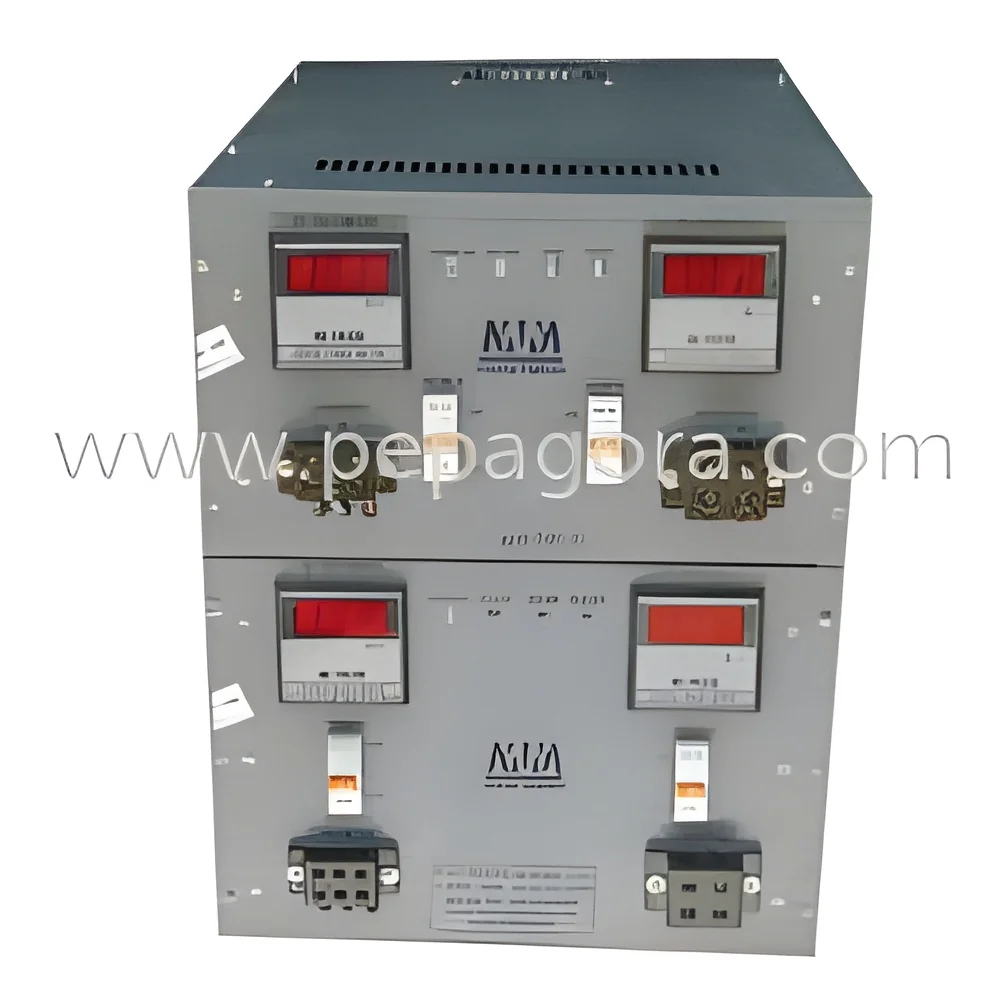
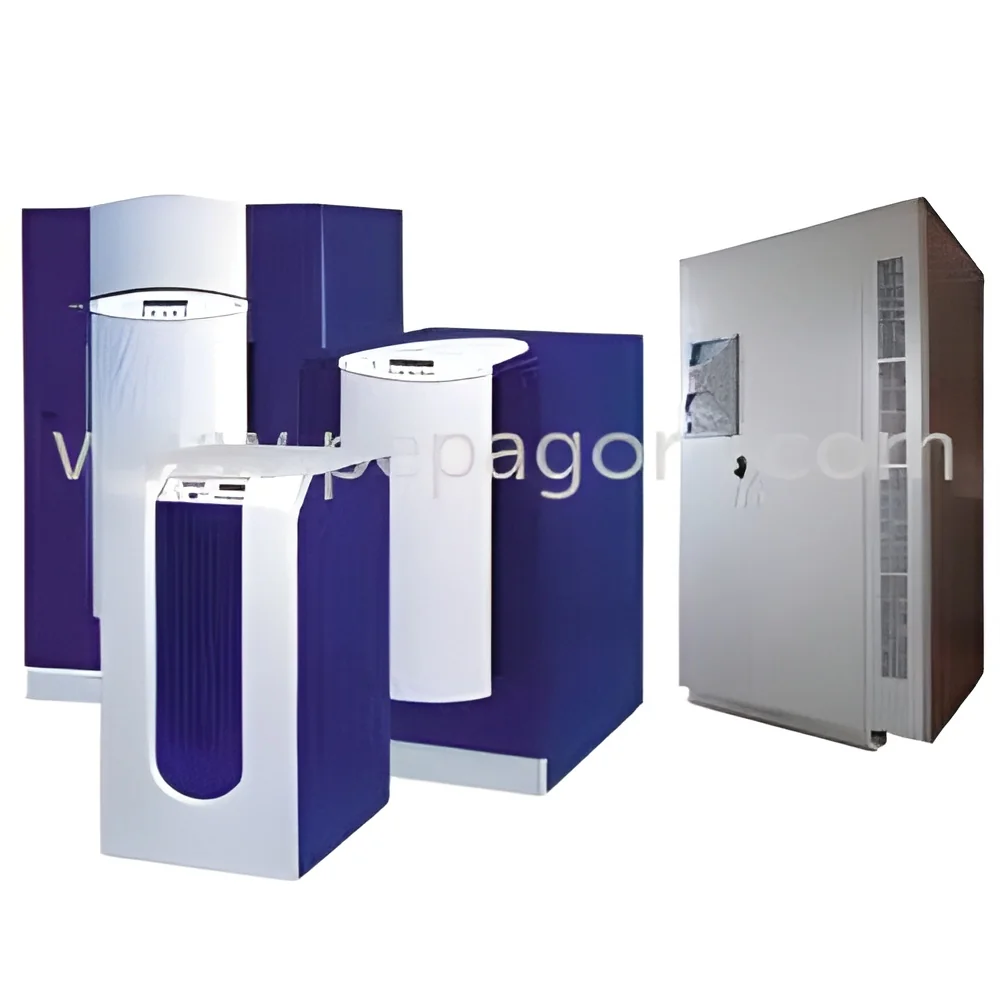
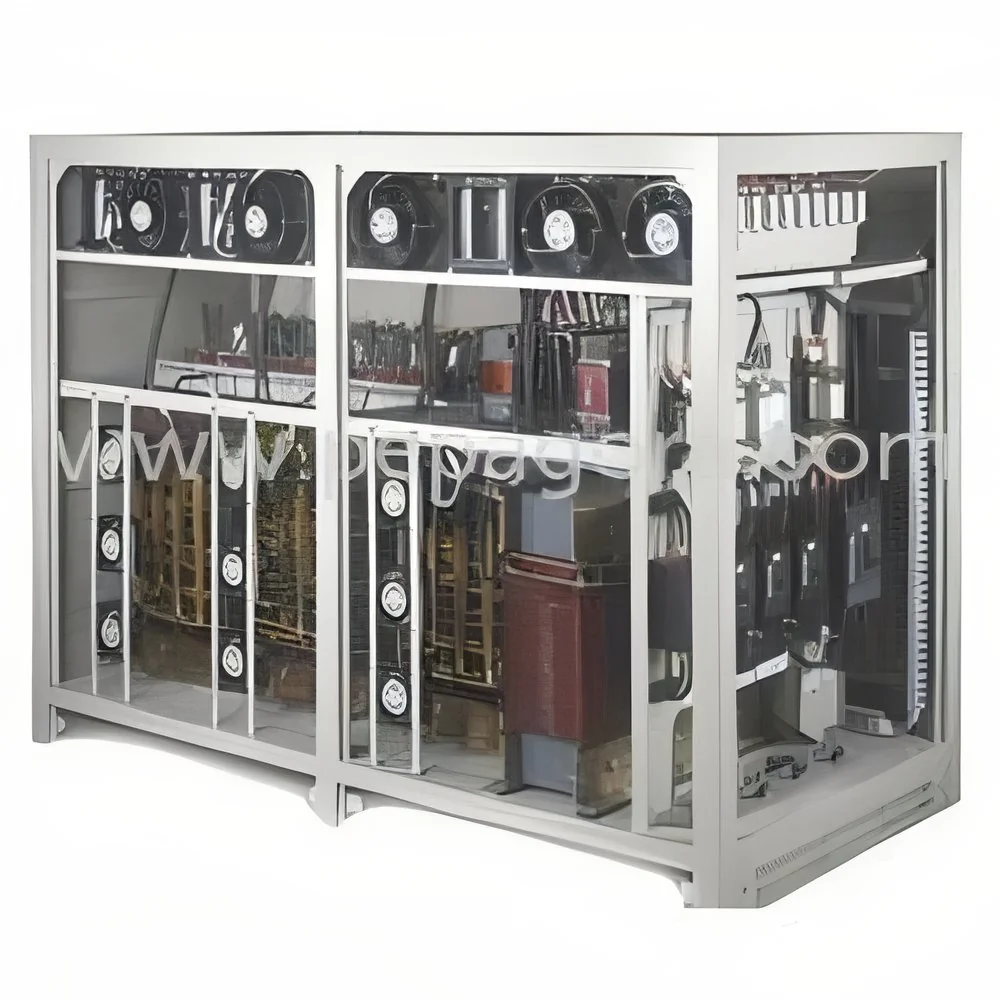
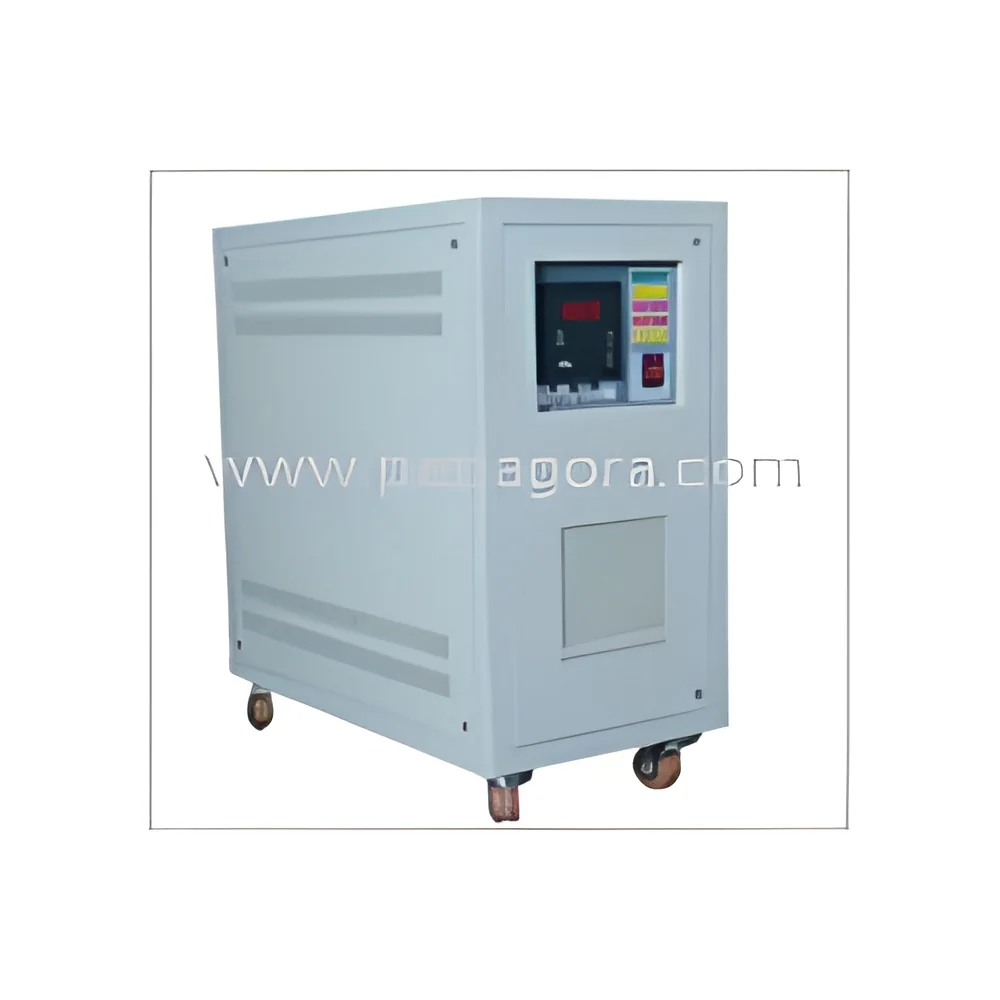
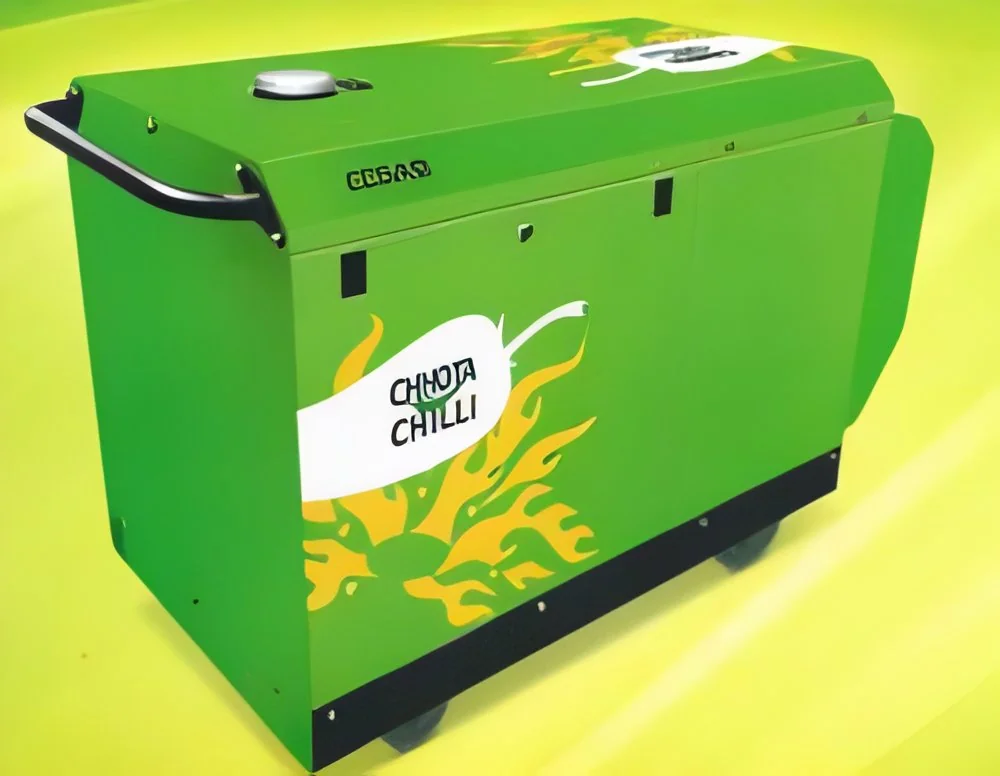
Generators and power equipment are essential tools used to supply electrical energy in various settings. A generator converts mechanical energy into electrical energy, providing power in situations where the main power grid is unavailable or unreliable. Power equipment encompasses a wide range of machinery designed to generate, distribute, or manage power, including portable generators, standby generators, and industrial power systems. These devices are vital for ensuring continuous operations in critical sectors.
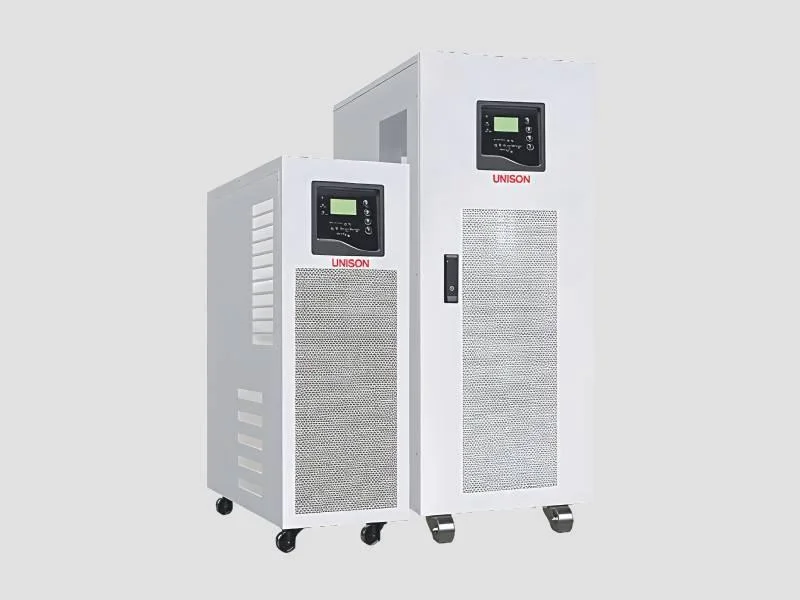
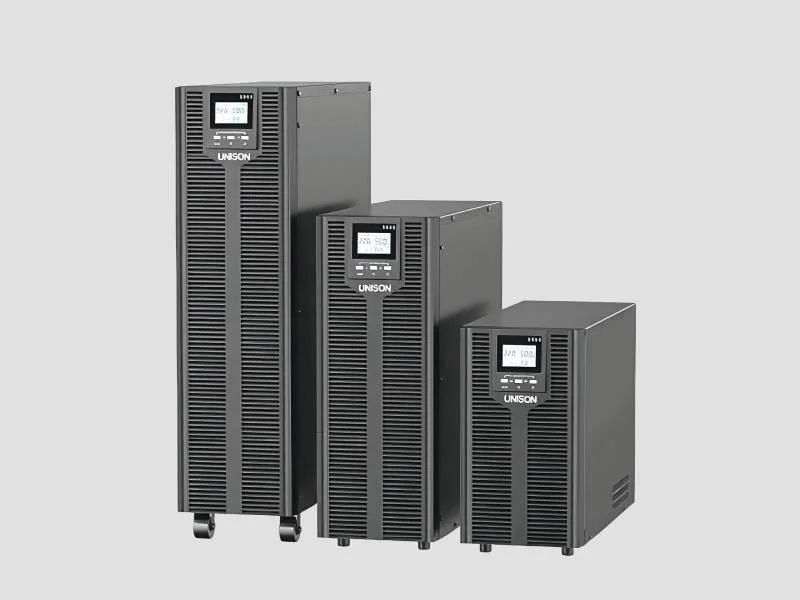
The primary applications of generators and power equipment extend across multiple industries such as construction, healthcare, telecommunications, and manufacturing. Businesses rely on these tools to maintain productivity during power outages or to power equipment on job sites. In healthcare, for instance, uninterruptible power supplies are crucial for patient care and safety. Within the industrial sector, generators support operations by providing backup power and enabling remote operations.
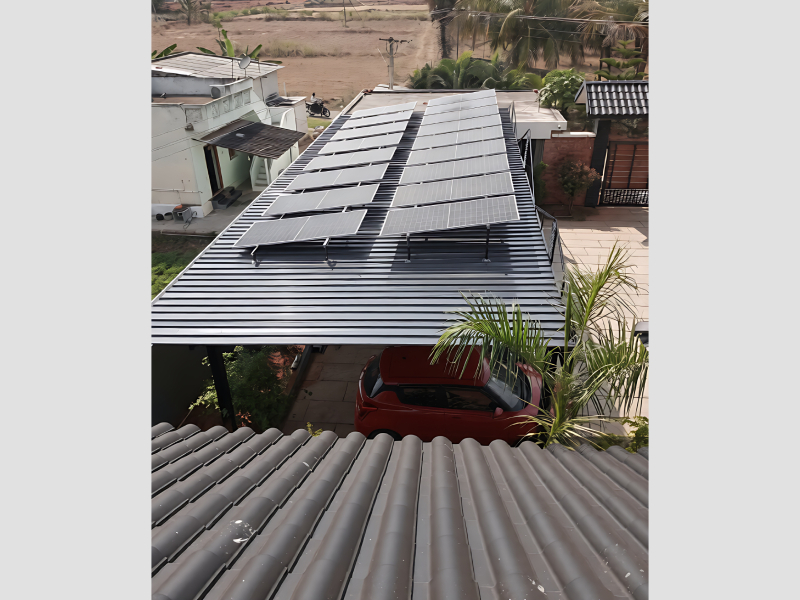
In today’s market, the relevance of generators and power equipment is growing due to increasing energy demands and the rise of renewable energy sources. With the ongoing development of infrastructure and the need for reliable power supply in underserved areas, the demand for these products is expected to rise. Suppliers and manufacturers are continually innovating to enhance performance and efficiency, making these tools indispensable in the modern business landscape.
𝗞𝗲𝘆 𝗙𝗲𝗮𝘁𝘂𝗿𝗲𝘀 𝗮𝗻𝗱 𝗦𝗽𝗲𝗰𝗶𝗳𝗶𝗰𝗮𝘁𝗶𝗼𝗻𝘀
Generators and power equipment come equipped with several key features that enhance their functionality and reliability. Understanding these specifications is crucial for businesses looking to invest in the right equipment.
Key specifications include:
1. Power Output
- Determines the maximum electrical load the generator can handle.
- Typically measured in kilowatts (kW) or megawatts (MW).
2. Fuel Type
- Indicates the type of fuel the generator uses, such as diesel, gasoline, or natural gas.
- Affects operational costs and environmental impact.
3. Runtime
- Refers to how long the generator can operate on a full tank.
- Often measured in hours at a specific load.
4. Voltage Options
- Specifies the voltage levels available, such as 120V, 240V, or 480V.
- Important for compatibility with various equipment.
5. Noise Level
- Measured in decibels (dB), indicating how loud the generator operates.
- Essential for applications in noise-sensitive environments.
6. Portability
- Indicates whether the generator is designed for stationary or mobile use.
- Affects ease of transportation and setup.
7. Start Mechanism
- Describes how the generator is started, either manually or via an automatic start system.
- Automatic systems provide convenience during power outages.
8. Safety Features
- Includes essential safety mechanisms such as overload protection and low-oil shutdown.
- Important for preventing damage and ensuring safe operation.
Overall, understanding these specifications helps businesses select the right generator or power equipment that meets their operational needs.
𝗖𝗼𝗺𝗺𝗼𝗻 𝗔𝗽𝗽𝗹𝗶𝗰𝗮𝘁𝗶𝗼𝗻𝘀 𝗮𝗻𝗱 𝗨𝘀𝗲 𝗖𝗮𝘀𝗲𝘀
Generators and power equipment are used across various industries, providing critical power solutions tailored to specific applications.
1. Construction: Generators provide power for tools and machinery at job sites, ensuring that projects proceed without delays caused by power outages.
2. Healthcare: Reliable backup power systems are vital in hospitals to maintain operations and safeguard sensitive medical equipment during outages.
3. Telecommunications: Generators support cell towers and communication hubs, ensuring uninterrupted service even in emergencies.
4. Events and Entertainment: Portable generators supply power for outdoor events, concerts, and festivals, allowing organizers to set up lighting, sound systems, and other equipment.
5. Agriculture: Farmers use generators to power irrigation systems, cooling systems for produce storage, and equipment in remote locations.
6. Manufacturing: Generators maintain production lines during power failures, preventing costly downtime and maintaining productivity.
7. Hospitality: Hotels and resorts rely on generators to provide power to essential services during outages, ensuring guest comfort and safety.
𝗣𝗿𝗼𝗱𝘂𝗰𝘁 𝗩𝗮𝗿𝗶𝗮𝗻𝘁𝘀 𝗮𝗻𝗱 𝗦𝘂𝗯𝗰𝗮𝘁𝗲𝗴𝗼𝗿𝗶𝗲𝘀
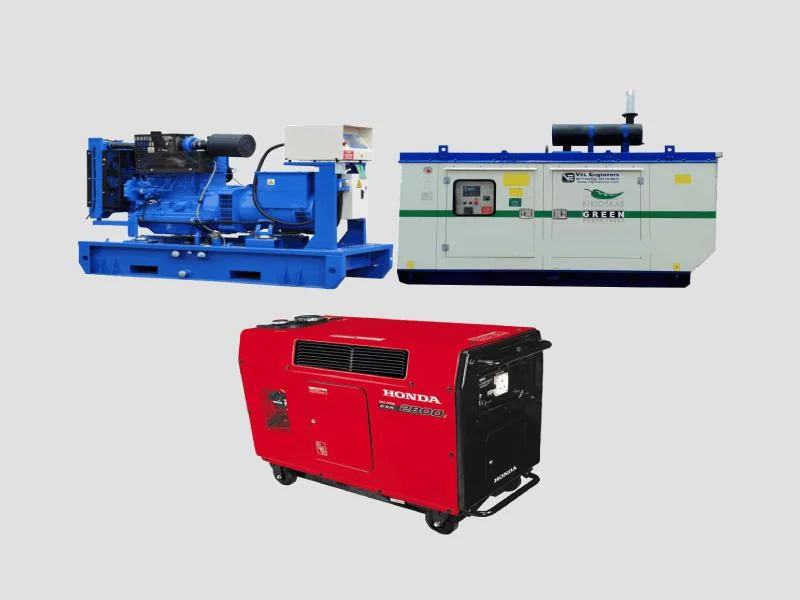
Generators and power equipment come in various forms to meet diverse operational needs. These variants differ in size, application, and features.
Portable Generators
These generators are compact and designed for mobility, making them ideal for outdoor events and small job sites. They are often gasoline-powered and offer a range of output capacities.
Standby Generators
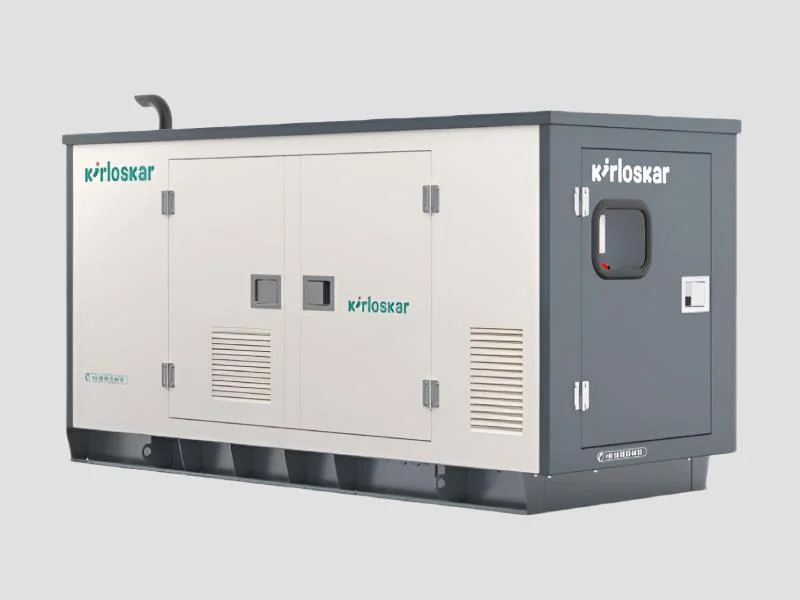
Designed for permanent installation, standby generators automatically provide power during outages. They typically run on natural gas or propane and are used in residential and commercial settings for reliability.
Industrial Generators
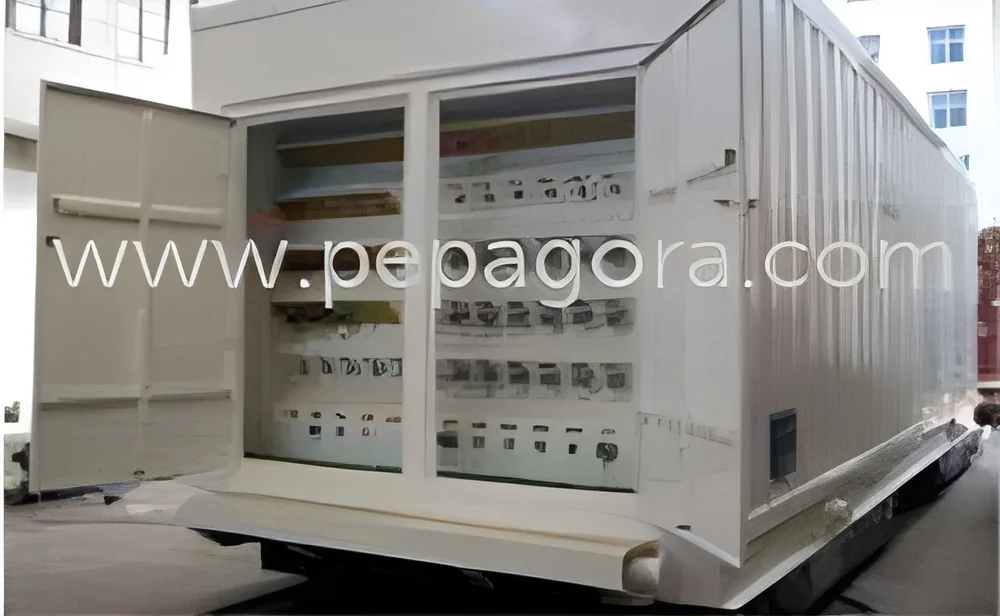
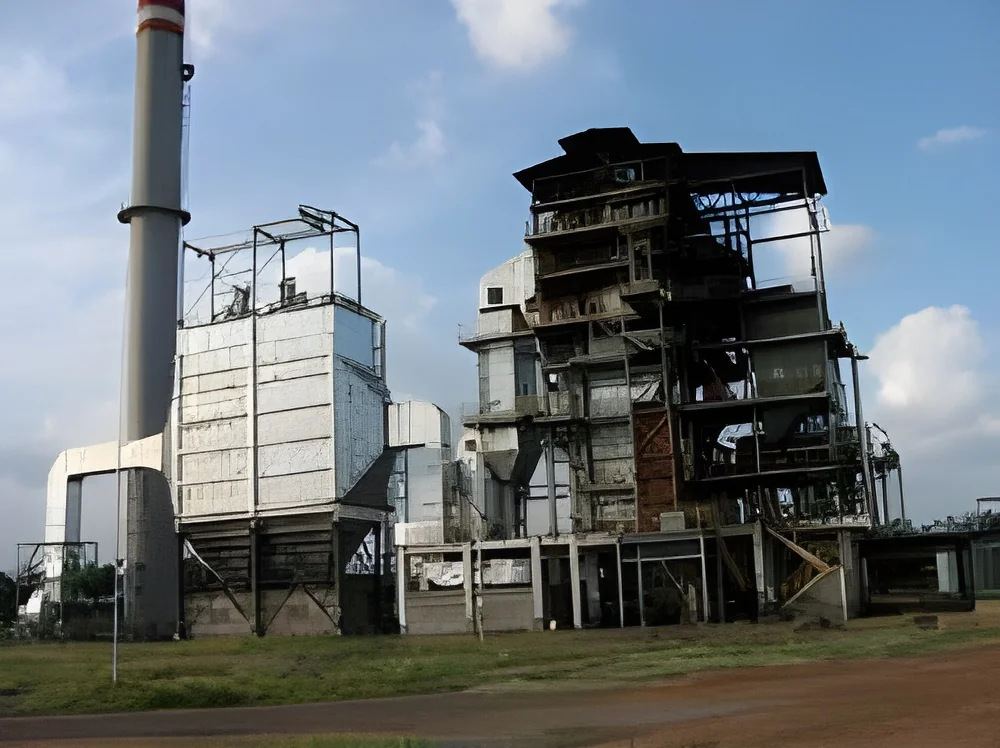
These robust systems are used in large-scale operations, providing high power output for manufacturing plants and large construction projects. They can operate on various fuel types and are designed for continuous use.
Inverter Generators
Inverter generators are compact and produce clean power suitable for sensitive electronics. They are quieter and more fuel-efficient, making them ideal for recreational use and small businesses.
𝗕𝗲𝗻𝗲𝗳𝗶𝘁𝘀 𝗮𝗻𝗱 𝗔𝗱𝘃𝗮𝗻𝘁𝗮𝗴𝗲𝘀
Investing in generators and power equipment offers numerous advantages for businesses across sectors.
Key benefits include:
1. Reliability: Generators ensure a continuous power supply, minimizing downtime during outages and enabling operations to run smoothly.
2. Versatility: With various types of generators available, businesses can select equipment tailored to their specific needs, whether for construction, healthcare, or events.
3. Cost Savings: By maintaining operations even during power failures, businesses can avoid financial losses and protect their assets.
4. Increased Safety: Backup power systems provide essential energy for critical safety equipment, especially in healthcare and industrial settings.
5. Enhanced Productivity: Generators empower businesses to execute projects without interruptions, leading to improved efficiency and output.
6. Environmental Considerations: Modern generators are designed to be more fuel-efficient and comply with emissions standards, supporting sustainability efforts.
𝗕𝘂𝘆𝗶𝗻𝗴 𝗚𝘂𝗶𝗱𝗲 𝗳𝗼𝗿 𝗕𝟮𝗕 𝗕𝘂𝘆𝗲𝗿𝘀
When sourcing generators and power equipment, it is essential for buyers to consider several key factors to make informed decisions.
1. Quality Assessment: Evaluate the quality of the equipment by looking for well-known brands and reviewing performance ratings. Ensure that the generator meets industry standards for durability and efficiency.
2. Supplier Verification: Vet potential suppliers by checking their credentials, customer reviews, and their history in the market. A reliable supplier should have a proven track record of delivering quality products.
3. Pricing and MOQ: Analyze pricing structures and minimum order quantities to ensure they align with your budget and operational needs. Consider total cost of ownership, including maintenance and operational costs.
4. Delivery and Lead Times: Discuss logistics and delivery timelines with suppliers to ensure that you can receive equipment promptly when needed. Understanding lead times helps in planning.
5. Compliance Requirements: Ensure that the generators meet all relevant regulatory standards and certifications, such as CE compliance, to avoid legal issues and ensure safety.
𝗖𝗼𝗺𝗽𝗹𝗶𝗮𝗻𝗰𝗲 𝗮𝗻𝗱 𝗖𝗲𝗿𝘁𝗶𝗳𝗶𝗰𝗮𝘁𝗶𝗼𝗻𝘀
Generators and power equipment must adhere to various compliance and certification standards to ensure safety, quality, and efficiency. Relevant quality standards include ISO 9001, which focuses on quality management systems, and HACCP, which is essential for maintaining safety in food-related applications.
Industry certifications such as CE mark indicate that the equipment meets European safety and environmental requirements. This certification is vital for businesses operating in regions that enforce strict regulations.
In addition to these standards, safety and testing requirements are critical for ensuring that equipment operates reliably and safely. Regular testing and adherence to safety protocols help prevent accidents and equipment failures. Furthermore, regional compliance considerations may vary, requiring businesses to be aware of local regulations and standards when sourcing generators and power equipment.
𝗪𝗵𝘆 𝗦𝗼𝘂𝗿𝗰𝗲 𝗚𝗲𝗻𝗲𝗿𝗮𝘁𝗼𝗿𝘀 & 𝗣𝗼𝘄𝗲𝗿 𝗘𝗾𝘂𝗶𝗽𝗺𝗲𝗻𝘁 𝗳𝗿𝗼𝗺 𝗣𝗲𝗽𝗮𝗴𝗼𝗿𝗮?
Pepagora offers a trusted platform for sourcing generators and power equipment, providing several key advantages for B2B buyers.
Verified Supplier Network: Pepagora has established a network of verified suppliers, ensuring that buyers have access to quality products from reputable manufacturers. This verification process helps eliminate risks associated with sourcing equipment.
Streamlined RFQ Process: The platform features an efficient request for quotation (RFQ) system that simplifies the procurement process. Buyers can easily request quotes from multiple suppliers, allowing for quick comparisons and informed decision-making.
Trade Assurance and Support: Pepagora provides trade assurance, ensuring that buyers receive support throughout the purchasing process. This includes assistance with disputes and guarantees on product quality, giving buyers peace of mind.
Regional Coverage: With a focus on regions such as India, GCC, and Southeast Asia, Pepagora caters to a broad market, ensuring that buyers can find generators and power equipment suited to their local needs. This geographic reach enhances accessibility and availability for businesses in various sectors.

 IN
IN