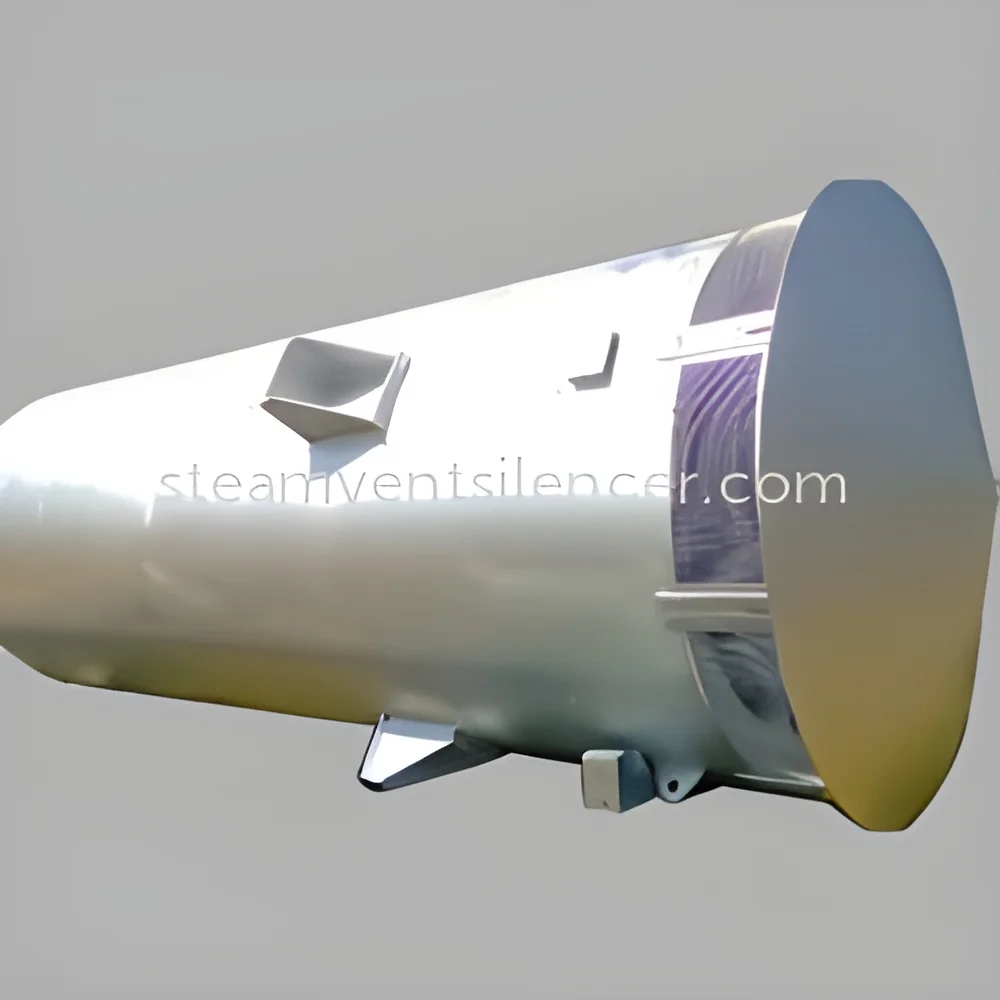
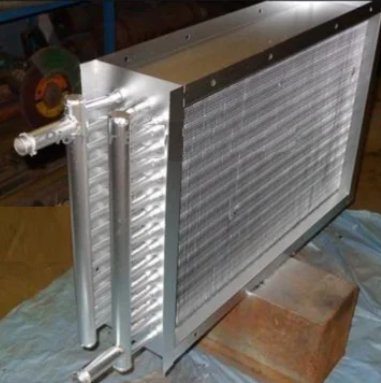
What are Cooling Systems for Generators?
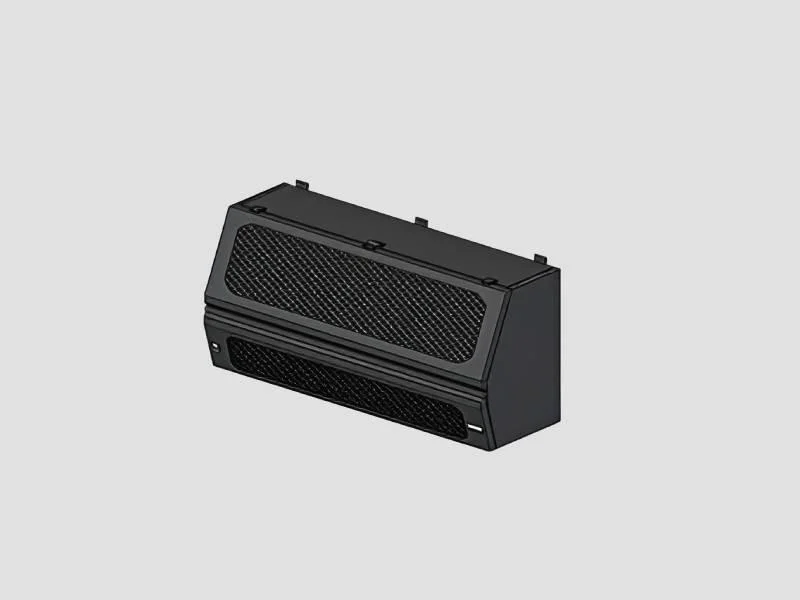
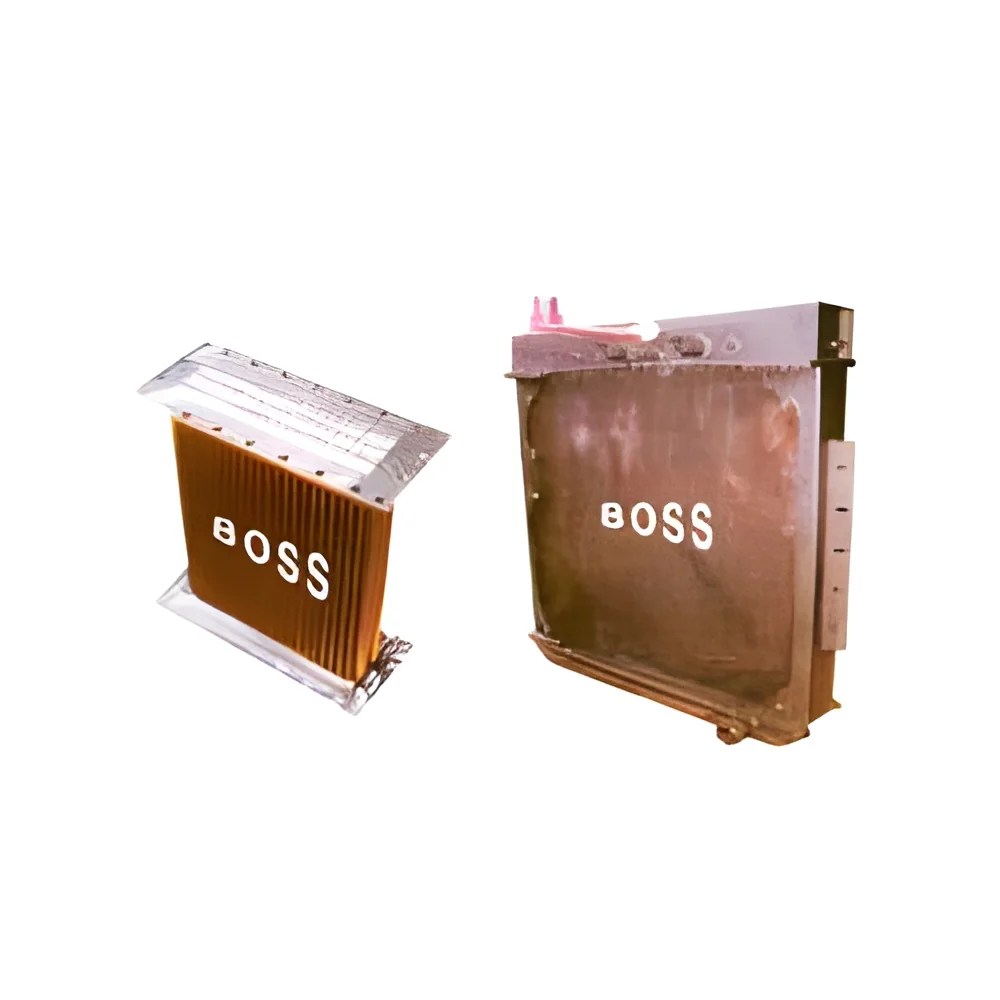
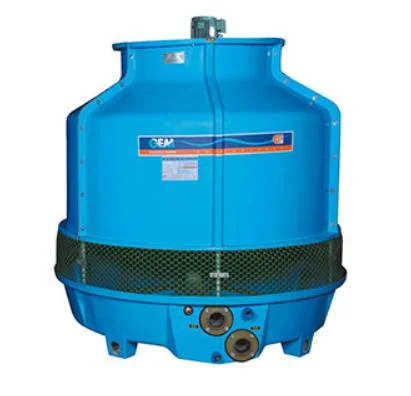
Cooling systems for generators are crucial components designed to regulate the temperature of generator engines. They ensure that the engine operates within an optimal temperature range to prevent overheating and maintain efficiency. These systems typically use coolant fluids, air, or a combination of both to dissipate heat generated during operation. A well-functioning cooling system not only prolongs the life of the generator but also enhances its performance and reliability.
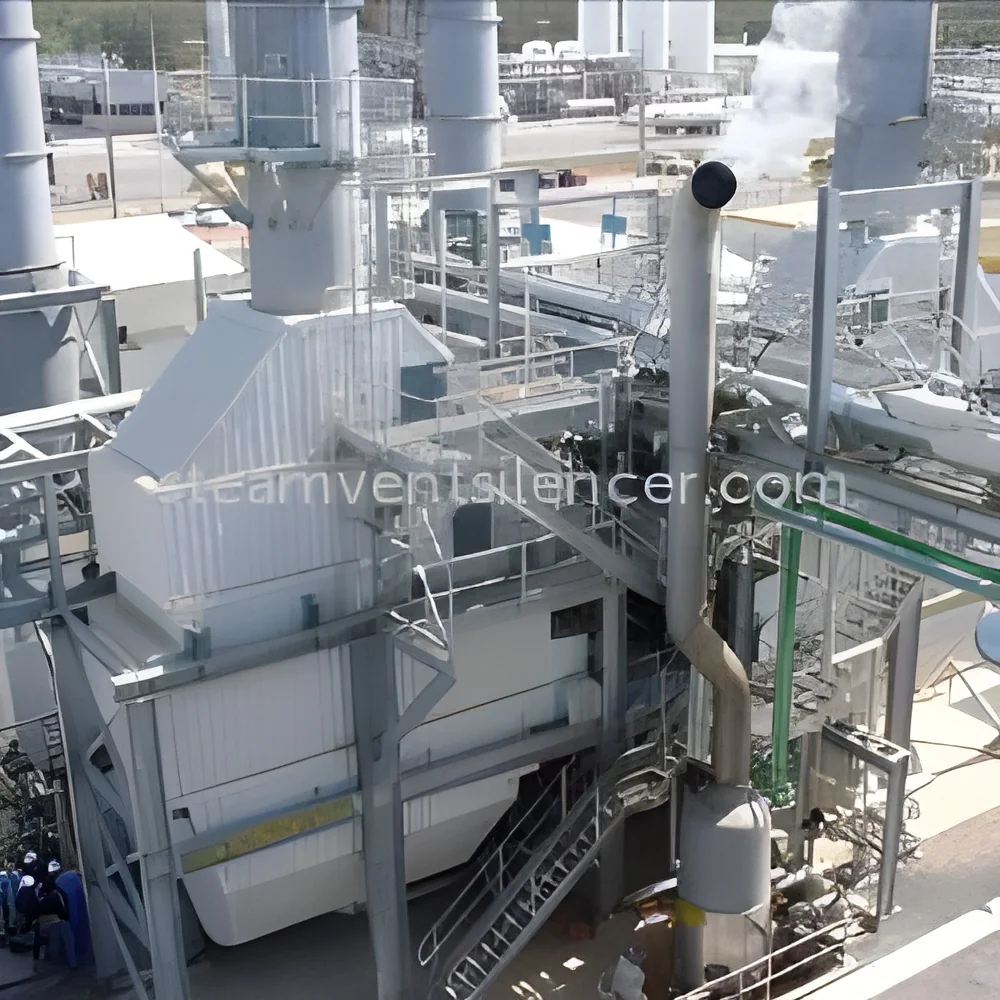
Cooling systems are widely used in various business applications, from industrial power generation to backup power systems for critical infrastructure. They are essential for keeping generators running smoothly in environments where excessive heat can lead to engine failure. Industries such as telecommunications, construction, and manufacturing rely on reliable cooling systems to ensure uninterrupted power supply. Given the increasing demand for energy and the growing reliance on generators in many sectors, the relevance of effective cooling systems continues to rise.
The market for cooling systems for generators is evolving, driven by advancements in technology and an emphasis on energy efficiency. Manufacturers are focusing on developing systems that not only provide better cooling performance but also enhance the overall sustainability of generators. As industries strive for efficiency and reliability, the importance of high-quality cooling systems cannot be overstated.
Key Features and Specifications
Cooling systems for generators come with a variety of features and specifications that enhance their functionality and performance. Understanding these specifications is essential for making informed purchasing decisions.
Key specifications include:
1. Cooling Method
- Air-cooled or liquid-cooled systems
- Designed for specific generator sizes and applications
2. Temperature Range
- Operates within specified temperature limits
- Ensures optimal performance under varying environmental conditions
3. Flow Rate
- Measurement of coolant circulation
- Critical for maintaining engine temperature stability
4. Noise Level
- Designed for quiet operation
- Important for applications in noise-sensitive environments
5. Size and Weight
- Compact designs for limited-space installations
- Lightweight materials for easier handling
6. Maintenance Requirements
- Low-maintenance designs for reduced downtime
- User-friendly access for routine checks
7. Energy Efficiency
- Systems designed to minimize energy consumption
- Compliance with energy efficiency standards
8. Compatibility
- Suitable for various generator models and brands
- Custom options available for specific applications
In summary, understanding the key features and specifications of cooling systems for generators helps businesses select the most appropriate solution based on their operational needs.
Common Applications and Use Cases
Cooling systems for generators serve various industries, ensuring optimal performance and reliability in critical applications.
1. Telecommunications: In this sector, cooling systems are essential for maintaining the performance of backup generators that support communication networks during power outages.
2. Construction: Generators on construction sites often require robust cooling solutions to handle heavy loads and extended operational hours, preventing engine overheating.
3. Manufacturing: In manufacturing facilities, cooling systems ensure that generators operate efficiently, safeguarding against production delays caused by power interruptions.
4. Healthcare: Hospitals and medical facilities rely on generators for emergency power. Effective cooling systems ensure these generators remain functional when needed most.
5. Data Centers: Cooling systems are vital in data centers where generators provide backup power. They prevent overheating, ensuring uninterrupted service for critical data operations.
6. Agriculture: Agricultural operations depend on reliable power for irrigation and machinery. Cooling systems help maintain generator performance under varying outdoor conditions.
7. Events and Entertainment: Temporary power solutions for events require efficient cooling systems to ensure generators operate smoothly throughout the duration of the event.
Product Variants and Subcategories
Cooling systems for generators come in various designs to meet the diverse needs of different applications. Each variant offers unique features tailored to specific operational requirements.
Air-Cooled Systems
These systems utilize ambient air to dissipate heat from the generator. They are typically more compact and easier to install, making them ideal for smaller generators or applications with limited space.
Liquid-Cooled Systems
Liquid-cooled systems use a coolant fluid to absorb and transfer heat away from the engine. They are often more efficient than air-cooled systems and are suited for larger generators that operate under heavy loads.
Portable Cooling Systems
Designed for temporary or mobile applications, these systems can be easily transported and set up at different locations. They are often used in events or construction sites where power needs may change frequently.
Industrial Cooling Solutions
These robust systems are engineered for heavy-duty generators used in industrial settings. They handle high thermal loads and often come with advanced monitoring features to ensure optimal performance.
Benefits and Advantages
Investing in cooling systems for generators offers numerous advantages that enhance operational efficiency and reliability.
1. Enhanced Performance: Effective cooling systems maintain optimal engine temperatures, ensuring generators run at peak performance.
2. Increased Lifespan: By preventing overheating, cooling systems extend the life of generator components, reducing the need for costly repairs or replacements.
3. Reduced Downtime: Reliable cooling solutions minimize the risk of generator failure, ensuring continuous power supply for critical operations.
4. Improved Energy Efficiency: Modern cooling systems are designed to operate efficiently, reducing overall energy consumption and operational costs.
5. Versatility: Cooling systems can be tailored to fit various generator sizes and types, making them suitable for a wide range of applications.
6. Compliance with Standards: Quality cooling systems meet industry standards, ensuring reliability and safety in power generation.
Buying Guide for B2B Buyers
When sourcing cooling systems for generators, companies should consider several critical factors to ensure a successful purchase.
1. Quality Assessment: Evaluate the quality of the cooling systems by checking for certifications and compliance with industry standards. Look for systems that have undergone rigorous testing to ensure reliability.
2. Supplier Verification: Vet potential suppliers to ensure they have a proven track record of delivering quality products. Consider their reputation, customer reviews, and after-sales support.
3. Pricing and MOQ: Understand the pricing structure and minimum order quantities (MOQ) required by suppliers. This information helps in budgeting and negotiating better terms.
4. Delivery and Lead Times: Inquire about the expected delivery times and logistics involved in receiving the cooling systems. Ensure that the supplier can meet your timelines.
5. Compliance Requirements: Be aware of any regulatory requirements that apply to cooling systems in your region. Ensure that the products comply with local safety and environmental standards.
Compliance and Certifications
Compliance with quality standards is essential for cooling systems used in generators. Relevant standards include ISO 9001, which ensures that products meet consistent quality management principles. Other applicable certifications may include CE, which indicates conformity with health, safety, and environmental protection standards within the European Economic Area.
Safety and testing requirements are also critical. Manufacturers should adhere to rigorous testing protocols to verify the performance and safety of their cooling systems. This may involve thermal testing, durability assessments, and operational efficiency evaluations.
Regional compliance considerations are vital, as different regions may have specific regulations governing the use of cooling systems in generators. Companies should ensure that their cooling solutions are compliant with local laws to avoid penalties and ensure safe operation.
Why Source Cooling Systems for Generators from Pepagora?
Pepagora offers a trusted platform for sourcing cooling systems for generators, providing several key advantages to B2B buyers.
Verified Supplier Network: Pepagora features a network of verified suppliers who have undergone rigorous vetting processes. This ensures that buyers can source high-quality cooling systems with confidence.
Streamlined RFQ Process: The platform provides a streamlined Request for Quotation (RFQ) process, allowing buyers to easily compare offers from multiple suppliers. This simplifies the procurement process and helps identify the best value.
Trade Assurance and Support: Pepagora offers trade assurance, providing buyers with protection against potential risks associated with online purchasing. Dedicated support teams are available to assist with any inquiries or issues that may arise.
Regional Coverage: Pepagora’s reach extends across India, the GCC, and Southeast Asia, making it an ideal platform for businesses looking to source cooling systems for generators from reliable suppliers within these regions. The platform’s extensive network ensures that buyers can find suitable solutions tailored to their specific needs.

 IN
IN