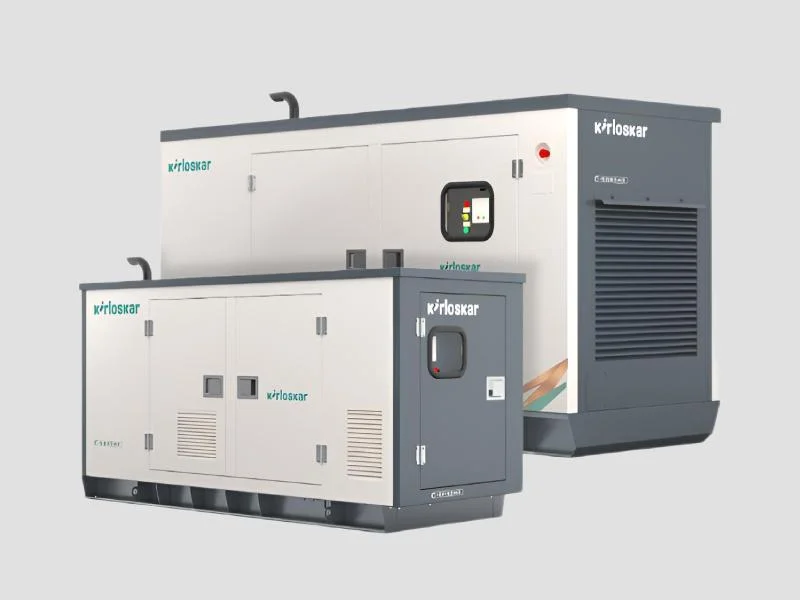
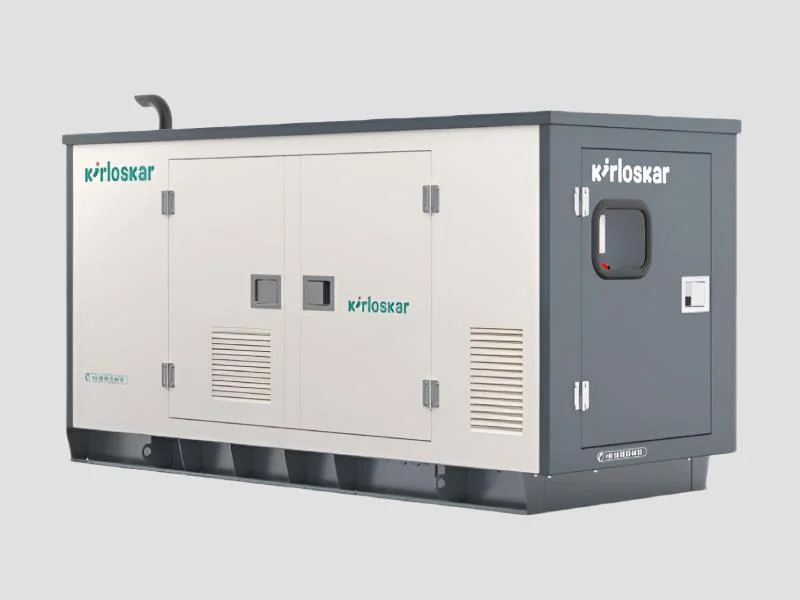
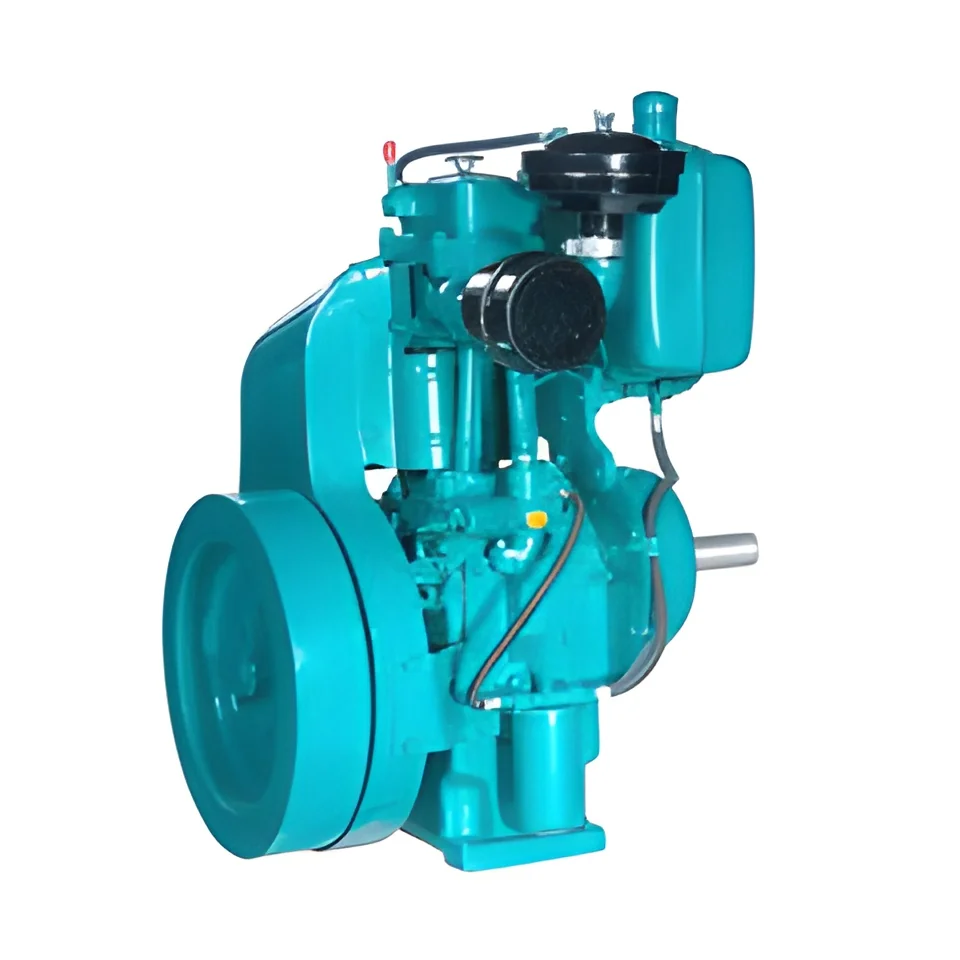
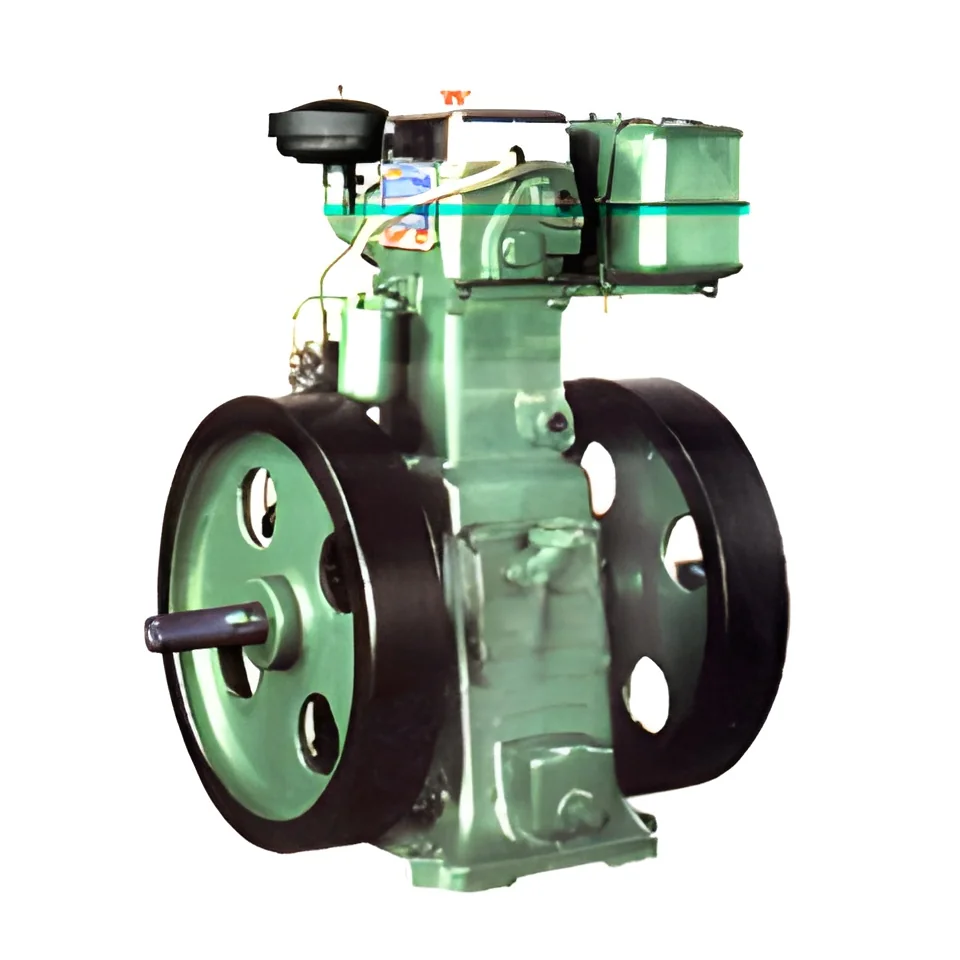
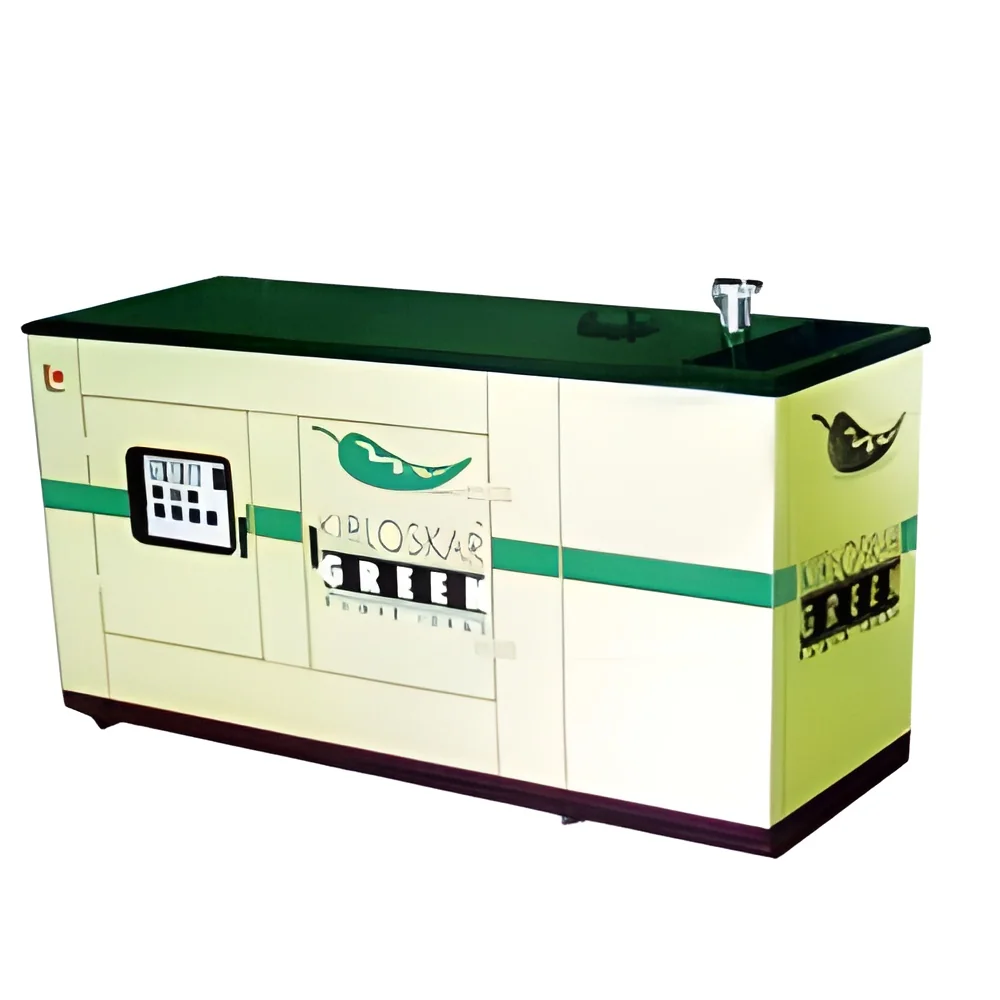
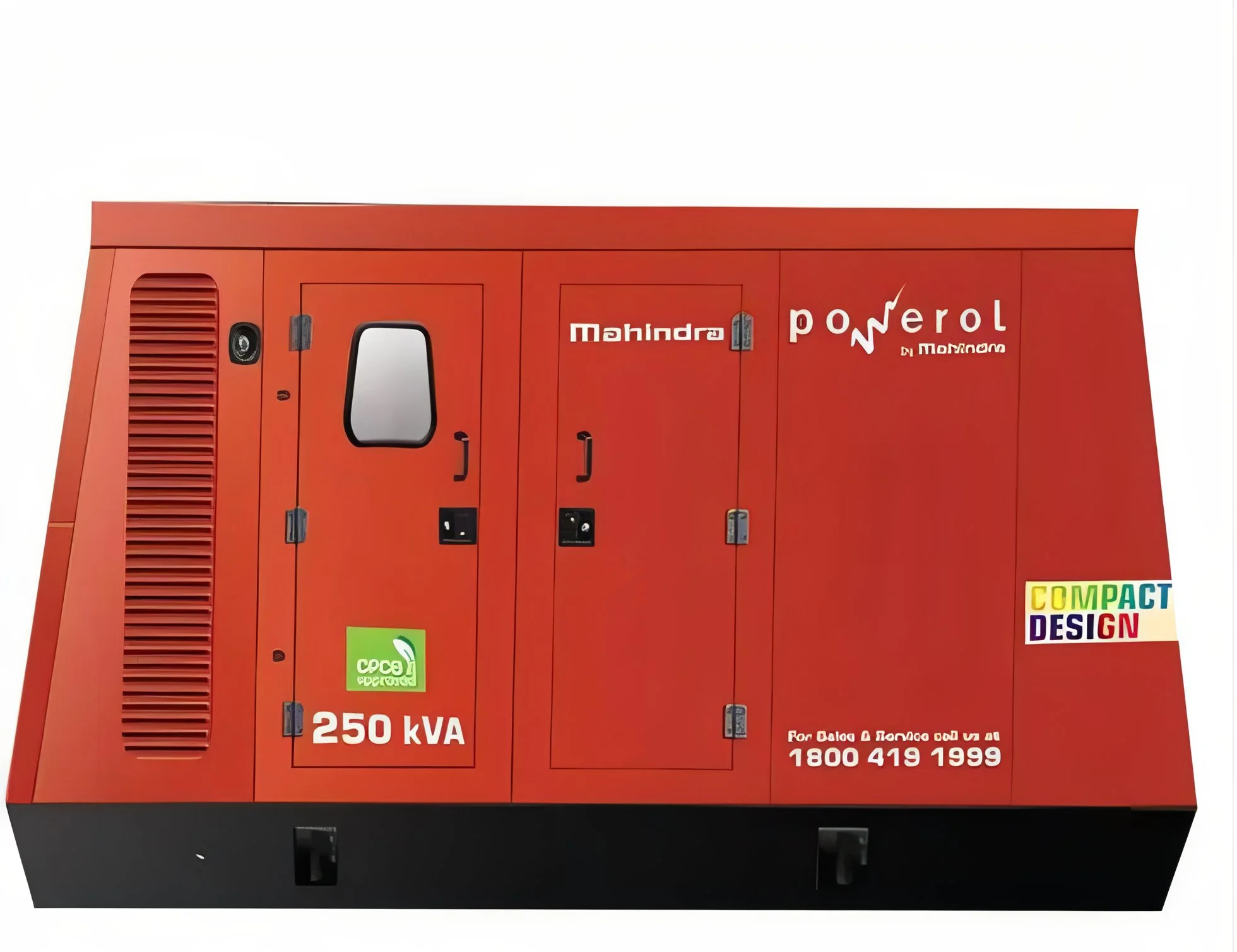
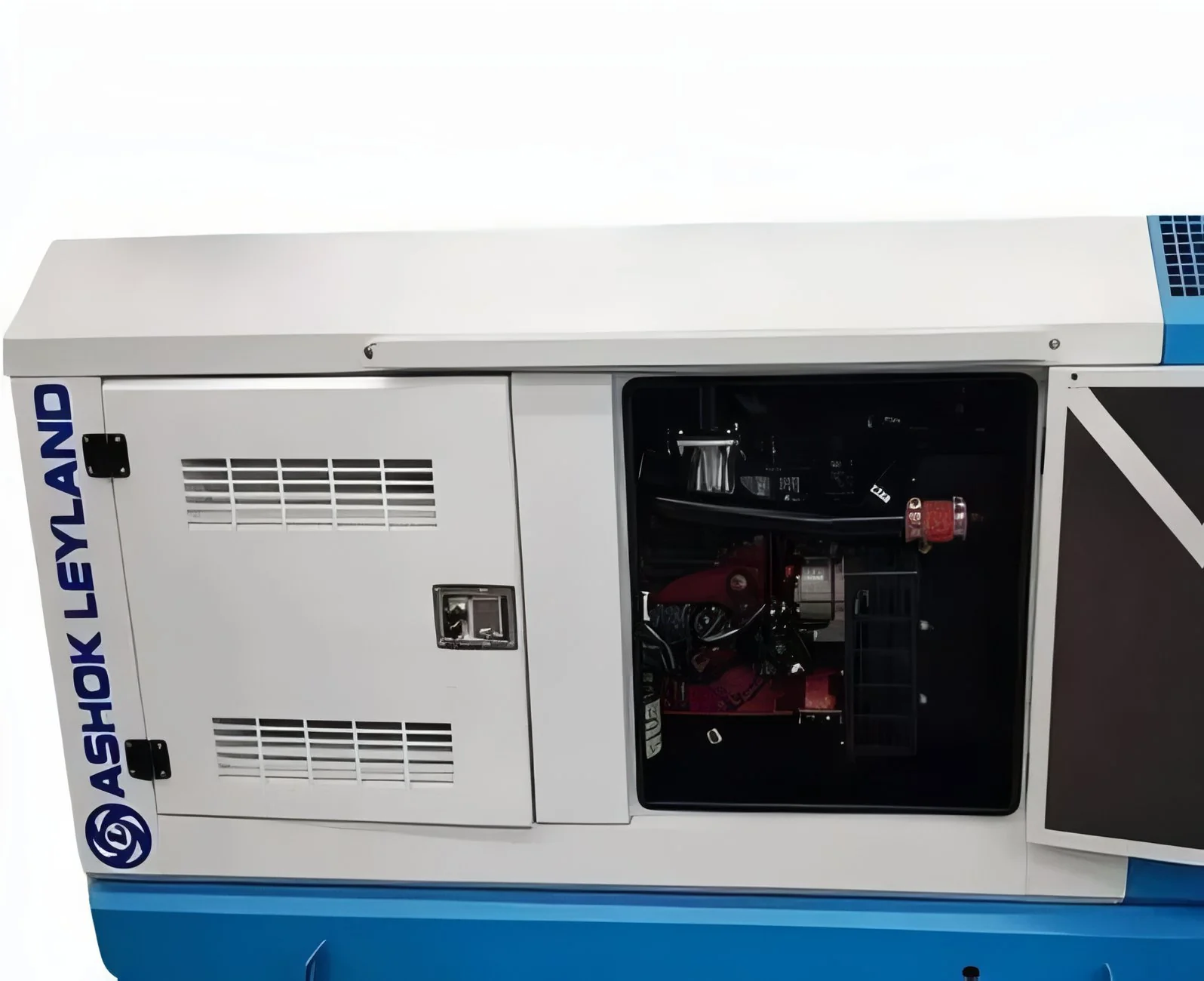
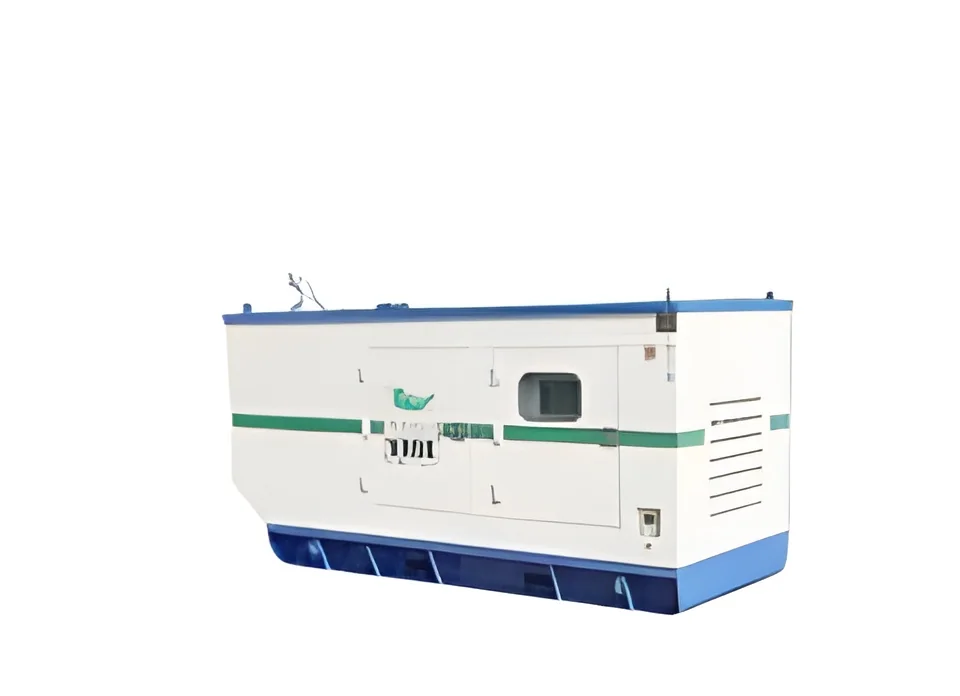
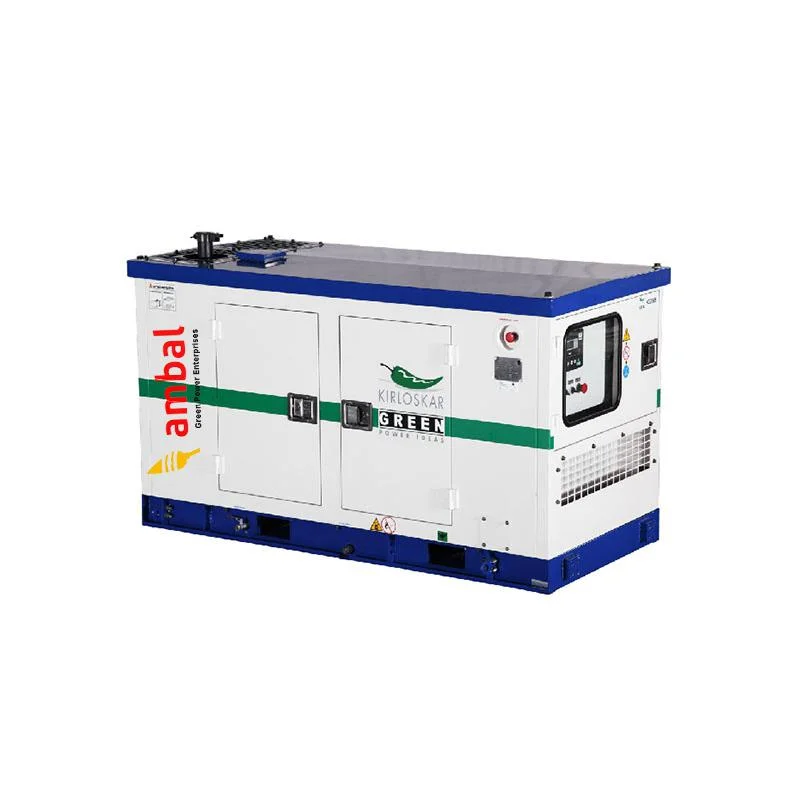
What are Diesel Generators (5 kVA to 2000 kVA)?
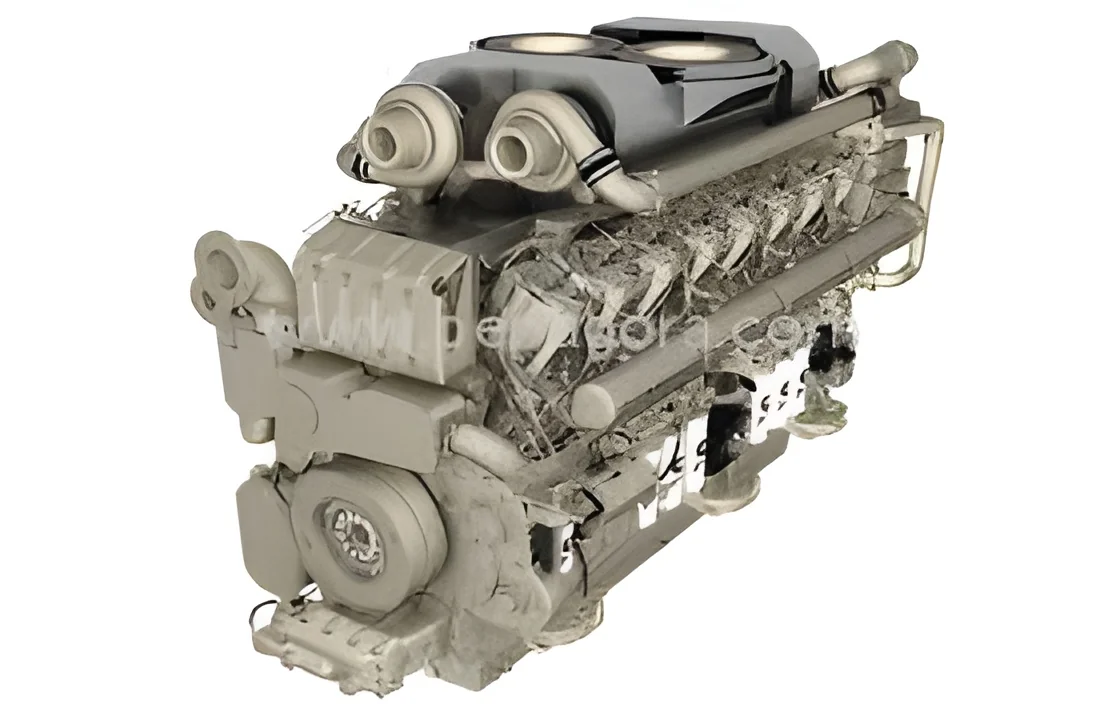
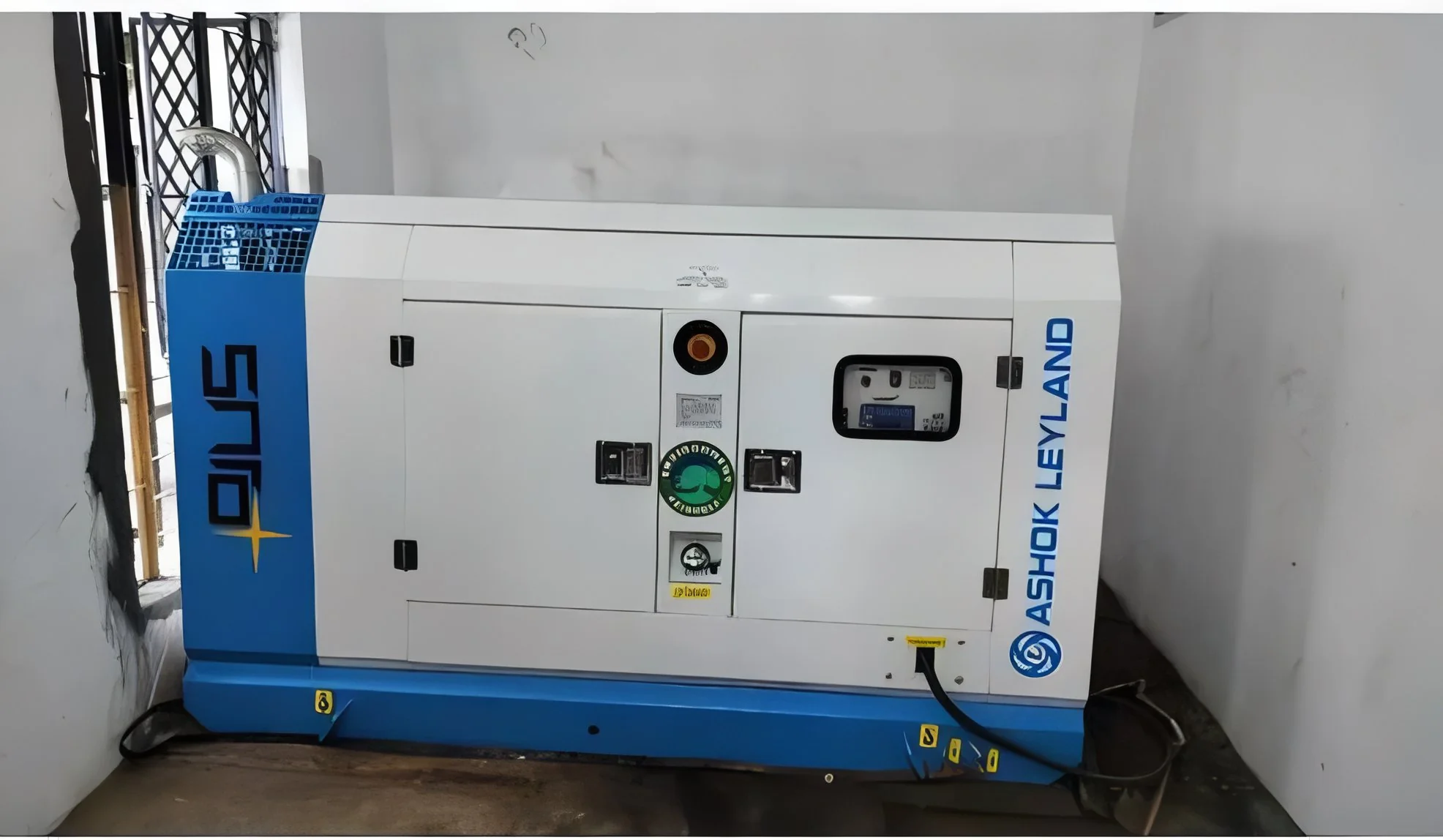
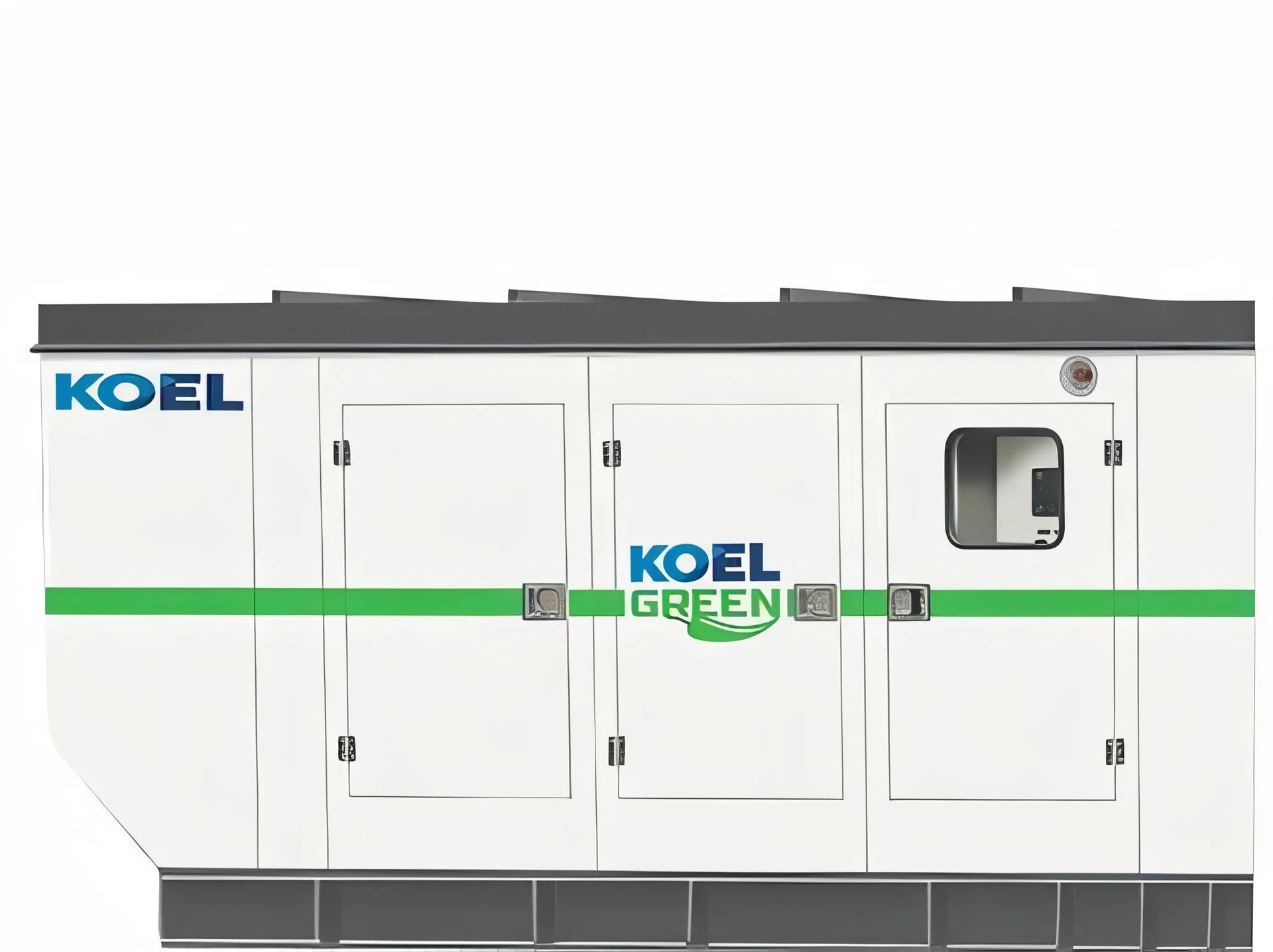
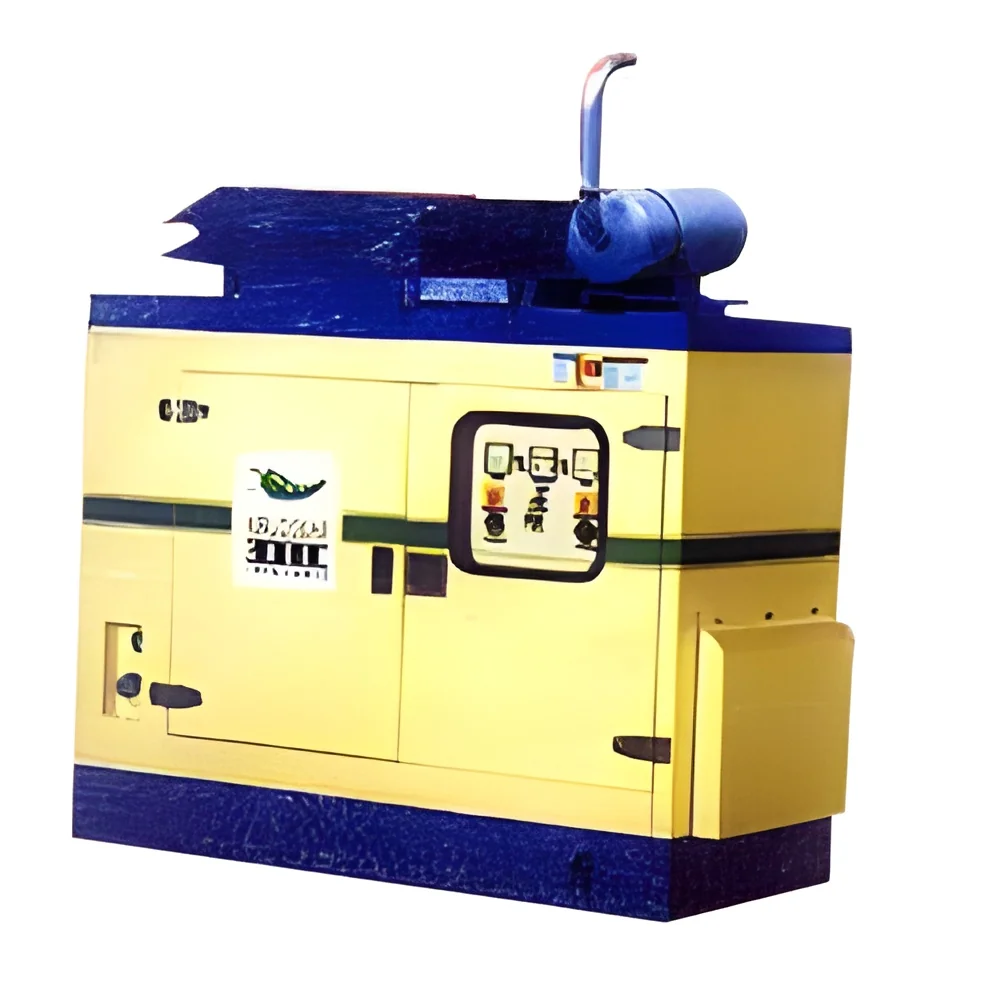
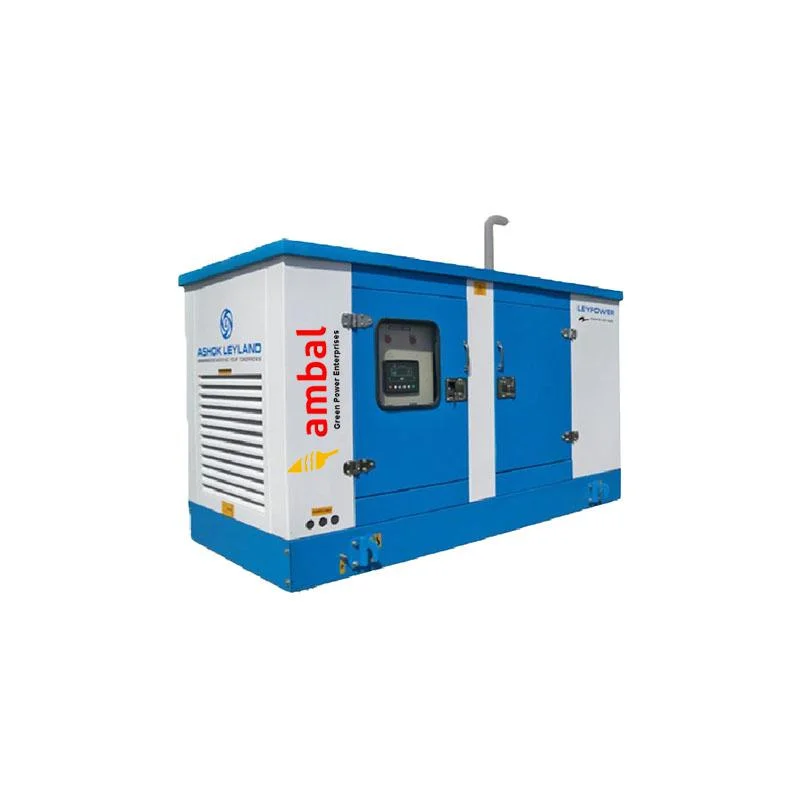
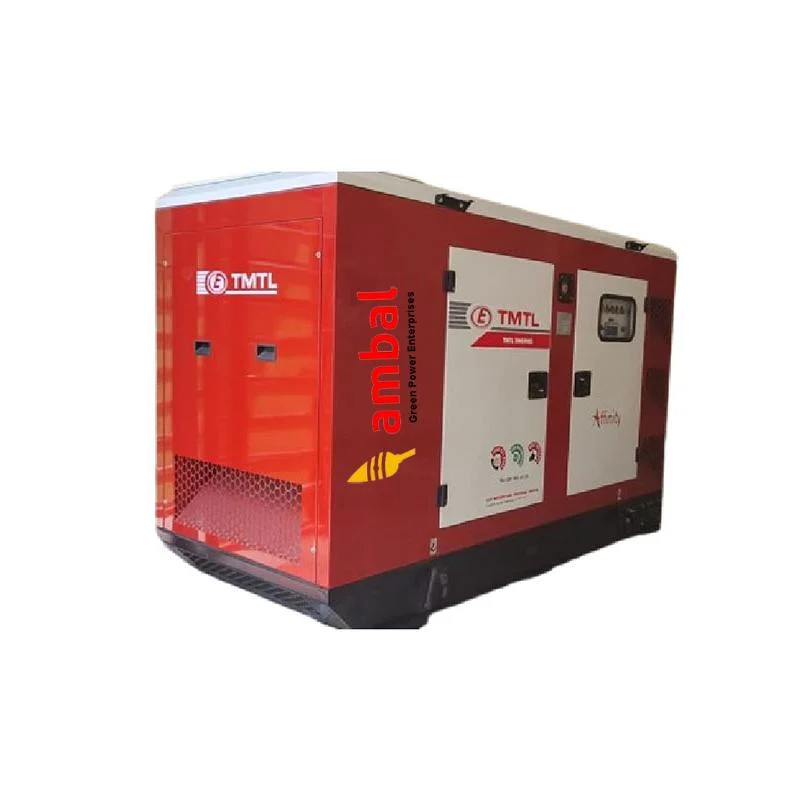
Diesel generators are critical power generation systems that convert diesel fuel into electrical energy. They range from small units of 5 kVA to large industrial generators of up to 2000 kVA. These generators are equipped with diesel engines and alternators, providing reliable and efficient power supply for various applications. Diesel generators are known for their durability, fuel efficiency, and ability to generate power in remote locations where grid electricity may not be available.
These generators are primarily used in industrial, commercial, and residential applications. They serve as backup power sources during outages or as primary power sources in off-grid setups. Businesses in sectors such as construction, telecommunications, and data centers rely on diesel generators to ensure uninterrupted operations. The market for diesel generators has grown significantly due to the increasing demand for reliable power in developing regions and the need for backup systems in established markets.
The relevance of diesel generators extends across multiple industries, making them essential for maintaining productivity. With advancements in technology, modern diesel generators now feature enhanced fuel efficiency and lower emissions. This positions them favorably in a market that is increasingly focused on sustainability and environmental compliance.
𝗞𝗲𝘆 𝗙𝗲𝗮𝘁𝘂𝗿𝗲𝘀 𝗮𝗻𝗱 𝗦𝗽𝗲𝗰𝗶𝗳𝗶𝗰𝗮𝘁𝗶𝗼𝗻𝘀
Diesel generators come with various features and specifications that determine their performance and suitability for different applications. Understanding these specifications is crucial for selecting the right generator for specific needs.
Key specifications include:
1. Power Output
- Ranges from 5 kVA to 2000 kVA, catering to various power needs.
- Suitable for small businesses to large industrial operations.
2. Fuel Type
- Operates primarily on diesel fuel, ensuring reliability and efficiency.
- Diesel is widely available, making it a practical choice.
3. Engine Type
- Typically, four-stroke engines are used, providing better fuel efficiency and durability.
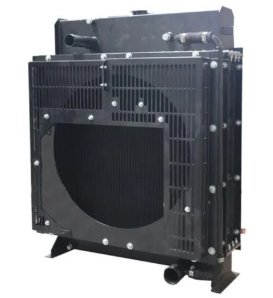
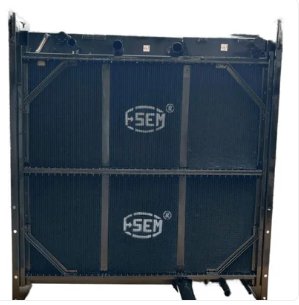
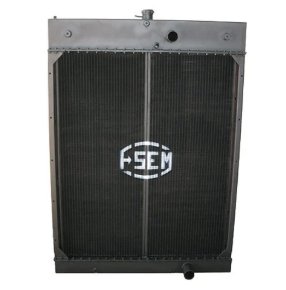
- Advanced cooling systems are often included to enhance performance.
4. Noise Level
- Noise levels vary based on design, with options for silent operation available.
- Important for urban and residential applications.
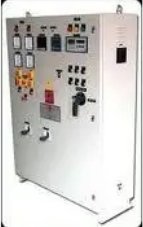
5. Control Panels
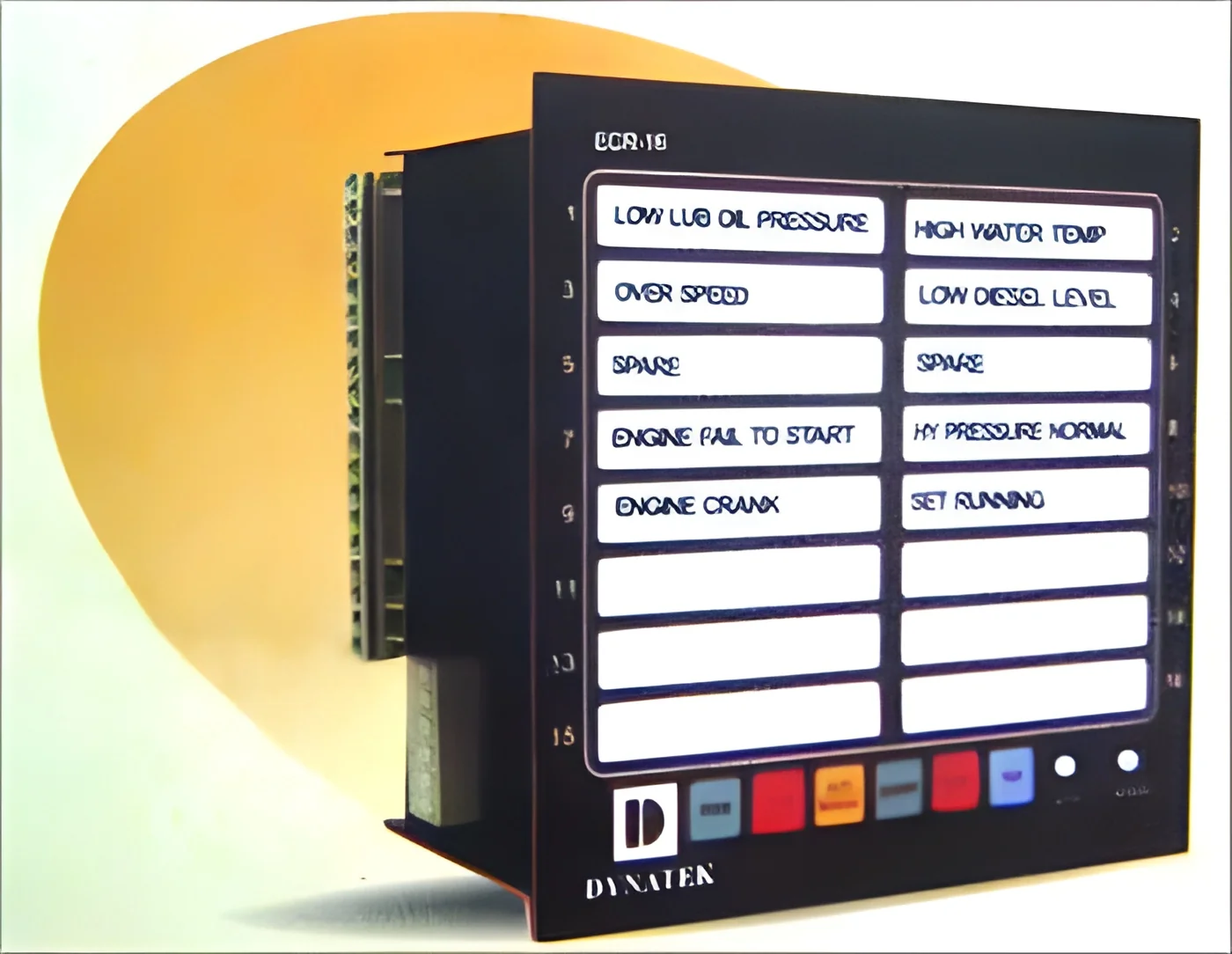
- Equipped with automatic start/stop features for ease of operation.
- Can include digital displays for performance monitoring.
6. Dimensions and Weight
- Sizes vary, allowing for flexibility in installation locations.
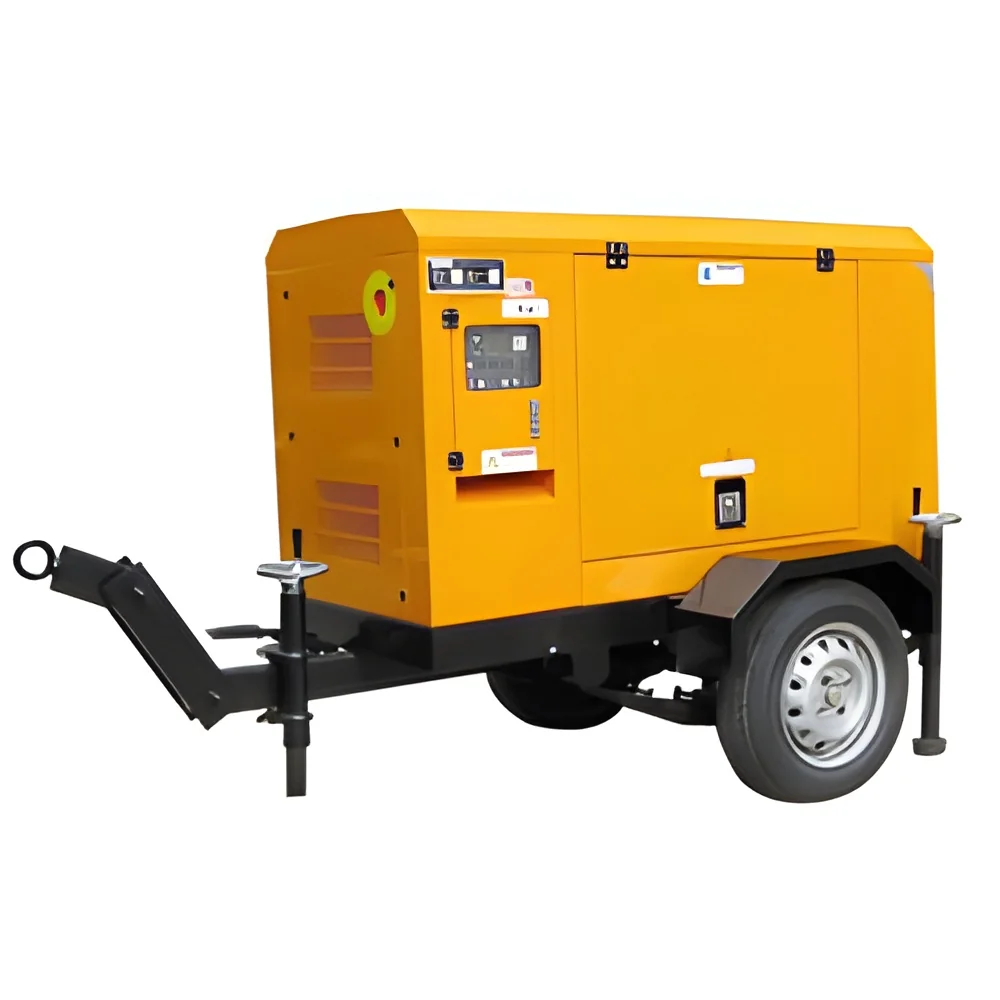
- Weight considerations are important for transportation and setup.
7. Emissions Standards
- Many models comply with international emissions standards, promoting environmental safety.
- Reduces the carbon footprint of operations.
8. Maintenance Requirements
- Regular maintenance is needed to ensure optimal performance and longevity.
- Some models offer extended service intervals to reduce downtime.
Diesel generators are versatile machines designed to meet diverse power generation needs while providing reliability and efficiency.
𝗖𝗼𝗺𝗺𝗼𝗻 𝗔𝗽𝗽𝗹𝗶𝗰𝗮𝘁𝗶𝗼𝗻𝘀 𝗮𝗻𝗱 𝗨𝘀𝗲 𝗖𝗮𝘀𝗲𝘀
Diesel generators serve a wide range of industries and applications, ensuring that businesses can maintain operations even in the absence of grid power.
1. Construction: Diesel generators provide essential power for construction sites, enabling tools, lighting, and equipment to function effectively.
2. Telecommunications: They are critical in powering communication towers and data centers, ensuring uninterrupted service for customers.
3. Healthcare: Hospitals and clinics use diesel generators as backup power sources to maintain essential services during outages.
4. Agriculture: Diesel generators power irrigation systems and farm equipment, ensuring productivity in rural areas.
5. Events and Entertainment: Temporary power solutions for outdoor events, concerts, and festivals often rely on diesel generators for reliable electricity.
6. Manufacturing: Factories utilize these generators to ensure continuous operations, particularly in processes that cannot afford downtime.
7. Mining: Remote mining operations depend on diesel generators to provide the necessary power for equipment and facilities.
𝗣𝗿𝗼𝗱𝘂𝗰𝘁 𝗩𝗮𝗿𝗶𝗮𝗻𝘁𝘀 𝗮𝗻𝗱 𝗦𝘂𝗯𝗰𝗮𝘁𝗲𝗴𝗼𝗿𝗶𝗲𝘀
Diesel generators come in various configurations to meet different power demands and operational environments. Each variant offers unique features tailored to specific applications.
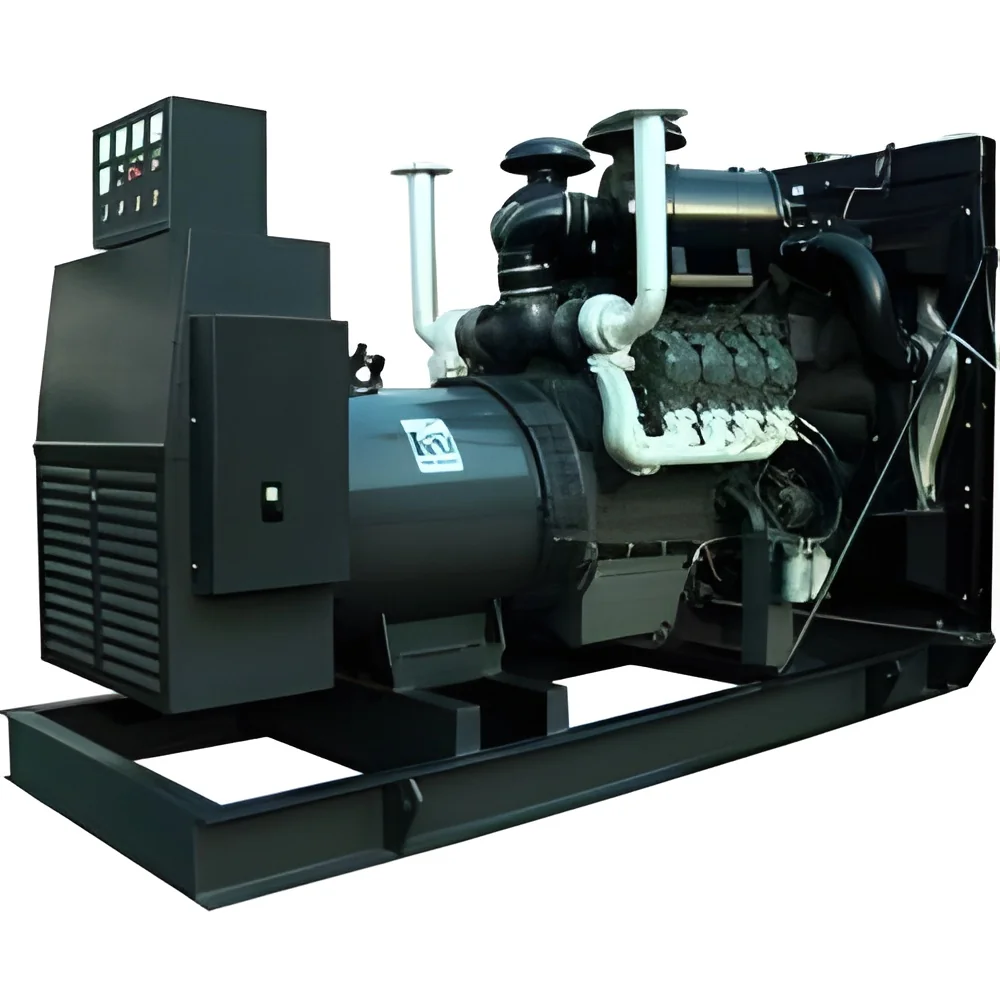
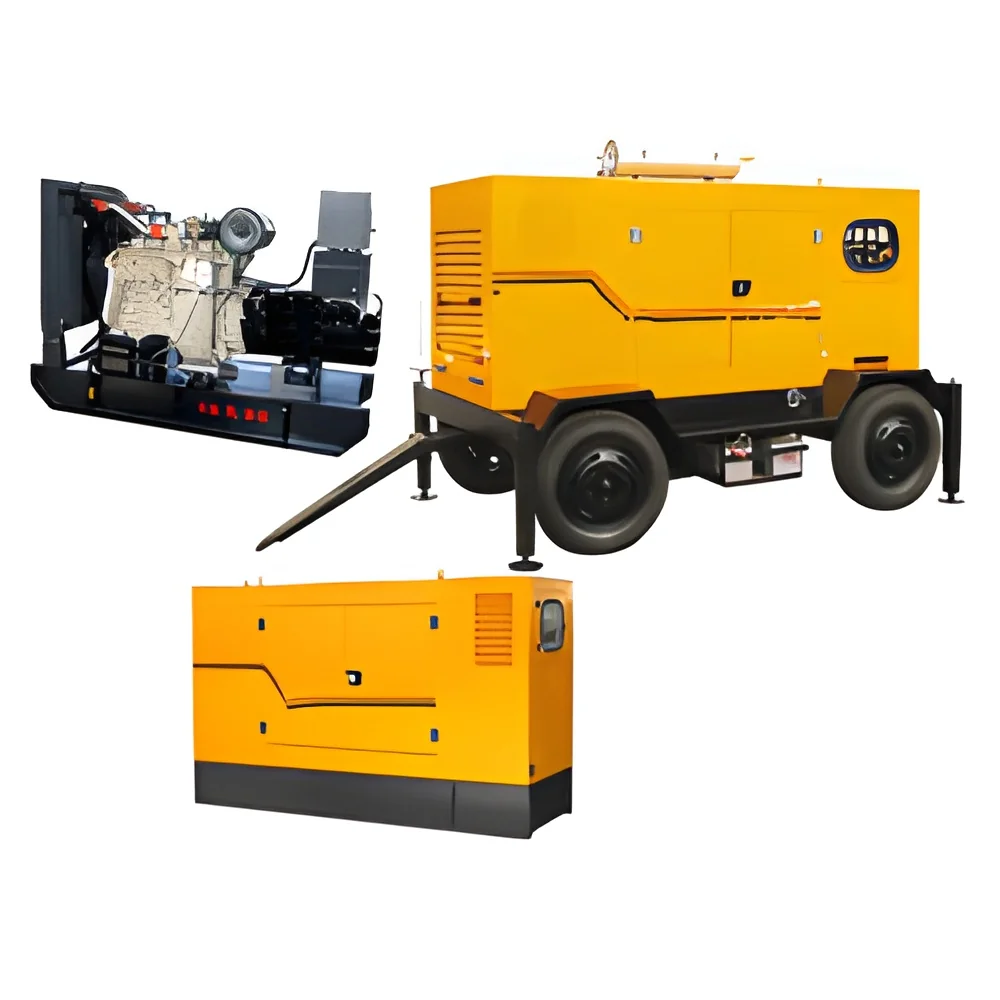
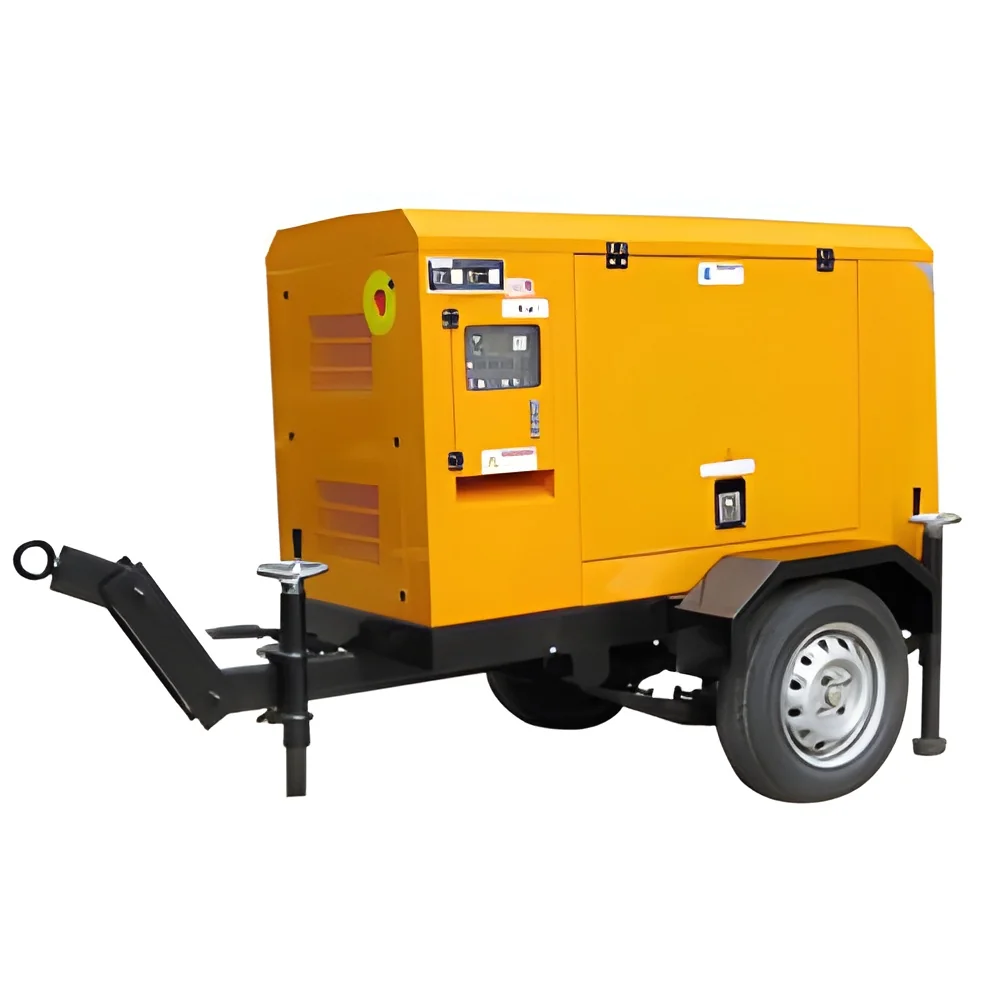
Open Type Generators: These generators are designed for portability and ease of maintenance. They are typically used in construction and temporary setups where noise and weather conditions are manageable.
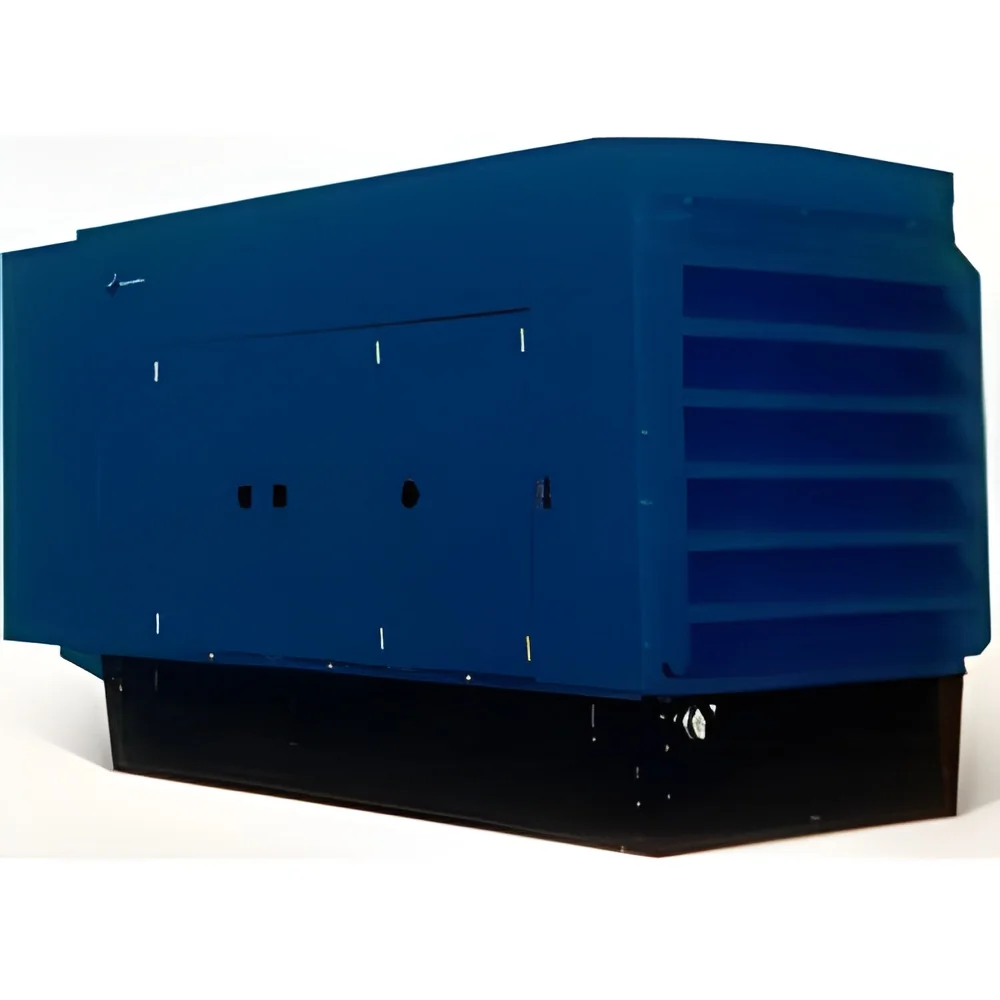
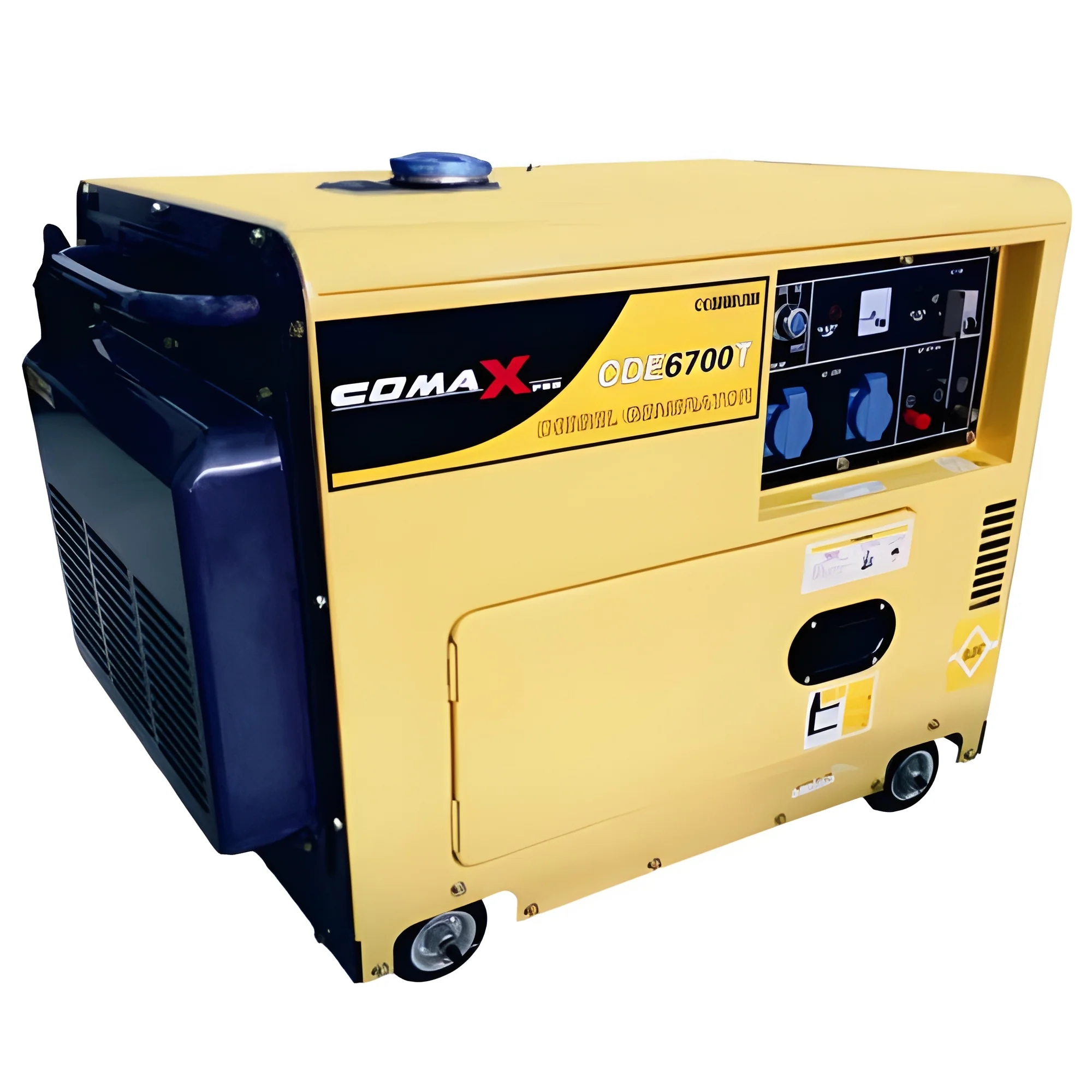
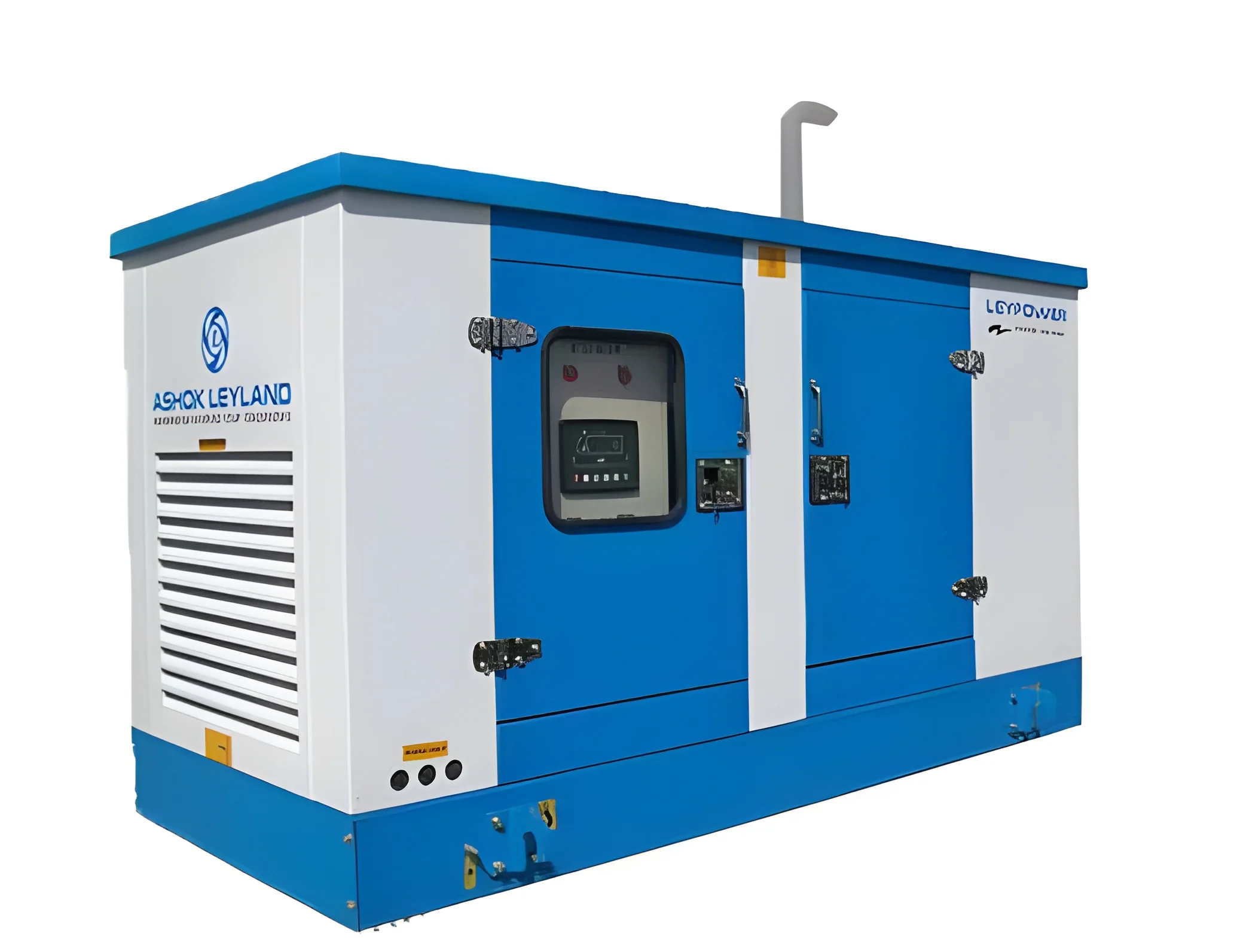
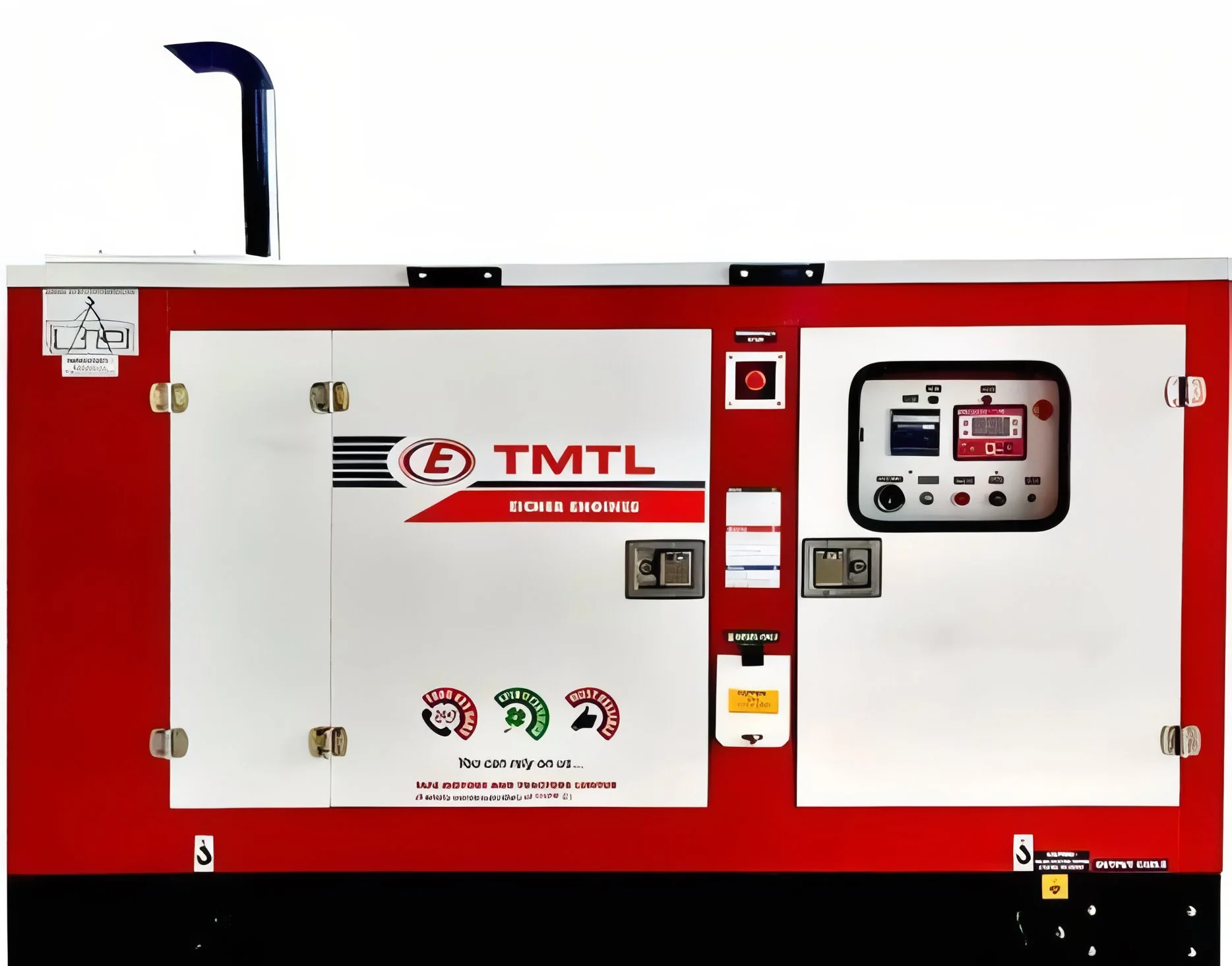
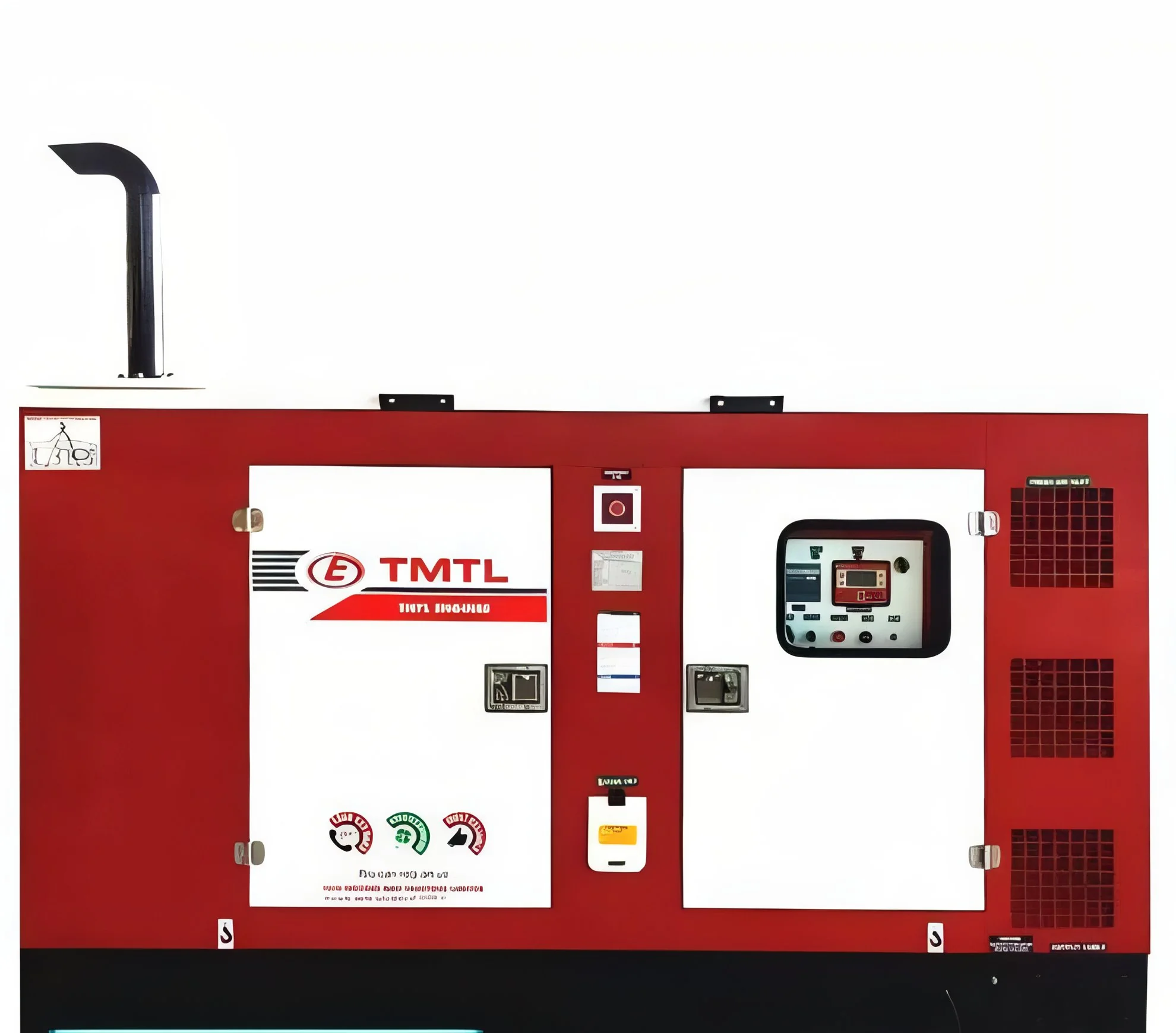
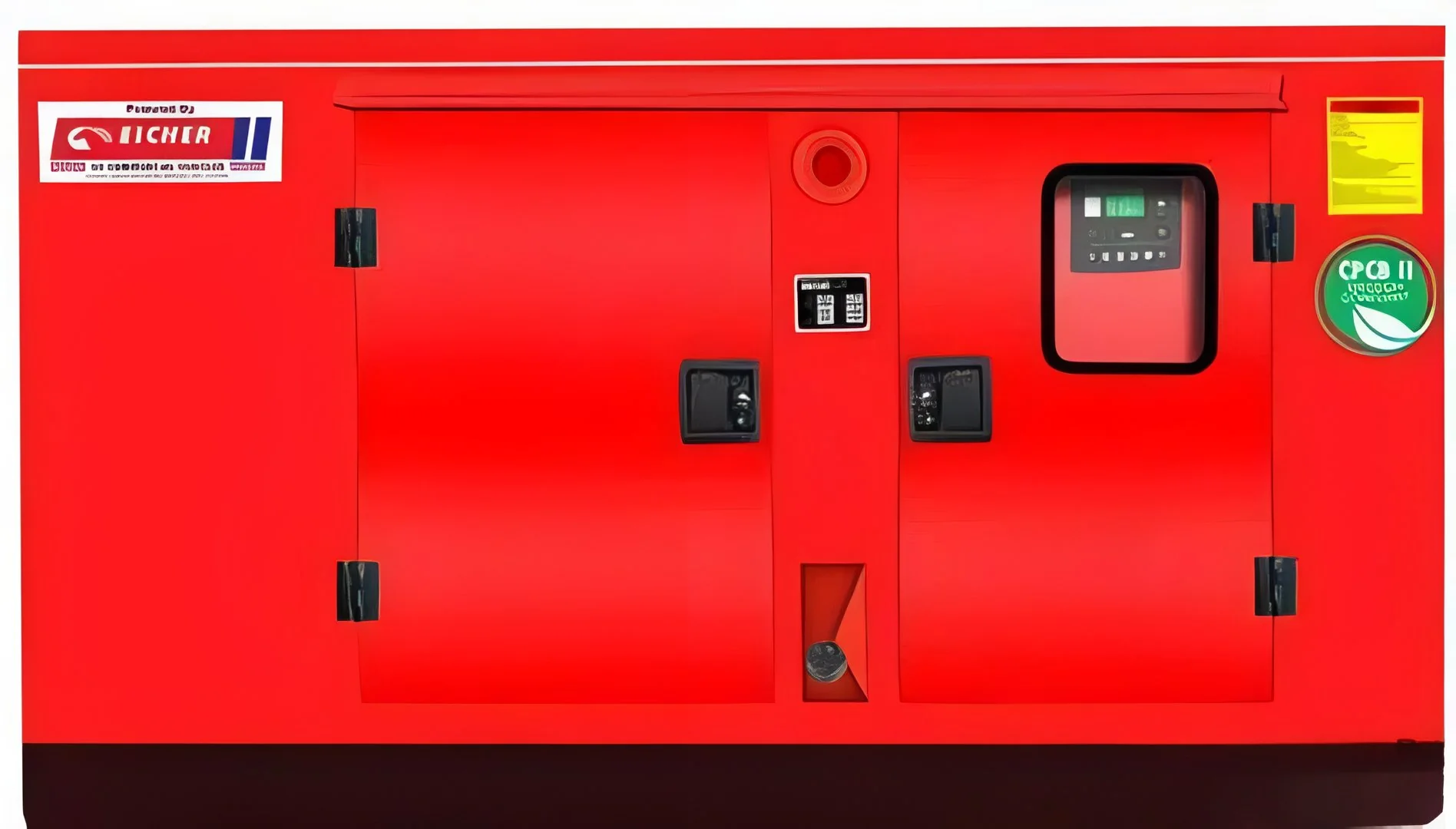
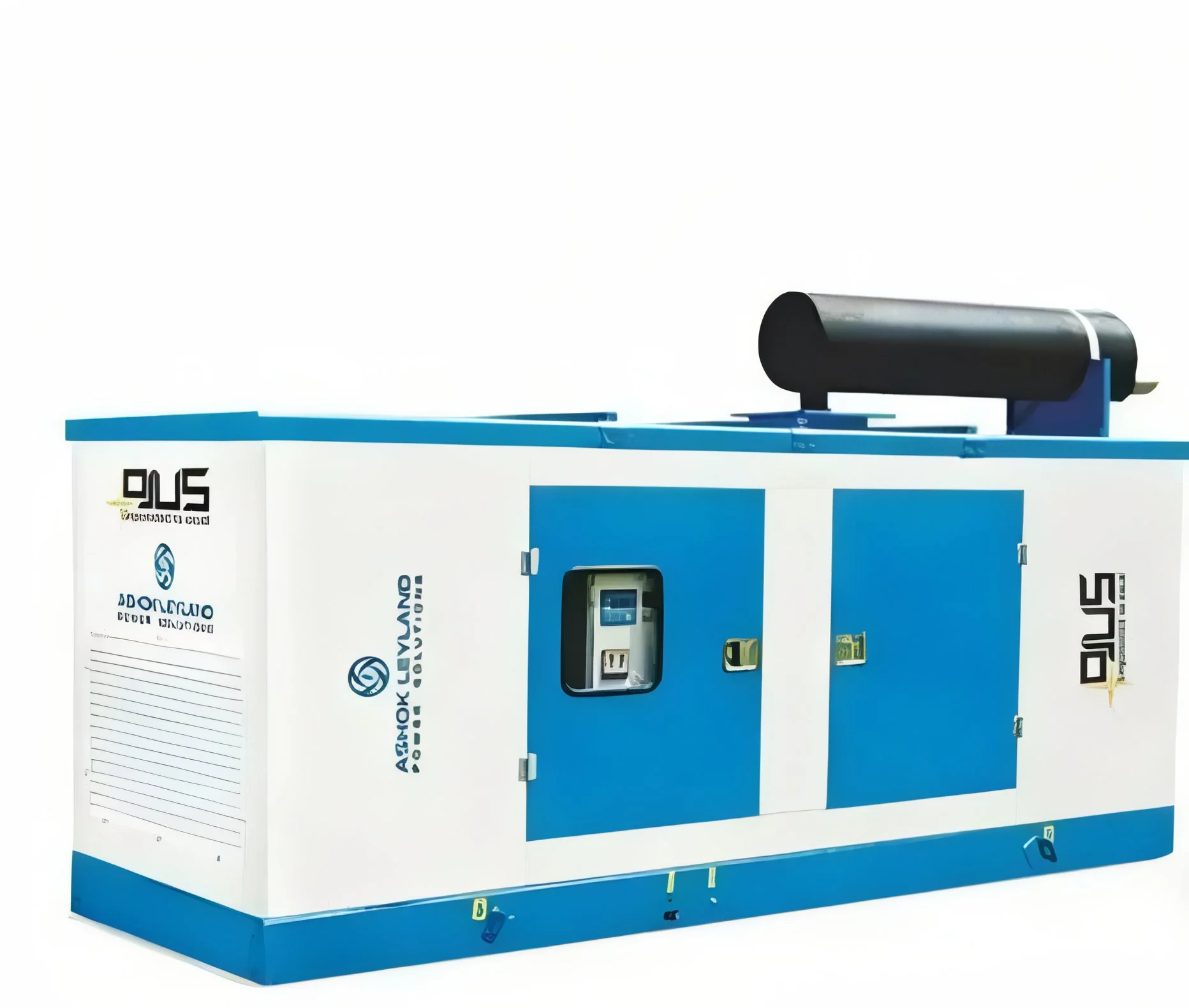
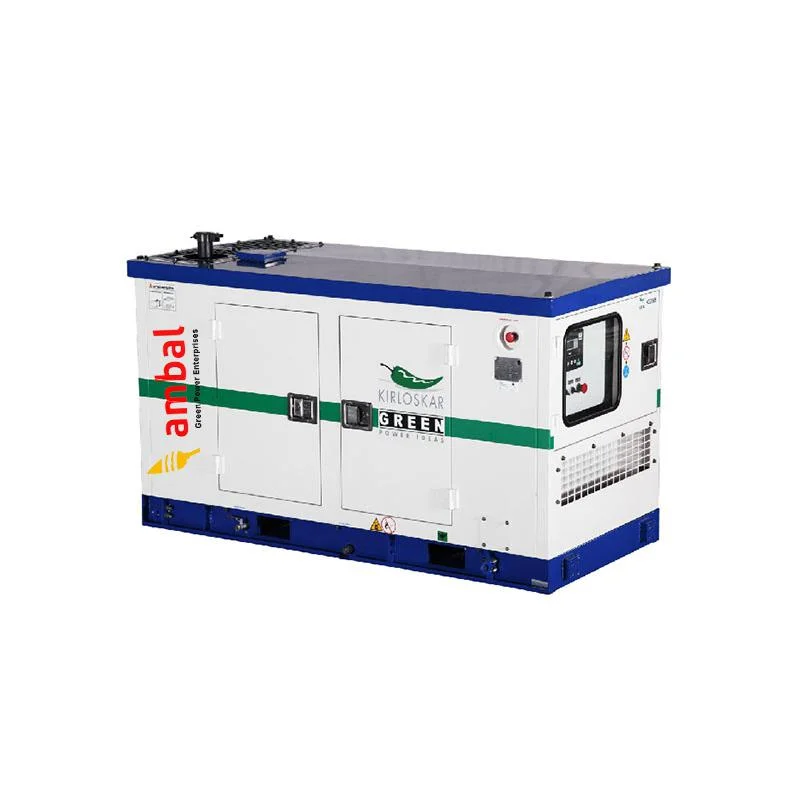
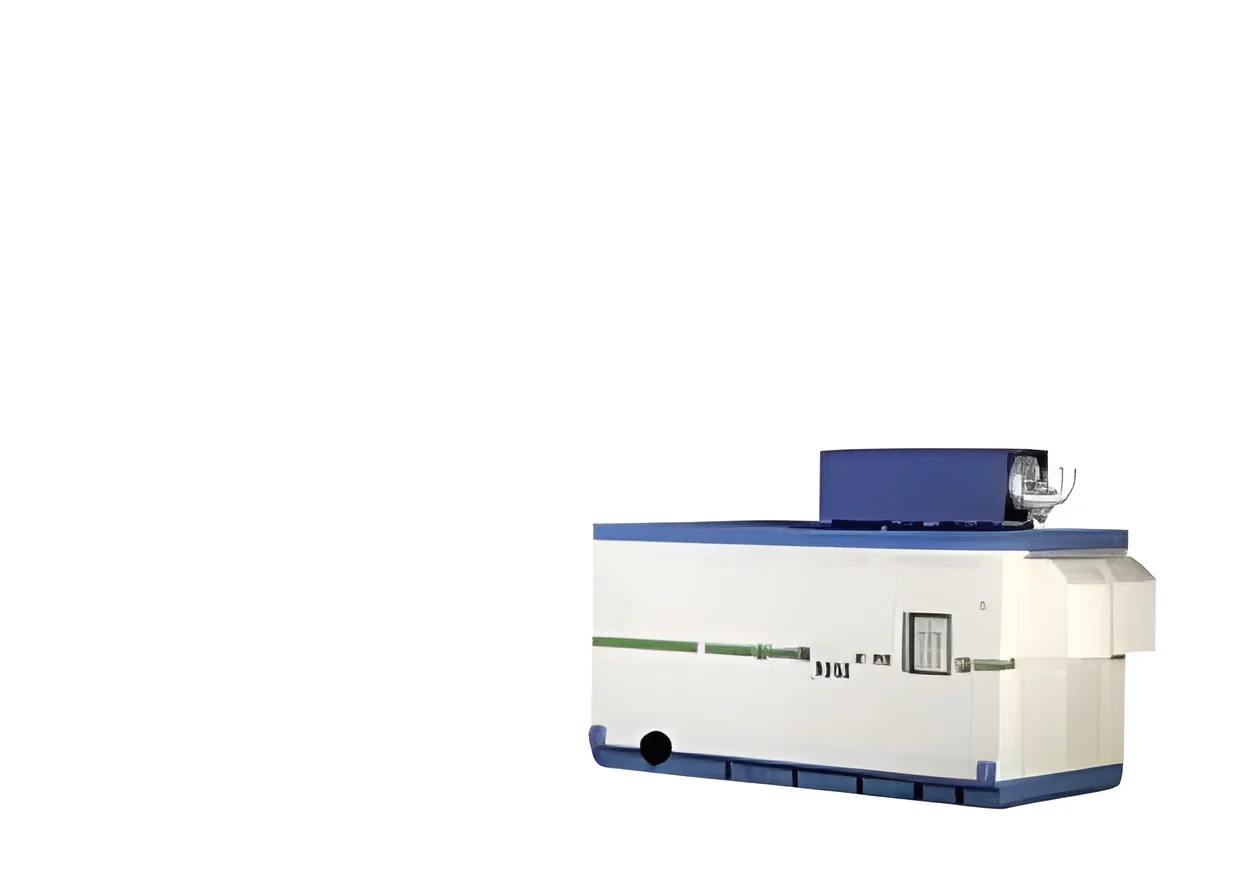
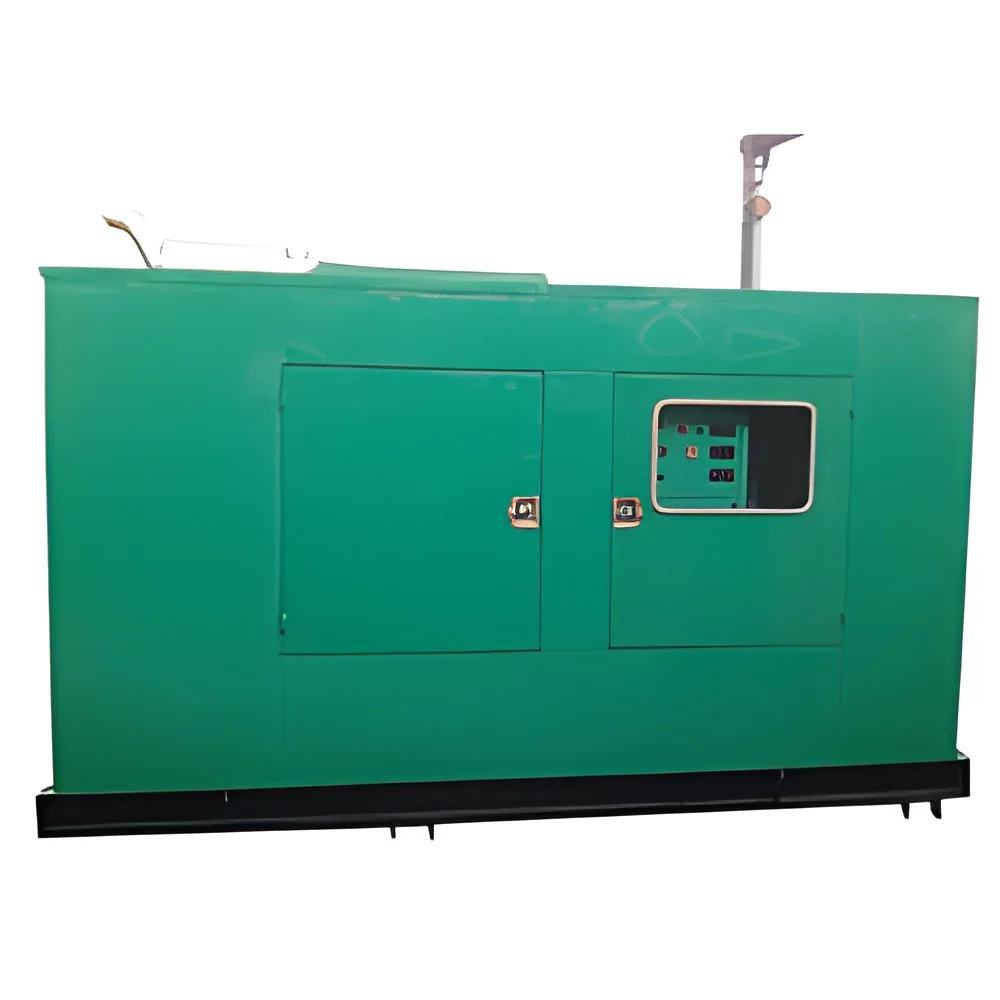
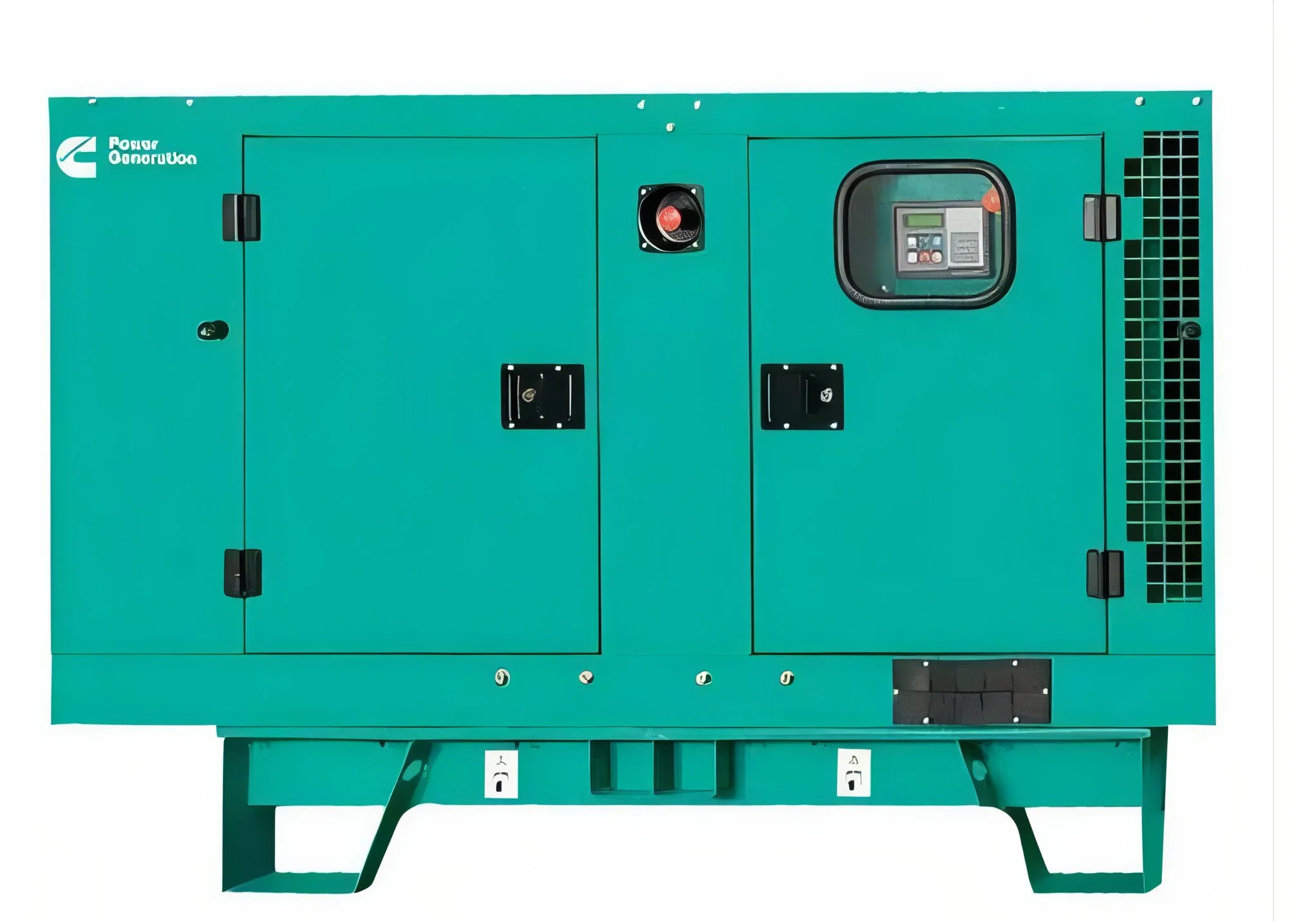
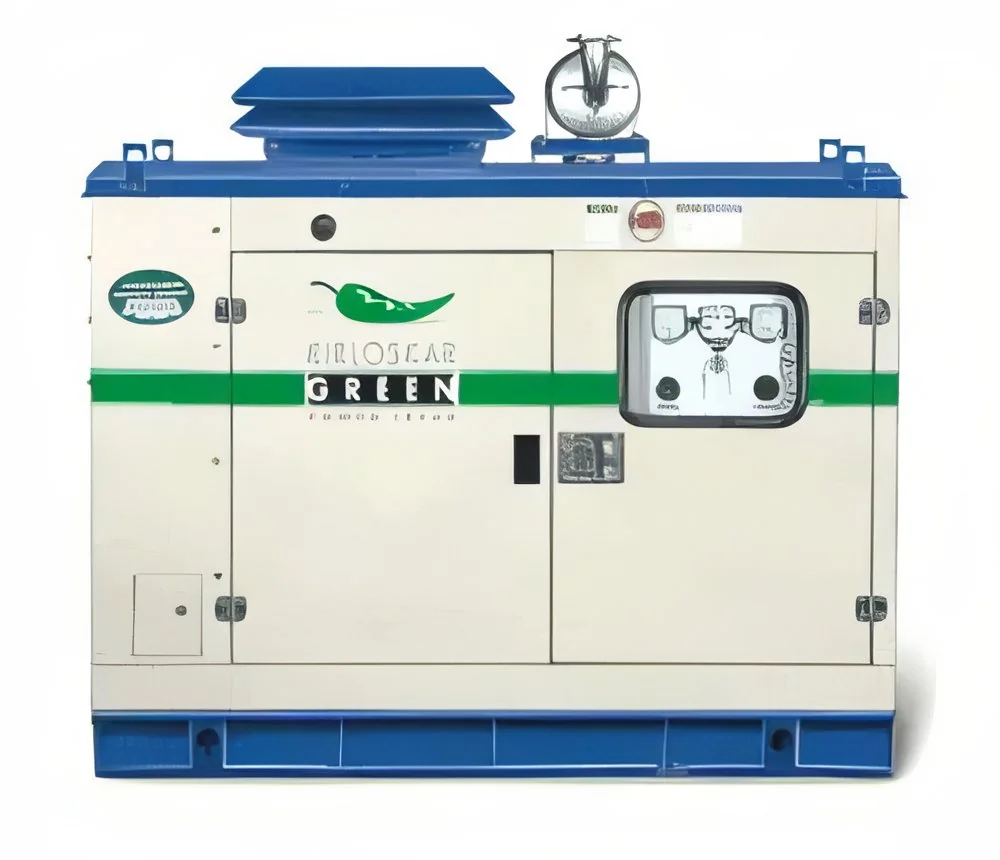
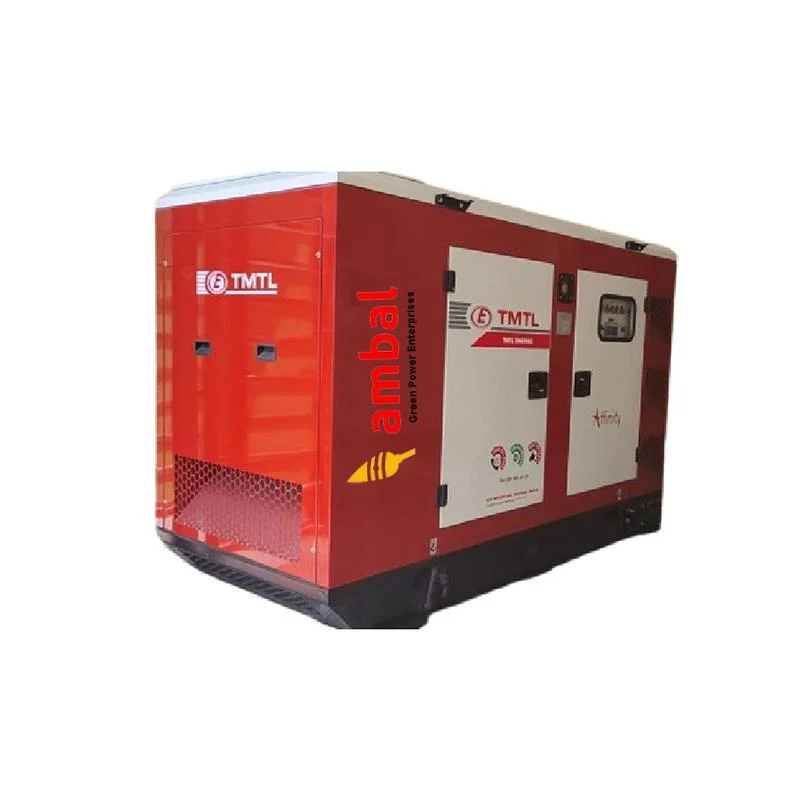
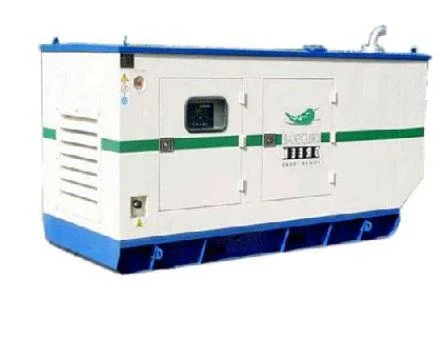
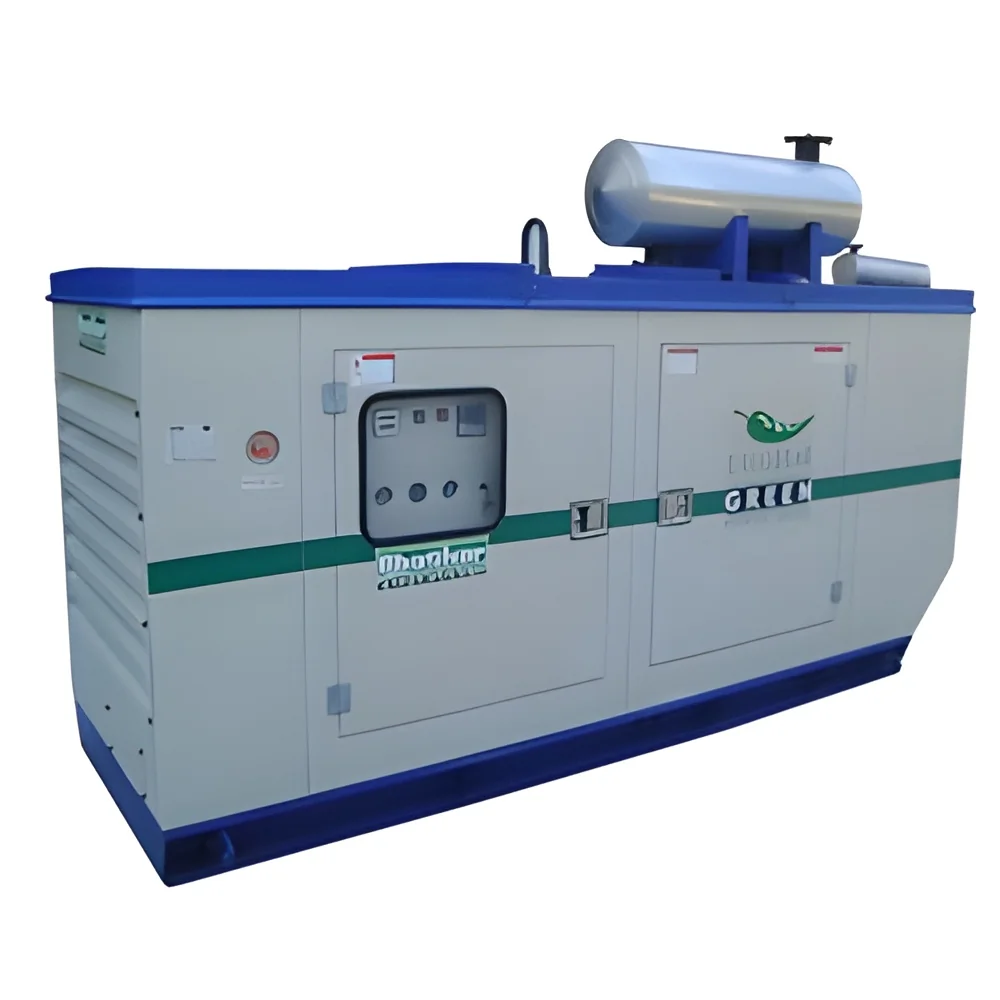
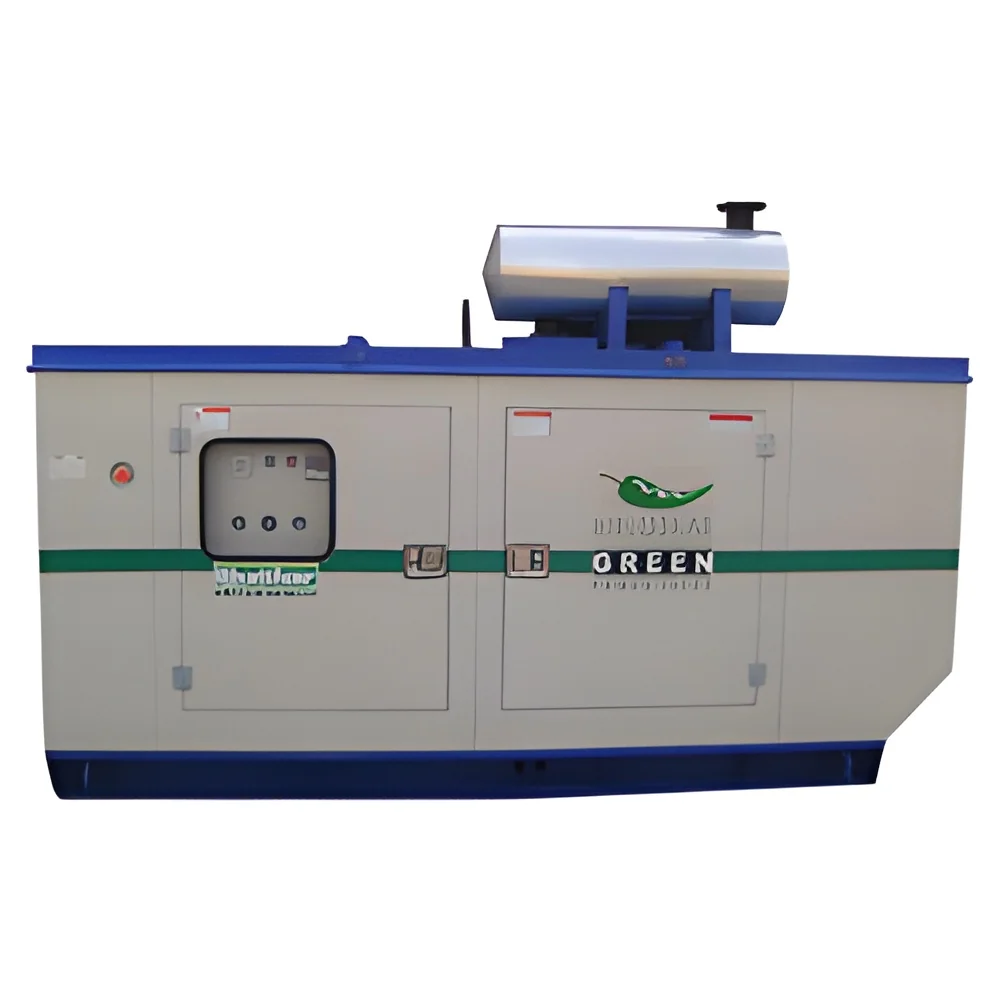
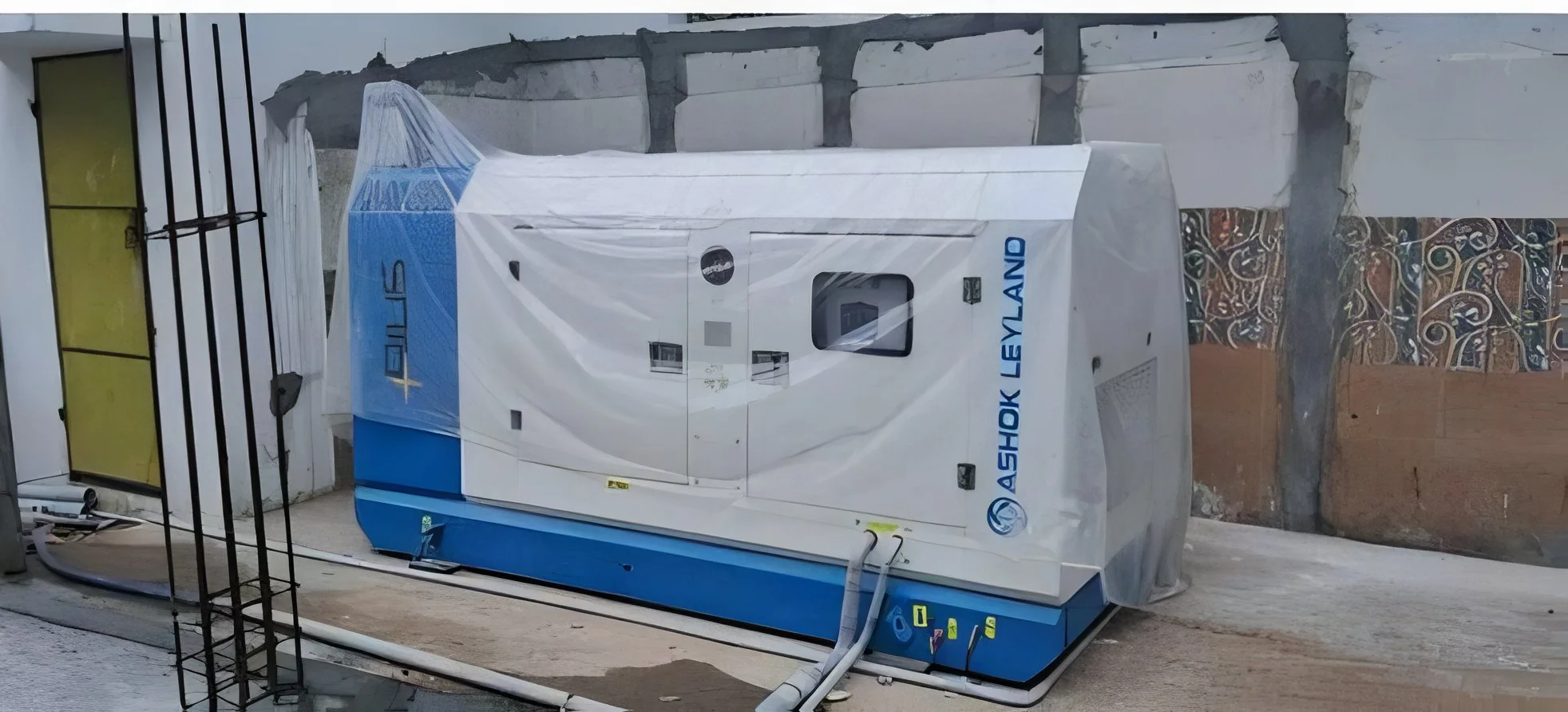
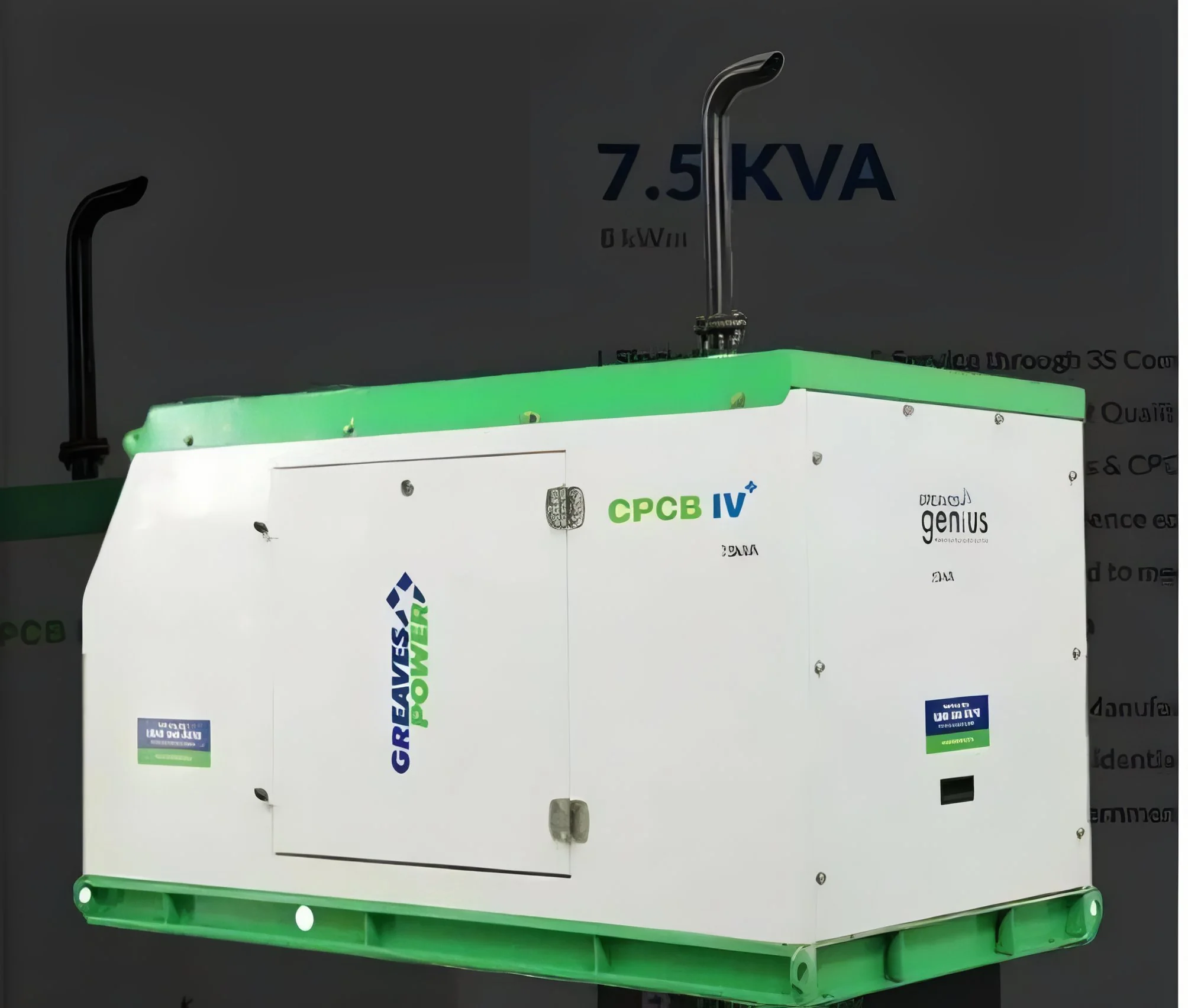
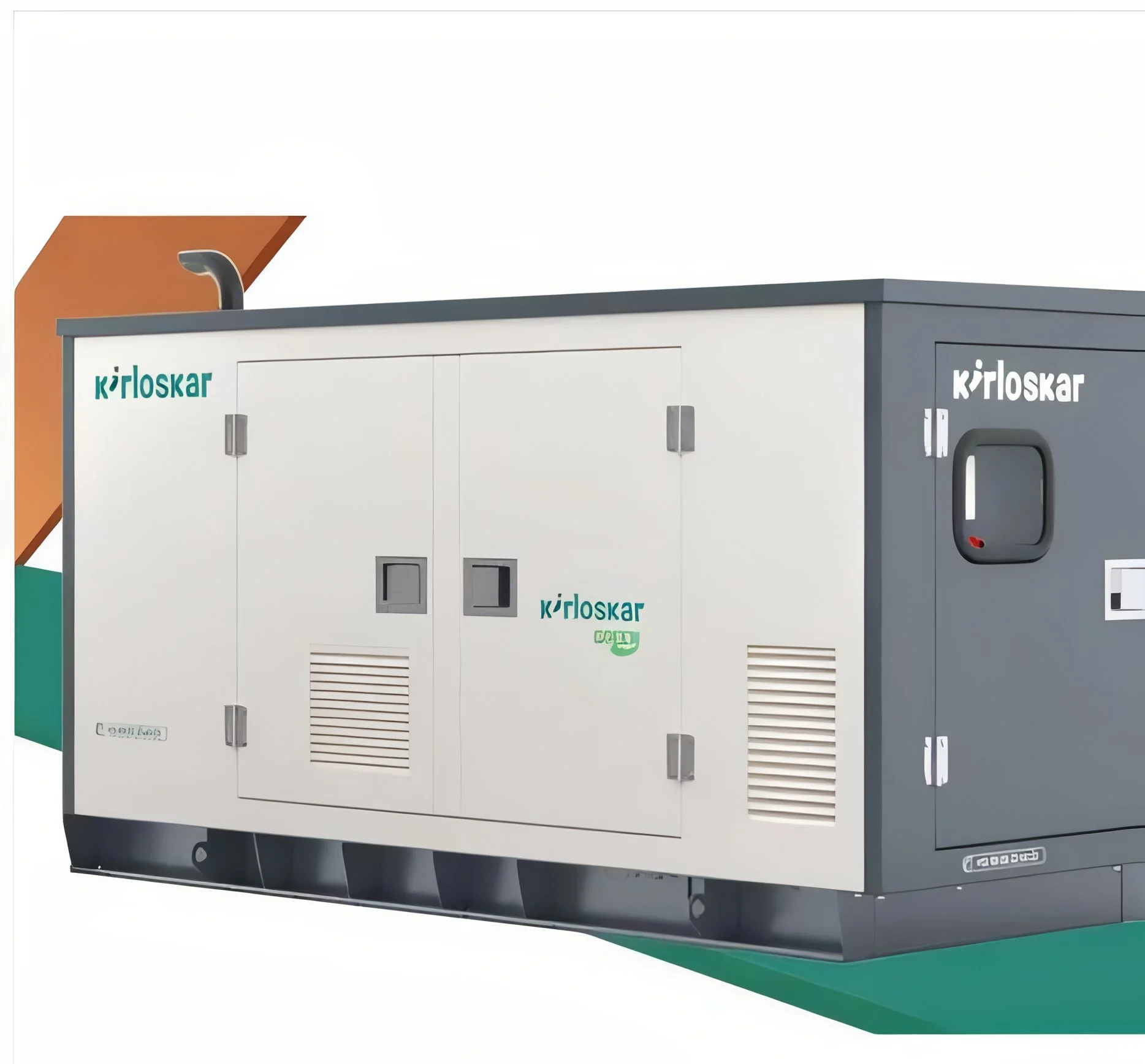
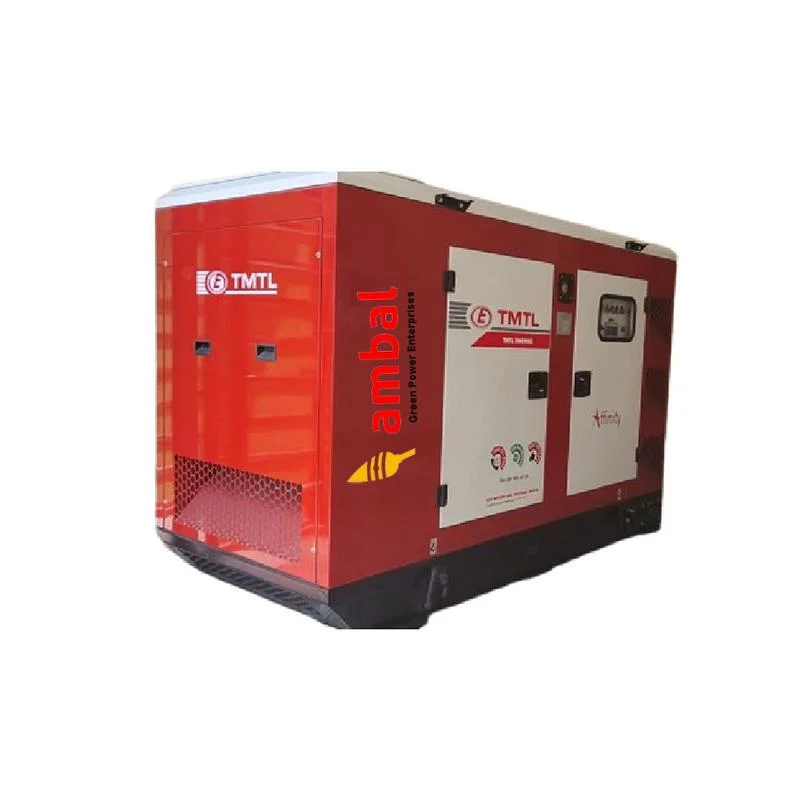
Silent Type Generators: Engineered for noise reduction, these generators are ideal for urban environments or applications where noise control is essential. They feature soundproof enclosures that minimize operational noise.
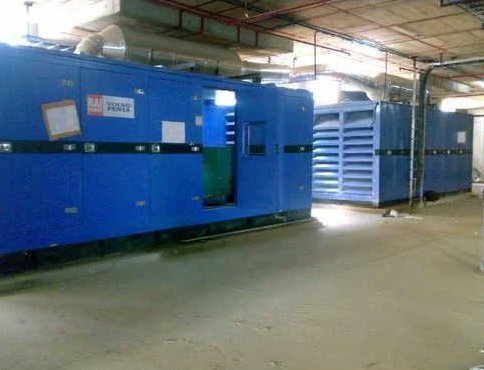
Containerized Generators: These are housed in robust containers, making them suitable for remote locations. They provide enhanced protection against environmental factors and are often used in mining and oil field applications.
𝗕𝗲𝗻𝗲𝗳𝗶𝘁𝘀 𝗮𝗻𝗱 𝗔𝗱𝘃𝗮𝗻𝘁𝗮𝗴𝗲𝘀
Investing in diesel generators offers numerous benefits that make them a preferred choice for many businesses.
1. Reliability: Diesel generators provide consistent power supply, ensuring operations are not interrupted by grid failures.
2. Fuel Efficiency: Diesel fuel is generally more energy-dense than gasoline, leading to lower operating costs over time.
3. Durability: Diesel engines are built to withstand heavy use, making them suitable for long-term applications.
4. Versatility: They can be used in various settings, including construction sites, healthcare facilities, and remote locations.
5. Quick Startup: Diesel generators can start up quickly in emergencies, providing immediate power when needed.
6. Lower Emissions: Modern diesel generators are designed to meet stringent emissions regulations, making them a more environmentally friendly option compared to older models.
𝗕𝘂𝘆𝗶𝗻𝗴 𝗚𝘂𝗶𝗱𝗲 𝗳𝗼𝗿 𝗕𝟮𝗕 𝗕𝘂𝘆𝗲𝗿𝘀
When sourcing diesel generators from 5 kVA to 2000 kVA, businesses should consider several critical factors to ensure they make informed purchasing decisions.
1. Quality Assessment: Evaluate the build quality and performance specifications of the generators. Look for reputable brands known for reliability and durability.
2. Supplier Verification: Vet potential suppliers to ensure they have a track record of providing high-quality products. Check for reviews and ratings from other buyers.
3. Pricing and MOQ: Understand the pricing structure and the minimum order quantity requirements. Compare prices across different suppliers to ensure competitive pricing.
4. Delivery and Lead Times: Consider logistics, including delivery times and shipping costs. Ensure suppliers can meet your deadlines.
5. Compliance Requirements: Verify that the generators comply with relevant industry standards and regulations. This may include emissions standards and safety certifications.
𝗖𝗼𝗺𝗽𝗹𝗶𝗮𝗻𝗰𝗲 𝗮𝗻𝗱 𝗖𝗲𝗿𝘁𝗶𝗳𝗶𝗰𝗮𝘁𝗶𝗼𝗻𝘀
Diesel generators must adhere to various quality and safety standards to ensure performance and reliability. Key certifications include ISO 9001, which pertains to quality management systems, ensuring that manufacturers produce generators that meet consistent quality standards.
Additionally, compliance with CE certification demonstrates that the generators meet European health and safety requirements. This is particularly important for businesses operating in or exporting to European markets.
Safety and testing requirements are crucial in the manufacturing process of diesel generators. Manufacturers must conduct rigorous testing to ensure generators operate safely and efficiently under various conditions.
Regional compliance considerations are also important, as regulations may vary by location. Businesses should ensure that the generators they purchase comply with local regulations to avoid potential legal issues.
Why Source Diesel Generators (5 kVA to 2000 kVA) from Pepagora?
Pepagora offers a reliable platform for sourcing diesel generators ranging from 5 kVA to 2000 kVA. The platform is designed to connect buyers with verified suppliers, ensuring that customers can find high-quality products from reputable manufacturers.
The verified supplier network is a key advantage of sourcing through Pepagora. Each supplier is thoroughly vetted, providing peace of mind for buyers looking for reliable generators.
The streamlined RFQ process allows buyers to easily request quotes from multiple suppliers, facilitating comparison and ensuring they get the best deals.
Trade assurance and support from Pepagora further enhance buyer protection, ensuring that transactions are secure and that customers receive support throughout the purchasing process.
Additionally, Pepagora's regional coverage extends across India, the GCC, and Southeast Asia, making it easier for businesses in these areas to access dependable diesel generators tailored to their specific needs.