What are Static Voltage Regulators?
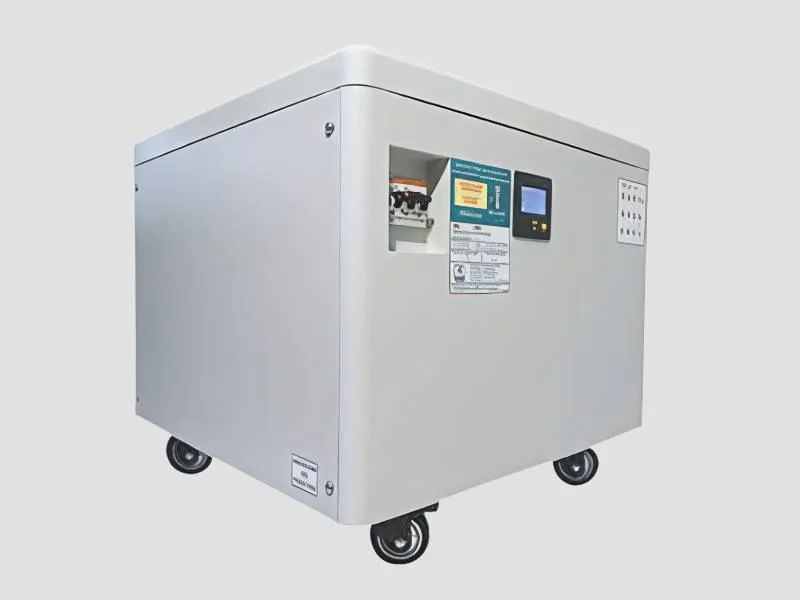
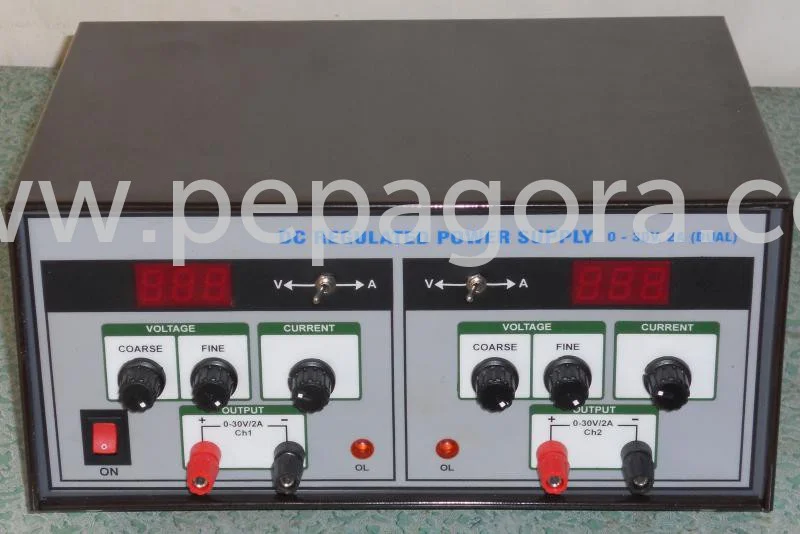
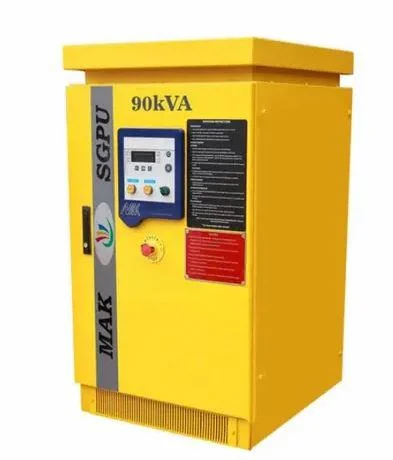
Static Voltage Regulators are essential electrical devices designed to maintain a constant voltage output regardless of fluctuations in the input supply voltage. They utilize electronic components to stabilize voltage levels, ensuring that sensitive equipment operates safely and efficiently. By automatically adjusting to variations in electrical supply, these regulators protect against potential damage and ensure optimal performance.
In industrial settings, Static Voltage Regulators find widespread applications in various sectors such as manufacturing, telecommunications, and data centers. They are crucial for equipment that requires stable voltage to function properly, including motors, computers, and communication devices. By providing a steady voltage supply, these regulators enhance the reliability and longevity of electrical systems.
The demand for Static Voltage Regulators is growing due to increasing reliance on electronic devices and systems across industries. As businesses strive for greater efficiency and reduced operational costs, the importance of maintaining consistent voltage levels becomes more pronounced. This trend supports the market for Static Voltage Regulators, making them a vital component in modern industrial infrastructure.
Key Features and Specifications
Static Voltage Regulators come with a range of features that cater to various industrial needs. These features enhance their performance and reliability in different applications. Understanding the specifications is essential for selecting the right model for specific operational requirements.
Key specifications include:
1. Voltage Regulation Range
- Maintains output voltage within a specified range.
- Typical ranges vary depending on the model and application.
2. Input Voltage Compatibility
- Designed to work with various input voltages.
- Common input ranges include 110V to 480V.
3. Output Voltage Stability
- Ensures minimal fluctuation in output voltage.
- Stability is often measured in percentage, such as ±1%.
4. Load Capacity
- Refers to the maximum load the regulator can handle.
- Capacity can range from a few kilowatts to several megawatts.
5. Response Time
- The time taken to adjust to changes in input voltage.
- Faster response times lead to better protection for connected equipment.
6. Efficiency Rating
- Indicates how effectively the regulator converts input power to output power.
- Higher efficiency ratings result in lower energy losses.
7. Operating Temperature Range
- Specifies the temperature conditions under which the regulator can operate.
- Common ranges are from -20°C to +60°C.
8. Safety Features
- Includes over-voltage and over-current protection.
- Enhances the safety of both the regulator and connected devices.
In summary, understanding these key features and specifications is crucial for selecting the appropriate Static Voltage Regulator for specific applications.
Common Applications and Use Cases
Static Voltage Regulators are utilized across diverse industries due to their ability to ensure stable voltage supply.
1. Manufacturing: In manufacturing plants, these regulators protect machinery and equipment from voltage fluctuations that could lead to operational inefficiencies and equipment damage.
2. Telecommunications: The telecommunications industry relies on stable voltage for network infrastructure, ensuring uninterrupted service and minimizing downtime.
3. Data Centers: Data centers utilize Static Voltage Regulators to protect servers and sensitive equipment from voltage irregularities, maintaining optimal performance and data integrity.
4. Healthcare: In healthcare facilities, reliable voltage supply is critical for medical equipment, where any disruption could compromise patient safety.
5. Transportation: The transportation sector employs these regulators in systems like railway signaling and control systems to ensure consistent operation.
6. Chemical Processing: In chemical plants, voltage stability is necessary for maintaining precise control over production processes, avoiding costly errors and hazards.
7. Renewable Energy: Static Voltage Regulators are also used in solar and wind energy systems to manage the variable output and ensure a stable supply to the grid.
Product Variants and Subcategories
Static Voltage Regulators come in various forms to meet specific industrial needs.
Single-Phase Static Voltage Regulators
These regulators are designed for single-phase applications, often used in residential or small commercial settings. They provide stable voltage for household appliances and small machinery.
Three-Phase Static Voltage Regulators
Ideal for larger industrial applications, three-phase regulators are designed to handle higher loads. They ensure balanced voltage across three-phase systems, essential for larger motors and heavy equipment.
Voltage Stabilizers
These devices not only regulate voltage but also correct voltage levels to match the required specifications. They are particularly useful in regions with highly variable supply systems.
Benefits and Advantages
Static Voltage Regulators offer numerous benefits for businesses seeking reliability and efficiency.
1. Enhanced Equipment Protection: These regulators safeguard sensitive equipment from voltage spikes and drops, reducing the risk of damage.
2. Improved Operational Efficiency: By stabilizing voltage, they ensure that machinery operates at optimal levels, leading to increased productivity.
3. Cost Savings: Preventing equipment damage and operational downtime translates to significant cost savings over time.
4. Energy Efficiency: Many models are designed to operate with high efficiency, reducing energy waste and lowering utility bills.
5. Extended Equipment Lifespan: Consistent voltage supply helps prolong the life of electrical devices, minimizing replacement costs.
6. Simplified Maintenance: With stable voltage output, maintenance requirements decrease, allowing for more predictable operational budgets.
Buying Guide for B2B Buyers
When sourcing Static Voltage Regulators, several factors must be considered to ensure the best choice for your business needs.
1. Quality Assessment: Evaluate the quality of the regulators by checking for industry certifications and compliance with relevant standards. High-quality products are less likely to fail and provide better performance.
2. Supplier Verification: Vet suppliers carefully to ensure they have a good reputation and reliable track record in delivering quality products. Look for reviews and testimonials from other customers.
3. Pricing and MOQ: Understand the pricing structure and minimum order quantities (MOQ) offered by suppliers. This information is crucial for budgeting and planning.
4. Delivery and Lead Times: Assess the delivery capabilities of suppliers. Timely delivery is critical to avoid disruptions in operations.
5. Compliance Requirements: Ensure that the regulators meet any industry-specific compliance standards. This is vital for maintaining operational integrity and avoiding legal issues.
Compliance and Certifications
Static Voltage Regulators must meet various compliance and certification standards to ensure safety and reliability.
Quality standards such as ISO 9001 are relevant, emphasizing the importance of a quality management system in manufacturing processes. This certification assures buyers of the product's quality and consistency.
Industry certifications such as CE and UL are essential indicators of safety and compliance in different markets. CE certification is particularly important for products sold in Europe, while UL certification is recognized in North America.
Safety and testing requirements are critical in ensuring that the regulators function correctly and safely under various conditions. Regular testing and validation against these standards help maintain product integrity.
Regional compliance considerations may vary, making it essential for businesses to ensure that their chosen suppliers adhere to local regulations, particularly when operating across different geographical areas.
Why Source Static Voltage Regulators from Pepagora?
Pepagora provides a trusted platform for sourcing Static Voltage Regulators, ensuring a seamless experience for B2B buyers.
Verified Supplier Network: Pepagora collaborates with a network of verified suppliers, ensuring that buyers have access to quality products. This verification process helps eliminate risks associated with sourcing.
Streamlined RFQ Process: The request for quotation (RFQ) process on Pepagora is designed to be user-friendly, enabling buyers to receive multiple quotations quickly. This efficiency helps in making informed purchasing decisions.
Trade Assurance and Support: Pepagora offers trade assurance, protecting buyers from potential losses. Their support team is available to assist with any concerns throughout the purchasing process.
Regional Coverage: With a strong presence in India, the GCC, and Southeast Asia, Pepagora provides extensive regional coverage, making it easier for businesses in these areas to find suitable Static Voltage Regulators. This geographic reach ensures that buyers can access reliable products tailored to their specific market needs.

 IN
IN