
 IN
Online UPS Systems
6 products available
What are Online UPS Systems?
Online UPS Systems, or Uninterruptible Power Supply Systems, are critical devices designed to provide continuous power to connected equipment. They operate by converting incoming AC power to DC, which is then stored in batteries. When a power interruption occurs, the system instantly switches to battery power, ensuring that connected devices remain operational without any interruption. This seamless transition is crucial for sensitive equipment that requires constant power supply, such as servers, telecommunications equipment, and medical devices.
These systems are widely used in various business applications to protect against power outages, voltage fluctuations, and other electrical disturbances. They are essential in data centers, hospitals, financial institutions, and manufacturing facilities where downtime can lead to significant financial losses and operational disruptions. In today’s digital age, the reliance on technology makes Online UPS Systems increasingly relevant across industries, helping organizations maintain productivity and safeguard critical operations.
Key Features and Specifications
Online UPS Systems are characterized by several key features that enhance their performance and reliability. Understanding these specifications is essential for selecting the right system for your business needs.
Key specifications include:
1. Power Rating
- This specification indicates the maximum output power the UPS can provide.
- Typical ranges are from 1 kVA to 500 kVA, depending on the system size.
2. Output Waveform
- Online UPS Systems produce a pure sine wave output.
- This is crucial for sensitive electronic equipment that requires a stable power source.
3. Battery Type
- Common battery types include sealed lead-acid and lithium-ion.
- Lithium-ion batteries offer longer life and faster charging times.
4. Runtime
- This specifies how long the UPS can provide power during an outage.
- Runtimes can range from a few minutes to several hours, based on battery capacity.
5. Input Voltage Range
- The acceptable voltage range for input power.
- Common ranges are 110V to 300V.
6. Efficiency Rating
- This indicates how effectively the UPS converts input power to output power.
- High-efficiency models can exceed 95%, reducing energy costs.
7. Form Factor
- Refers to the physical size and configuration of the UPS.
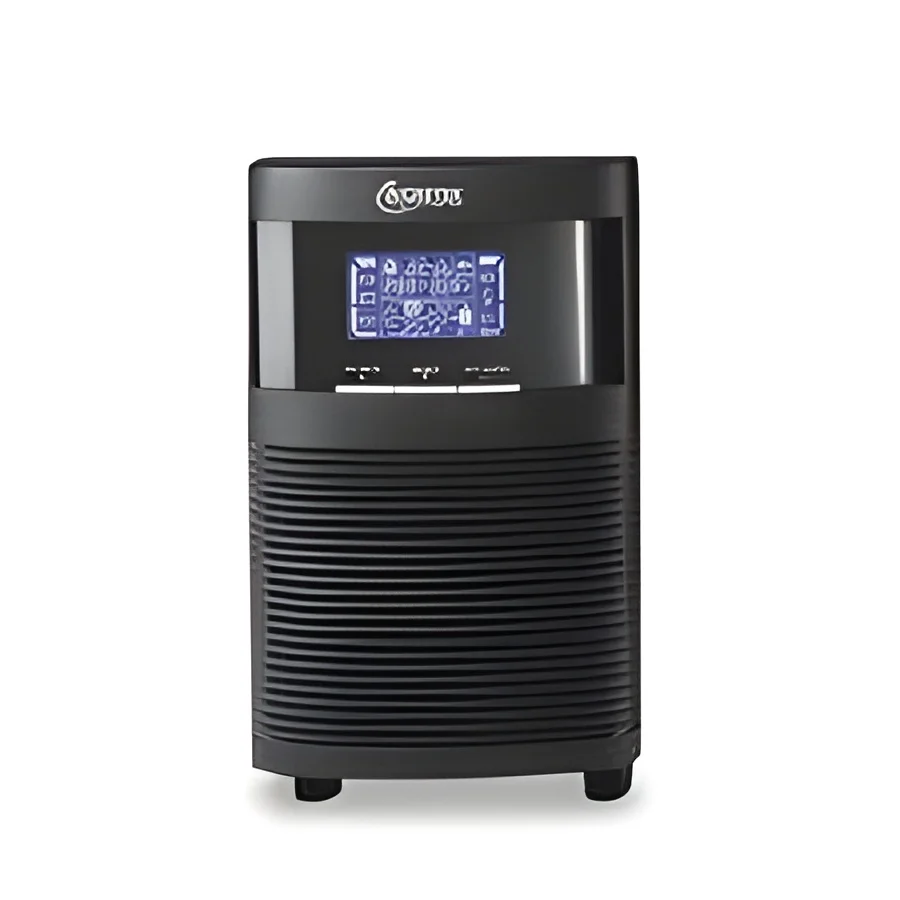
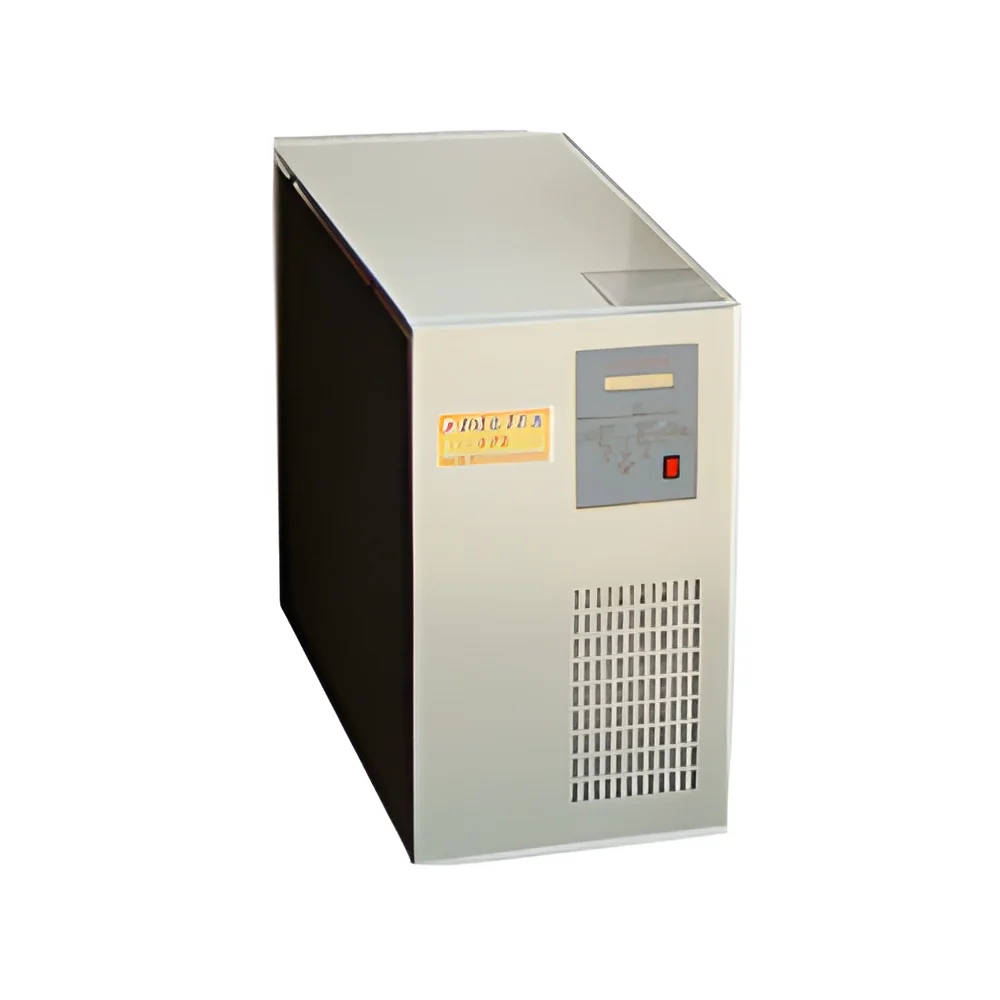
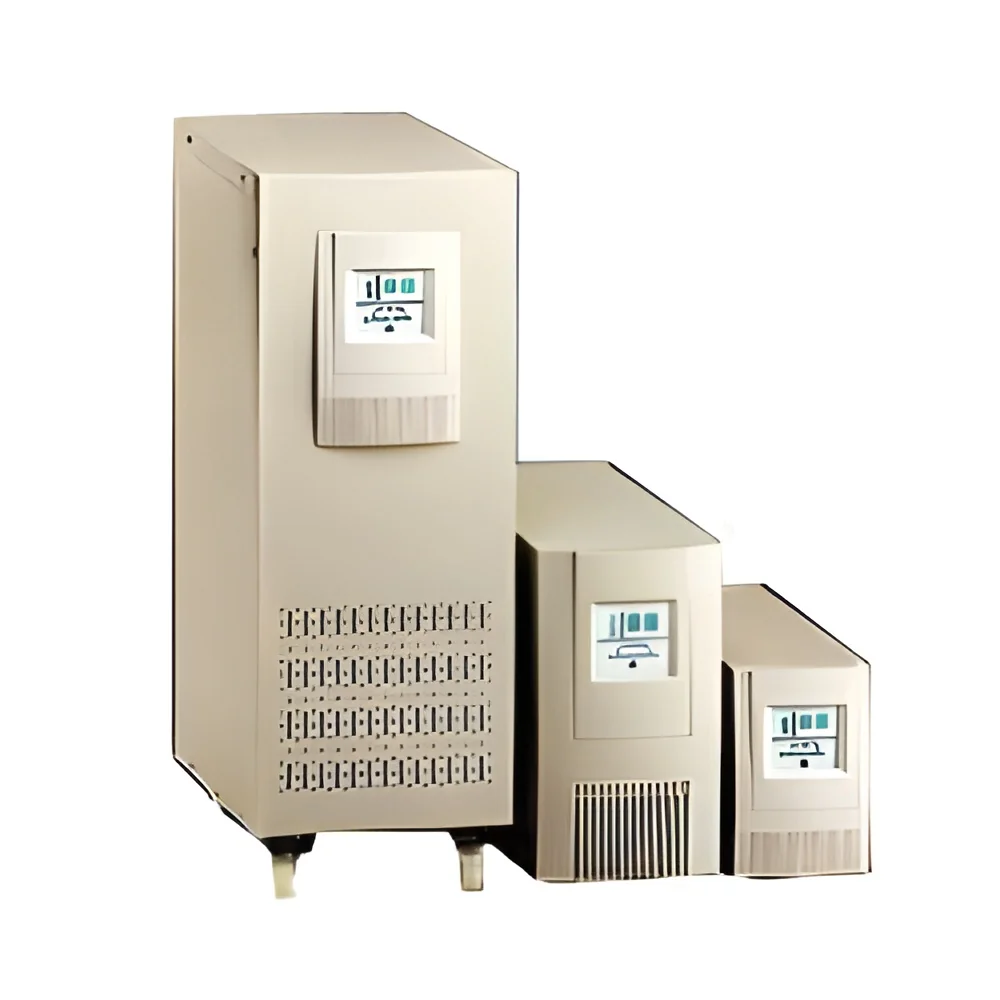
- Options include tower, rack-mounted, and modular systems.
8. Communication Interfaces
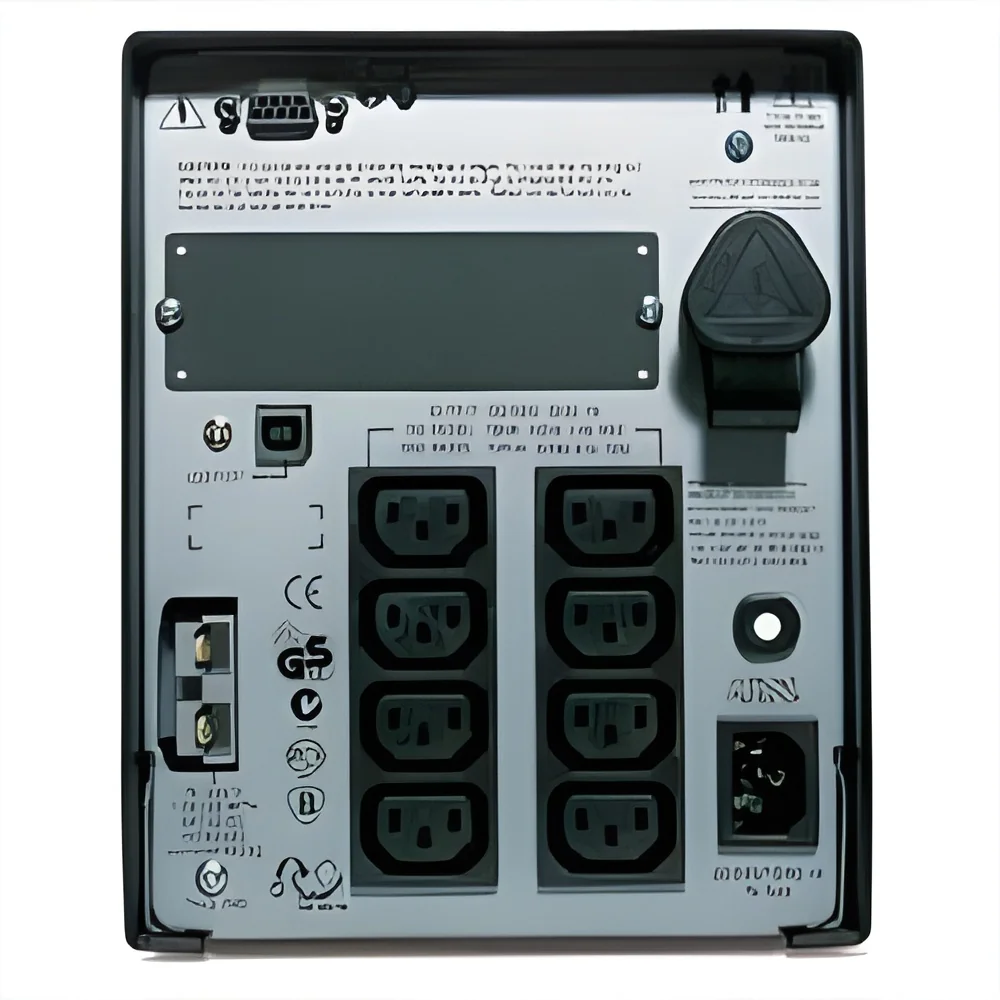
- Many models feature USB, RS-232, or network interfaces.
- These allow for remote monitoring and management of the UPS.
In summary, the features and specifications of Online UPS Systems are critical for ensuring they meet the power requirements of various applications while providing reliability and efficiency.
Common Applications and Use Cases
Online UPS Systems are versatile and can be utilized across many industries.
1. Information Technology: In data centers, Online UPS Systems protect servers and networking equipment from power disruptions, ensuring data integrity and system uptime.
2. Healthcare: Hospitals use these systems to maintain power for life-support equipment and critical medical devices, safeguarding patient care during outages.
3. Telecommunications: Telecom companies rely on Online UPS Systems to ensure uninterrupted service and connectivity, protecting infrastructure from power fluctuations.
4. Manufacturing: Production lines benefit from Online UPS Systems, as consistent power is essential for machinery and to prevent costly downtime.
5. Financial Services: Banks and financial institutions use these systems to protect sensitive transactions and maintain operations during power failures.
6. Education: Schools and universities utilize Online UPS Systems to safeguard computer labs and administrative offices, ensuring continuous access to digital resources.
7. Retail: Retailers use UPS systems to ensure that point-of-sale systems remain operational, protecting revenue during power outages.
Product Variants and Subcategories
Online UPS Systems come in various models to cater to different requirements and applications.
Tower UPS
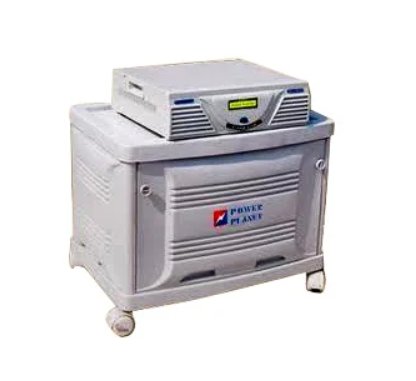
This variant is designed for standalone applications and is often used in small to medium-sized businesses. Tower UPS units are easy to deploy and provide reliable power backup.
Rack-Mounted UPS
These systems are specifically designed to fit into standard server racks. They are favored in data centers and IT environments where space is at a premium.
Modular UPS
These systems allow for scalability by adding additional power modules as needed. They are ideal for growing businesses that anticipate increased power demands in the future.
Benefits and Advantages
Online UPS Systems offer numerous benefits that make them essential for businesses relying on continuous power.
1. Continuous Power Supply: They provide uninterrupted power, ensuring that critical systems remain operational during outages.
2. Protection Against Power Fluctuations: Online UPS Systems guard against voltage spikes, surges, and noise, protecting sensitive equipment.
3. Enhanced Equipment Life: By providing clean and stable power, these systems help extend the lifespan of connected devices.
4. Remote Monitoring Capabilities: Many systems come with communication interfaces that allow for real-time monitoring and management.
5. Increased Operational Efficiency: Businesses can maintain productivity and avoid costly downtime due to power interruptions.
6. Cost Savings: By preventing equipment damage and downtime, Online UPS Systems can lead to significant long-term savings.
Buying Guide for B2B Buyers
When sourcing Online UPS Systems, several factors should be considered to ensure you select the right product for your needs.
1. Quality Assessment: Look for systems that meet industry standards and have a proven track record of reliability. Evaluate reviews and performance metrics to gauge quality.
2. Supplier Verification: Vet suppliers by checking their credentials, customer feedback, and experience in the industry. A reliable supplier can provide ongoing support and service.
3. Pricing and MOQ: Compare prices from different suppliers and understand the minimum order quantities. This will help in budgeting and ensuring you get the best deal.
4. Delivery and Lead Times: Consider logistics and how quickly the supplier can deliver the system. Timely delivery is crucial for maintaining operational continuity.
5. Compliance Requirements: Ensure that the UPS Systems comply with relevant regulations and industry standards, such as CE certification, to avoid legal issues.
Compliance and Certifications
Online UPS Systems must adhere to various quality standards and certifications to ensure safety and reliability.
ISO 9001 is a standard that outlines the requirements for a quality management system. Manufacturers of Online UPS Systems often pursue this certification to demonstrate consistent quality and customer satisfaction.
CE marking indicates compliance with European safety and health requirements. It assures buyers that the products meet essential safety standards.
Safety and testing requirements are critical in the design and manufacture of Online UPS Systems. Manufacturers typically conduct rigorous testing to ensure that their products can withstand electrical disturbances and operate safely under various conditions.
Regional compliance considerations may vary, depending on the market. Companies need to ensure that their UPS Systems comply with local regulations to facilitate smooth operation and avoid penalties.
Why Source Online UPS Systems from Pepagora?
Pepagora offers a reliable platform for sourcing Online UPS Systems while providing several key advantages.
Verified Supplier Network: Pepagora connects buyers with verified suppliers, ensuring that you work with reputable manufacturers who meet quality standards.
Streamlined RFQ Process: The Request for Quotation (RFQ) process is designed for efficiency, allowing buyers to easily request and compare quotes from multiple suppliers.
Trade Assurance and Support: Pepagora provides buyer protection with trade assurance, ensuring that your investment is safeguarded throughout the purchasing process.
Regional Coverage: With a strong presence in India, GCC, and Southeast Asia, Pepagora offers extensive geographic reach, making it easier for businesses in these regions to find suitable Online UPS Systems.


Frequently Asked Questions
What are Online UPS Systems?
Online UPS Systems are uninterruptible power supplies that provide continuous power to connected devices by converting incoming AC power to DC power and then back to AC. This type of UPS ensures zero transfer time during power failures, making it ideal for sensitive electronic equipment.
What are the different types of Online UPS Systems?
The main types of Online UPS Systems include double-conversion and delta-conversion systems. Double-conversion UPS systems provide the highest level of protection by continuously converting incoming power, while delta-conversion systems offer increased efficiency and lower operational costs.
How do I choose the right Online UPS Systems?
Choosing the right Online UPS System depends on factors such as the power requirements of your equipment, the desired runtime during outages, and the specific features needed, such as monitoring capabilities. It's important to assess both your current and future power needs.
What are the standard specifications for Online UPS Systems?
Standard specifications for Online UPS Systems typically include output power capacity (measured in kVA or kW), input and output voltage range, battery type and runtime, and efficiency ratings. Additional features may include communication ports and display interfaces.
What is the price range for Online UPS Systems?
The price range for Online UPS Systems can vary significantly based on capacity and features, typically ranging from INR 20,000 to several lakhs. Higher capacity systems with advanced features will generally be on the more expensive end of the spectrum.
What quality standards apply to Online UPS Systems?
Online UPS Systems are generally required to meet quality standards such as ISO 9001. Additionally, they may comply with safety and performance standards set by organizations like IEC, UL, or BIS, depending on the region.
Where can I find Online UPS Systems suppliers in India?
You can find Online UPS Systems suppliers in India through B2B marketplaces, trade shows, and online directories. Websites like Pepagora can connect you with reputable manufacturers and distributors offering various UPS solutions.
Can Online UPS Systems be customized?
Yes, many manufacturers offer customization options for Online UPS Systems, allowing you to tailor specifications such as capacity, features, and battery type to meet specific requirements. It's advisable to discuss customization needs directly with suppliers.
What is the typical minimum order quantity for Online UPS Systems?
The typical minimum order quantity (MOQ) for Online UPS Systems can vary by supplier and product specifications, often ranging from one unit to several units for bulk orders. It's best to check with individual suppliers for their specific MOQs.
What is the typical lead time for Online UPS Systems?
The typical lead time for Online UPS Systems can range from a few days to several weeks, depending on the manufacturer's inventory and customization requests. It's important to confirm delivery timelines with the supplier when placing an order.
Why Businesses Trust Pepagora
Thousands of companies trust Pepagora to source smarter and sell faster
Expand Your Sales Globally

Source Smarter,Grow Faster
