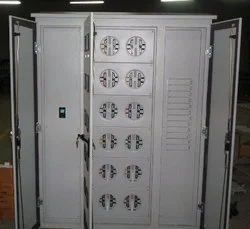
What are Load Banks for Testing?
Load banks are essential devices used to simulate electrical loads for testing and maintaining power generation equipment. They are designed to apply an electrical load to generator systems, ensuring that they perform optimally under various conditions. By providing a controlled environment for testing, load banks help ensure that the equipment can handle the capacity it was designed for and identify any potential issues before they lead to equipment failure.
Load banks find primary use in industries where reliable power generation is critical. This includes sectors such as telecommunications, data centers, and industrial manufacturing. Businesses utilize these devices to conduct routine maintenance, verify generator capabilities, and ensure compliance with regulatory standards. The relevance of load banks extends beyond mere testing; they play a vital role in emergency preparedness and operational continuity across various industries.
In today's market, the growing demand for reliable power solutions has underscored the importance of load banks. As industries increasingly rely on backup power systems, the need for regular testing and maintenance of generators has become paramount. Therefore, load banks have carved out a significant niche in the industrial equipment market, becoming indispensable for ensuring operational reliability.
Key Features and Specifications
Load banks come equipped with various features that enhance their functionality and reliability. Understanding these specifications is crucial for selecting the right load bank for specific applications.
Key specifications include:
1. Load Capacity
- The maximum load the bank can handle, often measured in kilowatts (kW) or megawatts (MW).
- Typical ranges can vary widely based on the model and application.
2. Control Interface
- User-friendly interfaces that allow for easy operation and monitoring.
- Features may include digital displays and remote monitoring capabilities.
3. Cooling Mechanism
- Load banks can be air-cooled or water-cooled, depending on the design.
- Cooling systems ensure that the equipment operates within safe temperature limits.
4. Portability
- Some load banks are designed to be mobile, featuring wheels or transport frames.
- Portability is essential for applications requiring on-site testing.
5. Safety Features
- Built-in safeguards such as overload protection and thermal cut-off switches.
- Safety mechanisms help prevent damage to both the load bank and the generator.
6. Compliance Standards
- Many load banks comply with industry standards such as CE certification.
- Ensures that the equipment meets safety and performance requirements.
7. Environmental Ratings
- Load banks may have ratings indicating their ability to operate under various environmental conditions.
- Important for applications in extreme temperatures or humidity levels.
8. Maintenance Requirements
- Specifications often include recommended maintenance schedules.
- Regular maintenance is essential for ensuring longevity and reliability.
Load banks are versatile devices that cater to a variety of testing needs, making it important to choose the right model based on specific requirements.
Common Applications and Use Cases
Load banks are utilized across different industries, providing essential testing and maintenance capabilities.
1. Telecommunications: Load banks are used to test backup generators that support communication infrastructures. Regular testing ensures uninterrupted service during power outages.
2. Data Centers: In data centers, load banks verify that backup power systems can handle the critical loads of servers and networking equipment. This testing is vital for operational reliability.
3. Industrial Manufacturing: Load banks are employed to test generators powering manufacturing machines. They ensure that equipment operates efficiently and reduces the risk of downtime.
4. Healthcare: Hospitals use load banks to maintain emergency power systems. Testing ensures that critical medical equipment remains operational during power failures.
5. Construction: On construction sites, load banks help test generators used for various tools and equipment. This application ensures construction projects can continue without delays.
6. Marine: Load banks are utilized in marine applications to test shipboard generators. Regular testing helps maintain safety and operational readiness at sea.
7. Oil and Gas: In the oil and gas industry, load banks test backup power systems for drilling rigs and refineries, ensuring compliance with safety regulations.
Product Variants and Subcategories
Load banks are available in various configurations to meet different testing needs. Each variant is designed to provide specific functionalities.
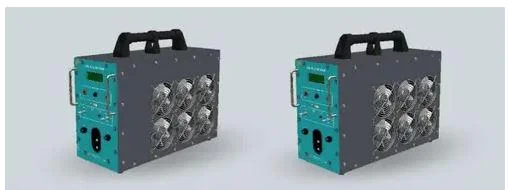
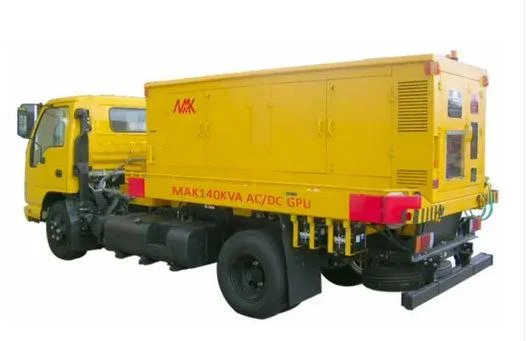
Portable Load Banks
These load banks are designed for mobility, making them ideal for on-site testing. They offer a range of capacities and can be easily transported to different locations for generator testing.
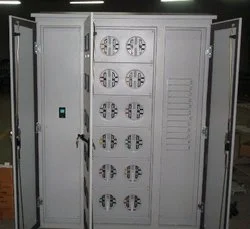
Fixed Load Banks
Fixed load banks are installed in a permanent location and are often used for continuous testing. They are suitable for large industrial applications and can handle significant power loads.
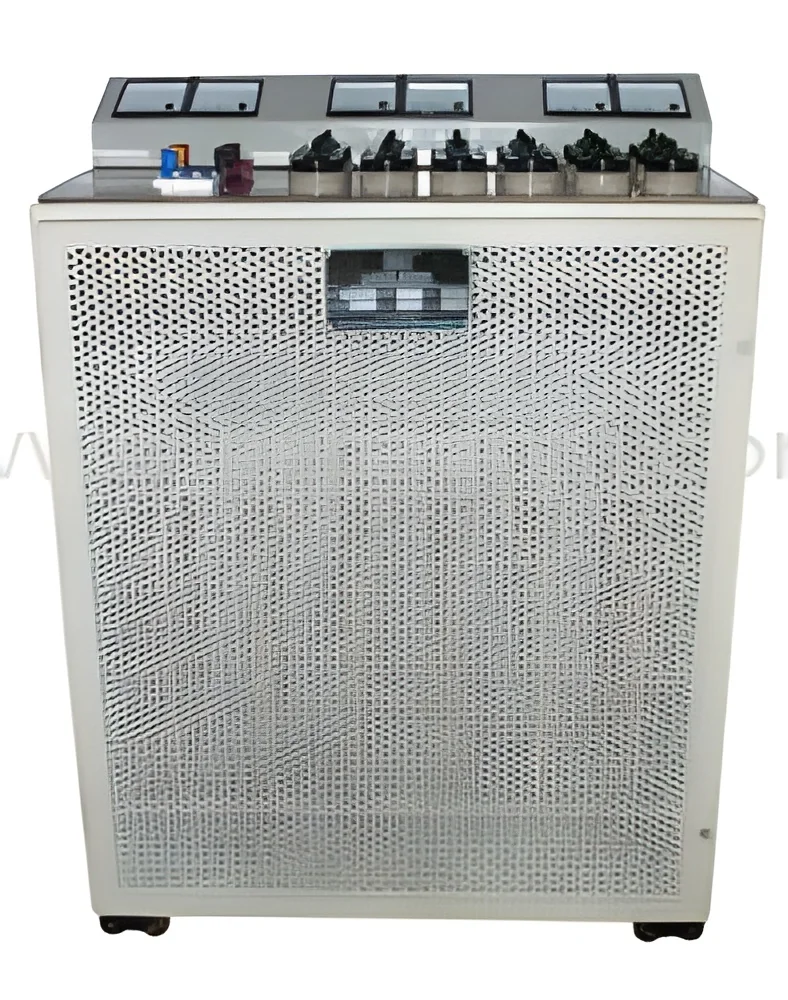
Resistive Load Banks
These load banks use resistive elements to create heat and simulate loads. They are commonly used for straightforward testing scenarios where precise load control is required.
Reactive Load Banks
Reactive load banks incorporate inductive or capacitive elements, allowing for more complex testing scenarios. They are essential for applications requiring power factor correction.
Hybrid Load Banks
Hybrid load banks can switch between resistive and reactive loads, providing flexibility for testing various generator types. They are suitable for advanced testing requirements.
Benefits and Advantages
Load banks offer numerous advantages to businesses that rely on power generation.
Key benefits include:
1. Reliable Testing: Load banks ensure that generators are tested under real-world conditions, verifying their performance and reliability.
2. Preventive Maintenance: Regular testing helps identify potential issues before they lead to costly failures, supporting proactive maintenance strategies.
3. Compliance Assurance: Load banks help businesses meet regulatory requirements for generator testing, ensuring adherence to industry standards.
4. Enhanced Performance: Testing with load banks can optimize generator performance, leading to improved efficiency and reduced fuel consumption.
5. Safety Enhancement: By verifying the reliability of backup power systems, load banks contribute to overall safety in operations, reducing risks associated with power outages.
6. Cost Efficiency: Investing in load banks can save money in the long run by minimizing downtime and preventing equipment failures.
Buying Guide for B2B Buyers
When sourcing load banks for testing, several factors should be considered to ensure the right choice for your business.
1. Quality Assessment: Evaluate the quality of load banks by reviewing manufacturer specifications and customer feedback. Look for certifications that indicate compliance with industry standards.
2. Supplier Verification: Vet suppliers to ensure they offer reliable products and services. Check for industry reputation, customer reviews, and after-sales support.
3. Pricing and MOQ: Understand the pricing structure and minimum order quantities (MOQ) when purchasing load banks. Compare prices among different suppliers to ensure competitive rates.
4. Delivery and Lead Times: Inquire about logistics and delivery times. Ensure that suppliers can meet your timeline requirements for testing equipment.
5. Compliance Requirements: Confirm that the load banks meet relevant safety and performance standards required in your industry, such as CE certification.
Compliance and Certifications
Compliance with industry standards is critical for load banks used in testing applications. Key quality standards include ISO 9001, which ensures effective quality management systems, and CE certification, which signifies conformity with European safety standards.
Load banks must meet safety and testing requirements that align with specific industry needs. This includes rigorous testing protocols to ensure operational safety and reliability. Additionally, regional compliance considerations may apply based on local regulations governing electrical equipment and power generation.
It is essential for businesses to stay informed about compliance requirements and certifications relevant to load banks. By adhering to these standards, companies can enhance their operational safety and performance.
Why Source Load Banks for Testing from Pepagora?
Pepagora stands out as a trusted platform for sourcing load banks for testing, offering several key advantages.
Verified Supplier Network: Pepagora connects buyers with a verified network of suppliers, ensuring access to high-quality load banks. This network undergoes strict vetting processes to guarantee reliability.
Streamlined RFQ Process: The platform simplifies the request for quotation (RFQ) process, enabling buyers to easily compare options and receive competitive quotes from multiple suppliers.
Trade Assurance and Support: Pepagora provides trade assurance, giving buyers confidence in their purchases. The platform offers support throughout the buying process, ensuring a smooth experience.
Regional Coverage: With a strong presence in India, the GCC, and Southeast Asia, Pepagora offers extensive regional coverage. This ensures that businesses can find local suppliers who understand their specific needs and market conditions.
In conclusion, Pepagora is an excellent choice for sourcing load banks for testing, providing a reliable and efficient platform to meet the demands of various industries.

 IN
IN