Key Features and Specifications
Gas generators come with several key features that enhance their performance and usability. Understanding these specifications helps businesses select the right model for their needs.
Key specifications include:
1. Power Output
- Ranges from 10 kW to several megawatts depending on the model
- Suitable for various applications from small businesses to large industrial sites
2. Fuel Type
- Operates on natural gas or biogas
- Flexibility to switch between fuel types in some models
3. Efficiency Rating
- Typically between 30% to 45% depending on the design
- Higher efficiency leads to lower operating costs
4. Emission Standards
- Designed to meet local and international emission regulations
- Reduces greenhouse gas emissions compared to diesel generators
5. Noise Level
- Operates at noise levels typically ranging from 60 dB to 80 dB
- Suitable for urban environments with noise restrictions
6. Control Systems
- Advanced monitoring and control systems for optimal performance
- Options for remote monitoring capabilities
7. Maintenance Requirements
- Generally requires less maintenance than traditional generators
- Simplified service intervals for longevity
8. Installation Type
- Available in stationary and mobile configurations
- Mobile units are ideal for temporary power needs
In summary, gas generators are characterized by their power output, fuel flexibility, and efficiency, making them suitable for various industrial applications.
Common Applications and Use Cases
Gas generators are utilized across diverse industries, providing reliable energy solutions tailored to specific needs.
1. Agriculture: Gas generators are used for powering irrigation systems, greenhouses, and livestock facilities. They can run on biogas produced from farm waste, contributing to sustainability.
2. Manufacturing: In manufacturing plants, gas generators provide backup power or operate as the primary energy source, ensuring uninterrupted production and reducing dependency on grid power.
3. Waste Management: Biogas generators convert organic waste into energy, enabling waste treatment facilities to generate power and reduce landfill waste.
4. Hospitals: Healthcare facilities utilize gas generators for backup power to ensure critical equipment remains operational during outages.
5. Data Centers: Gas generators offer a reliable power supply for data centers, ensuring constant uptime for servers and IT infrastructure.
6. Remote Locations: Industries operating in remote areas, such as mining and construction, rely on gas generators for portable power solutions.
7. Events: Temporary power setups for events and festivals often use gas generators, especially when grid access is limited.
Product Variants and Subcategories
Gas generators are available in various designs to meet unique customer requirements. Each variant offers distinct features suited for different applications.
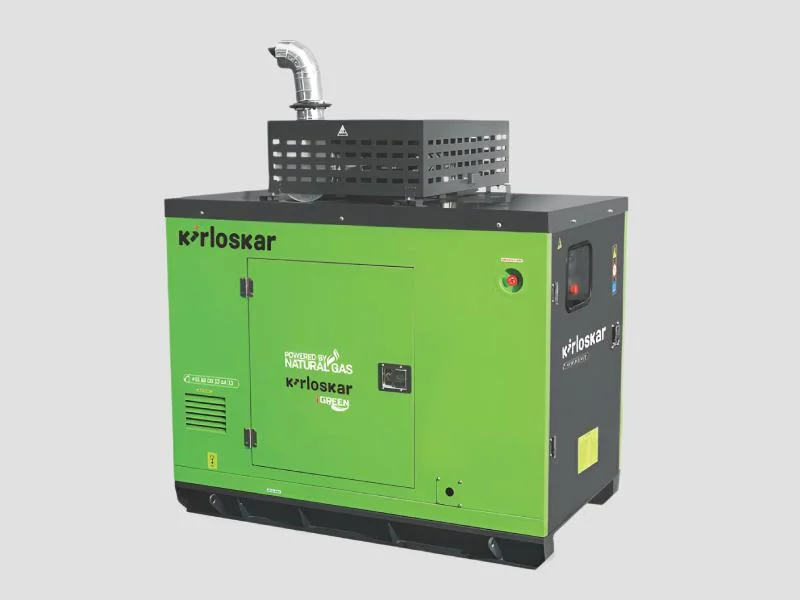
Natural Gas Generators: These generators are optimized for natural gas use, providing high efficiency and low emissions. They are suitable for industrial applications where natural gas is readily available.
Biogas Generators: Specifically designed to run on biogas, these generators help businesses convert waste into usable energy. They are ideal for agricultural operations and waste treatment facilities.
Dual-Fuel Generators: These versatile units can operate on both natural gas and biogas, allowing for flexibility in fuel sourcing. They are beneficial for users looking to switch between fuel types based on availability.
Benefits and Advantages
Gas generators offer several advantages that make them an attractive option for businesses seeking reliable energy solutions.
1. Cost Efficiency: Gas generators typically have lower fuel costs compared to diesel generators, resulting in reduced operational expenses.
2. Environmental Impact: Using natural gas or biogas leads to lower carbon emissions, aligning with corporate sustainability goals.
3. Reliability: Gas generators provide consistent power, ensuring critical operations remain unaffected by grid failures.
4. Versatility: Suitable for a wide range of applications, from backup power to primary energy sources, adapting to various business needs.
5. Low Maintenance: These generators often require less maintenance than traditional diesel generators, leading to lower long-term costs.
6. Quick Startup: Gas generators can start up quickly, providing immediate power during outages or peak demand.
Buying Guide for B2B Buyers
When considering the purchase of gas generators, it is essential to evaluate several factors to ensure the right choice.
1. Quality Assessment: Look for generators that meet reputable quality standards. Check for certifications and warranties to ensure reliability and performance.
2. Supplier Verification: Vet suppliers by reviewing their track record, customer feedback, and industry reputation. This helps ensure that you are sourcing from a reliable partner.
3. Pricing and MOQ: Understand the pricing structure and minimum order quantities (MOQ) set by suppliers. This will help you budget effectively for your purchase.
4. Delivery and Lead Times: Inquire about logistics and expected lead times. Timely delivery is crucial for maintaining project schedules and operations.
5. Compliance Requirements: Ensure that the generators comply with relevant regulations and industry standards. This is vital for safety and operational efficiency.
Compliance and Certifications
Gas generators must adhere to certain quality standards and certifications to ensure safety and reliability in their operation. Common standards include ISO 9001, which specifies requirements for a quality management system. This certification ensures that manufacturers maintain high-quality production processes.
Industry certifications such as CE mark indicate that the generators meet European health, safety, and environmental protection standards. This is crucial for ensuring that products are safe for use and comply with regional regulations.
Safety and testing requirements should also be considered. Generators must undergo rigorous testing to verify performance and emissions levels, ensuring they meet legal requirements and industry benchmarks. Additionally, regional compliance considerations vary, and it is important to understand local regulations before purchase.
Why Source Gas Generators (Natural Gas, Biogas) from Pepagora?
Pepagora is a trusted platform for sourcing gas generators, offering numerous advantages for B2B buyers.
Verified Supplier Network: Pepagora connects buyers with a network of verified suppliers. This ensures that businesses can trust the quality and reliability of the products they purchase.
Streamlined RFQ Process: The request for quotation (RFQ) process is designed to be efficient, allowing buyers to receive multiple quotes from suppliers quickly. This helps in making informed purchasing decisions.
Trade Assurance and Support: Pepagora provides trade assurance, protecting buyers from potential risks. The platform offers support throughout the procurement process to ensure a smooth transaction.
Regional Coverage: Pepagora has a broad geographic reach, serving regions like India, the GCC, and Southeast Asia. This ensures that businesses in various markets can access high-quality gas generators to meet their energy needs.

 IN
IN