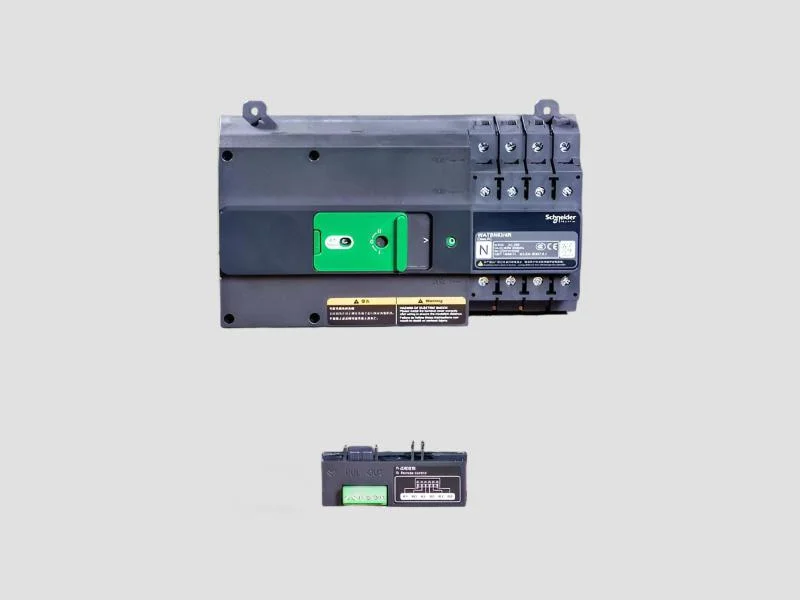
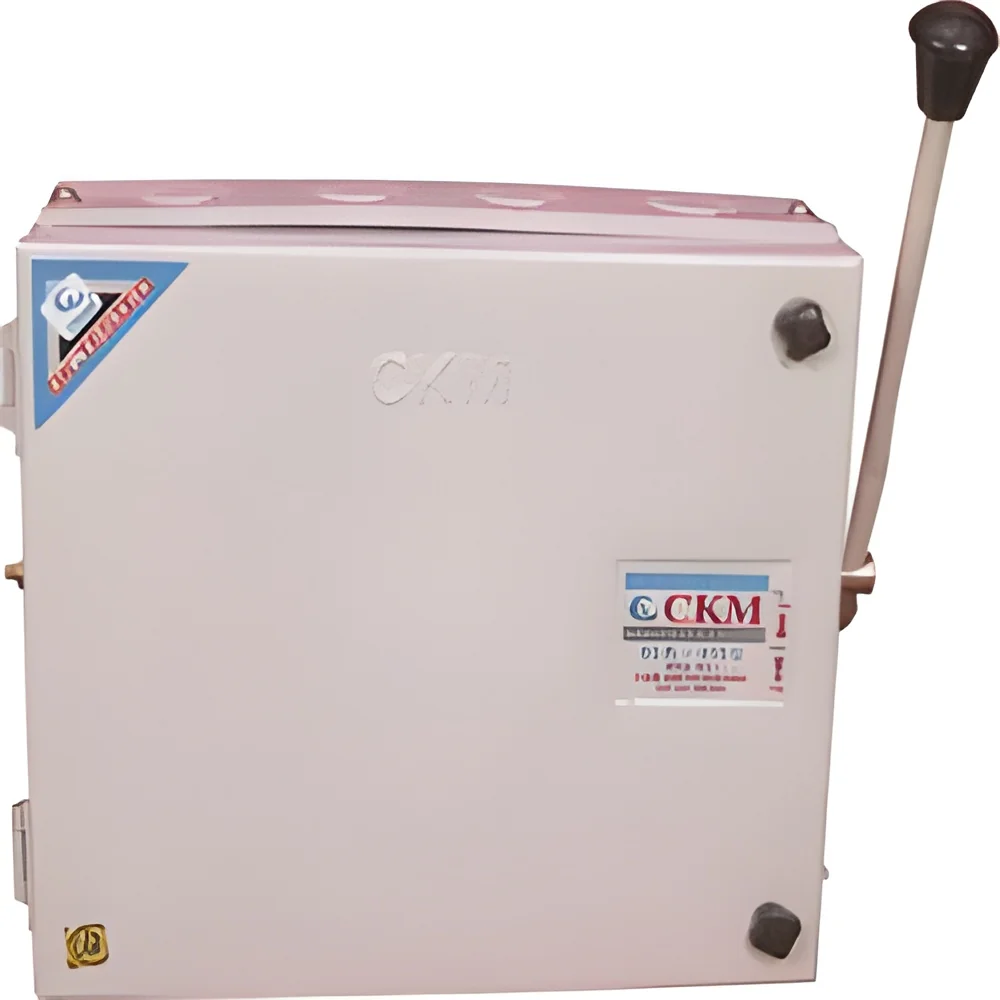
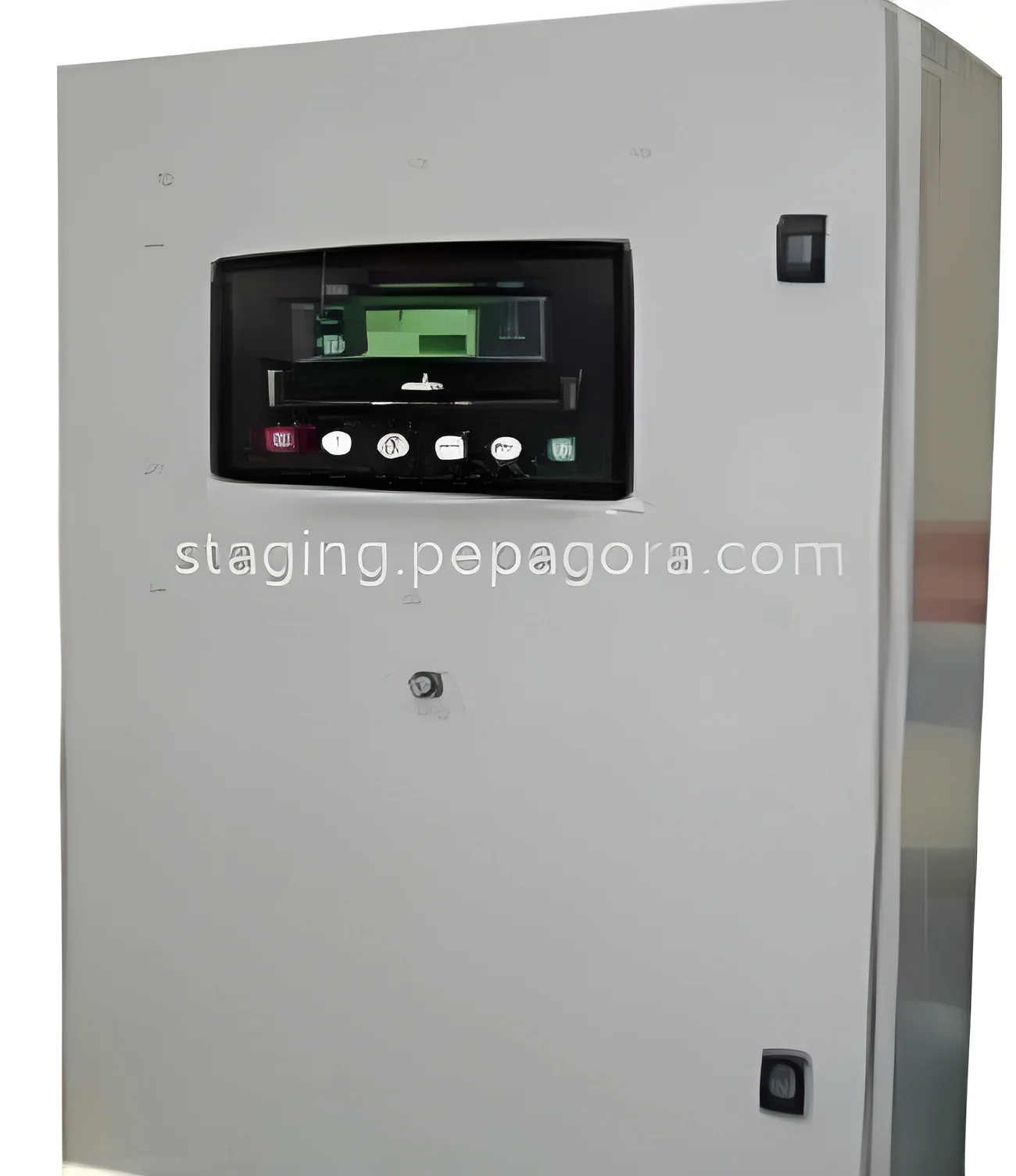
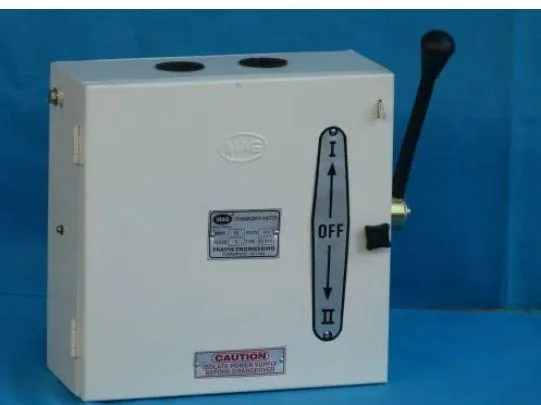
Key Features and Specifications
Automatic Transfer Switches come equipped with several features designed to enhance performance and reliability. Understanding these specifications is crucial for selecting the right ATS for your business needs.
Key specifications include:
1. Transfer Time
- The time it takes for the ATS to switch from the primary to the backup source.
- Typical ranges are between 1 to 30 seconds, depending on the application.
2. Operating Voltage
- The voltage level at which the ATS operates efficiently.
- Common ranges include 120V, 240V, and 480V configurations.
3. Current Rating
- The maximum current that the switch can handle.
- Ratings often vary from 100A to 4000A, accommodating different system sizes.
4. Phase Configuration
- ATS units can be single-phase or three-phase, depending on the electrical system.
- Three-phase configurations are often used in larger industrial applications.
5. Control Type
- The method used for controlling the switch operation.
- Options include manual, automatic, or programmable control systems.
6. Enclosure Type
- The type of housing that protects the ATS from environmental conditions.
- Options range from NEMA 1 for indoor use to NEMA 3R for outdoor use.
7. Monitoring Capabilities
- Some ATS models offer remote monitoring features for real-time status updates.
- Allows for proactive maintenance and quick response to issues.
8. Compliance Standards
- ATS units often meet industry standards such as CE certification.
- Ensures reliability and safety in operations.
Understanding these specifications can help businesses make informed decisions when selecting an ATS that best fits their operational needs.
Common Applications and Use Cases
Automatic Transfer Switches are versatile devices used across numerous industries to ensure power reliability.
1. Healthcare: ATS units are vital in hospitals and medical facilities, where uninterrupted power is essential for life-saving equipment and patient care.
2. Data Centers: In data centers, ATS ensures that critical IT infrastructure remains powered, preventing data loss and maintaining service availability.
3. Manufacturing: Manufacturing plants utilize ATS to maintain operations during power outages, ensuring production schedules are met without costly downtime.
4. Telecommunications: Telecom providers rely on ATS to keep communication networks operational, even during power disruptions.
5. Commercial Buildings: Office buildings and retail spaces use ATS to protect their operations, enhancing customer experiences by minimizing outages.
6. Education: Schools and universities implement ATS to ensure that facilities remain powered, supporting both administrative functions and student services.
7. Hospitality: Hotels and resorts utilize ATS to provide a seamless experience for guests, ensuring that amenities remain operational during power interruptions.
Product Variants and Subcategories
Automatic Transfer Switches come in various configurations to meet different operational needs.
Standard ATS
These are commonly used in most applications, designed for basic power transfer between utilities and generators. They are ideal for small to medium-sized operations.
Dual ATS
This variant allows for the connection of two separate backup power sources, providing added reliability. It is suitable for critical infrastructure requiring redundancy.
Manual Transfer Switch
While not automatic, manual transfer switches provide a cost-effective solution for smaller operations where automatic switching is not necessary.
Smart ATS
Equipped with advanced monitoring and control features, smart ATS units enable remote management and data analytics. They are ideal for modern facilities looking for enhanced operational insights.
Benefits and Advantages
The use of Automatic Transfer Switches offers numerous benefits to businesses.
1. Reliability: ATS provides a dependable power source transition during outages, ensuring critical operations remain functional.
2. Safety: By automating the transfer process, ATS reduces the risk of human error, enhancing workplace safety.
3. Cost-Effectiveness: Minimizing downtime can lead to significant savings, making ATS a valuable investment for businesses.
4. Flexibility: ATS units can be tailored to fit various applications, from small businesses to large industrial installations.
5. Compliance: ATS often meets industry standards, helping businesses adhere to regulatory requirements and ensuring safe power management.
6. Enhanced Monitoring: Advanced ATS come with monitoring capabilities, allowing businesses to track power usage and system health effectively.
Buying Guide for B2B Buyers
When sourcing Automatic Transfer Switches (ATS), it is essential to consider several factors to ensure the right choice for your organization.
1. Quality Assessment: Evaluate the quality of the ATS by checking for certifications and industry standards compliance. Reliable products typically come from manufacturers with a strong reputation.
2. Supplier Verification: Vet suppliers based on their experience, customer reviews, and the range of products they offer. A verified supplier will provide assurance of product quality and support.
3. Pricing and MOQ: Understand the pricing structure and minimum order quantities required by suppliers. This can vary significantly between manufacturers.
4. Delivery and Lead Times: Discuss delivery options and lead times with suppliers to ensure that the ATS can be integrated into your operations without delays.
5. Compliance Requirements: Confirm that the ATS meets any relevant regulatory requirements for your industry to ensure safety and operational efficiency.
Compliance and Certifications
Automatic Transfer Switches must adhere to specific quality standards and certifications to ensure reliability and safety in operations.
Many ATS products are manufactured under ISO 9001 standards, which focus on quality management systems. This certification signifies that the manufacturer meets international standards for quality assurance.
In addition to ISO standards, ATS must comply with safety regulations and may carry CE certification, indicating conformity with health, safety, and environmental protection standards within the European Economic Area.
Safety and testing requirements are critical, ensuring that the ATS operates effectively in various conditions. These may include temperature and humidity control measures to protect the units from environmental extremes.
Depending on the region, additional compliance considerations may be necessary. Buyers should verify the specific regulations applicable in their area to ensure that the ATS meets all legal and operational standards.
Why Source Automatic Transfer Switches (ATS) from Pepagora?
Pepagora offers a reliable platform for sourcing Automatic Transfer Switches (ATS), providing several key advantages for B2B buyers.
Verified Supplier Network: Pepagora connects buyers with a network of verified suppliers, ensuring that the products meet industry standards and quality expectations. This verification process enhances buyer confidence.
Streamlined RFQ Process: The request for quotation (RFQ) system simplifies the procurement process, allowing buyers to receive competitive quotes from multiple suppliers efficiently. This saves time and effort in sourcing.
Trade Assurance and Support: Buyers can benefit from trade assurance, providing protection against potential issues such as product quality and delivery delays. Pepagora's support team is available to assist throughout the purchasing process.
Regional Coverage: With a strong presence in India, the GCC, and Southeast Asia, Pepagora provides extensive geographic reach, making it easier for businesses to find suitable ATS solutions tailored to their specific needs.
By sourcing ATS from Pepagora, businesses can ensure they have access to quality products while benefiting from comprehensive support and industry expertise.

 IN
IN