What are Potassium Carbonate?
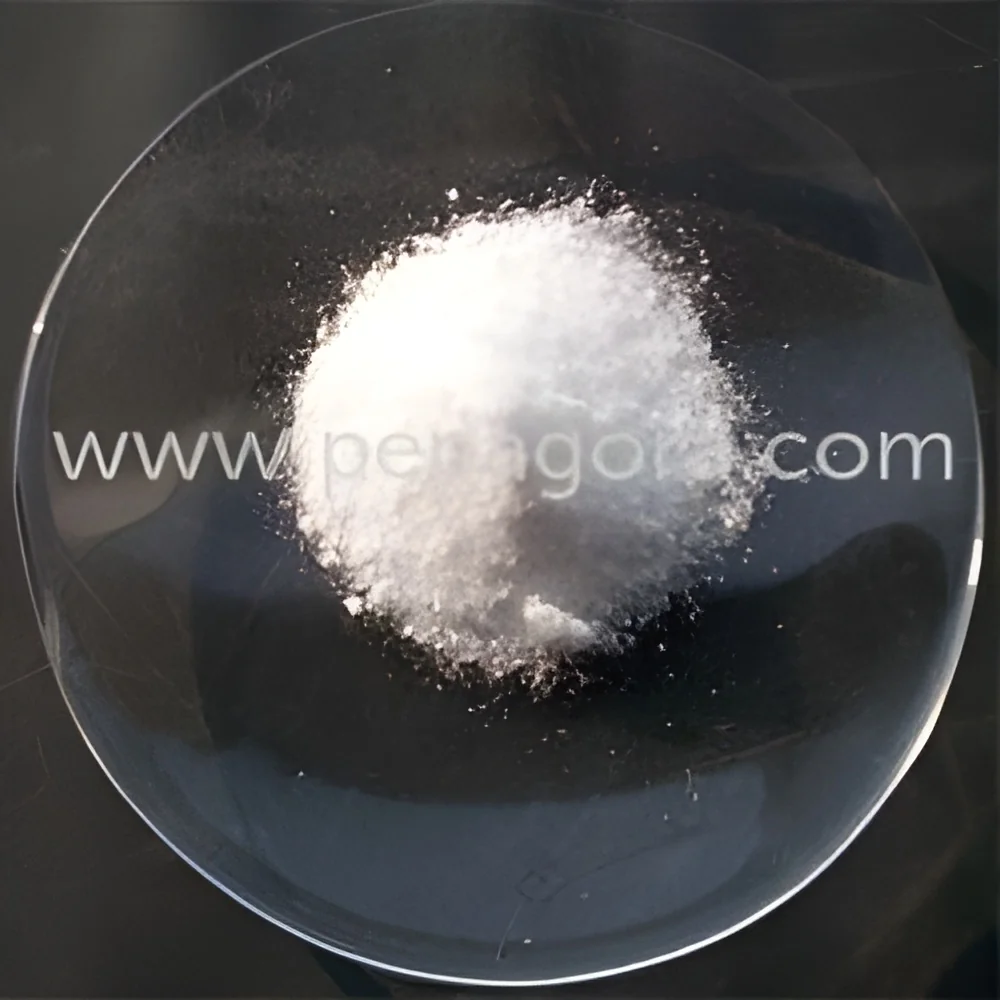
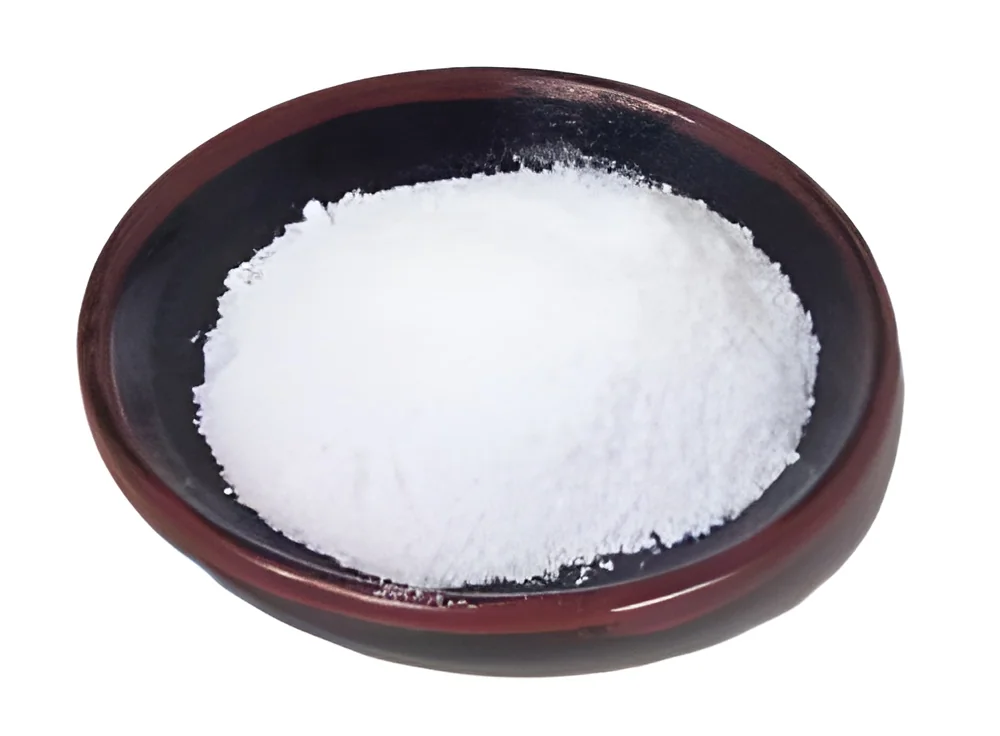
Potassium Carbonate, commonly known as potash, is an inorganic compound with the formula K2CO3. It appears as a white, water-soluble salt that is hygroscopic in nature, meaning it can absorb moisture from the air. This compound is known for its various properties, including its ability to act as a buffering agent, a source of potassium, and a drying agent in different chemical reactions.
Potassium Carbonate has a wide range of applications across multiple industries. It is primarily used in the production of glass, where it acts as a flux to lower the melting point of silica. Additionally, it is employed in agriculture as a fertilizer, providing essential potassium to plants. Other applications include its use in the manufacturing of soaps and detergents, food processing, and pharmaceuticals. The compound's versatility makes it an essential product in both industrial and commercial settings.
In the context of the global market, Potassium Carbonate is a vital component in various manufacturing processes. As industries continue to develop and grow, the demand for high-quality potassium compounds is expected to rise. With its crucial role in agriculture and manufacturing, Potassium Carbonate remains a significant player in the chemical industry.
Key Features and Specifications
Potassium Carbonate boasts several key features and specifications that make it a valuable product in various applications. It is important for buyers to understand these specifications to ensure they are sourcing a product that meets their operational requirements.
Key specifications include:
1. Purity Level
- Typically ranges from 95% to 99%
- Higher purity levels are preferred for specific applications
2. Solubility
- Highly soluble in water
- Dissolves readily to form alkaline solutions
3. pH Level
- Solutions typically have a pH between 10 and 12
- Important for applications requiring specific alkalinity
4. Appearance
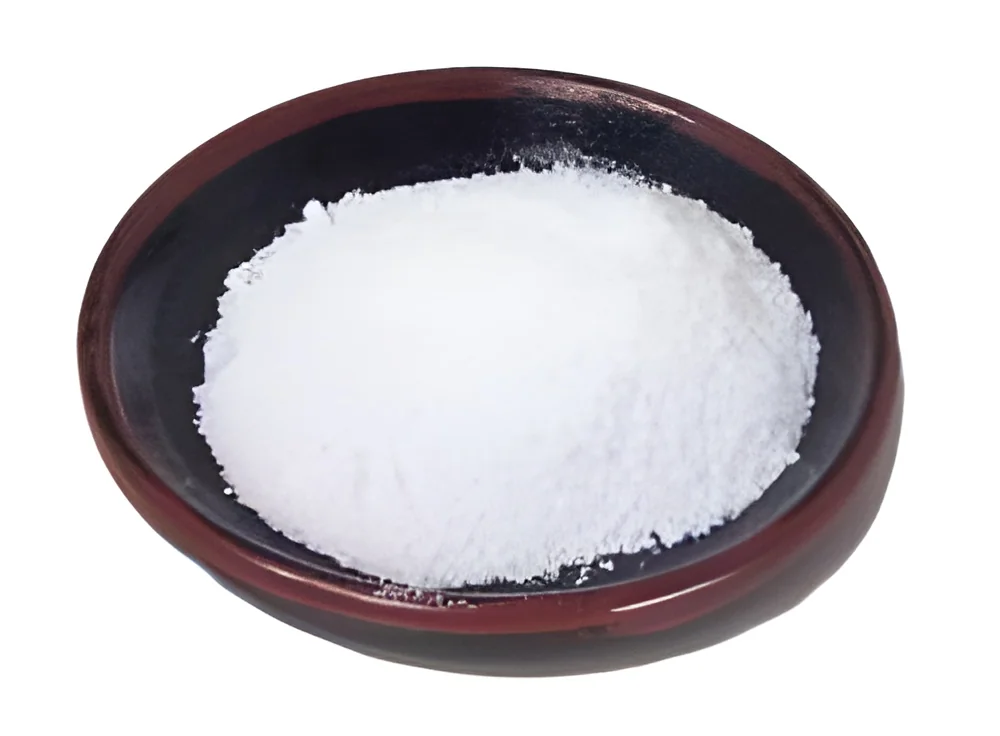
- White crystalline solid
- Free-flowing nature facilitates handling and mixing
5. Moisture Content
- Generally less than 1% for optimal performance
- Low moisture levels prevent clumping and degradation
6. Chemical Stability
- Stable under normal conditions
- Decomposes when heated above 900 degrees Celsius
7. Storage Conditions
- Should be stored in a cool, dry environment
- Protect from moisture and contaminants
In summary, understanding the key features and specifications of Potassium Carbonate is essential for businesses looking to integrate this compound into their processes effectively.
Common Applications and Use Cases
Potassium Carbonate serves various industries with distinct applications that leverage its unique properties.
1. Glass Manufacturing: In glass production, Potassium Carbonate acts as a flux, reducing the melting point of silica and enhancing the glass's quality and clarity.
2. Agriculture: This compound is widely used as a fertilizer due to its high potassium content, promoting healthy plant growth and improving crop yields.
3. Food Processing: Potassium Carbonate is utilized in food applications, particularly in the production of certain baked goods and as a food additive to regulate acidity.
4. Cleaning Products: Many soaps and detergents incorporate Potassium Carbonate as a surfactant and buffering agent, improving cleaning effectiveness.
5. Pharmaceuticals: In the pharmaceutical industry, it serves as a reagent in various chemical reactions and formulations, contributing to product efficacy.
6. Water Softening: Potassium Carbonate is employed in water treatment processes to remove hardness minerals, improving water quality for industrial use.
7. Chemical Manufacturing: It is used in the production of various potassium compounds, acting as a precursor in chemical synthesis.
Product Variants and Subcategories
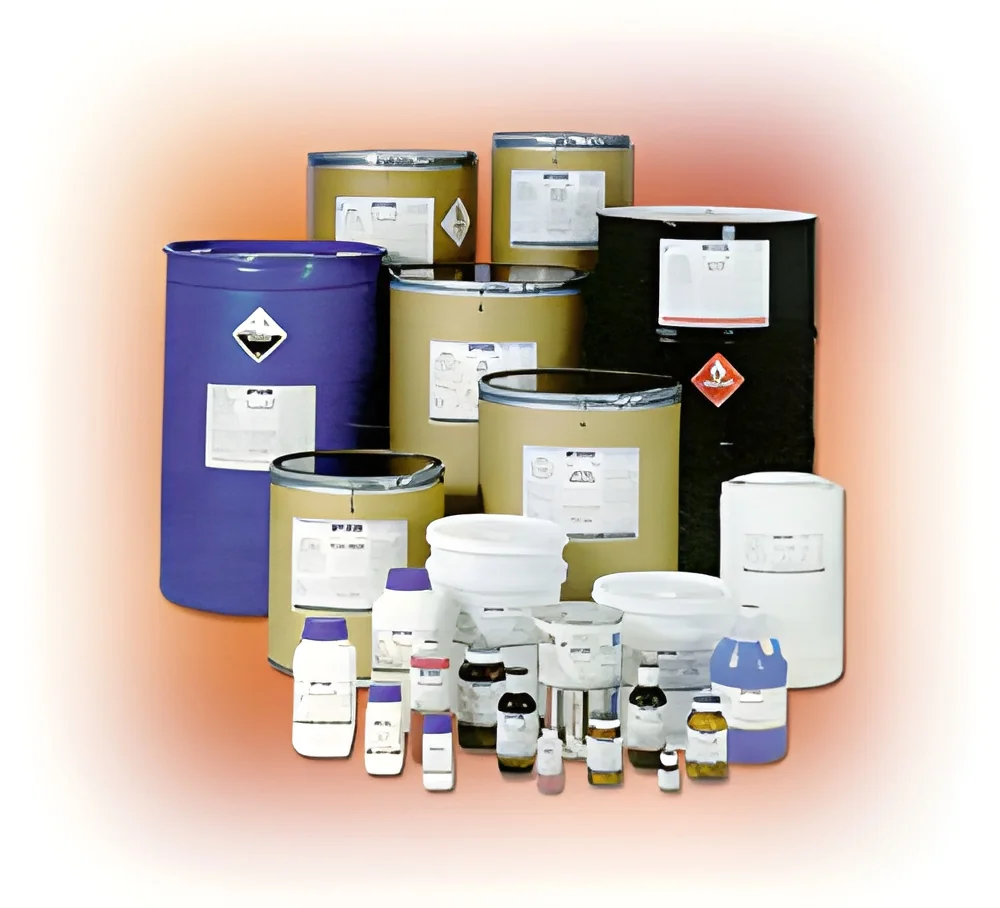
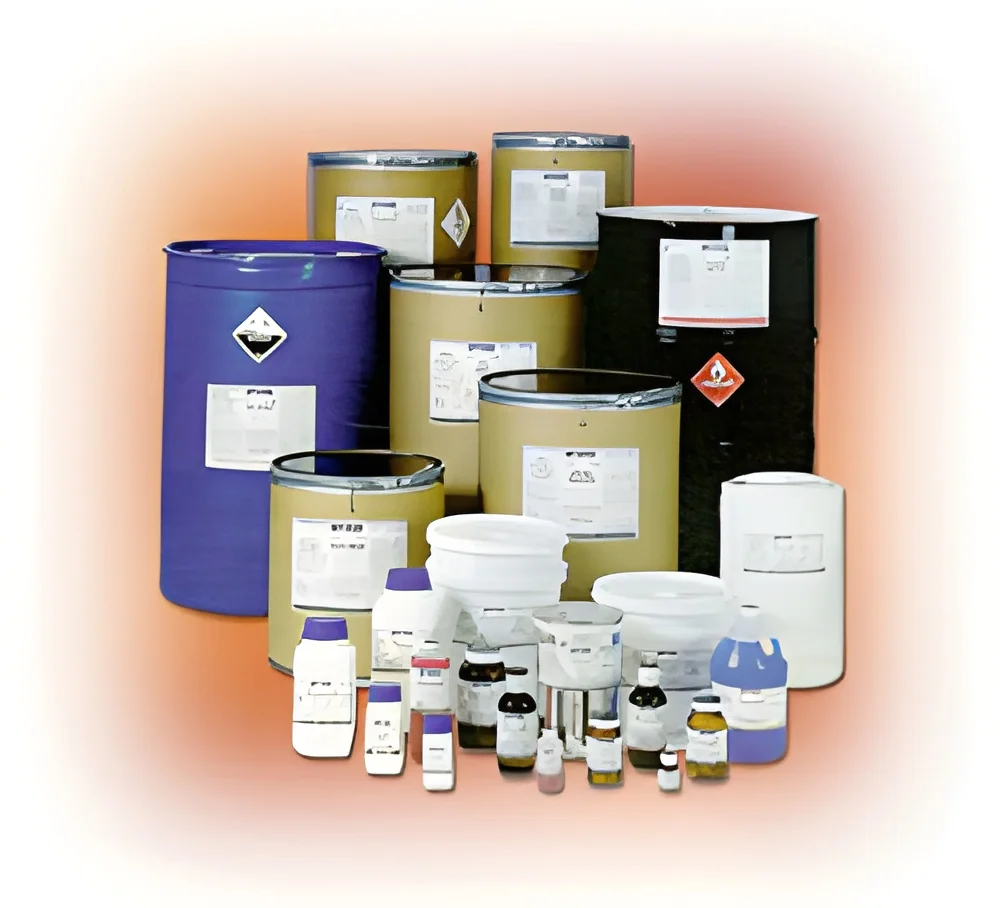
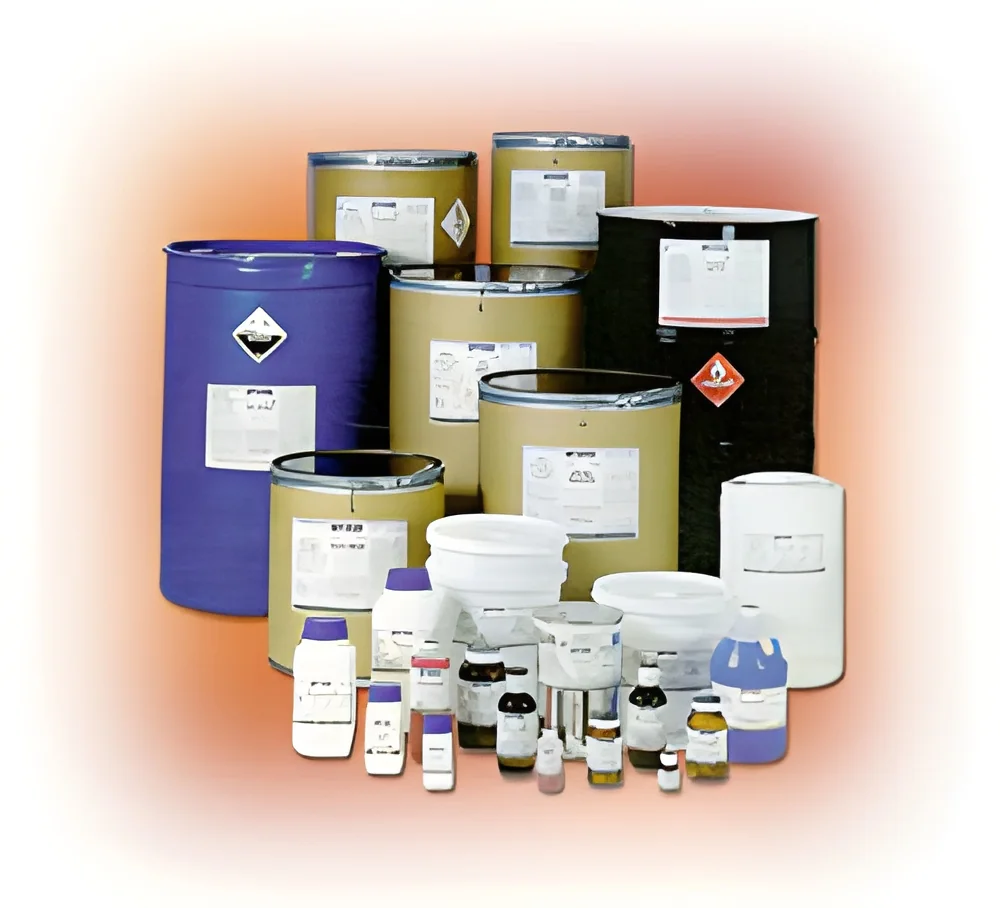
Potassium Carbonate is available in various forms to meet specific industry needs. Although there are no specified subcategories, the product can be customized based on purity and packaging requirements.
Granulated Potassium Carbonate
This variant is designed for ease of handling and dissolution in agricultural applications. It is ideal for fertilizer formulations and can be mixed with other nutrients seamlessly.
Powdered Potassium Carbonate
This form offers high solubility and is typically used in glass manufacturing and cleaning products. Its fine texture allows for quick incorporation into solutions.
Benefits and Advantages
Sourcing Potassium Carbonate can provide several advantages for businesses looking to enhance their operations.
1. Versatility: The compound's wide range of applications across different industries makes it a flexible solution for various manufacturing needs.
2. Enhanced Plant Growth: In agriculture, its high potassium content supports optimal plant health and productivity, leading to better crop outcomes.
3. Improved Product Quality: In glass and cleaning product manufacturing, Potassium Carbonate contributes to higher-quality end products, enhancing durability and performance.
4. Cost-Effectiveness: Its use in various applications can lead to cost savings for companies, particularly in large-scale production environments.
5. Ease of Use: The different forms of Potassium Carbonate, such as granulated and powdered, allow for easy handling and integration into existing processes.
6. Environmental Benefits: Utilizing Potassium Carbonate in agriculture promotes sustainable practices by providing essential nutrients without harmful chemical residues.
Buying Guide for B2B Buyers
When sourcing Potassium Carbonate, B2B buyers should consider several key factors to ensure they select the right product and supplier for their needs.
1. Quality Assessment: Buyers should evaluate the purity and specifications of Potassium Carbonate to ensure it meets their operational standards and requirements for specific applications.
2. Supplier Verification: It is crucial to vet suppliers for reliability and reputation. This can include checking certifications, customer reviews, and industry experience.
3. Pricing and MOQ: Understanding the pricing structure and minimum order quantities can help buyers plan their budgets effectively and ensure they are getting competitive rates.
4. Delivery and Lead Times: Buyers should inquire about logistics, including shipping times and delivery options, to avoid disruption in their supply chain.
5. Compliance Requirements: Ensuring that Potassium Carbonate meets all regulatory and safety standards is essential, particularly for applications in food and agriculture.
Compliance and Certifications
Potassium Carbonate must adhere to various quality standards and certifications to ensure safety and efficacy in its applications.
Relevant quality standards such as ISO 9001 are important for maintaining consistent quality management processes. This standard ensures that manufacturers follow strict guidelines for production and quality control.
Industry certifications, including CE marking, signify compliance with European safety and health regulations, making it essential for companies operating in or exporting to European markets.
Safety and testing requirements must also be met, ensuring that Potassium Carbonate is safe for use in food processing and agricultural applications. Regular testing for purity and contaminants is crucial for maintaining product integrity.
Regional compliance considerations can vary, and buyers should be aware of local regulations that apply to chemical substances, particularly those used in agriculture and food processing.
Why Source Potassium Carbonate from Pepagora?
Pepagora offers a reliable platform for sourcing Potassium Carbonate with several key advantages tailored for B2B buyers.
Verified Supplier Network: Pepagora provides access to a network of verified suppliers. This ensures that buyers can connect with reputable manufacturers who adhere to industry standards and quality requirements.
Streamlined RFQ Process: The platform features a user-friendly request for quotation (RFQ) system, allowing buyers to easily submit their requirements and receive competitive quotes from multiple suppliers.
Trade Assurance and Support: Buyers can benefit from trade assurance programs that protect their transactions and ensure product quality. This added layer of support helps build trust in the sourcing process.
Regional Coverage: Pepagora's extensive reach encompasses key markets including India, the GCC, and Southeast Asia. This geographic diversity allows buyers to find local suppliers while accessing a broader range of products.

 IN
IN
 India
India