
 IN
Plastic Chains
8 products available
What are Plastic Chains?
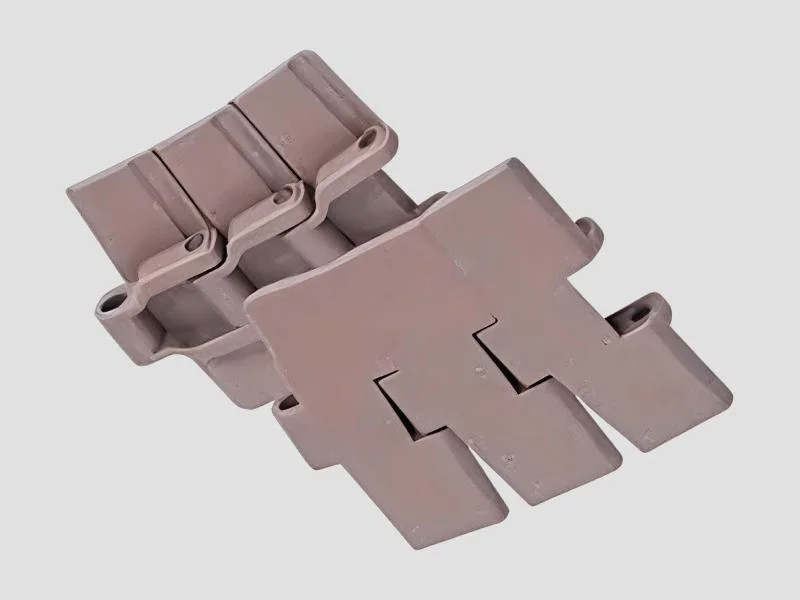
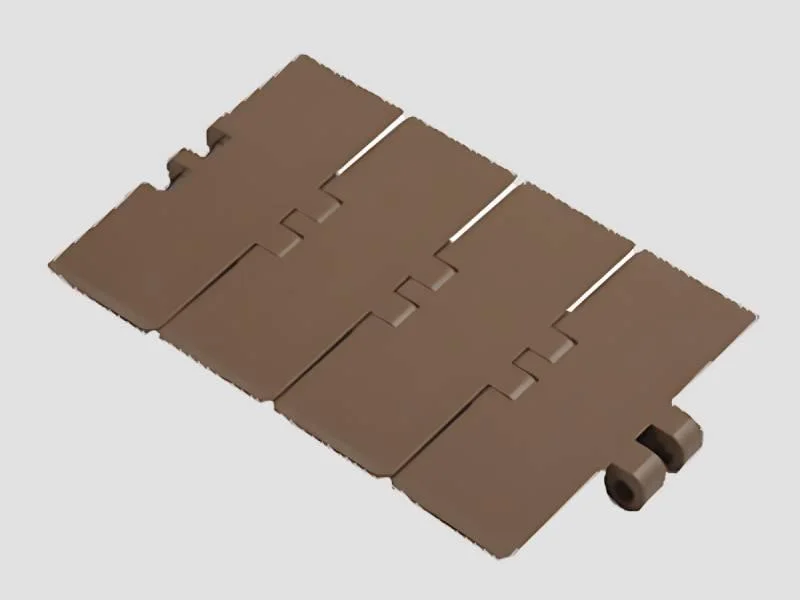
Plastic chains are flexible, lightweight, and durable components used in various industrial applications. They are made from high-quality plastic materials that provide resistance to wear and tear, making them suitable for a wide range of environments. Plastic chains are designed to transport products, facilitate movement in automated systems, and serve as safety barriers in different settings.
These chains find primary uses in industries such as manufacturing, logistics, and food processing. In manufacturing, they are often utilized in conveyor systems to move goods efficiently. In logistics, plastic chains are used for organizing and securing items during transportation. The food processing sector employs plastic chains for their hygienic properties, as they are easy to clean and resistant to contaminants. This versatility makes plastic chains relevant across various markets.
Key Features and Specifications
Plastic chains come with several key features that enhance their functionality and efficiency in industrial applications. Understanding these specifications is essential for selecting the right product for specific needs.
Key specifications include:
1. Material Composition
- Made from high-quality thermoplastic materials
- Offers resistance to chemicals and UV rays
2. Load Capacity
- Varies based on chain design and material
- Typically ranges from 50 kg to 500 kg
3. Chain Width
- Available in various widths to fit different applications
- Common widths include 10 mm, 12 mm, and 15 mm
4. Length Options
- Customizable lengths to meet specific requirements
- Standard lengths often range from 1 meter to 50 meters
5. Temperature Resistance
- Designed to withstand temperature variations
- Suitable for use in environments from -20°C to 80°C
6. Color Options
- Available in multiple colors for easy identification
- Custom colors can be provided based on order volume
7. Flexibility
- Highly flexible design allows for smooth operation
- Can navigate complex paths in conveyor systems
8. Maintenance Requirements
- Low maintenance needs due to durable design
- Easy to clean and maintain for long-term use
These specifications highlight the adaptability and performance capabilities of plastic chains in various industrial settings.
Common Applications and Use Cases
Plastic chains are employed across numerous industries due to their versatility and durability.
1. Manufacturing: In manufacturing plants, plastic chains are integral to conveyor systems, allowing for the efficient movement of products along assembly lines.
2. Logistics: In logistics and warehousing, plastic chains are used to secure and organize items during storage and transportation, enhancing operational efficiency.
3. Food Processing: The food industry utilizes plastic chains for their hygienic properties, ensuring safe transport of food products throughout the processing stages.
4. Automotive: In the automotive sector, plastic chains serve as reliable components in assembly line operations, facilitating the movement of parts.
5. Packaging: Plastic chains are employed in packaging systems to ensure smooth movement of products through packaging machines.
6. Material Handling: In material handling applications, these chains are used to transport bulk materials safely and efficiently.
7. Pharmaceuticals: In the pharmaceutical industry, plastic chains help maintain hygiene standards while transporting sensitive materials.
Product Variants and Subcategories
Plastic chains come in various forms to meet different industrial needs.
Standard Plastic Chains
These chains are designed for general-purpose use across various applications. They offer a balance of strength and flexibility, making them suitable for standard conveyor systems.
Heavy-Duty Plastic Chains
These variants are engineered for high-load applications, providing enhanced durability for heavy materials. Ideal for manufacturing and construction settings, they ensure reliability in demanding environments.
Lightweight Plastic Chains
Designed for lighter applications, these chains are ideal for industries that require easy handling and installation. They are commonly used in packaging and display systems.
Colored Plastic Chains
These chains are available in multiple colors to aid in visual identification and organization within systems. They are often used in safety applications and material handling.
Benefits and Advantages
Sourcing plastic chains offers numerous benefits that enhance operational efficiency and safety.
1. Durability: Plastic chains are resistant to wear and tear, ensuring a longer lifespan compared to metal alternatives.
2. Lightweight: Their lightweight nature simplifies handling and installation, reducing labor costs.
3. Corrosion Resistance: Unlike metal chains, plastic chains do not rust or corrode, making them suitable for various environments.
4. Hygienic: Plastic chains can be easily cleaned and sanitized, making them ideal for industries like food processing and pharmaceuticals.
5. Customization: Many manufacturers offer customization options, allowing businesses to tailor chains to specific needs.
6. Cost-Effective: The long lifespan and low maintenance requirements contribute to overall cost savings in operations.
Buying Guide for B2B Buyers
When sourcing plastic chains, several factors should be considered to ensure the right choice for your business needs.
1. Quality Assessment: Evaluate the quality of the plastic chains by checking for certifications and standards compliance. Ensure that the materials used meet industry requirements.
2. Supplier Verification: Vet suppliers by researching their reputation and past performance. Look for reviews and testimonials from previous clients to gauge reliability.
3. Pricing and MOQ: Understand the pricing structure and minimum order quantities (MOQ) set by suppliers. Compare quotes from multiple vendors to find a competitive price.
4. Delivery and Lead Times: Discuss delivery schedules and lead times with suppliers to ensure timely availability of products for your operations.
5. Compliance Requirements: Ensure that the plastic chains comply with relevant regulations and industry standards to avoid potential issues in your applications.
Compliance and Certifications
Compliance and certifications play a crucial role in ensuring the quality and safety of plastic chains. Relevant quality standards include ISO 9001, which ensures that manufacturers adhere to consistent quality management systems. Additionally, the CE marking signifies that products meet European health, safety, and environmental protection standards.
Safety and testing requirements are essential, especially in industries such as food processing and pharmaceuticals, where hygiene and safety standards are critical. Manufacturers often conduct rigorous testing to ensure that their products meet these requirements.
Regional compliance considerations may vary, so it is essential to understand local regulations when sourcing plastic chains for specific markets.
Why Source Plastic Chains from Pepagora?
Pepagora provides a trusted platform for sourcing plastic chains, offering several key advantages to B2B buyers.
Verified Supplier Network: The platform features a network of verified suppliers, ensuring that buyers can connect with reputable providers that meet their quality standards.
Streamlined RFQ Process: Pepagora offers a streamlined request for quotation (RFQ) process, allowing buyers to receive competitive quotes from multiple suppliers efficiently.
Trade Assurance and Support: Buyers benefit from trade assurance programs that protect their transactions and provide support throughout the sourcing process.
Regional Coverage: Pepagora has a geographical reach that includes India, the GCC, and Southeast Asia, making it easier for businesses in these regions to source plastic chains tailored to their needs.
By leveraging these advantages, businesses can make informed decisions and secure the best plastic chains for their applications.


 India


 India
 India
Frequently Asked Questions
What are Plastic Chains?
Plastic chains are flexible and lightweight chains made from durable plastic materials. They are commonly used in various applications such as safety barriers, signage, and decorative purposes. Their resistance to weather and corrosion makes them suitable for both indoor and outdoor use.
What are the different types of Plastic Chains?
There are several types of plastic chains, including link chains, barrier chains, and decorative chains. Link chains are typically used for general purpose applications, while barrier chains are designed to create physical barriers in public spaces. Decorative chains come in various colors and designs for aesthetic purposes.
How do I choose the right Plastic Chains?
Choosing the right plastic chains depends on your specific application needs. Consider factors such as the load capacity, color, and length required for your project. Additionally, assess the environmental conditions where the chains will be used to ensure durability and longevity.
What are the standard specifications for Plastic Chains?
Standard specifications for plastic chains typically include dimensions such as link width and length, tensile strength, and material type. Chains may also be categorized by their resistance to UV light, chemicals, and temperature variations. It is essential to consult manufacturer specifications for precise details.
What is the price range for Plastic Chains?
The price of plastic chains can vary widely based on factors such as type, quality, and length. Generally, you can expect to pay anywhere from ₹20 to ₹200 per meter. Bulk purchases may provide discounts and lower per-unit costs.
What quality standards apply to Plastic Chains?
Quality standards for plastic chains often include compliance with ISO and ASTM guidelines. These standards ensure durability, safety, and performance in various applications. It is advisable to check for certifications from manufacturers to ensure that the chains meet industry requirements.
Where can I find Plastic Chains suppliers in India?
You can find plastic chains suppliers in India through various channels, including online B2B marketplaces like Pepagora. Additionally, industry trade shows and local manufacturers are good resources for sourcing quality plastic chains. Always verify the reputation and reliability of suppliers before making a purchase.
Can Plastic Chains be customized?
Yes, many manufacturers offer customization options for plastic chains. This may include variations in color, length, and strength according to specific customer requirements. It is best to discuss customization needs with suppliers to understand available options and potential costs.
What is the typical minimum order quantity for Plastic Chains?
The typical minimum order quantity (MOQ) for plastic chains can vary by supplier but generally ranges from 50 to 100 meters. It’s important to confirm the MOQ with the manufacturer you choose, as some may offer flexibility based on your order size.
What is the typical lead time for Plastic Chains?
The lead time for plastic chains usually ranges from 1 to 4 weeks, depending on the supplier and the complexity of the order. Custom orders may take longer due to additional processing time. Always confirm lead times with your supplier to ensure timely delivery.
Why Businesses Trust Pepagora
Thousands of companies trust Pepagora to source smarter and sell faster
Expand Your Sales Globally

Source Smarter,Grow Faster
