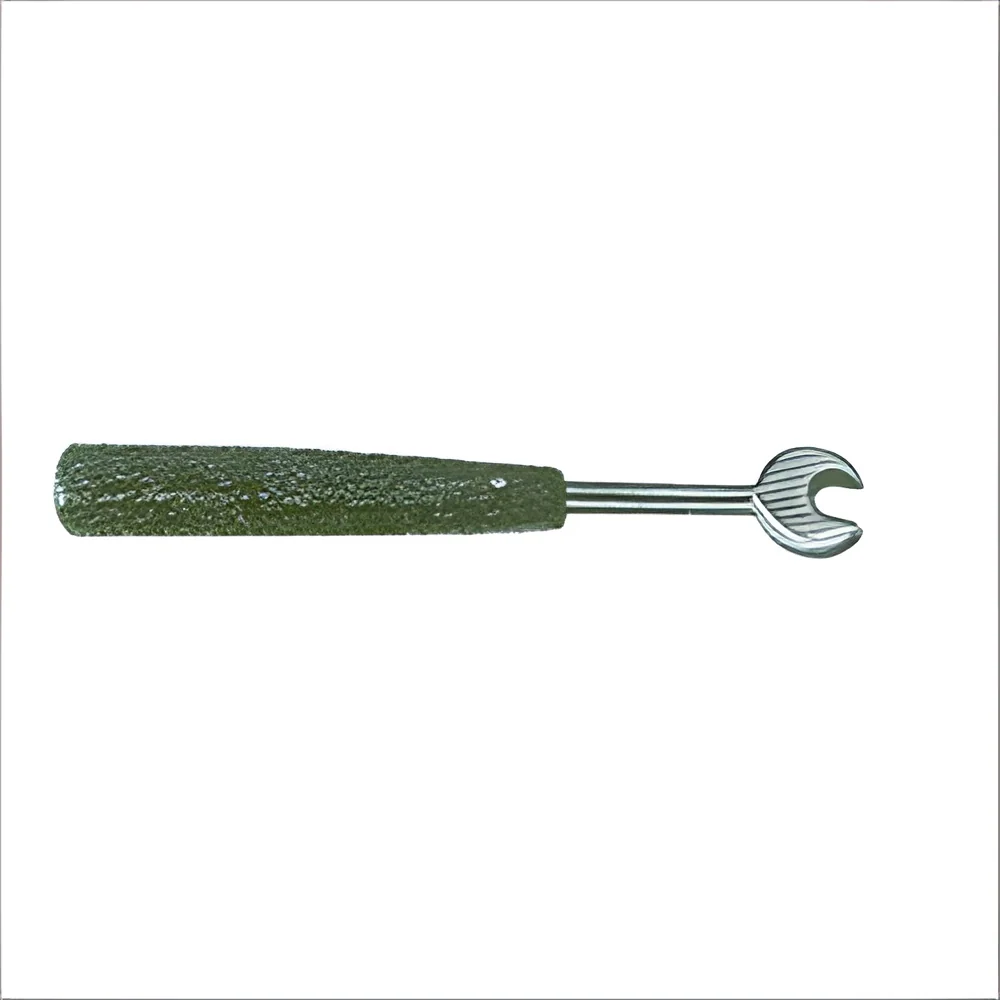
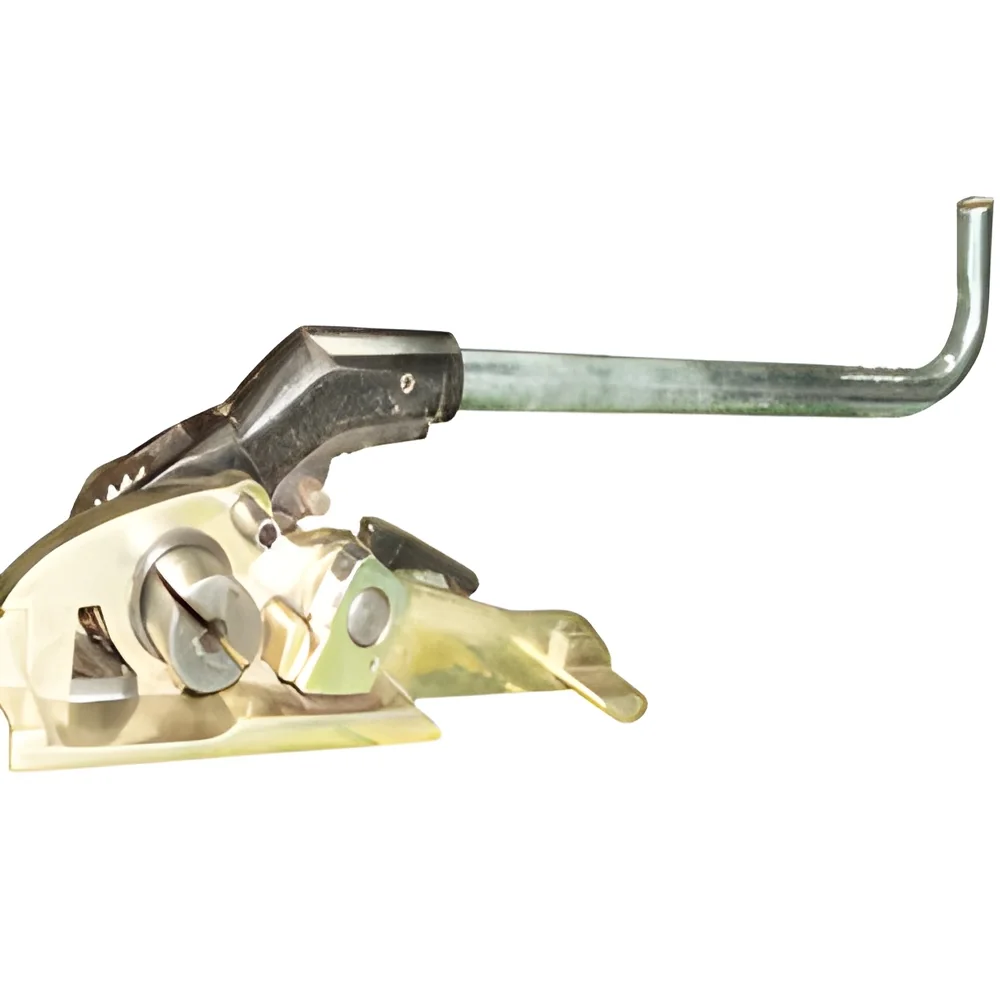
What are Rope Tensioners & Tighteners?
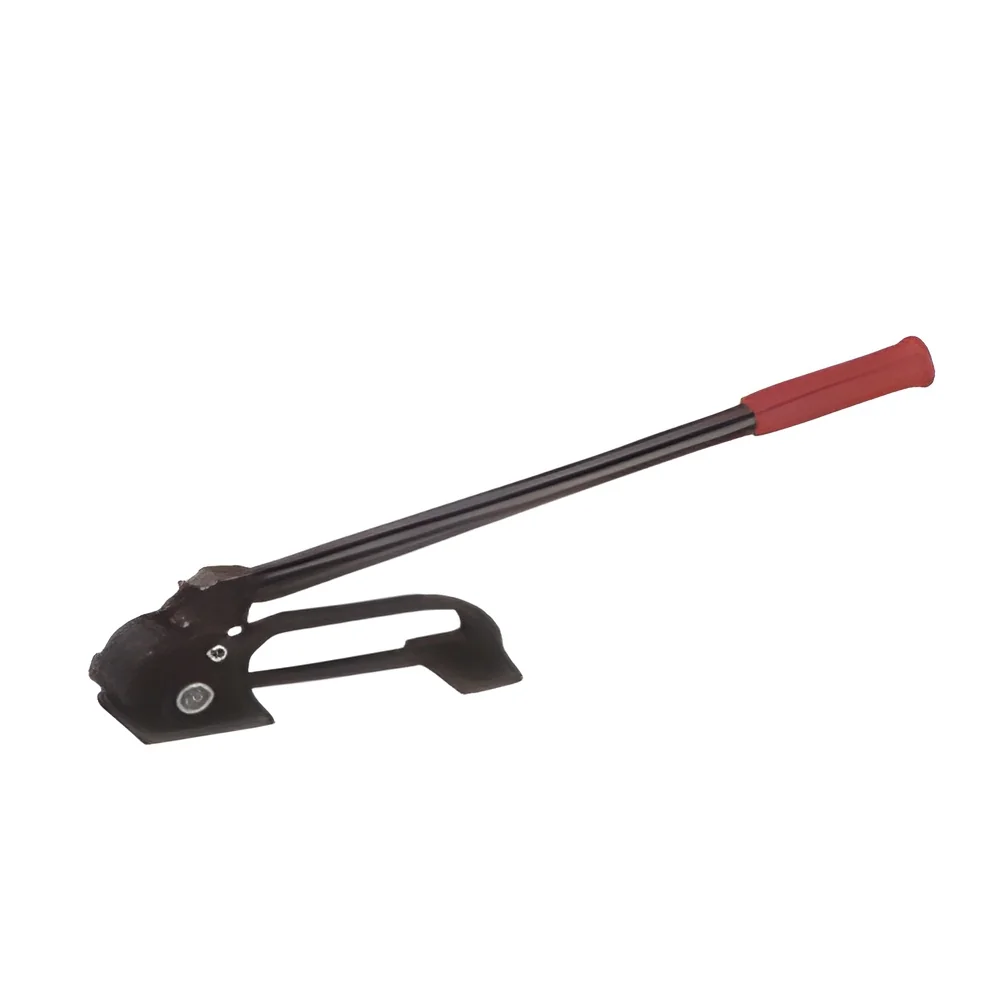
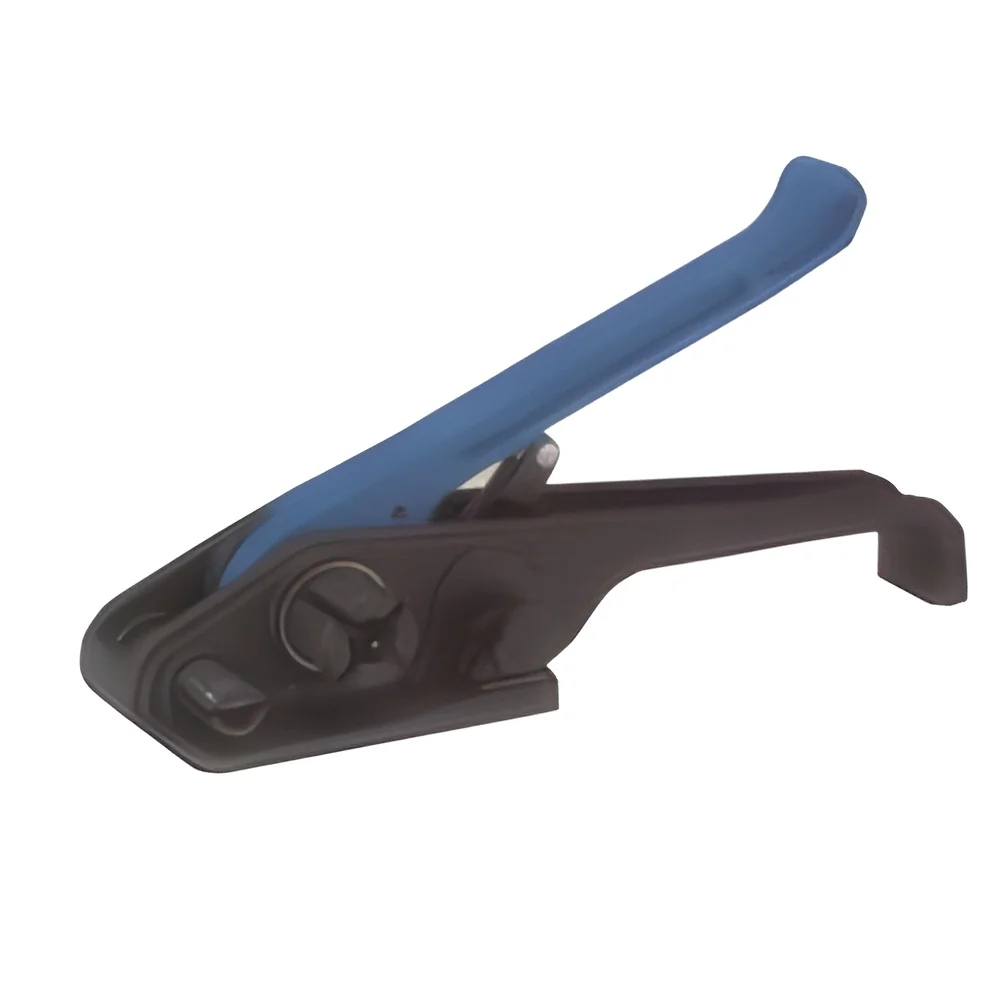
Rope tensioners and tighteners are essential tools designed to adjust the tension in ropes, cables, or lines used in various applications. They provide a mechanism for users to easily increase or decrease the tension according to their specific needs. This is crucial in maintaining the integrity and functionality of equipment that relies on ropes or cables for support, stability, or maneuverability.
These devices are commonly utilized in industries such as construction, marine, agriculture, and logistics. In construction, they secure scaffolding, while in marine applications, they help manage sails and rigging. Agricultural operations may employ them for securing tarps or nets, and logistics companies often use them for cargo restraint. The relevance of rope tensioners and tighteners is evident as industries increasingly rely on efficient and secure tension management solutions to enhance operational safety and productivity.
Key Features and Specifications
Rope tensioners and tighteners come with a variety of features that enhance their functionality and usability. Understanding these specifications is crucial for businesses looking to implement these tools effectively.
Key specifications include:
1. Material Composition
- Typically made from durable materials such as stainless steel or high-strength plastic.
- Ensures longevity and resistance to environmental factors.
2. Load Capacity
- Capable of handling various weight limits based on the model.
- Load capacities can range from a few hundred pounds to several tons.
3. Adjustment Mechanism
- May feature manual or automatic adjustment systems.
- Allows for quick and efficient tension modification.
4. Size and Dimensions
- Available in multiple sizes to suit different applications.
- Dimensions may vary from compact designs for small-scale tasks to larger models for heavy-duty uses.
5. Safety Features
- Often equipped with locking mechanisms to prevent accidental release of tension.
- Compliance with safety standards to ensure secure operation.
6. Corrosion Resistance
- Many models are treated to resist rust and corrosion.
- Extends the lifespan of the product in harsh environments.
7. Ease of Installation
- Designed for straightforward setup and operation.
- Minimal tools may be required for installation.
In summary, selecting the right rope tensioner or tightener involves understanding these specifications to align the product with your operational needs.
Common Applications and Use Cases
Rope tensioners and tighteners are versatile tools that serve multiple industries effectively.
1. Construction: Used for securing scaffolding and temporary structures. They help to ensure stability and safety during construction activities.
2. Marine: Essential for managing sail tension on boats and yachts. They allow sailors to adjust rigging quickly for optimal performance.
3. Agriculture: Commonly employed for securing tarps and nets over crops. This protects produce from weather elements and pests.
4. Logistics: Utilized for securing cargo in transport vehicles. They help in maintaining load integrity during transit.
5. Event Management: Used for setting up tents and temporary structures at events. They ensure that installations remain stable throughout the duration of the event.
6. Sports: Employed in various sports equipment to maintain tension in nets and cables. This is crucial for performance and safety.
7. Telecommunications: Used to support and tension cables in communication towers. Proper tension is necessary to ensure signal quality and equipment longevity.
Product Variants and Subcategories
Rope tensioners and tighteners come in a variety of styles to cater to specific needs within different applications.
Manual Tensioners: These are designed for straightforward use, allowing users to manually adjust tension. They are ideal for applications where frequent adjustments are not required.
Automatic Tensioners: Equipped with advanced mechanisms that automatically adjust tension based on load changes. These are perfect for dynamic environments where conditions frequently shift.
Heavy-Duty Tensioners: Built to handle larger loads and more demanding environments. They are commonly used in construction and industrial settings.
Lightweight Tensioners: These models are designed for portability and ease of use. They are suitable for temporary applications and lighter loads.
Benefits and Advantages
Rope tensioners and tighteners provide several advantages that make them a valuable addition to any operational toolkit.
1. Enhanced Safety: Proper tension management minimizes the risk of equipment failure, enhancing safety for workers and operations.
2. Increased Efficiency: These devices allow for quick adjustments, saving time during setup and operation.
3. Versatility: Suitable for a wide range of applications across various industries, making them a multifunctional tool.
4. Durability: Made from high-quality materials, they are designed to withstand harsh conditions and prolonged use.
5. Cost-Effectiveness: By preventing damage and ensuring optimal performance, they can reduce overall operational costs.
6. Ease of Use: Designed for user-friendly operation, they can be easily adjusted by personnel without specialized training.
Buying Guide for B2B Buyers
When sourcing rope tensioners and tighteners, it is important for B2B buyers to consider several key factors to ensure they select the right product.
1. Quality Assessment: Evaluate the materials and construction quality to ensure durability. Consider certifications that indicate compliance with industry standards.
2. Supplier Verification: Vet suppliers to confirm their credibility and reliability. Look for reviews and feedback from other customers.
3. Pricing and MOQ: Understand the pricing structure and minimum order quantities. This helps in budgeting and ensures you meet supplier requirements.
4. Delivery and Lead Times: Confirm the expected delivery times to align with project timelines. Prompt delivery is crucial for maintaining schedule integrity.
5. Compliance Requirements: Be aware of regulatory standards applicable to your industry. Ensuring compliance can prevent legal issues and enhance safety.
Compliance and Certifications
Rope tensioners and tighteners must adhere to various quality standards and certifications to ensure that they meet industry requirements.
ISO 9001 is a widely recognized standard that outlines requirements for quality management systems. This certification ensures that manufacturers maintain consistent quality in their products.
CE certification is another important compliance marker, particularly in the European market. It signifies that the product meets safety, health, and environmental protection standards.
In addition to these certifications, safety and testing requirements are crucial. Products should undergo rigorous testing to verify their load capacities and operational safety.
Regional compliance considerations may vary based on local regulations. Buyers should ensure that the products sourced meet the specific compliance standards relevant to their operational regions.
Why Source Rope Tensioners & Tighteners from Pepagora?
Pepagora offers a trusted platform for sourcing rope tensioners and tighteners, providing several key advantages to buyers.
Verified Supplier Network: Pepagora connects buyers with a network of verified suppliers, ensuring quality and reliability. Each supplier undergoes a thorough vetting process to maintain high standards.
Streamlined RFQ Process: The platform features a simplified request for quotation (RFQ) system, allowing buyers to efficiently gather quotes from multiple suppliers. This saves time and enhances decision-making.
Trade Assurance and Support: Buyers benefit from trade assurance options that protect their purchases. This support adds a layer of security and confidence in transactions.
Regional Coverage: Pepagora has a wide geographic reach, serving buyers in India, the GCC, and Southeast Asia. This extensive network ensures that buyers can find the right products in their local markets.

 IN
IN