
 IN
Steel Chains (Link, Roller, Welded)
46 products available
Key Features and Specifications
Steel chains are characterized by several key features that define their performance and suitability for various applications. Understanding these specifications is crucial when selecting the right type of chain for specific needs.
Key specifications include:
1. Material Composition
- Typically made from high-strength steel for durability
- May include corrosion-resistant coatings
2. Chain Type
- Link chains, roller chains, or welded chains
- Each type offers unique advantages for different applications
3. Pitch Size
- The distance between the centers of adjacent links
- Common sizes range from 1/4 inch to over 2 inches
4. Load Capacity
- Maximum weight the chain can safely carry
- Varies by chain type and size, often specified in pounds or kilograms
5. Working Temperature Range
- The temperature range in which the chain can operate effectively
- Data not available for specific ranges
6. Compliance Standards
- Chains may adhere to industry standards for quality and safety
- Certifications like CE indicate compliance with European regulations
7. Finish and Coating
- Options include galvanization, black oxide, and other treatments
- Affects corrosion resistance and aesthetic appeal
8. Customization Options
- Potential for bespoke designs to meet specific operational requirements
- Data not available for customization details
In summary, knowing the features and specifications of steel chains helps businesses make informed decisions based on their operational needs.
Common Applications and Use Cases
Steel chains find applications across a range of industries due to their strength and reliability.
1. Manufacturing: Steel chains are essential in assembly lines for transporting materials and components efficiently. They facilitate smooth operations in automated systems.
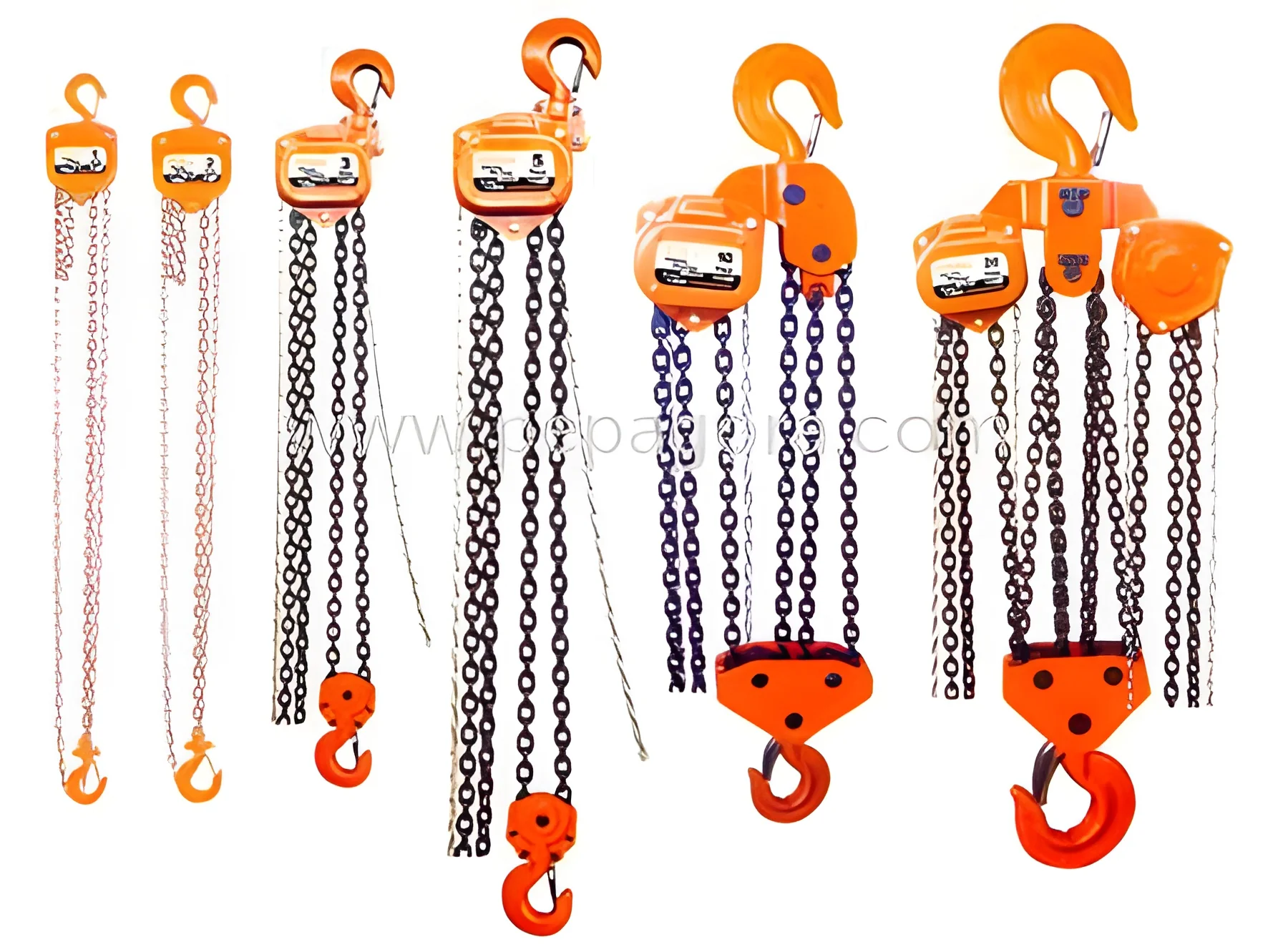
2. Construction: In construction, steel chains are utilized for hoisting heavy loads, making them vital for cranes and other lifting equipment.
3. Agriculture: Steel chains are employed in agricultural machinery for tasks like harvesting and transporting crops, ensuring durability in harsh environments.
4. Mining: These chains support various equipment in mining operations, providing the necessary strength to handle heavy loads and resist wear.
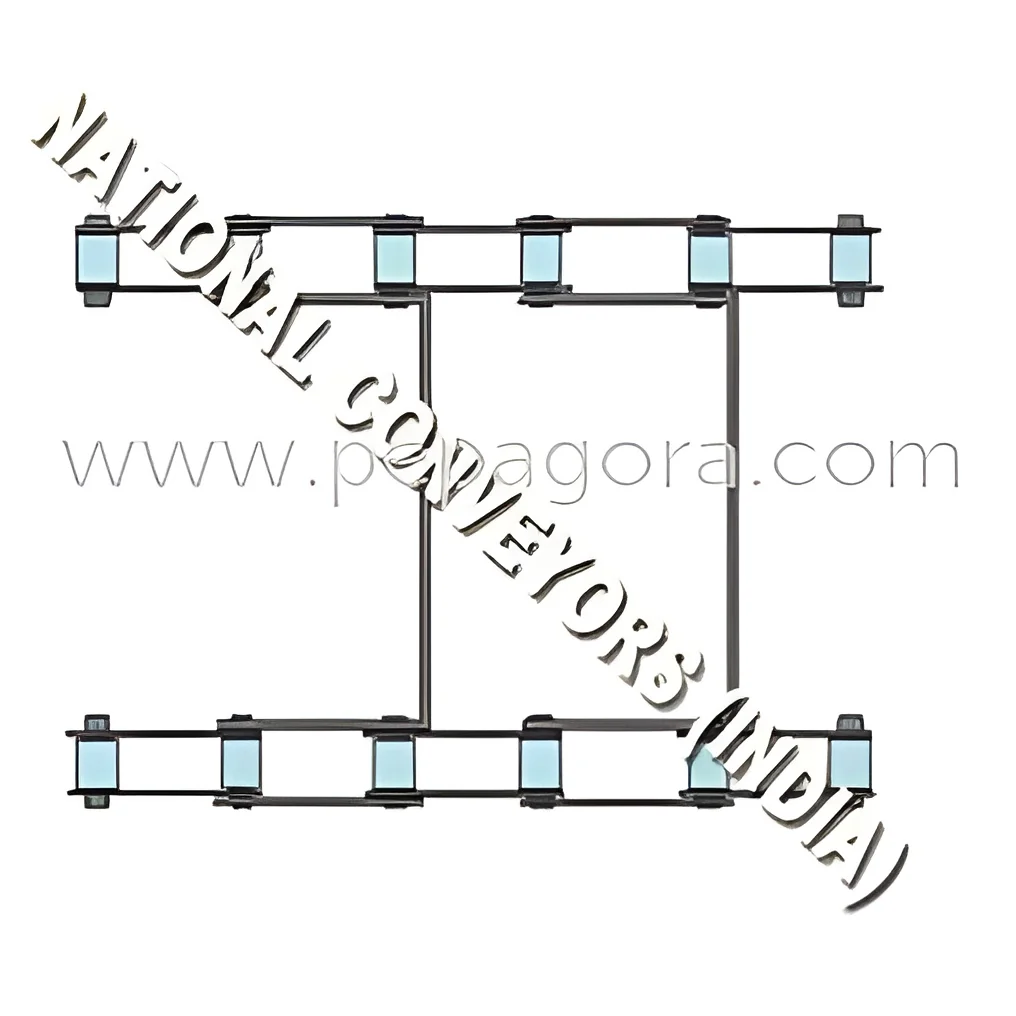
5. Transportation: Steel chains are integral in conveyor systems for transporting goods in warehouses and distribution centers, enhancing operational efficiency.
6. Forestry: Used in logging equipment, steel chains assist in moving and cutting timber, demonstrating their versatility.
7. Marine: Steel chains are employed in anchoring and mooring applications in the shipping industry, ensuring safety and reliability.
Product Variants and Subcategories
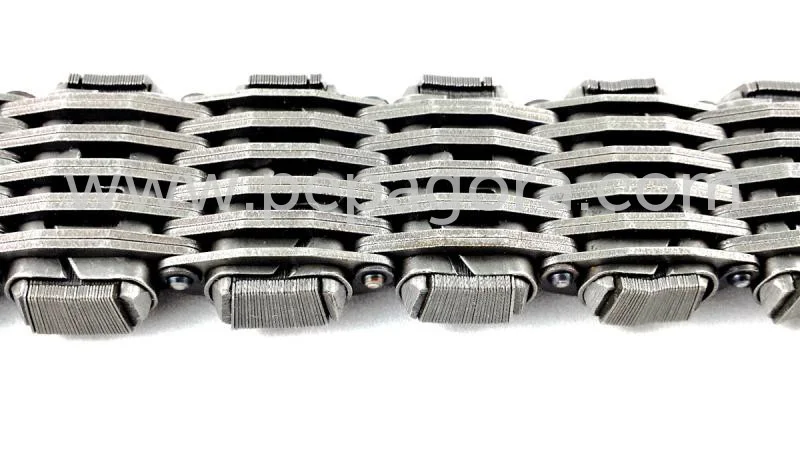
Steel chains come in various configurations, each designed for specific applications and performance requirements.
Link Chain
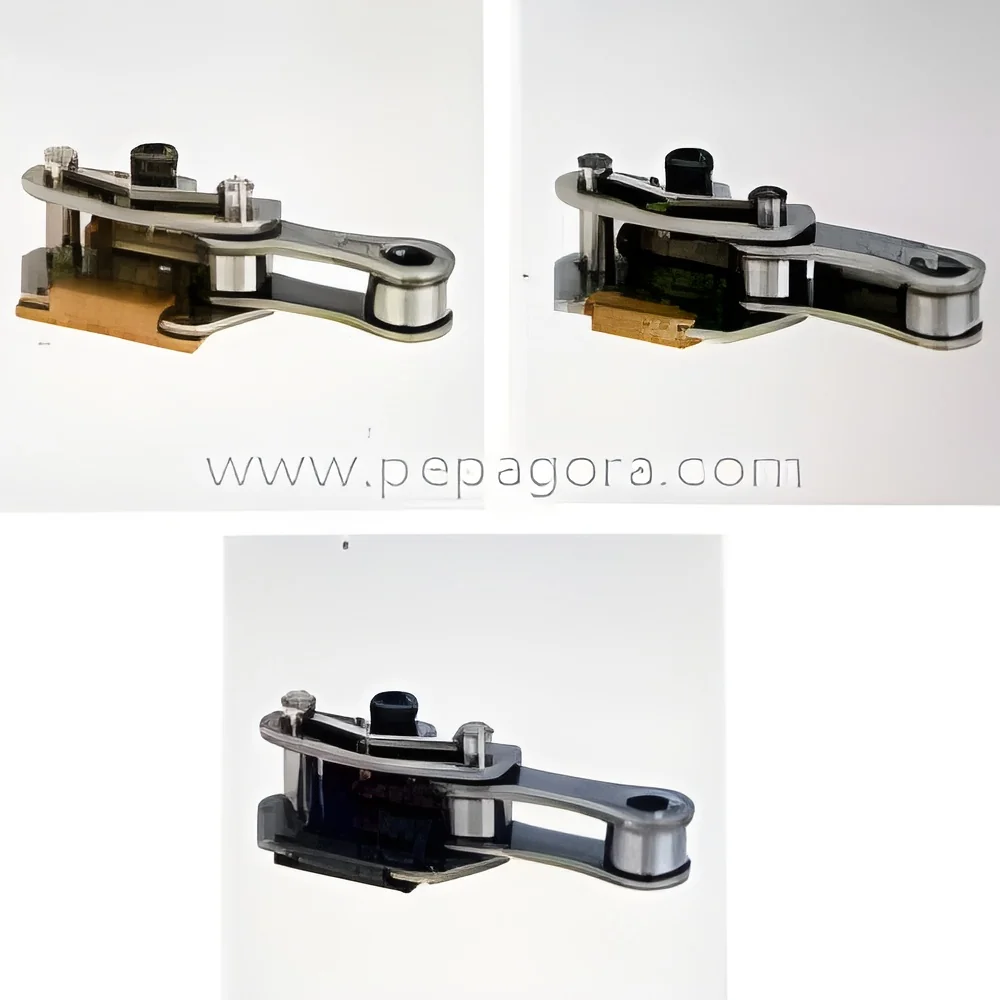
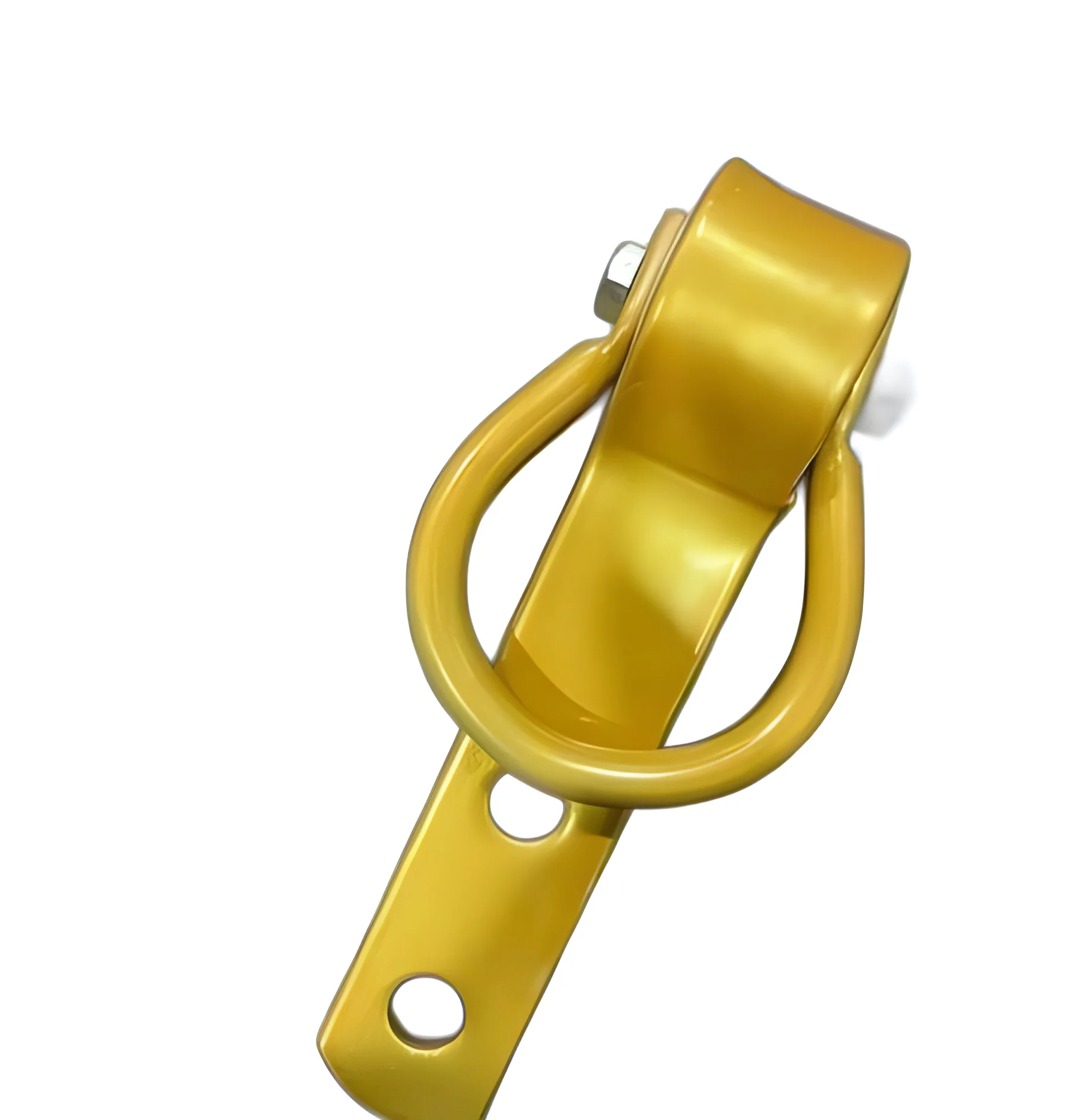
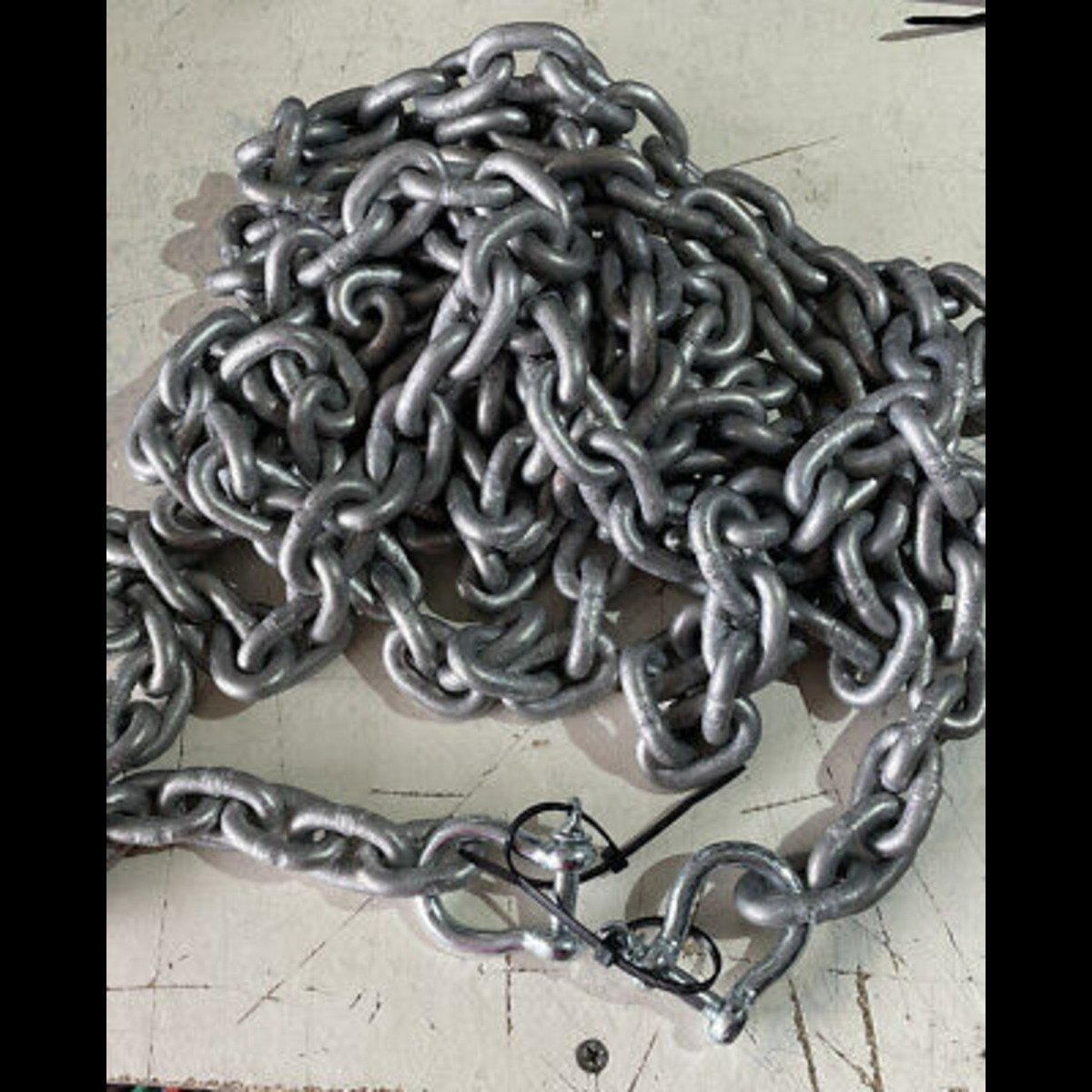
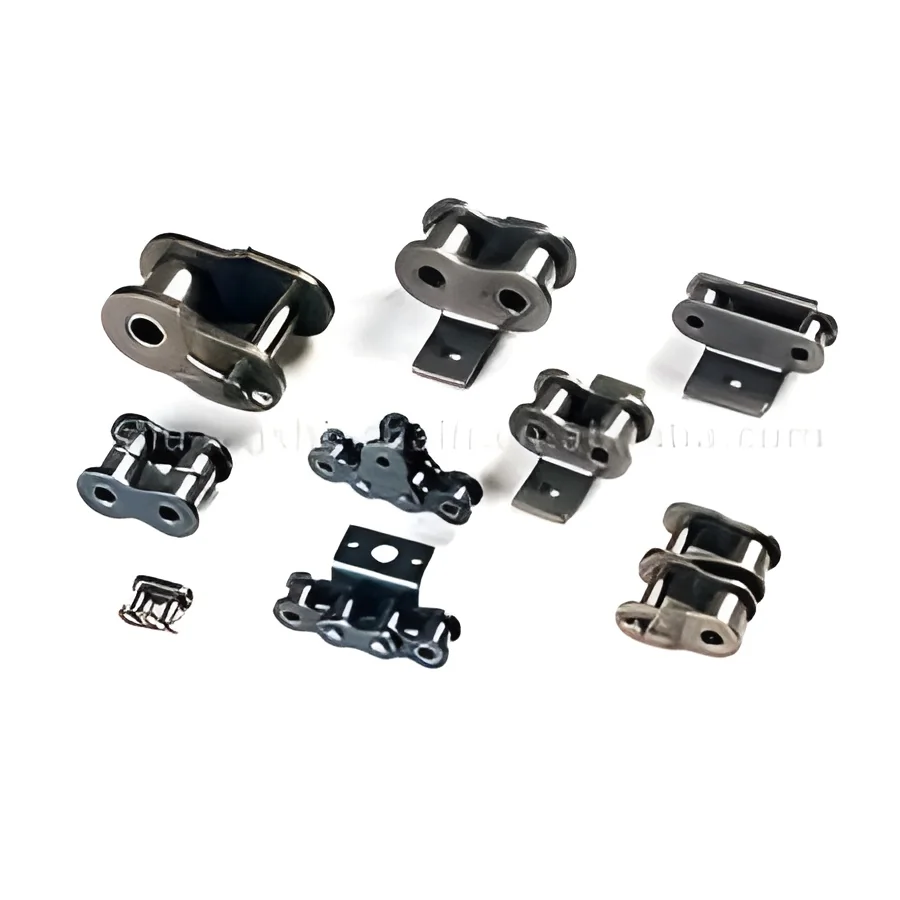
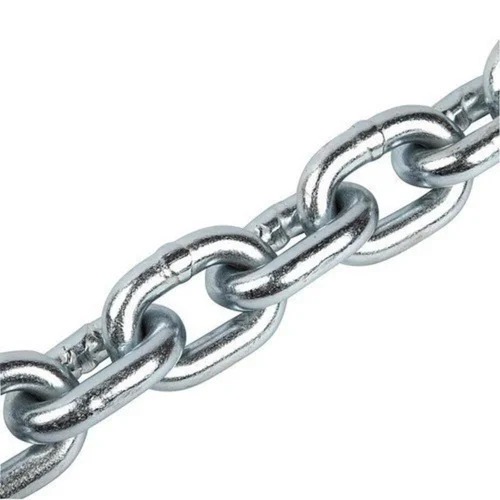
Link chains consist of interconnected links that provide flexibility and strength. They are commonly used for lifting and securing loads in various industries due to their adaptability.
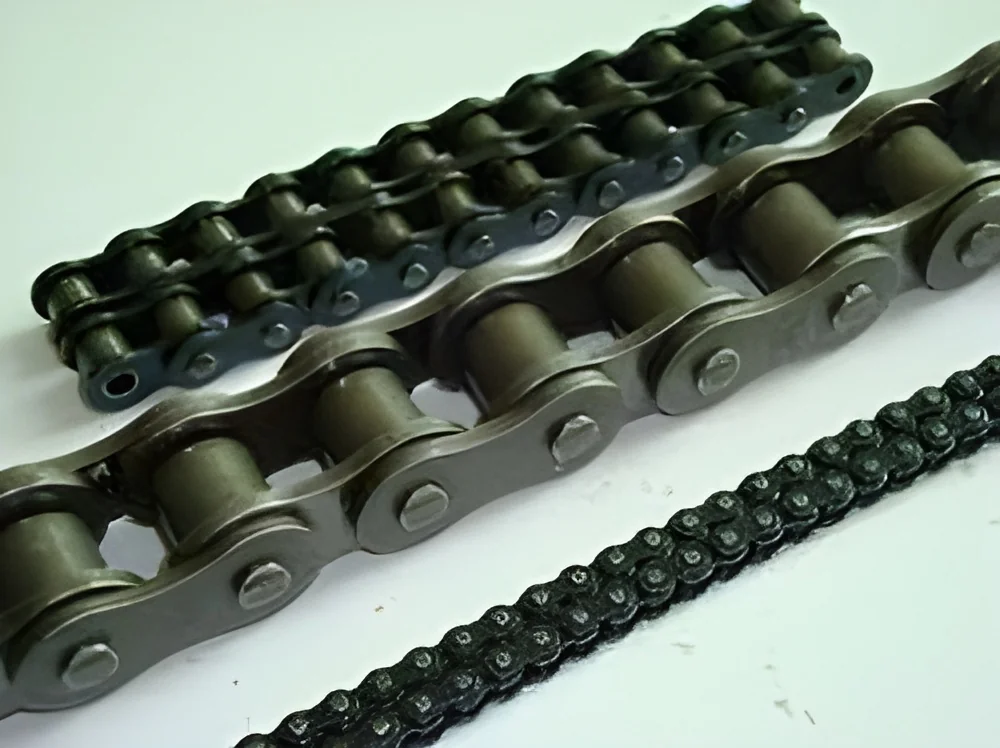
Roller Chain
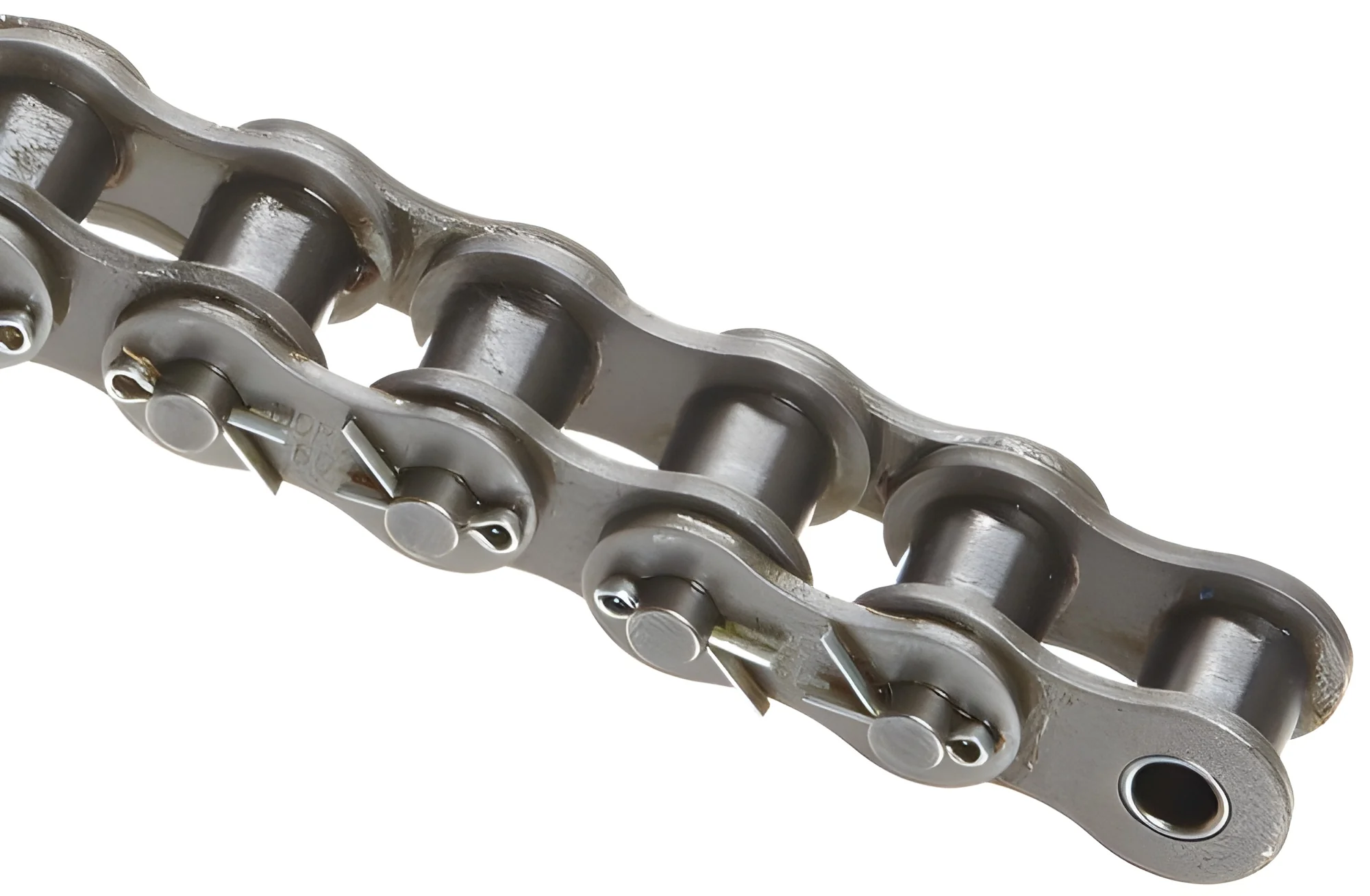
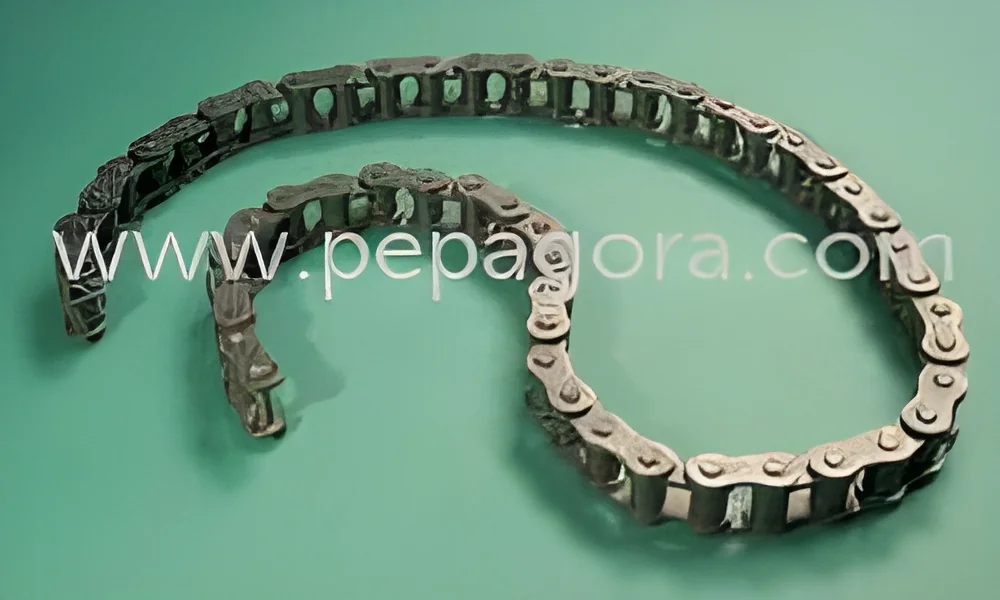
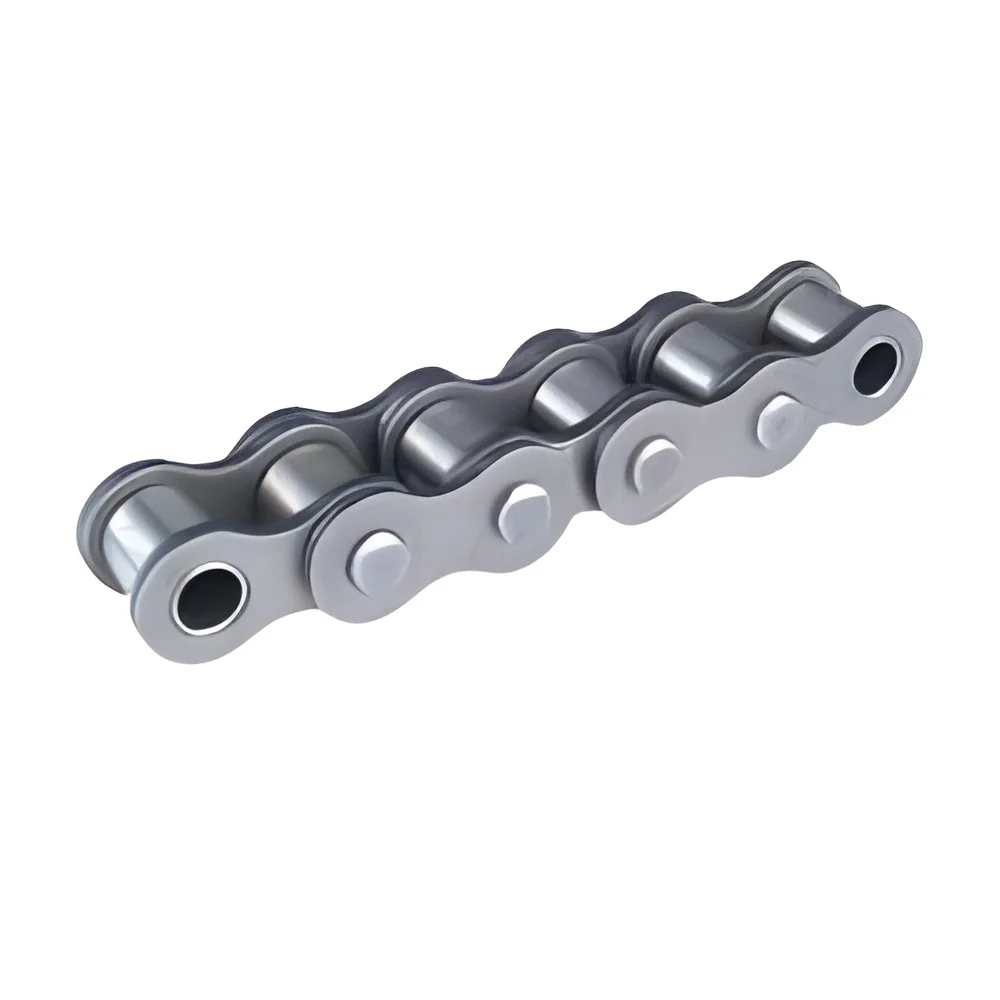
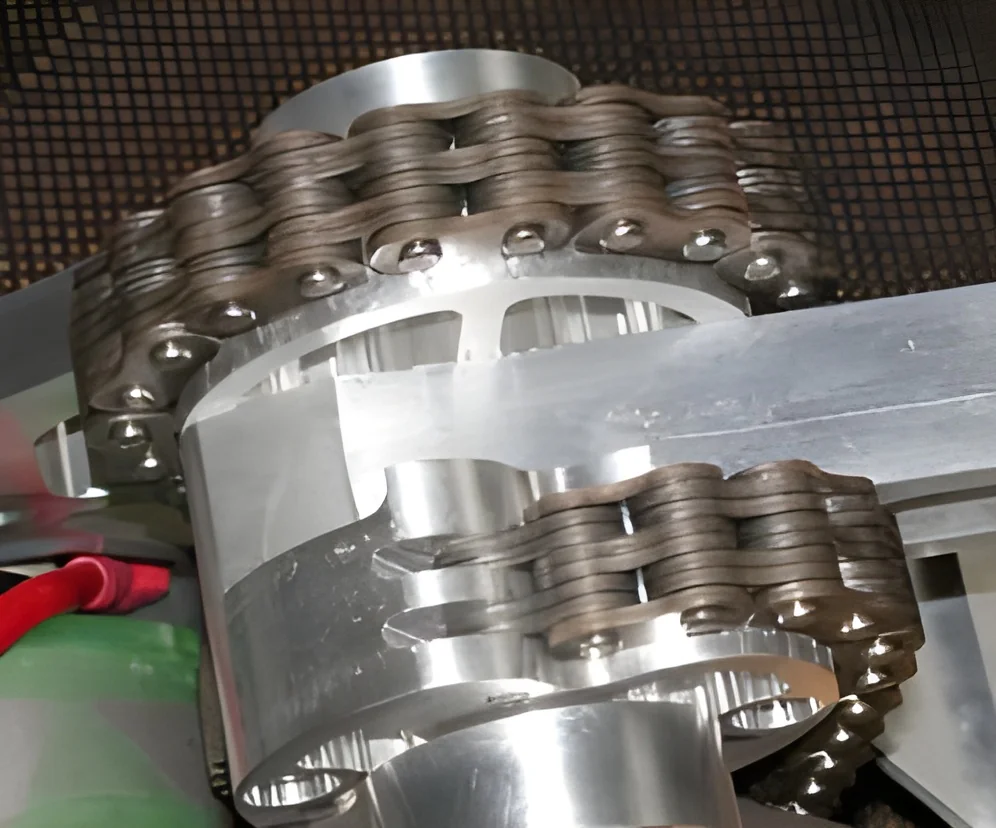
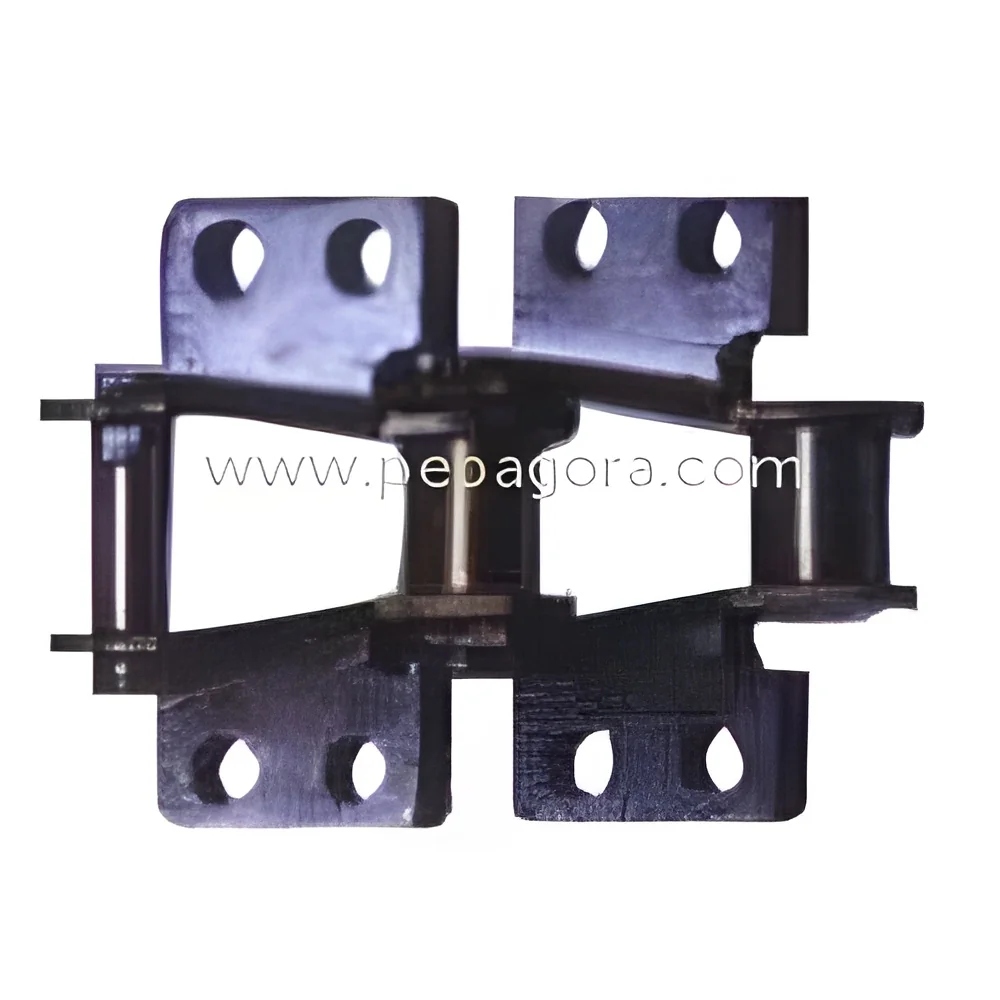
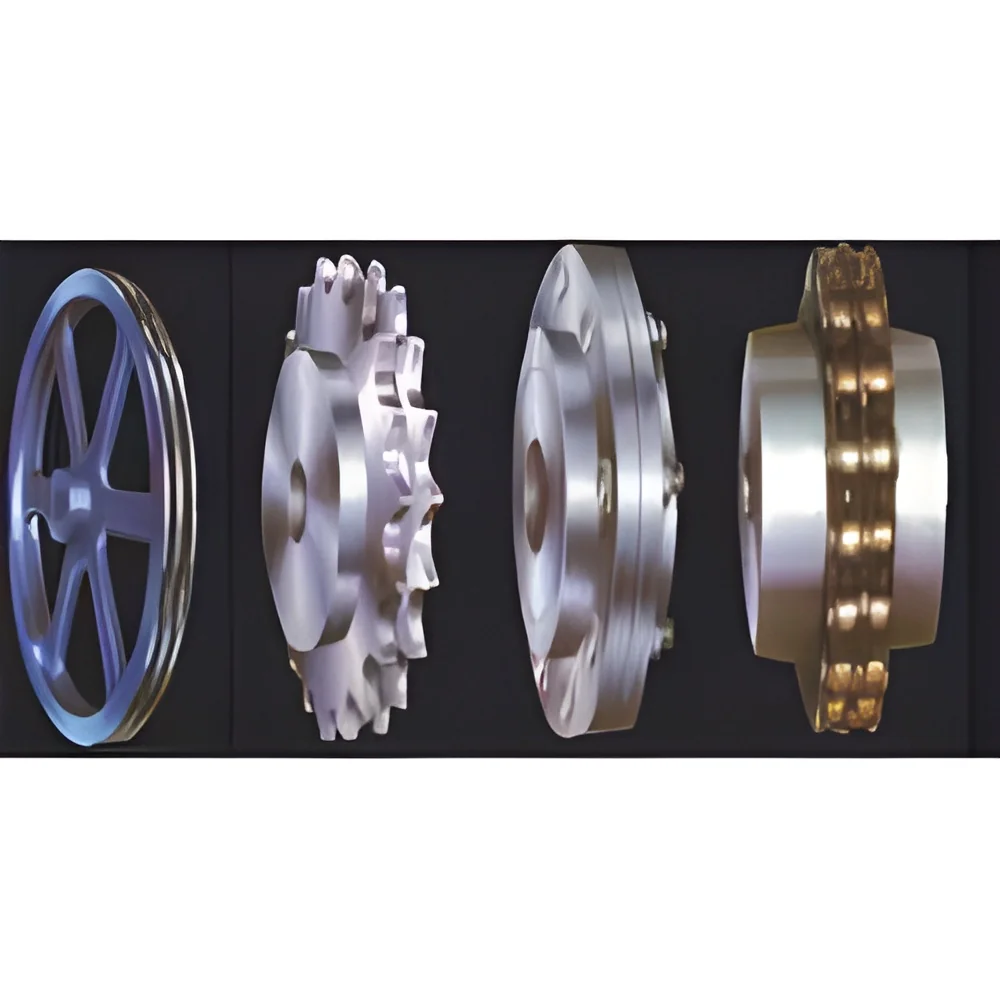
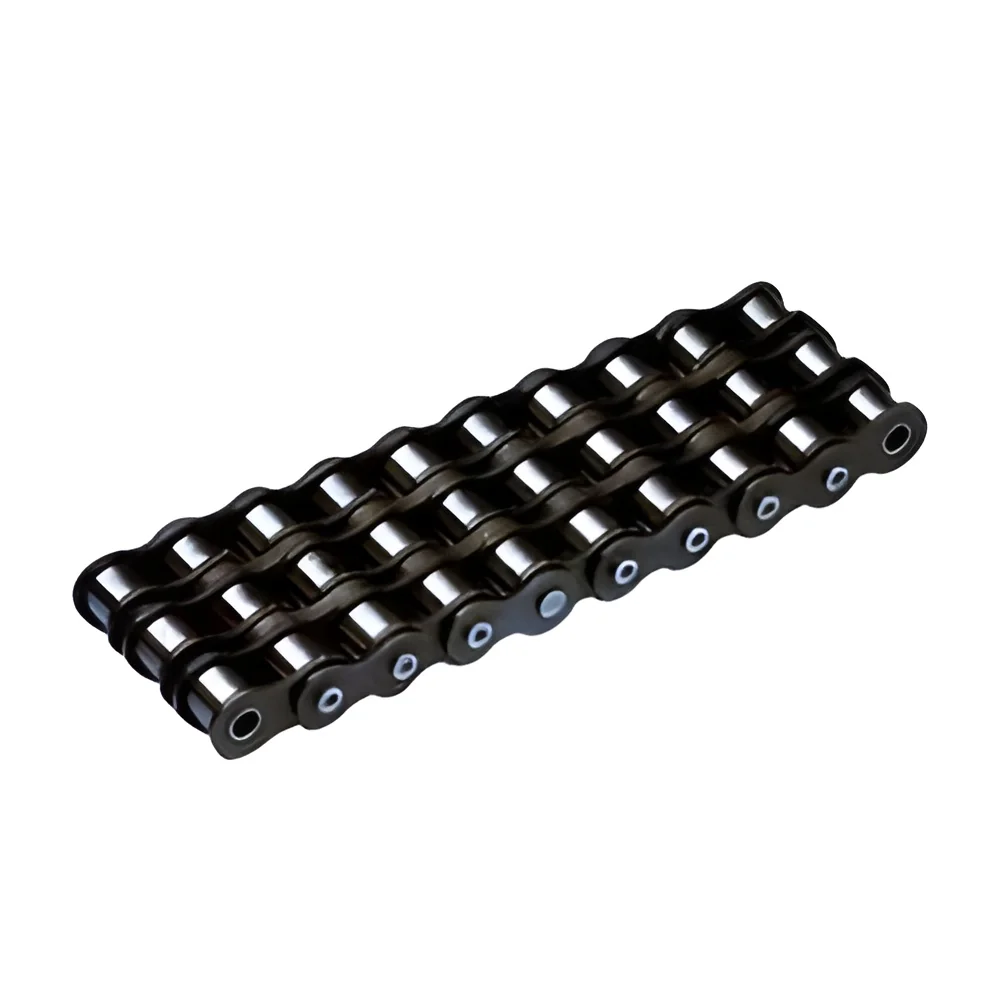
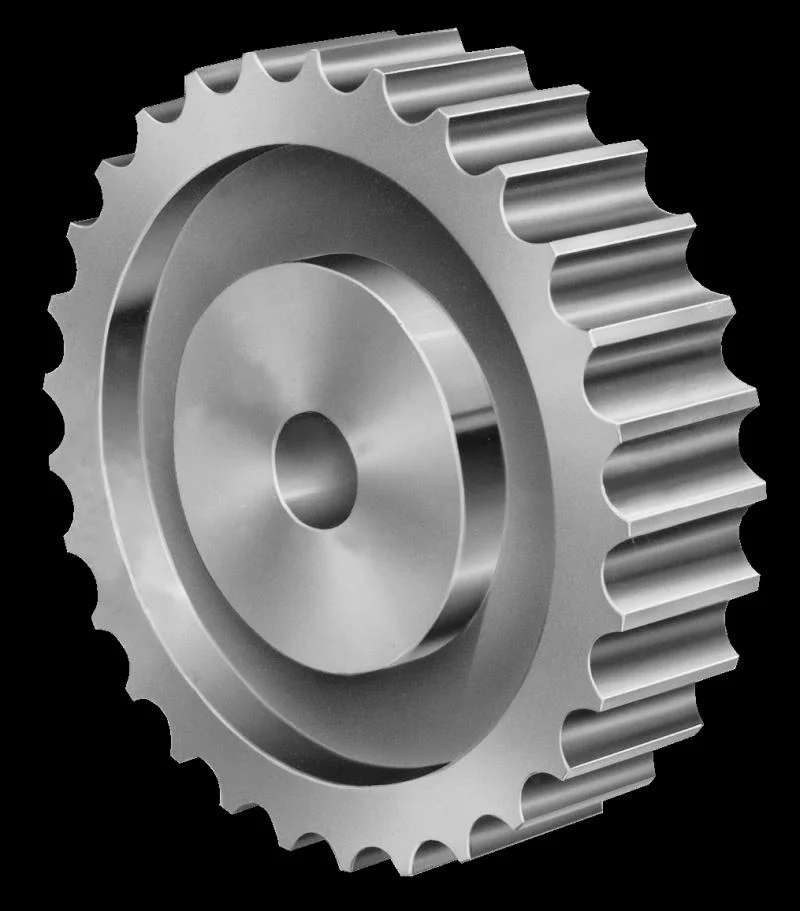
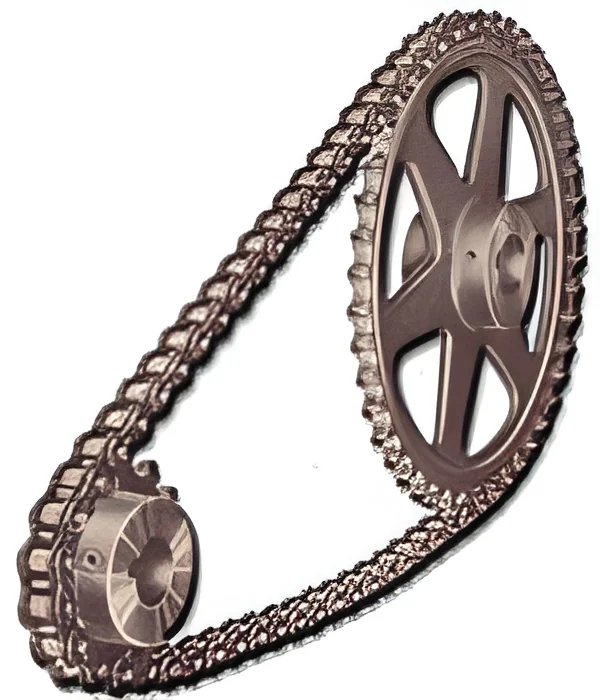
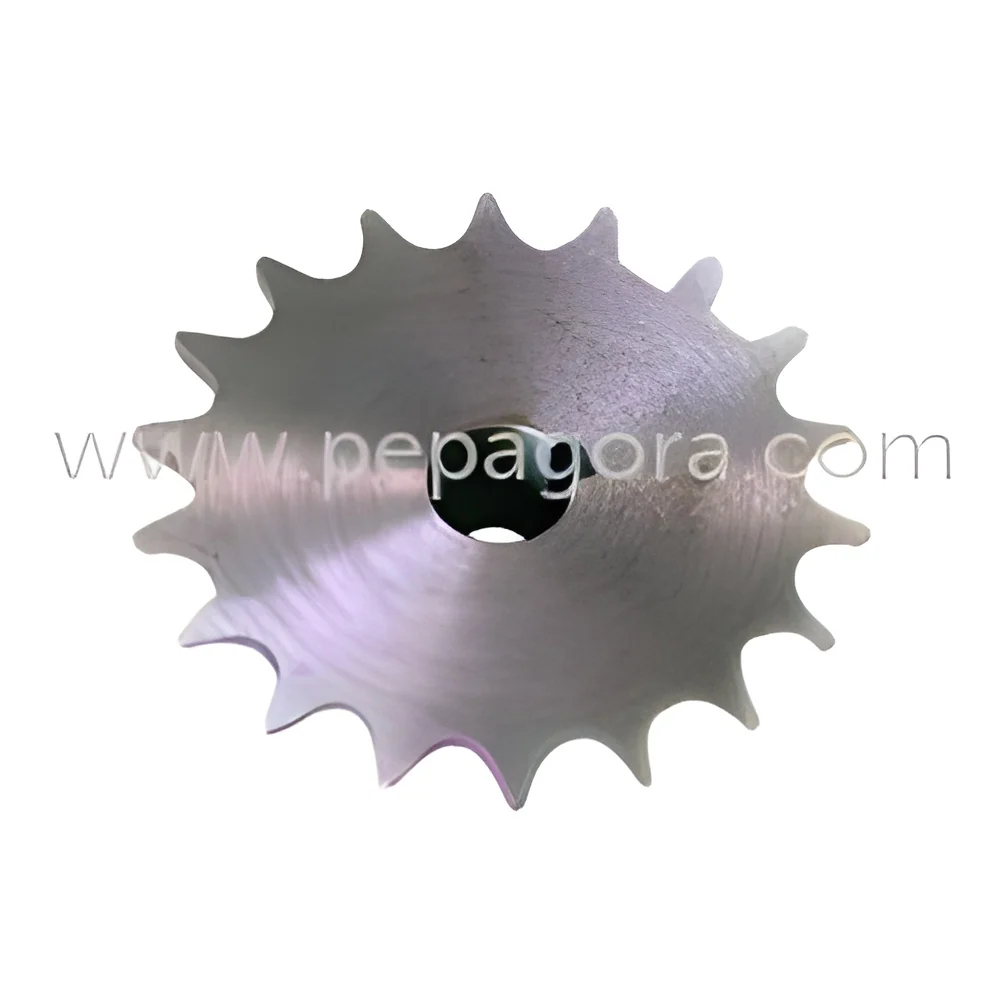
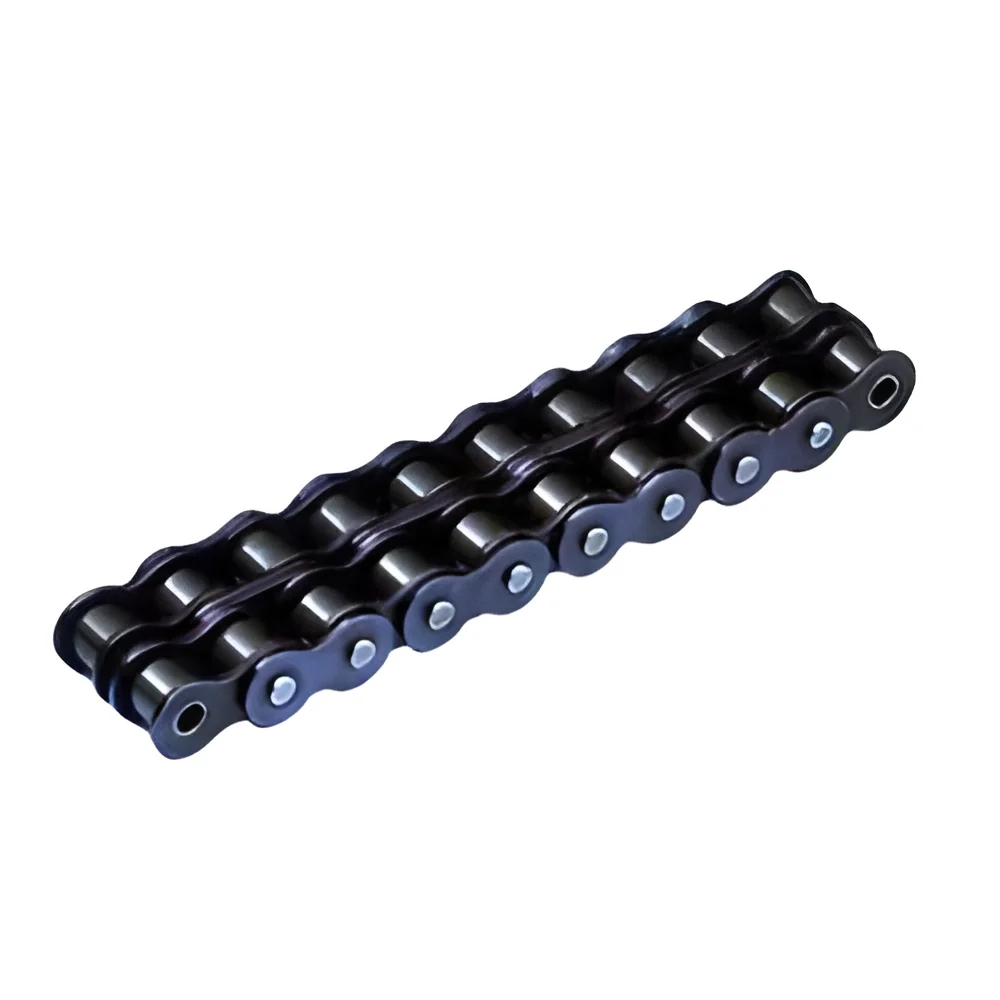
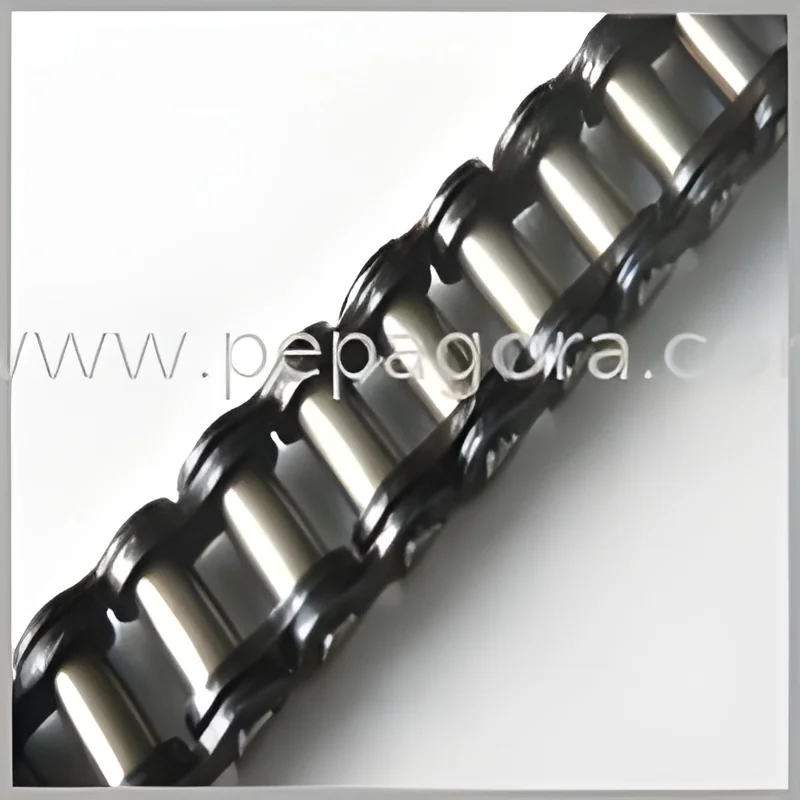
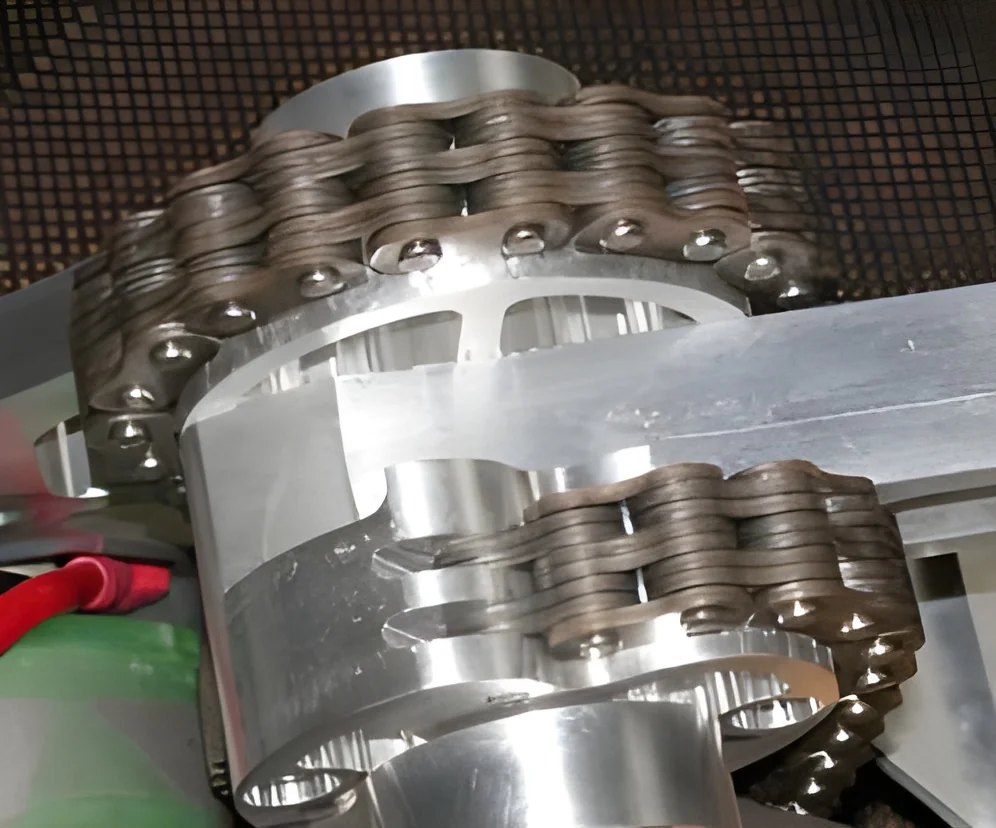
Roller chains feature cylindrical rollers that minimize friction, making them ideal for power transmission in machinery. They are widely used in conveyor systems and automatic machinery.
Welded Chain
Welded chains are made by welding links together for enhanced durability. They are suitable for heavy-duty applications and environments where high strength is required.
Benefits and Advantages
Choosing steel chains offers numerous advantages for businesses looking to enhance their operations.
1. High Strength: Steel chains provide significant load-bearing capacity, ensuring they can handle demanding tasks without failure.
2. Durability: Made from robust materials, steel chains resist wear and tear, leading to longer service life and reduced maintenance costs.
3. Versatility: With various types available, steel chains can be tailored for a wide range of applications across different industries.
4. Efficiency: Roller chains reduce friction, contributing to smoother operation and energy savings in machinery.
5. Safety: Compliance with industry standards ensures that steel chains meet safety requirements, minimizing the risk of accidents.
6. Customization: Many suppliers offer customized solutions to meet specific operational needs, enhancing functionality.
Buying Guide for B2B Buyers
When sourcing steel chains (link, roller, welded), buyers should consider several critical factors to ensure they make informed decisions.
1. Quality Assessment: Evaluate the quality of steel chains by reviewing material specifications and performance characteristics. Look for certifications and compliance with industry standards.
2. Supplier Verification: Conduct thorough background checks on suppliers to ensure they have a proven track record of reliability and quality. Request references and reviews from previous clients.
3. Pricing and MOQ: Understand the pricing structure and minimum order quantities (MOQ) required by suppliers. Compare quotes from multiple sources to ensure competitive pricing.
4. Delivery and Lead Times: Assess the supplier's ability to meet delivery deadlines. Factor in lead times when planning for procurement to avoid operational delays.
5. Compliance Requirements: Ensure that the chains meet necessary compliance and safety regulations specific to the industry and region. This is crucial for maintaining operational integrity and avoiding penalties.
Compliance and Certifications
Steel chains must adhere to various quality standards and certifications to ensure reliability and safety in industrial applications. One of the most recognized standards is ISO 9001, which outlines requirements for a quality management system. Compliance with ISO 9001 indicates that a manufacturer follows best practices for quality assurance.
Additionally, the CE mark signifies that the product meets European safety, health, and environmental protection standards. This certification is vital for companies looking to export their products to European markets.
Safety and testing requirements also play a crucial role in the compliance landscape. Chains undergo rigorous testing to assess their strength, durability, and performance under various conditions. Regional compliance considerations may vary, necessitating awareness of local regulations when sourcing steel chains.
Why Source Steel Chains (Link, Roller, Welded) from Pepagora?
Pepagora offers a reliable platform for sourcing steel chains (link, roller, welded) with significant advantages for B2B buyers.
Verified Supplier Network: The platform connects buyers with a network of verified suppliers, ensuring access to quality products and reducing the risk of fraud. This network fosters trust and reliability in procurement.
Streamlined RFQ Process: Pepagora simplifies the request for quotation (RFQ) process, allowing buyers to easily compare offers from multiple suppliers. This efficiency helps businesses make quicker decisions.
Trade Assurance and Support: Buyers benefit from trade assurance features that protect their transactions. This support provides peace of mind, knowing that their investments are safeguarded.
Regional Coverage: With a geographic reach spanning India, the GCC, and Southeast Asia, Pepagora facilitates access to suppliers across diverse markets. This regional coverage enhances options for sourcing steel chains tailored to specific local needs.




Frequently Asked Questions
What are Steel Chains (Link, Roller, Welded)?
Steel chains are robust linking mechanisms made from steel that are utilized for various applications, including lifting and securing loads. They can be categorized into three primary types: link chains, roller chains, and welded chains, each serving distinct purposes in industries such as construction, manufacturing, and transportation.
What are the different types of Steel Chains (Link, Roller, Welded)?
The three main types of steel chains include link chains, roller chains, and welded chains. Link chains consist of interconnected links that provide flexibility and strength, roller chains feature rollers that reduce friction for smoother operation, and welded chains are constructed by welding links together for enhanced durability in heavy-duty applications.
How do I choose the right Steel Chains (Link, Roller, Welded)?
Selecting the appropriate steel chain involves considering factors such as load capacity, application type, and environmental conditions. It's essential to assess the weight and type of materials being handled, as well as any specific operational requirements, to ensure optimal performance and safety.
What are the standard specifications for Steel Chains (Link, Roller, Welded)?
Standard specifications for steel chains typically include dimensions such as link size, pitch, and tensile strength. Additionally, they must adhere to industry standards like ISO or ANSI to ensure compatibility and performance in various applications.
What is the price range for Steel Chains (Link, Roller, Welded)?
The price of steel chains can vary significantly based on type, size, and manufacturer, generally ranging from a few hundred to several thousand Indian Rupees. Factors such as material quality and additional features like corrosion resistance can also influence the final cost.
What quality standards apply to Steel Chains (Link, Roller, Welded)?
Quality standards for steel chains often include adherence to ISO 9001 or similar certifications, ensuring that they meet specific safety and performance criteria. Manufacturers may also implement rigorous testing procedures to verify the strength and durability of their products.
Where can I find Steel Chains (Link, Roller, Welded) suppliers in India?
Steel chains can be sourced from various suppliers across India, including online marketplaces, industrial equipment suppliers, and specialized manufacturers. Websites like Pepagora.com offer a comprehensive list of vetted suppliers, making it easier to compare options and find the right fit for your needs.
Can Steel Chains (Link, Roller, Welded) be customized?
Yes, many manufacturers offer customization options for steel chains to meet specific requirements, such as unique dimensions or load capacities. It is advisable to discuss customization needs with suppliers to determine feasibility and associated costs.
What is the typical minimum order quantity for Steel Chains (Link, Roller, Welded)?
The minimum order quantity (MOQ) for steel chains usually depends on the manufacturer and type of chain being ordered, typically ranging from 100 to 500 pieces. However, some suppliers may accommodate smaller orders, particularly for standard products.
What is the typical lead time for Steel Chains (Link, Roller, Welded)?
The lead time for steel chains can vary based on factors such as order size, customization, and supplier capabilities, usually ranging from 1 to 4 weeks. It is recommended to confirm lead times with suppliers at the time of order placement to ensure timely delivery.
Why Businesses Trust Pepagora
Thousands of companies trust Pepagora to source smarter and sell faster
Expand Your Sales Globally

Source Smarter,Grow Faster
