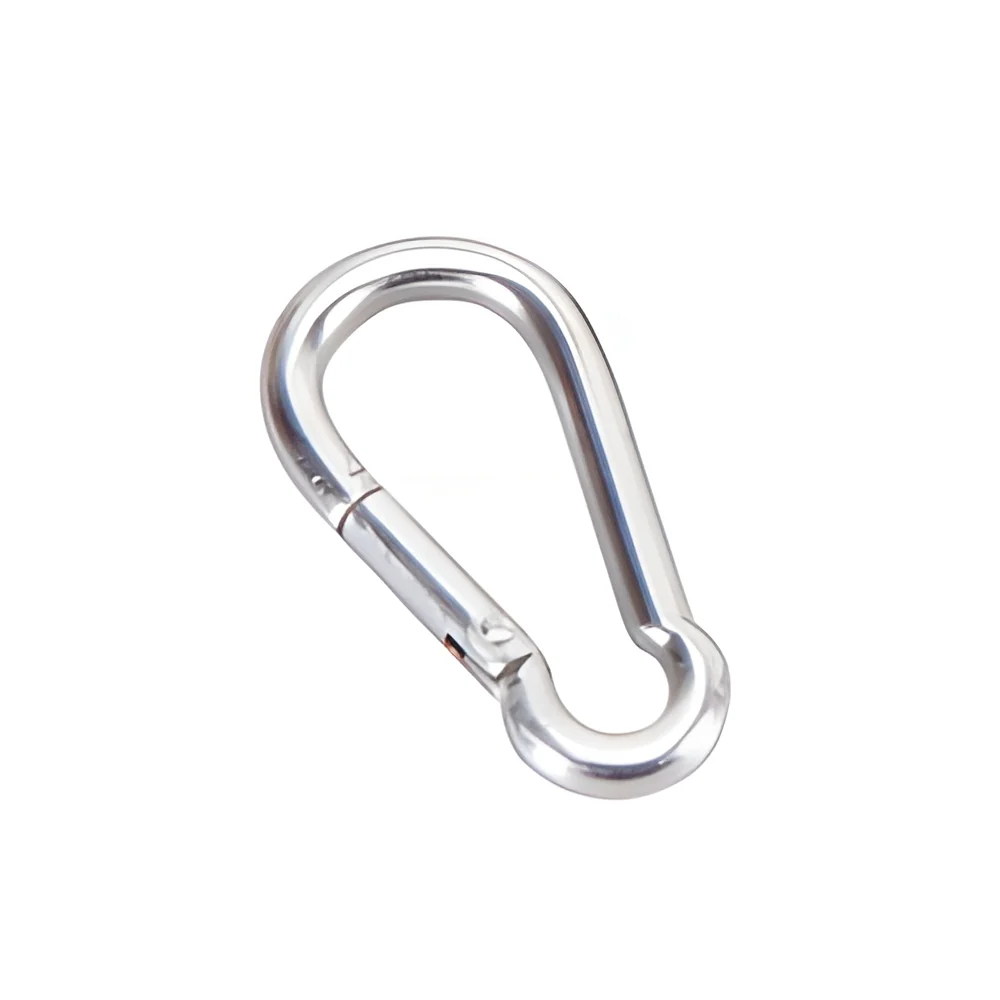
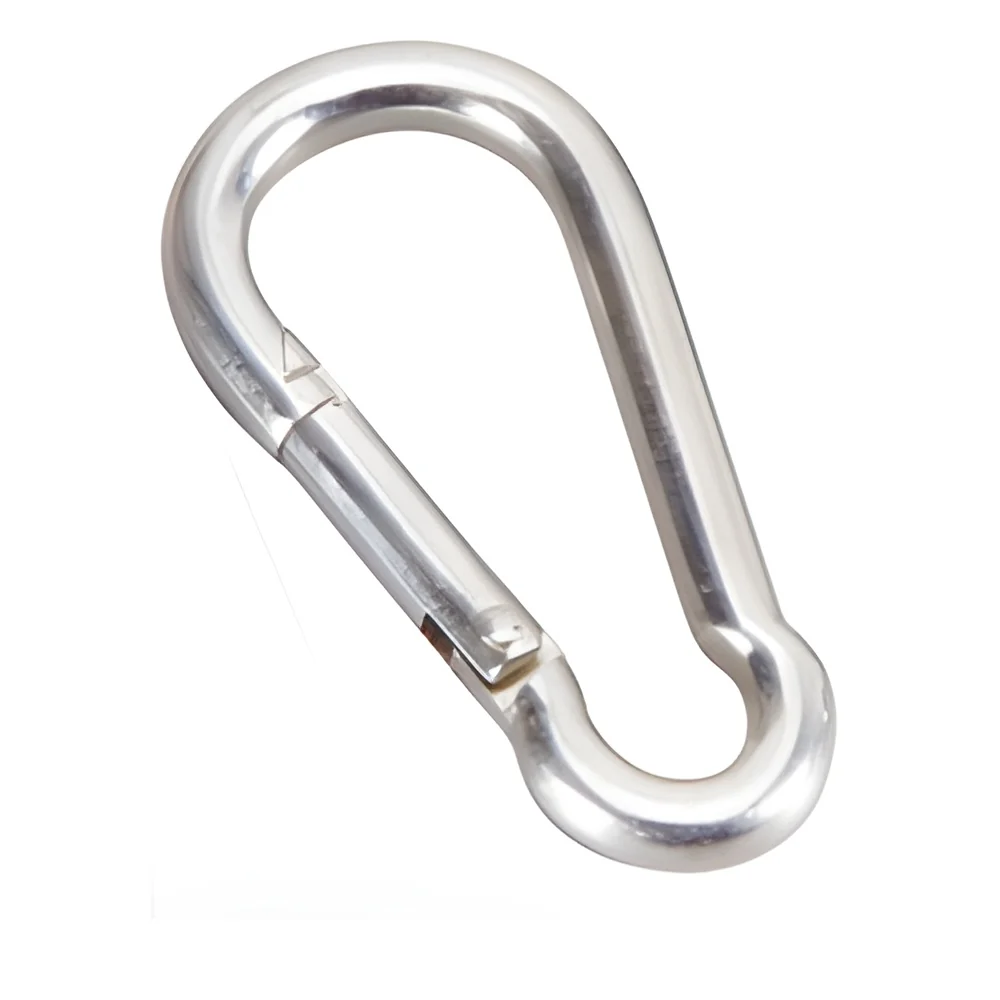
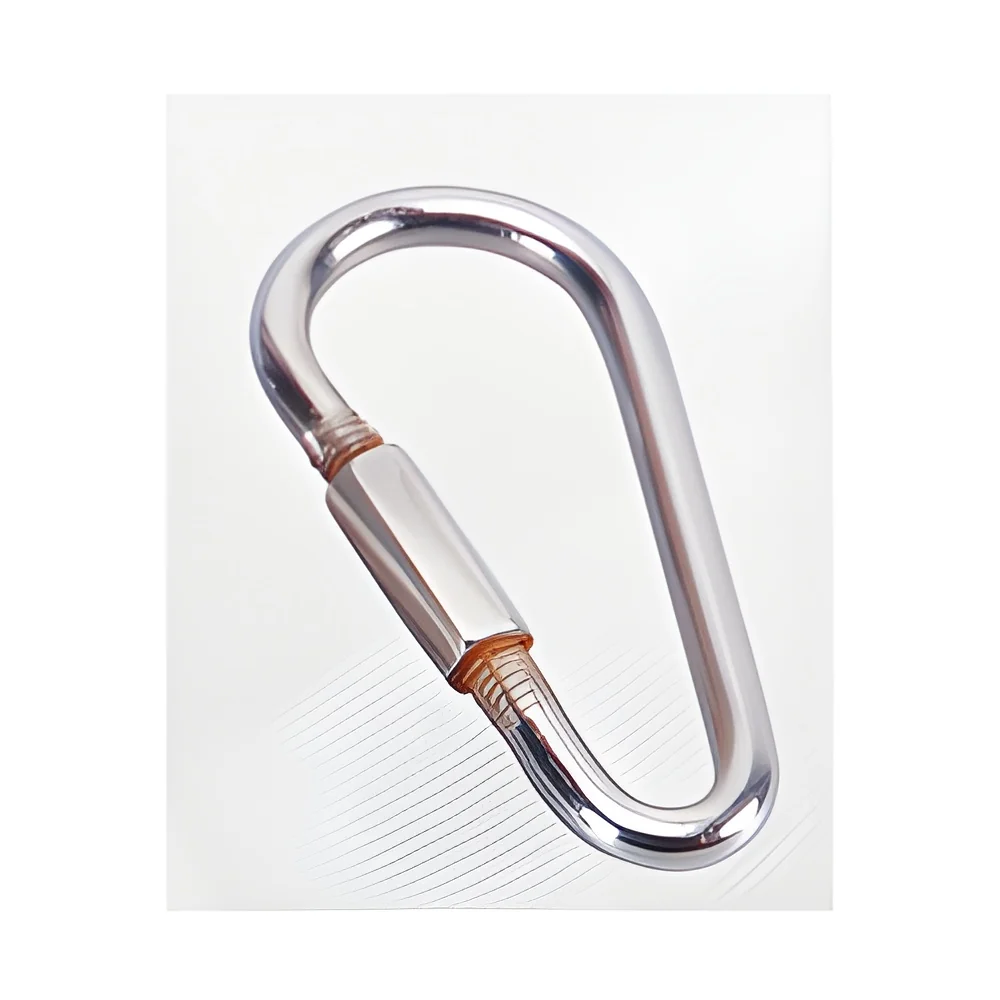
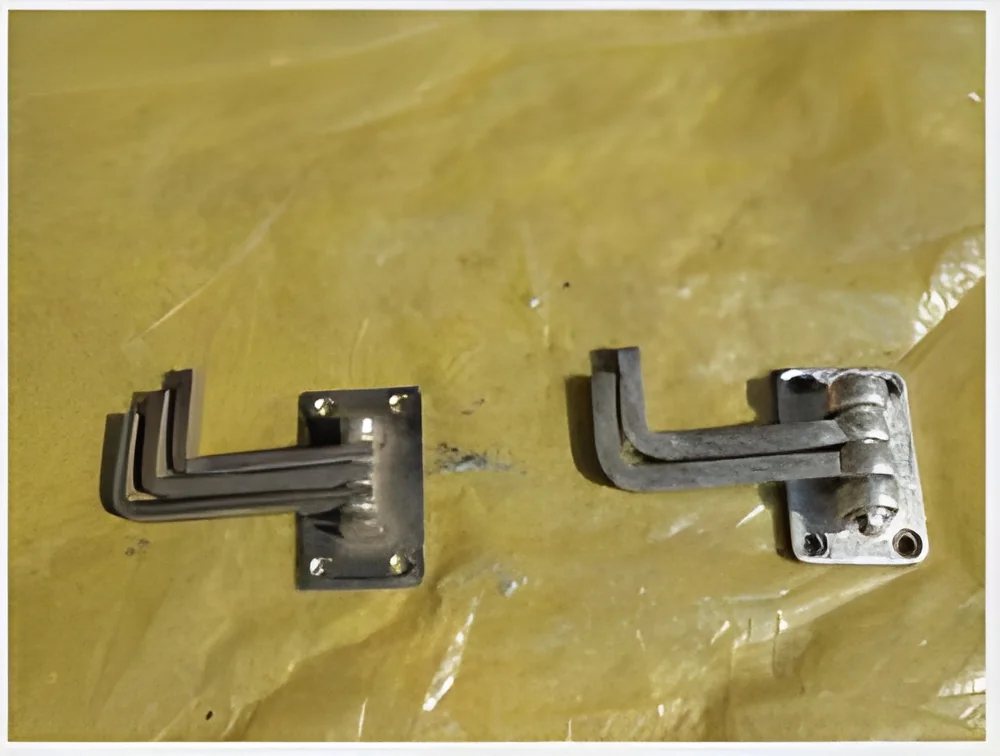
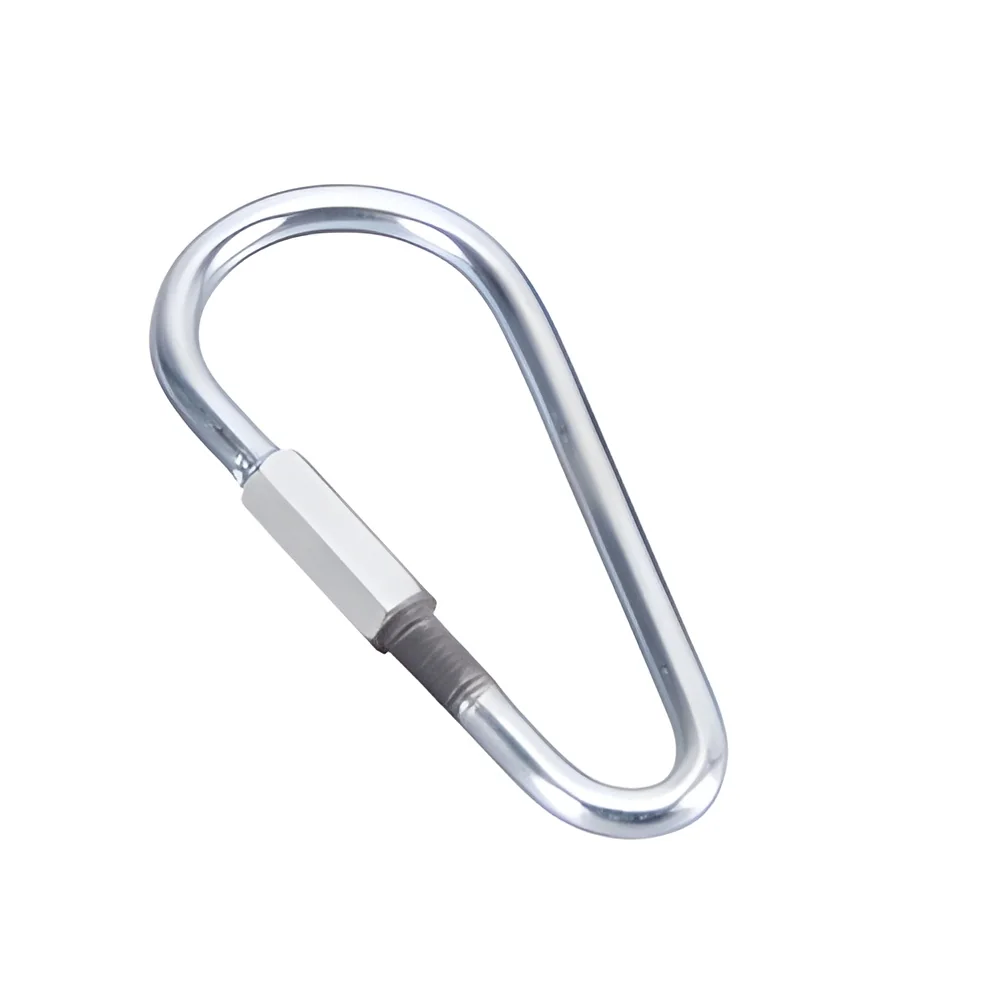
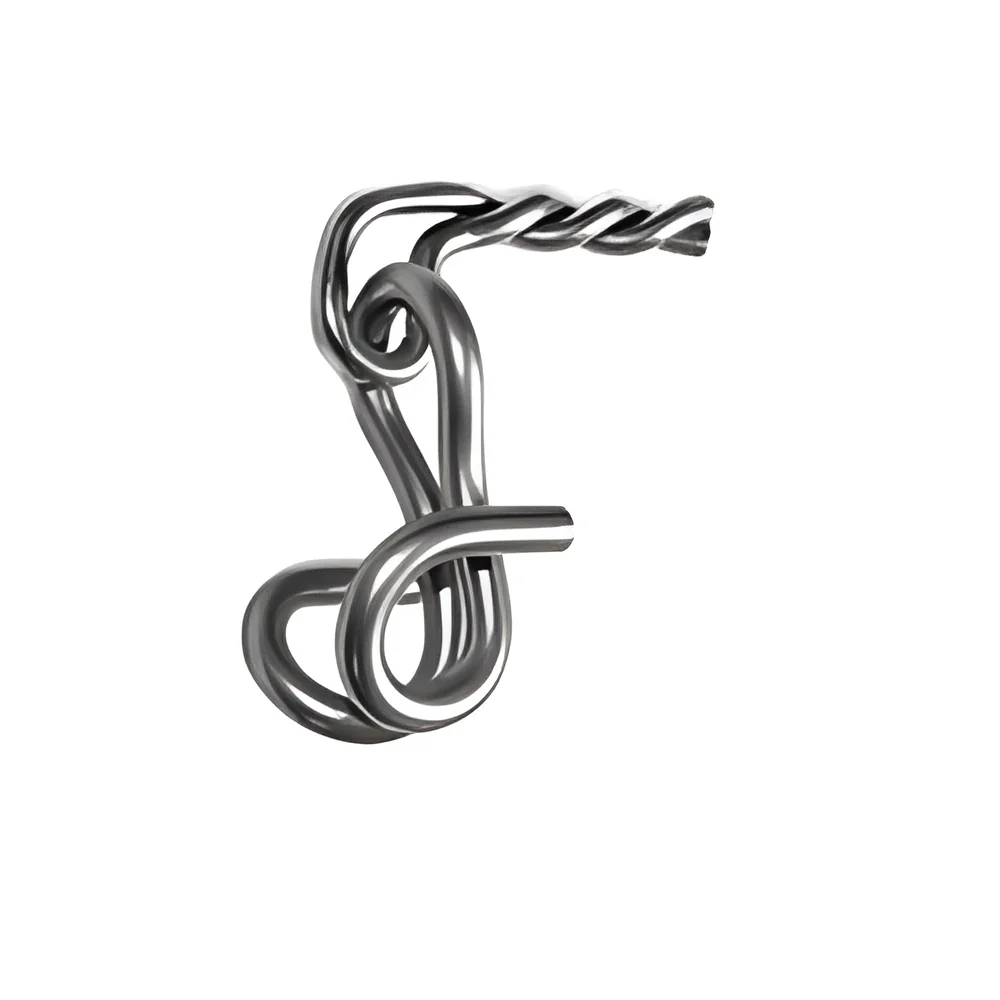
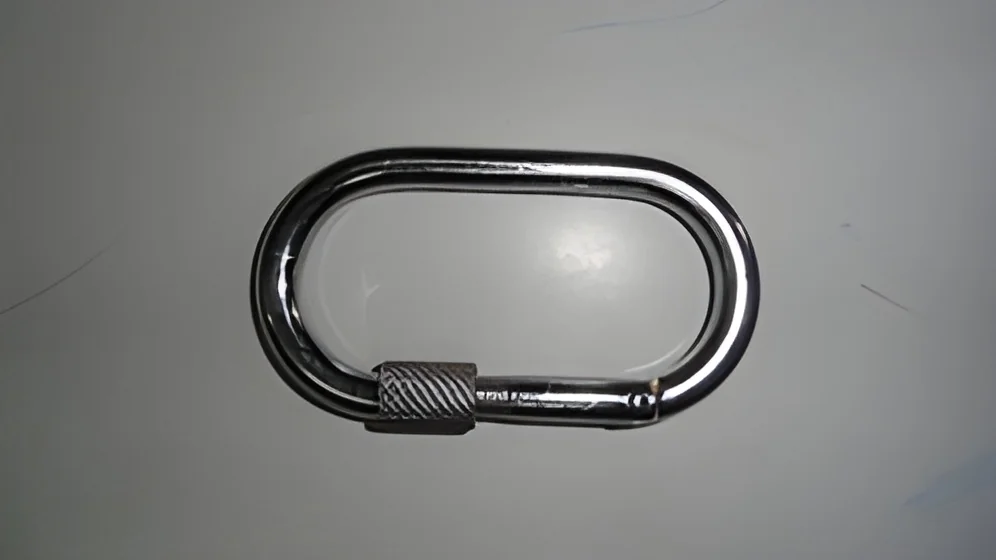
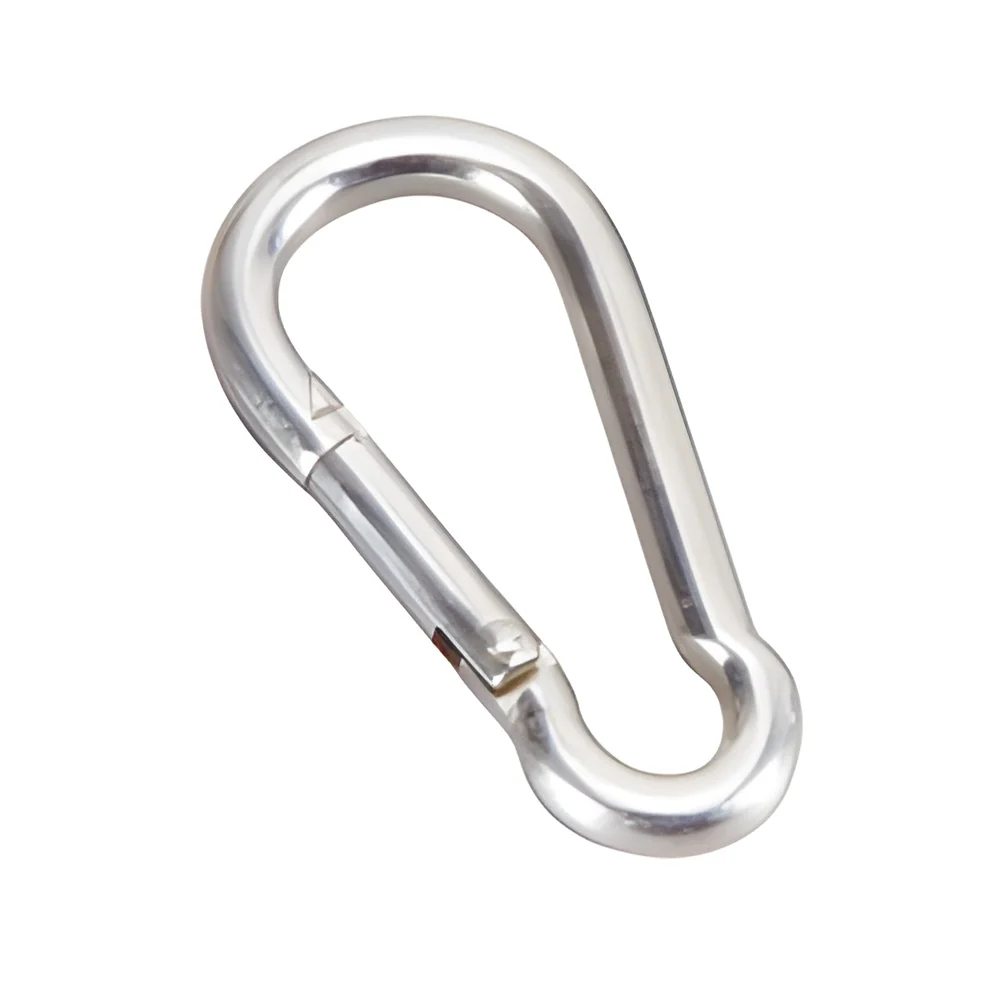
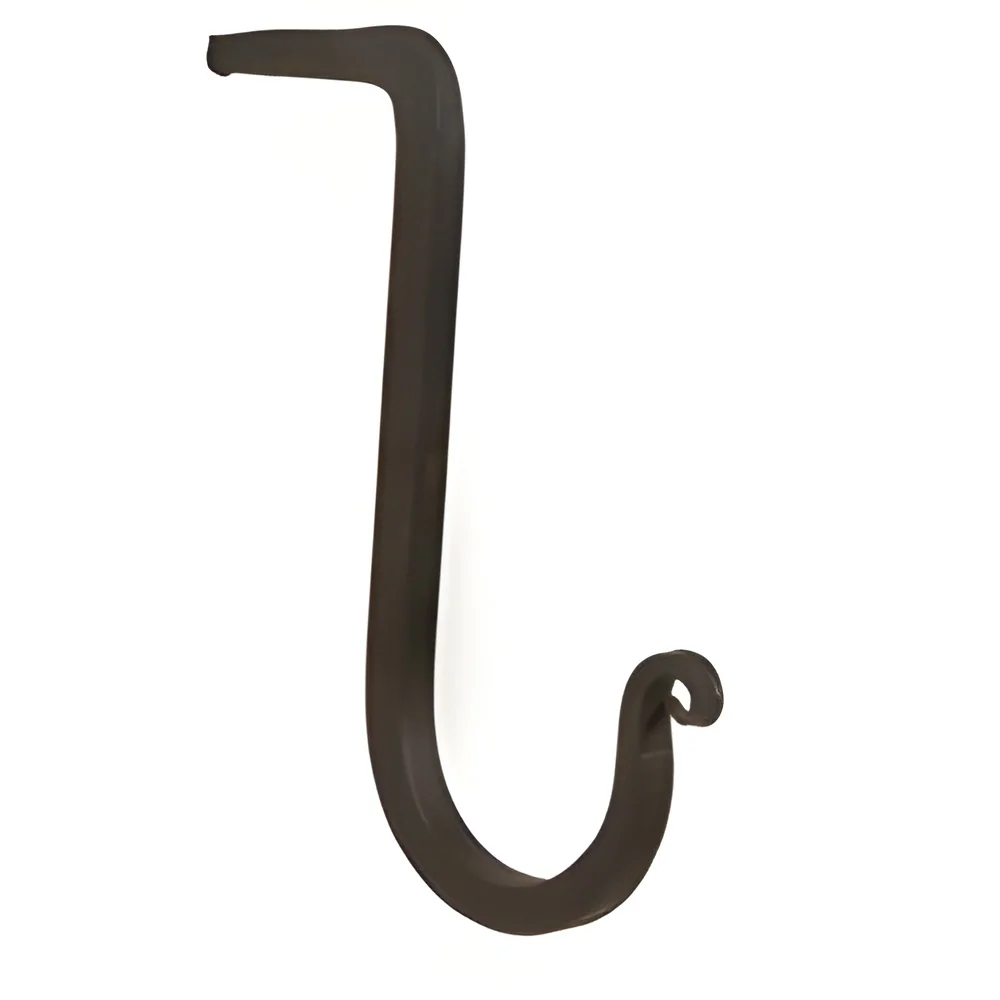
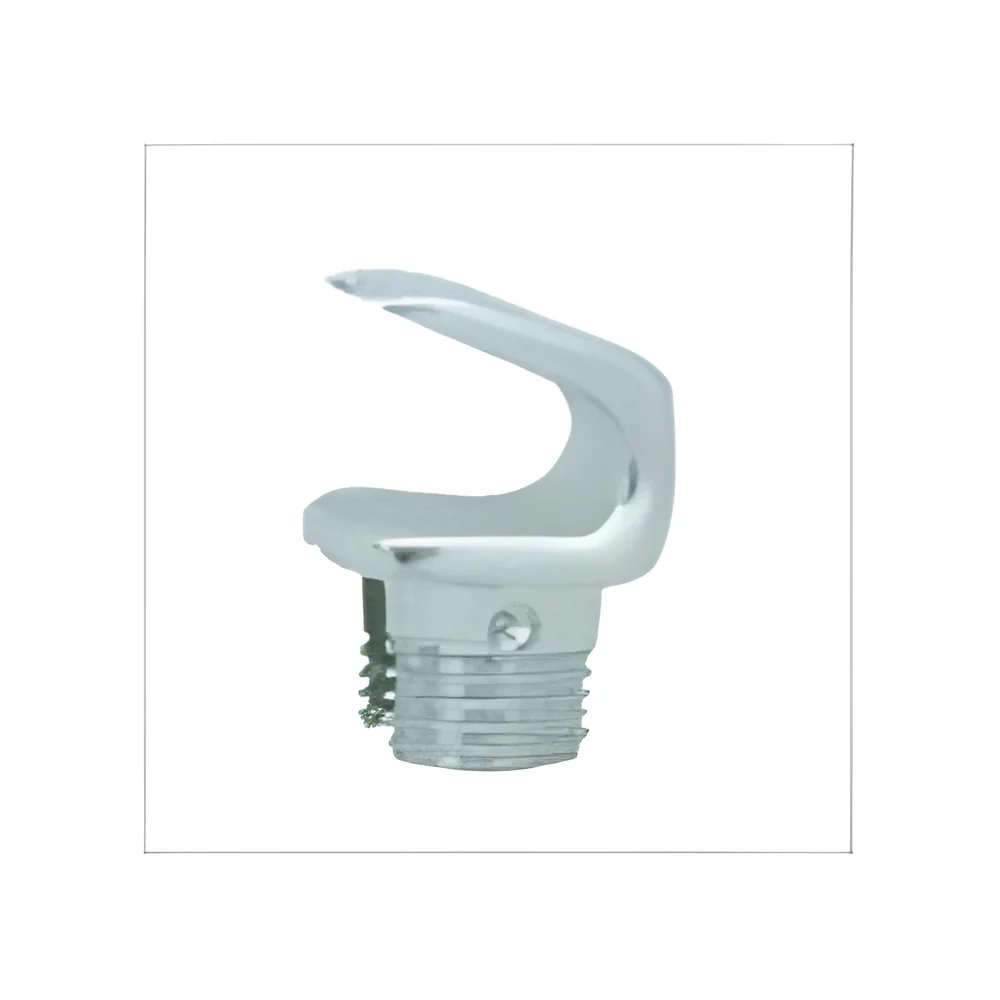
What are Hooks & Carabiners?
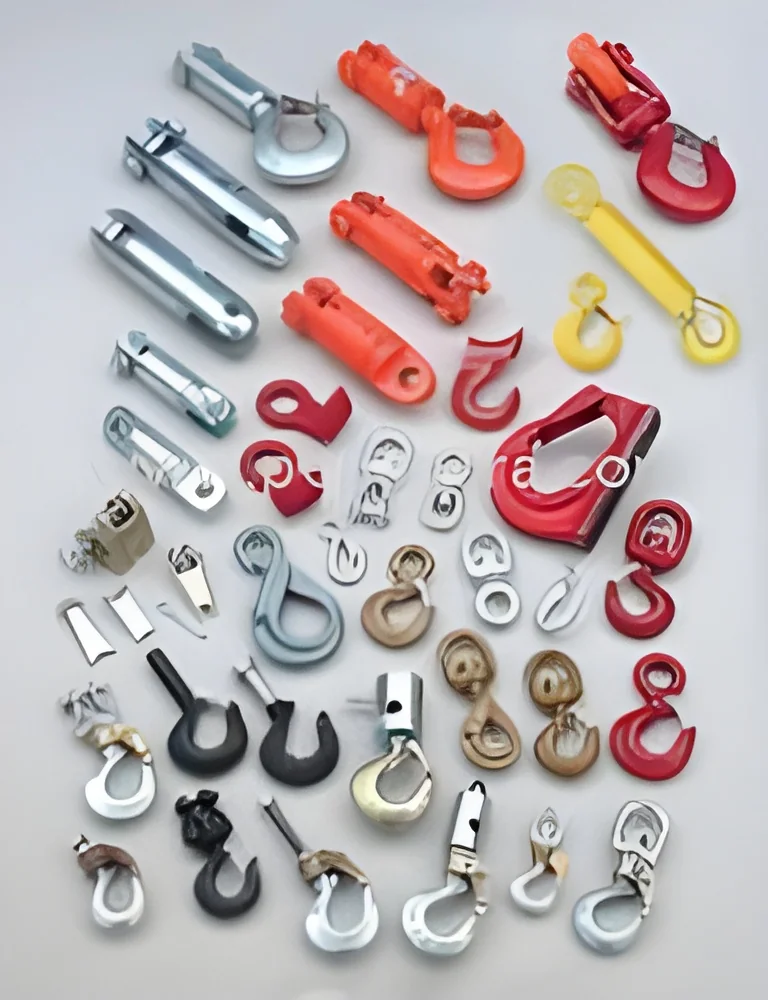
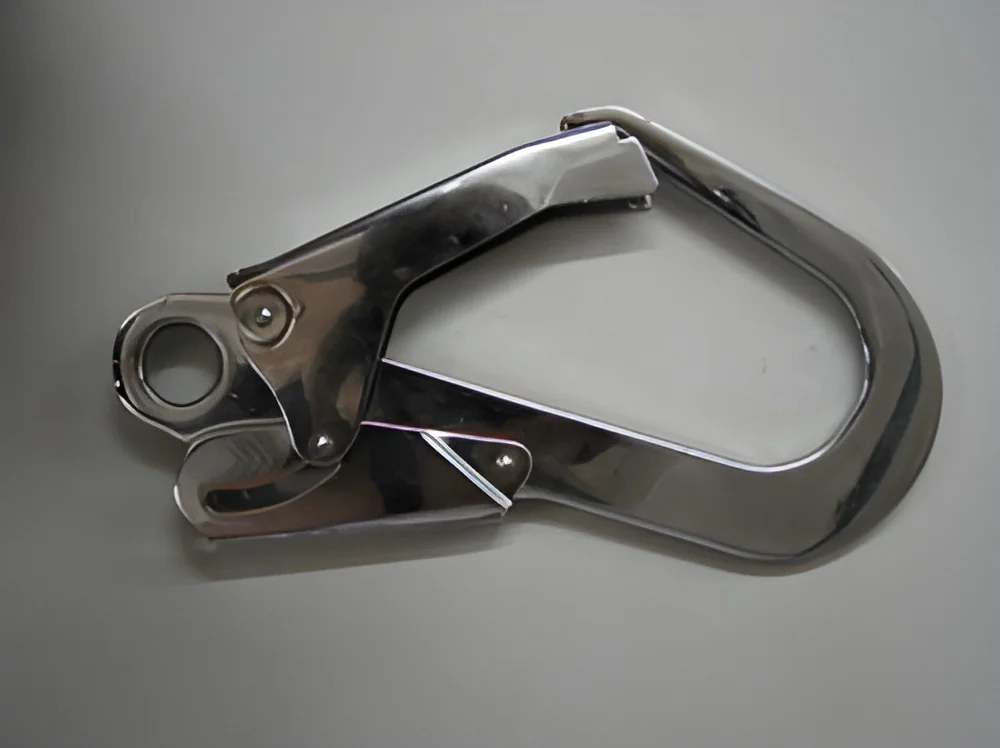
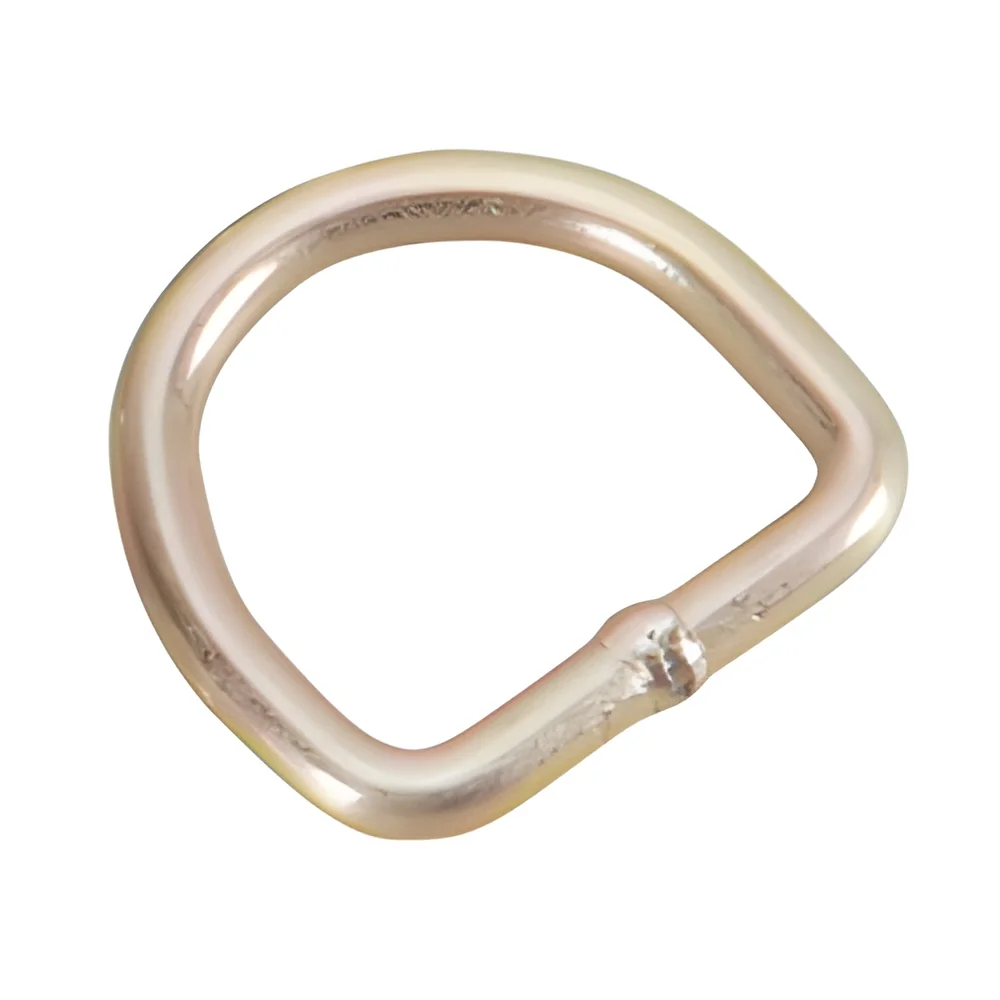
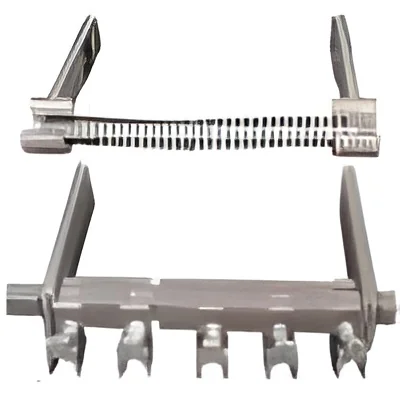
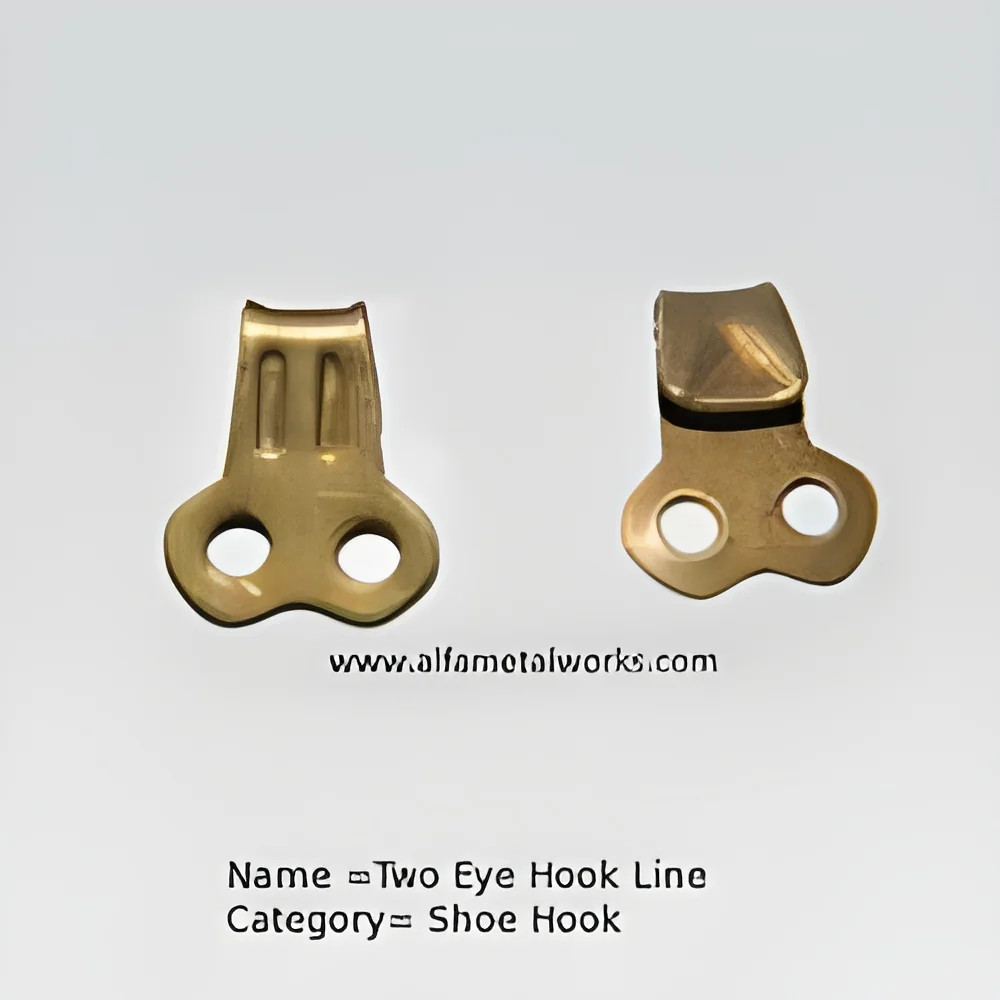
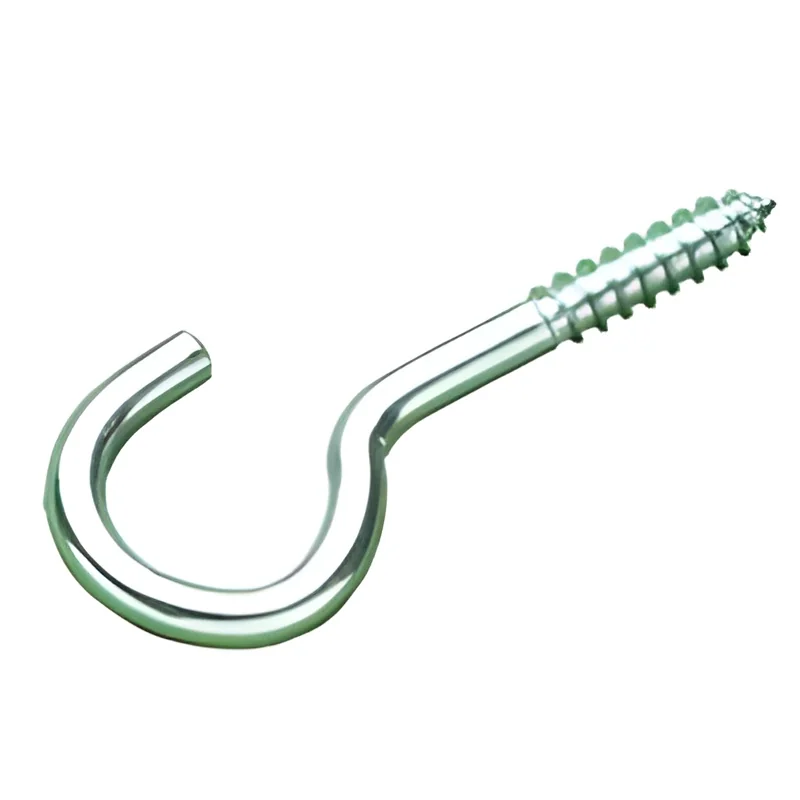
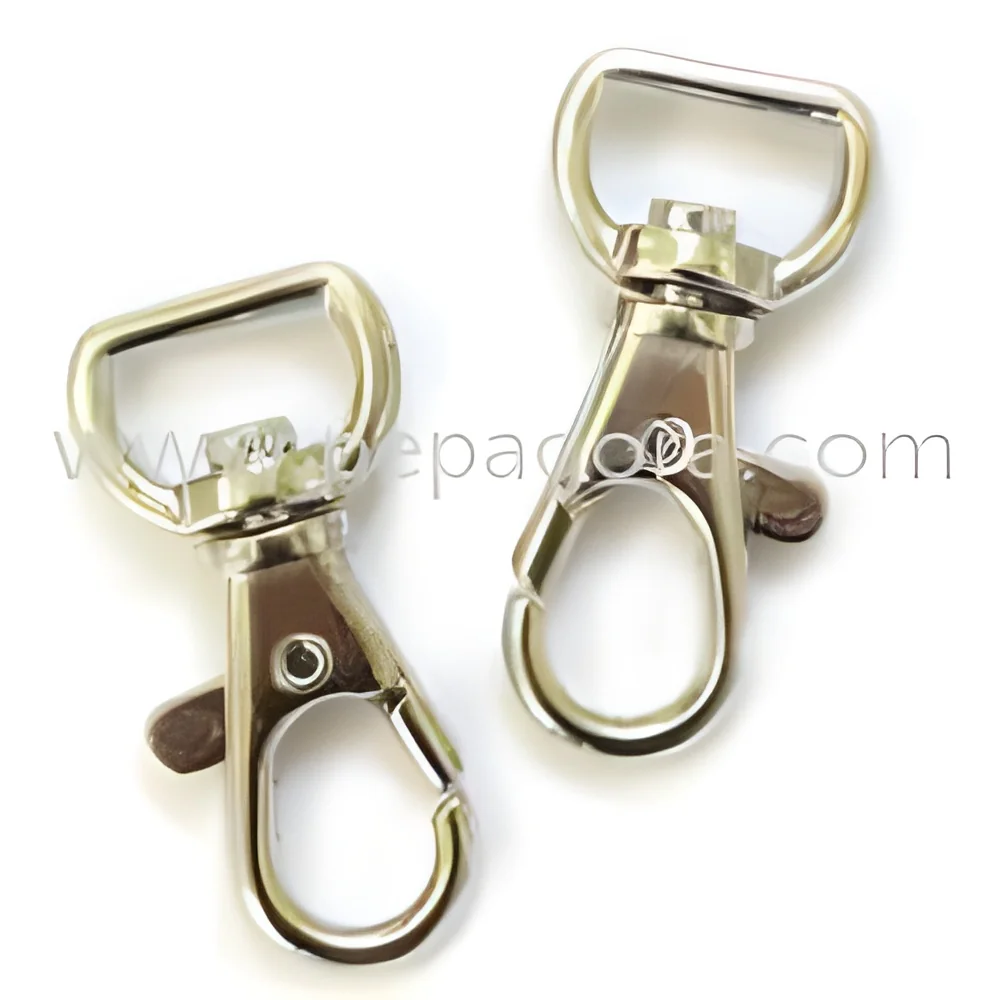
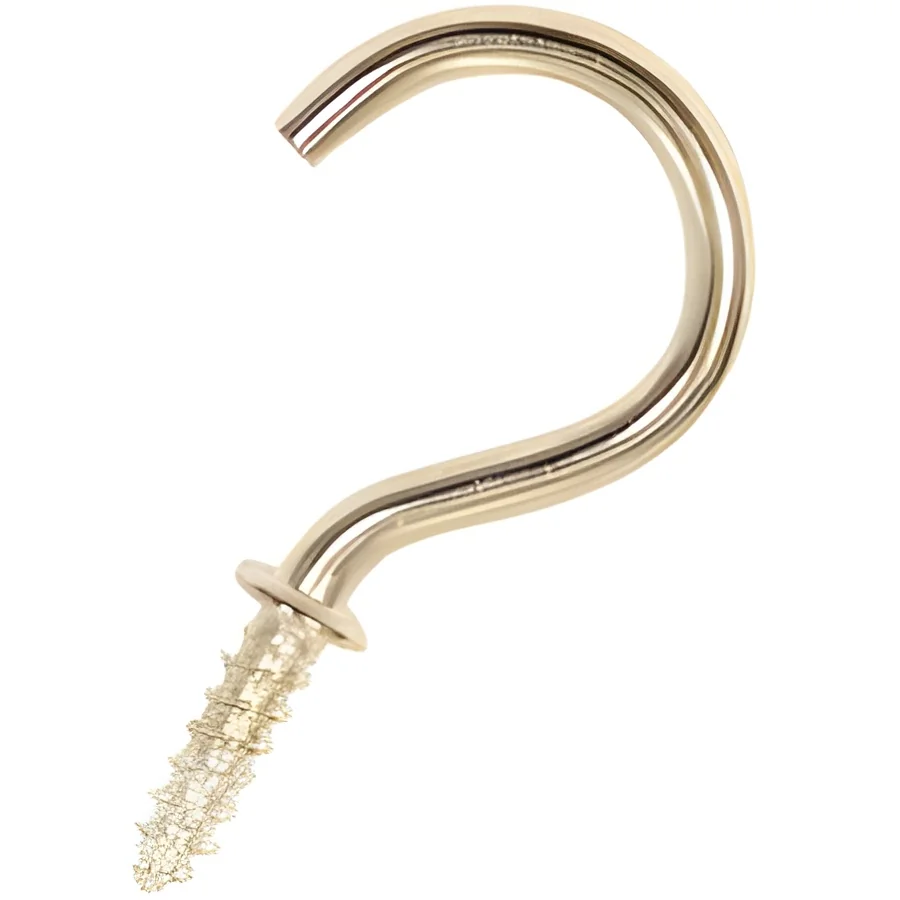
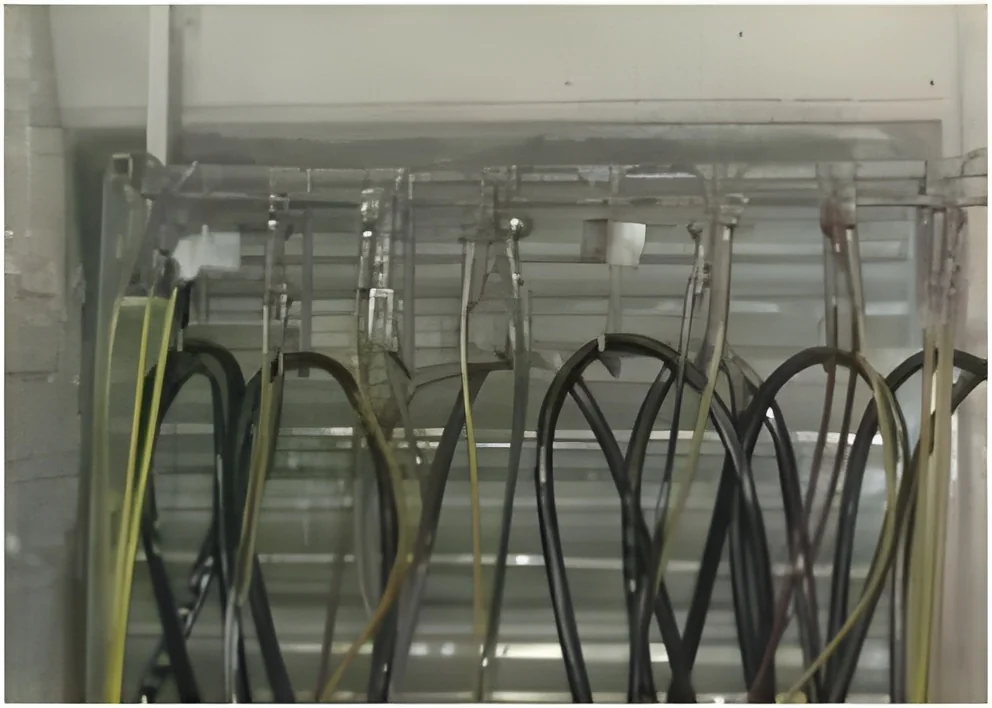
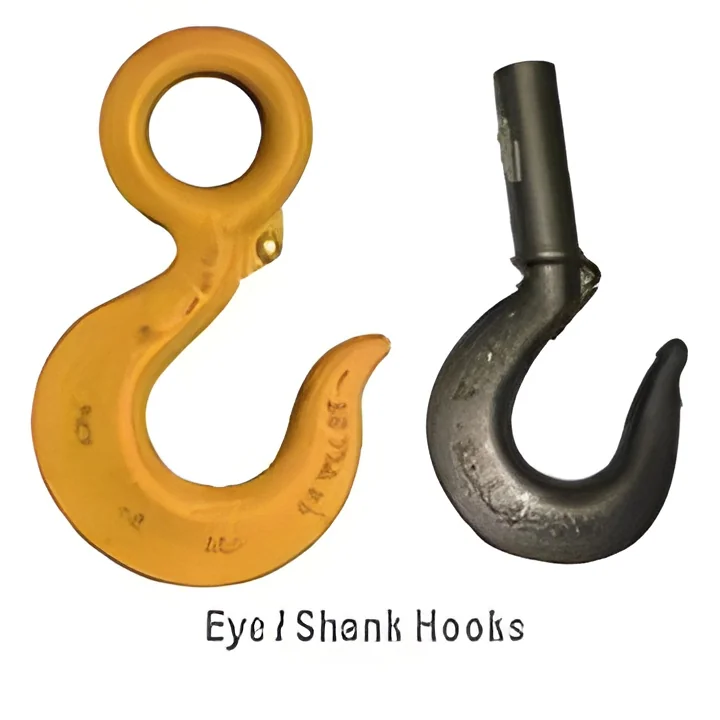
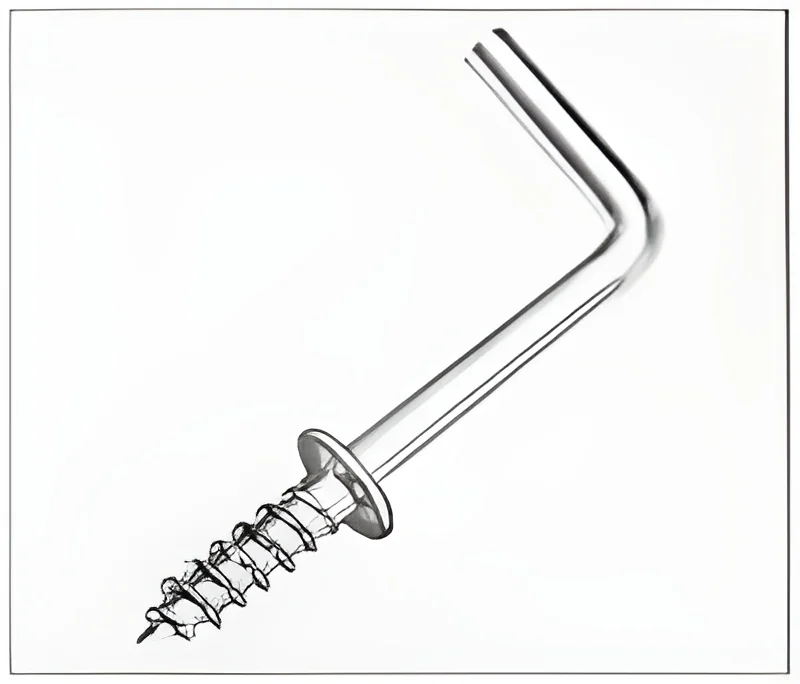
Hooks and carabiners are essential hardware components widely used in various industries for connecting, securing, and supporting loads. Hooks are typically shaped devices that allow for easy attachment to other objects, while carabiners are metal loops with a sprung gate, enabling quick link creation between different systems or components. Both products come in various sizes, materials, and designs to cater to different applications and load-bearing requirements.
These components are primarily used in industries such as construction, climbing, safety, and manufacturing. In construction, hooks and carabiners ensure tools and equipment are securely attached to harnesses or scaffolding. In climbing and outdoor sports, they provide critical safety connections for climbers and adventurers. Their versatility makes them crucial in many business applications, ensuring safety and efficiency in operations.
As industries continue to evolve, the demand for high-quality hooks and carabiners is on the rise. With the increasing focus on safety regulations and operational efficiency, businesses are seeking reliable and durable fastening solutions. This trend creates a robust market for hooks and carabiners, with ongoing innovations aimed at enhancing their performance and usability.
Key Features and Specifications
Hooks and carabiners come with various features that enhance their usability across different applications. Understanding these specifications is crucial for selecting the right product for specific needs.
Key specifications include:
1. Material Composition
- Hooks and carabiners are often made from stainless steel, aluminum, or plastic.
- Stainless steel offers superior strength and corrosion resistance, while aluminum is lightweight and cost-effective.
2. Load Capacity
- Load capacities can vary significantly depending on design and material.
- Common ranges include 20 kg to over 300 kg for industrial-grade options.
3. Gate Type
- Carabiners feature different gate types including screw-lock, auto-lock, and non-locking gates.
- Each type has distinct safety and usability benefits.
4. Finish Type
- Various finishes such as anodized, powder-coated, or plain are available.
- These finishes provide aesthetic appeal and additional corrosion resistance.
5. Size Options
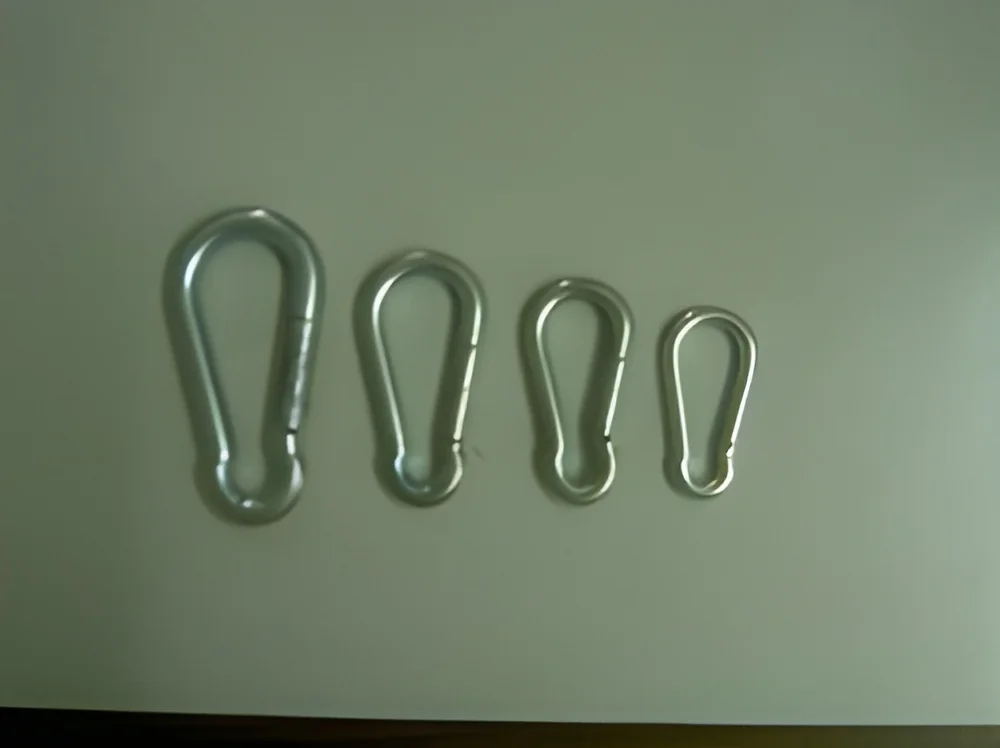
- Hooks and carabiners come in multiple sizes to accommodate different applications.
- Typical sizes range from small (for lightweight tasks) to large (for heavy-duty uses).
6. Compliance Standards
- Many products conform to specific industry standards for safety and quality.
- Common certifications include CE marking for compliance with European safety norms.
7. Weight
- The weight of hooks and carabiners varies based on material and size.
- Lightweight options are ideal for portable applications, while heavier designs provide enhanced durability.
In summary, choosing the right hooks and carabiners involves considering these specifications carefully to meet the demands of specific applications and ensure safety.
Common Applications and Use Cases
Hooks and carabiners are utilized in a broad range of industries, each requiring specific features for effective performance.
1. Construction: In construction, hooks and carabiners are used to secure tools and safety harnesses. They ensure that workers are safely attached to scaffolding or elevated platforms, reducing the risk of falls.
2. Outdoor Recreation: In the outdoor and climbing sectors, these devices are critical for safety. They connect ropes, harnesses, and gear, ensuring climbers remain secure during their activities.
3. Manufacturing: In manufacturing environments, hooks and carabiners facilitate the organization of tools and equipment. They enable easy access and storage, promoting operational efficiency.
4. Transportation: In logistics and transport, these components are used to secure cargo during transit. They help prevent shifting and damage, ensuring safe delivery.
5. Marine Applications: In marine environments, hooks and carabiners are used for securing boats and equipment. Their corrosion-resistant properties make them ideal for harsh, salty conditions.
6. Emergency Services: In emergency situations, hooks and carabiners are essential for rescuers. They provide reliable connections in life-saving scenarios, ensuring safety for both rescuers and victims.
7. Industrial Safety: Many industries implement hooks and carabiners in safety systems. They are used in fall protection gear and safety nets to protect workers at heights.
Product Variants and Subcategories
Hooks and carabiners are available in various forms to suit different applications, providing businesses with options tailored to their needs.
Standard Carabiners
These are the most commonly used type, featuring a simple design that allows for quick connections. They are typically used in climbing, safety harnesses, and general-purpose applications.
Screw-Lock Carabiners
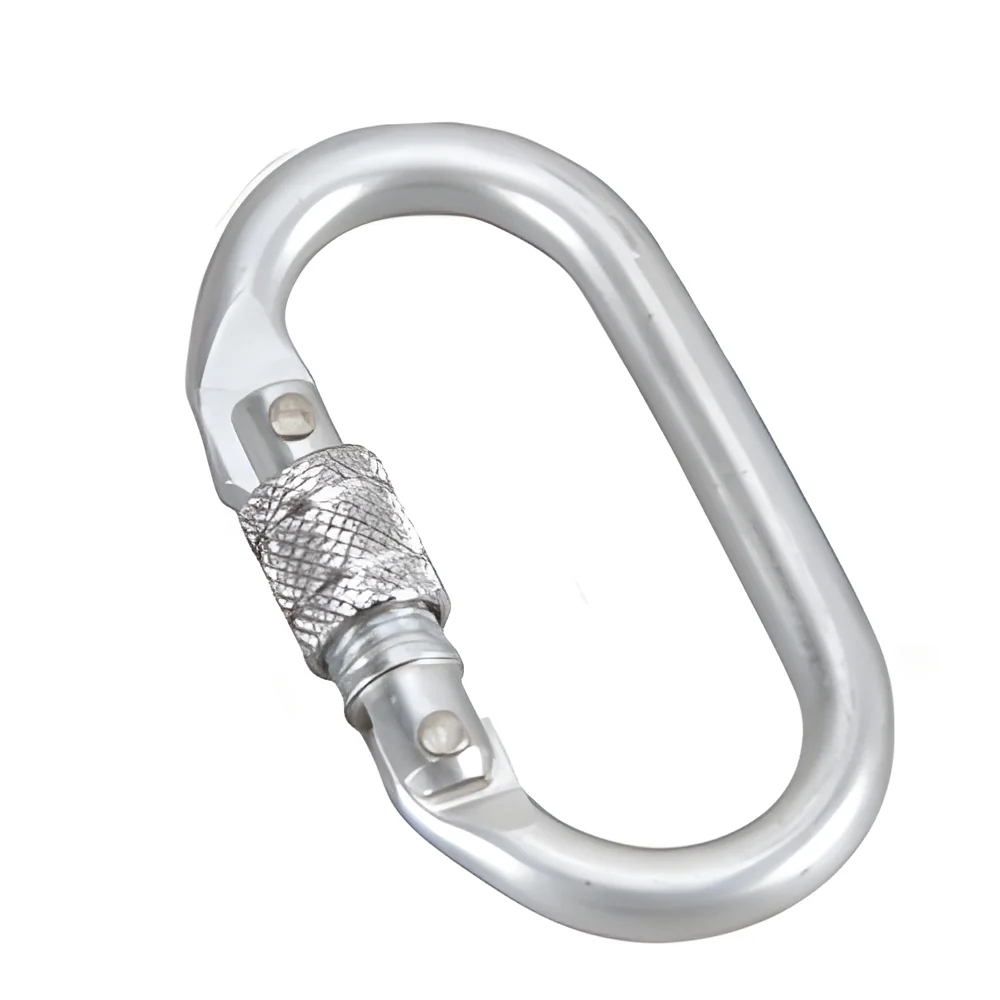
Screw-lock carabiners offer added security with a locking mechanism. They are ideal for situations where accidental opening must be prevented, such as in rescue operations or industrial settings.
Auto-Lock Carabiners
These feature an automatic locking mechanism that engages when the gate is closed. They provide a high level of safety and are often used in climbing and safety harness systems.
Snap Hooks
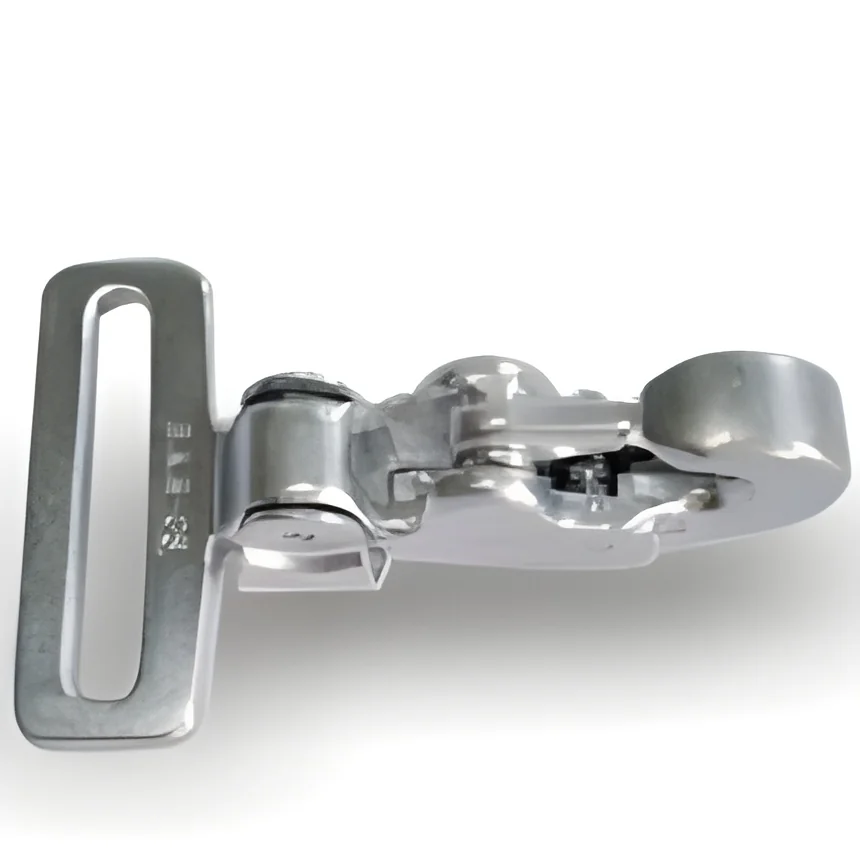
Snap hooks are designed for quick attachment and detachment. They are commonly used in applications where frequent connections are needed, such as in equipment straps or safety lines.
Benefits and Advantages
Hooks and carabiners offer numerous advantages that make them invaluable in various industries.
Key benefits include:
1. Versatility: Hooks and carabiners can be used in multiple applications, from construction to outdoor activities, making them a flexible solution for businesses.
2. Safety Assurance: These components provide reliable connections that are crucial for safety in high-risk environments, minimizing the potential for accidents.
3. Ease of Use: Their design allows for quick attachment and detachment, facilitating efficient operations in fast-paced settings.
4. Durability: Made from robust materials, hooks and carabiners are built to withstand harsh conditions, ensuring long-lasting performance.
5. Cost-Effectiveness: Investing in high-quality hooks and carabiners reduces the need for frequent replacements, providing businesses with cost savings over time.
6. Compliance with Standards: Many products meet industry safety standards, giving businesses peace of mind regarding their equipment's reliability.
Buying Guide for B2B Buyers
When sourcing hooks and carabiners, it is essential for buyers to consider several factors to ensure they make informed purchasing decisions.
1. Quality Assessment: Evaluate the quality of the materials and construction. Look for products that meet recognized safety standards and have a proven track record in their applications.
2. Supplier Verification: It is crucial to vet suppliers for reliability and reputation. Check for reviews, certifications, and their history in delivering quality products.
3. Pricing and MOQ: Understand the pricing structure and minimum order quantities (MOQ) required. Compare prices across different suppliers to ensure competitive rates.
4. Delivery and Lead Times: Inquire about delivery schedules and lead times to avoid disruptions in operations. Ensure that suppliers can meet your timelines.
5. Compliance Requirements: Make sure the products comply with relevant safety and industry standards. This may include certifications and adherence to regulations in your region.
Compliance and Certifications
Compliance with industry standards is critical for the reliability and safety of hooks and carabiners. Many products adhere to quality standards such as ISO 9001, which ensures consistent quality management systems.
In addition, certifications like CE mark are essential, indicating that the products meet European safety standards. Manufacturers often conduct rigorous testing to ensure that their hooks and carabiners can withstand specified loads and conditions.
Safety and testing requirements can vary by industry, so it is important to understand regional compliance needs. This can include specific safety regulations that must be met to ensure products are suitable for particular applications.
Why Source Hooks & Carabiners from Pepagora?
Pepagora offers a trusted platform for sourcing hooks and carabiners, providing several key advantages for B2B buyers.
Verified Supplier Network: Pepagora connects buyers with a network of verified suppliers. This ensures that businesses work with reputable manufacturers who meet high-quality standards.
Streamlined RFQ Process: The platform features a streamlined request for quotation (RFQ) process, making it easy for buyers to obtain competitive pricing and product information from multiple suppliers.
Trade Assurance and Support: Pepagora provides trade assurance, offering buyer protection and support throughout the purchasing process. This builds confidence and ensures a smooth transaction.
Regional Coverage: With a strong presence in markets like India, the GCC, and Southeast Asia, Pepagora effectively caters to the needs of businesses across diverse geographical regions, enhancing accessibility to quality hooks and carabiners.

 IN
IN