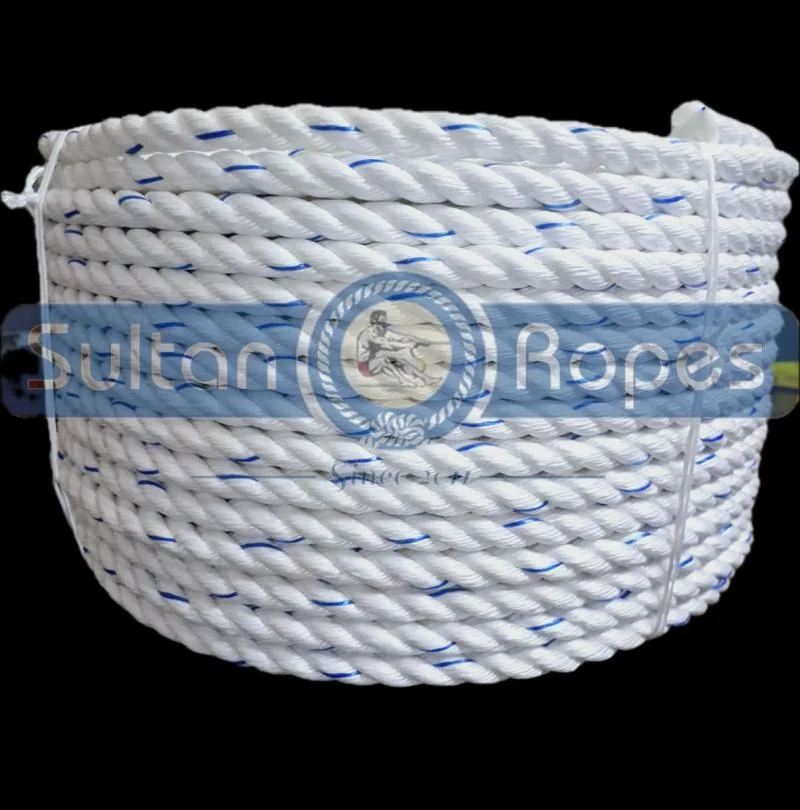
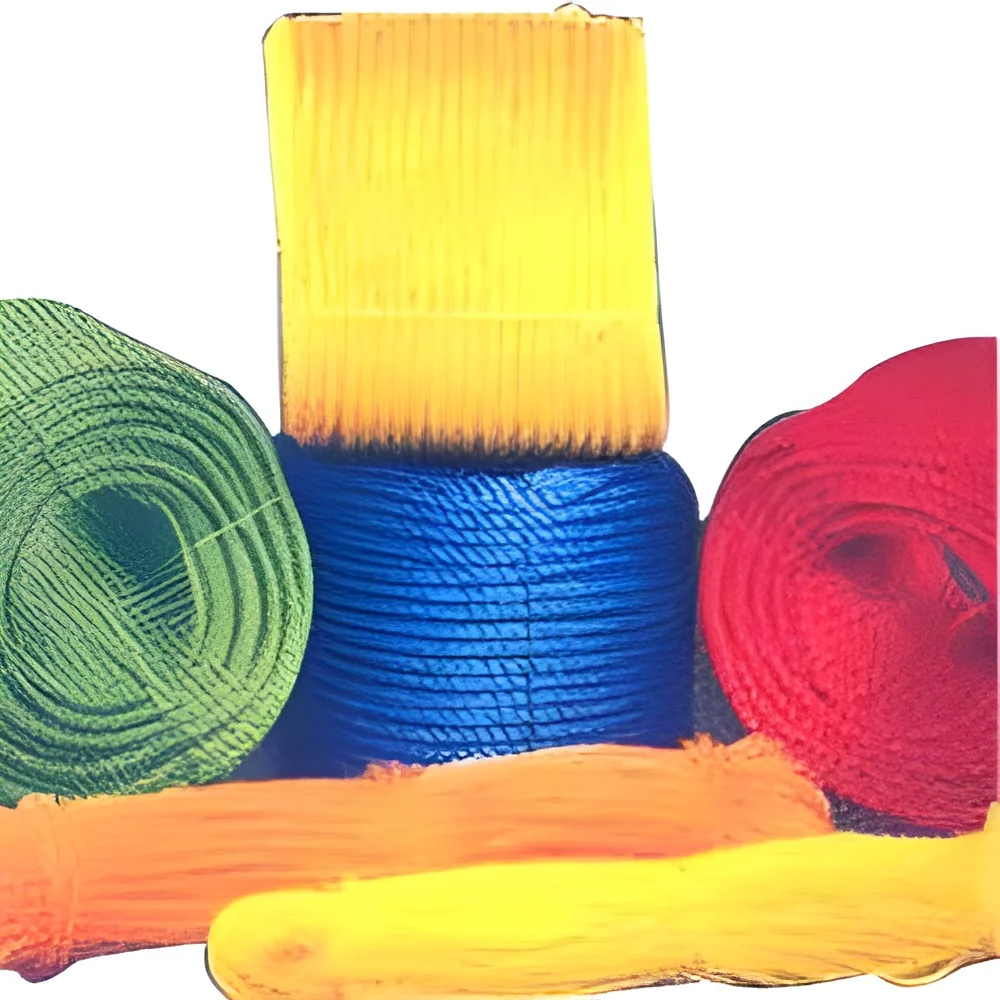
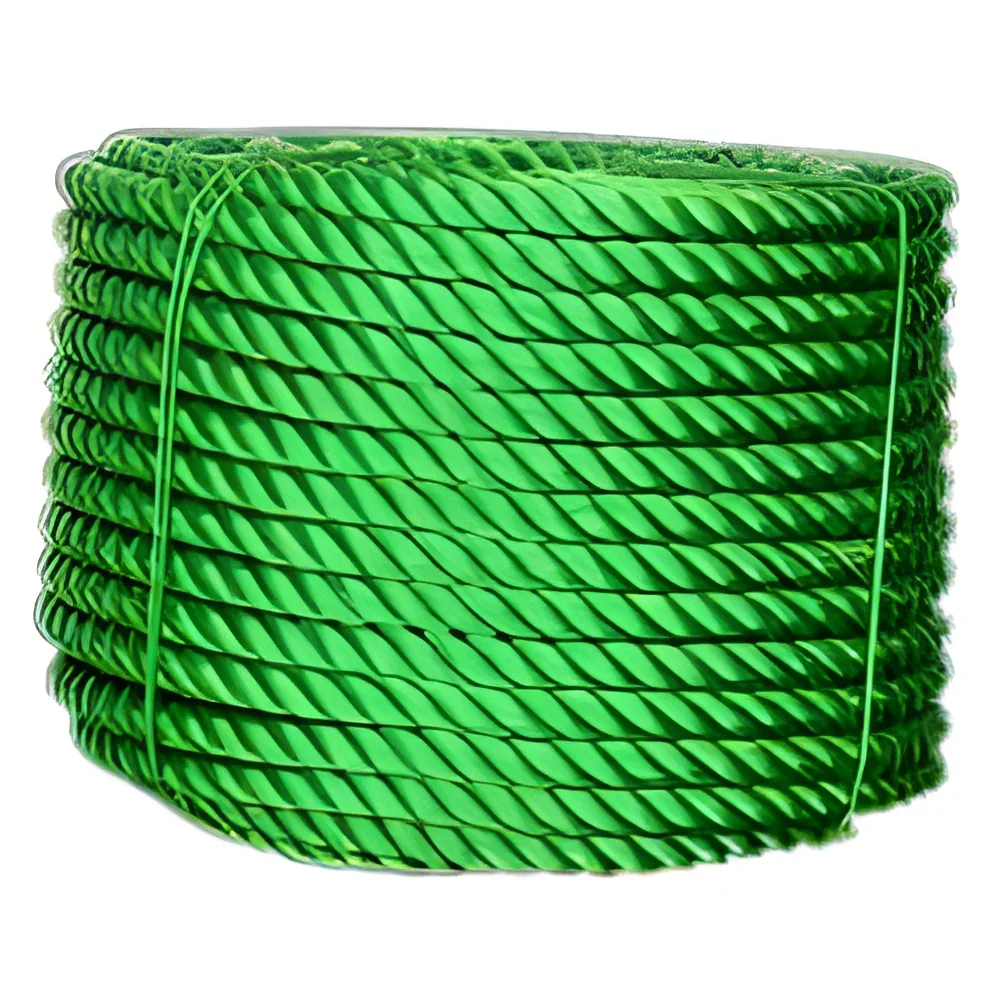
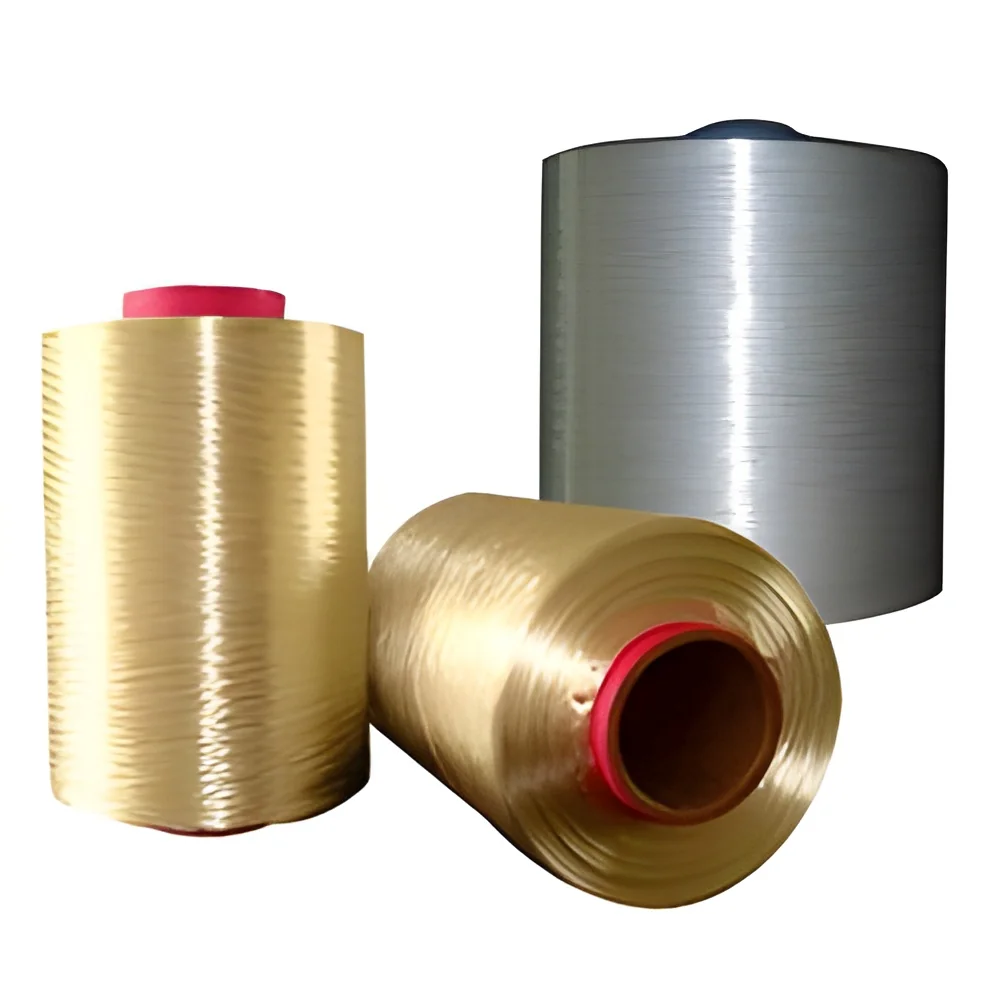
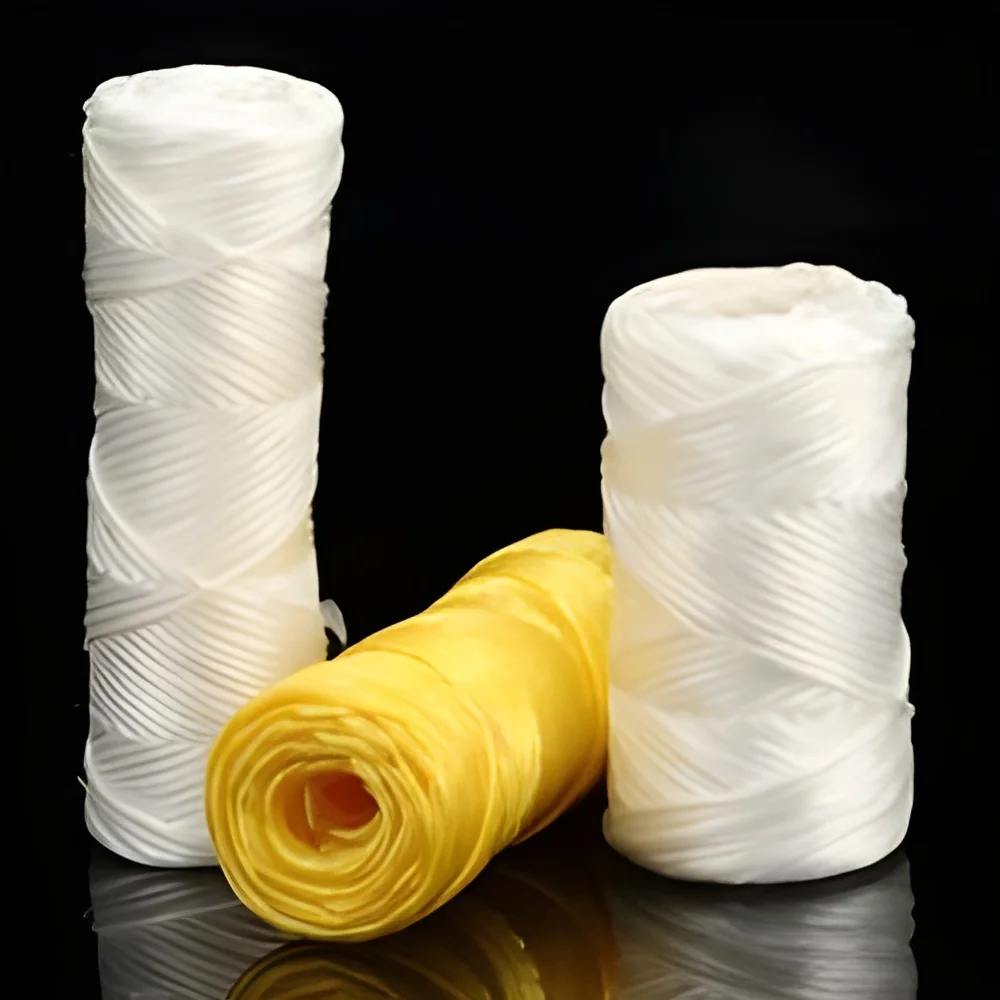
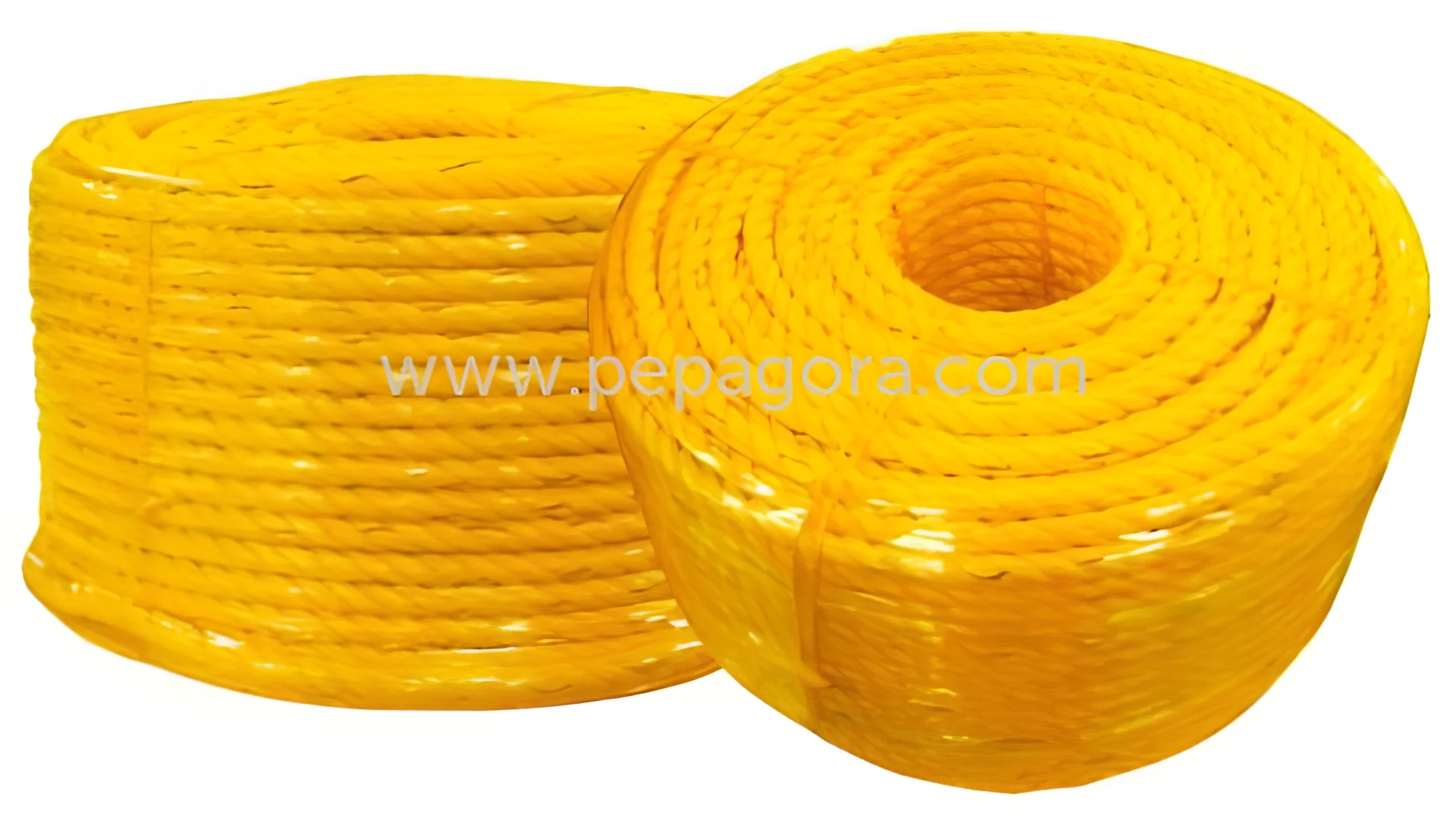
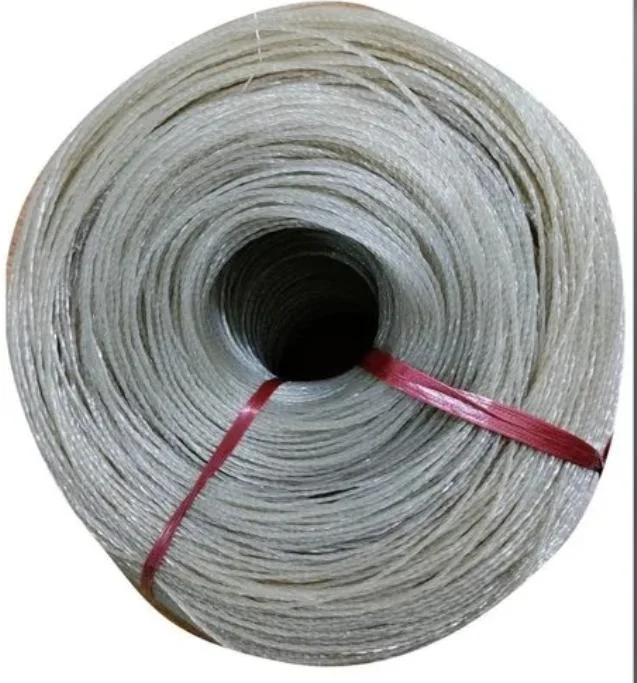
What are Synthetic Ropes (Nylon, Polypropylene, Polyester)?
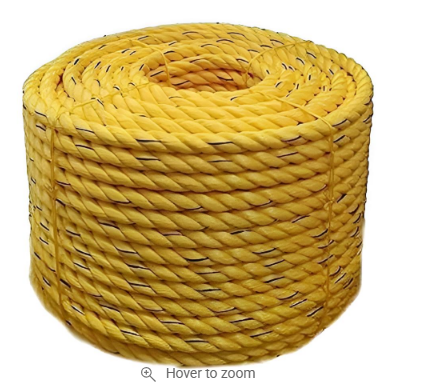
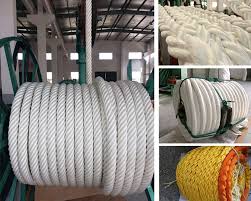
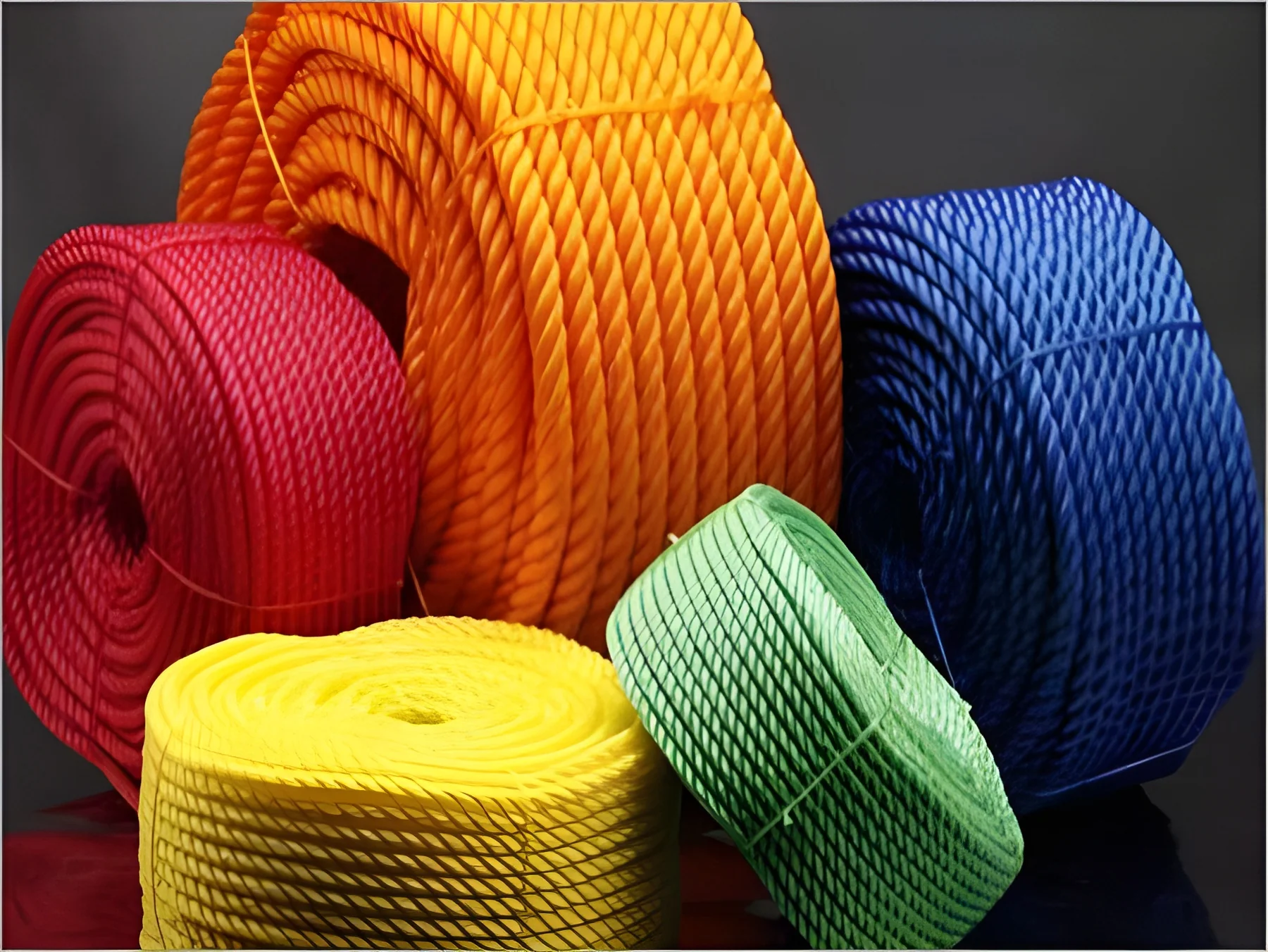
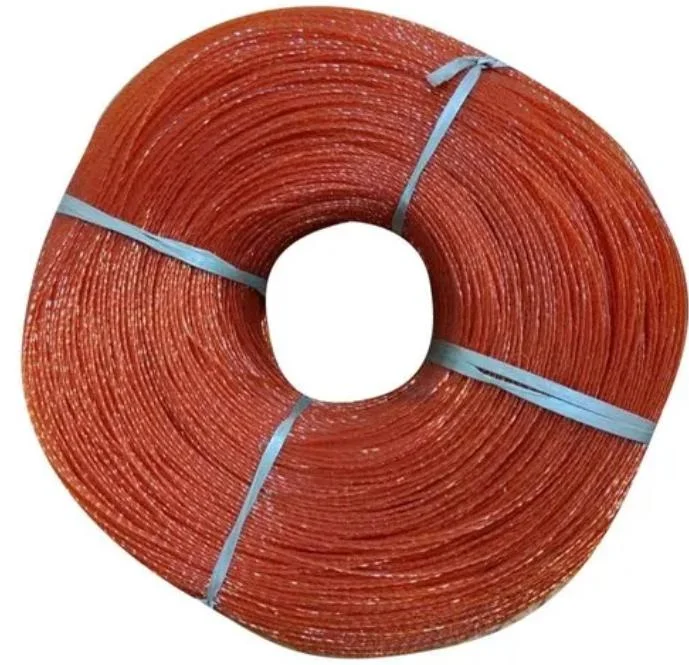
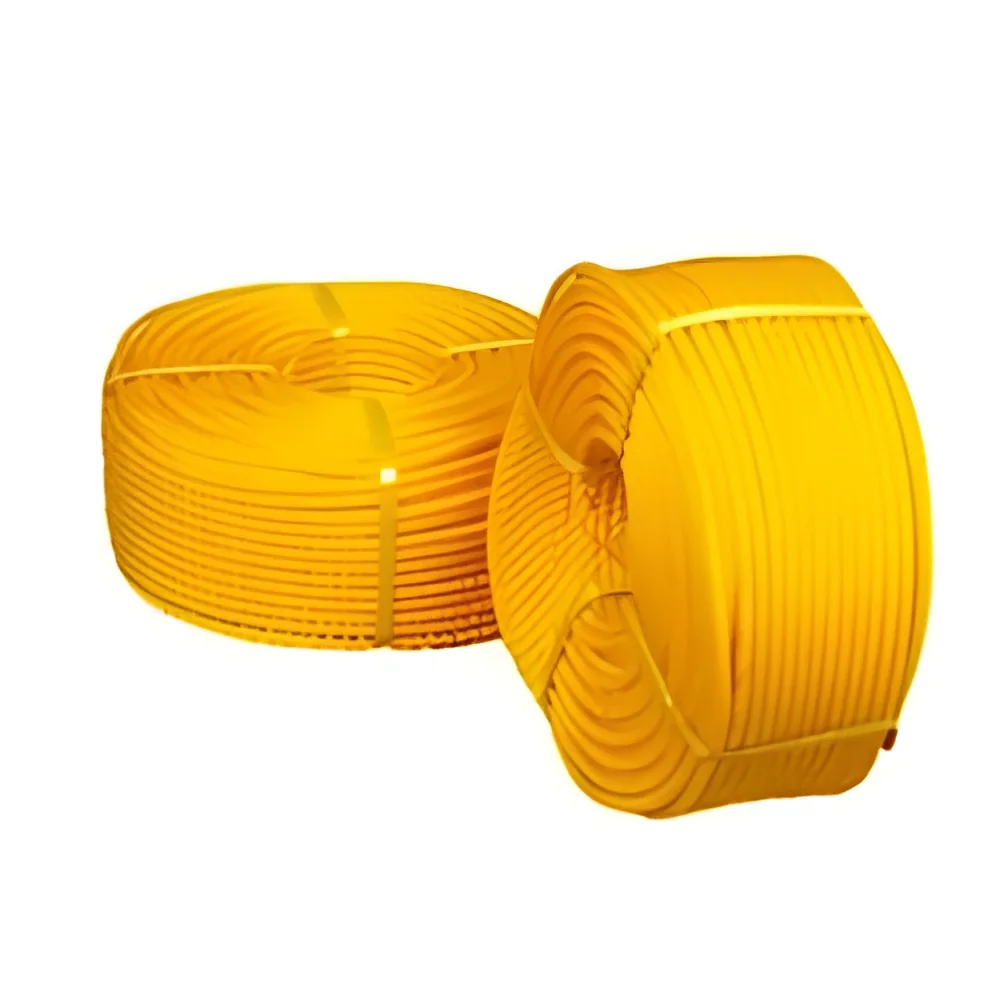
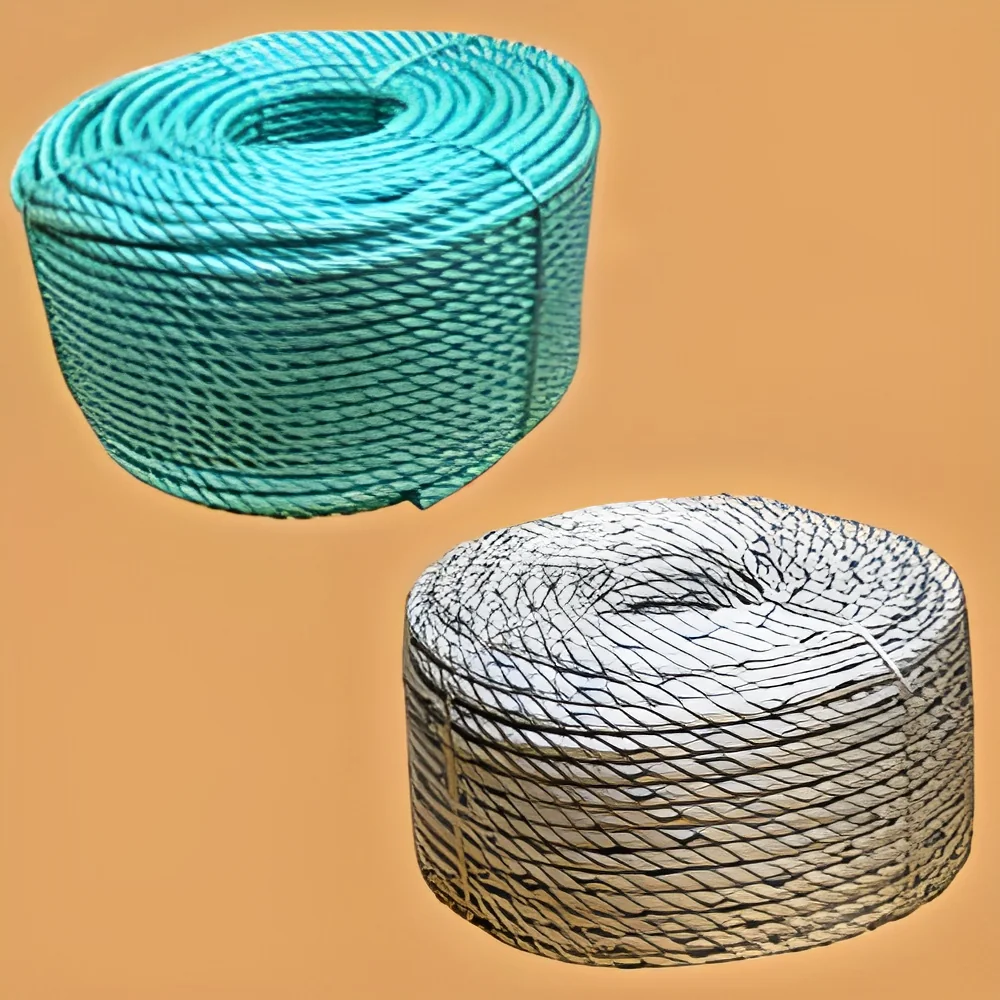
Synthetic ropes are specialized products made from various synthetic fibers, primarily nylon, polypropylene, and polyester. These materials are engineered to offer high strength, durability, and resistance to environmental factors. Synthetic ropes are designed to perform in demanding conditions, making them suitable for a wide range of applications across multiple industries.
These ropes are widely utilized in sectors such as construction, marine, agriculture, and logistics. They are essential for lifting, towing, securing loads, and other critical operations where reliable performance is required. The versatility of synthetic ropes allows businesses to choose the appropriate type based on specific needs, whether for outdoor use, heavy-duty lifting, or general-purpose applications. The increasing demand for synthetic ropes is driven by their advantages over traditional materials, leading to significant growth in this market segment.
๐๐ฒ๐ ๐๐ฒ๐ฎ๐๐๐ฟ๐ฒ๐ ๐ฎ๐ป๐ฑ ๐ฆ๐ฝ๐ฒ๐ฐ๐ถ๐ณ๐ถ๐ฐ๐ฎ๐๐ถ๐ผ๐ป๐
Synthetic ropes come with a range of features that enhance their performance and usability. Understanding these specifications is crucial for businesses when selecting the right rope for their needs.
Key specifications include:
1. Material Composition
- Nylon: Known for its high strength and elasticity.
- Polypropylene: Lightweight and resistant to water.
- Polyester: Offers excellent UV resistance and durability.
2. Diameter Range
- Common diameters vary from 4mm to 32mm.
- Available in both metric and imperial measurements.
3. Breaking Strength
- Nylon ropes can handle higher loads compared to other materials.
- Polyester ropes provide good strength while maintaining flexibility.
4. UV Resistance
- Polyester has the highest resistance to UV rays.
- All types can be treated for enhanced UV protection.
5. Weight
- Polypropylene is the lightest, making it easy to handle.
- Nylon is heavier but offers superior strength.
6. Flexibility
- Nylon is highly flexible, making it suitable for various applications.
- Polypropylene is less flexible but maintains shape under load.
7. Water Resistance
- Polypropylene is inherently water-resistant.
- Nylon absorbs water, which may affect its strength.
8. Chemical Resistance
- Polyester shows good resistance to chemicals.
- Nylon may degrade with certain chemicals.
Understanding these features helps businesses select the most suitable synthetic rope for their operational requirements.
๐๐ผ๐บ๐บ๐ผ๐ป ๐๐ฝ๐ฝ๐น๐ถ๐ฐ๐ฎ๐๐ถ๐ผ๐ป๐ ๐ฎ๐ป๐ฑ ๐จ๐๐ฒ ๐๐ฎ๐๐ฒ๐
Synthetic ropes are versatile and widely used across various industries. They are tailored to meet specific demands in each sector.
1. Construction: Used for lifting heavy materials, securing scaffolding, and rigging.
2. Marine: Essential for anchoring, towing, and securing vessels in harsh marine environments.
3. Agriculture: Utilized for securing tarps, tying crops, and general farm work.
4. Logistics: Employed in securing loads on trucks and containers, ensuring safety during transport.
5. Sports: Used in recreational activities such as climbing, fishing, and boating.
6. Outdoor Activities: Commonly found in camping gear and for making shelters.
7. Manufacturing: Applied in assembly lines for lifting and moving products.
The diversity of applications underlines the importance of synthetic ropes in modern industrial operations.
๐ฃ๐ฟ๐ผ๐ฑ๐๐ฐ๐ ๐ฉ๐ฎ๐ฟ๐ถ๐ฎ๐ป๐๐ ๐ฎ๐ป๐ฑ ๐ฆ๐๐ฏ๐ฐ๐ฎ๐๐ฒ๐ด๐ผ๐ฟ๐ถ๐ฒ๐
Synthetic ropes are available in various forms and specifications to meet the needs of different applications.
Nylon Ropes
These ropes are characterized by their high strength and elasticity, making them ideal for heavy-duty applications. They are commonly used in construction and marine settings due to their durability and resistance to abrasion.
Polypropylene Ropes
Lightweight and water-resistant, polypropylene ropes are perfect for outdoor use and applications where buoyancy is required. They are often utilized in agriculture and logistics.
Polyester Ropes
Known for their UV resistance and strength, polyester ropes are suitable for outdoor and industrial applications. They are often used in marine environments and for securing loads due to their durability.
๐๐ฒ๐ป๐ฒ๐ณ๐ถ๐๐ ๐ฎ๐ป๐ฑ ๐๐ฑ๐๐ฎ๐ป๐๐ฎ๐ด๐ฒ๐
Choosing synthetic ropes offers numerous advantages for businesses seeking reliable and effective solutions.
1. High Strength: Synthetic ropes provide superior strength-to-weight ratios, making them suitable for heavy lifting.
2. Durability: These ropes resist wear and tear from environmental factors, ensuring longevity.
3. Lightweight: Easy to handle and transport, synthetic ropes reduce labor costs and improve efficiency.
4. Water Resistance: Particularly with polypropylene, these ropes remain functional in wet conditions without losing strength.
5. UV Protection: Polyester ropes are designed to withstand prolonged exposure to sunlight, maintaining their integrity.
6. Versatility: Available in various types and specifications, they cater to a wide range of applications.
Overall, the benefits of synthetic ropes enhance operational efficiency and safety across industries.
๐๐๐๐ถ๐ป๐ด ๐๐๐ถ๐ฑ๐ฒ ๐ณ๐ผ๐ฟ ๐๐ฎ๐ ๐๐๐๐ฒ๐ฟ๐
When sourcing synthetic ropes, businesses should consider several critical factors to ensure they make informed purchasing decisions.
1. Quality Assessment: Evaluate the rope's material and construction to ensure it meets required performance standards. Look for certifications and test reports.
2. Supplier Verification: Vet suppliers by checking their reputation, customer reviews, and compliance with industry standards. A reliable supplier ensures consistent quality.
3. Pricing and MOQ: Understand the pricing structure and minimum order quantities. Compare quotes from multiple suppliers to secure the best value.
4. Delivery and Lead Times: Inquire about the delivery timelines and logistics to avoid disruptions in your operations. Ensure the supplier can meet your deadlines.
5. Compliance Requirements: Ensure that the ropes meet local and international regulations. This may include safety standards and environmental considerations.
๐๐ผ๐บ๐ฝ๐น๐ถ๐ฎ๐ป๐ฐ๐ฒ ๐ฎ๐ป๐ฑ ๐๐ฒ๐ฟ๐๐ถ๐ณ๐ถ๐ฐ๐ฎ๐๐ถ๐ผ๐ป๐
Synthetic ropes must adhere to various quality standards and regulations to ensure safety and reliability. Key certifications include ISO 9001, which outlines requirements for a quality management system. Compliance with CE regulations ensures that products meet European safety standards.
Additionally, safety and testing requirements are crucial for synthetic ropes, particularly in industries like construction and marine. Ropes must undergo rigorous testing to verify their strength and performance under load.
Regional compliance considerations may vary, so businesses should be aware of the specific regulations in their operational areas. Ensuring compliance not only enhances safety but also protects against legal liabilities.
Why Source Synthetic Ropes (Nylon, Polypropylene, Polyester) from Pepagora?
Pepagora provides a trusted platform for sourcing synthetic ropes with several key advantages that make it a preferred choice for B2B buyers.
Verified Supplier Network: Pepagora ensures that all suppliers in their network are thoroughly vetted. This process guarantees that buyers can rely on the quality and consistency of the products.
Streamlined RFQ Process: The platform offers an efficient request for quotation system, allowing businesses to receive competitive quotes quickly. This transparency helps buyers make informed decisions without unnecessary delays.
Trade Assurance and Support: Pepagora provides trade assurance, protecting buyers in their transactions. This support encourages confidence in sourcing quality products from trusted suppliers.
Regional Coverage: With a strong presence in India, the GCC, and Southeast Asia, Pepagora ensures that businesses can access synthetic ropes tailored to their specific regional needs. This geographic reach enhances convenience and efficiency in sourcing.
By choosing Pepagora, businesses can confidently procure synthetic ropes that meet their operational requirements while benefiting from a robust support system.