What are Ratchet Straps?
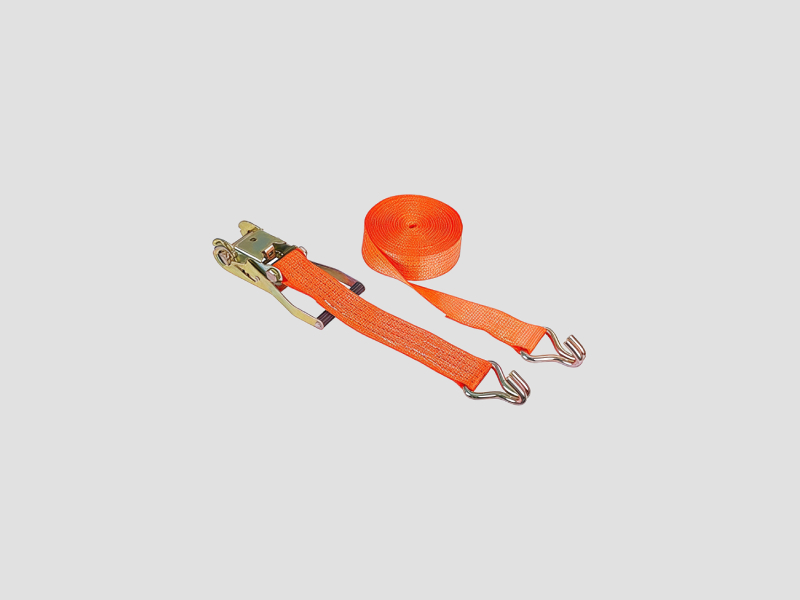
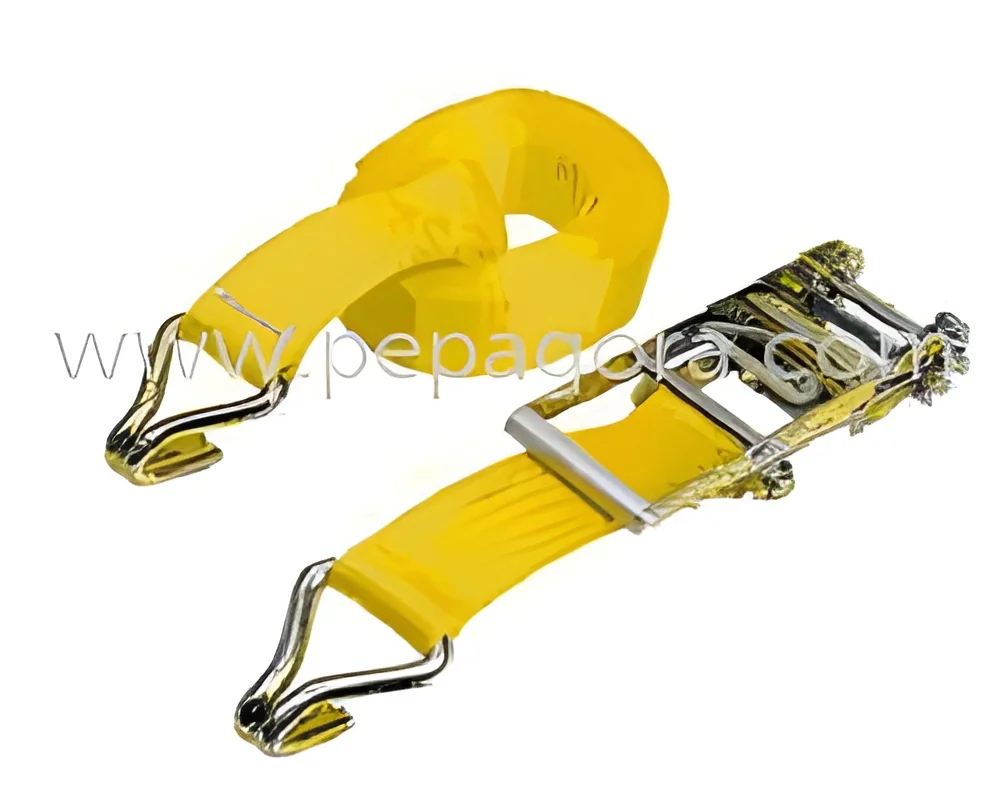
Ratchet straps are a type of tie-down equipment used to secure cargo during transportation. They consist of a length of webbing with a ratcheting mechanism that allows the user to tighten the strap securely. The mechanism consists of a spool that winds the strap tightly when the ratchet lever is operated. This innovative design makes ratchet straps an essential tool for ensuring that loads are safely held in place, minimizing movement and potential damage during transit.
These straps are primarily used in various industries, including logistics, construction, and transportation. They are ideal for securing items on flatbeds, trailers, and in shipping containers. The ability to provide a strong, adjustable hold makes ratchet straps suitable for both heavy and lightweight loads. Businesses often rely on ratchet straps to enhance the safety of their operations and to comply with transportation regulations.
In the current market, ratchet straps are widely recognized for their reliability and durability, making them a staple in many supply chains. With increasing demands for efficient and secure transport solutions, the relevance of ratchet straps continues to grow, reflecting their essential role in modern logistics and supply chain management.
Key Features and Specifications
Ratchet straps come with a variety of features and specifications that cater to different operational needs. Understanding these specifications is crucial for selecting the right strap for specific applications.
Key specifications include:
1. Strap Width
- Typically ranges from 1 inch to 3 inches
- Affects load capacity and ease of use
2. Load Capacity
- Rated capacities can range from 500 lbs to over 10,000 lbs
- Indicates the maximum weight the strap can safely secure
3. Length
- Common lengths vary from 10 feet to 30 feet
- Longer straps allow for securing larger loads
4. Material
- Made from polyester or nylon for strength and durability
- Resistance to wear, UV rays, and moisture
5. Ratchet Mechanism
- Features a sturdy, easy-to-use handle
- Provides a secure tightening mechanism
6. End Fittings
- Equipped with various hooks, such as S-hooks or flat hooks
- Allows for versatile attachment points
7. Color Coding
- Often available in different colors for easy identification
- May also indicate load capacity and use case
8. Compliance Standards
- Many ratchet straps meet industry standards for safety and performance
- Important for regulatory compliance in various industries
In summary, understanding the key features and specifications of ratchet straps is essential for making informed purchasing decisions. These factors impact not only the safety and effectiveness of cargo securing but also compliance with industry regulations.
Common Applications and Use Cases
Ratchet straps serve a variety of industries, each with specific applications that highlight their versatility.
1. Transportation Industry: Ratchet straps are widely used in the transportation of goods, helping to secure cargo on trucks and trailers. They prevent shifting during transit, reducing the risk of damage and accidents.
2. Construction Industry: In construction, ratchet straps are used to secure materials such as lumber, steel beams, and heavy equipment. They ensure that loads remain stable while being moved to job sites.
3. Warehousing: In warehouses, ratchet straps are employed to stabilize pallets and bulk items during storage and transport within the facility. This use helps optimize space and maintain organization.
4. Marine Industry: Ratchet straps are utilized for securing boats and marine equipment during transport. Their resistance to environmental factors makes them suitable for outdoor applications.
5. Moving and Storage: When moving household or office items, ratchet straps help secure boxes and furniture in trucks, preventing movement and potential damage.
6. Agricultural Sector: Farmers use ratchet straps for securing machinery and harvested goods during transport. This ensures that valuable equipment is safely transported to and from fields.
7. Events and Exhibitions: Ratchet straps are often used to secure displays and equipment at trade shows and exhibitions, ensuring everything remains in place during setup and breakdown.
Product Variants and Subcategories
Ratchet straps come in various variants to suit different applications and user preferences. This diversity allows businesses to choose the most appropriate strap for their specific needs.
Heavy-Duty Ratchet Straps: These straps are designed for maximum load capacity, often used in industrial applications. They feature reinforced webbing and robust ratchet mechanisms to secure extremely heavy loads safely.
Adjustable Ratchet Straps: These straps offer adjustable lengths, making them versatile for different cargo sizes. They are particularly useful in situations where load dimensions vary frequently.
Ratchet Straps with Soft Loops: This variant includes soft loops instead of hooks, providing a gentler hold on delicate cargo. They are ideal for securing items that may be damaged by traditional hooks.
Color-Coded Ratchet Straps: These straps are available in various colors, allowing for easy identification of different load capacities or applications. This feature enhances safety and efficiency in busy environments.
Benefits and Advantages
Ratchet straps offer numerous benefits that make them a preferred choice for securing loads across various industries. Understanding these advantages can help businesses optimize their operations.
1. Enhanced Safety: Ratchet straps provide a reliable hold on cargo, significantly reducing the risk of accidents or damage during transport.
2. Versatility: They can be used for a wide range of applications, making them suitable for different industries and load types.
3. Ease of Use: The ratcheting mechanism allows for easy tightening and loosening, enabling quick adjustments without sacrificing security.
4. Durability: Made from high-quality materials, ratchet straps are designed to withstand heavy loads and environmental factors, ensuring long-term reliability.
5. Cost-Effectiveness: By preventing cargo damage and reducing losses, ratchet straps can save businesses money in the long run.
6. Compliance Assurance: Many ratchet straps meet industry standards, helping businesses comply with safety regulations and avoid potential fines.
Buying Guide for B2B Buyers
When sourcing ratchet straps, B2B buyers should consider several key factors to ensure they make an informed purchase.
1. Quality Assessment: Evaluate the materials and construction of the straps. Look for straps made from durable materials such as polyester or nylon that can withstand heavy use and environmental conditions.
2. Supplier Verification: Vet potential suppliers to ensure they have a proven track record of providing high-quality products. Check for certifications, customer reviews, and industry reputation.
3. Pricing and MOQ: Understand the price range for ratchet straps and the minimum order quantities (MOQ) required by suppliers. This helps in budgeting and ensures that you can meet your operational needs.
4. Delivery and Lead Times: Inquire about the supplier's delivery capabilities and lead times. Timely delivery is critical for businesses that rely on these products for ongoing operations.
5. Compliance Requirements: Ensure that the ratchet straps meet relevant industry standards and regulations. Compliance with safety standards is crucial for avoiding legal issues and ensuring safe operations.
Compliance and Certifications
Ratchet straps must adhere to various compliance standards and certifications to ensure their safety and reliability. Key quality standards include ISO 9001, which outlines quality management system requirements. This certification is essential for suppliers aiming to provide consistent quality in their products.
Additionally, the CE marking indicates that the straps meet European safety standards. This certification is crucial for businesses operating within the European market, ensuring that the products are safe for use.
Safety and testing requirements for ratchet straps typically involve rigorous assessments to confirm their load capacities and durability. Compliance with these standards helps guarantee that the straps perform effectively under various conditions.
Regional compliance considerations may apply depending on the market in which the straps are sold. Buyers should be aware of specific regulations that may impact their use and sourcing of ratchet straps.
Why Source Ratchet Straps from Pepagora?
Pepagora provides a trusted platform for sourcing ratchet straps, offering several key advantages to B2B buyers.
Verified Supplier Network: Pepagora maintains a network of verified suppliers, ensuring that buyers have access to high-quality products from reputable sources. This verification process helps mitigate risks associated with sourcing.
Streamlined RFQ Process: The platform features a streamlined request-for-quotation (RFQ) process, making it easy for buyers to obtain competitive pricing from multiple suppliers. This efficiency saves time and enhances decision-making.
Trade Assurance and Support: Pepagora offers trade assurance and buyer protection, providing peace of mind for businesses. This support helps ensure that transactions are secure and that buyers receive the products as promised.
Regional Coverage: With a strong presence in India, the GCC, and Southeast Asia, Pepagora offers extensive regional coverage. This geographic reach ensures that buyers can access ratchet straps tailored to their local market needs, enhancing supply chain efficiency.

 IN
IN