
 IN
Hoist & Pulley Hooks
69 products available
What are Hoist & Pulley Hooks?
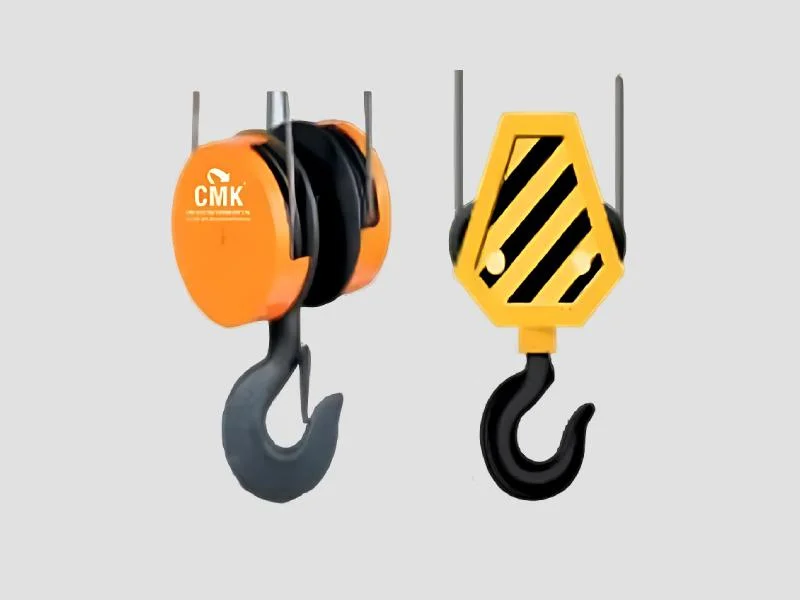
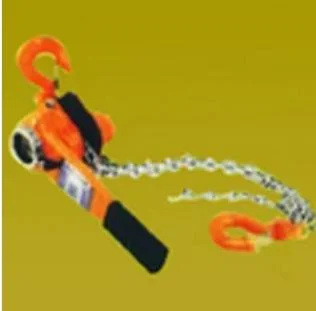
Hoist and pulley hooks are essential components in lifting and rigging operations, designed to connect loads to hoists, cranes, and other lifting equipment. These hooks are typically made from high-strength materials to ensure durability and safety during heavy lifting tasks. Their design allows for quick attachment and detachment of loads, making them a versatile choice for various industrial applications.
These hooks are primarily used in sectors such as construction, manufacturing, and logistics. They facilitate the lifting of heavy materials, equipment, and cargo, ensuring efficient workflow and safety in operations. The hooks are engineered to handle different weights and types of loads, making them a crucial part of any lifting system. In the broader market context, the demand for hoist and pulley hooks continues to grow as industries expand their capabilities and seek efficient lifting solutions.
Key Features and Specifications
Hoist and pulley hooks come with a variety of features that enhance their functionality and safety. Key specifications include:
1. Load Capacity
- Indicates the maximum weight the hook can safely lift.
- Common ranges vary from 1 ton to 100 tons, depending on the hook type.
2. Material Composition
- Typically made from high-strength steel or alloy.
- Ensures durability and resistance to wear and tear.
3. Safety Factor
- Refers to the ratio of the hook's breaking strength to its working load limit.
- Generally recommended safety factors range from 4:1 to 6:1.
4. Finish
- Hooks may have various finishes, such as powder coating or galvanizing.
- These coatings enhance corrosion resistance and longevity.
5. Design Type
- Available in different designs, including swivel, safety, and clevis hooks.
- Each design serves specific applications and load requirements.
6. Compliance Standards
- Must meet industry standards such as CE and UL for safety and performance.
- Ensures reliability and acceptance in various markets.
7. Size Variations
- Offered in multiple sizes to accommodate different lifting applications.
- Size selection is crucial for proper fit with lifting equipment.
8. Operational Temperature Range
- Some hooks are designed to operate under extreme temperatures.
- Specific temperature ranges are dependent on the hook type and application.
In summary, selecting hoist and pulley hooks involves understanding these specifications to ensure safety, efficiency, and compliance with industry standards.
Common Applications and Use Cases
Hoist and pulley hooks are utilized across a variety of industries, each with specific applications.
1. Construction: In construction, these hooks are essential for lifting heavy materials like steel beams and concrete blocks. They facilitate quick and safe loading and unloading of equipment on job sites.
2. Manufacturing: In manufacturing settings, hoist hooks are used to move heavy machinery and components along assembly lines. They help streamline production processes and improve workflow efficiency.
3. Logistics: In logistics and warehousing, these hooks play a vital role in loading and unloading cargo from trucks and shipping containers. Their strength ensures that heavy loads can be moved safely.
4. Marine: In the marine industry, hoist hooks are used for lifting and securing equipment on vessels. They are designed to withstand harsh marine environments.
5. Mining: In mining operations, hooks are used to lift heavy mining equipment and materials, contributing to safety and efficiency in resource extraction.
6. Automotive: In the automotive sector, hoist hooks assist in lifting engines and other heavy components during manufacturing and repair processes.
7. Aerospace: In aerospace production, these hooks are critical for handling large aircraft components, ensuring safety and precision during assembly.
Product Variants and Subcategories
Hoist and pulley hooks come in a variety of designs to meet different needs.
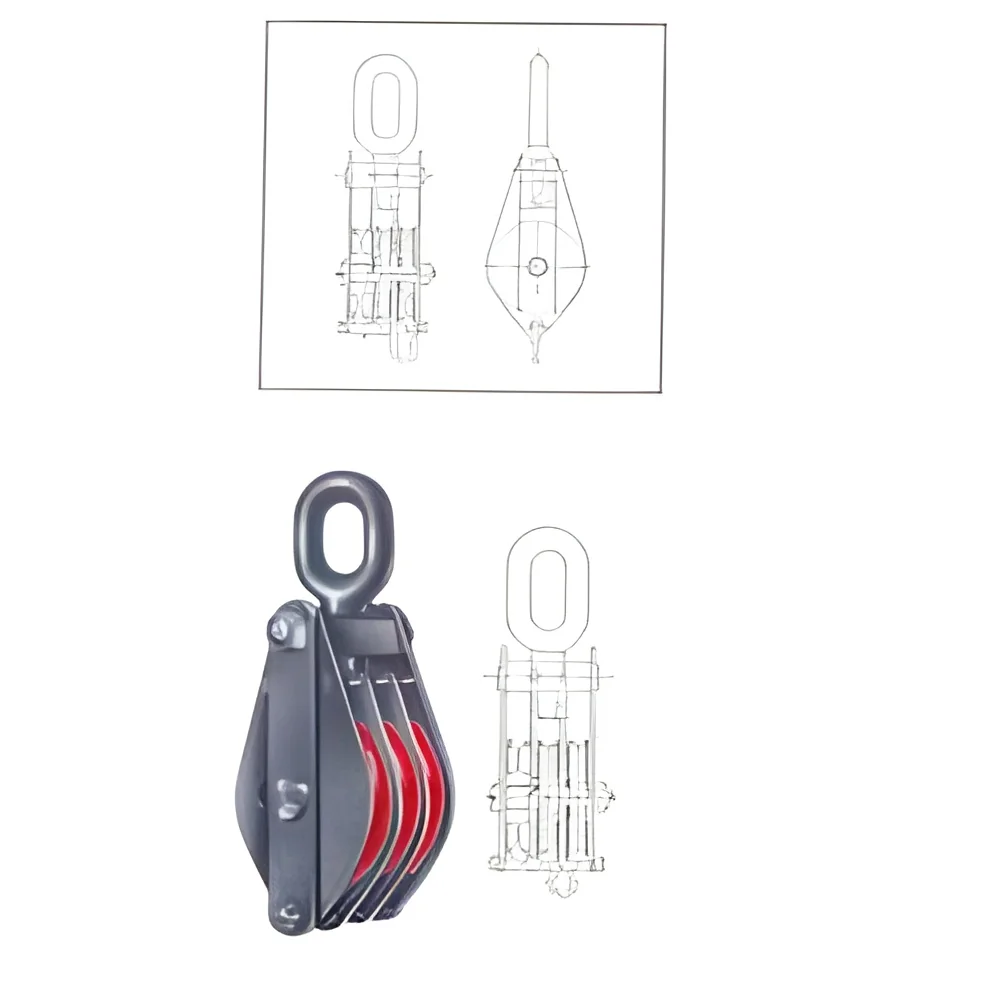
Swivel Hooks: These hooks feature a rotating design that allows for multi-directional lifting and easy load alignment. They are particularly useful in applications where the load needs to be maneuvered frequently.
Safety Hooks: Equipped with a locking mechanism, safety hooks prevent accidental disengagement of the load. They are ideal for critical lifting operations where safety is paramount.
Clevis Hooks: These hooks are designed with a clevis attachment, making them easy to connect and disconnect from lifting chains or straps. They are commonly used in agricultural and industrial applications.
Benefits and Advantages
Hoist and pulley hooks provide significant advantages for businesses that rely on lifting operations.
1. Enhanced Safety: With proper specifications and design features, these hooks minimize the risk of accidents during lifting operations.
2. Increased Efficiency: The ability to quickly attach and detach loads streamlines operations, leading to improved productivity.
3. Versatility: With various designs available, these hooks can be used in multiple industries and applications, making them a flexible choice for different lifting needs.
4. Durability: Made from high-strength materials, hoist hooks are built to last, reducing the need for frequent replacements.
5. Compliance Assurance: Sourcing hooks that meet industry standards ensures that businesses operate within safety regulations, protecting workers and assets.
6. Cost-effectiveness: Investing in high-quality hoist and pulley hooks reduces long-term costs associated with accidents and equipment failure.
Buying Guide for B2B Buyers
When sourcing hoist and pulley hooks, there are several key factors to consider to ensure the best purchase decision.
1. Quality Assessment: Evaluate the material and construction of the hooks to ensure they meet the necessary strength and durability requirements for your specific applications.
2. Supplier Verification: Conduct thorough due diligence on potential suppliers. Check their reputation, certifications, and previous customer feedback to ensure reliability.
3. Pricing and MOQ: Understand the pricing structure and minimum order quantities (MOQ) from suppliers to align with your budget and inventory needs.
4. Delivery and Lead Times: Discuss logistics with suppliers to determine delivery schedules and ensure they can meet your operational timelines.
5. Compliance Requirements: Verify that the products comply with industry standards and regulations applicable to your region, ensuring safety and reliability in your operations.
Compliance and Certifications
Hoist and pulley hooks must adhere to various quality standards and regulations to ensure their effectiveness and safety in industrial applications. Relevant quality standards include ISO 9001, which outlines requirements for a quality management system, ensuring consistent quality in manufacturing processes.
Industry certifications such as CE and UL are crucial for compliance in many markets. These certifications indicate that the hooks have been tested and meet specific safety and performance standards.
Safety and testing requirements are also paramount, as hooks must be evaluated for their load capacity and durability under various conditions. Additionally, regional compliance considerations may vary, so it is essential to understand local regulations that apply to lifting equipment.
Why Source Hoist & Pulley Hooks from Pepagora?
Pepagora provides a trusted platform for sourcing hoist and pulley hooks, offering several key advantages to businesses.
Verified Supplier Network: Pepagora connects buyers with a verified network of suppliers, ensuring that the products meet high-quality standards and safety regulations. This reduces the risk of sourcing unreliable products.
Streamlined RFQ Process: The platform simplifies the request for quotation (RFQ) process, allowing buyers to easily compare prices and specifications from multiple suppliers. This saves time and helps in making informed purchasing decisions.
Trade Assurance and Support: Pepagora offers trade assurance to protect buyers during transactions, providing peace of mind and support to resolve any issues that may arise.
Regional Coverage: With a geographic reach that includes India, the GCC, and Southeast Asia, Pepagora can connect buyers with local suppliers, facilitating easier communication and logistics management. This regional advantage helps businesses to source products efficiently and effectively.





Frequently Asked Questions
What are Hoist & Pulley Hooks?
Hoist & Pulley Hooks are mechanical devices used to lift and lower loads safely and efficiently. They are typically attached to hoists or pulleys and are designed to secure and maneuver loads, making them essential in various industries such as construction, manufacturing, and warehousing.
What are the different types of Hoist & Pulley Hooks?
There are several types of Hoist & Pulley Hooks, including swivel hooks, fixed hooks, and safety hooks. Swivel hooks allow for rotating movement to prevent twisting of the load, while safety hooks feature a latch to secure the load more effectively. Each type is designed for specific applications and load capacities.
How do I choose the right Hoist & Pulley Hooks?
Choosing the right Hoist & Pulley Hooks involves considering factors such as load capacity, material, and the specific application. It is important to assess the weight and nature of the load, the environment in which the hooks will be used, and any safety requirements to ensure optimal performance.
What are the standard specifications for Hoist & Pulley Hooks?
Standard specifications for Hoist & Pulley Hooks typically include load capacity, material type, and dimensions. Common materials used include steel and alloy, which provide strength and durability, while specifications may also encompass safety factors and compliance with industry standards.
What is the price range for Hoist & Pulley Hooks?
The price range for Hoist & Pulley Hooks can vary widely depending on factors such as type, material, and load capacity. Generally, prices can start from a few hundred rupees for basic models and can go up to several thousand rupees for high-capacity or specialized hooks.
What quality standards apply to Hoist & Pulley Hooks?
Hoist & Pulley Hooks are subject to quality standards such as IS, ASTM, and ISO certifications, which ensure safety and performance. Manufacturers must comply with these standards to provide reliable and durable hooks that meet industry safety requirements.
Where can I find Hoist & Pulley Hooks suppliers in India?
You can find Hoist & Pulley Hooks suppliers in India through various channels such as online B2B marketplaces, trade shows, and industry directories. Websites like Pepagora offer a comprehensive list of suppliers and manufacturers, making it easier to compare products and prices.
Can Hoist & Pulley Hooks be customized?
Yes, many manufacturers offer customization options for Hoist & Pulley Hooks to meet specific requirements. Customizations may include adjustments in size, load capacity, or material, depending on the needs of the application and the customer.
What is the typical minimum order quantity for Hoist & Pulley Hooks?
The typical minimum order quantity (MOQ) for Hoist & Pulley Hooks can vary by supplier, but it often ranges from 10 to 50 units. Some manufacturers may offer flexibility with MOQs based on the type of hook or specific customer needs.
What is the typical lead time for Hoist & Pulley Hooks?
The typical lead time for Hoist & Pulley Hooks varies depending on the manufacturer and order size, generally ranging from 1 to 4 weeks. Custom orders may require additional time for production and quality checks.
Why Businesses Trust Pepagora
Thousands of companies trust Pepagora to source smarter and sell faster
Expand Your Sales Globally

Source Smarter,Grow Faster
