What are Rope Slings?
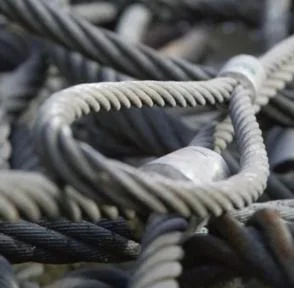
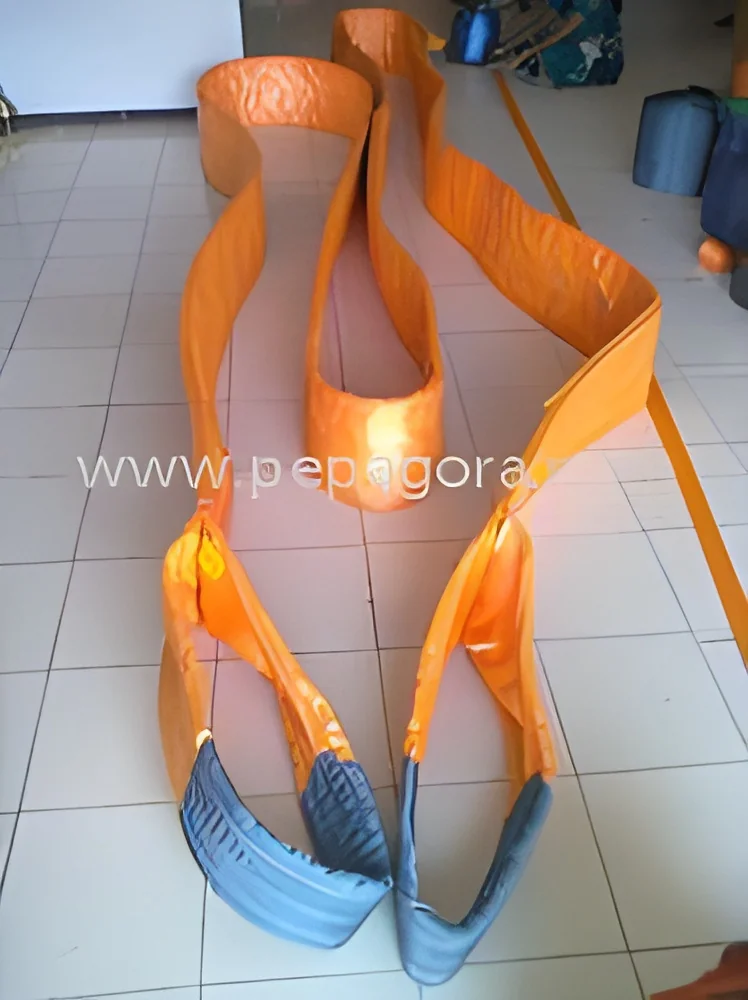
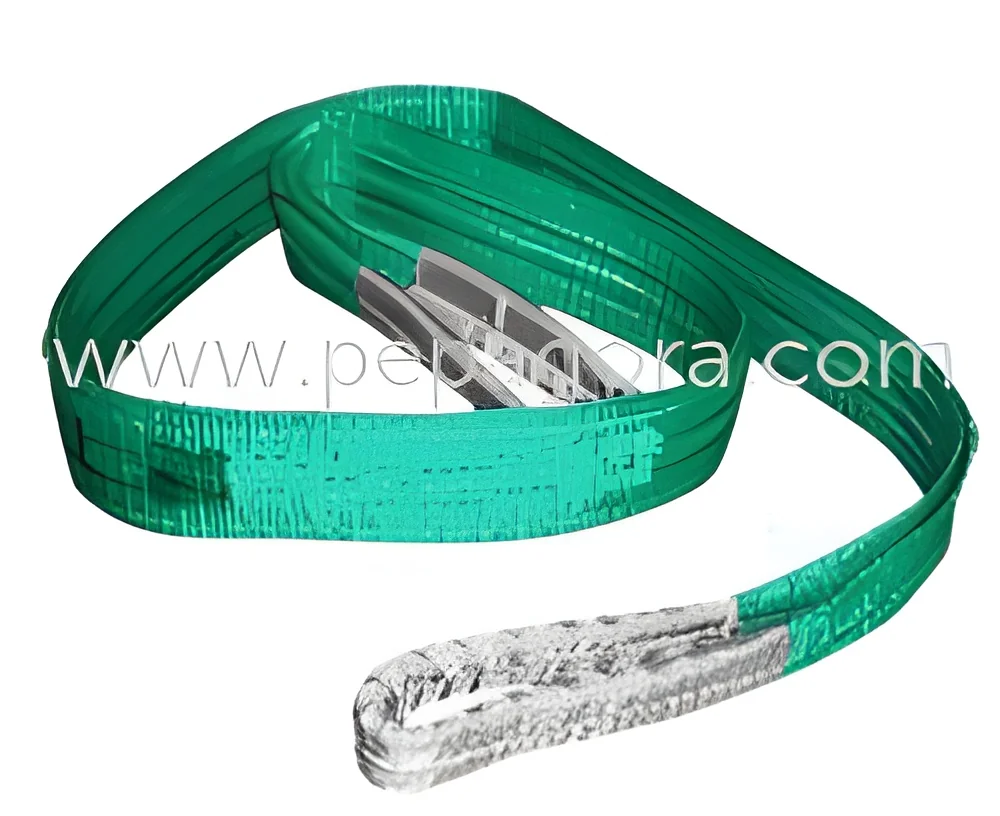
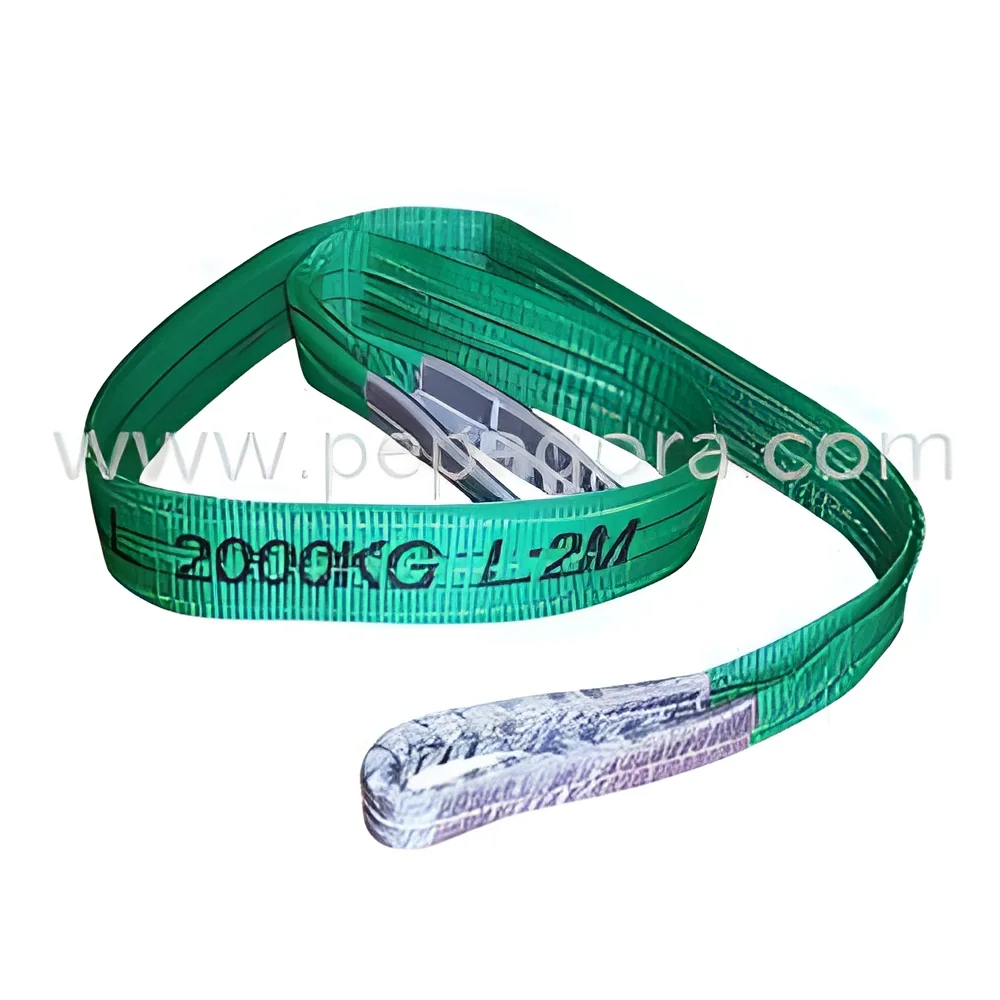
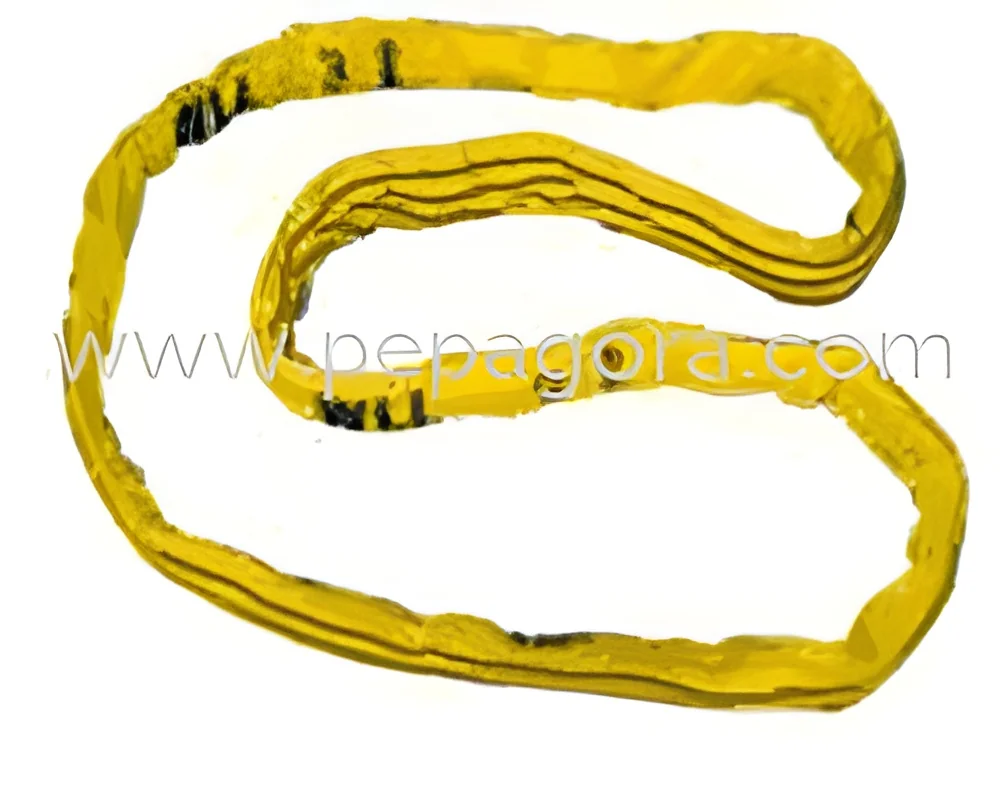
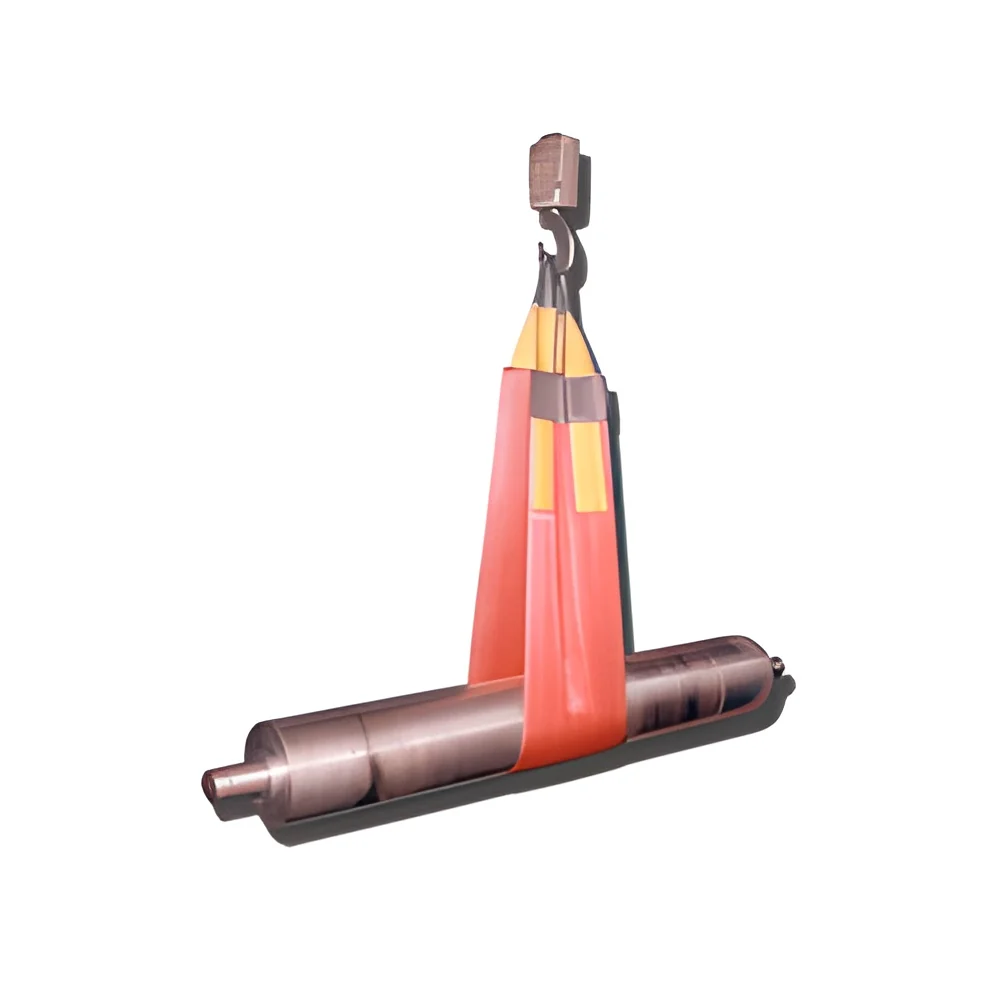
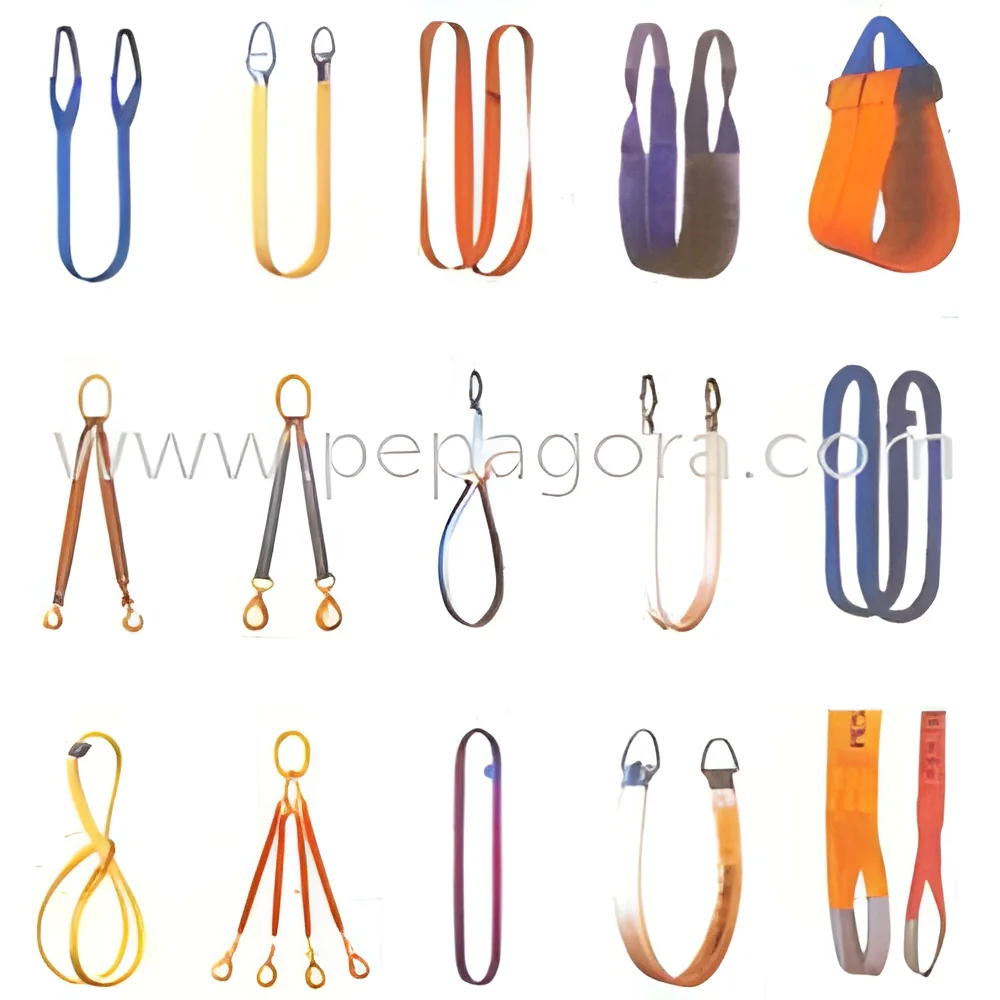
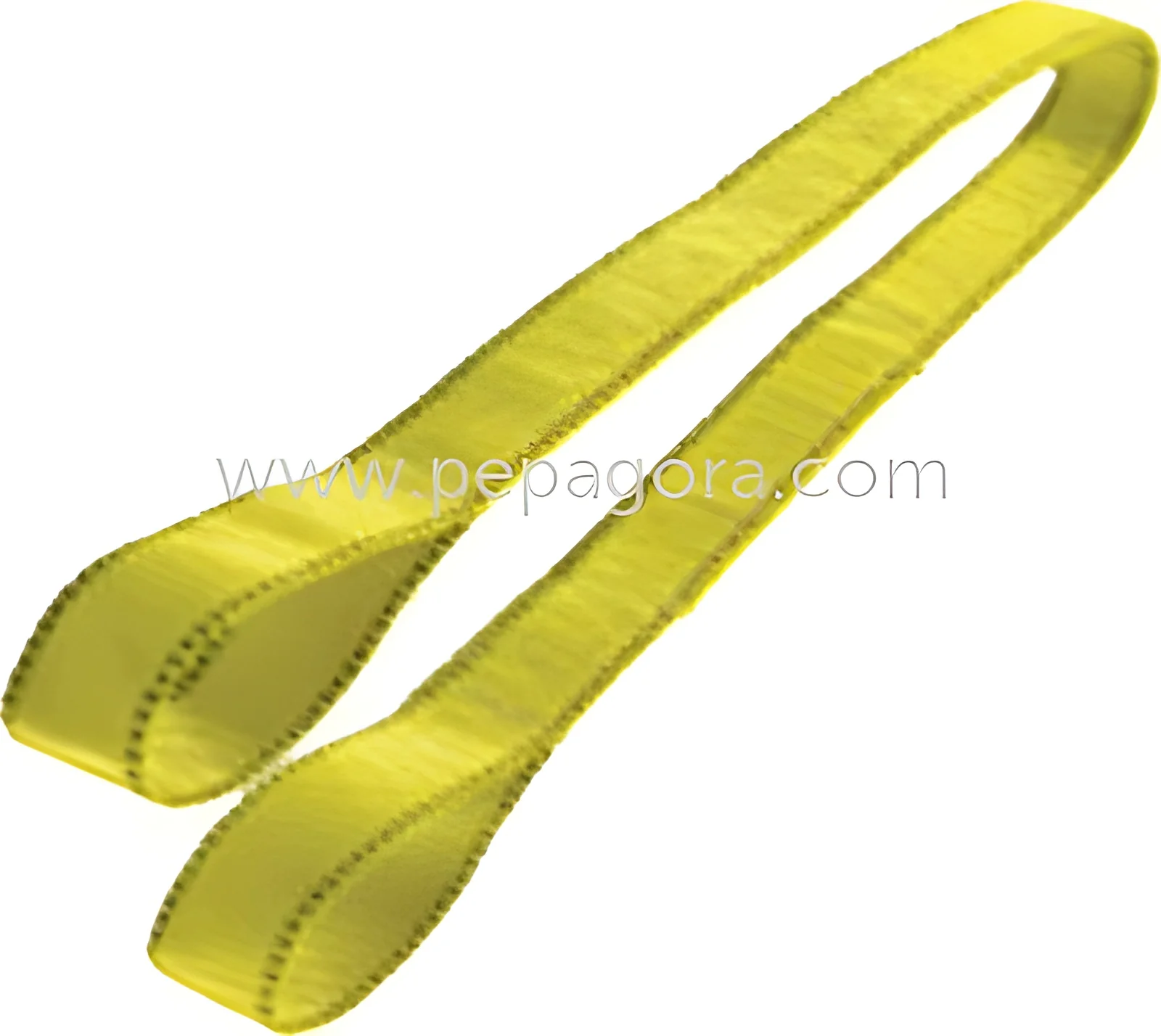
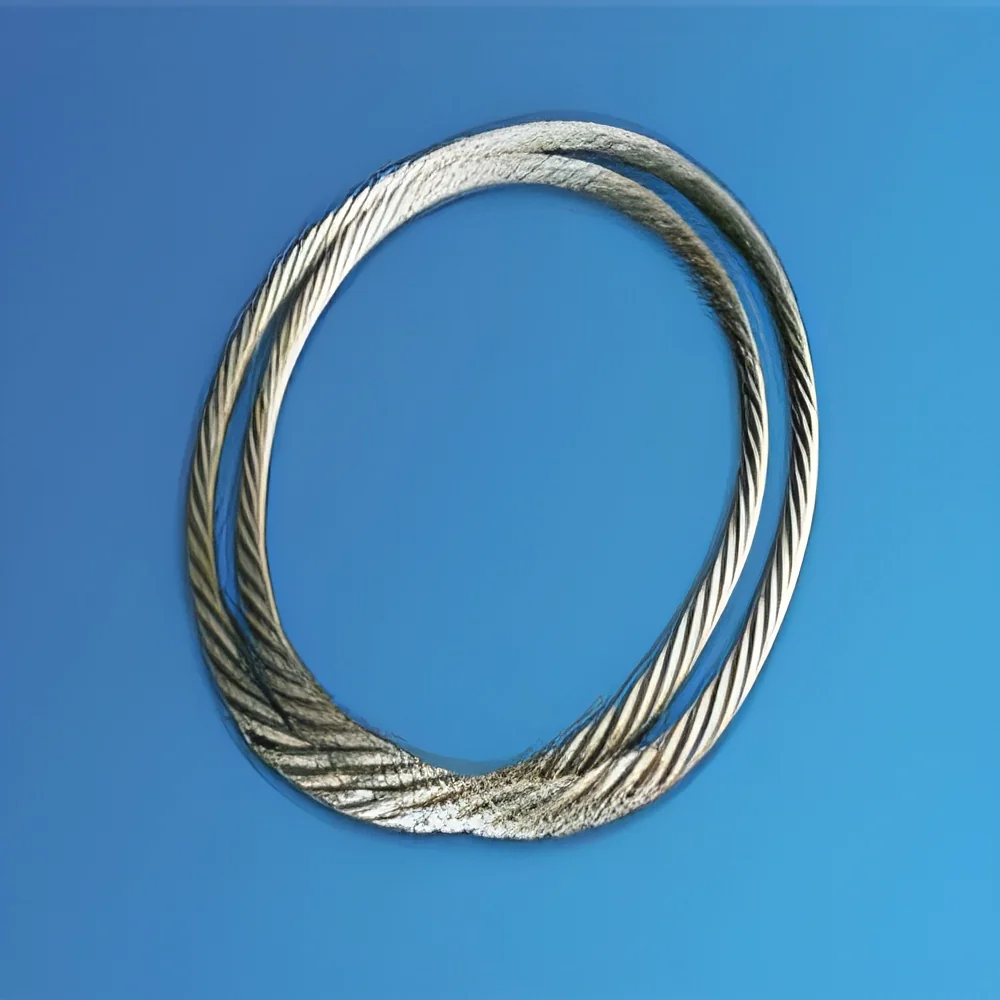
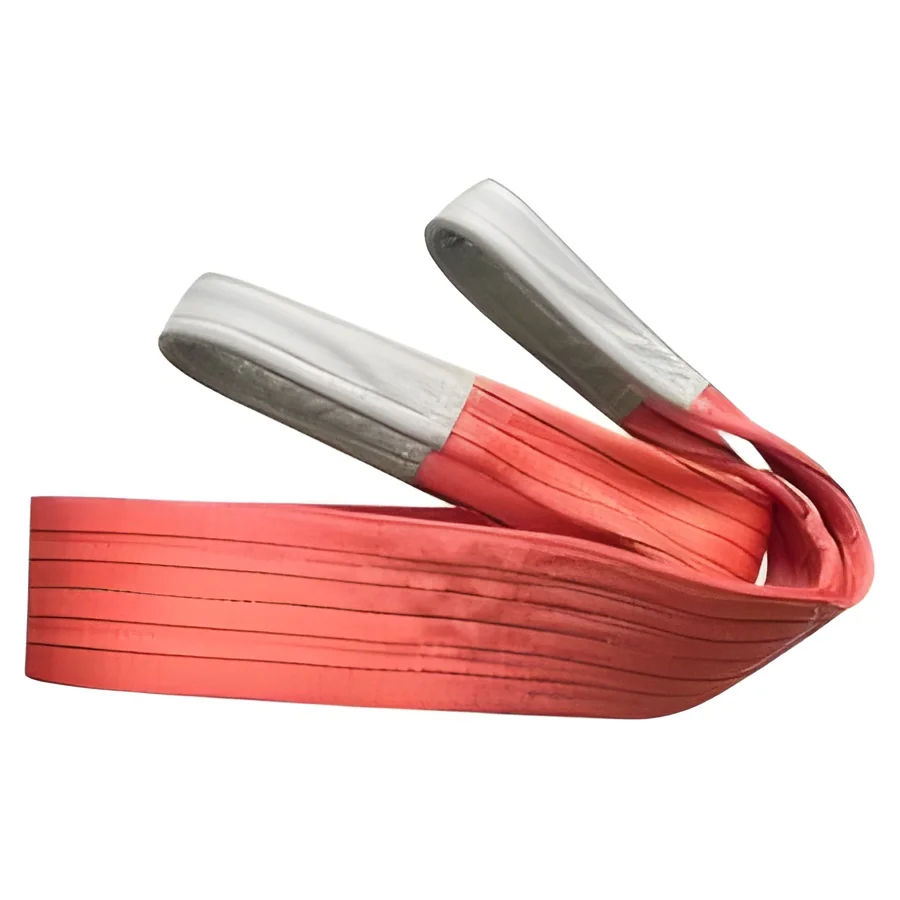
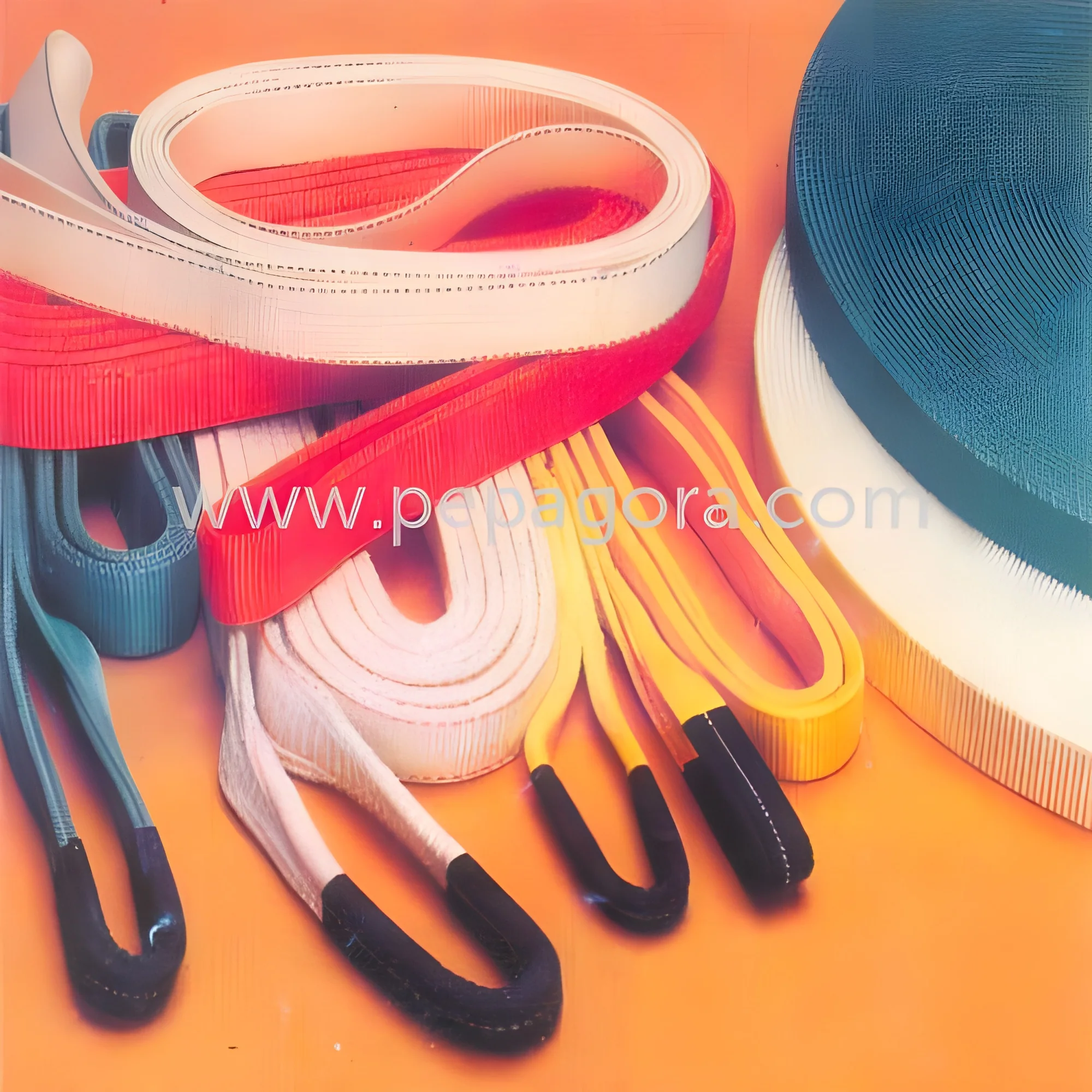
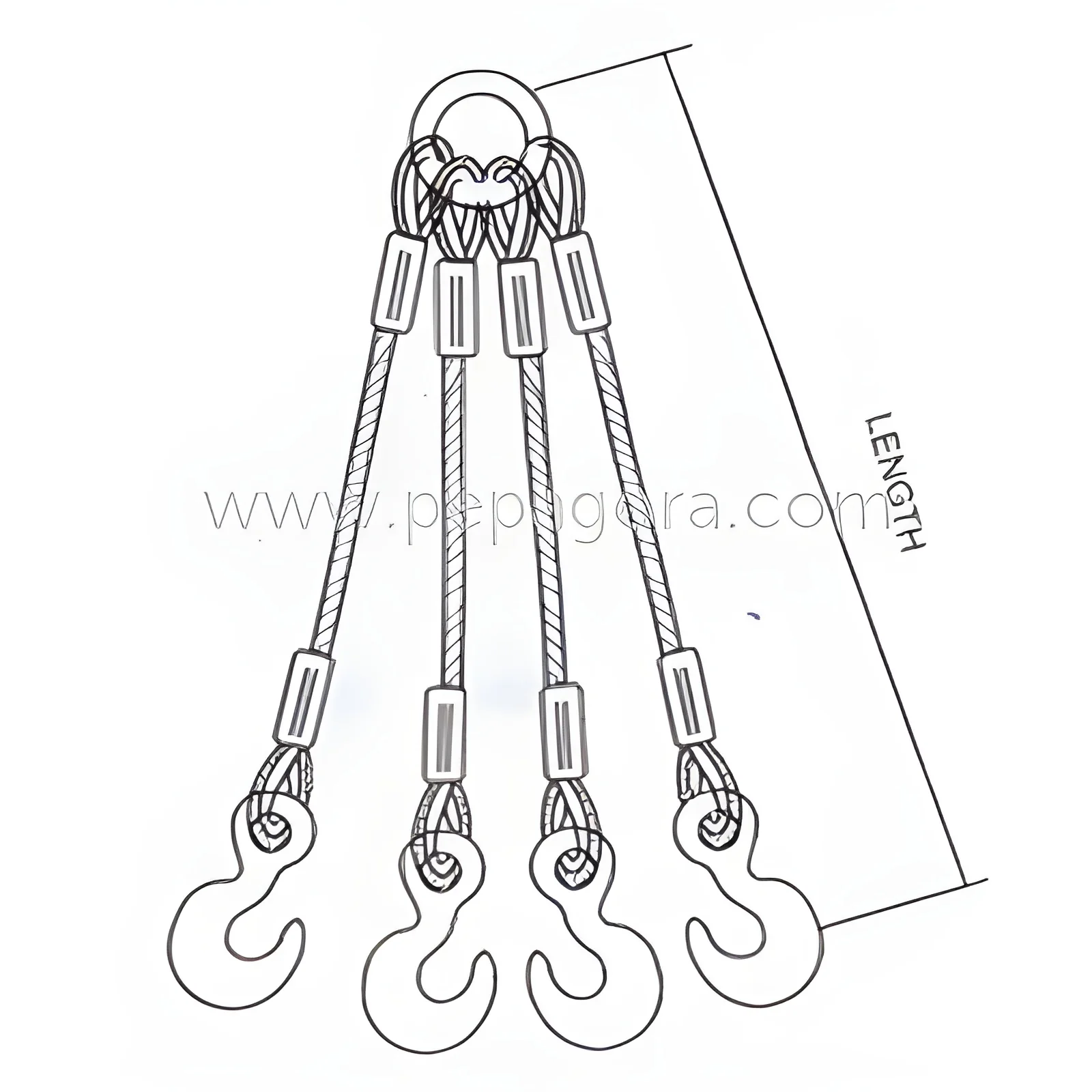
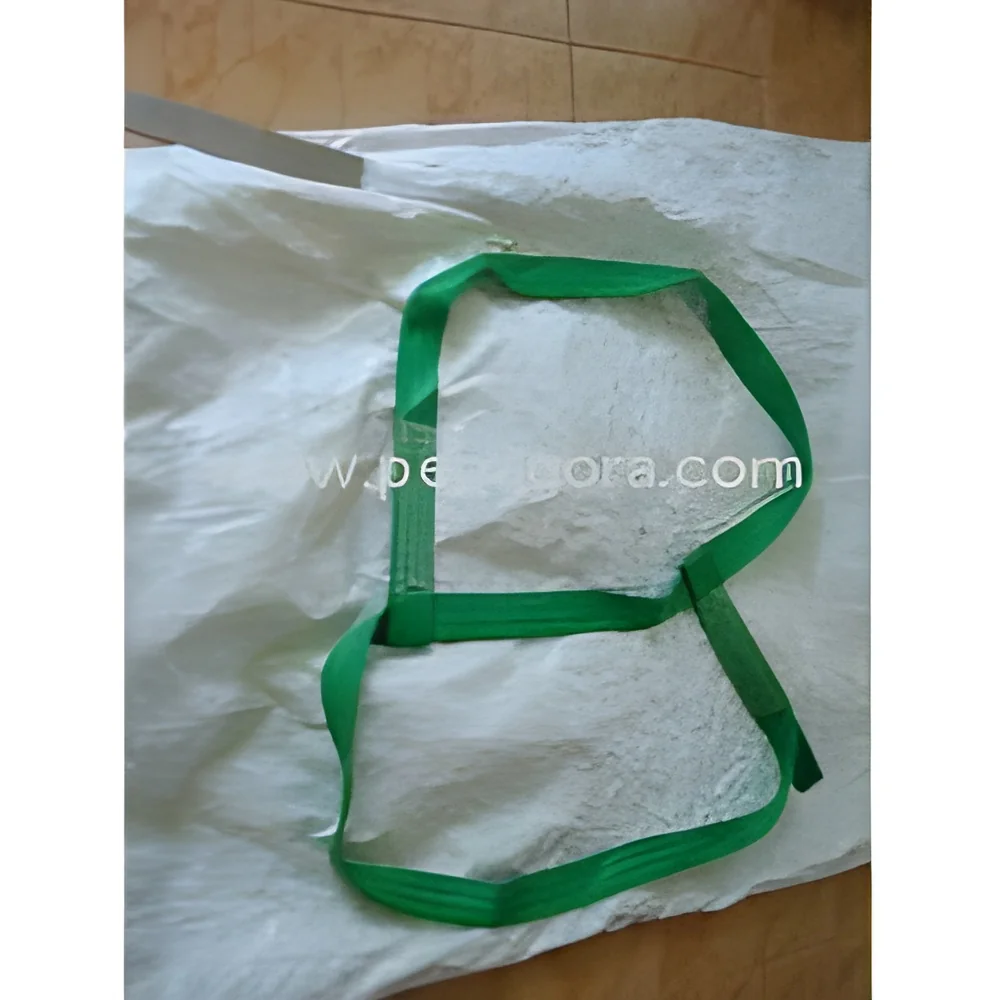
Rope slings are flexible lifting devices made from synthetic fibers or natural materials, designed to facilitate the safe and efficient lifting and moving of heavy loads. They come in various configurations, including single-leg and multi-leg designs, providing versatility for different lifting applications. The strength and durability of rope slings make them an essential tool in various industrial sectors, enhancing productivity and safety.
These slings are commonly used in construction, manufacturing, and logistics, where they enable the lifting of equipment, materials, and goods. They are favored for their lightweight nature and ease of handling compared to traditional metal slings. Additionally, rope slings are often employed in environments where metal slings could cause damage or where corrosion is a concern. The growing demand for efficient lifting solutions in industries makes rope slings increasingly relevant in today's market.
Key Features and Specifications
Rope slings are characterized by a range of features and specifications that enhance their usability and safety. Understanding these specifications is crucial for selecting the right sling for specific applications.
Key specifications include:
1. Load Capacity
- The maximum weight the sling can safely lift.
- Typically ranges from a few hundred to several thousand kilograms.
2. Material Composition
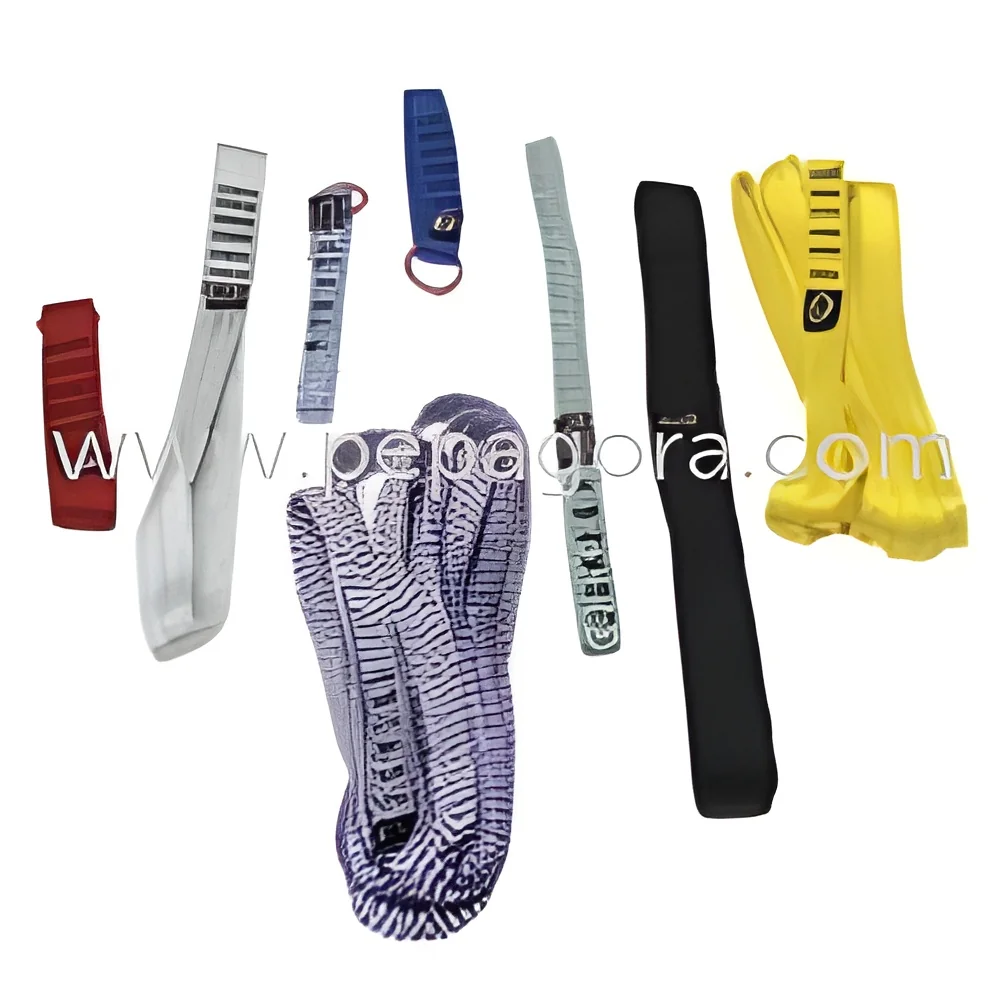
- Commonly made from nylon, polyester, or natural fibers.
- Each material offers different strength and flexibility characteristics.
3. Length
- The length of the sling can vary to accommodate different lifting scenarios.
- Standard lengths typically range from 1 meter to over 10 meters.
4. Diameter
- The thickness of the rope, affecting its load capacity and flexibility.
- Varies based on the type and intended use of the sling.
5. Safety Factor
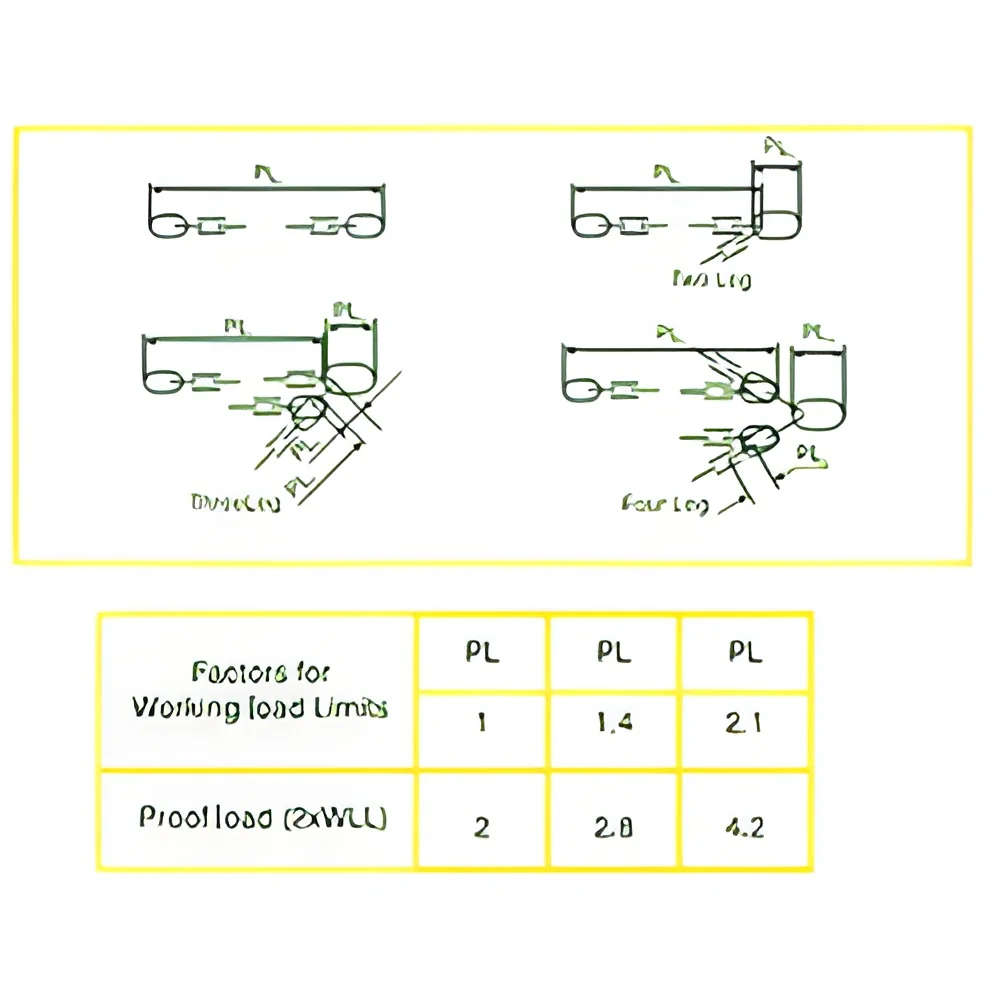
- The ratio of the sling's breaking strength to its working load limit.
- Usually set at a minimum of 5:1 for safety assurance.
6. UV Resistance
- The ability of the sling material to withstand UV exposure without degradation.
- Essential for outdoor applications.
7. Chemical Resistance
- The capacity to resist damage from exposure to chemicals and solvents.
- Important for use in industrial environments.
8. Color Coding
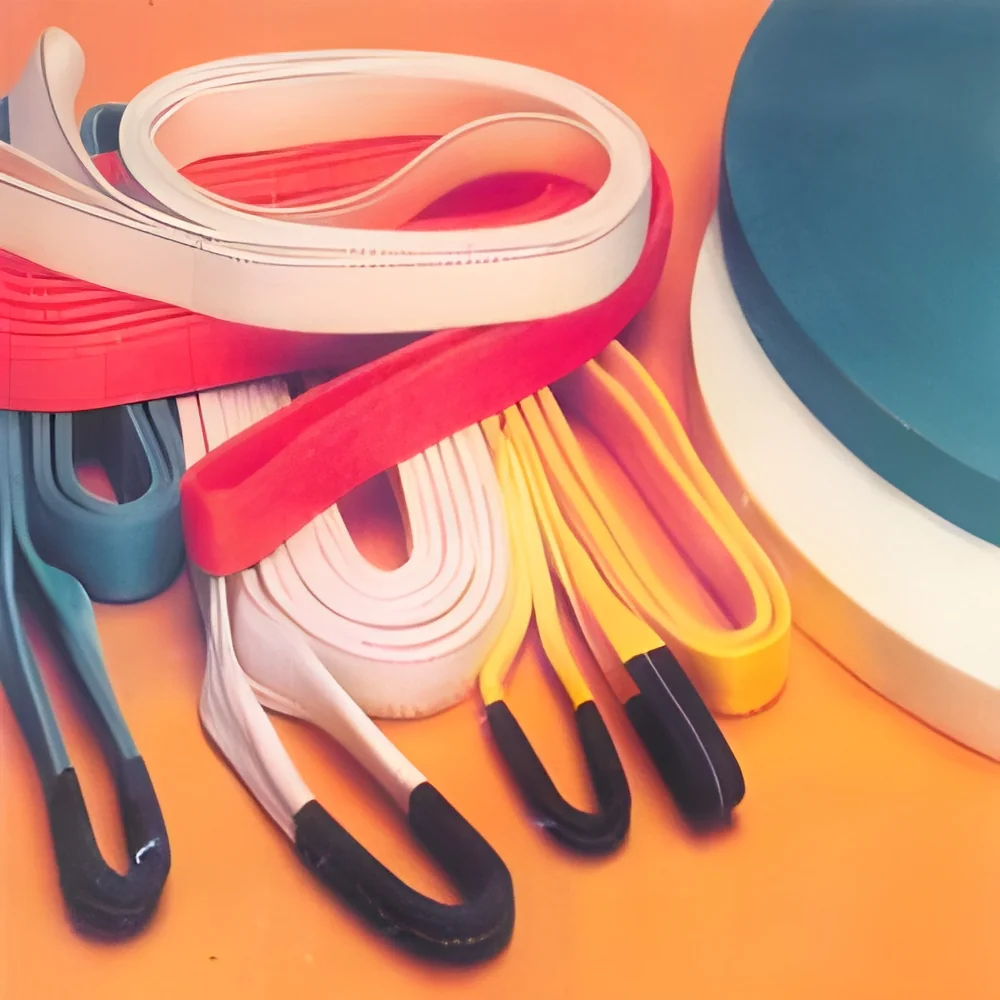
- Different colors may indicate specific load limits or material types.
- Facilitates quick identification and safety checks.
Rope slings are essential tools that combine strength, flexibility, and safety, making them effective for a wide range of lifting applications.
Common Applications and Use Cases
Rope slings serve various industries, proving their versatility and reliability in different environments.
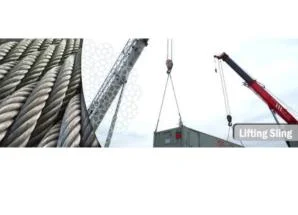
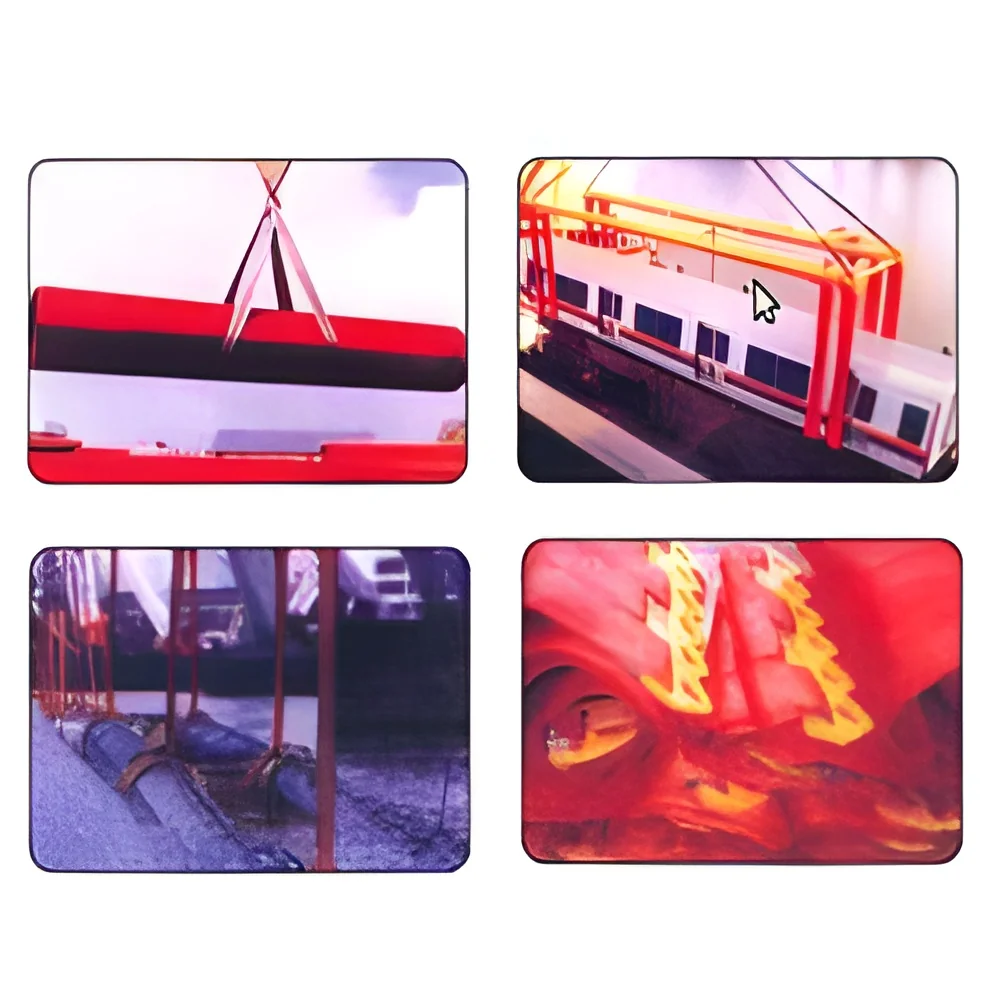
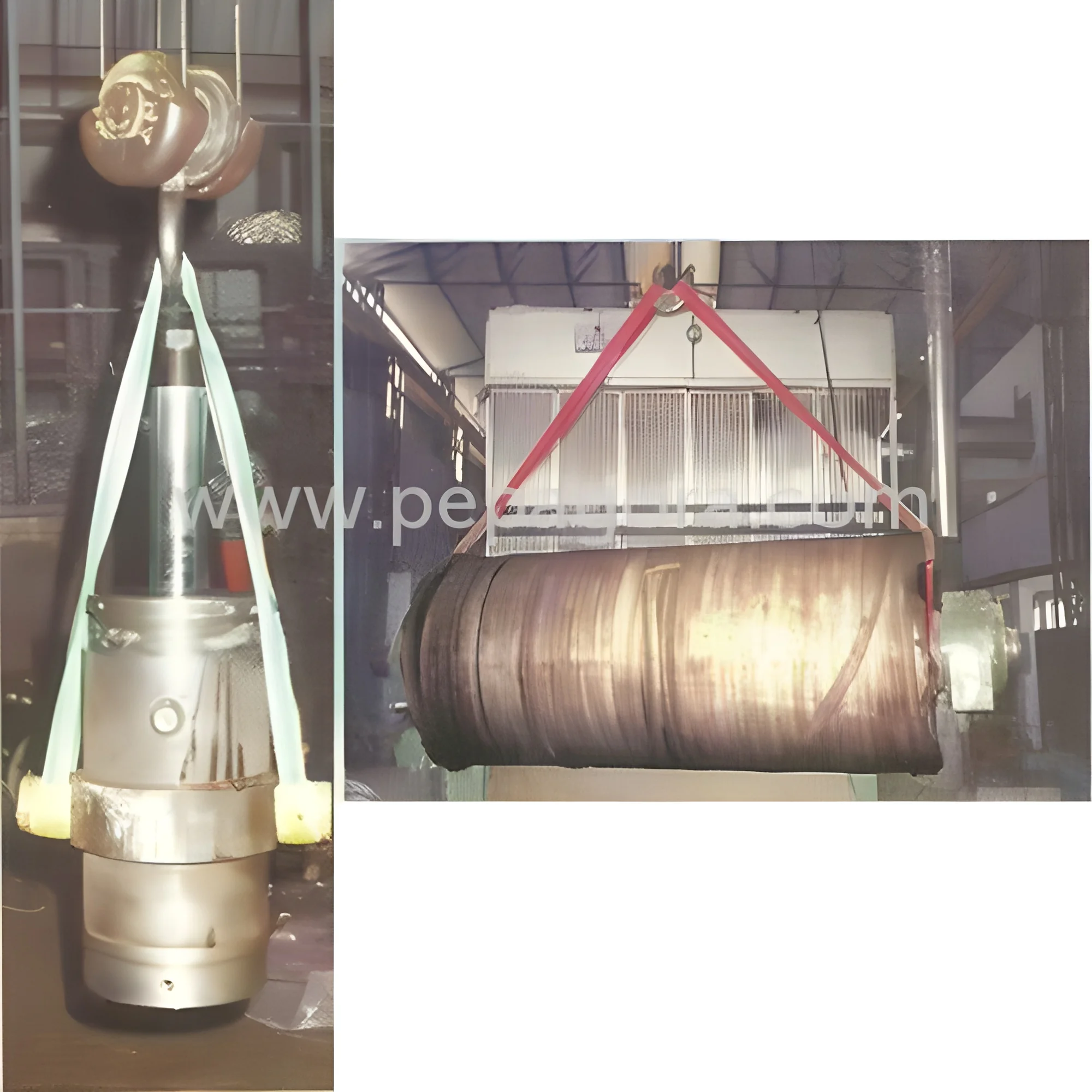
1. Construction: In construction, rope slings are used to lift and position heavy materials such as steel beams and concrete blocks. Their lightweight design allows for easy handling and reduces worker fatigue.
2. Manufacturing: Rope slings are utilized in manufacturing plants for moving machinery and components. They provide a safe and efficient means to lift items that may be awkward or heavy.
3. Logistics: In warehouses and distribution centers, rope slings are employed for loading and unloading goods. They help streamline operations and enhance safety when handling large packages.
4. Marine: Rope slings are often used in marine operations for lifting and securing cargo on ships. Their resistance to corrosion makes them suitable for harsh maritime environments.
5. Oil and Gas: In the oil and gas industry, rope slings are used for rigging and lifting equipment in offshore and onshore facilities. Their strength ensures safe handling of heavy machinery.
6. Entertainment: In the entertainment industry, rope slings are utilized for rigging stage equipment and lighting. Their versatility allows for creative setups in various venues.
7. Agriculture: Rope slings are beneficial for lifting and moving large agricultural equipment. They offer a practical solution for tasks that require strength and flexibility.
Product Variants and Subcategories
Rope slings come in various forms, catering to specific needs and applications. Their diversity ensures that businesses can find the right solution for their lifting challenges.
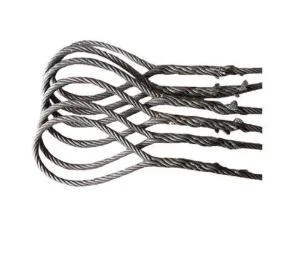
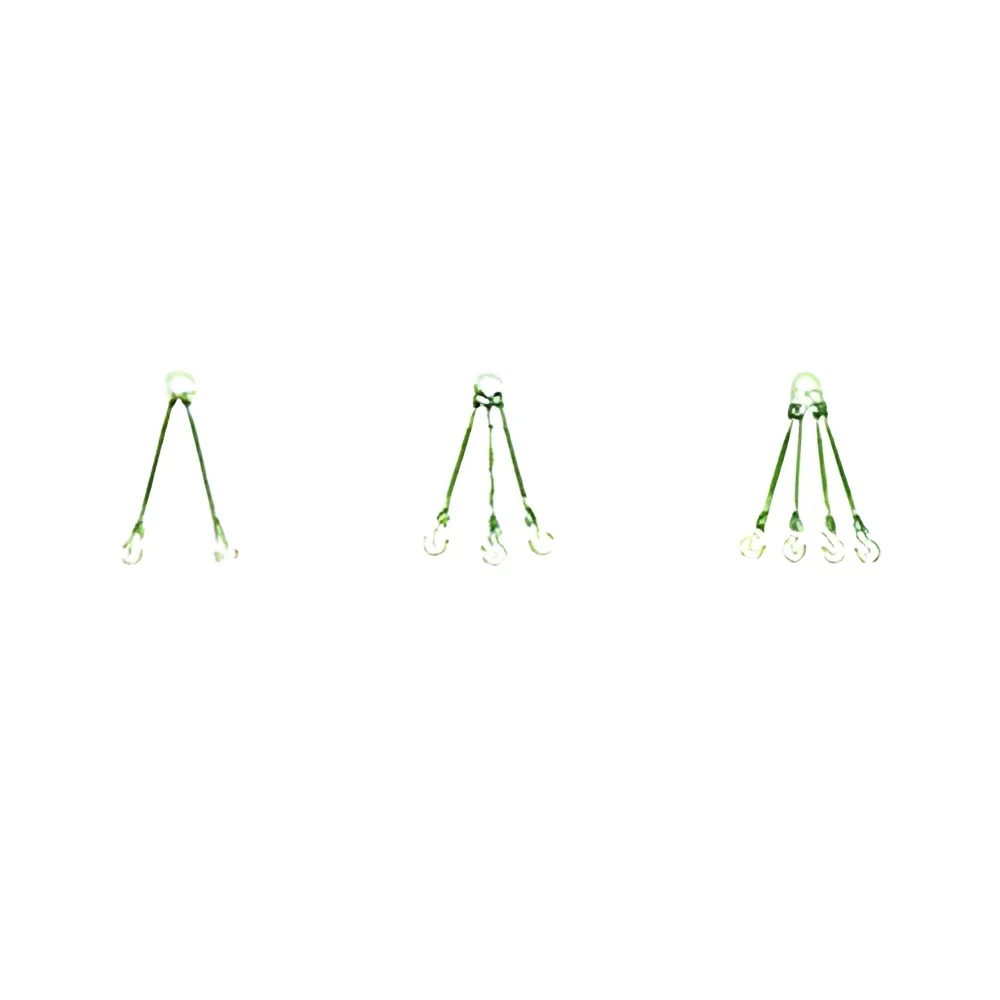
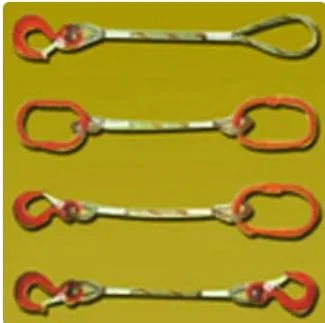
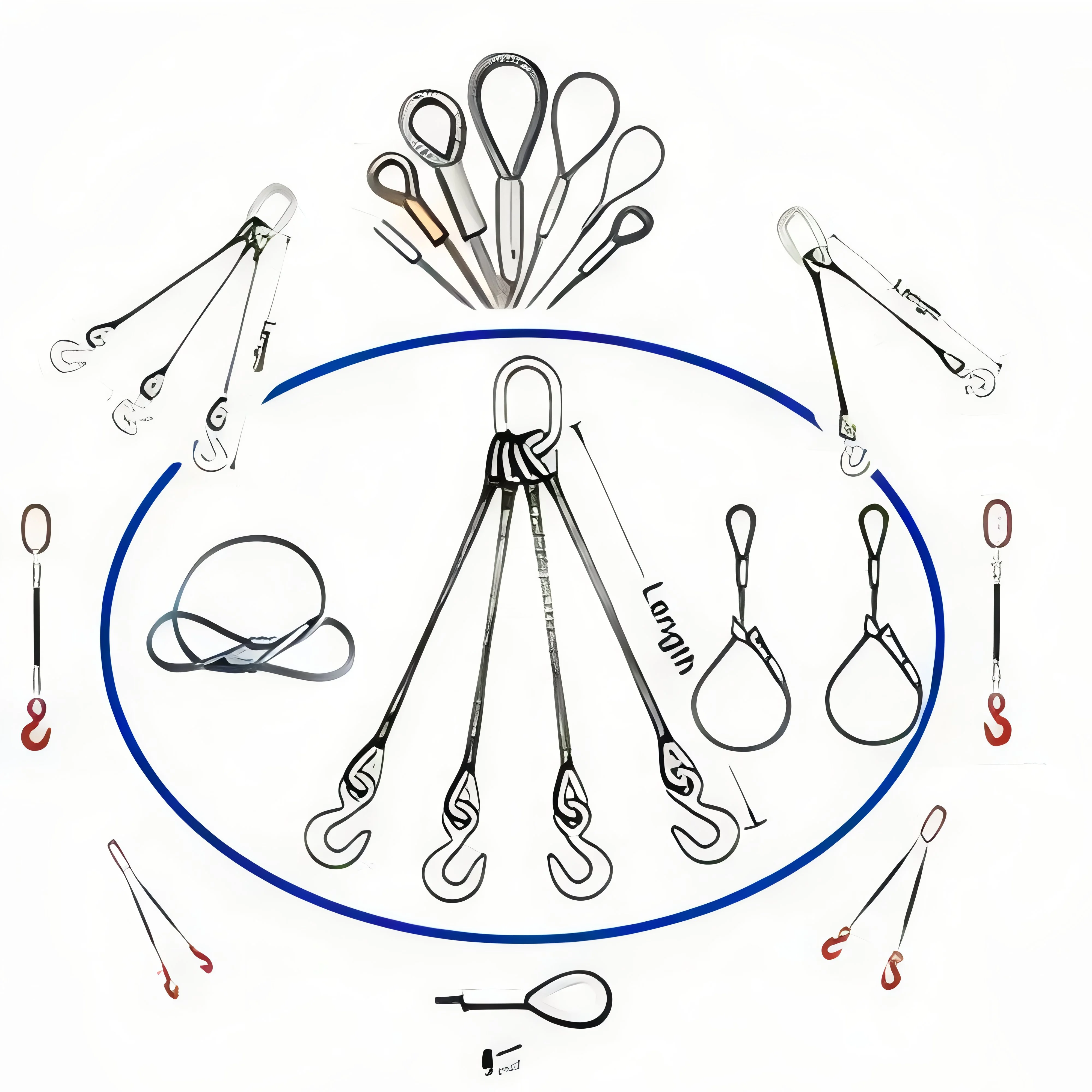
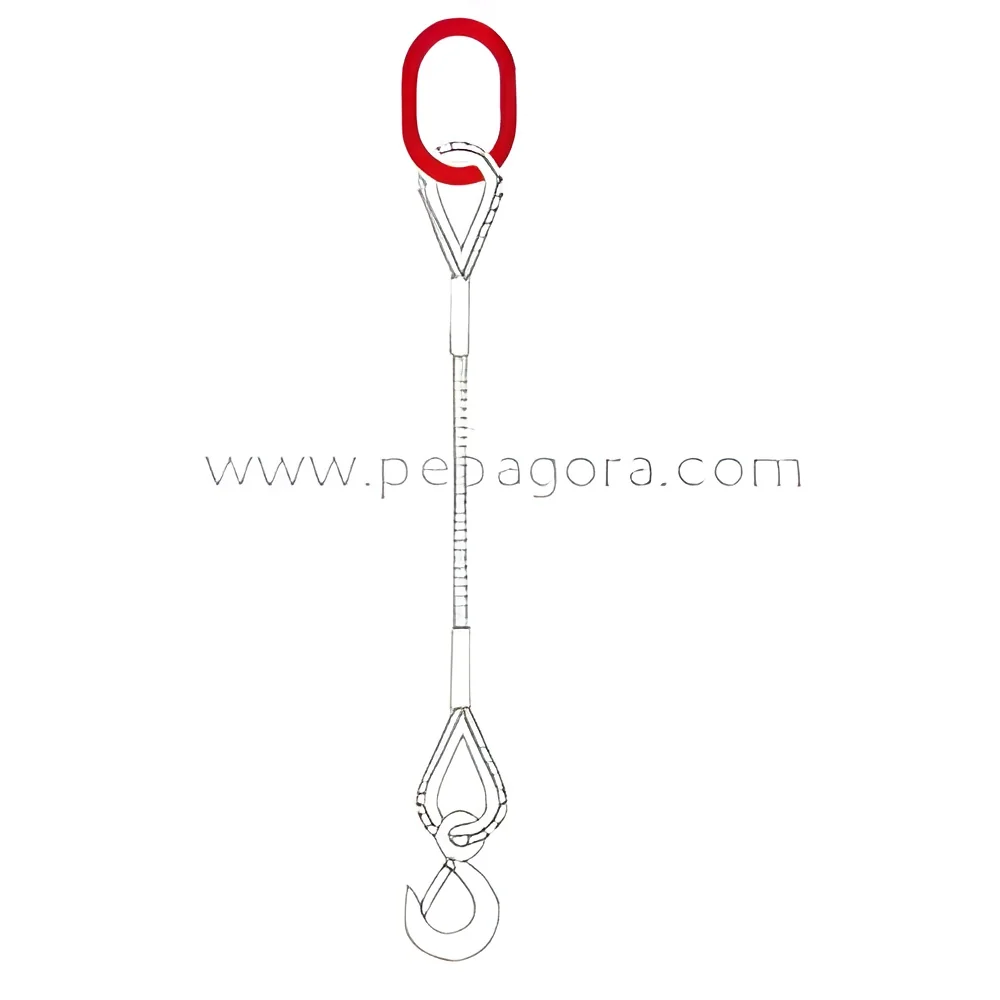
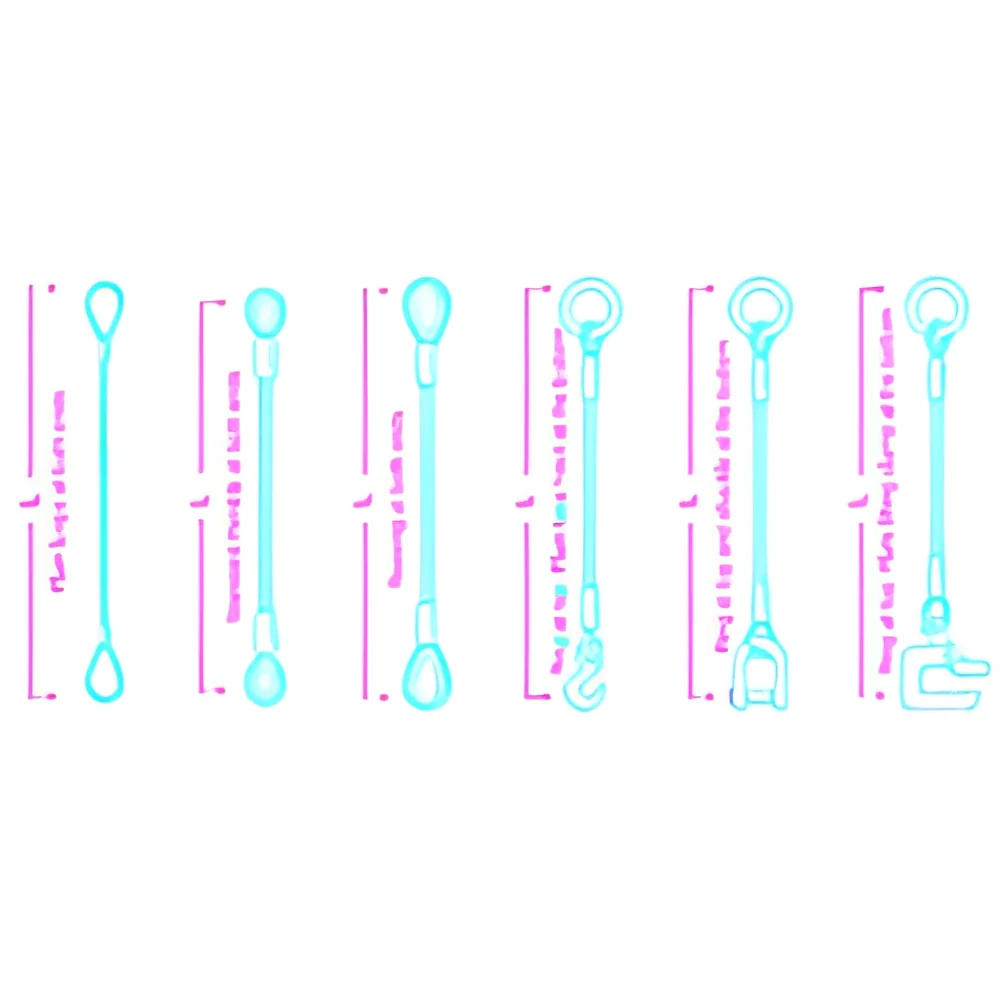
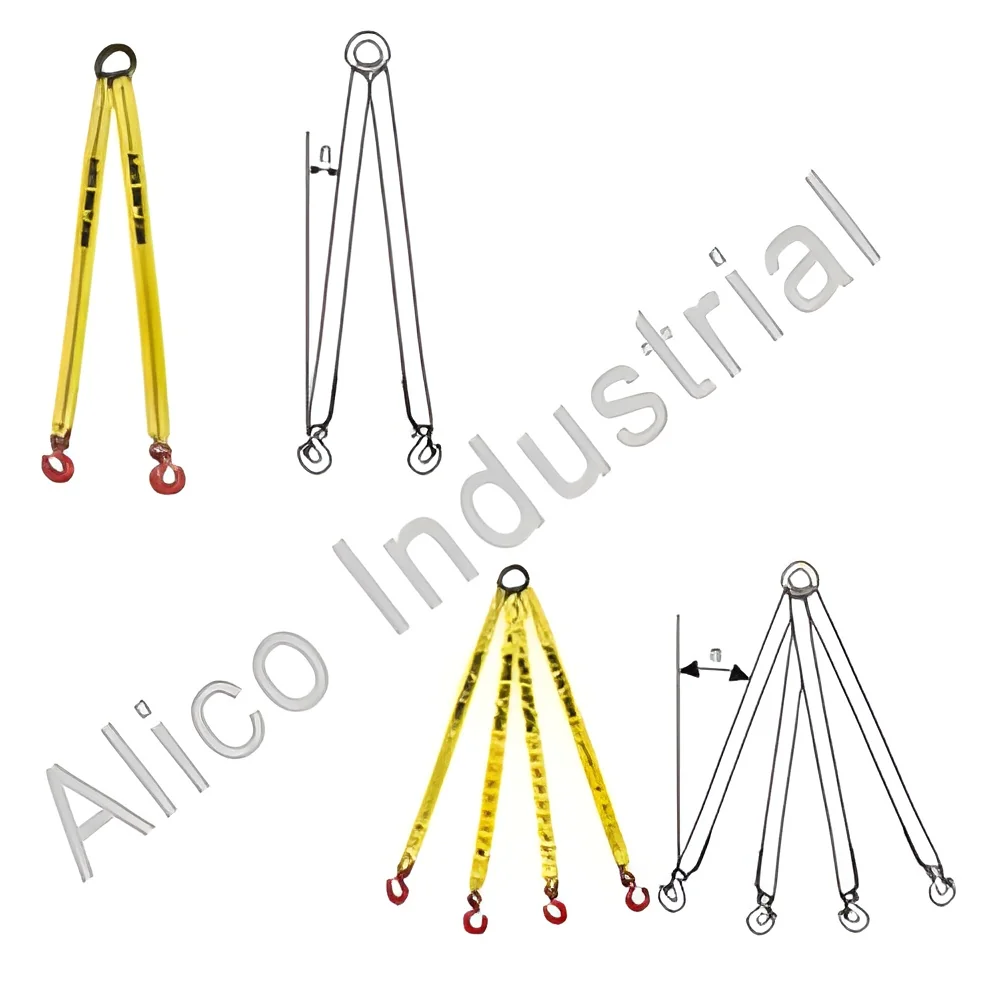
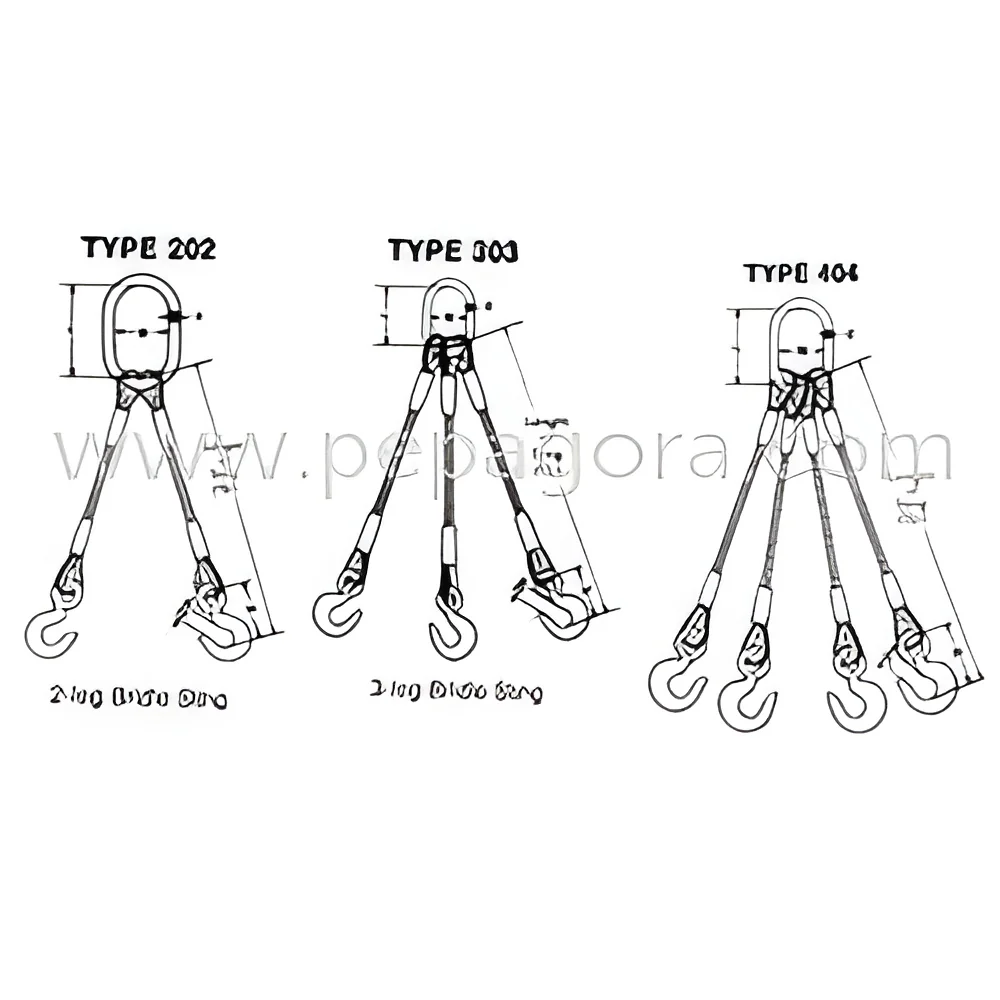
Single-Leg Rope Sling: This variant consists of a single length of rope and is ideal for straightforward lifting tasks. It is lightweight and easy to handle, making it suitable for general lifting applications.
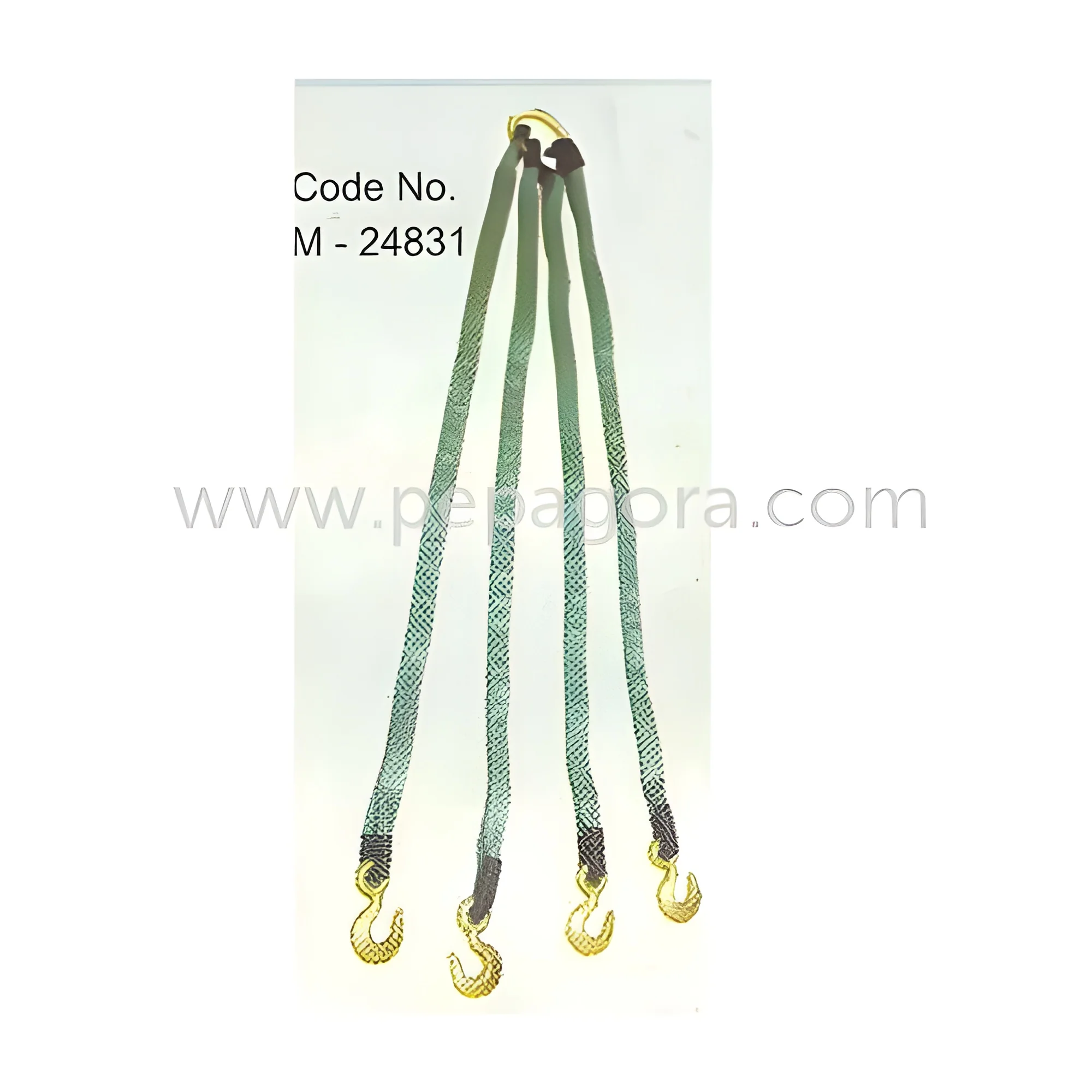
Multi-Leg Rope Sling: Featuring multiple legs, this variant provides increased stability and load distribution. It is perfect for lifting heavier loads that require balanced support, making it popular in construction and heavy manufacturing.
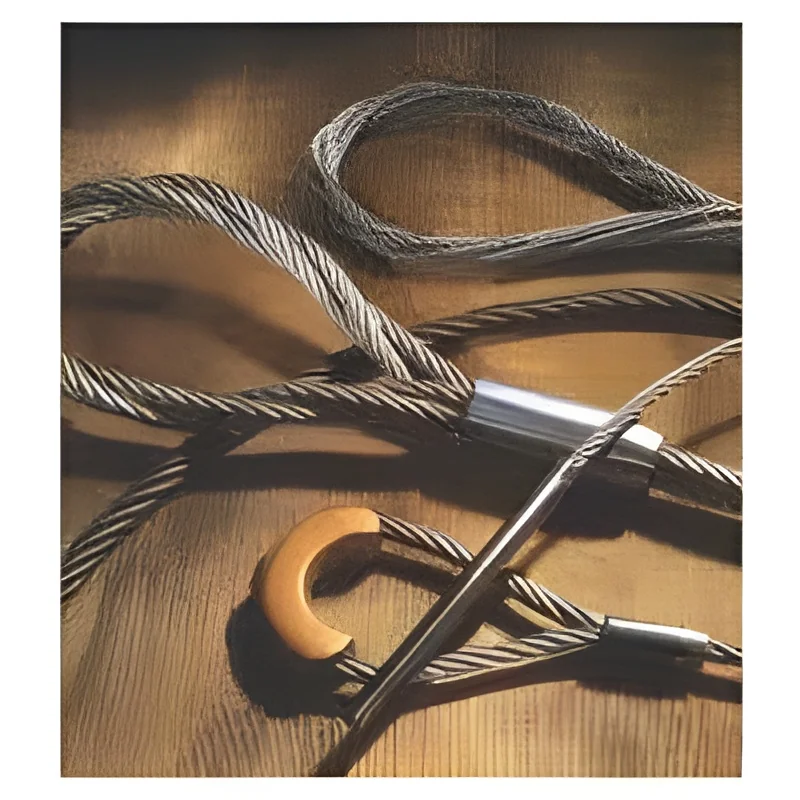
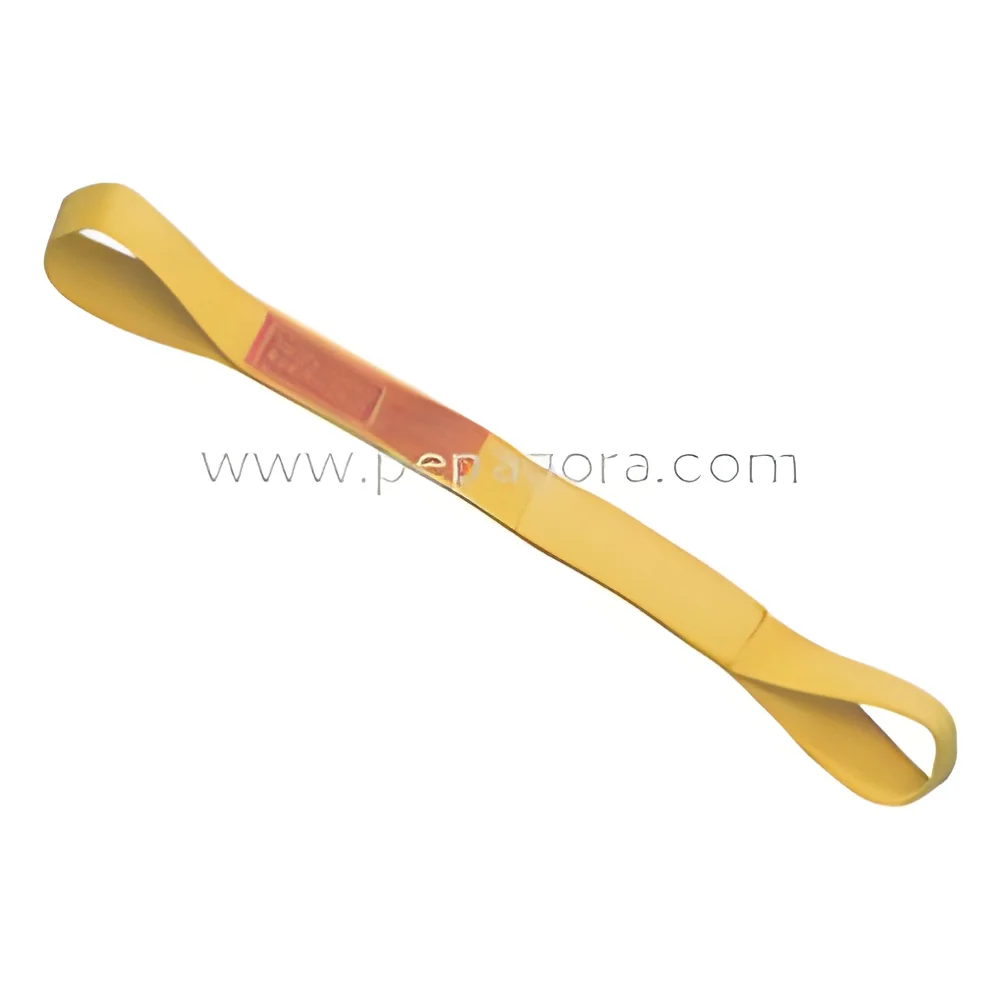
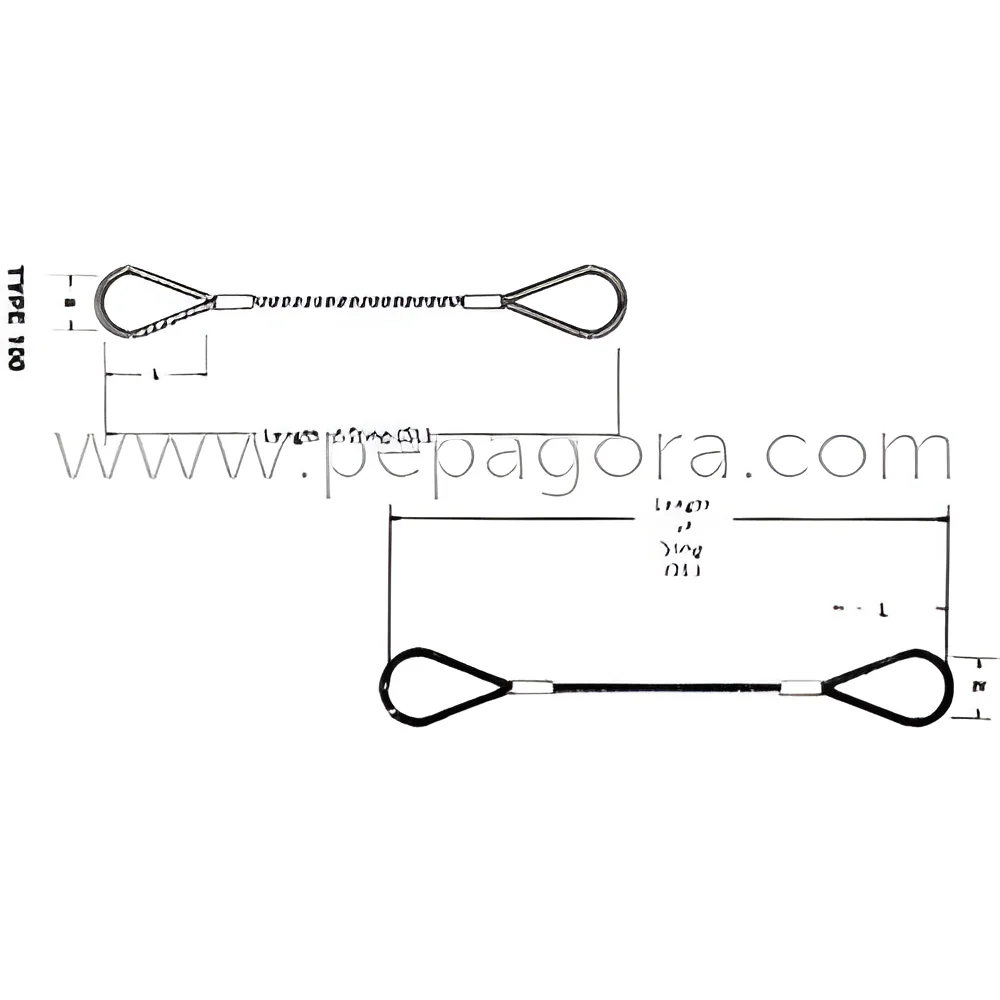
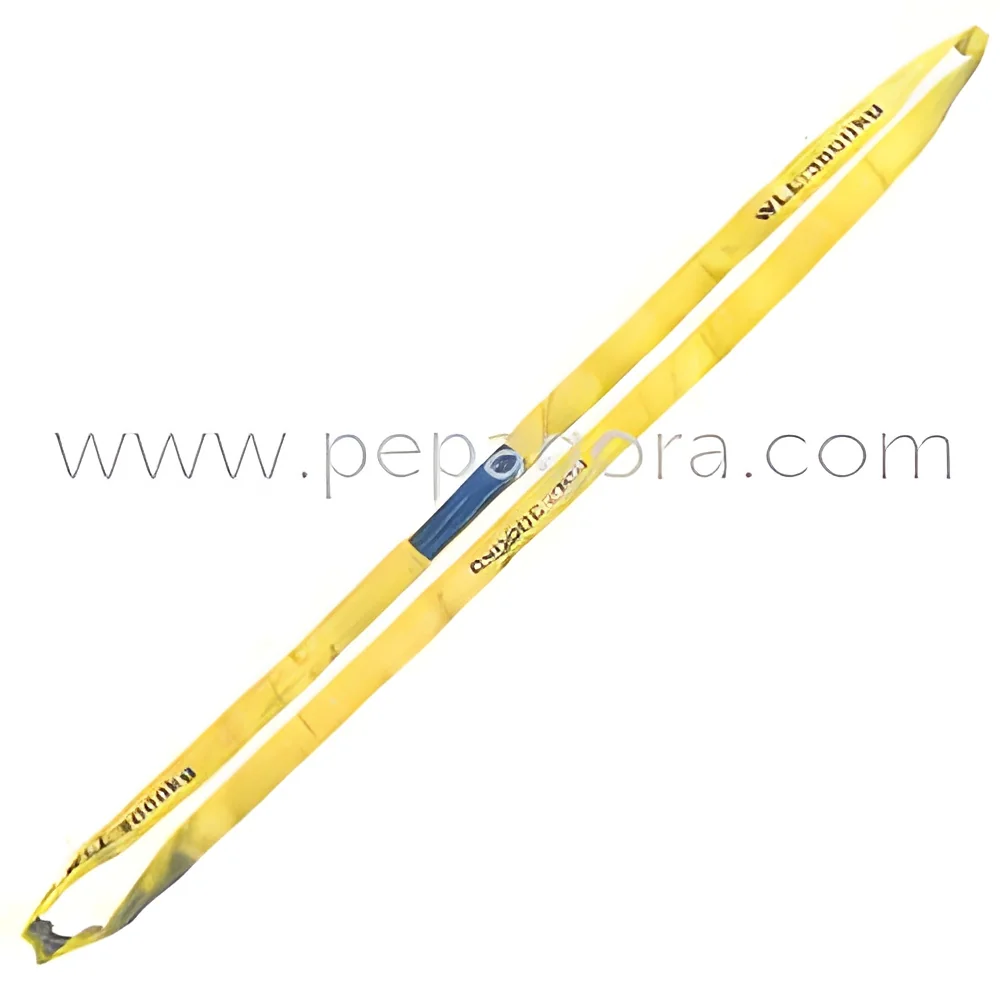
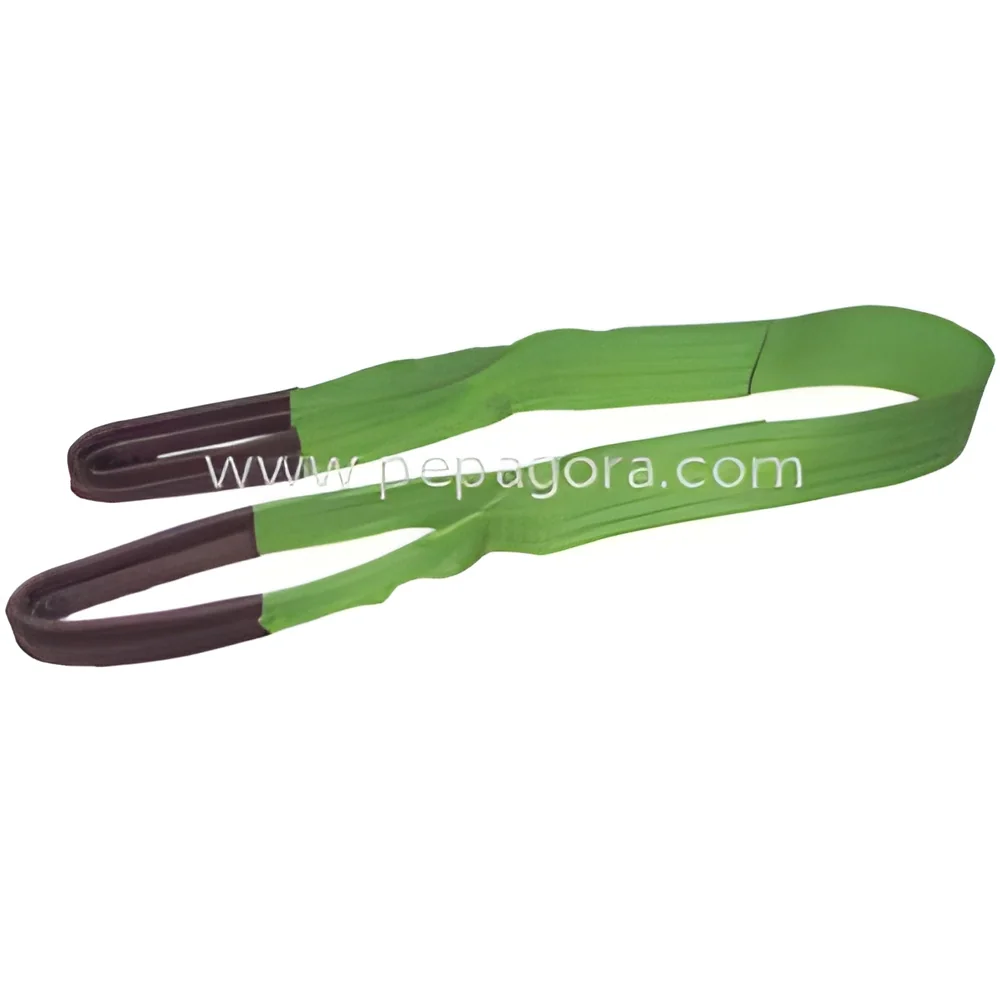
Eye and Eye Rope Sling: This type has reinforced eyes at both ends, allowing for easy attachment to hooks or other lifting devices. Its design enhances usability in various lifting scenarios.
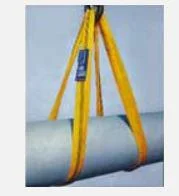
Choker Rope Sling: Designed for secure gripping, the choker sling wraps around the load and tightens as tension is applied. This variant is ideal for lifting irregularly shaped objects.
Benefits and Advantages
Rope slings offer numerous advantages that enhance their appeal to businesses across various sectors. Their unique characteristics make them a preferred choice for lifting applications.
Key benefits include:
1. Lightweight Design: Rope slings are significantly lighter than metal alternatives, making them easier to handle and reducing worker fatigue.
2. Flexibility: The flexibility of rope slings allows them to conform to the shape of the load, providing better grip and stability during lifting.
3. Corrosion Resistance: Many rope slings are made from synthetic materials that resist corrosion, making them suitable for use in harsh environments.
4. Safety: Rope slings often have a higher safety factor compared to other lifting devices, ensuring safer operations.
5. Versatility: They can be used in a wide range of industries and applications, from construction to marine operations, enhancing their utility.
6. Cost-Effectiveness: Rope slings typically have a lower initial cost than metal slings, making them a budget-friendly option for businesses.
Buying Guide for B2B Buyers
When sourcing rope slings, it is essential to consider several factors to ensure you make an informed purchase.
1. Quality Assessment: Look for slings that meet industry standards and have a proven track record for performance. Check for certifications that indicate compliance with safety and quality regulations.
2. Supplier Verification: Vet potential suppliers by reviewing their reputation, customer feedback, and industry experience. Establishing a relationship with a reliable supplier is crucial for ongoing support.
3. Pricing and MOQ: Understand the pricing structure and minimum order quantities (MOQ) required by suppliers. This information can help you budget effectively and plan your inventory needs.
4. Delivery and Lead Times: Discuss logistics with suppliers to understand delivery schedules and lead times. Timely delivery is essential for maintaining operational efficiency.
5. Compliance Requirements: Ensure that the rope slings meet all relevant regulatory standards for your industry. This includes safety certifications and any region-specific compliance mandates.
Compliance and Certifications
Rope slings must adhere to relevant quality standards and certifications to ensure safety and reliability in industrial applications. Commonly recognized standards include ISO 9001, which addresses quality management systems, and CE marking, indicating conformity with health, safety, and environmental protection standards.
In addition to these standards, safety and testing requirements are crucial. Rope slings undergo rigorous testing to verify their load capacity, durability, and resistance to environmental factors. These tests help ensure the slings meet the necessary safety margins for lifting operations.
Regional compliance considerations may vary based on local regulations. Businesses must stay informed about these requirements to avoid potential legal and operational issues.
Why Source Rope Slings from Pepagora?
Pepagora provides a trusted platform for sourcing rope slings with several key advantages that benefit B2B buyers.
Verified Supplier Network: Pepagora connects buyers with a network of verified suppliers, ensuring that every listing meets high-quality standards. This network helps businesses find reliable sources for their lifting needs.
Streamlined RFQ Process: The platform features a straightforward Request for Quotation (RFQ) process that allows buyers to quickly obtain competitive quotes from multiple suppliers. This efficiency saves time and resources.
Trade Assurance and Support: Pepagora offers trade assurance, providing buyers with protection throughout the purchasing process. This support helps build confidence in transactions and ensures satisfaction.
Regional Coverage: With a focus on markets in India, the GCC, and Southeast Asia, Pepagora ensures that buyers have access to a wide range of rope slings tailored to their regional needs. This geographic reach facilitates local sourcing and strengthens supply chain connections.

 IN
IN