What are Lashing Belts?
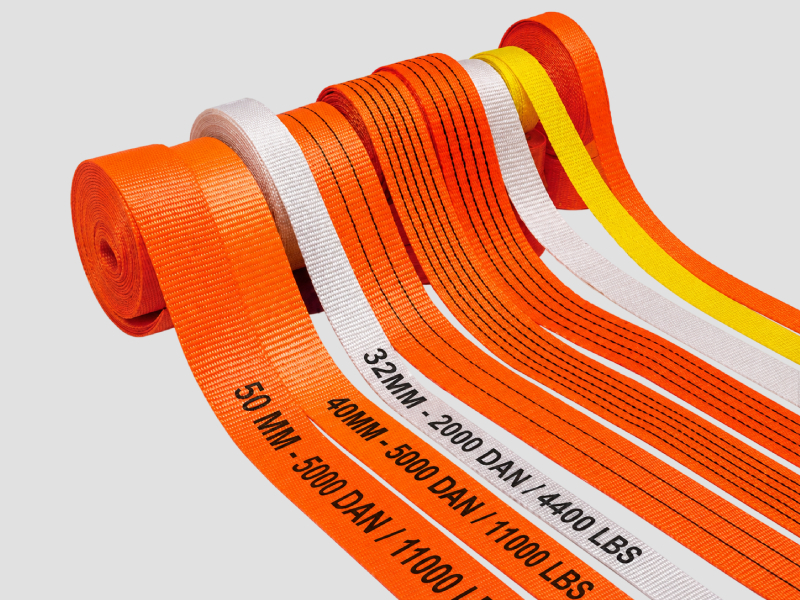
Lashing belts, also known as cargo straps or tie-down straps, are essential tools for securing loads during transportation. They consist of a durable webbing material, typically made from polyester, and feature a ratchet or cam buckle mechanism that allows for easy tightening and loosening. Their design ensures that cargo remains stable and secure, reducing the risk of damage during transit.
The primary applications of lashing belts are in the logistics, shipping, and transportation industries. Businesses use them to secure various types of cargo, including pallets, machinery, and vehicles, ensuring safe delivery to their destinations. Their versatility makes them a vital component in many sectors, including construction, automotive, and retail. In a market that prioritizes safety and efficiency, lashing belts play a crucial role in protecting goods and enhancing operational efficiency.
In today's competitive landscape, lashing belts are increasingly relevant due to rising consumer demands for safe and reliable transportation solutions. With the growth of e-commerce and global trade, the need for effective load securing mechanisms has never been greater. Companies that utilize high-quality lashing belts not only comply with safety regulations but also enhance their reputation for reliability among customers.
Key Features and Specifications
Lashing belts are characterized by several key features that enhance their performance and safety. Understanding these specifications is crucial for selecting the right product for your needs.
Key specifications include:
1. Material Strength
- Made from high-tensile polyester webbing
- Typically withstands loads ranging from 500 kg to 10,000 kg, depending on the model
2. Length Options
- Available in various lengths, commonly from 2 meters to 10 meters
- Custom lengths may be available to meet specific requirements
3. Width
- Standard widths range from 25 mm to 50 mm
- Wider belts provide increased load distribution
4. Buckle Type
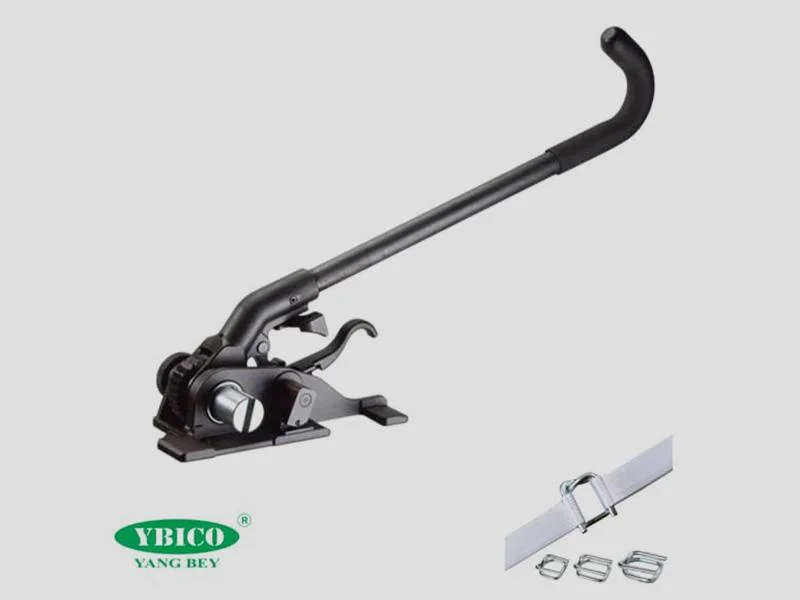
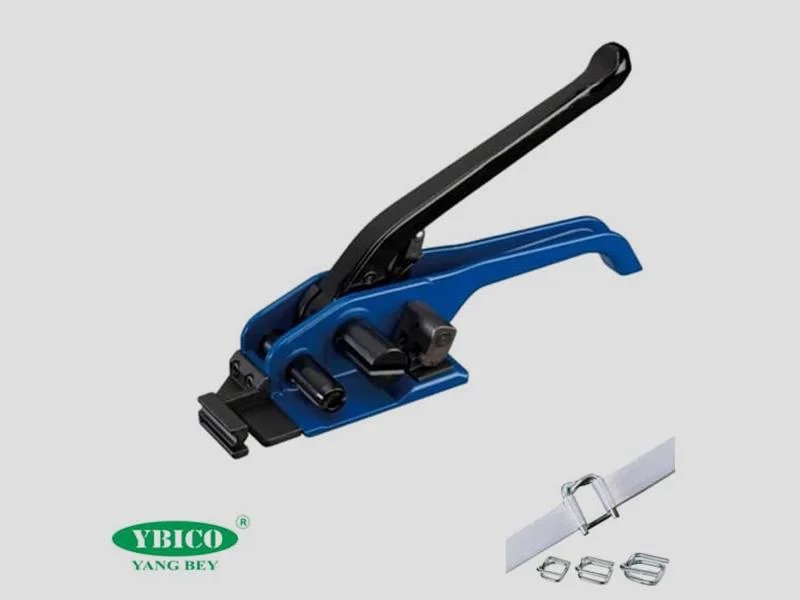
- Features either ratchet or cam buckles for secure fastening
- Ratchet buckles offer higher tensioning capabilities
5. Working Load Limit (WLL)
- Clearly marked on the strap for compliance and safety
- Ensures proper load management during transport
6. Safety Factor
- Typically designed with a safety factor of 2:1 or 3:1
- Ensures maximum load security and safety during use
7. Weather Resistance
- Resistant to UV light and moisture
- Suitable for both indoor and outdoor use
8. Compliance Standards
- Meets various industry standards, including CE certification
- Ensures quality and safety in various applications
In summary, lashing belts offer a range of specifications that cater to diverse industrial needs. Understanding these features helps businesses select the right type for their specific applications.
Common Applications and Use Cases
Lashing belts find applications across multiple industries, making them a versatile choice for securing loads.
1. Transportation and Logistics: In this sector, lashing belts are used to secure cargo in trucks, containers, and shipping vessels, ensuring safe transit.
2. Construction: Construction companies utilize lashing belts to secure tools, equipment, and materials on job sites, preventing accidents and losses.
3. Automotive: In the automotive industry, lashing belts are employed to secure vehicles during transport, ensuring they remain stable and protected.
4. Retail: Retailers use lashing belts to secure merchandise during shipping, particularly for large or bulky items like furniture and appliances.
5. Agriculture: Farmers and agricultural suppliers use lashing belts to secure equipment and produce during transport to markets.
6. Manufacturing: In manufacturing, lashing belts help secure machinery and parts during shipping and delivery.
7. Event Management: Event planners use lashing belts to secure equipment and displays for trade shows and exhibitions.
Product Variants and Subcategories
Lashing belts come in various configurations to meet the diverse needs of different industries.
Standard Lashing Belts
These belts are designed for general use and feature a basic ratchet or cam buckle mechanism. They are versatile and suitable for a variety of applications, from transportation to construction.
Heavy-Duty Lashing Belts
Designed for extreme loads, heavy-duty lashing belts can handle significant weights and are often used in industrial settings. They typically feature reinforced webbing and robust buckles for added security.
Ratchet Lashing Belts
These belts use a ratchet mechanism for tightening, providing a secure hold on heavy loads. They are ideal for transporting equipment and vehicles.
Cam Buckle Lashing Belts
Cam buckle belts are easier to use for lighter loads and are suitable for applications where quick adjustments are necessary. They are often used in retail and event management settings.
Benefits and Advantages
Lashing belts offer numerous benefits that make them essential for businesses involved in transporting goods.
1. Enhanced Safety: Lashing belts secure loads effectively, reducing the risk of accidents and cargo damage during transit.
2. Versatility: With various lengths and widths, lashing belts can be tailored to fit different cargo types and sizes.
3. Cost-Effectiveness: Investing in high-quality lashing belts minimizes the risk of losses due to damaged goods during transportation.
4. Ease of Use: The design of lashing belts allows for quick and easy application, saving time during loading and unloading.
5. Compliance Assurance: Using certified lashing belts ensures compliance with safety regulations, protecting businesses from legal issues.
6. Durability: Made from high-strength materials, lashing belts resist wear and tear, providing long-lasting performance.
Buying Guide for B2B Buyers
When sourcing lashing belts, it is essential for businesses to consider several key factors to ensure they choose the right products.
1. Quality Assessment: Look for belts made from high-tensile materials with clear specifications on working load limits. This helps ensure that the belts can handle the required loads safely.
2. Supplier Verification: Vet suppliers by checking their certifications, customer reviews, and industry reputation. This ensures that you are buying from a reliable source.
3. Pricing and MOQ: Understand the pricing structure and minimum order quantities required by suppliers. This helps in budgeting and ensures you can meet your needs without overspending.
4. Delivery and Lead Times: Consider the logistics involved in shipping lashing belts, including delivery times and potential delays. This helps in planning for timely project execution.
5. Compliance Requirements: Ensure that the lashing belts meet any relevant industry standards and certifications, such as CE certification. This protects your business from regulatory issues.
Compliance and Certifications
Lashing belts are subject to various quality standards and certifications that ensure their safety and reliability in industrial applications. One of the most commonly recognized standards is ISO 9001, which outlines requirements for quality management systems. This certification ensures that manufacturers follow stringent processes to maintain product quality.
Additionally, lashing belts often carry CE certification, indicating compliance with European safety standards. This certification is crucial for businesses operating in regions that require adherence to specific safety regulations.
Safety and testing requirements also play a significant role in the manufacturing of lashing belts. Products may undergo rigorous testing to validate their load capacity, durability, and resistance to environmental factors. Businesses should consider regional compliance considerations, particularly when sourcing international products, to ensure that they meet local regulations.
Why Source Lashing Belts from Pepagora?
Pepagora provides a trusted platform for sourcing lashing belts, offering several key advantages that benefit B2B buyers.
Verified Supplier Network: Pepagora has established a comprehensive network of verified suppliers, ensuring that businesses can access high-quality lashing belts from reputable manufacturers. This reduces the risk of purchasing substandard products.
Streamlined RFQ Process: The Request for Quotation process on Pepagora is designed to be user-friendly, allowing buyers to obtain multiple quotes quickly. This helps in making informed decisions based on pricing and supplier capabilities.
Trade Assurance and Support: Pepagora offers trade assurance, which protects buyers against potential issues related to product quality and delivery. This support fosters confidence in the purchasing process.
Regional Coverage: With a strong presence in India, the GCC, and Southeast Asia, Pepagora facilitates access to lashing belt suppliers across these regions. This geographic reach enables businesses to find suitable products tailored to their specific needs.

 IN
IN