What are Twisted Ropes?
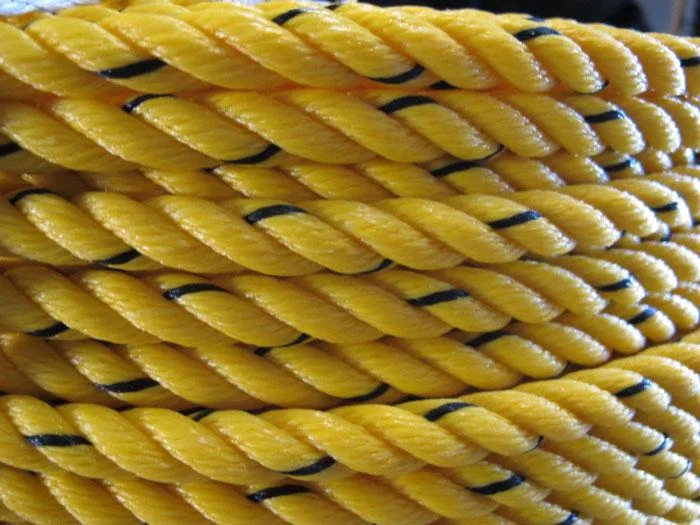
Twisted ropes are robust cables created by intertwining strands of fiber or synthetic material to enhance strength and durability. These ropes are engineered to withstand heavy loads and resist wear, making them essential in various industrial applications. The twisting process provides added flexibility and resilience, enabling twisted ropes to perform effectively in demanding environments.
Twisted ropes find extensive use across multiple sectors, including construction, maritime, agriculture, and transportation. They serve critical functions such as lifting, towing, and securing loads. Businesses utilize them for tasks ranging from mooring ships to bundling materials. The versatility of twisted ropes makes them indispensable in industries where reliability and strength are paramount.
In the current market, twisted ropes are increasingly relevant due to the ongoing demand for high-quality lifting solutions and secure fastening options. With advancements in manufacturing techniques, companies can produce ropes that meet specific industry standards, ensuring safety and performance. The growth of sectors like logistics and construction further emphasizes the need for durable twisted ropes.
Key Features and Specifications
Twisted ropes are characterized by their unique construction and material properties, which contribute to their overall performance. Understanding these features is crucial for businesses in selecting the right ropes for their applications.
Key specifications include:
1. Material Type
- Twisted ropes can be made from natural fibers like jute and sisal or synthetic materials such as nylon and polypropylene.
- Each material offers different strength, flexibility, and resistance properties.
2. Diameter Range
- Typical diameters for twisted ropes range from 1/8 inch to several inches, depending on the application.
- The diameter directly impacts the load-bearing capacity and flexibility of the rope.
3. Load Capacity
- Twisted ropes are available with various load capacities, typically ranging from a few hundred pounds to several tons.
- Load capacity is determined by the material, diameter, and construction method.
4. Length Options
- Ropes can be produced in standard lengths or customized to meet specific project requirements.
- Common lengths range from 50 feet to 1,000 feet.
5. Abrasion Resistance
- Many twisted ropes are designed to resist wear and tear, extending their lifespan in rugged environments.
- This feature is particularly important for maritime and construction applications.
6. UV Resistance
- Synthetic twisted ropes often include UV stabilizers to prevent degradation from prolonged sun exposure.
- This is critical for outdoor applications where exposure to sunlight is a factor.
7. Flexibility
- The twisting process ensures that the ropes maintain a degree of flexibility, making them easier to handle and use.
- Flexibility allows for better knot tying and manipulation in various applications.
8. Safety Standards
- Twisted ropes may comply with industry-specific safety standards, ensuring they meet required performance benchmarks.
- Compliance with certifications like CE assures buyers of the rope's quality and safety.
In summary, selecting the right twisted ropes involves understanding their key features and specifications. Businesses should consider material type, load capacity, and other specifications to ensure they choose the most suitable product for their needs.
Common Applications and Use Cases
Twisted ropes are utilized across a wide array of industries, showcasing their versatility and strength.
1. Maritime: Twisted ropes are essential in the maritime industry for mooring ships and securing cargo. Their high load capacity and durability make them ideal for marine environments.
2. Construction: In construction, twisted ropes are used for lifting and moving materials. Their strength allows for safe handling of heavy loads, making them invaluable on job sites.
3. Agriculture: Farmers use twisted ropes for various tasks, including tying bales and securing equipment. The ropes' flexibility and strength are essential for agricultural operations.
4. Transportation: Twisted ropes play a crucial role in the transportation sector for securing loads on trucks and trailers. Their reliability ensures that cargo remains safe during transit.
5. Outdoor Recreation: Twisted ropes are popular in outdoor activities, such as camping and climbing. Their lightweight nature and strength make them suitable for recreational use.
6. Rescue Operations: Emergency services often use twisted ropes for rescue operations. Their strength and reliability are critical when lives are at stake.
7. Industrial Manufacturing: In manufacturing settings, twisted ropes are employed for lifting and moving heavy machinery parts. Their durability ensures they withstand the rigors of industrial use.
Product Variants and Subcategories
Twisted ropes come in various forms, catering to different applications and requirements. This diversity allows businesses to choose the best option for their specific needs.
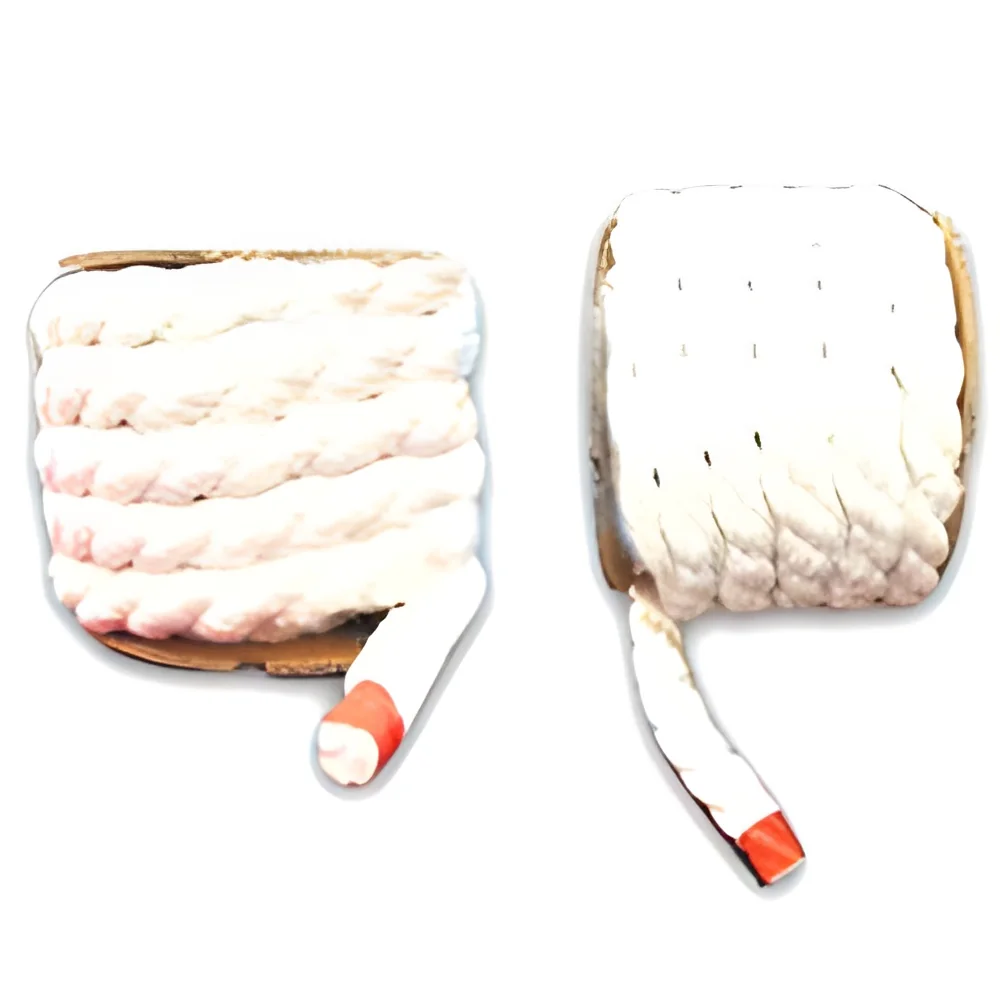
Natural Fiber Twisted Ropes: These ropes, made from materials like jute and sisal, are eco-friendly and biodegradable. They are commonly used in agriculture and horticulture for their strength and natural properties.
Synthetic Twisted Ropes: Constructed from materials such as nylon and polypropylene, these ropes offer superior strength and resistance to moisture, UV rays, and abrasion. They are ideal for marine and outdoor applications.
Heavy-Duty Twisted Ropes: Designed for industrial use, these ropes have a higher load capacity and are suitable for lifting heavy objects in construction and manufacturing settings.
Lightweight Twisted Ropes: These are designed for ease of handling and transport. They are often used in recreational applications, such as camping and outdoor activities.
Multi-Strand Twisted Ropes: Featuring multiple strands, these ropes provide enhanced strength and flexibility. They are used in various industries, including transportation and rescue operations.
Benefits and Advantages
Twisted ropes offer several benefits that make them a preferred choice for many industries.
1. High Strength: Twisted ropes are designed to bear significant loads, making them suitable for heavy-duty applications.
2. Versatility: Their diverse range of applications allows businesses to utilize twisted ropes in various environments and industries.
3. Durability: These ropes are built to withstand wear and tear, resulting in longer service life and reduced replacement costs.
4. Flexibility: The twisting process provides a degree of flexibility, making them easier to handle and use for various tasks.
5. Resistance to Elements: Many twisted ropes feature properties that resist moisture, UV rays, and abrasion, ensuring performance in challenging conditions.
6. Cost-Effectiveness: The long-lasting nature of twisted ropes reduces the frequency of replacements, offering value for money over time.
Buying Guide for B2B Buyers
When sourcing twisted ropes, it is essential for buyers to consider several factors to ensure they select the right product for their needs.
1. Quality Assessment: Evaluate the quality of the twisted ropes by reviewing material specifications, load capacity, and durability features. Ensure the ropes meet industry standards.
2. Supplier Verification: Vet potential suppliers by checking their reputation, certifications, and customer reviews. A reliable supplier will ensure consistent quality and service.
3. Pricing and MOQ: Understand the pricing structure and minimum order quantities (MOQ) to align with budget constraints and project requirements. Compare quotes from multiple suppliers.
4. Delivery and Lead Times: Discuss logistics and delivery schedules with suppliers to ensure timely availability of the ropes for project needs. Consider lead times for production and shipping.
5. Compliance Requirements: Ensure that the twisted ropes meet applicable regulatory standards and certifications. Compliance with safety regulations is crucial for minimizing risks.
Compliance and Certifications
Compliance and certifications are vital for ensuring the quality and safety of twisted ropes. Various standards apply to these products, including ISO 9001, which focuses on quality management systems. This certification assures buyers that the manufacturers maintain consistent quality in their products.
Additionally, certifications such as CE indicate that the ropes meet European safety and performance standards. These certifications are essential for businesses that prioritize safety and reliability in their operations.
Safety and testing requirements also play a crucial role in the compliance landscape. Manufacturers must adhere to testing protocols to verify the performance and durability of their ropes under different conditions. Regional compliance considerations may vary, so it is important for businesses to be aware of the specific regulations that apply in their area.
Why Source Twisted Ropes from Pepagora?
Pepagora provides a trusted platform for sourcing twisted ropes, offering several key advantages to B2B buyers.
Verified Supplier Network: Pepagora connects buyers with a network of verified suppliers, ensuring that businesses can source high-quality twisted ropes with confidence. Each supplier undergoes rigorous verification to guarantee reliability.
Streamlined RFQ Process: The Request for Quotation (RFQ) process is user-friendly, allowing buyers to easily request quotes from multiple suppliers. This efficiency helps businesses make informed purchasing decisions.
Trade Assurance and Support: Pepagora offers trade assurance, safeguarding buyers against potential risks. The support team is available to assist with any inquiries, ensuring a smooth sourcing experience.
Regional Coverage: With a strong presence in India, the GCC, and Southeast Asia, Pepagora provides extensive regional coverage. This geographic reach allows businesses to access a wide range of twisted rope products tailored to their specific needs.

 IN
IN