What are Rigging Hardware?
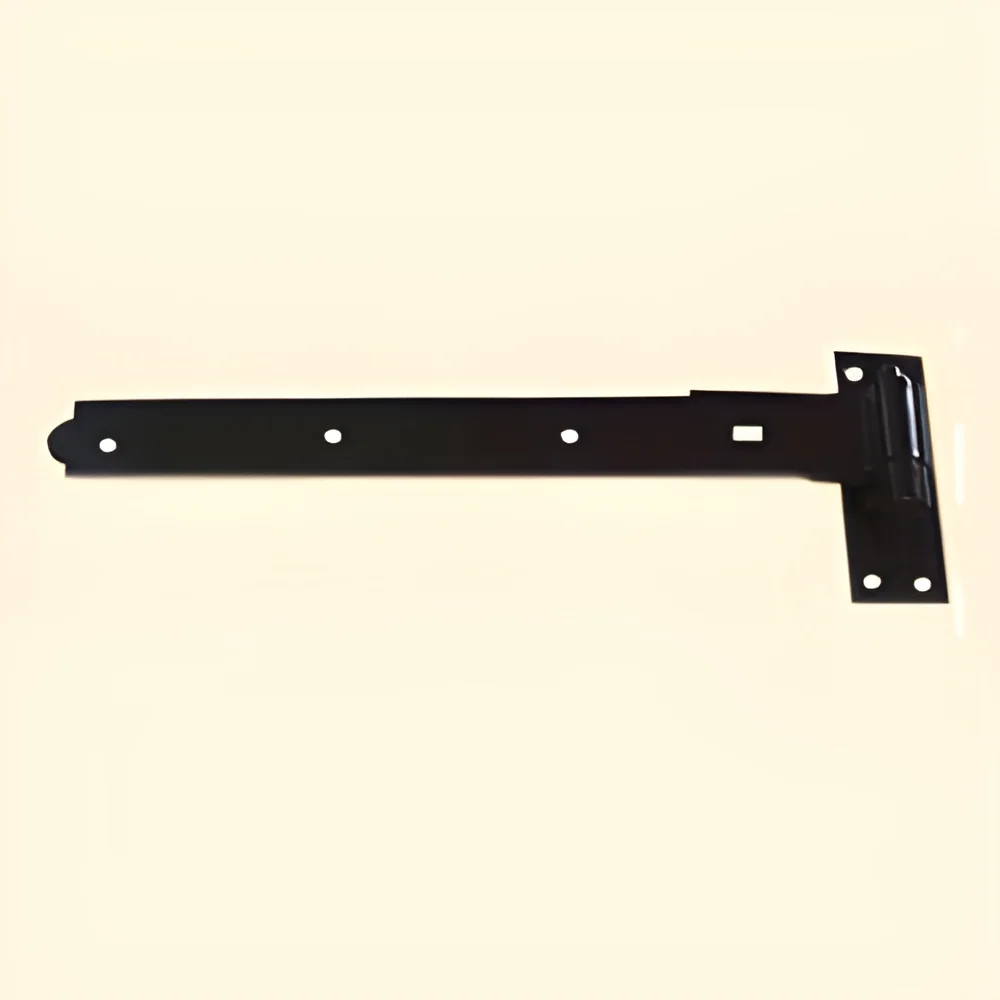
Rigging hardware refers to a collection of components used in lifting, securing, and transporting heavy loads in various industrial applications. These components include items such as hooks, shackles, slings, and pulleys, which facilitate the safe and efficient movement of materials. Rigging hardware is designed to withstand significant weight and stress, ensuring operational safety and efficiency in demanding environments.
The primary uses of rigging hardware encompass construction, manufacturing, shipping, and entertainment industries. In construction, for example, rigging hardware is essential for hoisting heavy equipment or structural components. In manufacturing and shipping, it plays a critical role in loading and unloading goods. The entertainment industry uses rigging hardware to support lighting and sound equipment during live performances. As businesses continue to grow and evolve, the demand for reliable rigging hardware remains crucial for effective operations.
The relevance of rigging hardware in the market is underscored by its role in ensuring workplace safety and compliance. As regulations around lifting and rigging become stricter, the need for high-quality, certified rigging hardware increases. Companies are increasingly focused on sourcing reliable products that meet industry standards, making rigging hardware an essential investment for businesses aiming to enhance safety and efficiency.
Key Features and Specifications
Rigging hardware comes with a variety of features and specifications that cater to different industrial needs. Understanding these specifications is vital for ensuring that the right components are selected for specific applications.
Key specifications include:
1. Material Type
- Common materials include steel and aluminum
- Steel offers higher strength, while aluminum is lighter and more corrosion-resistant
2. Load Capacity
- Refers to the maximum weight the hardware can safely support
- Typical ranges vary from a few hundred to several tons
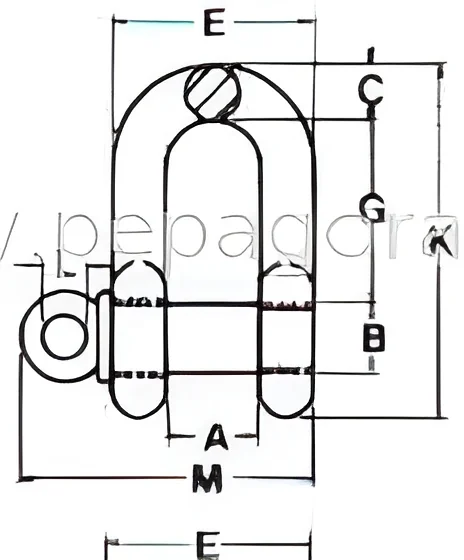
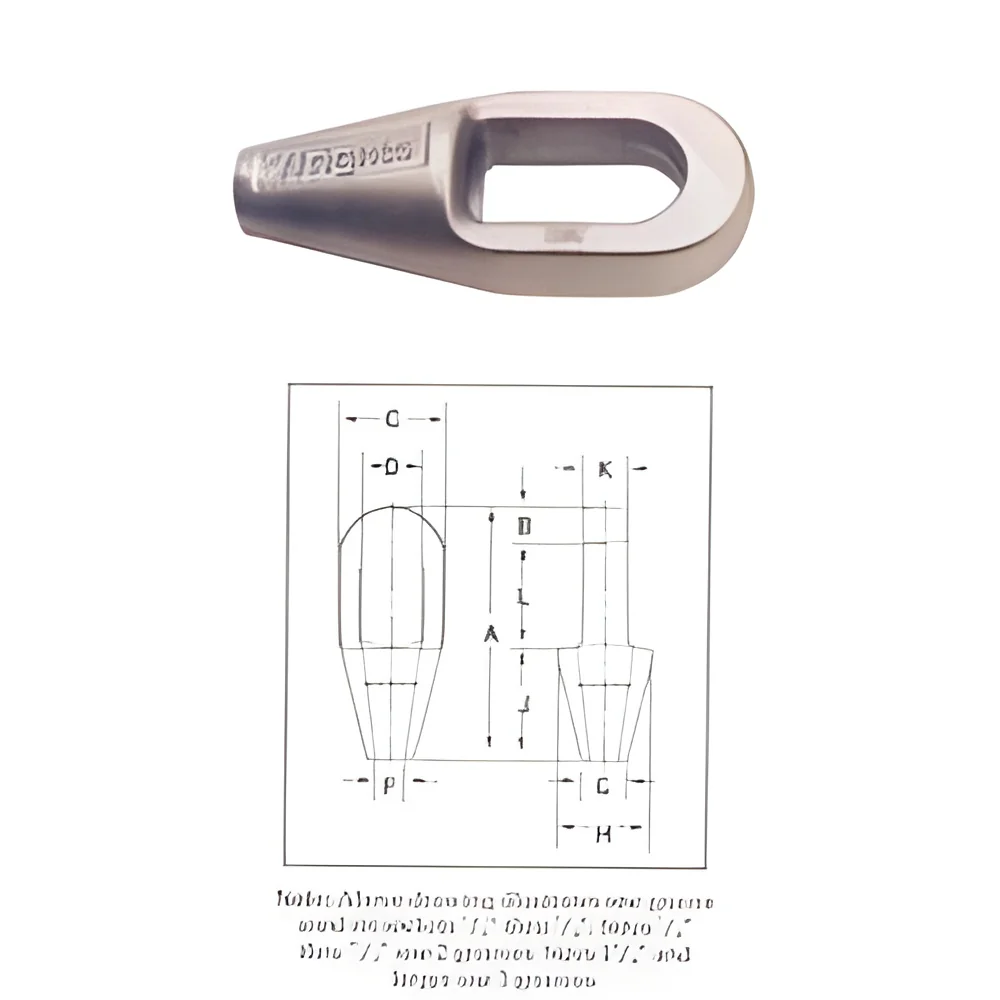
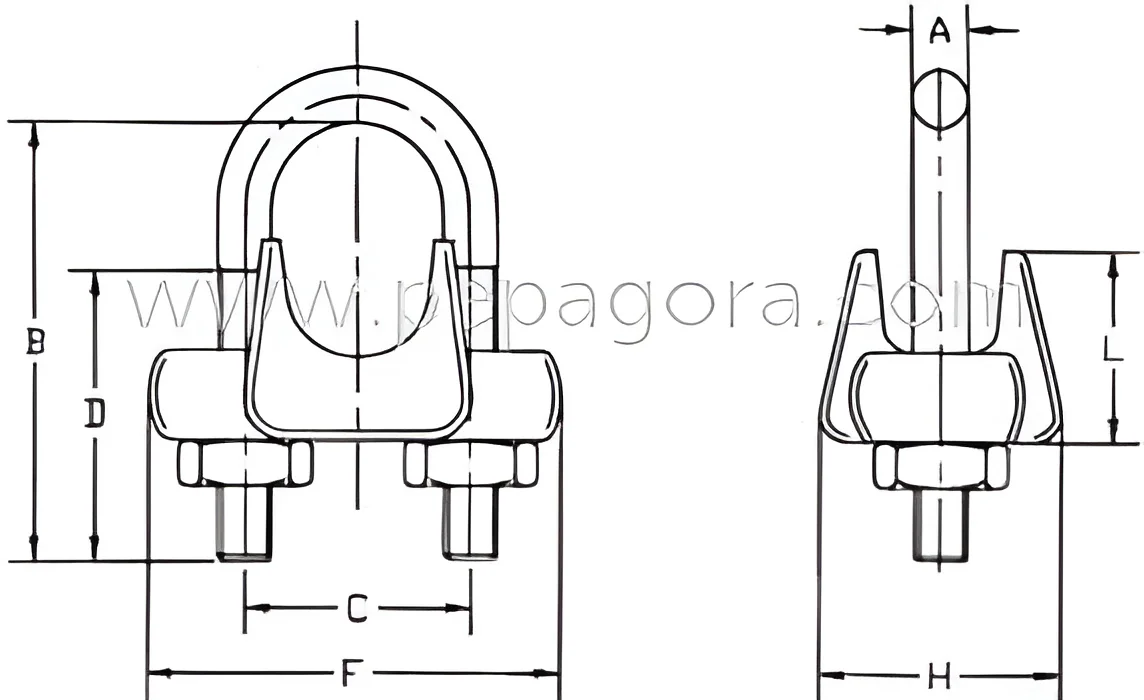
3. Size and Dimensions
- Various sizes are available to accommodate different applications
- Dimensions often include length, width, and diameter
4. Safety Factor
- Indicates how much stronger the hardware is compared to the maximum load it can carry
- A common safety factor is 5:1, meaning the hardware can support five times its rated load
5. Certifications
- Many rigging hardware products are CE certified, indicating compliance with European safety standards
- Ensures reliability and safety in applications
6. Finish
- Options include galvanized, powder-coated, or painted finishes
- These finishes enhance corrosion resistance and durability
7. Connection Types
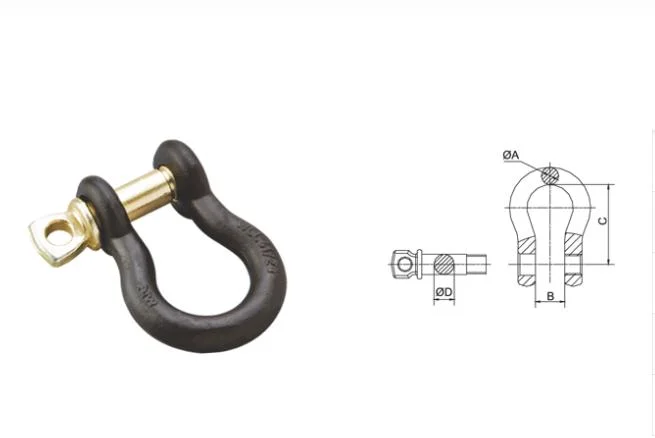
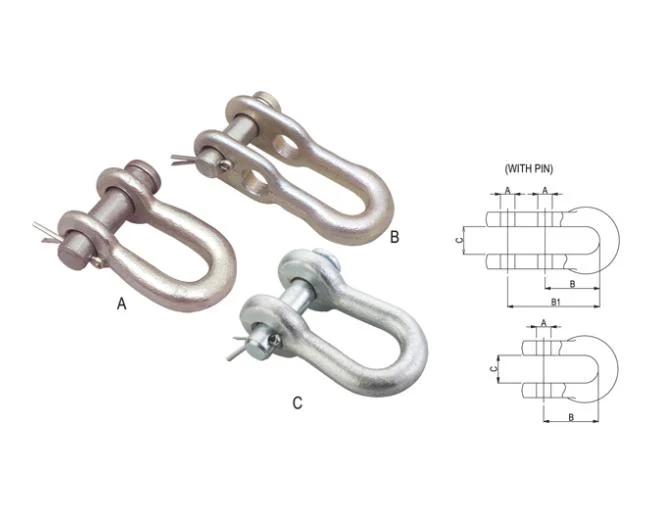
- Includes options such as screw pin or bolt type shackles
- Different connections provide versatility in usage
8. Working Temperature Range
- Important for applications in extreme environments
- Data not available for specific ranges
In summary, understanding the key features and specifications of rigging hardware is critical for selecting the appropriate components for various applications.
Common Applications and Use Cases
Rigging hardware serves multiple industries, each with specific applications that highlight its importance.
1. Construction: In construction, rigging hardware is used for hoisting and moving heavy materials such as steel beams and concrete blocks, ensuring safe and efficient operations on job sites.
2. Manufacturing: Manufacturing environments utilize rigging hardware for the assembly and movement of heavy machinery and equipment during production and maintenance processes.
3. Shipping and Logistics: In shipping, rigging hardware is essential for loading and unloading cargo from ships, trucks, and railcars, facilitating the transport of goods across various modes.
4. Oil and Gas: The oil and gas industry employs rigging hardware for safely lifting and transporting equipment and supplies in remote and challenging environments.
5. Entertainment: In the entertainment sector, rigging hardware supports stage equipment, lighting fixtures, and sound systems during concerts and theatrical performances, ensuring safety and reliability.
6. Mining: Rigging hardware is critical in mining operations for moving heavy equipment and materials, contributing to overall operational efficiency.
7. Aerospace: In aerospace applications, rigging hardware is used for lifting and securing aircraft components during assembly and maintenance.
Product Variants and Subcategories
Rigging hardware encompasses a diverse range of products designed for various applications. Each variant serves specific needs within the industry.
Hook Variants
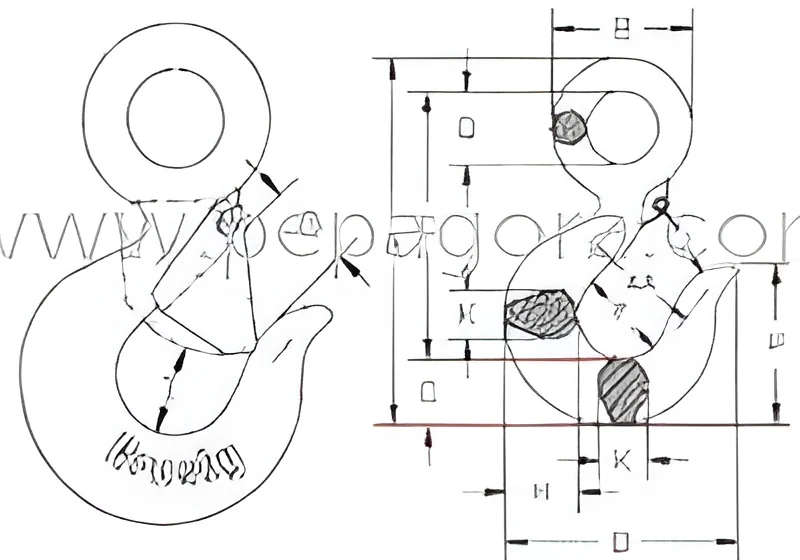
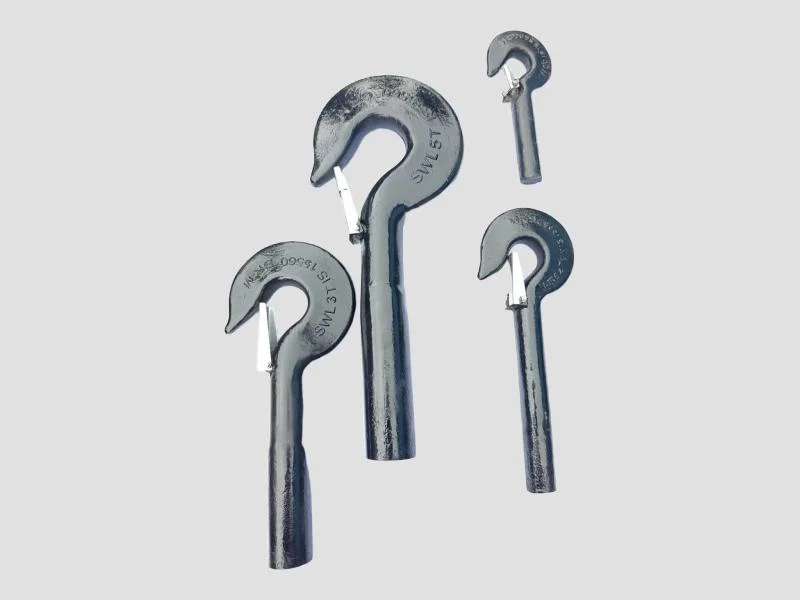
Hooks are often used in lifting applications and come in various designs, including snap hooks and clevis hooks. They are designed to securely connect loads to lifting equipment.
Shackles
Shackles are essential components for connecting slings and chains in lifting applications. They come in different types, such as D-shackles and bow shackles, each suited for specific load requirements.
Pulleys
Pulleys are used to change the direction of force in lifting applications. They can be single or multiple sheave types, allowing for different mechanical advantages based on the setup.
Slings
Slings are flexible straps that connect loads to lifting devices. They can be made from various materials, including polyester, nylon, and wire rope, and are chosen based on load requirements and application conditions.
Benefits and Advantages
Rigging hardware offers several advantages that make it a vital component in various industries.
1. Enhanced Safety: High-quality rigging hardware reduces the risk of accidents and injuries by ensuring secure load handling.
2. Increased Efficiency: Reliable rigging hardware streamlines lifting and moving processes, minimizing downtime and improving operational productivity.
3. Versatility: Rigging hardware comes in various forms, allowing it to be adapted for multiple applications across different industries.
4. Compliance with Standards: Many rigging hardware products meet strict industry standards, providing assurance for safety and performance.
5. Durability: Rigging hardware is designed to withstand harsh environments, ensuring longevity and reducing replacement costs.
6. Cost-Effectiveness: Investing in quality rigging hardware can lead to savings in operational costs by reducing accidents and improving efficiency.
Buying Guide for B2B Buyers
When sourcing rigging hardware, it is essential to consider several factors to ensure that you make informed decisions.
1. Quality Assessment: Examine the quality of materials and construction. Look for certifications that indicate compliance with industry standards, such as CE certification.
2. Supplier Verification: Vet potential suppliers to ensure they have a good track record of delivering reliable products. Check reviews and ask for references from other clients.
3. Pricing and MOQ: Understand the pricing structure and minimum order quantities. Compare quotes from different suppliers to find the best deal without compromising on quality.
4. Delivery and Lead Times: Confirm delivery schedules and lead times to ensure that your operations are not disrupted. Plan ahead for any potential delays.
5. Compliance Requirements: Be aware of any regulatory requirements related to rigging hardware in your region. Ensure that the products you source meet these requirements for safety and performance.
Compliance and Certifications
Compliance and certifications are critical in the rigging hardware industry, ensuring that products meet safety and quality standards. Many rigging hardware products adhere to ISO 9001, which outlines quality management systems. This standard ensures that manufacturers maintain consistent quality in their production processes.
Additionally, CE certification is important for rigging hardware sold in Europe. This certification demonstrates that products meet European health, safety, and environmental protection standards. Compliance with CE standards assures buyers of the reliability and safety of rigging hardware.
Safety testing is another crucial aspect, with many manufacturers conducting rigorous tests to assess the strength and durability of their products. This may include load testing and fatigue testing to ensure that rigging hardware can withstand operational demands.
Regional compliance considerations vary, so it is essential to be aware of local regulations regarding rigging hardware. This knowledge helps ensure that the sourced products are compliant with applicable laws and standards, ultimately contributing to safer operations.
Why Source Rigging Hardware from Pepagora?
Pepagora offers a trusted platform for sourcing rigging hardware, providing several key advantages for B2B buyers.
Verified Supplier Network: Pepagora connects buyers with a network of verified suppliers, ensuring that businesses source high-quality rigging hardware from reputable manufacturers. The verification process adds a layer of trust, helping buyers make informed purchasing decisions.
Streamlined RFQ Process: The platform simplifies the request for quotation (RFQ) process, allowing buyers to easily request and compare quotes from multiple suppliers. This efficiency saves time and helps in making cost-effective decisions.
Trade Assurance and Support: With trade assurance programs, Pepagora protects buyers from potential risks associated with transactions. This includes support in case of disputes or issues, giving buyers confidence in their purchases.
Regional Coverage: Pepagora has a broad geographic reach, serving clients across India, the GCC, and Southeast Asia. This extensive coverage allows businesses to find local suppliers and meet their rigging hardware needs efficiently.

 IN
IN