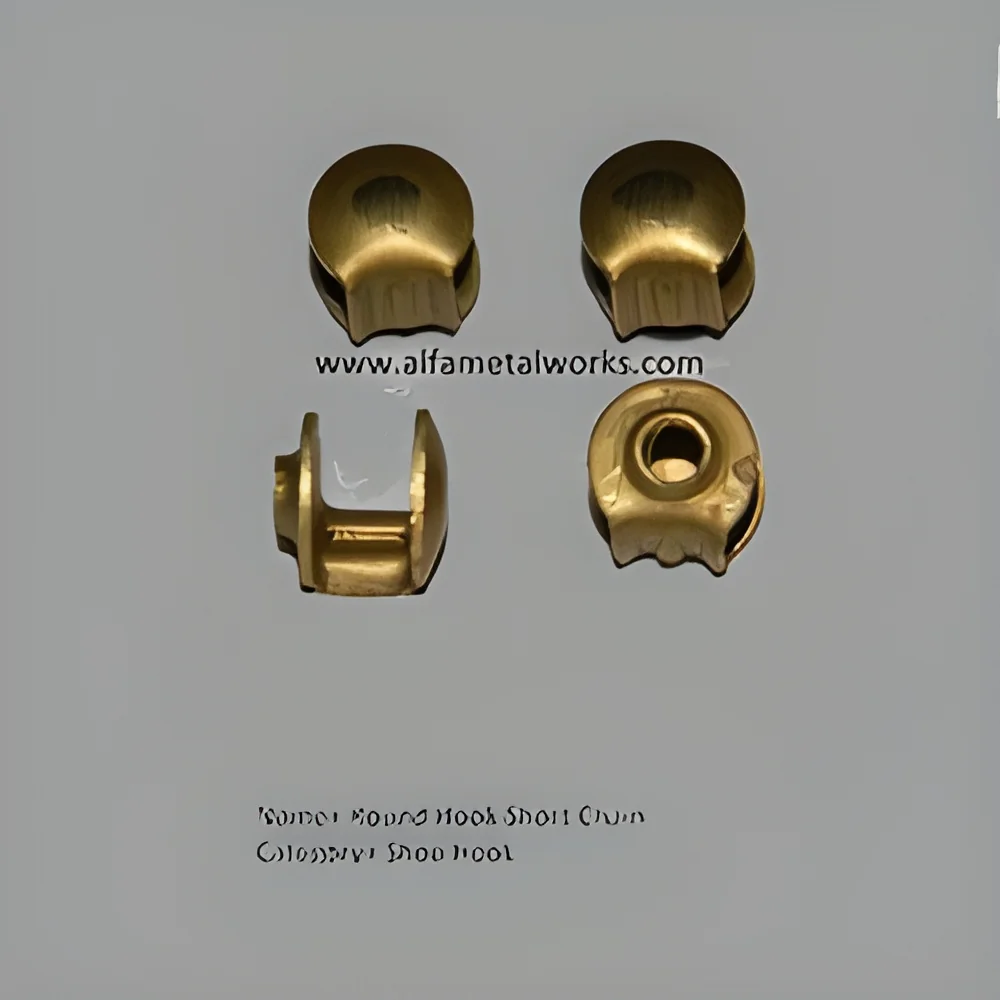
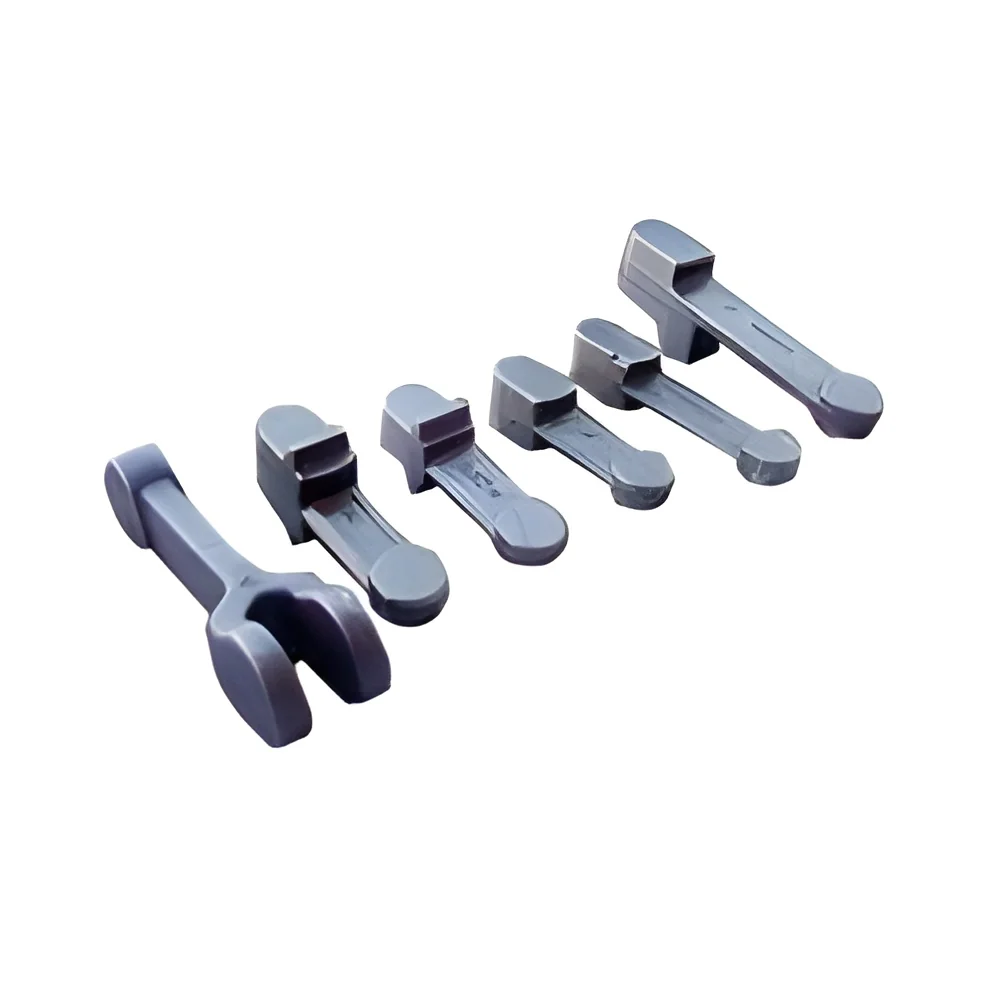
What are Chain Links & Accessories?
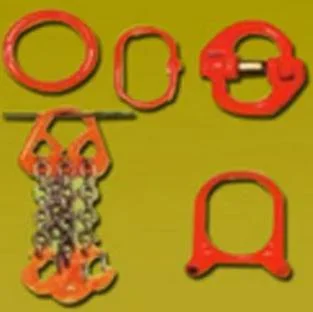
Chain links and accessories are essential components used in a variety of applications, primarily for securing and connecting items. Chain links are typically made from durable materials such as steel and come in various sizes and designs to accommodate different load capacities and environmental conditions. Accessories associated with chain links include connectors, hooks, and other hardware that enhance the functionality and versatility of chains in various setups.
These products find extensive use across multiple industries including construction, agriculture, transportation, and manufacturing. In construction, they are often employed for lifting and securing loads, while in agriculture, they are used for fencing and livestock management. The versatility of chain links and their accessories makes them a vital part of many operational processes in B2B environments, ensuring safety and efficiency.
The market for chain links and accessories continues to grow as industries evolve and require more robust and reliable solutions. With advancements in manufacturing technology, the quality and performance of these products have improved, making them more accessible and effective for businesses seeking to optimize their operations. As a result, chain links and accessories are increasingly recognized for their role in enhancing productivity and safety in various industrial applications.
Key Features and Specifications
Chain links and accessories are designed with specific features that cater to a wide range of industrial needs. These features ensure reliability, safety, and compatibility with different systems. Understanding the key specifications of these products is essential for making informed purchasing decisions.
Key specifications include:
1. Material Composition
- Typically made from high-strength steel or stainless steel
- Ensures durability and resistance to corrosion
2. Load Capacity
- Available in various weight ratings
- Can range from light-duty to heavy-duty applications
3. Size and Dimensions
- Offered in different lengths and diameters
- Custom sizes may be available based on specific requirements
4. Surface Treatment
- Options include galvanization, powder coating, or painting
- Enhances resistance to environmental factors
5. Connectivity Options
- Various types of hooks and connectors available
- Allows for flexible configurations in different applications
6. Compliance with Standards
- Products may comply with industry standards such as CE certification
- Ensures safety and reliability in use
7. Temperature Resistance
- Suitable for use in a range of temperatures
- Specific ratings may vary by product
8. Customization Options
- Some manufacturers offer tailored solutions
- Allows for specific design needs and applications
In summary, understanding these specifications helps businesses select the right chain links and accessories for their specific operational needs, ensuring safety and efficiency.
Common Applications and Use Cases
Chain links and accessories are utilized across numerous industries, each with unique applications that highlight their versatility and reliability.
1. Construction: In the construction sector, chain links are used for lifting heavy materials, securing loads, and providing safety measures at work sites.
2. Agriculture: Farmers use chain links for fencing, securing gates, and managing livestock, providing durability and stability in outdoor environments.
3. Transportation: Chain links are employed in logistics for securing cargo and trailers, ensuring safe transport of goods.
4. Manufacturing: In manufacturing facilities, these products are used for assembly line operations and equipment maintenance, enhancing operational efficiency.
5. Marine: Chain links are critical in marine applications for anchoring and securing boats, providing reliability in harsh conditions.
6. Mining: The mining industry relies on heavy-duty chain links for hoisting and moving materials, ensuring safety under extreme conditions.
7. Events: Temporary structures for events often use chain links for securing tents and staging, offering flexibility and reliability.
Product Variants and Subcategories
Chain links and accessories come in various forms to meet diverse industrial needs. The diversity in product variants allows businesses to select the most suitable options for their applications.
Standard Chain Links
These are the most common type used across various industries, featuring a simple design that provides strength and reliability for general applications.
Heavy-Duty Chain Links
Designed for demanding environments, these links have higher load capacities and are suitable for industrial applications where safety and strength are paramount.
Quick-Release Chain Links
These links enable fast and easy connections or disconnections, ideal for applications where frequent adjustments are necessary.
Customized Chain Links
Some manufacturers offer tailored solutions, allowing businesses to request specific sizes or features to meet unique operational needs.
Benefits and Advantages
Sourcing chain links and accessories presents numerous benefits for businesses, enhancing operational efficiency and safety.
1. Durability: Chain links are constructed from robust materials, ensuring long-lasting performance even in challenging conditions.
2. Versatility: These products can be used in various applications across multiple industries, making them a valuable asset for any business.
3. Safety: High-quality chain links provide secure connections, reducing the risk of accidents and improving workplace safety.
4. Cost-Effectiveness: Investing in durable chain links reduces the need for frequent replacements, leading to long-term savings.
5. Customization: Many manufacturers offer customization options, allowing businesses to tailor products to their specific needs.
6. Compliance: Sourcing chain links that meet industry standards ensures that businesses remain compliant with safety regulations.
Buying Guide for B2B Buyers
When sourcing chain links and accessories, it is essential to consider various factors to ensure the best purchasing decision.
1. Quality Assessment: Evaluate the quality of materials and manufacturing processes. Look for products that meet industry standards and have a proven track record of reliability.
2. Supplier Verification: Vet potential suppliers by checking their credentials, certifications, and reviews. A reputable supplier is crucial for obtaining high-quality products.
3. Pricing and MOQ: Consider the pricing structure and minimum order quantities (MOQ). Understanding the cost will help in budgeting and planning purchases.
4. Delivery and Lead Times: Assess the supplier's logistics capabilities. Timely delivery is essential for maintaining project schedules and operational efficiency.
5. Compliance Requirements: Ensure that the products meet relevant regulatory and safety standards. This is crucial for avoiding legal issues and ensuring safe operations.
Compliance and Certifications
Compliance and certifications play a critical role in the quality assurance of chain links and accessories. Adhering to relevant quality standards is vital for ensuring product reliability and safety.
One of the key standards applicable is ISO 9001, which outlines the requirements for a quality management system. This certification indicates that manufacturers have met rigorous quality assurance processes, ensuring consistent product quality.
Additionally, CE certification is important in many markets, particularly in Europe. It signifies that the products meet EU safety, health, and environmental protection standards. This certification reassures buyers of the product's safety and compliance with regulatory requirements.
Manufacturers should also adhere to safety and testing requirements relevant to the specific applications of chain links. Regular testing ensures that products can withstand the demands of their intended environments.
Regional compliance considerations vary by location. It is crucial for businesses to understand the specific regulations governing chain links and accessories in their operational regions to avoid compliance issues.
Why Source Chain Links & Accessories from Pepagora?
Pepagora provides a trusted platform for sourcing chain links and accessories with several key advantages that make it a preferred choice for B2B buyers.
Verified Supplier Network: Pepagora has curated a network of verified suppliers, ensuring that businesses can access high-quality products from reputable manufacturers. This reduces the risk associated with sourcing from unknown suppliers.
Streamlined RFQ Process: The platform offers a streamlined Request for Quotation system, allowing buyers to submit inquiries quickly and efficiently. This simplifies the procurement process and saves valuable time.
Trade Assurance and Support: Pepagora provides trade assurance, protecting buyers against potential issues. This includes support for resolving disputes and ensuring that transactions are secure and reliable.
Regional Coverage: With a strong presence in India, the GCC, and Southeast Asia, Pepagora offers extensive regional coverage. This geographic reach enables businesses to connect with local suppliers, enhancing logistics and reducing lead times.
By choosing Pepagora, businesses can confidently source chain links and accessories that meet their specific needs while enjoying the benefits of a reliable and efficient procurement process.

 IN
IN