
 IN
Occupancy Sensors & Timers
9 products available
What are Occupancy Sensors & Timers?
Occupancy sensors and timers are advanced devices designed to detect the presence of individuals in a specific area and control lighting or other electrical systems accordingly. These sensors utilize various technologies such as passive infrared, ultrasonic, and dual-technology to ascertain occupancy. Once motion is sensed, the device activates lights or equipment, ensuring energy efficiency and enhancing user convenience. Timers complement these sensors by allowing for programmed on and off cycles, providing an additional layer of control over energy consumption.
These products are predominantly utilized in commercial buildings, offices, and industrial settings where energy savings and automated control are paramount. By ensuring that lights or equipment are only operational when necessary, businesses can significantly reduce their energy costs. Occupancy sensors and timers are also increasingly applied in smart building systems, integrating with other technologies for optimal energy management. The market for these devices is expanding due to the growing emphasis on sustainability and energy-efficient technologies across various industries.
Key Features and Specifications
Occupancy sensors and timers come equipped with numerous features aimed at enhancing functionality and efficiency. Understanding the specifications is crucial for selecting the right product for your business needs.
Key specifications include:
1. Detection Technology
- Passive Infrared (PIR) or Ultrasonic options
- Range typically extends from 15 to 30 feet
2. Time Delay Settings
- Adjustable time delays from 30 seconds to 30 minutes
- Customizable based on user preference
3. Voltage Range
- Standard operating voltage typically between 120V to 277V
- Compatibility with various electrical systems
4. Load Capacity
- Maximum load capacity generally ranges from 800W to 1500W
- Suitable for different types of lighting and equipment
5. Coverage Area
- Coverage can vary from 500 square feet to over 2000 square feet
- Ideal for different room sizes and layouts
6. Manual Override
- Option for manual control to disable automatic functions
- Useful for specific scenarios or user preferences
7. Environmental Conditions
- Operating temperature ranges from -20 to 50 degrees Celsius
- Humidity control features not specified
8. Compliance Standards
- Conformance to CE certification for safety and performance
- Additional compliance details not specified
In summary, the right occupancy sensor or timer will depend on the specific requirements of your application, including detection technology, load capacity, and environmental conditions.
Common Applications and Use Cases
Occupancy sensors and timers are versatile solutions applicable across various industries, driving efficiency and reducing energy costs.
1. Commercial Buildings: In offices and retail spaces, these devices help manage lighting based on occupancy, leading to significant energy savings and improved user experience.
2. Warehouses and Factories: By controlling lighting and equipment based on real-time occupancy, these sensors enhance safety and operational efficiency.
3. Educational Institutions: Classrooms and lecture halls utilize occupancy sensors to ensure lights are operational only when needed, supporting energy conservation efforts.
4. Healthcare Facilities: Hospitals and clinics benefit from timers and sensors by managing lighting in patient rooms and common areas, promoting both safety and comfort.
5. Hospitality: Hotels and resorts use these devices in guest rooms and public areas, ensuring a welcoming environment while controlling energy usage.
6. Government Buildings: State and municipal facilities employ occupancy sensors to maintain energy efficiency standards while ensuring safety and compliance.
7. Residential Buildings: Home automation systems increasingly incorporate occupancy sensors and timers, enhancing convenience and energy management in residential settings.
Product Variants and Subcategories
Occupancy sensors and timers offer a range of variants suited to different requirements and applications. Understanding the diversity of these products can aid in selecting the best fit for your needs.
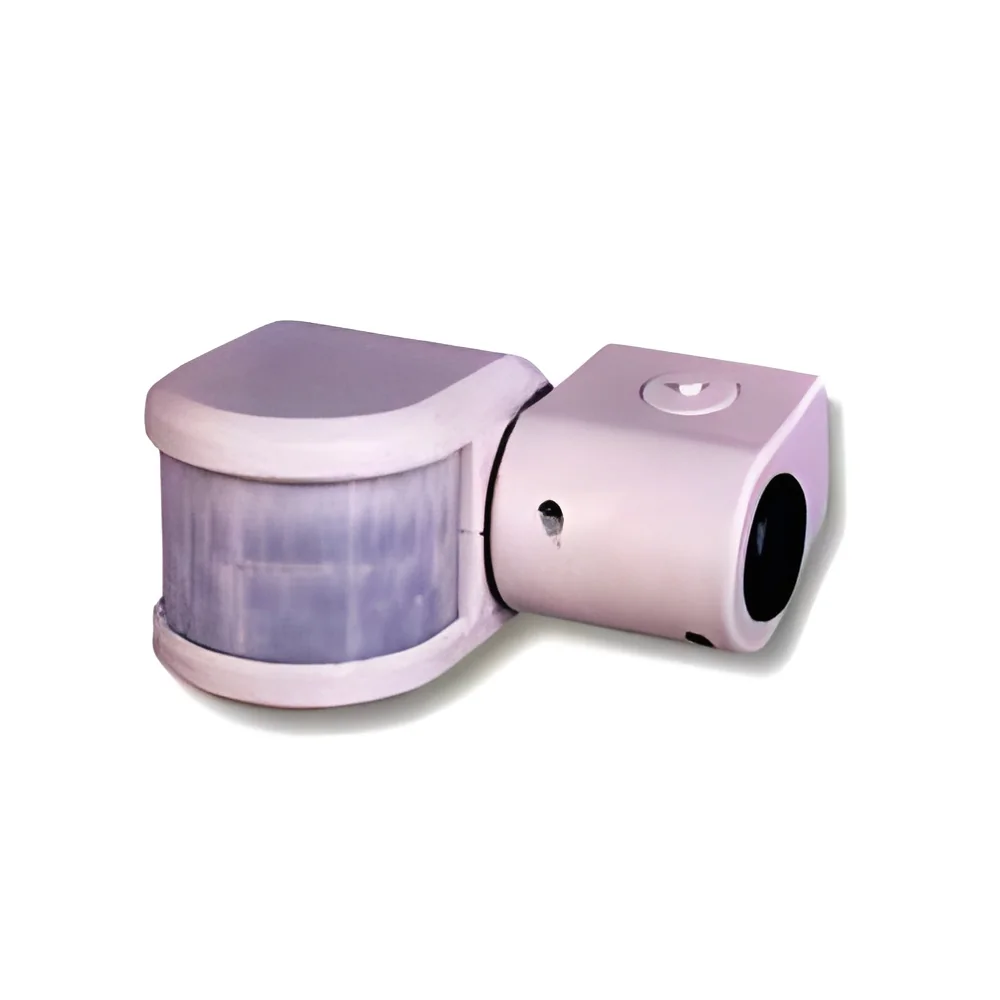
Wall-Mounted Sensors
These sensors are designed for easy installation on walls and are ideal for rooms where ceiling mounting is not feasible. They typically feature adjustable sensitivity and time delay settings, allowing for customized operation in various environments.
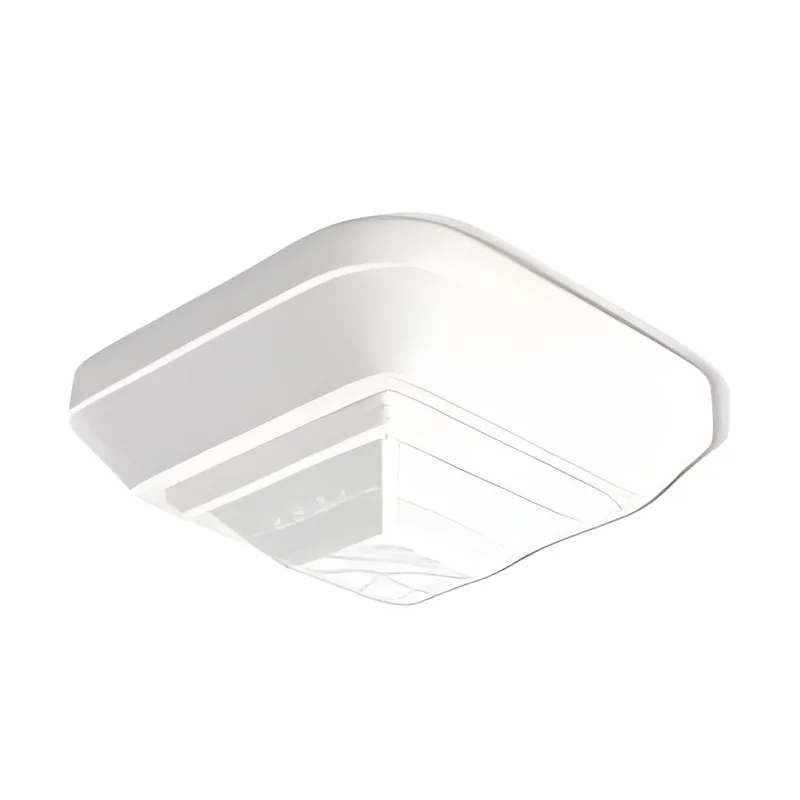
Ceiling-Mounted Sensors
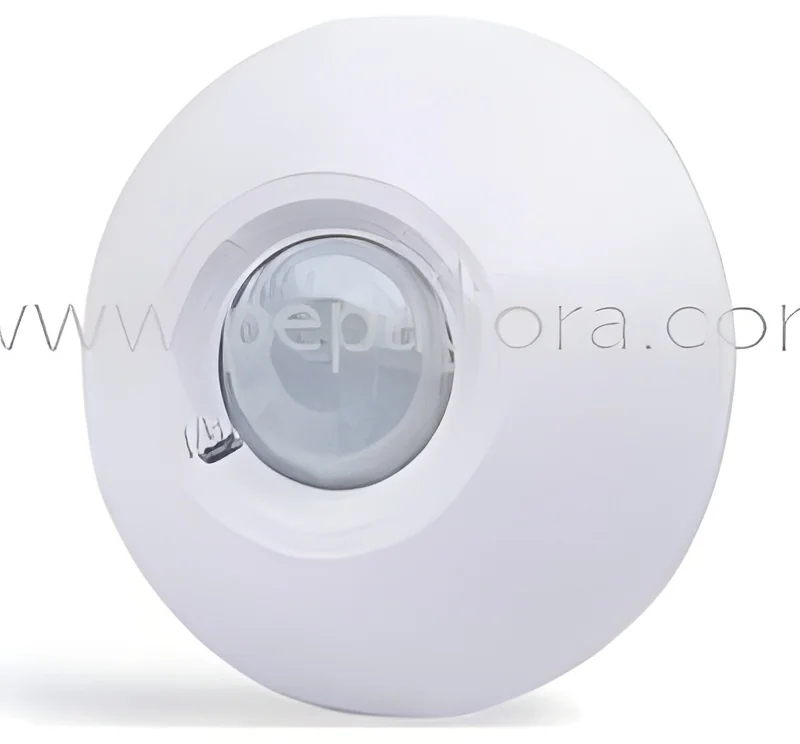
Ideal for larger spaces, ceiling-mounted sensors can cover extensive areas. They are commonly used in commercial and industrial applications, offering features such as wide detection angles and the ability to integrate with building management systems.
Wireless Sensors
Offering flexibility and ease of installation, wireless sensors eliminate the need for complex wiring. These products are particularly useful for retrofitting existing buildings, enabling quick and efficient upgrades to energy management systems.
Benefits and Advantages
Investing in occupancy sensors and timers yields numerous advantages for businesses aiming to optimize energy usage and enhance operational efficiency.
1. Energy Savings: These devices significantly reduce energy consumption by ensuring lights and equipment operate only when necessary, leading to lower utility bills.
2. Enhanced Convenience: Automated lighting control improves user comfort and convenience, especially in high-traffic areas where manual operation may be challenging.
3. Improved Safety: By ensuring well-lit environments only when occupied, these devices contribute to overall safety in workplaces and public spaces.
4. Reduced Carbon Footprint: By lowering energy usage, businesses can decrease their environmental impact, aligning with sustainability goals.
5. Increased Equipment Longevity: By reducing the operational hours of lighting and equipment, wear and tear is minimized, extending the lifespan of these assets.
6. Compliance with Regulations: Many industries are mandated to adopt energy-efficient technologies, and these devices help meet those compliance standards effectively.
Buying Guide for B2B Buyers
When sourcing occupancy sensors and timers, understanding the key factors that influence your purchase is essential for making informed decisions.
1. Quality Assessment: Evaluate the construction quality and reliability of sensors. Look for established brands with a reputation for durability and performance.
2. Supplier Verification: Research potential suppliers to ensure they have a proven track record and are capable of meeting your needs in terms of quality and service.
3. Pricing and MOQ: Consider the price range for different models and the minimum order quantities. Ensure that pricing aligns with your budget while still meeting quality expectations.
4. Delivery and Lead Times: Assess the supplier's ability to deliver products promptly. Confirm lead times to ensure that your projects remain on schedule.
5. Compliance Requirements: Be aware of any industry-specific regulations that may affect your purchase. Ensure that the products meet necessary compliance and safety standards for your region.
Compliance and Certifications
Occupancy sensors and timers must adhere to various quality standards and certifications to ensure safety and reliability.
ISO 9001 is a widely recognized standard that specifies requirements for a quality management system. Products that meet this standard demonstrate a commitment to quality and customer satisfaction.
CE certification indicates that the product complies with European health, safety, and environmental protection standards. This certification is crucial for market acceptance in Europe and reflects adherence to rigorous testing protocols.
Safety and testing requirements are vital for ensuring that devices operate reliably under various conditions. Manufacturers must conduct thorough testing to confirm compliance with relevant safety standards.
Regional compliance considerations should also be taken into account, as different regions may have specific regulations. Understanding these requirements is essential for ensuring that the products can be used legally and safely.
Why Source Occupancy Sensors & Timers from Pepagora?
Pepagora offers a trusted platform for sourcing occupancy sensors and timers, providing several key advantages to B2B buyers.
Verified Supplier Network: Pepagora collaborates with a network of verified suppliers, ensuring that buyers receive high-quality products from reputable manufacturers. This verification process helps mitigate risks associated with sourcing.
Streamlined RFQ Process: The platform simplifies the request for quotation process, allowing buyers to easily compare options and make informed purchasing decisions. This efficiency saves time and facilitates better deal-making.
Trade Assurance and Support: Pepagora provides trade assurance to protect buyers, ensuring that transactions are secure and that support is available throughout the purchasing process. This commitment enhances buyer confidence.
Regional Coverage: With a focus on markets in India, the GCC, and Southeast Asia, Pepagora is well-positioned to cater to the needs of businesses in these regions. The platform facilitates connections between suppliers and buyers, promoting efficient sourcing practices.

 India
 India
 India
 India
 India
 India
Frequently Asked Questions
What are Occupancy Sensors & Timers?
Occupancy Sensors & Timers are devices used to detect the presence of people in a specific area and control lighting or other electrical systems accordingly. They help in conserving energy by ensuring that lights and appliances are turned off when not in use.
What are the different types of Occupancy Sensors & Timers?
There are several types of Occupancy Sensors & Timers, including passive infrared (PIR) sensors, ultrasonic sensors, and dual-technology sensors that combine both PIR and ultrasonic technology. Additionally, timers can be standalone devices or integrated into occupancy sensors to manage the duration for which devices remain active.
How do I choose the right Occupancy Sensors & Timers?
Choosing the right Occupancy Sensors & Timers involves assessing the specific application requirements, such as the area size, type of occupancy, and existing electrical systems. Consider factors such as the sensor's detection range, sensitivity, and compatibility with other devices in your system.
What are the standard specifications for Occupancy Sensors & Timers?
Standard specifications for Occupancy Sensors & Timers typically include detection range, power supply specifications, response time, and operating temperature range. Additionally, many devices feature adjustable settings for sensitivity and time delay options.
What is the price range for Occupancy Sensors & Timers?
The price range for Occupancy Sensors & Timers can vary widely depending on the type, brand, and features. Generally, basic models may start from a few hundred rupees, while advanced models with multiple features can go up to several thousand rupees.
What quality standards apply to Occupancy Sensors & Timers?
Quality standards for Occupancy Sensors & Timers often include certifications like ISO, CE, and RoHS compliance, ensuring safety and environmental considerations. Additionally, they should meet industry-specific standards based on their intended application.
Where can I find Occupancy Sensors & Timers suppliers in India?
You can find Occupancy Sensors & Timers suppliers in India through online B2B marketplaces like Pepagora, industry trade shows, and local electrical supply stores. It is advisable to compare multiple suppliers to find the best options for your requirements.
Can Occupancy Sensors & Timers be customized?
Yes, many manufacturers offer customization options for Occupancy Sensors & Timers to meet specific user requirements. Customizations may include modifications in design, functionality, and integration with other systems.
What is the typical minimum order quantity for Occupancy Sensors & Timers?
The typical minimum order quantity (MOQ) for Occupancy Sensors & Timers varies by supplier and can range from a few units to several dozen. It is important to check with the supplier for their specific MOQ requirements.
What is the typical lead time for Occupancy Sensors & Timers?
The typical lead time for Occupancy Sensors & Timers can range from a few days to several weeks, depending on the supplier, order size, and whether the items are in stock. It is advisable to confirm the lead time with the supplier before placing an order.
Why Businesses Trust Pepagora
Thousands of companies trust Pepagora to source smarter and sell faster
Expand Your Sales Globally

Source Smarter,Grow Faster
