
 IN
Night Vision & Infrared Cameras
1 products available
What are Night Vision & Infrared Cameras?
Night Vision and Infrared Cameras are specialized imaging devices designed to capture images in low-light or no-light conditions. These cameras utilize various technologies, including optical and thermal imaging, to enhance visibility in dark environments. Night vision cameras amplify existing light, while infrared cameras detect heat emitted by objects, providing visibility even in complete darkness.
These cameras find primary applications in security, surveillance, military operations, and wildlife monitoring. Businesses leverage these technologies to enhance safety and security measures, conduct research, or observe wildlife behavior without disturbing their natural habitats. The growing emphasis on security and surveillance in various sectors has led to a significant increase in the demand for these cameras, making them a relevant choice for businesses looking to invest in advanced imaging technology.
The market for night vision and infrared cameras continues to expand, driven by innovations in technology and increasing awareness about safety and security. As industries recognize the importance of advanced surveillance tools, these cameras have become essential in various applications, from law enforcement to environmental studies.
Key Features and Specifications
Night Vision and Infrared Cameras come equipped with several vital features that enhance their performance in various applications. Understanding these specifications is crucial for businesses looking to invest in this technology.
Key specifications include:
1. Resolution
- This specification indicates the clarity of the images captured.
- Typical ranges are from 640 x 480 pixels to 1920 x 1080 pixels.
2. Detection Range
- This refers to the maximum distance at which objects can be detected.
- Ranges can vary from 100 meters to over 1000 meters, depending on technology used.
3. Frame Rate
- This measures how many frames per second the camera can capture.
- Standard frame rates range from 30 to 60 frames per second.
4. Power Source
- Cameras may operate on batteries or be hardwired.
- Battery life can range from 4 to 20 hours depending on usage.
5. Operating Temperature
- This indicates the temperature range within which the camera operates effectively.
- Typical ranges can be from -20°C to +50°C.
6. Video Output
- This specifies the types of video connections available.
- Common outputs include HDMI, USB, and analog connections.
7. Build Quality
- Indicates whether the camera is designed for rugged outdoor use.
- Many models feature weatherproof and shock-resistant designs.
8. Connectivity Options
- Refers to how the camera connects to networks or devices.
- Options may include Wi-Fi, Ethernet, and Bluetooth capabilities.
In summary, understanding these features helps businesses select the right night vision or infrared camera for their specific needs, ensuring optimal performance and reliability.
Common Applications and Use Cases
Night Vision and Infrared Cameras are utilized across multiple industries for various applications.
1. Security and Surveillance: These cameras are widely used for monitoring premises, detecting intruders, and ensuring safety in residential and commercial properties.
2. Military and Defense: These devices play a crucial role in reconnaissance and surveillance missions, providing soldiers with visibility during night operations.
3. Wildlife Observation: Researchers and conservationists use these cameras to monitor animal behavior and study habitats without disturbing wildlife.
4. Search and Rescue: Night vision cameras assist emergency responders in locating individuals in low-light situations during search and rescue operations.
5. Automotive: Some vehicles are equipped with night vision systems to enhance driver awareness and safety on poorly lit roads.
6. Industrial Applications: Industries use these cameras to monitor equipment in dark environments or during nighttime operations.
7. Law Enforcement: Police departments utilize night vision cameras for patrolling and conducting investigations in low-light conditions.
Product Variants and Subcategories
The diversity of Night Vision and Infrared Cameras allows businesses to choose based on specific needs and applications.
Handheld Night Vision Cameras: These portable cameras are ideal for personal use or small-scale surveillance. They offer ease of use and flexibility for outdoor monitoring.
Thermal Imaging Cameras: These cameras detect heat signatures, making them suitable for applications such as building inspections, fire detection, and search and rescue operations.
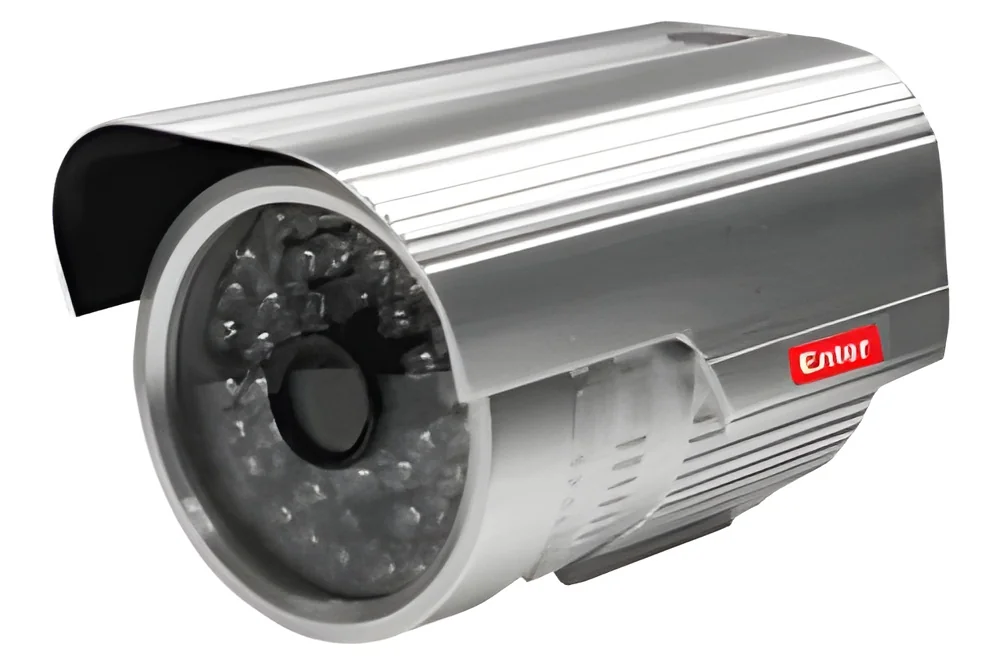
CCTV Night Vision Cameras: Often used in fixed installations, these cameras provide continuous surveillance in various environments, including commercial and residential settings.
Rugged Military Cameras: Designed for harsh environments, these cameras are built to withstand extreme conditions while providing reliable performance.
Benefits and Advantages
Investing in Night Vision and Infrared Cameras offers numerous benefits for businesses.
1. Enhanced Security: These cameras provide superior monitoring capabilities in low-light conditions, increasing overall security effectiveness.
2. Improved Operational Efficiency: Businesses can operate more efficiently during nighttime hours, thanks to clearer visibility and monitoring.
3. Cost-Effectiveness: While the initial investment may be significant, the long-term benefits of reduced theft and loss can outweigh costs.
4. Versatility: These cameras can be used in various applications, from security to wildlife observation, providing flexible solutions for different industries.
5. Technological Advancements: Continuous innovations in camera technology ensure that businesses have access to the latest features and capabilities.
6. Increased Safety: Enhanced visibility can lead to safer operations in industries where lighting conditions are often inadequate.
Buying Guide for B2B Buyers
When sourcing Night Vision and Infrared Cameras, businesses should consider several key factors to make informed decisions.
1. Quality Assessment: Look for high-resolution models and durable construction to ensure long-lasting performance. Evaluate customer reviews and manufacturer reputation to assess quality.
2. Supplier Verification: Vet potential suppliers to ensure they are reputable and reliable. Check for certifications and previous customer experiences to gauge their credibility.
3. Pricing and MOQ: Compare prices across different suppliers, keeping in mind the minimum order quantities. Understand the pricing structure to find a balance between affordability and quality.
4. Delivery and Lead Times: Inquire about logistics to ensure timely delivery. Assess lead times to avoid disruptions in operations.
5. Compliance Requirements: Check for any necessary compliance standards or certifications required in your region, ensuring that the cameras meet all regulatory needs.
Compliance and Certifications
Night Vision and Infrared Cameras must adhere to various quality standards and certifications to ensure reliability and safety.
ISO 9001 is a widely recognized standard that outlines quality management systems. Compliance with this standard ensures that manufacturers maintain consistent quality in their products.
CE certification indicates that a product meets European safety, health, and environmental protection standards. This certification is essential for businesses looking to operate within the European market.
Safety and testing requirements are critical in ensuring that the cameras function as intended and do not pose any hazards to users. Manufacturers should conduct thorough testing to meet these safety standards.
Regional compliance considerations may vary. Companies must be aware of specific regulations in their geographic areas to ensure that they meet local laws and industry standards.
Why Source Night Vision & Infrared Cameras from Pepagora?
Pepagora provides a trusted platform for sourcing Night Vision and Infrared Cameras, offering several key advantages to businesses.
Verified Supplier Network: Pepagora connects buyers with a network of verified suppliers. This process ensures that businesses can trust the quality and reliability of the products they purchase.
Streamlined RFQ Process: The platform simplifies the request for quotation system, allowing buyers to easily compare prices and specifications from multiple suppliers, facilitating informed purchasing decisions.
Trade Assurance and Support: Pepagora offers buyer protection through trade assurance, ensuring that transactions are secure and that customers receive the products as promised.
Regional Coverage: With a presence in India, the GCC, and Southeast Asia, Pepagora supports businesses across a wide geographic area, providing access to a diverse range of suppliers and products.


Frequently Asked Questions
What are Night Vision & Infrared Cameras?
Night Vision & Infrared Cameras are specialized devices that enable visibility in low-light or complete darkness conditions. They utilize various technologies, such as image intensification or thermal imaging, to capture and display images in environments where traditional cameras would fail.
What are the different types of Night Vision & Infrared Cameras?
There are mainly two types of Night Vision & Infrared Cameras: Image Intensification cameras and Thermal Imaging cameras. Image Intensification cameras amplify existing light to create a visible image, while Thermal Imaging cameras detect heat emitted by objects, allowing visibility in total darkness.
How do I choose the right Night Vision & Infrared Cameras?
Selecting the right Night Vision & Infrared Camera depends on your specific needs, such as the intended use, required range, and environmental conditions. Consider factors like resolution, sensitivity, and durability to ensure the camera meets your operational requirements.
What are the standard specifications for Night Vision & Infrared Cameras?
Standard specifications for Night Vision & Infrared Cameras typically include resolution (measured in pixels), detection range, lens specifications, and sensitivity to light. Additionally, features like waterproofing, battery life, and mounting options may also be important depending on usage.
What is the price range for Night Vision & Infrared Cameras?
The price range for Night Vision & Infrared Cameras can vary significantly based on features and specifications. Basic models may start around INR 10,000, while advanced options with superior technology can exceed INR 1,00,000.
What quality standards apply to Night Vision & Infrared Cameras?
Quality standards for Night Vision & Infrared Cameras often include compliance with national and international certifications, such as ISO or CE. Manufacturers may also adhere to specific performance benchmarks to ensure reliability and operational efficiency.
Where can I find Night Vision & Infrared Cameras suppliers in India?
You can find Night Vision & Infrared Cameras suppliers in India through various online B2B marketplaces, trade shows, and industry directories. Platforms like Pepagora.com offer a comprehensive list of manufacturers and suppliers for effective sourcing.
Can Night Vision & Infrared Cameras be customized?
Yes, many manufacturers offer customization options for Night Vision & Infrared Cameras to meet specific requirements. Customizations may include modifications in design, features, or software to enhance performance for particular applications.
What is the typical minimum order quantity for Night Vision & Infrared Cameras?
The typical minimum order quantity (MOQ) for Night Vision & Infrared Cameras can vary by supplier and product specifications. Generally, MOQs may range from 1 to 50 units, depending on the manufacturer and the complexity of the camera.
What is the typical lead time for Night Vision & Infrared Cameras?
The typical lead time for Night Vision & Infrared Cameras varies based on the supplier and product availability. Generally, lead times can range from 2 to 6 weeks, but it's advisable to confirm with the supplier for accurate timelines.
Why Businesses Trust Pepagora
Thousands of companies trust Pepagora to source smarter and sell faster
Expand Your Sales Globally

Source Smarter,Grow Faster
