
 IN
Motorized Dampers
18 products available
What are Motorized Dampers?
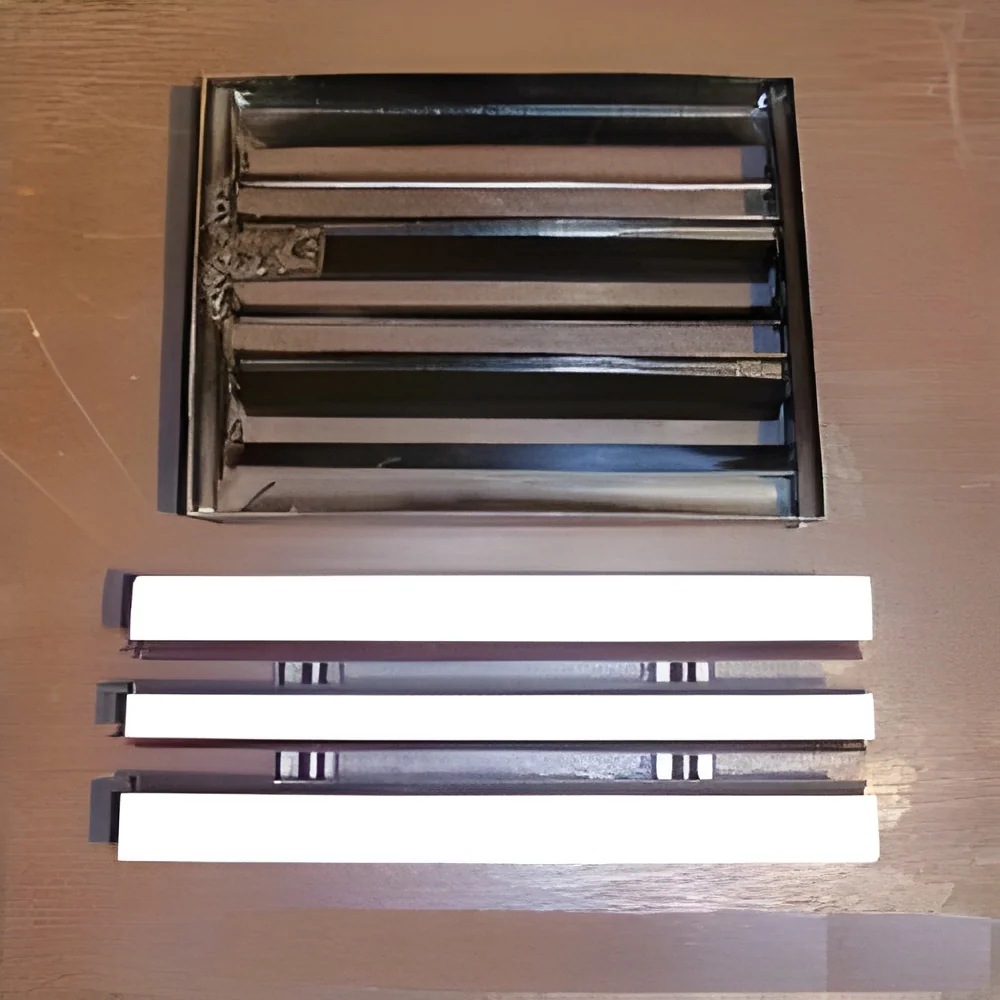
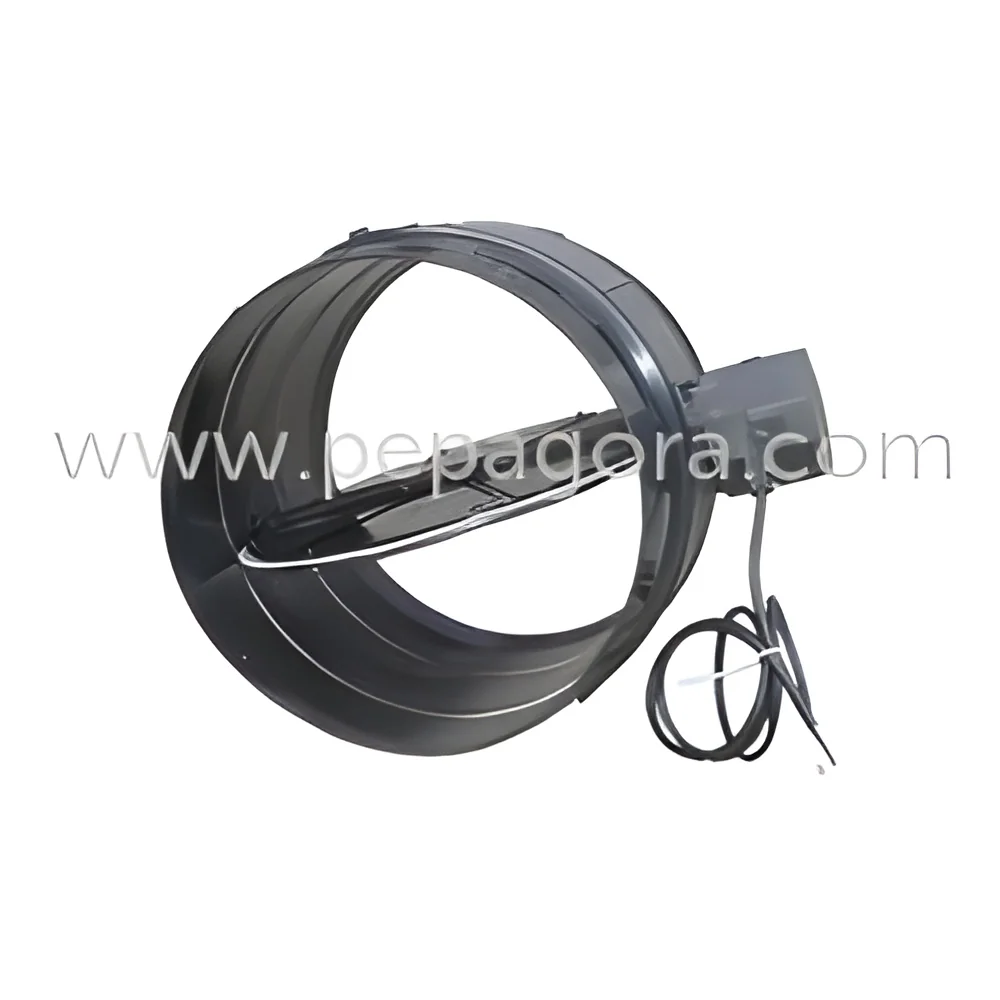
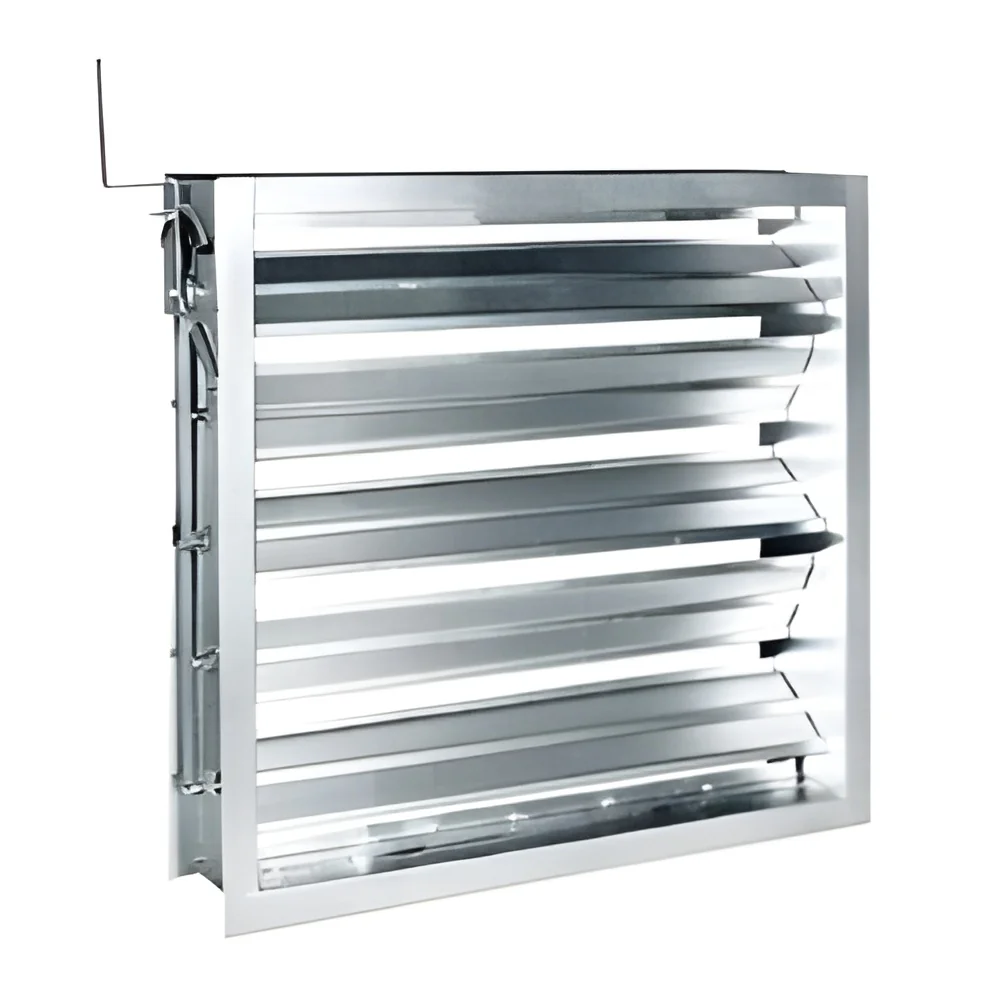
Motorized dampers are mechanical devices that control airflow in ventilation systems by opening and closing automatically. They are typically equipped with an electric motor that allows for precise regulation of air volume, pressure, and temperature. By adjusting the position of the damper blades, these devices help maintain balanced airflow and ensure optimal performance of heating, ventilation, and air conditioning (HVAC) systems.
These dampers find primary use in various commercial and industrial environments, including manufacturing plants, data centers, and commercial buildings. They play a crucial role in climate control, energy efficiency, and air quality management. Motorized dampers can be integrated into larger automation systems, enabling smart building technologies and improving operational efficiencies across numerous applications.
As industries increasingly prioritize energy conservation and optimal climate control, the demand for motorized dampers is on the rise. Their relevance spans across sectors such as HVAC, food processing, pharmaceuticals, and more, where precise airflow management is essential. The market for these devices is evolving, propelled by advancements in automation and smart technologies, making them a vital component in modern industrial infrastructure.
Key Features and Specifications
Motorized dampers come with a range of features designed to enhance their performance and reliability. Understanding these specifications is essential for selecting the appropriate model for specific applications.
Key specifications include:
1. Operation Type
- Motorized dampers can be categorized into on/off or modulating types.
- On/off dampers provide full open or closed positions, while modulating dampers allow for multiple positions.
2. Control Options
- These dampers can be controlled manually or through automated systems.
- Integration with building management systems is common for enhanced control.
3. Size and Dimensions
- Available in various sizes to fit different ductwork.
- Custom sizes can be manufactured to meet specific project requirements.
4. Material Construction
- Common materials include galvanized steel, aluminum, and stainless steel.
- Material choice affects durability and suitability for specific environments.
5. Air Leakage Rating
- Provides information on the damper's ability to minimize air leakage when closed.
- Rated according to standards to ensure efficiency.
6. Temperature Range
- Suitable for a variety of temperature environments.
- Specific ratings depend on the model and material used.
7. Safety Features
- Some models include fail-safe mechanisms to ensure proper operation during power failures.
- Compliance with safety standards is crucial.
8. Certifications
- Many motorized dampers are CE certified, ensuring compliance with European safety standards.
In summary, motorized dampers are equipped with advanced features that cater to various industrial needs. Understanding these specifications helps buyers make informed choices based on their operational requirements.
Common Applications and Use Cases
Motorized dampers are versatile devices used across multiple industries to enhance airflow management and energy efficiency.
1. HVAC Systems: Motorized dampers are integral to HVAC systems, providing precise control over air distribution in commercial buildings.
2. Industrial Manufacturing: In manufacturing settings, these dampers help regulate temperature and air quality in production areas, ensuring compliance with safety standards.
3. Food Processing: Motorized dampers play a crucial role in controlling environmental conditions in food processing facilities, maintaining hygiene and quality.
4. Data Centers: In data centers, these dampers help manage cooling and airflow, essential for optimizing equipment performance and preventing overheating.
5. Pharmaceuticals: In pharmaceutical production areas, motorized dampers help maintain strict environmental controls critical for product integrity.
6. Greenhouses: Motorized dampers are used in agricultural settings to optimize airflow and temperature, enhancing plant growth conditions.
7. Laboratories: In research laboratories, these dampers assist in maintaining controlled environments, essential for various scientific experiments.
Product Variants and Subcategories
Motorized dampers come in various designs and configurations to meet diverse operational needs.
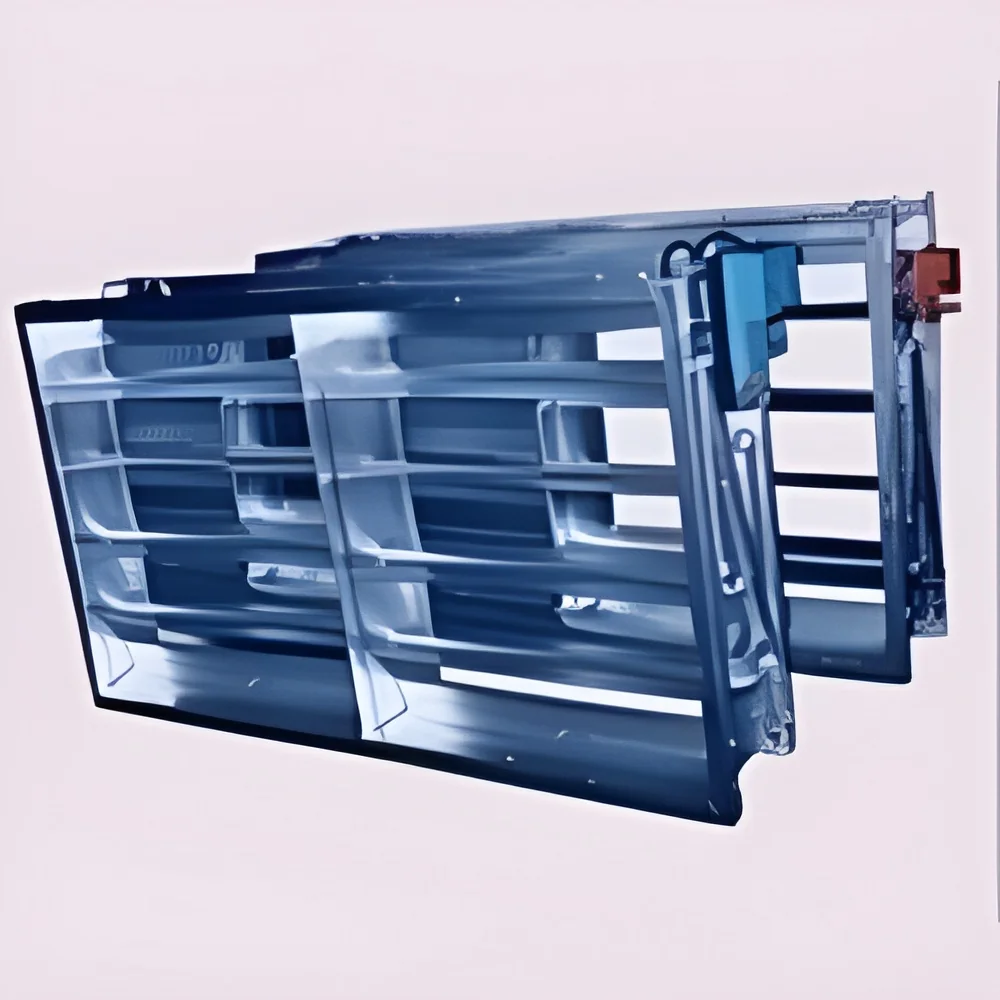
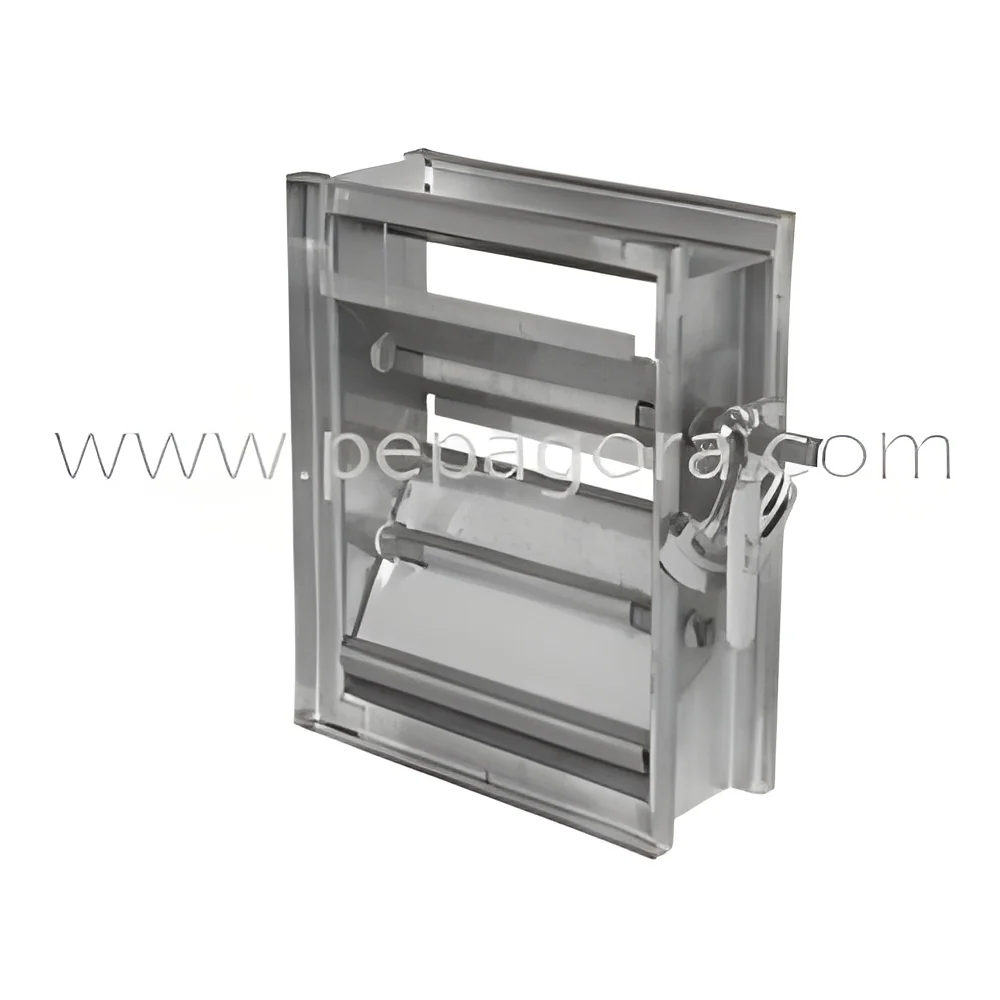
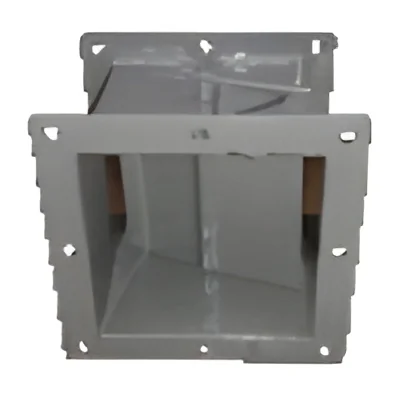
Square Motorized Dampers: These dampers are designed for square duct systems and offer efficient airflow control. They are often used in commercial HVAC applications due to their ease of installation.
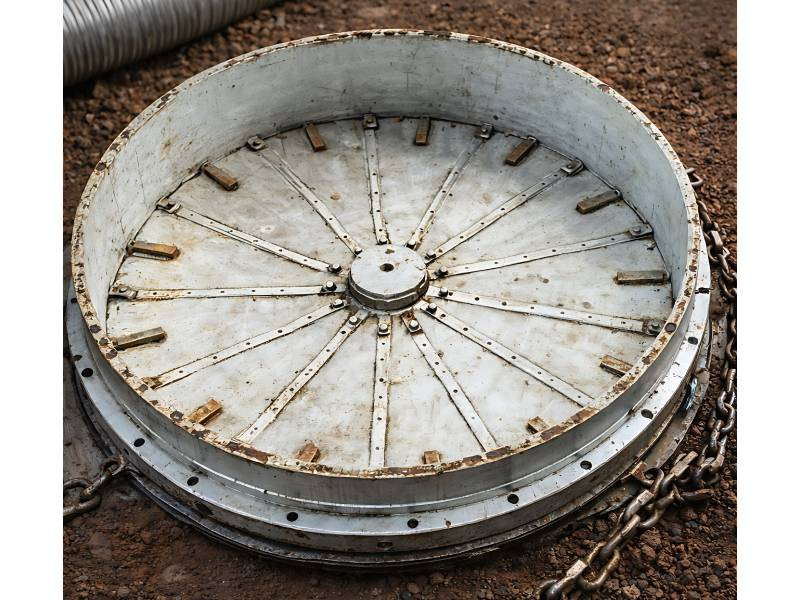
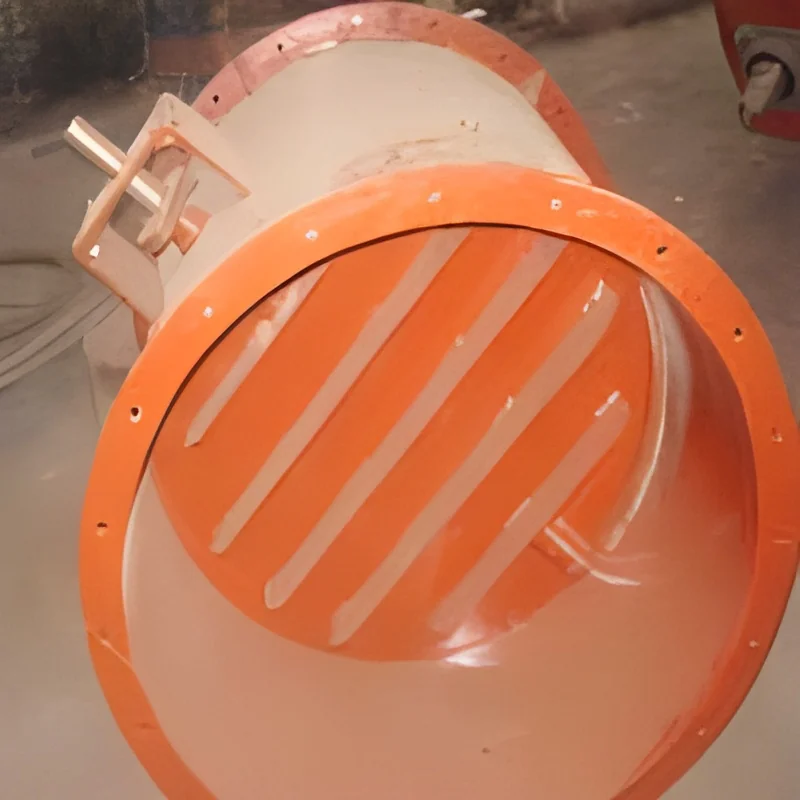
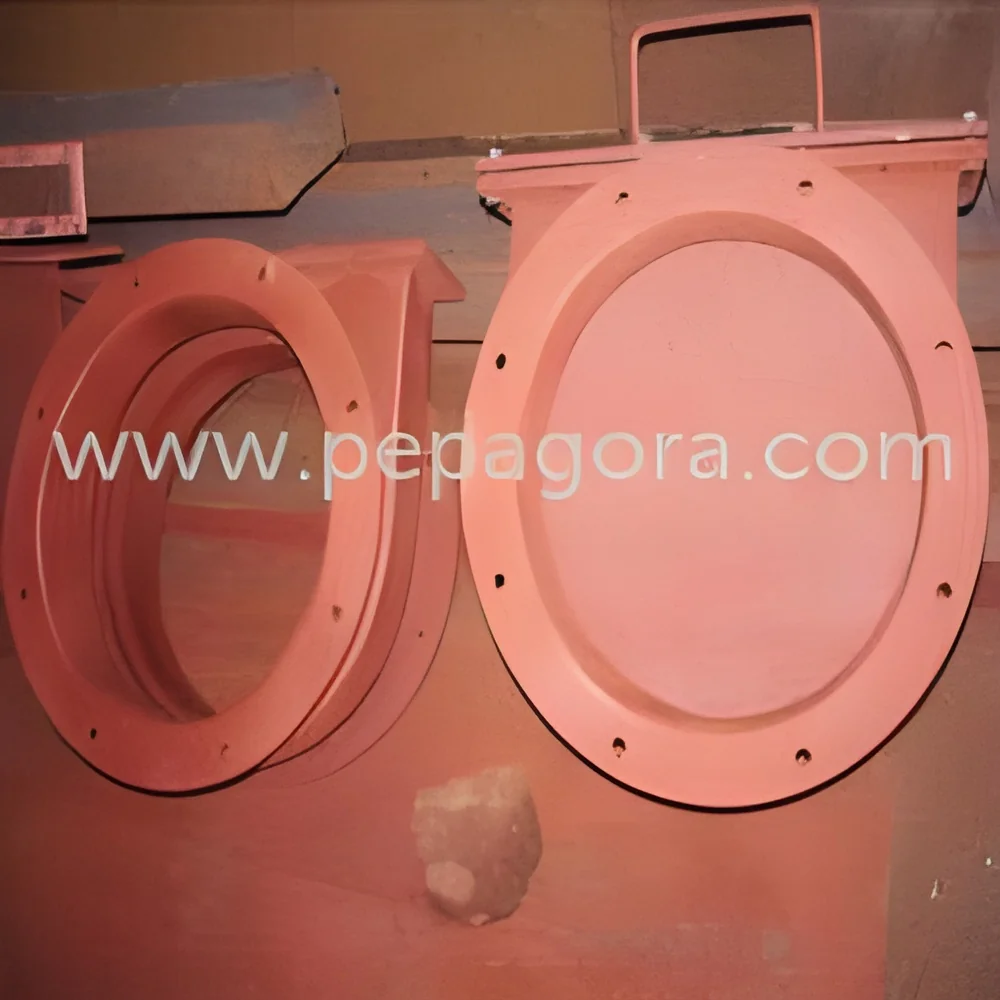
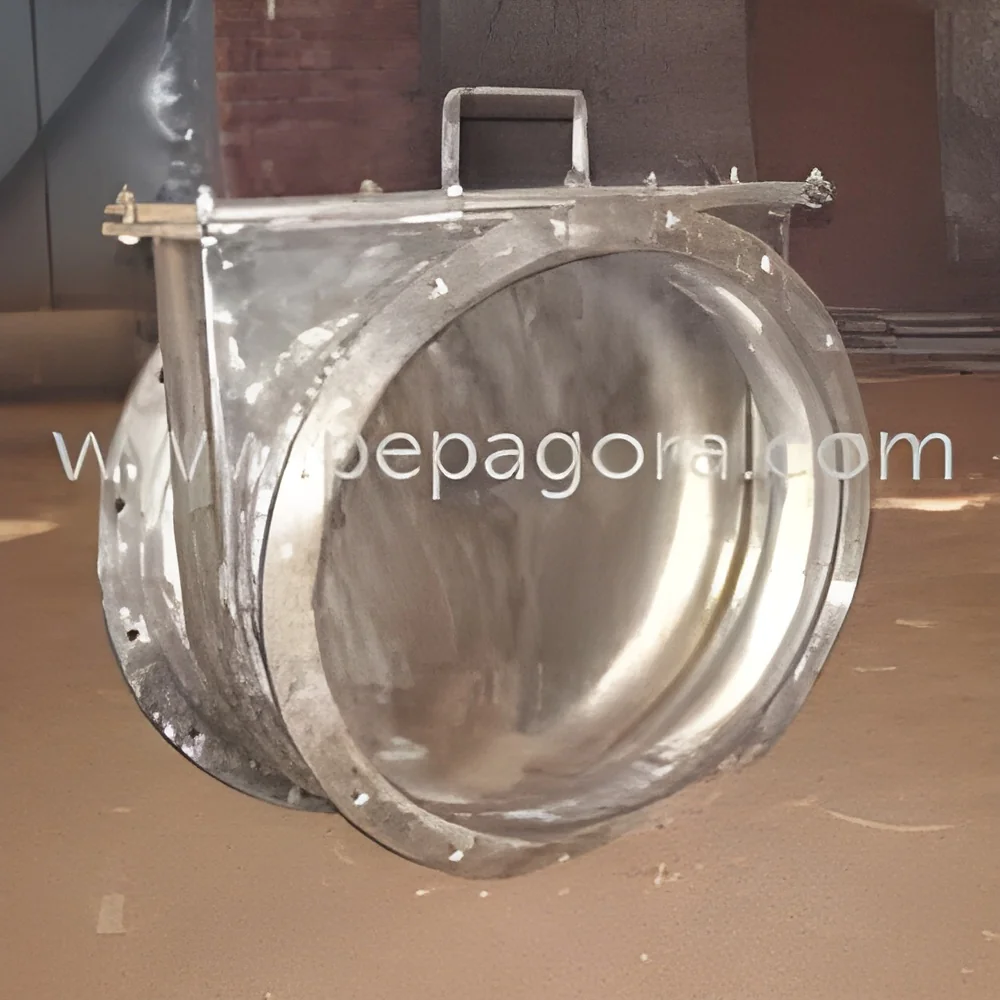
Round Motorized Dampers: Ideal for round ductwork, these dampers provide effective airflow management in both residential and industrial settings, ensuring optimal performance.
Low-Profile Dampers: These variants are designed for applications with limited space, providing a compact solution without compromising on performance.
Fire and Smoke Dampers: Specifically designed to close automatically in the event of a fire, these dampers help prevent the spread of smoke and flames, ensuring safety in buildings.
Benefits and Advantages
Motorized dampers offer numerous advantages that enhance system performance and operational efficiency.
1. Enhanced Energy Efficiency: By optimizing airflow, motorized dampers contribute to reduced energy consumption in HVAC systems.
2. Precise Control: The ability to automatically adjust airflow improves temperature regulation and air quality in various environments.
3. Improved Safety: With options like fire and smoke dampers, these devices enhance safety in buildings by preventing the spread of hazardous conditions.
4. Reduced Labor Costs: Automation of airflow control minimizes the need for manual adjustments, leading to labor savings.
5. Greater System Longevity: Proper airflow management reduces strain on HVAC systems, extending their operational lifespan.
6. Compliance Support: Motorized dampers help businesses meet industry regulations regarding air quality and environmental controls.
Buying Guide for B2B Buyers
When sourcing motorized dampers, it is essential to consider several factors to ensure the best fit for your needs.
1. Quality Assessment: Evaluate the quality of materials and construction methods. Look for certifications that indicate compliance with industry standards.
2. Supplier Verification: Vet suppliers by checking their history, customer reviews, and industry reputation. Reliable suppliers are crucial for obtaining high-quality products.
3. Pricing and MOQ: Understand the pricing structure and minimum order quantities. Compare quotes from different suppliers to find the best value.
4. Delivery and Lead Times: Discuss logistics with suppliers, including delivery schedules and lead times, to ensure timely project completion.
5. Compliance Requirements: Familiarize yourself with any regulatory requirements specific to your industry. Ensure that the products you choose meet these standards.
Compliance and Certifications
Motorized dampers are subject to various quality standards and certifications to ensure safety and performance.
ISO 9001 is a common quality management standard that applies to manufacturers, ensuring consistent quality and customer satisfaction.
CE marking indicates compliance with European health, safety, and environmental requirements, ensuring that products meet the necessary regulations for market access.
Safety and testing requirements are critical, especially for applications in sensitive industries like pharmaceuticals and food processing. These requirements help ensure that the dampers operate safely under expected conditions.
Regional compliance considerations may vary, and it is essential for businesses to be aware of local regulations impacting the use of motorized dampers in their specific markets.
Why Source Motorized Dampers from Pepagora?
Pepagora provides a trusted platform for sourcing motorized dampers, offering several advantages to B2B buyers.
Verified Supplier Network: Pepagora has established a network of verified suppliers, ensuring that buyers can connect with reputable manufacturers and distributors. This network helps mitigate risks associated with sourcing.
Streamlined RFQ Process: The platform offers a straightforward request for quotation (RFQ) process, allowing buyers to receive multiple quotes quickly and efficiently. This feature saves time and aids decision-making.
Trade Assurance and Support: Pepagora provides trade assurance, which protects buyers' interests throughout the purchasing process. This support fosters confidence in transactions and enhances the overall buying experience.
Regional Coverage: With a strong presence in India, the GCC, and Southeast Asia, Pepagora offers extensive geographic reach. This coverage ensures that businesses can source motorized dampers regardless of their location, facilitating access to quality products in various markets.


 India
 India
 India

 India
 India
 India
 India
 India
Frequently Asked Questions
What are Motorized Dampers?
Motorized dampers are devices used to control the flow of air or gas in HVAC systems and other applications. They utilize electric actuators to open or close the damper blades, allowing for precise control over airflow and environmental conditions.
What are the different types of Motorized Dampers?
There are several types of motorized dampers, including round, rectangular, and fire dampers. Each type is designed for specific applications, with features tailored to meet varying airflow requirements and safety standards.
How do I choose the right Motorized Dampers?
Choosing the right motorized dampers involves considering factors such as the application, required airflow capacity, size, and type of control system. Consulting with manufacturers or suppliers can provide insights into the best options for your specific needs.
What are the standard specifications for Motorized Dampers?
Standard specifications for motorized dampers typically include dimensions, airflow capacity, actuator type, and voltage requirements. It is important to refer to manufacturer guidelines to ensure compatibility with your system.
What is the price range for Motorized Dampers?
The price range for motorized dampers can vary widely based on type, size, and features, typically ranging from a few thousand to several tens of thousands of Indian Rupees. It is advisable to compare quotes from multiple suppliers to find a suitable option.
What quality standards apply to Motorized Dampers?
Motorized dampers should comply with relevant industry standards, such as IS (Indian Standards) or international standards like ISO. Ensuring compliance with these standards guarantees safety, reliability, and performance.
Where can I find Motorized Dampers suppliers in India?
Motorized dampers suppliers can be found through online B2B marketplaces, trade shows, and industry directories. Websites like Pepagora.com offer a platform to connect with reputable manufacturers and suppliers in India.
Can Motorized Dampers be customized?
Yes, motorized dampers can often be customized to meet specific requirements, such as size, materials, and control systems. It is recommended to discuss customization options with the manufacturer or supplier to ensure your needs are met.
What is the typical minimum order quantity for Motorized Dampers?
The typical minimum order quantity (MOQ) for motorized dampers varies by manufacturer and product type, usually ranging from 10 to 50 units. It is best to confirm the MOQ directly with the supplier you are considering.
What is the typical lead time for Motorized Dampers?
The typical lead time for motorized dampers can vary based on the manufacturer, customization needs, and order volume, generally ranging from 2 to 6 weeks. It's advisable to confirm lead times with your supplier before placing an order.
Why Businesses Trust Pepagora
Thousands of companies trust Pepagora to source smarter and sell faster
Expand Your Sales Globally

Source Smarter,Grow Faster
